Loading subject page…


26,579 views

Video Summary: Newtons Law of Motion Explained
Ever wonder why a NASCAR driver feels pinned to their seat during sharp turns at 180 mph? Newton's law of motion governs every movement around us, from rockets launching at Kennedy Space Center to baseballs flying out of Yankee Stadium. These three fundamental laws explain how forces create motion, why heavier objects need more force to accelerate, and how every push creates an equal push back. Watch the full video on JoVE Coach to master this concept with expert-led visuals and step-by-step explanations.
Newton's law of motion represents three interconnected principles that Sir Isaac Newton formulated in 1687, fundamentally changing how we understand physical interactions. These laws serve as the cornerstone for AP Physics courses, college mechanics classes, and engineering programs across the United States. Students encounter these concepts extensively in SAT Subject Tests and standardized assessments, making mastery essential for academic success.
The first law establishes that objects resist changes to their motion state. A hockey puck gliding across ice at Madison Square Garden continues moving until friction and air resistance gradually slow it down. Similarly, passengers in a New York City subway feel pushed backward when the train accelerates forward-their bodies want to maintain their resting state while the train moves beneath them. This concept explains why seatbelt laws exist and why NASA engineers must carefully calculate trajectory corrections for spacecraft missions.
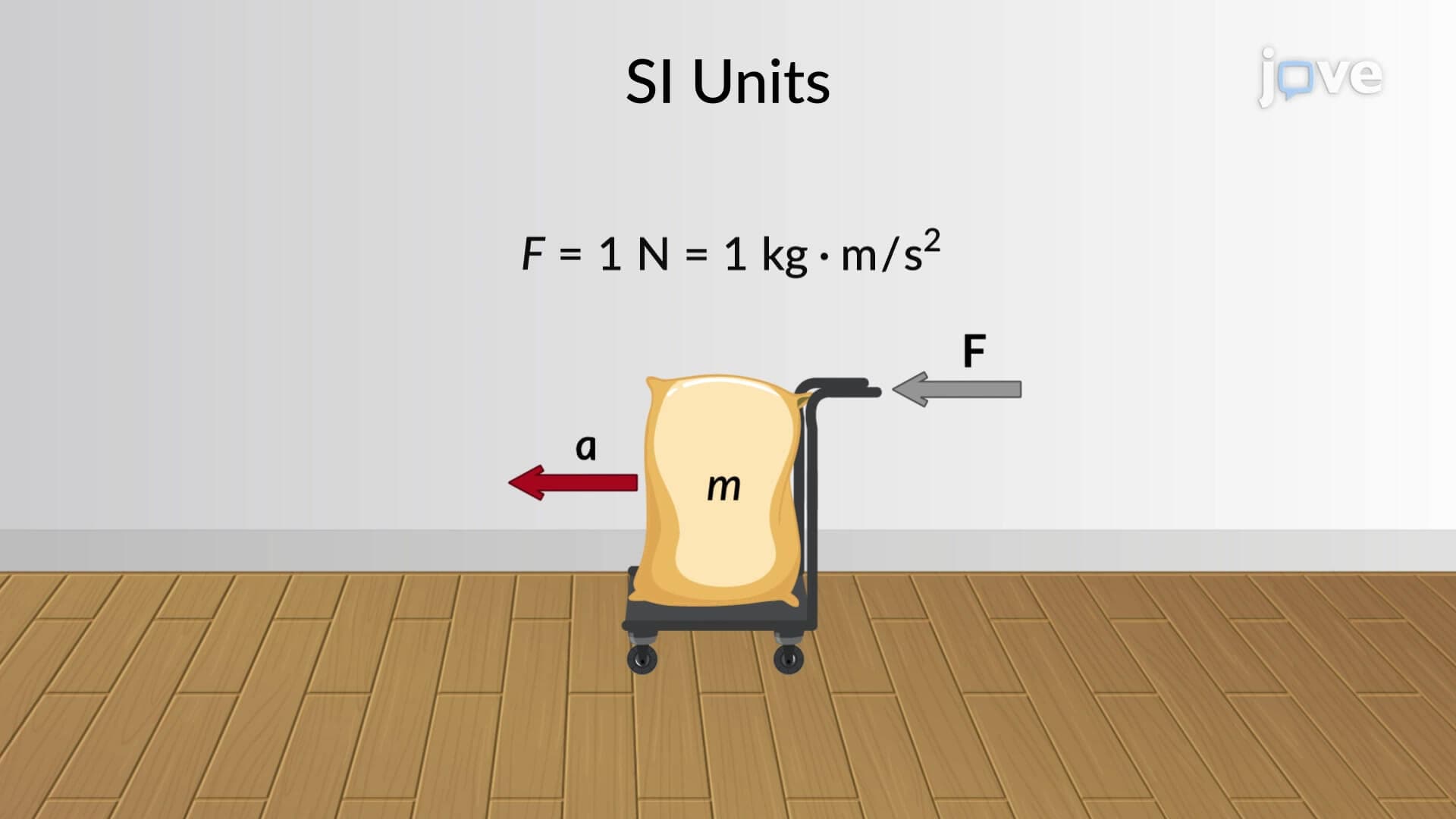
The second law quantifies the relationship between force, mass, and acceleration through the equation F = ma. When an NFL linebacker tackles a running back, the force applied determines how quickly the player's velocity changes. A 300-pound lineman requires significantly more force to achieve the same acceleration as a 180-pound receiver. This principle governs everything from calculating rocket thrust requirements at SpaceX to determining braking distances for emergency vehicle training programs across American fire departments.
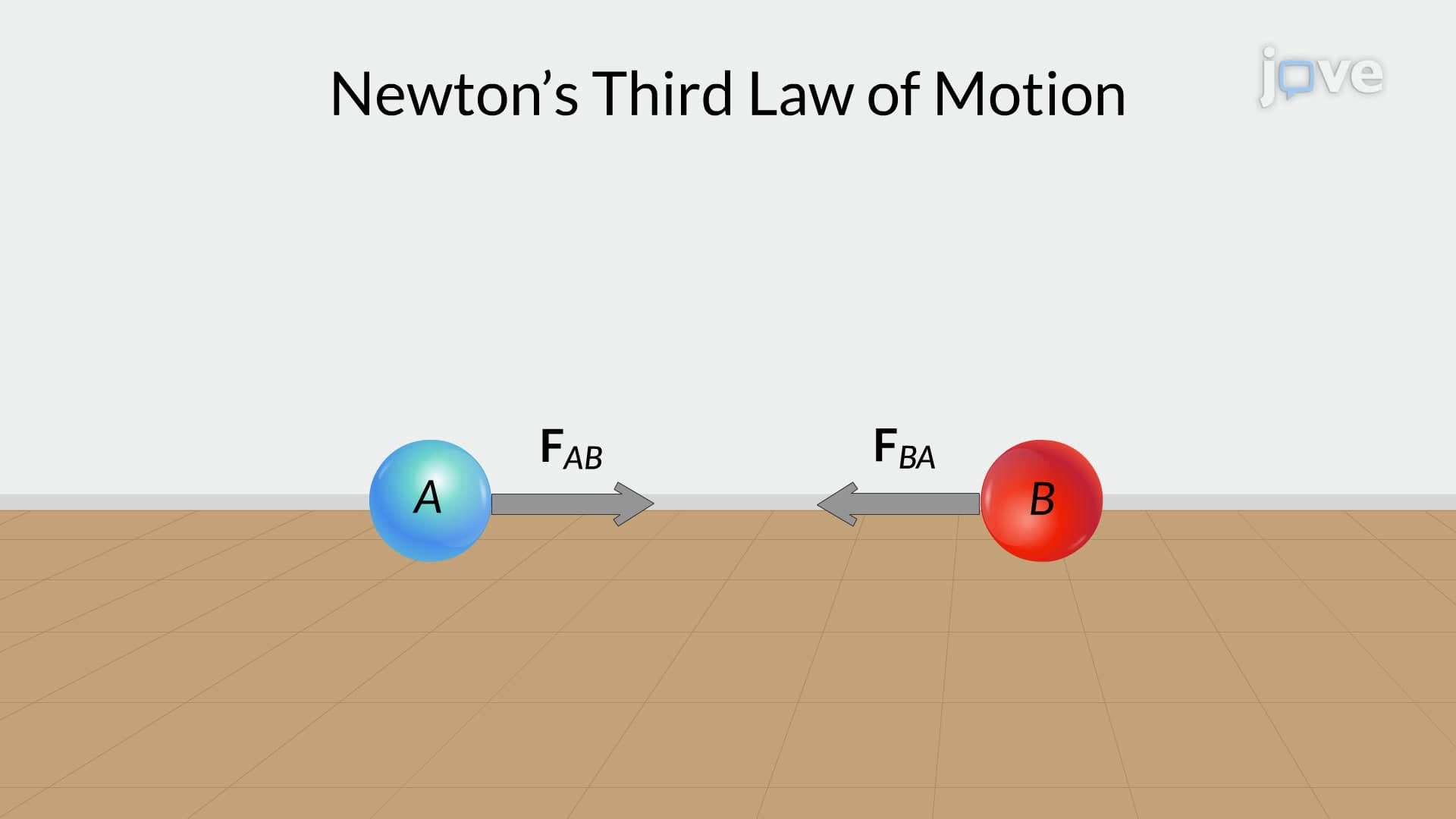
The third law reveals that forces always occur in pairs. When a swimmer pushes against pool water at a YMCA facility, the water pushes back with equal force, propelling the swimmer forward. Jet engines demonstrate this principle dramatically-hot gases expelled backward create forward thrust that lifts commercial aircraft from airports like LAX and O'Hare. Understanding action-reaction pairs helps students grasp complex engineering concepts in college-level statics and dynamics courses.
These laws interconnect to explain virtually every mechanical phenomenon students encounter in physics coursework, from pendulum motion in laboratory experiments to collision analysis in automotive safety research conducted at universities nationwide.
Related Micro-courses