Loading…
Loading video…

9,583 views
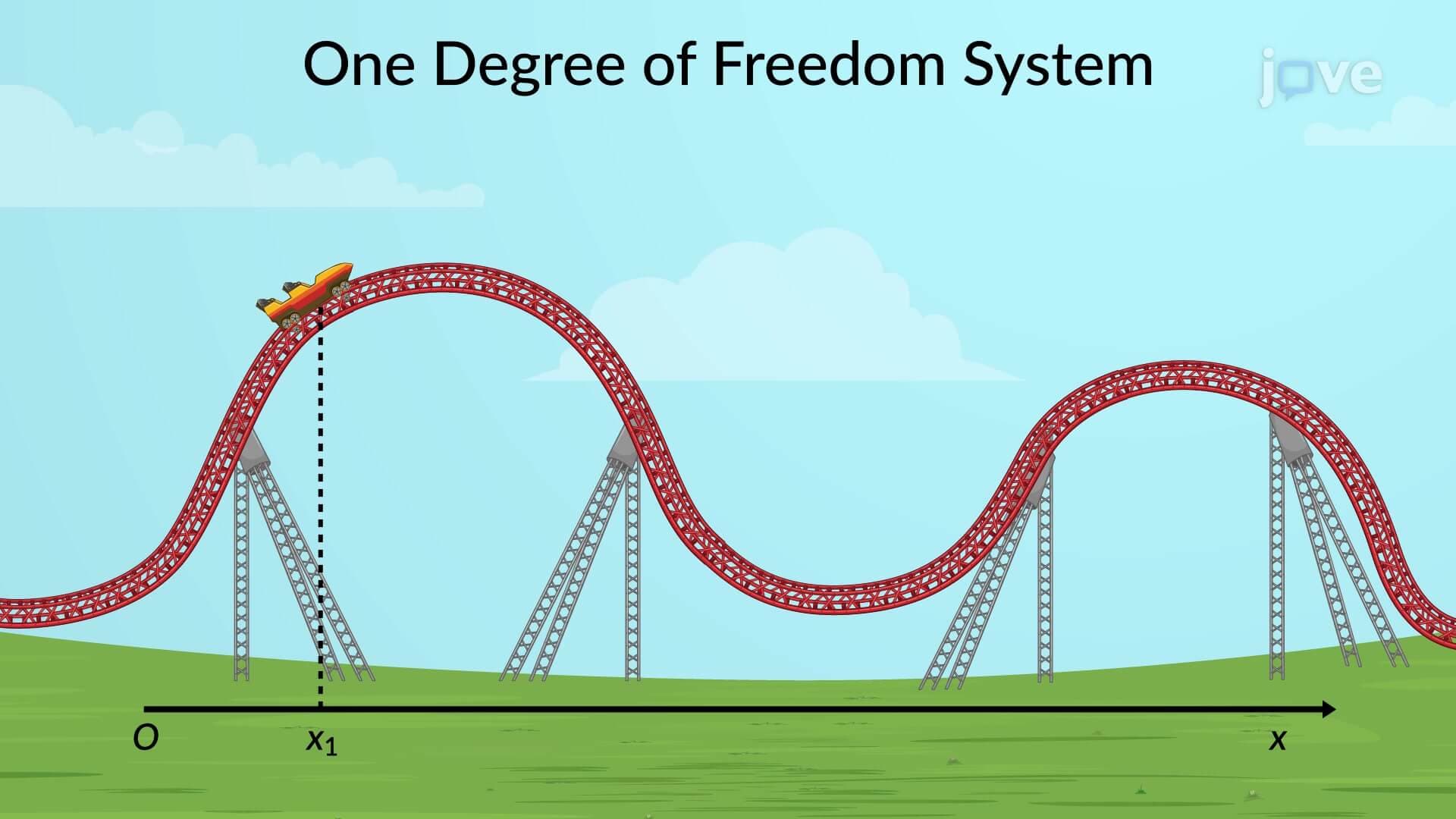
Ever wonder why a coin spinning on a table eventually settles flat rather than balanced on its edge? Stability of equilibrium configuration problem solving reveals the physics behind such everyday phenomena, from the pendulum clocks in Boston's Old North Church to roller coaster loop designs at Six Flags parks across America. This stability of equilibrium configuration problem solving explained approach uses energy methods to predict whether mechanical systems will return to rest or continue moving after small disturbances. Watch the full video on JoVE Coach to master this concept with expert-led visuals and step-by-step explanations.
Stability of equilibrium configuration problem solving represents a fundamental approach in mechanical engineering and physics that determines whether a system will return to its original position after experiencing small disturbances. This methodology combines principles of potential energy, calculus, and mechanical dynamics to predict system behavior—skills essential for AP Physics C students and engineering undergraduates across American universities.
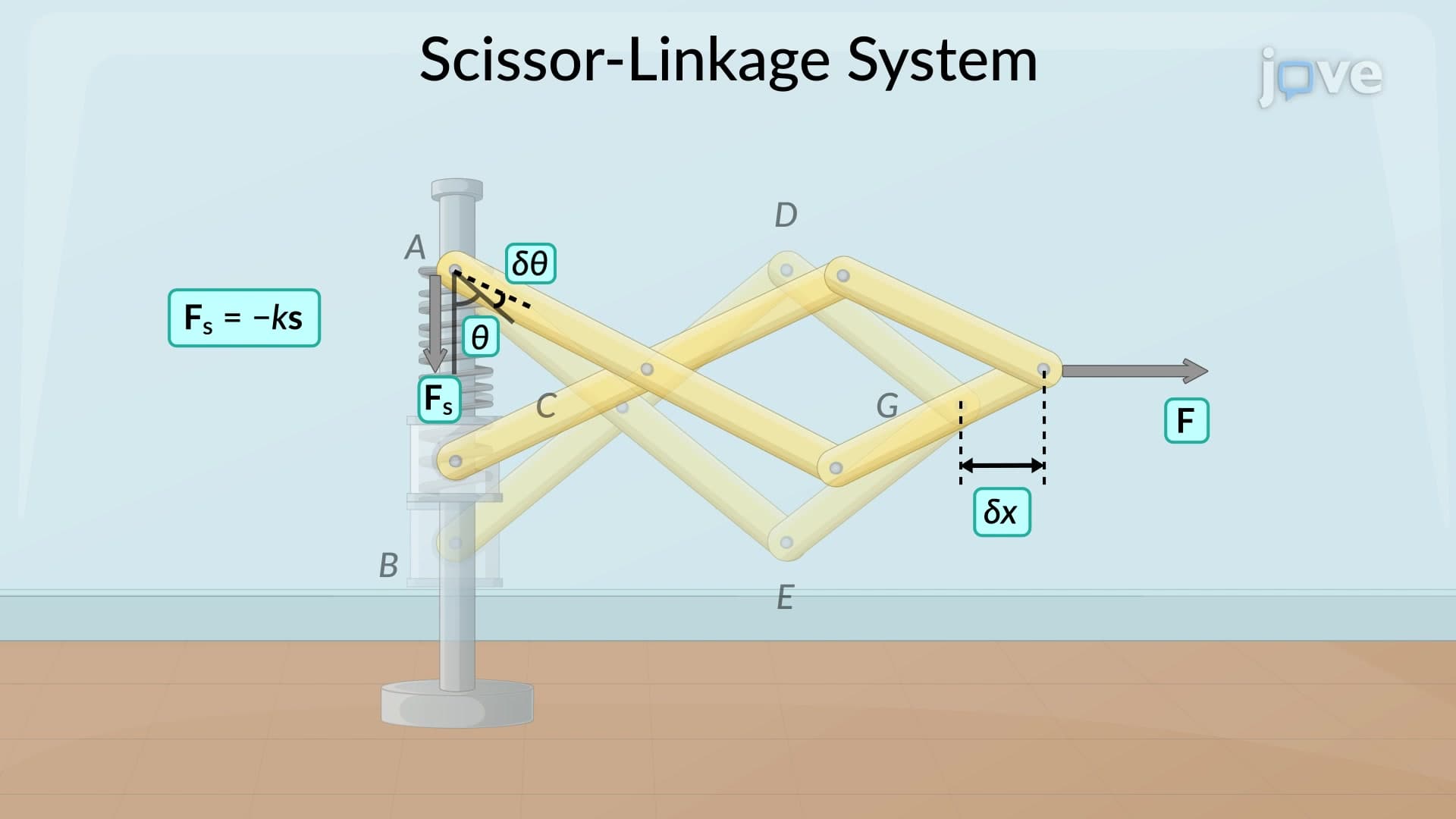
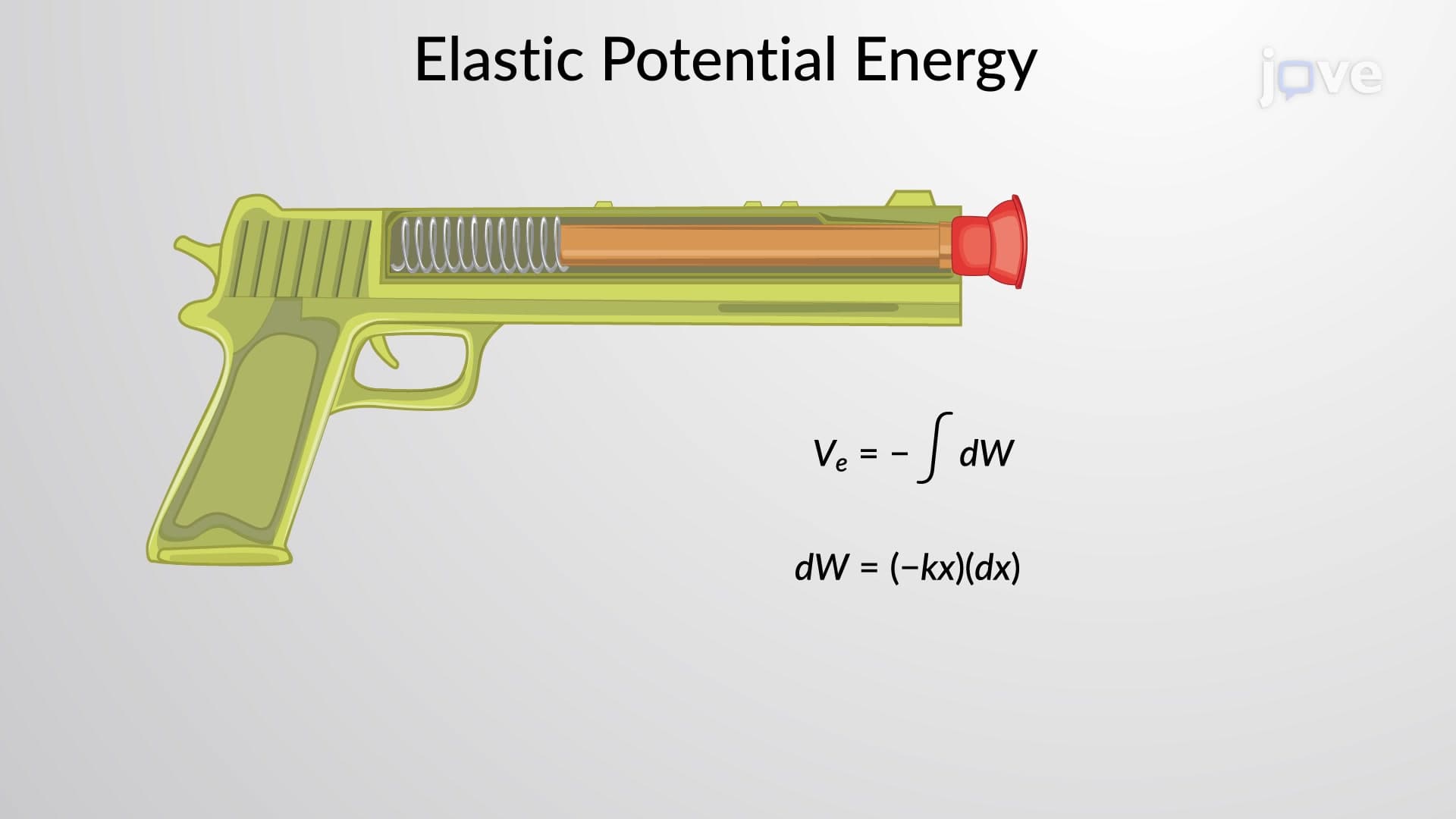
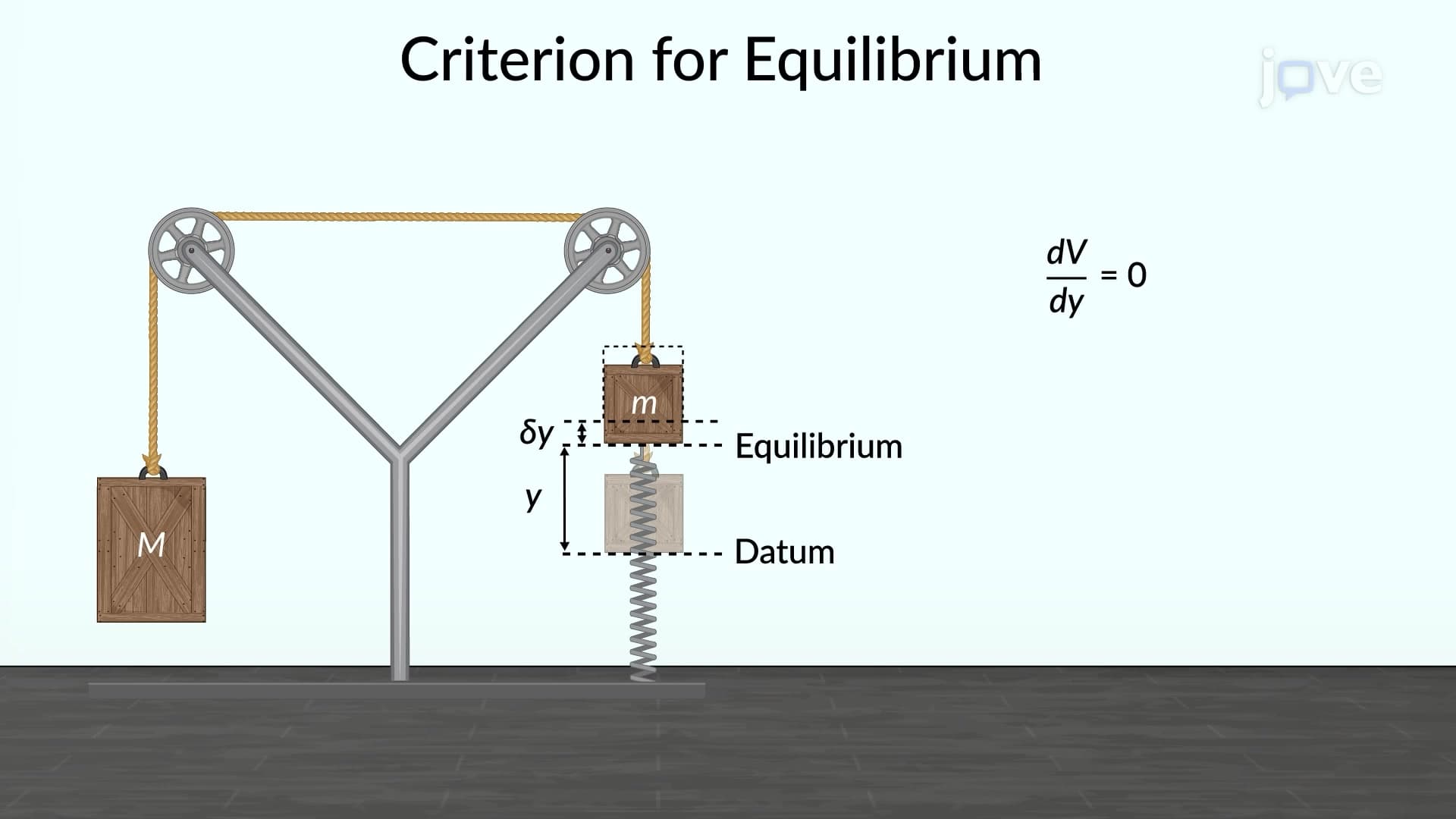
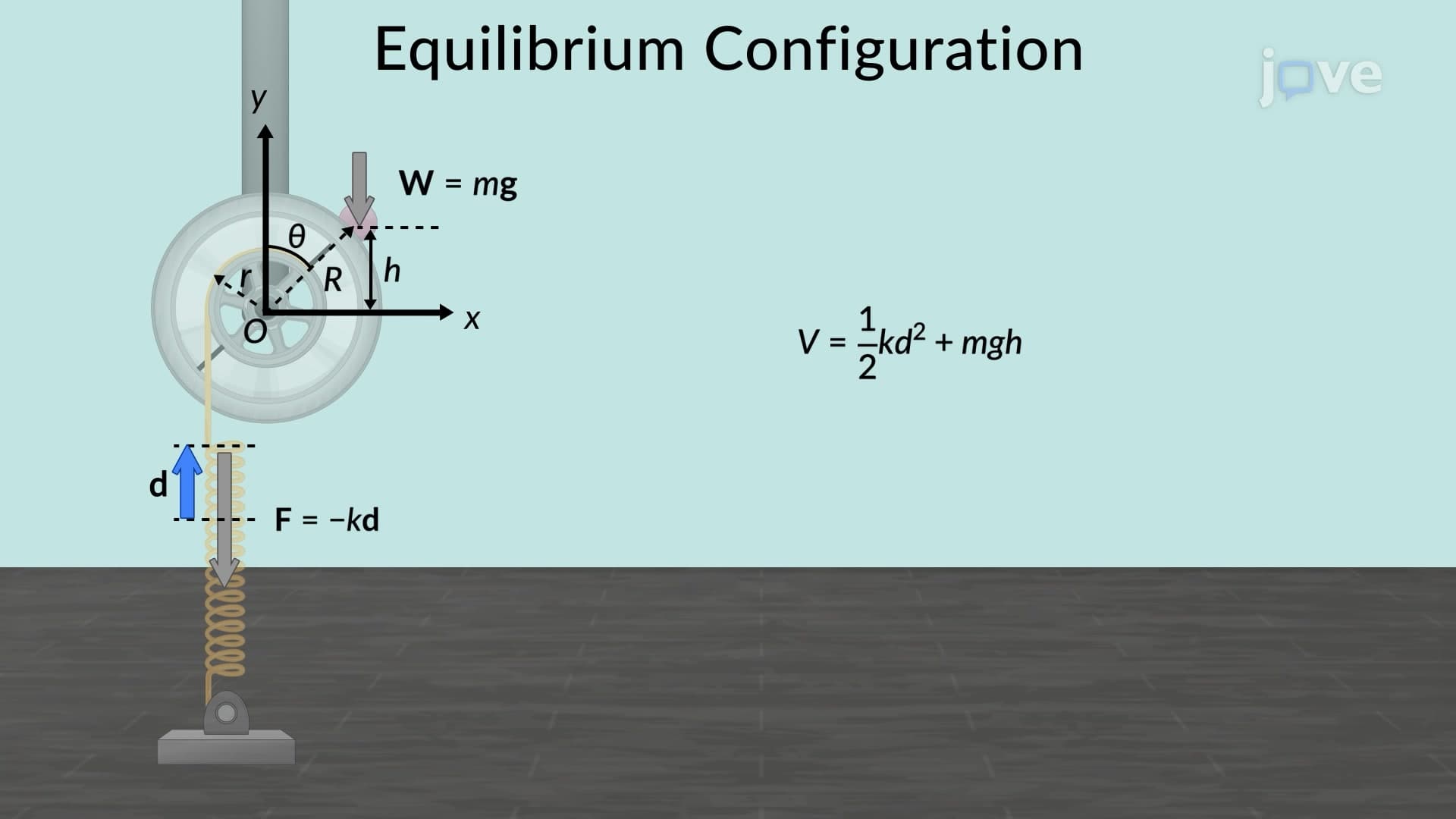
The foundation of stability of equilibrium configuration problem solving relies on analyzing total potential energy functions. For mechanical systems involving springs, gravity, and rotating components, engineers calculate the sum of elastic potential energy (½kx²) and gravitational potential energy (mgh). The equilibrium positions occur where the first derivative of this total potential energy equals zero, representing points where the system experiences no net force.
This approach proves particularly valuable in college-level statics and dynamics courses offered at institutions like MIT, Stanford, and state universities nationwide. Students learning how stability of equilibrium configuration problem solving works discover that mathematical analysis can predict physical behavior before building actual prototypes.
The stability of equilibrium configuration problem solving concept distinguishes between stable and unstable equilibrium states using second derivative tests. When d²U/dθ² > 0 (positive second derivative), the equilibrium represents a local energy minimum, creating stable equilibrium. Small disturbances cause the system to oscillate around this position before returning to rest—like a marble settling at the bottom of a bowl.
Conversely, when d²U/dθ² < 0 (negative second derivative), the equilibrium represents an energy maximum, producing unstable equilibrium. Any slight perturbation causes the system to move away from this position—resembling a marble balanced precariously on an inverted bowl that rolls away with the slightest touch.
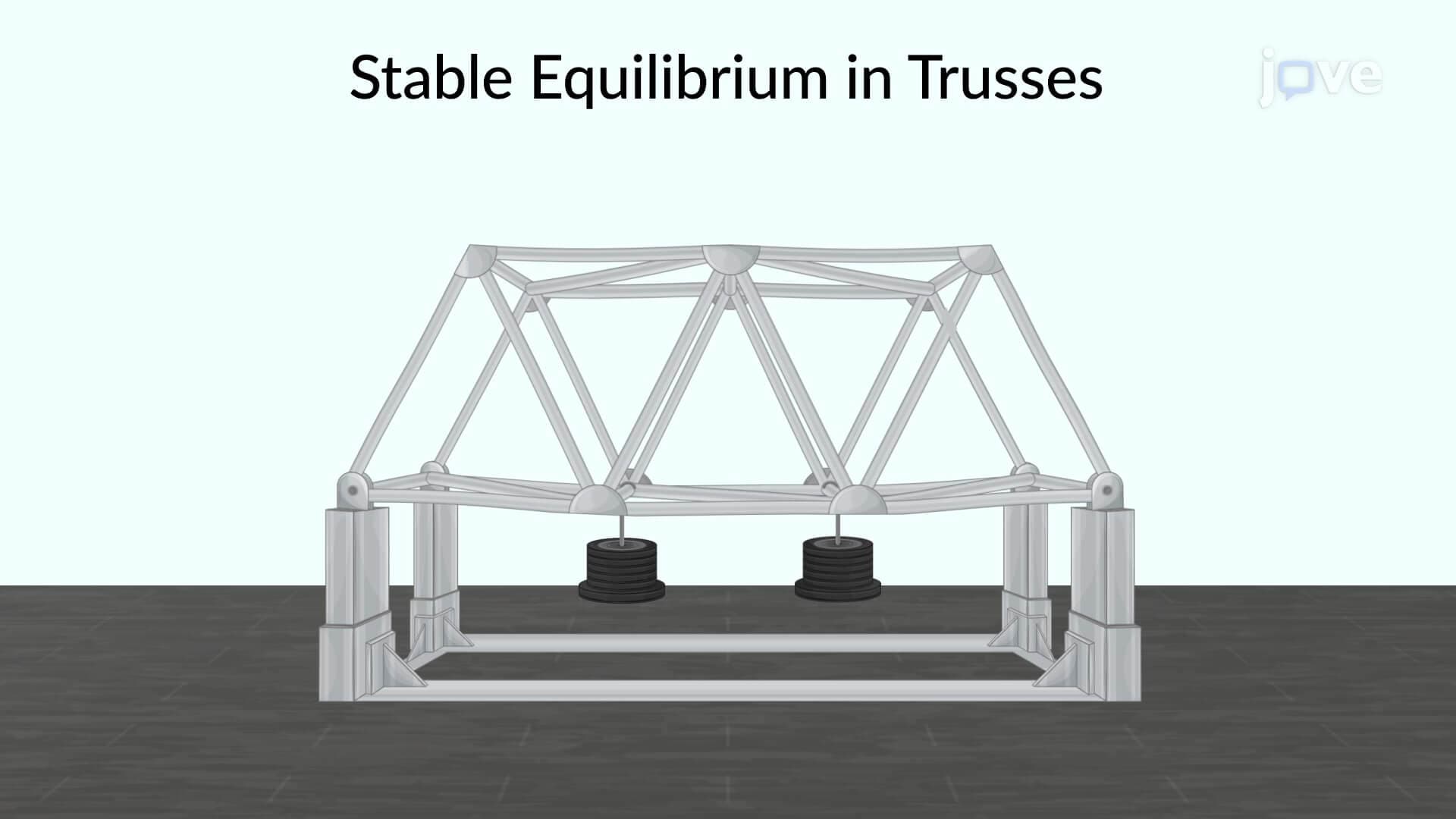
This stability of equilibrium configuration problem solving tutorial methodology appears throughout American engineering practice. Structural engineers at firms like Bechtel Corporation apply these principles when designing earthquake-resistant buildings in California, ensuring structures return to equilibrium after seismic disturbances. Aerospace engineers at Boeing use similar stability analysis for aircraft control systems, while automotive engineers at Ford apply these concepts in suspension system design.
The stability of equilibrium basics also govern everyday mechanisms: office chair hydraulic systems, garage door spring assemblies, and even playground equipment all rely on stable equilibrium principles for safe, predictable operation.
Frequently Asked Questions
Stability of equilibrium configuration problem solving is a systematic method using potential energy analysis to determine whether mechanical systems return to rest or continue moving after disturbances. This approach helps engineers design safe, predictable systems from building structures to vehicle suspensions. It's fundamental to understanding how forces and energy interact in mechanical systems.
AP Physics C Mechanics frequently tests these concepts through free-response questions involving spring-mass systems, pendulums, or rotating bodies. Students must calculate potential energy functions, find equilibrium positions using calculus, and determine stability through second derivative tests. Practice problems often combine multiple energy types like gravitational and elastic potential energy.
Students need solid understanding of derivatives and basic calculus concepts, typically covered in AP Calculus AB or equivalent courses. The physics requires knowledge of potential energy functions, force analysis, and Newton's laws. Most high school physics students can master these concepts with proper preparation and practice.
College exams often present complex systems requiring students to derive potential energy functions from first principles, find multiple equilibrium points, and analyze stability for each position. Common scenarios include compound pendulums, spring-loaded mechanisms, or systems with both rotational and translational motion.
Consider automatic garage doors that stop smoothly rather than slamming shut, or office chairs that adjust to stable heights without bouncing. Theme park rides like those at Disney World rely on these principles for safe operation. Even simple door hinges use stability concepts to ensure doors close properly and stay in position.
Start by sketching free-body diagrams and identifying all energy sources in the system. Practice setting up potential energy functions systematically, then work through the calculus step-by-step. Create a checklist: find U(total), calculate dU/dx = 0 for equilibrium, then evaluate d²U/dx² for stability classification.
This foundation leads to advanced dynamics, control systems theory, and vibration analysis in mechanical engineering programs. Students often encounter these concepts again in graduate-level robotics, aerospace engineering, and structural dynamics courses at universities nationwide.
Related Micro-courses
Related Subjects
 Civil Engineering 30 micro-courses›Electrical Engineering 33 micro-courses›