Loading…
Loading video…

9,583 views
Ever wondered how engineers ensure bridges won't collapse before they're built? Virtual work is a powerful analytical tool that lets engineers test structural stability without physical stress testing. This fundamental concept in mechanics allows us to analyze equilibrium conditions by considering hypothetical displacements and calculating the work done by forces. For instance, when designing the Golden Gate Bridge's suspension system, engineers used virtual work principles to verify that all forces balanced perfectly under various load conditions. Watch the full video on JoVE Coach to master this concept with expert-led visuals and step-by-step explanations.
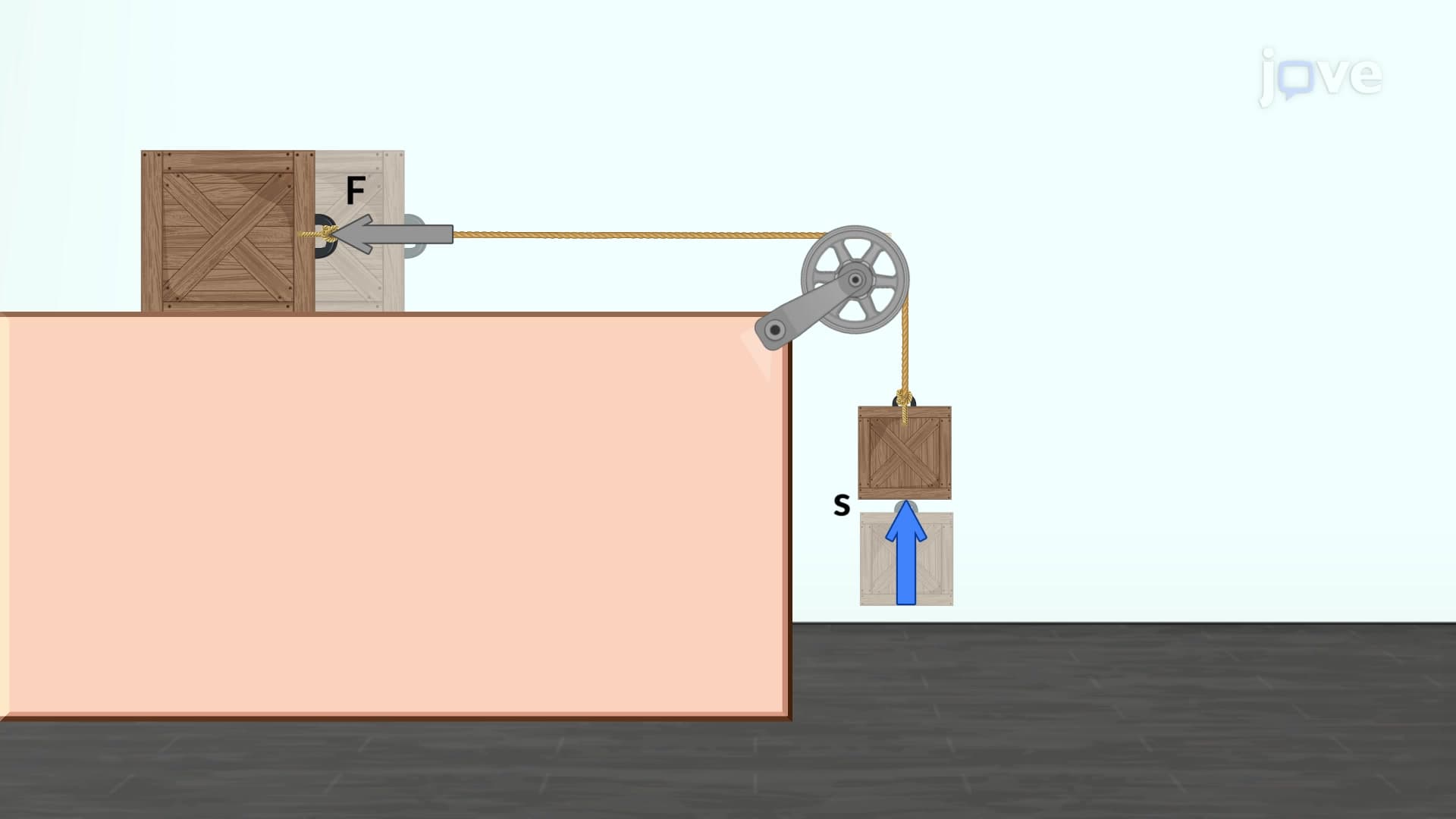
Virtual work represents a fundamental concept in engineering mechanics that allows us to analyze equilibrium without considering actual motion. Unlike real work, which involves actual displacement and energy transfer, virtual work uses imaginary (virtual) displacements to test whether a system remains in equilibrium. This powerful analytical tool has revolutionized how engineers approach complex structural problems.
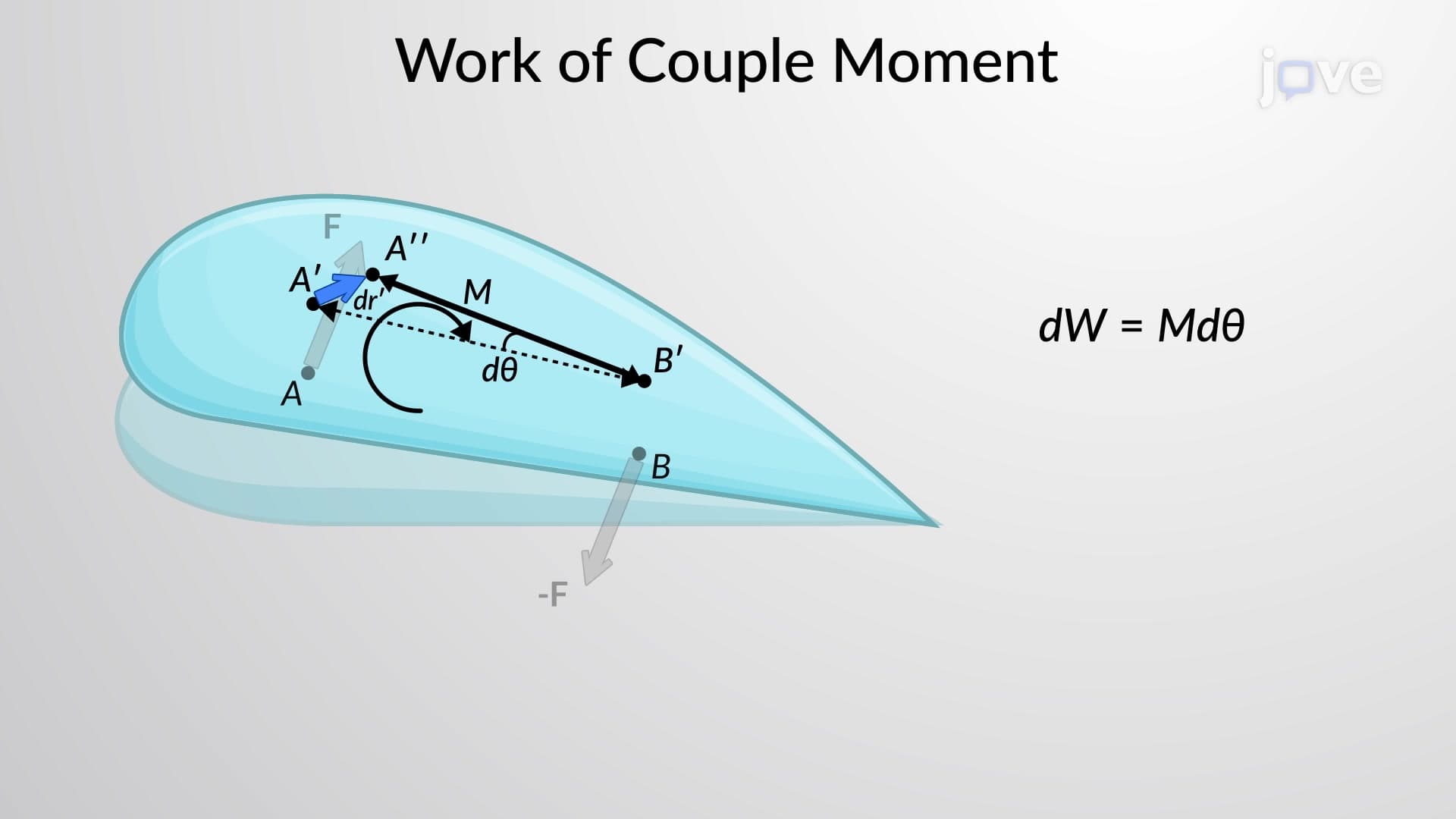
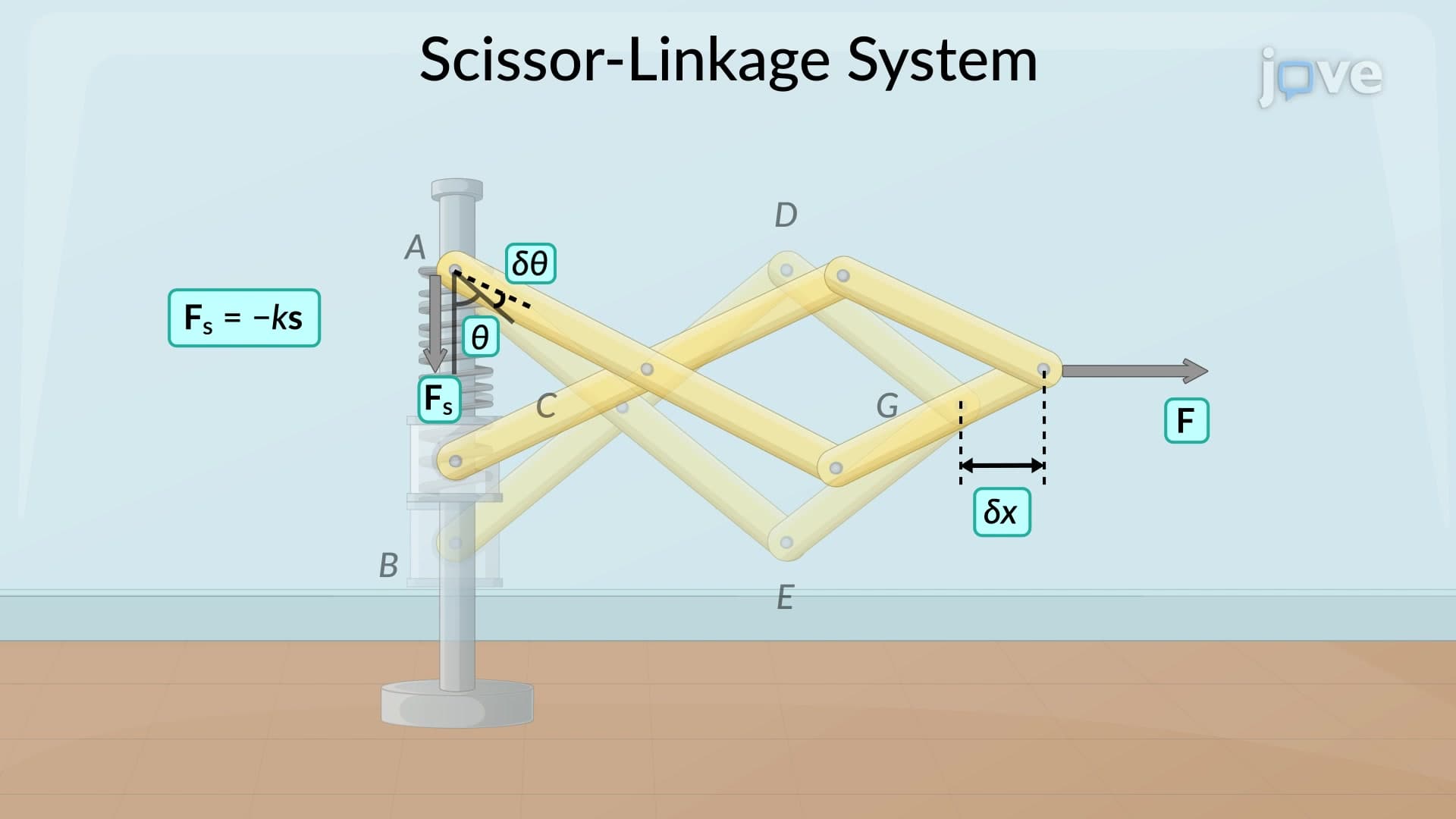
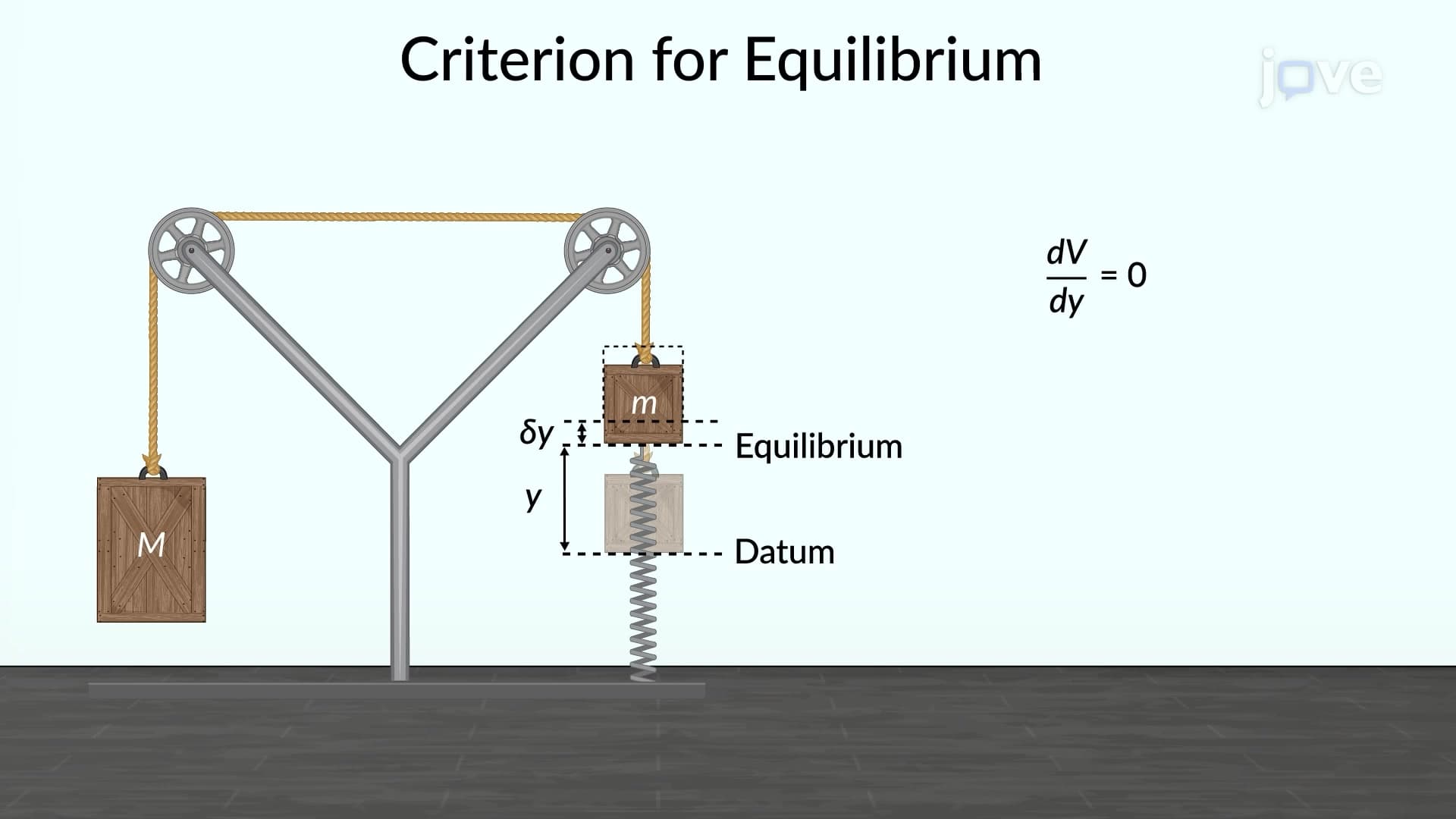
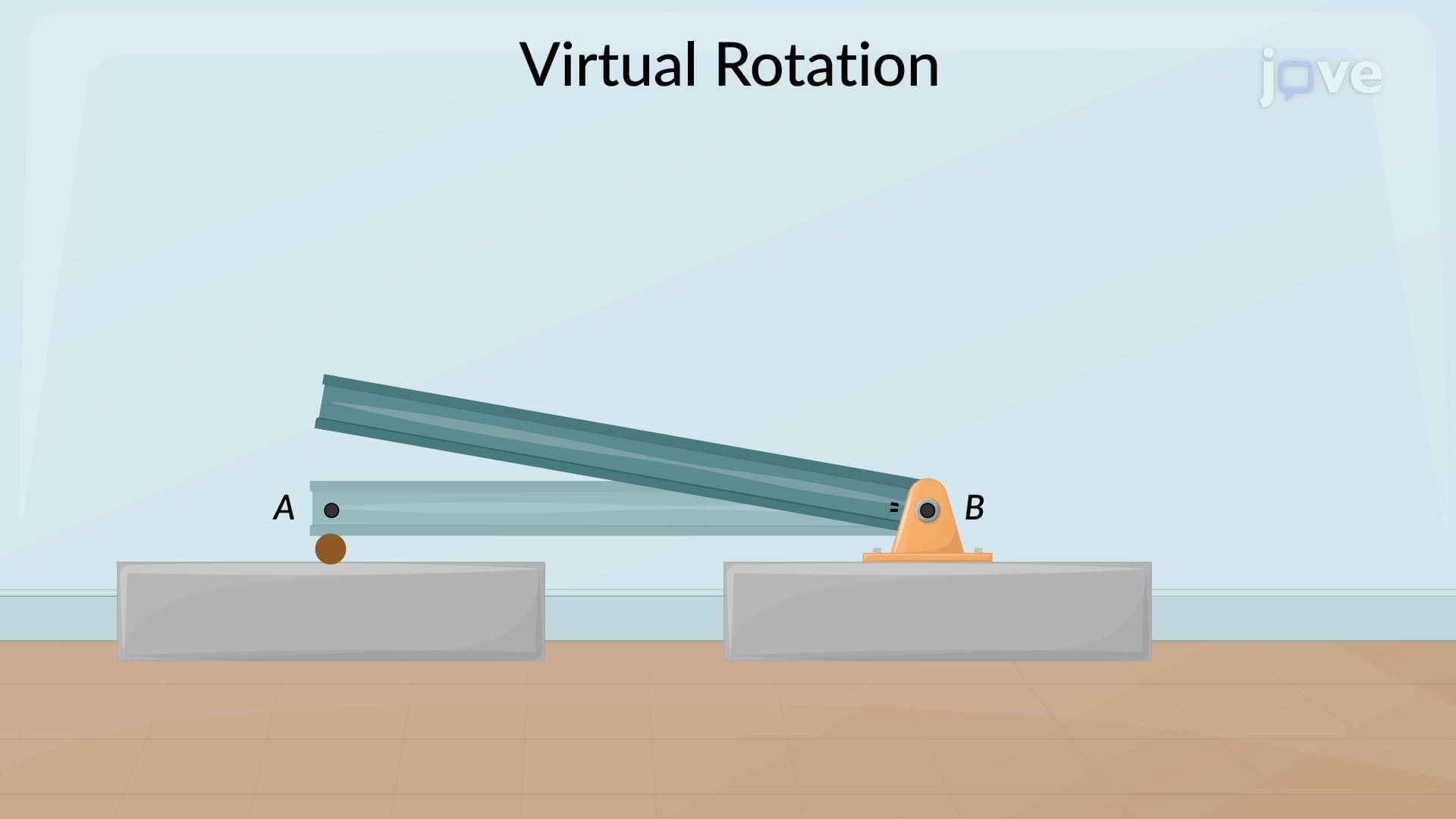
The virtual work definition centers on a simple mathematical relationship: virtual work equals force multiplied by virtual displacement (δW = F × δr), or moment multiplied by virtual angular displacement (δW = M × δθ) for rotational systems. These infinitesimally small, hypothetical displacements allow engineers to probe system stability without disturbing actual equilibrium conditions.
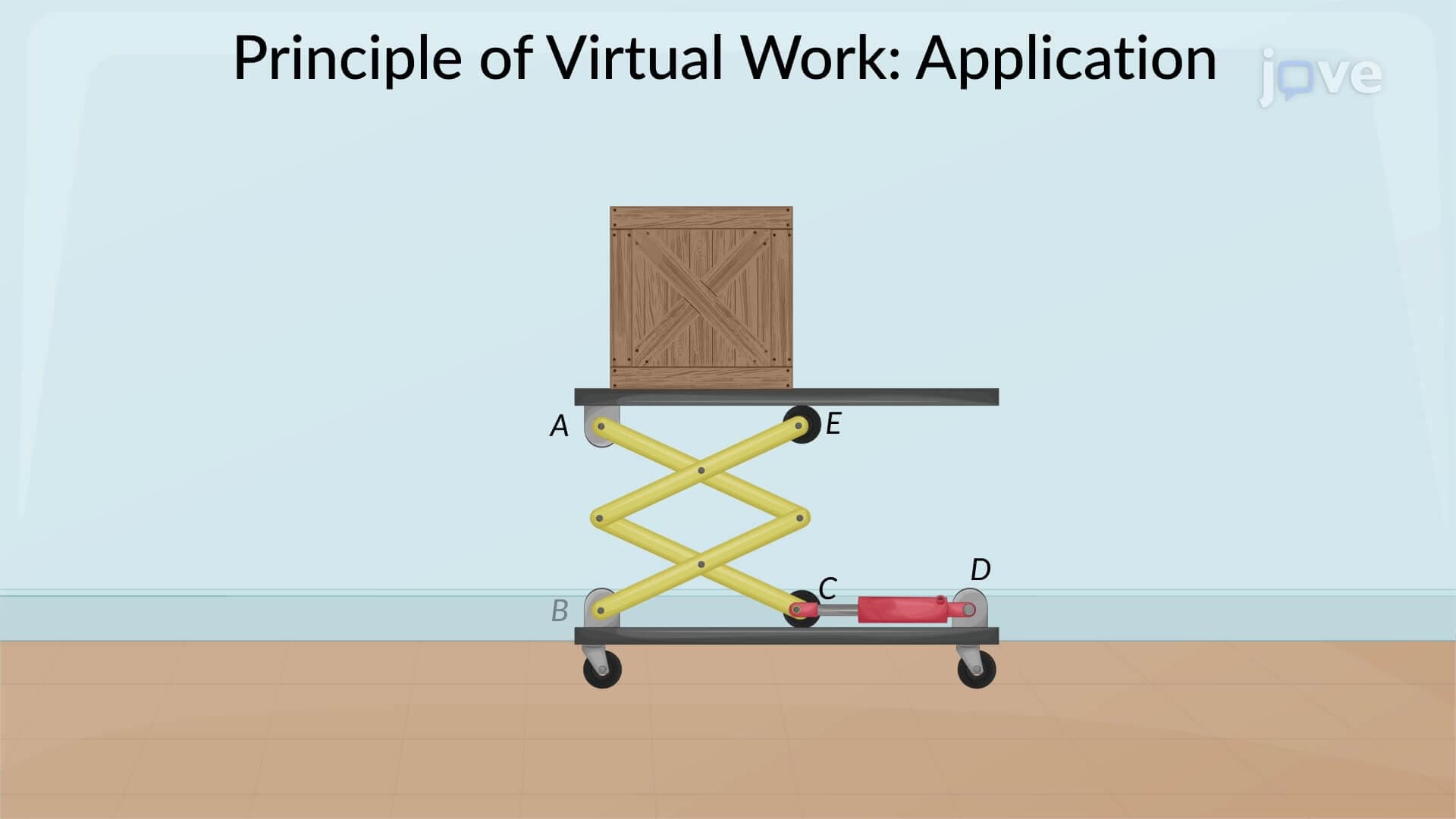
The principle of virtual work states that for any system in static equilibrium, the total virtual work done by all forces and moments equals zero for any compatible virtual displacement. This principle becomes invaluable when analyzing statically indeterminate structures—systems where traditional equilibrium equations alone cannot solve for all unknowns.
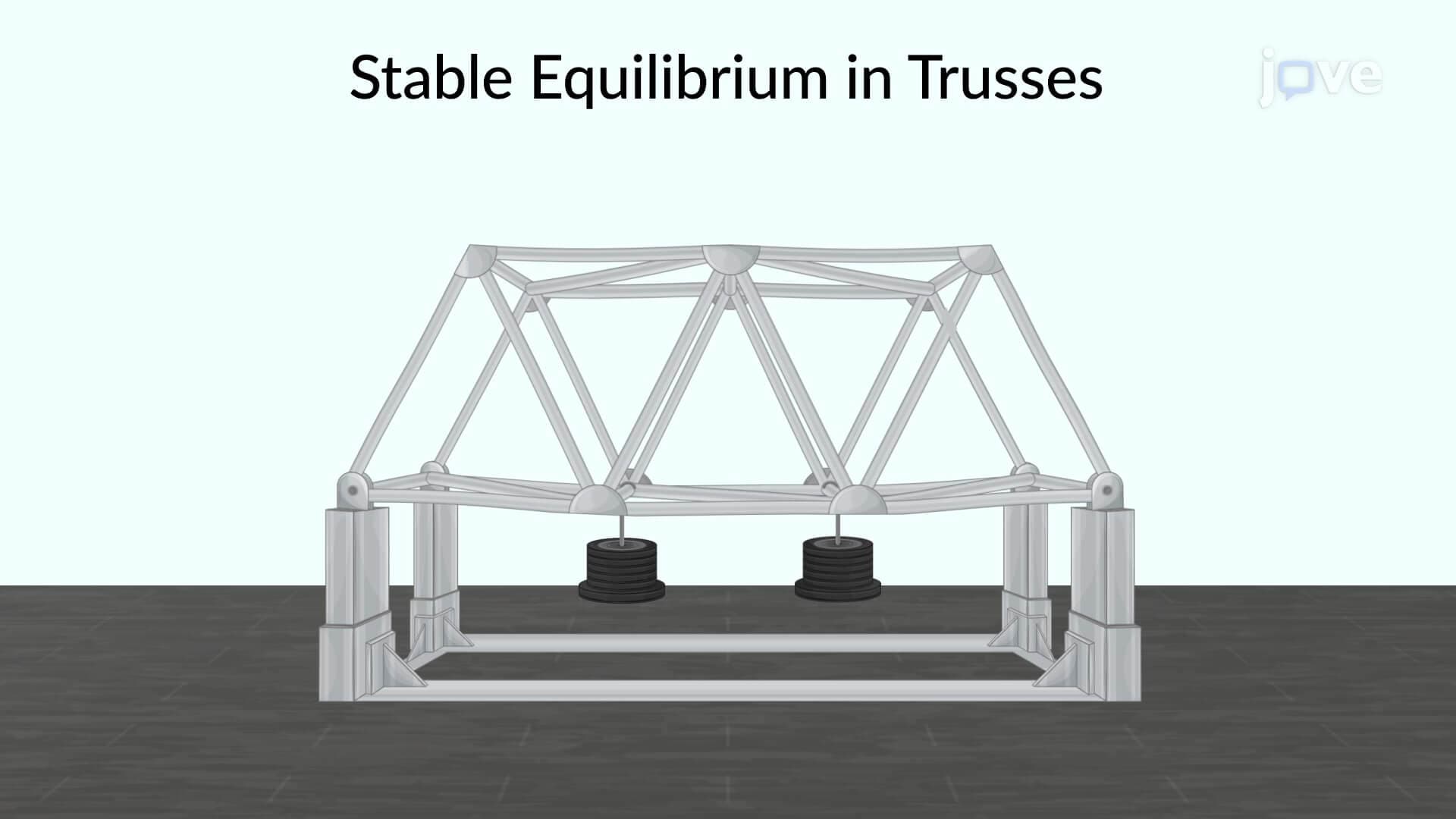
Consider a truss bridge like those spanning the Mississippi River. When engineers apply virtual work analysis, they introduce small virtual displacements at joints and calculate work done by each member force. The sum must equal zero for the structure to remain stable. This approach proves particularly useful for structures with multiple load paths where traditional methods become cumbersome.
Virtual work finds extensive application in analyzing everything from skyscraper frameworks to aircraft wing structures. Boeing engineers regularly use virtual work principles when designing aircraft components, ensuring that control surfaces remain stable under various flight conditions. The method excels in problems involving constraints, where certain reaction forces do no work due to perpendicular force-displacement relationships.
Students preparing for AP Physics or college-level statics courses will encounter virtual work in beam deflection problems, truss analysis, and machine design scenarios. The concept frequently appears on MCAT physics sections, particularly in biomechanics contexts involving joint mechanics and muscle force analysis.
Success with virtual work problems requires understanding constraint conditions and identifying which forces contribute to the work calculation. Unlike traditional force summation methods, virtual work often provides more elegant solutions for complex systems. Students should practice identifying virtual displacement patterns and recognizing when reaction forces become irrelevant to the analysis.
For exam preparation, focus on drawing clear free-body diagrams, identifying constraint relationships, and systematically applying the zero virtual work principle. This methodical approach proves essential for tackling advanced problems in structural mechanics and machine design courses.
Frequently Asked Questions
Virtual work is the hypothetical work calculated using imaginary displacements to analyze equilibrium, while actual work involves real motion and energy transfer. Virtual work uses infinitesimally small displacements to test system stability without disturbing equilibrium. This analytical tool helps engineers solve complex structural problems where traditional methods prove insufficient.
Virtual work commonly appears in AP Physics C mechanics sections and college statics courses as an alternative method for solving equilibrium problems. Students encounter it in truss analysis, beam deflection, and constraint problems where traditional force summation becomes complex. Many professors prefer virtual work solutions for their elegance and systematic approach.
Yes, MCAT physics sections frequently include virtual work principles, especially in biomechanics contexts involving human joint mechanics and muscle force analysis. Understanding virtual work helps analyze how forces in the human body maintain equilibrium during movement. The concept often appears in passages about orthopedic devices or sports medicine applications.
Engineers use virtual work to verify structural stability before construction, particularly for complex systems like suspension bridges or high-rise buildings. For example, when designing earthquake-resistant structures in California, engineers apply virtual displacement patterns representing seismic motion to ensure all forces remain balanced. This prevents costly design errors and ensures public safety.
Virtual work is definitely accessible to high school students who understand basic physics concepts like force, displacement, and equilibrium. The mathematical requirements involve only algebra and basic trigonometry—no calculus needed for introductory applications. Students who master force analysis and free-body diagrams typically transition smoothly to virtual work concepts.
Start by mastering the fundamental principle that total virtual work equals zero for equilibrium systems. Practice identifying which forces contribute to virtual work and which don't (like perpendicular reaction forces). Work through systematic examples, always drawing clear diagrams and identifying constraint relationships before applying mathematical principles.
Students should explore energy methods in structural analysis, including Castigliano's theorem and the unit load method for deflection calculations. These advanced topics build directly on virtual work principles and prove essential for structural engineering and mechanical design courses. Understanding virtual work provides the foundation for these more sophisticated analytical techniques.
Related Micro-courses
Related Subjects
 Civil Engineering 30 micro-courses›Electrical Engineering 33 micro-courses›