Loading…
Loading video…

9,583 views
Ever wonder why pushing against a wall leaves you exhausted but accomplishes no work in physics terms? Work occurs only when force causes displacement, making it fundamentally different from everyday effort. Consider a NASA rocket engine generating millions of pounds of thrust to launch astronauts toward the International Space Station—that's positive work in action. Understanding What is Work reveals why force without movement equals zero work, regardless of how much energy you expend. Watch the full video on JoVE Coach to master this concept with expert-led visuals and step-by-explanations.
Work in physics differs dramatically from colloquial usage. While you might say cleaning your room requires "hard work," physics defines work precisely: the energy transferred when a force displaces an object. This work definition forms a cornerstone of mechanics, appearing consistently on AP Physics exams and college-level coursework.
The mathematical expression W = F·d·cos(θ) reveals what is work in detail. Here, W represents work, F represents applied force magnitude, d represents displacement distance, and θ represents the angle between force and displacement vectors. This dot product relationship means work depends not just on force strength, but on directional alignment between force and motion.
Positive work occurs when force components align with displacement direction. Consider SpaceX's Falcon Heavy lifting satellites into orbit—rocket engines apply upward force while the spacecraft moves upward, creating positive work. Similarly, when you lift textbooks onto a shelf, your upward force matches upward displacement, resulting in positive work values.
This work concept appears frequently in SAT Subject Tests and college physics midterms. Students must recognize that even diagonal forces can produce positive work if their displacement-direction components remain positive.
Negative work manifests when applied forces oppose displacement direction. Tesla's regenerative braking system exemplifies this principle—braking forces act opposite to vehicle motion, creating negative work that converts kinetic energy back into stored electrical energy. Friction between car tires and road surfaces similarly produces negative work during deceleration.
Understanding negative work proves crucial for work study guide preparation, particularly in energy conservation problems where total work equals kinetic energy changes.
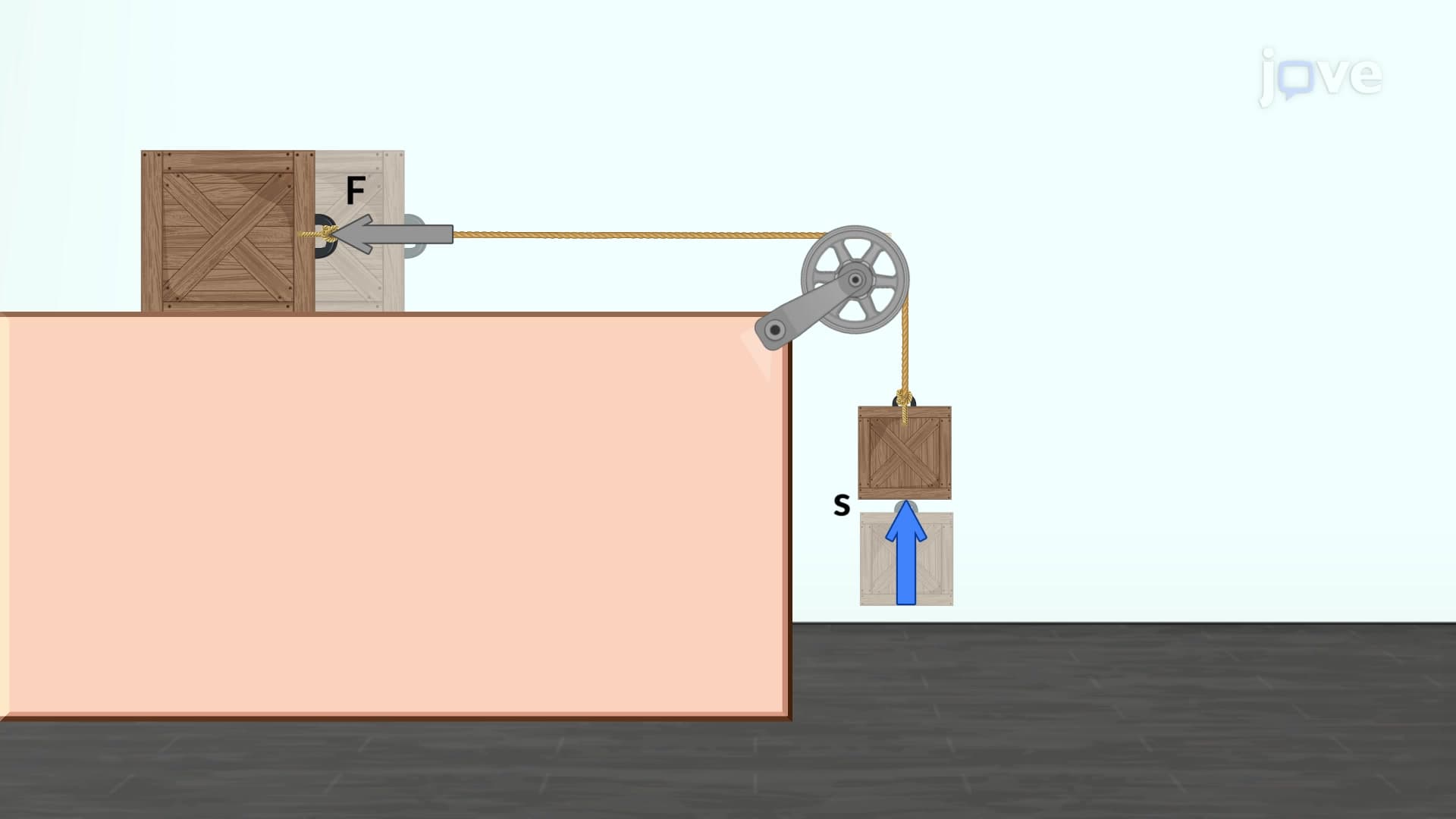
Zero work scenarios challenge intuitive understanding. When NASA engineers use cranes to move space shuttle components horizontally, the upward tension force performs zero work because it acts perpendicular to horizontal displacement. Similarly, pushing against immovable walls produces zero work despite significant force application—displacement equals zero.
This work overview helps students recognize that work requires both force AND displacement. Centripetal forces in circular motion, such as Earth's gravitational pull on orbiting satellites, continuously redirect motion without changing speed, resulting in zero work despite constant force application.
Work basics extend beyond theoretical physics into engineering applications. Boeing engineers calculate work requirements for aircraft control surfaces, while biomedical engineers analyze work performed by artificial heart pumps. These real-world applications reinforce theoretical concepts while demonstrating career relevance.
Frequently Asked Questions
Work in physics specifically means energy transfer through force-caused displacement, measured in joules. Unlike everyday "work" meaning effort or labor, physics work requires both applied force and object movement in the force's direction. Zero displacement or perpendicular forces result in zero work regardless of effort expended.
Work equals force times displacement times the cosine of the angle between them: W = F·d·cos(θ). This formula accounts for force magnitude, displacement distance, and directional alignment. When force and displacement align perfectly, cos(0°) = 1, maximizing work output for given force and distance values.
AP Physics exams commonly test work calculations involving inclined planes, pulley systems, and energy conservation scenarios. Students must identify force components, calculate displacement vectors, and determine positive, negative, or zero work values. College midterms often combine work concepts with kinetic energy and potential energy relationships.
MCAT physics passages frequently present work scenarios in biological contexts, such as muscle contractions or cardiovascular pumping mechanisms. Test-takers must apply work formulas to calculate energy expenditure in physiological systems while interpreting experimental data graphs showing force-displacement relationships.
American aerospace companies like Lockheed Martin calculate work requirements for satellite positioning systems, while automotive manufacturers analyze work performed by electric vehicle motors. Construction companies determine work needed for crane operations, and renewable energy firms evaluate work output from wind turbines across different operational conditions.
Work concepts require only basic trigonometry and vector understanding typically covered in Algebra II or Precalculus courses. The mathematical relationships involve straightforward multiplication and cosine functions, making work accessible to most high school students. Focus on conceptual understanding before diving into complex calculations.
Create force-displacement diagrams for each problem, clearly labeling angle relationships and vector directions. Practice identifying positive, negative, and zero work scenarios through diverse examples. Use dimensional analysis to verify joule units in final answers, and connect work calculations to energy conservation principles for comprehensive understanding.
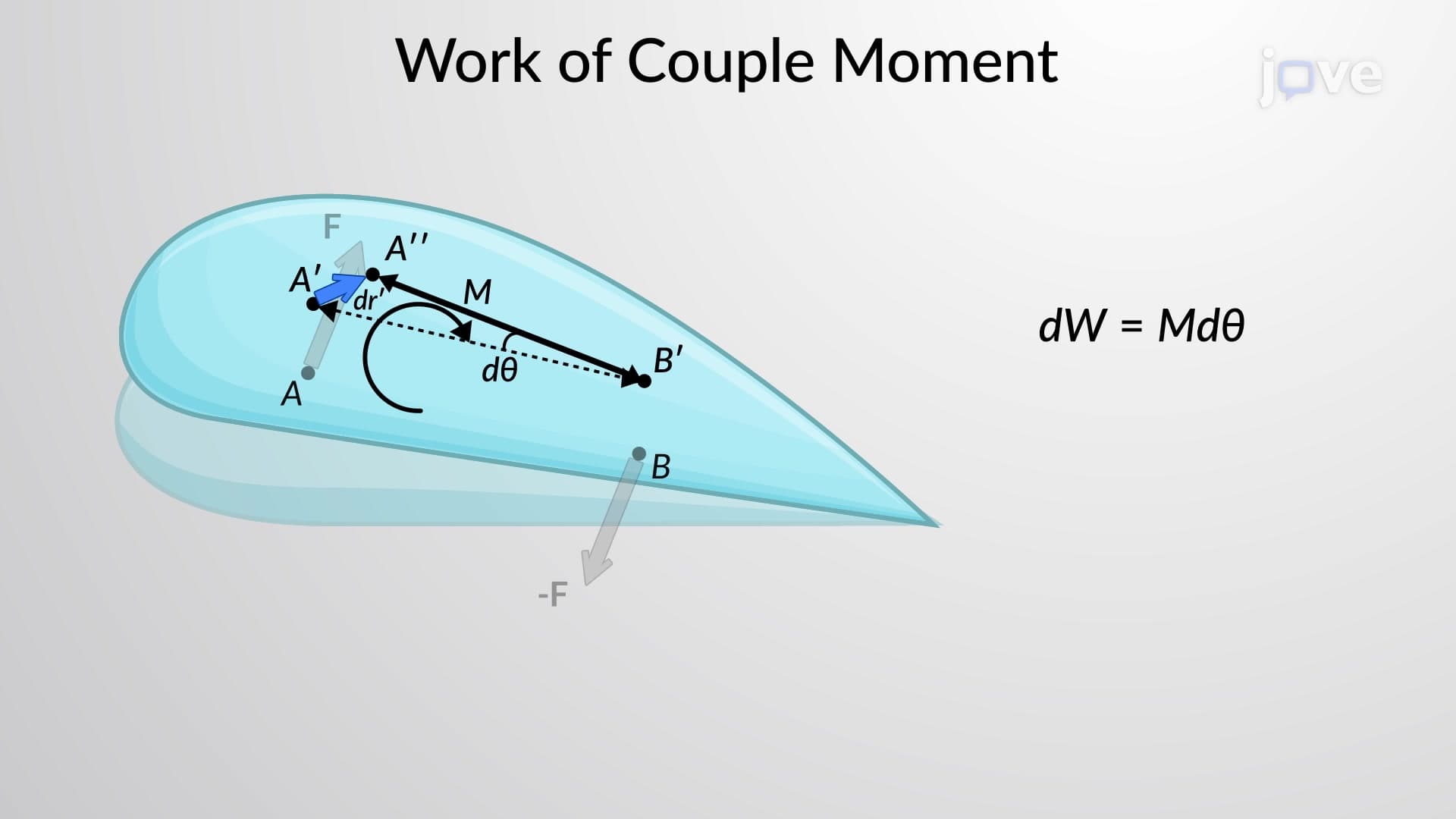
Work foundations lead naturally to kinetic energy, potential energy, and the work-energy theorem in mechanics courses. Advanced topics include rotational work involving torque and angular displacement, thermodynamic work in gas expansion processes, and electromagnetic work in electric field interactions.
Related Micro-courses
Related Subjects
 Civil Engineering 30 micro-courses›Electrical Engineering 33 micro-courses›