Loading…
Loading video…

21,804 views
Ever wonder how NASA engineers calculate the precise trajectory needed to launch a spacecraft to Mars? Vector operations form the mathematical foundation for combining forces, velocities, and other directional quantities in physics and engineering. From calculating the net force on a bridge in California to determining wind patterns affecting commercial flights across the United States, What is Vector Operations encompasses the essential mathematical tools for adding, subtracting, and scaling vectors in two and three-dimensional space. Watch the full video on JoVE Coach to master this concept with expert-led visuals and step-by-step explanations.
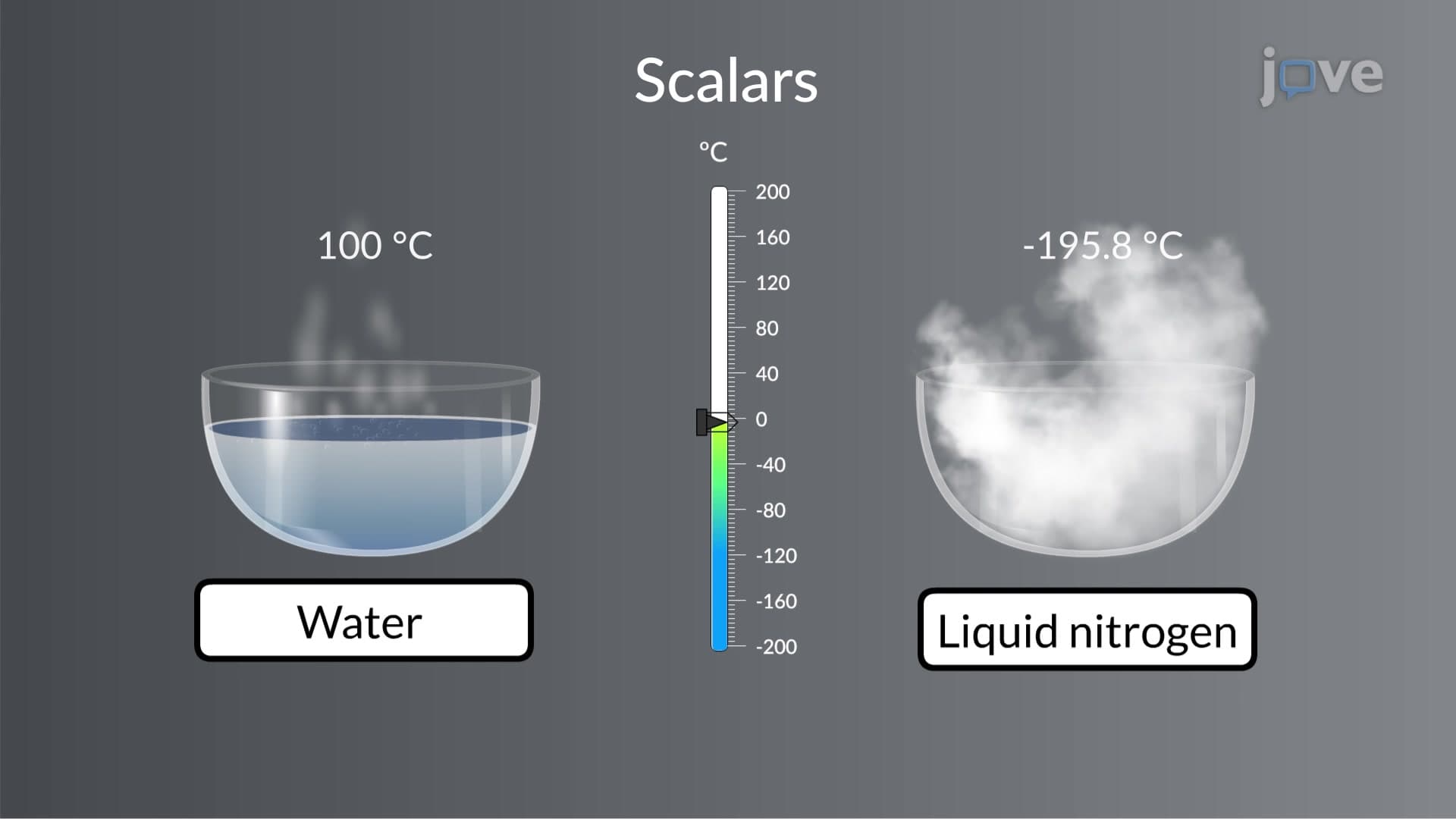
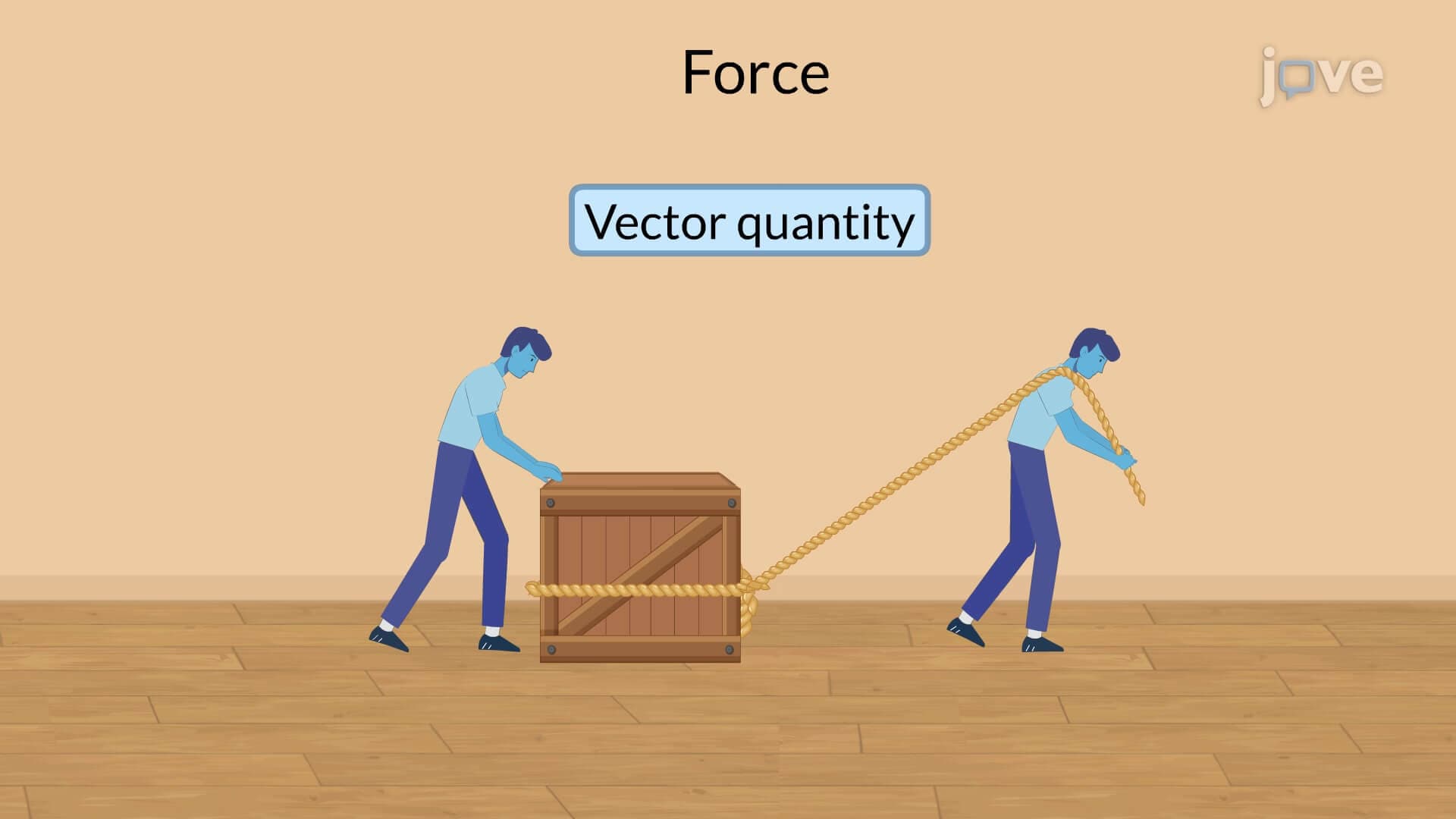
What is Vector Operations refers to the mathematical procedures used to manipulate vectors—quantities that have both magnitude and direction. Unlike scalar quantities such as temperature or mass, vectors require special mathematical rules for combination and manipulation. These operations include addition, subtraction, and scalar multiplication, each following specific geometric and algebraic principles that preserve the directional nature of vector quantities.
Vector operations are fundamental to numerous fields, from aerospace engineering at companies like Boeing and Lockheed Martin to meteorology at the National Weather Service. Understanding these operations is crucial for success in AP Physics courses, college-level calculus-based physics, and engineering programs across the United States.
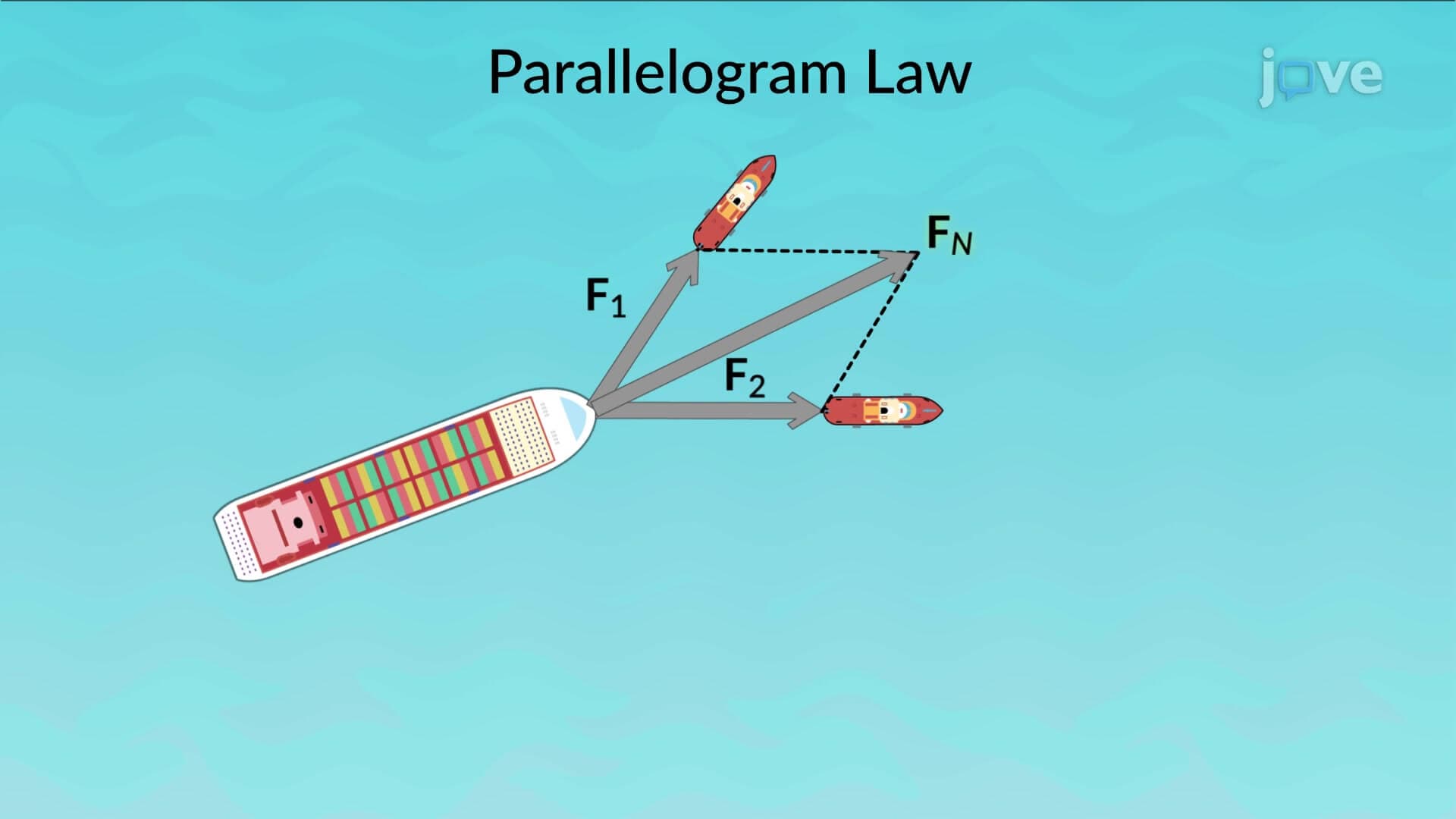
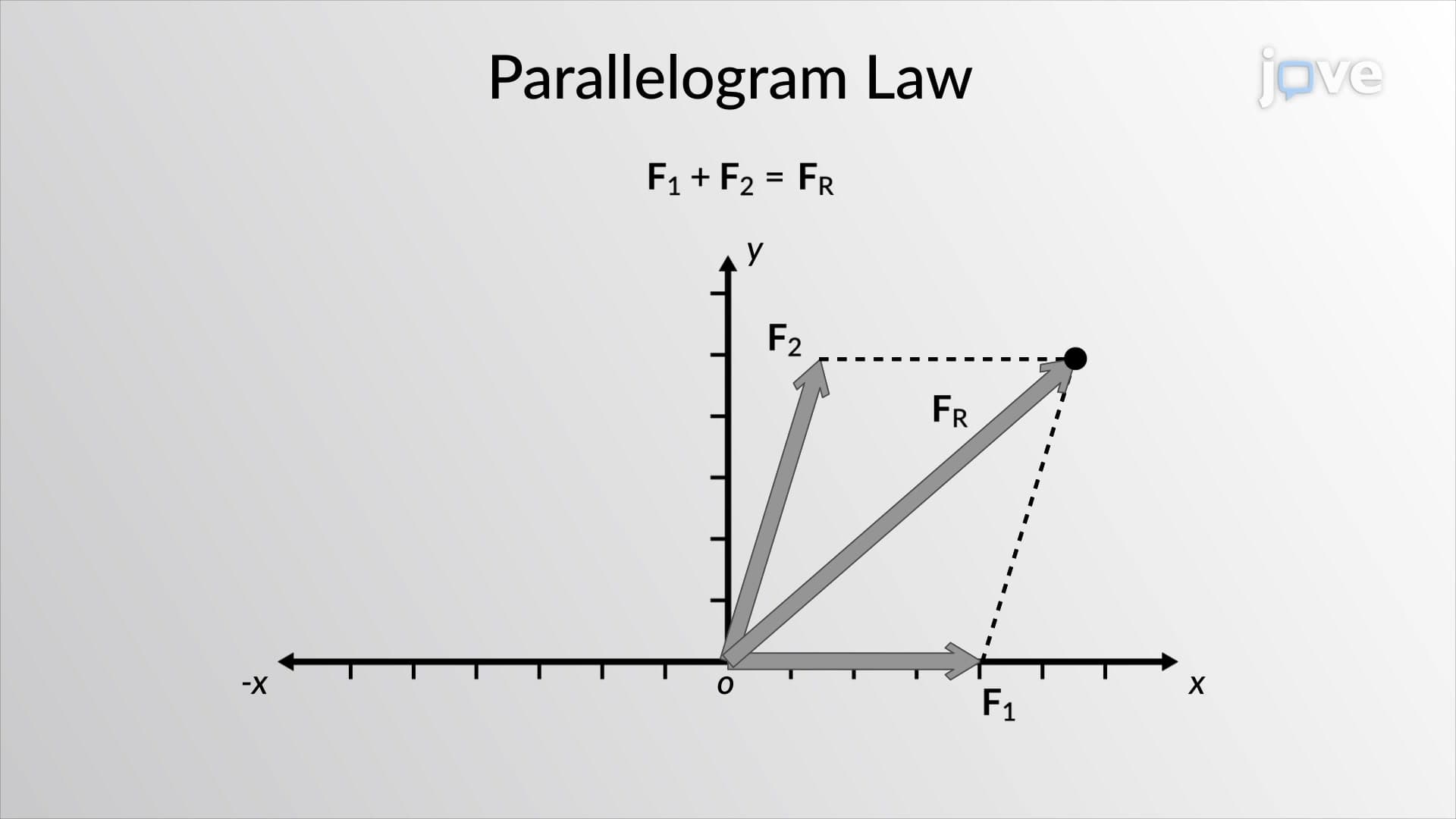
Vector addition combines two or more vectors to produce a resultant vector. The parallelogram law provides a geometric method where vectors are placed tail-to-tail, and parallel lines create a parallelogram. The diagonal from the common tail to the opposite vertex represents the resultant vector. This method proves particularly useful in engineering applications, such as calculating the combined effect of wind and thrust forces on aircraft.
The triangle rule offers an alternative approach where vectors are arranged head-to-tail, forming two sides of a triangle. The third side, drawn from the tail of the first vector to the head of the second, represents the resultant. This method is commonly taught in high school physics and appears frequently on SAT Subject Tests and AP Physics exams.
Vector subtraction follows the principle of adding the negative of a vector. To subtract vector B from vector A, you add the negative of B (which has the same magnitude but opposite direction) to vector A. This operation is essential in physics problems involving relative motion, such as calculating the velocity of a car relative to a moving train.
Scalar multiplication changes a vector's magnitude while potentially affecting its direction. Multiplying by a positive scalar increases or decreases the magnitude proportionally while maintaining direction. Multiplying by a negative scalar reverses the direction. For example, if a force vector represents 50 Newtons eastward, multiplying by -2 yields 100 Newtons westward.
Vector operations appear extensively in standardized tests and college coursework. The MCAT includes vector problems in its physics section, while AP Physics 1 and 2 exams regularly test vector addition and subtraction concepts. In college engineering programs, vector operations form the foundation for advanced topics like vector calculus and electromagnetic field theory. Professional applications range from GPS navigation systems to structural analysis of buildings and bridges across American infrastructure projects.
Frequently Asked Questions
Vector operations are mathematical procedures for combining quantities that have both magnitude and direction, unlike regular arithmetic which deals only with magnitudes. These operations follow special rules because vectors exist in multi-dimensional space. Vector addition uses geometric methods like the parallelogram law, while scalar operations affect both size and potentially direction of the vector.
AP Physics exams frequently include vector problems in mechanics, particularly force analysis and projectile motion questions. Students must demonstrate proficiency in vector addition using both graphical and component methods. The exam typically includes 2-3 questions directly testing vector operations, with additional problems requiring vector analysis as part of broader physics concepts.
Vector operations require only basic algebra and geometry knowledge typically covered by 9th grade. The key prerequisites include understanding coordinate systems, basic trigonometry (sine and cosine), and the Pythagorean theorem. Most high school students can master vector operations with consistent practice, making it an accessible topic for college-bound students.
Civil engineers at firms like Bechtel Corporation use vector operations to analyze forces acting on structures like the Golden Gate Bridge. Aerospace engineers at NASA apply vector mathematics to calculate spacecraft trajectories and orbital mechanics. Mechanical engineers use vectors to design robotic systems and analyze machine component forces in manufacturing facilities across the United States.
Focus on practicing both graphical and algebraic methods for vector addition and subtraction. Create systematic approaches for breaking vectors into components and reconstructing resultants. Use graph paper for accuracy in geometric methods, and memorize key trigonometric relationships. Practice with real SAT and AP Physics problems to become familiar with typical question formats and time management strategies.
The fundamental principles remain identical, but three-dimensional vector operations require an additional z-component and more complex visualization. Two-dimensional operations form the foundation taught in high school, while three-dimensional applications typically appear in college-level physics and engineering courses. The mathematical rules for addition, subtraction, and scalar multiplication apply universally regardless of dimensions.
Vector operations serve as the foundation for vector calculus, which includes concepts like divergence, curl, and gradient used in advanced physics and engineering. Students who master basic vector operations in high school physics are well-prepared for multivariable calculus and differential equations courses. This progression is essential for engineering majors and physics students at universities across the United States.
Progress to vector components and unit vectors, followed by dot and cross products in three dimensions. Advanced topics include vector fields, line integrals, and applications in electromagnetic theory. These concepts appear in college-level physics courses and engineering programs, building directly on the foundation of basic vector operations covered in high school curricula.
Related Micro-courses

Related Subjects
 Civil Engineering 30 micro-courses›Electrical Engineering 33 micro-courses›