Loading subject page…


6,613 views


Video Summary: What Is General State of Stress
Did you know that every time you step on a bridge, multiple forces act simultaneously on the structure in three dimensions? The general state of stress describes how materials experience complex combinations of forces from different directions at any given point. Consider how engineers analyze the Golden Gate Bridge's cables under wind, traffic, and gravitational loads-this multi-directional force analysis is exactly what the general state of stress quantifies. Watch the full video on JoVE Coach to master this concept with expert-led visuals and step-by-step explanations.
The general state of stress represents a fundamental concept in mechanics of materials that describes how forces act on materials in three-dimensional space. Unlike simple tension or compression scenarios taught in introductory physics, real-world structures experience complex loading conditions where forces come from multiple directions simultaneously. This comprehensive stress analysis becomes crucial when designing everything from aircraft wings to building foundations.
In the general state of stress, engineers use a mathematical framework involving nine stress components arranged in a stress tensor. These components include three normal stresses (acting perpendicular to faces) and six shearing stresses (acting parallel to faces). The tetrahedral analysis method, as described in advanced mechanics courses, helps visualize how these stresses interact at a point by examining forces on a small tetrahedral element.
Students preparing for the AP Physics C exam or college-level Statics and Mechanics of Materials courses will encounter this concept when analyzing complex loading scenarios. The mathematical representation involves direction cosines-geometric parameters that relate the orientation of planes to coordinate axes, making calculations more manageable.
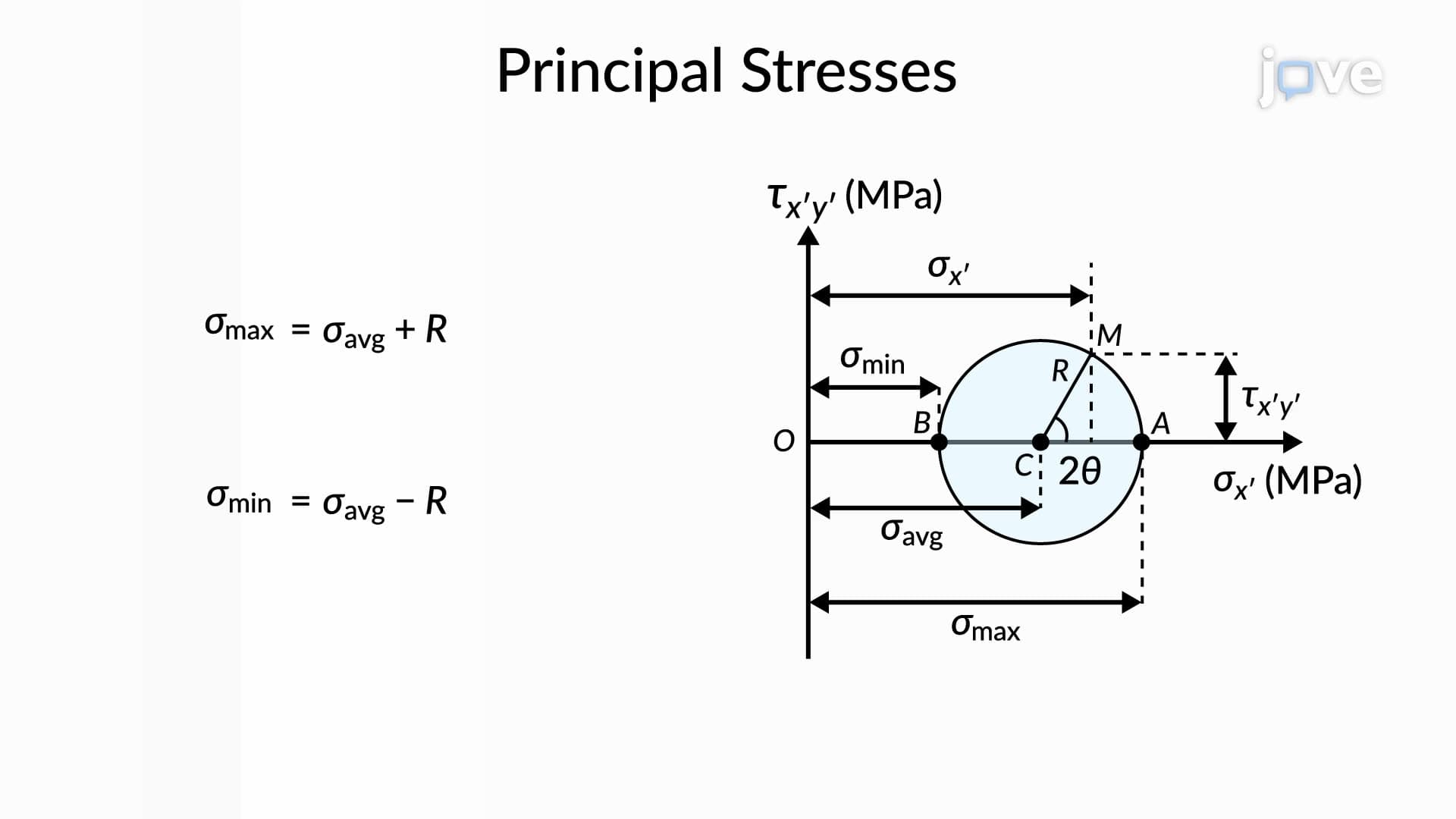
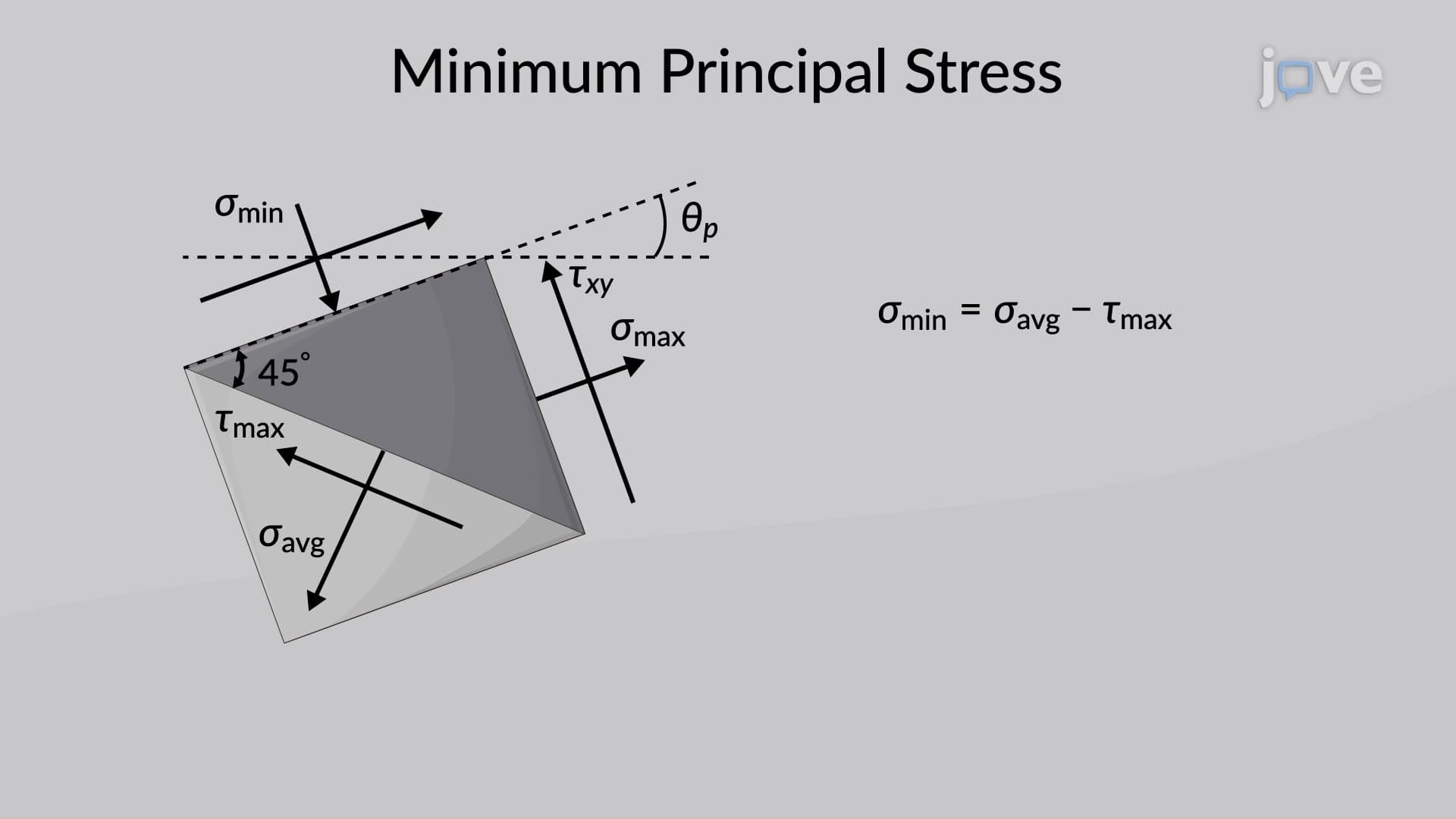
The concept of principal stresses emerges naturally from general state of stress analysis. These represent the maximum and minimum normal stresses occurring at a point, with corresponding principal planes where shearing stresses become zero. This principle proves essential in failure analysis-engineers use principal stress values to predict when materials might break or deform excessively.
Real-world applications include analyzing stress concentrations around holes in aircraft fuselages, evaluating pressure vessel safety margins, and designing earthquake-resistant building joints. Companies like Boeing and Lockheed Martin rely heavily on principal stress analysis when certifying new aircraft designs with the Federal Aviation Administration.
The power of general state of stress analysis lies in coordinate system selection flexibility. By choosing principal axes-directions aligned with maximum and minimum stresses-complex stress equations simplify dramatically. This mathematical technique, often covered in junior-level engineering mechanics courses, transforms challenging three-dimensional problems into more manageable calculations.
Students should practice identifying when general state of stress analysis applies versus simpler approaches, particularly when preparing for Professional Engineer (PE) licensing exams or graduate school entrance requirements.
Related Micro-courses