Loading subject page…

13,271 views

Video Summary: Cellular Respiration Pathways Stages and Energy Production
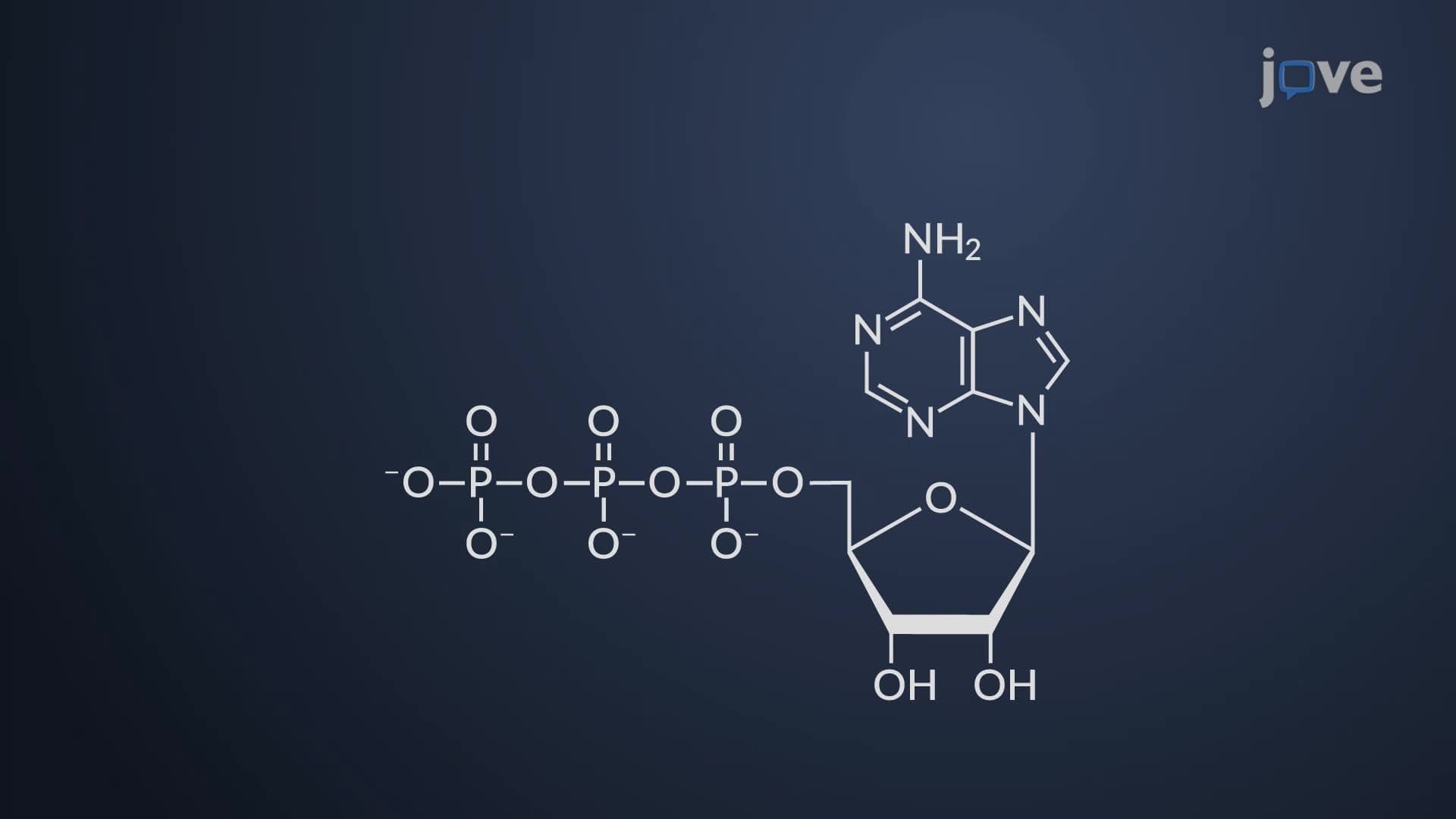
Every bite of food you eat powers trillions of biochemical reactions happening inside your cells right now. Cellular respiration: pathways, stages transform glucose from your morning bagel into usable energy currency called ATP. Just like how Ford Motor Company's assembly line converts raw materials into finished cars through specific stages, your cells follow precise pathways to extract maximum energy from nutrients. Cellular Respiration: Pathways, Stages, and Energy Production involves three interconnected processes that can generate up to 38 molecules of ATP from a single glucose molecule. Watch the full video on JoVE Coach to master this concept with expert-led visuals and step-by-step explanations.
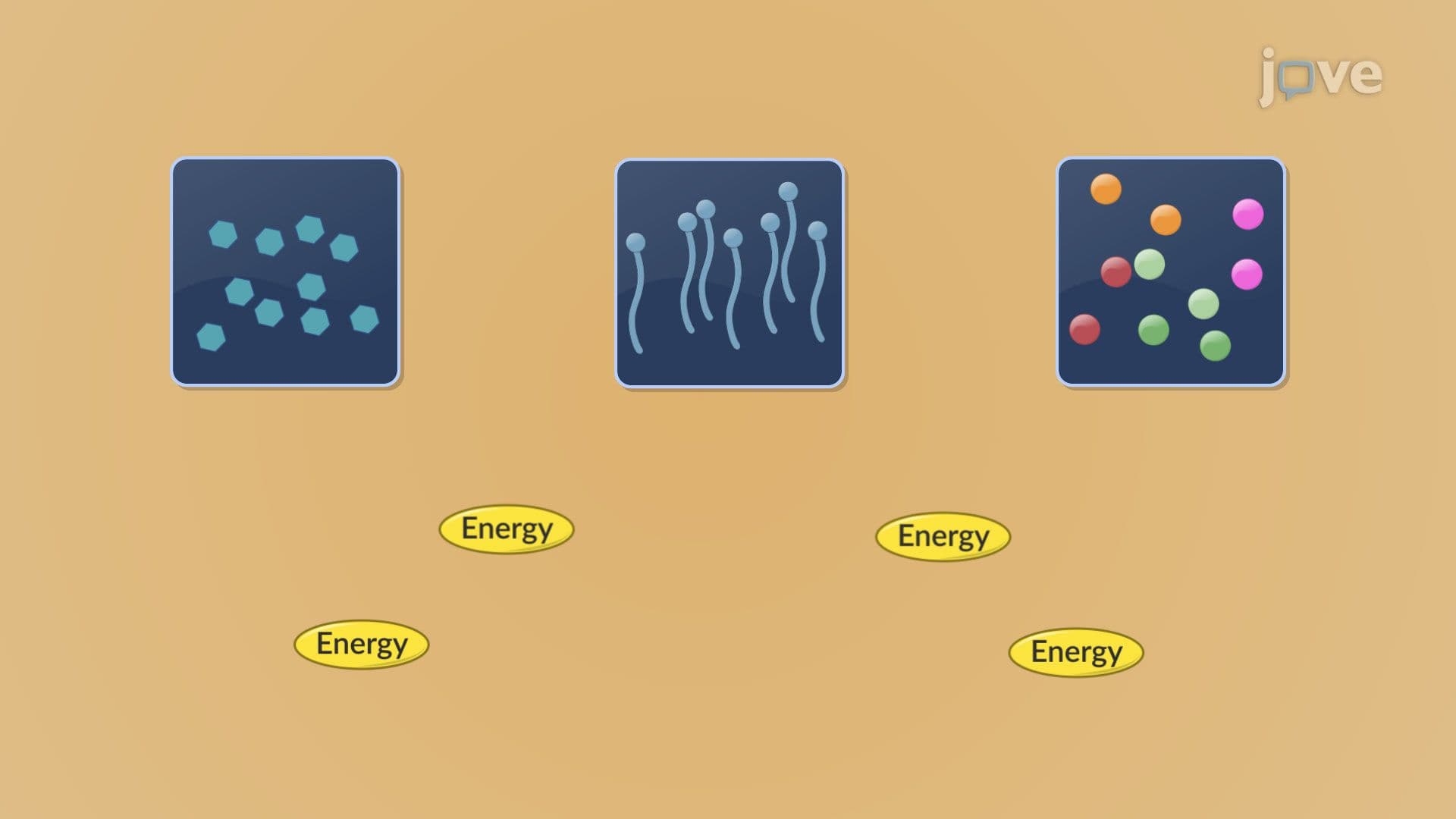
Cellular respiration: pathways, stages represent one of biology's most elegant energy conversion systems. This fundamental process transforms the chemical energy stored in glucose into ATP, the universal energy currency that powers everything from muscle contractions to brain function. Unlike the simple burning of sugar, cellular respiration captures energy through controlled, step-by-step reactions that maximize efficiency.
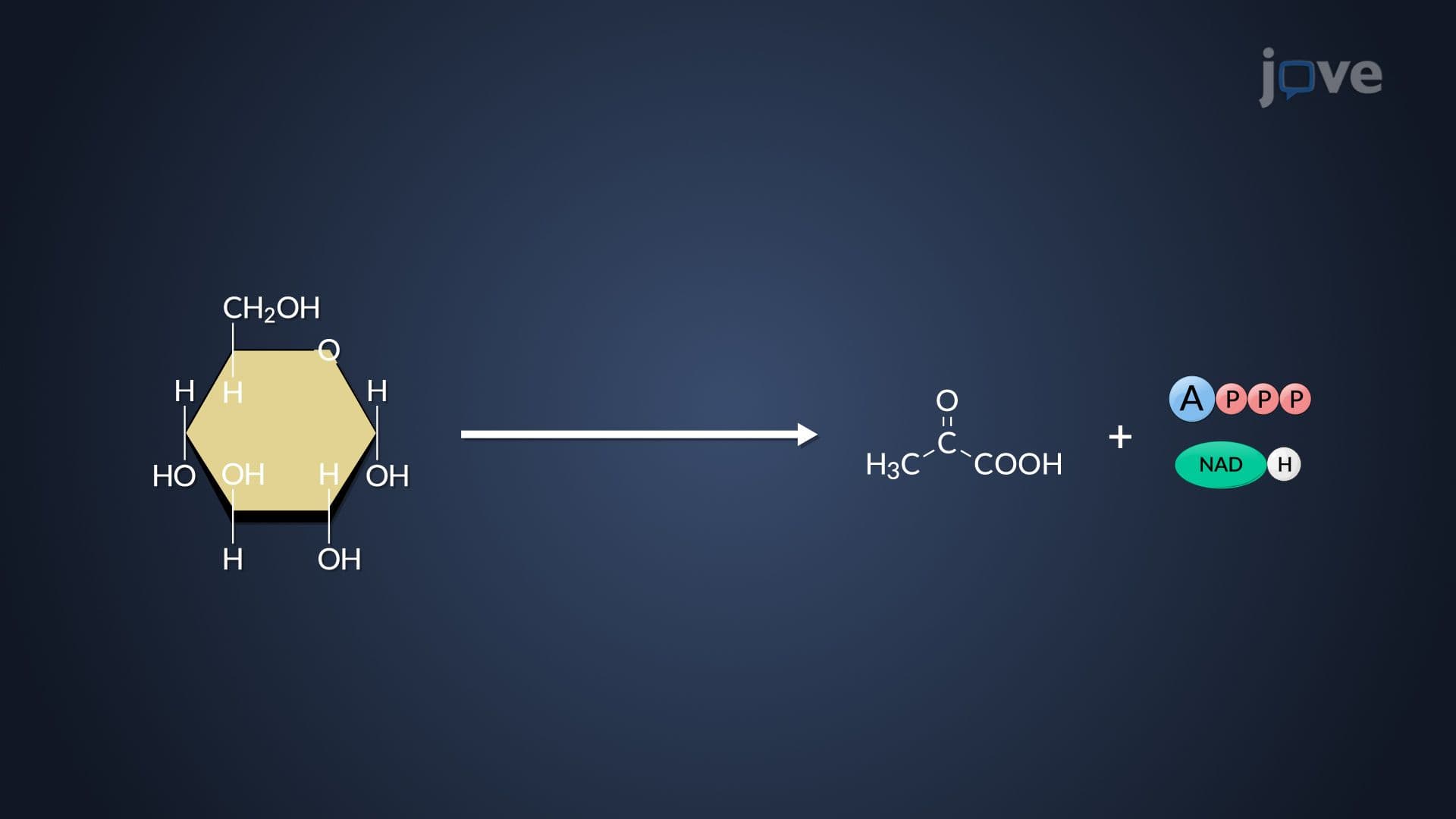
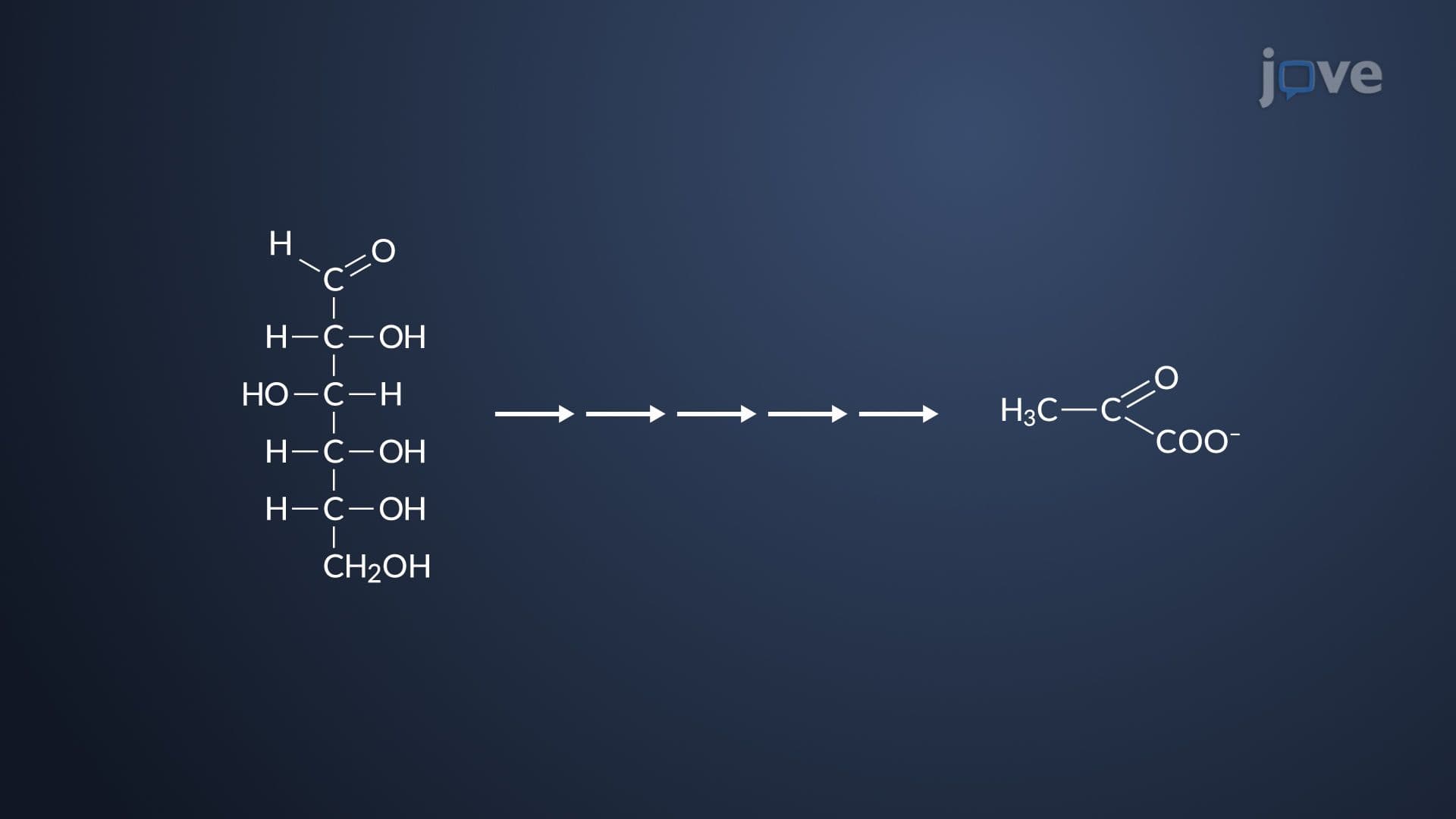
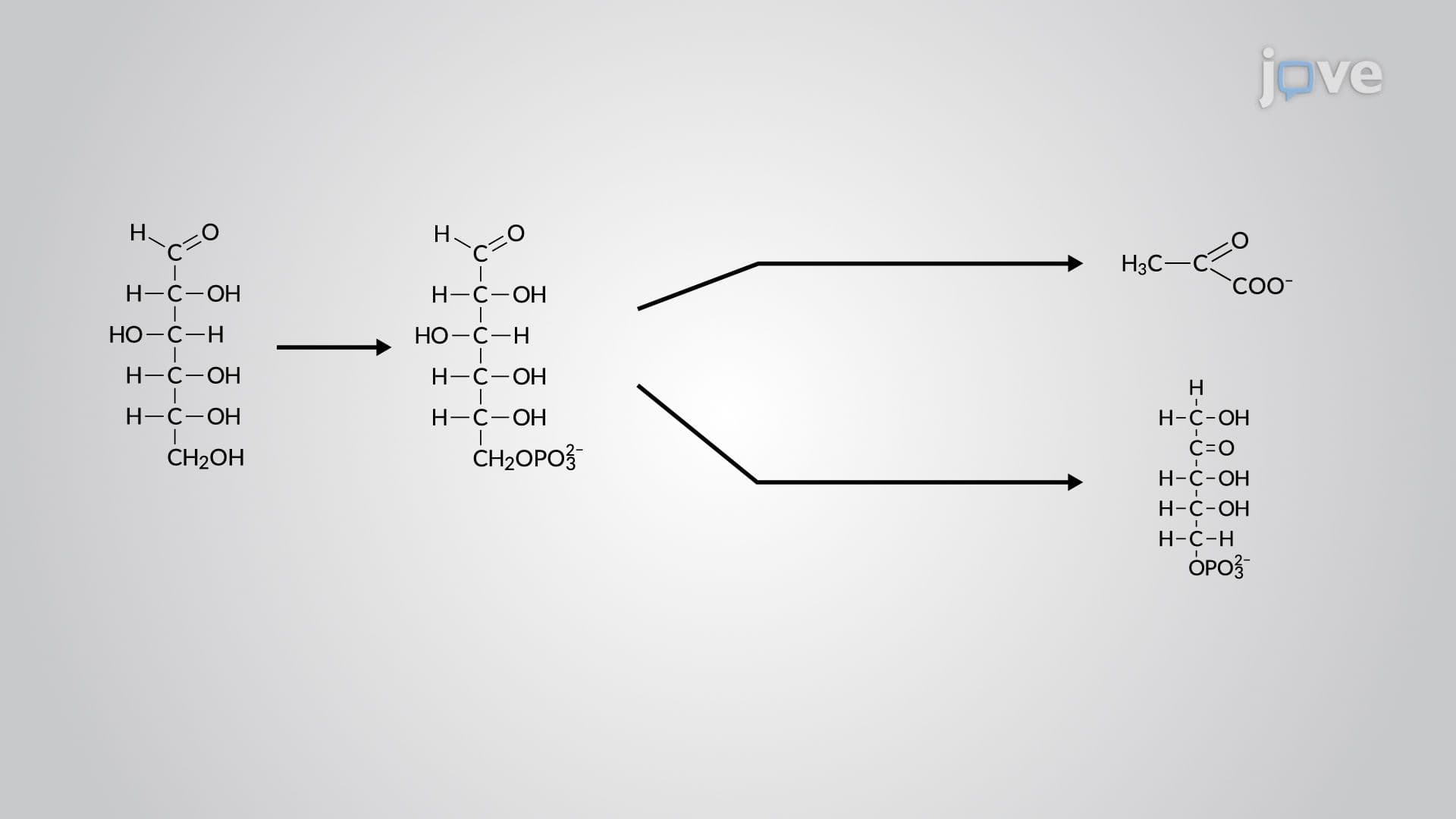
Glycolysis occurs in the cytoplasm of all living cells, making it the most ancient and universal metabolic pathway. This cellular respiration: pathway breaks down one glucose molecule into two pyruvate molecules while producing a net gain of 2 ATP and 2 NADH. The process doesn't require oxygen, which explains why your muscles can still function briefly during intense exercise when oxygen delivery becomes limited.
Students preparing for the AP Biology exam should remember that glycolysis involves 10 enzymatic steps, with glucose phosphorylation as the committed step. The pathway's location in the cytoplasm is crucial for distinguishing it from the next stages, which occur in specialized cellular compartments.
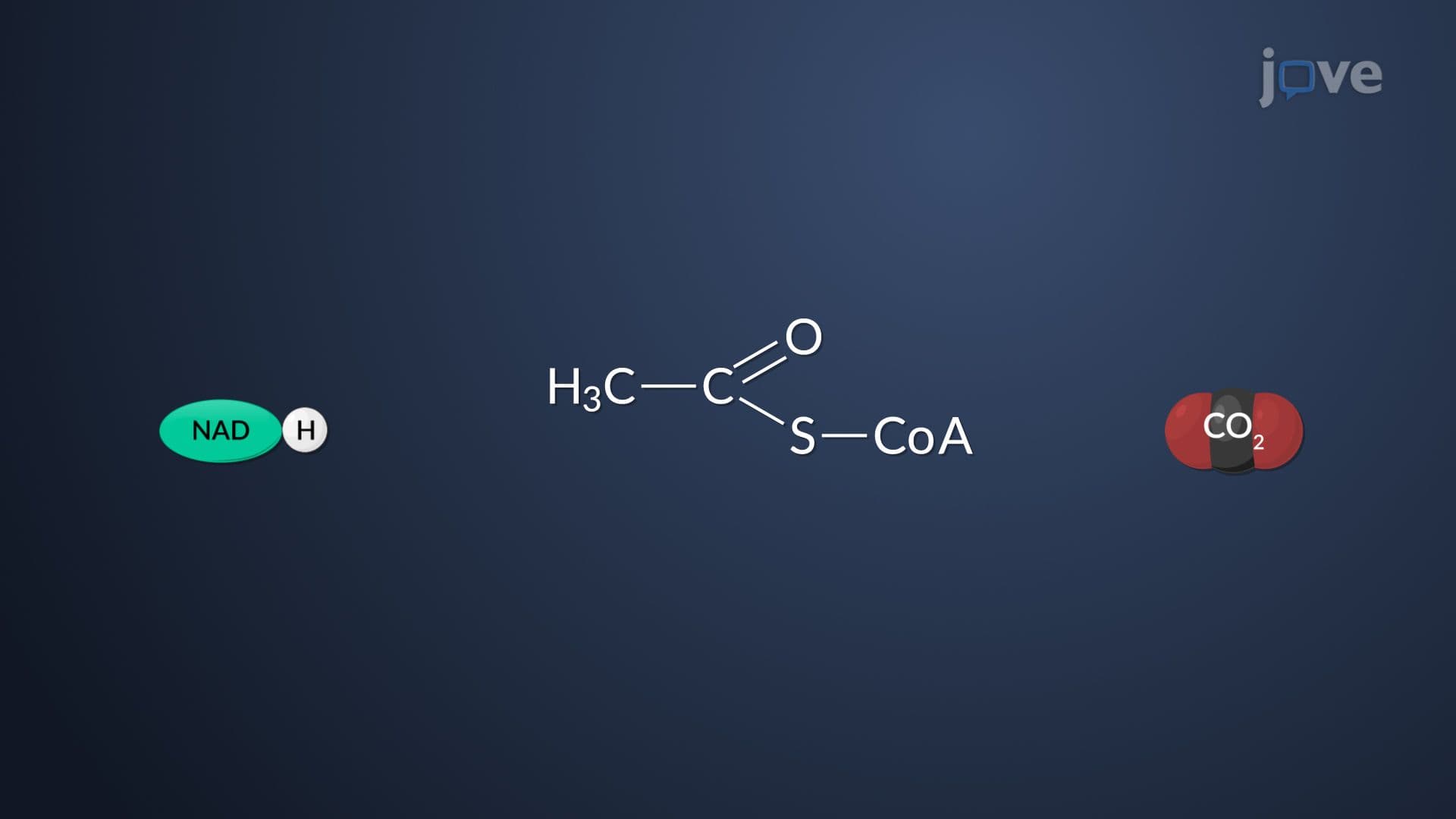
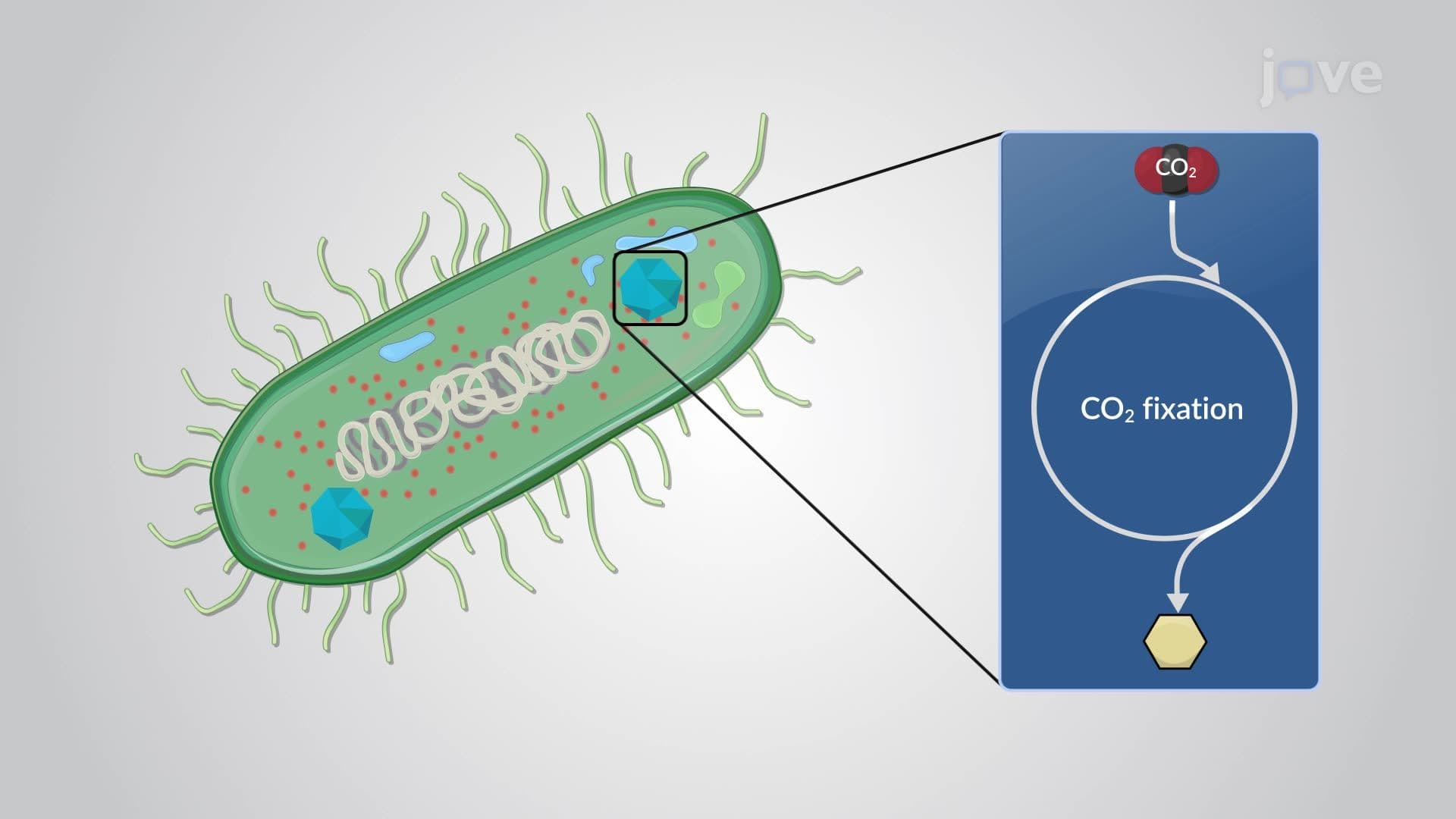
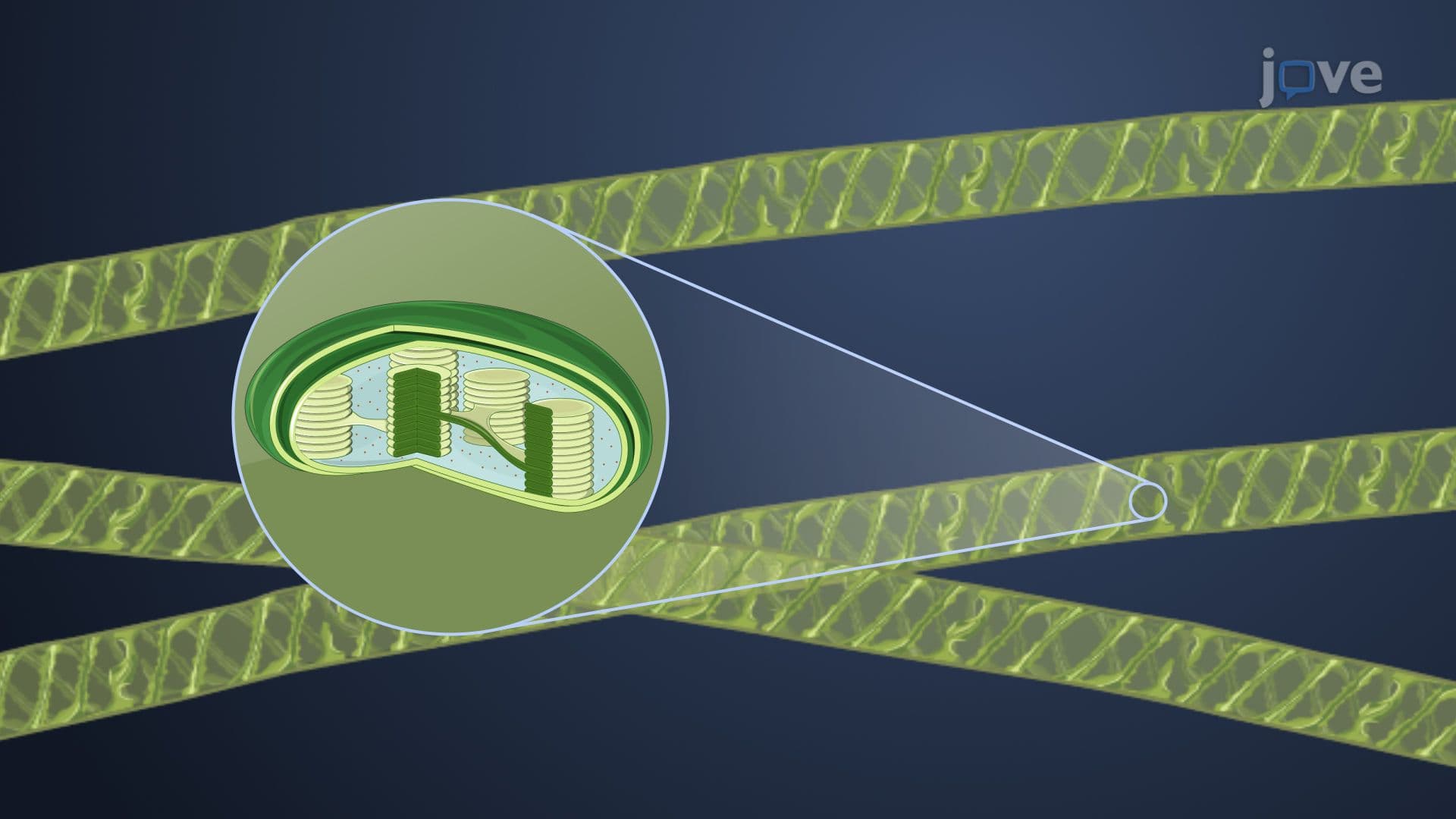
The Krebs cycle (also called the citric acid cycle) represents the cellular respiration: overview of complete glucose oxidation. In eukaryotic cells, this cycle occurs in the mitochondrial matrix, while prokaryotes carry it out in their cytoplasm. Each turn of the cycle processes one acetyl-CoA molecule (derived from pyruvate), generating 3 NADH, 1 FADH2, and 1 ATP.
Medical students studying for the MCAT should focus on how the Krebs cycle connects to other metabolic pathways. For instance, during starvation, the cycle can process acetyl-CoA derived from fat breakdown, demonstrating metabolic flexibility crucial for survival.
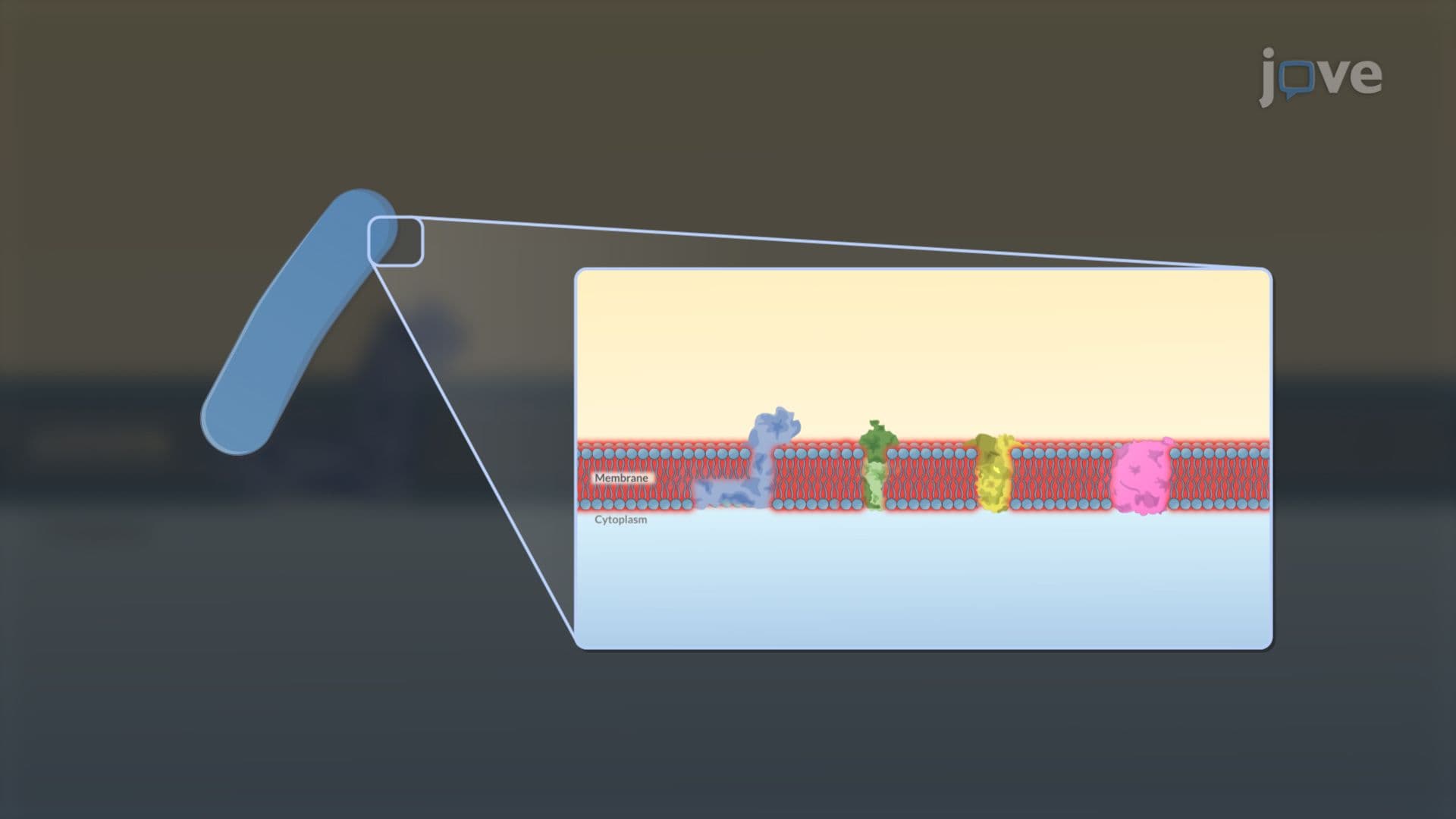
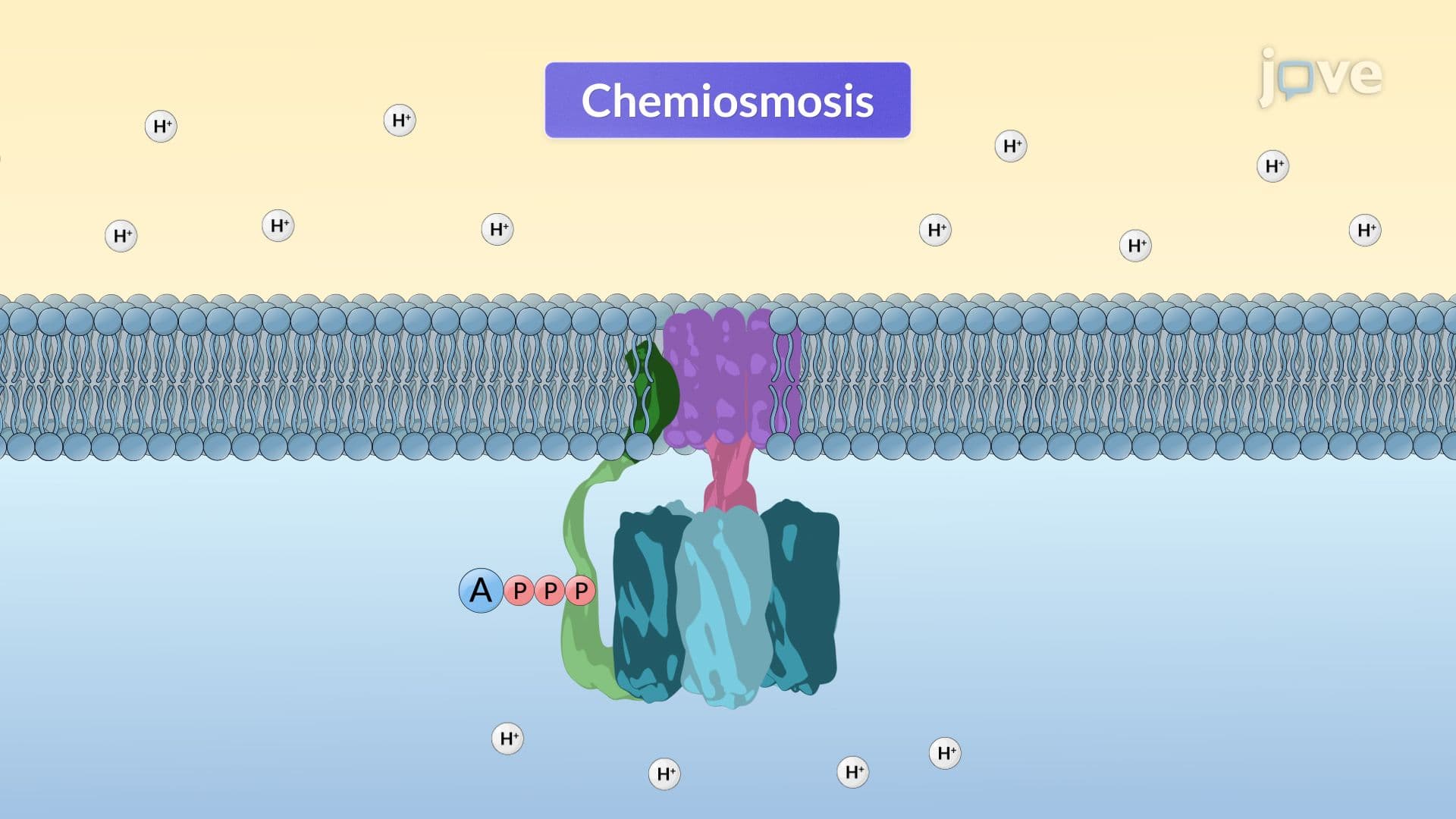
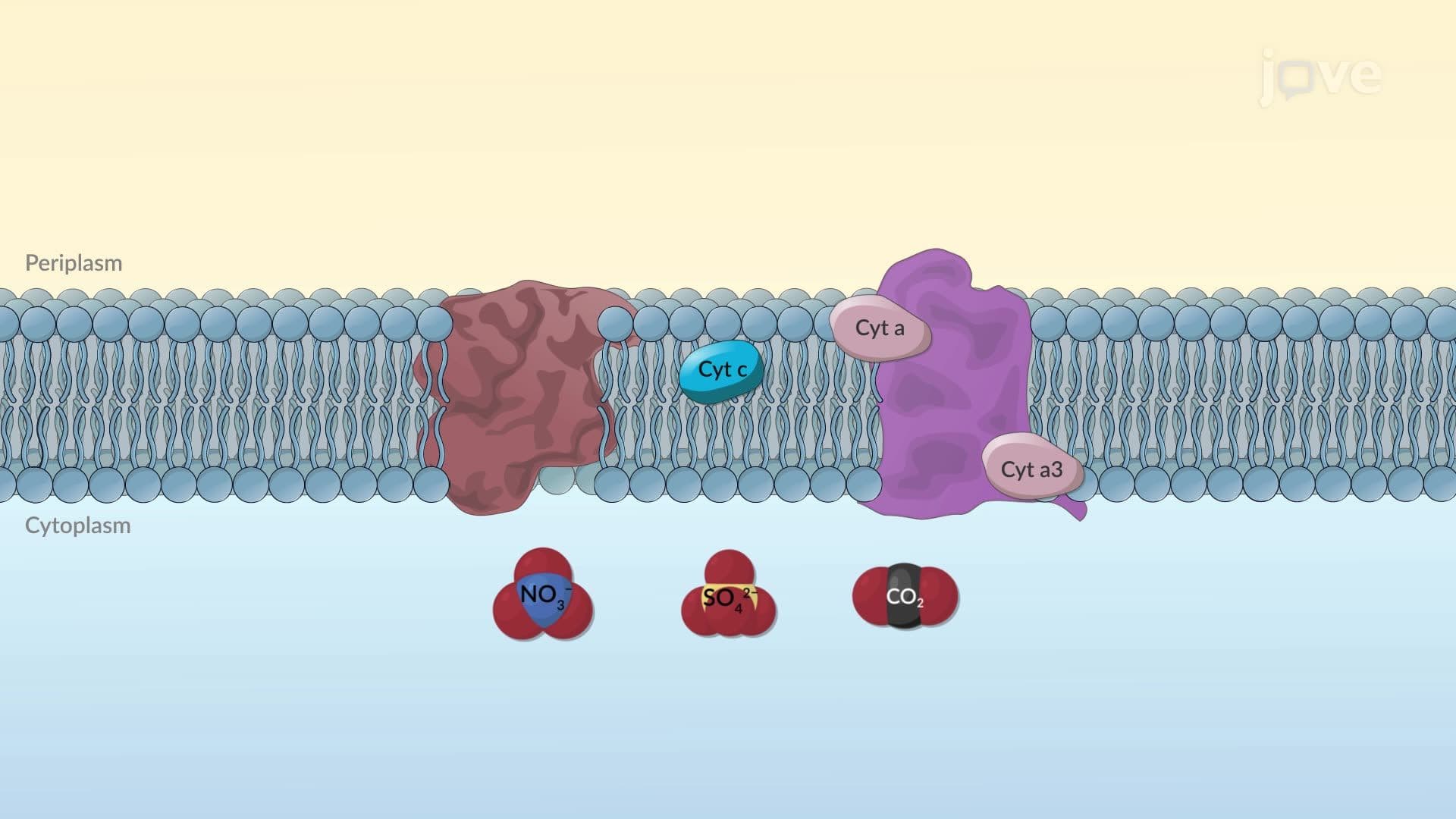
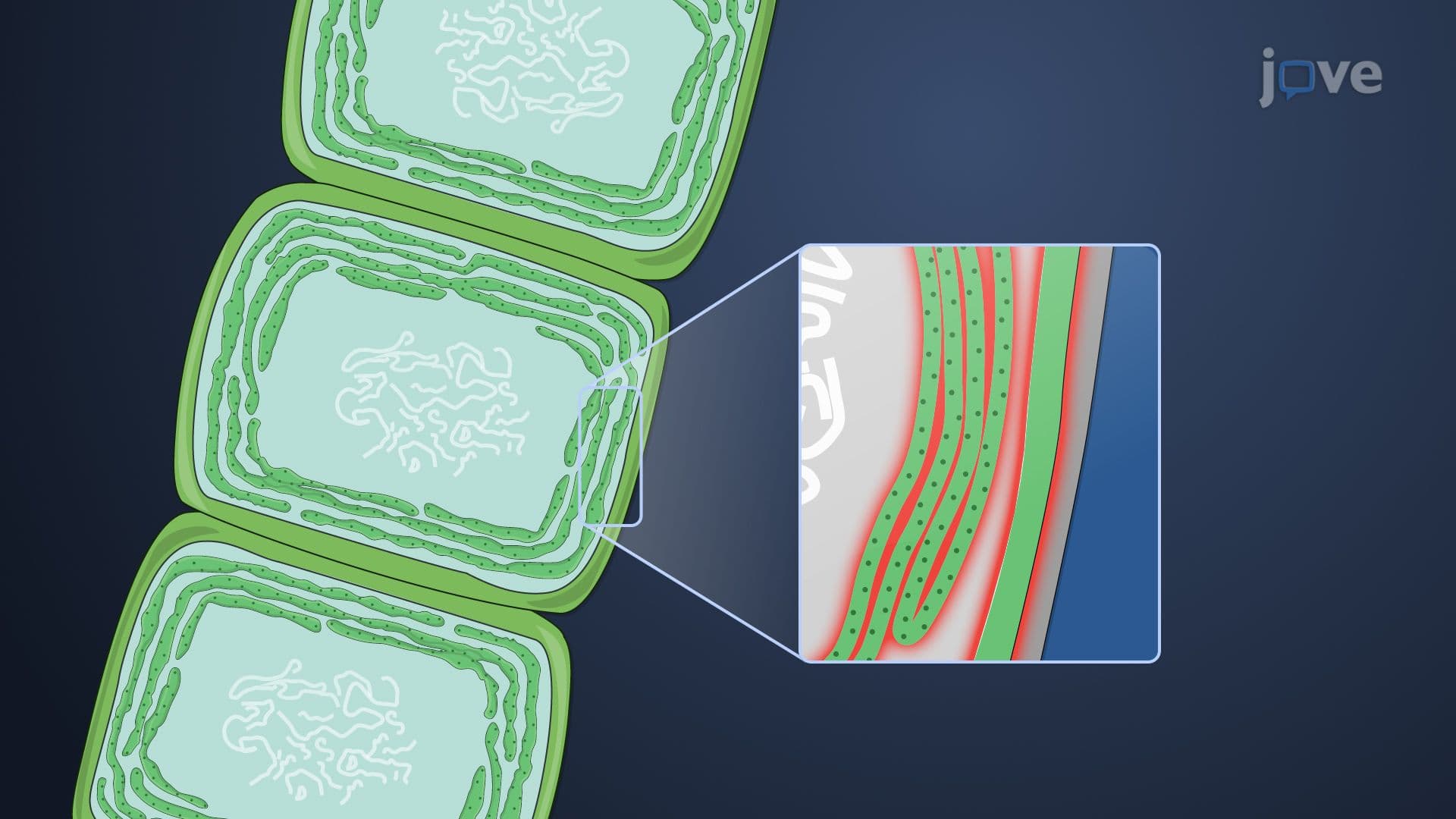
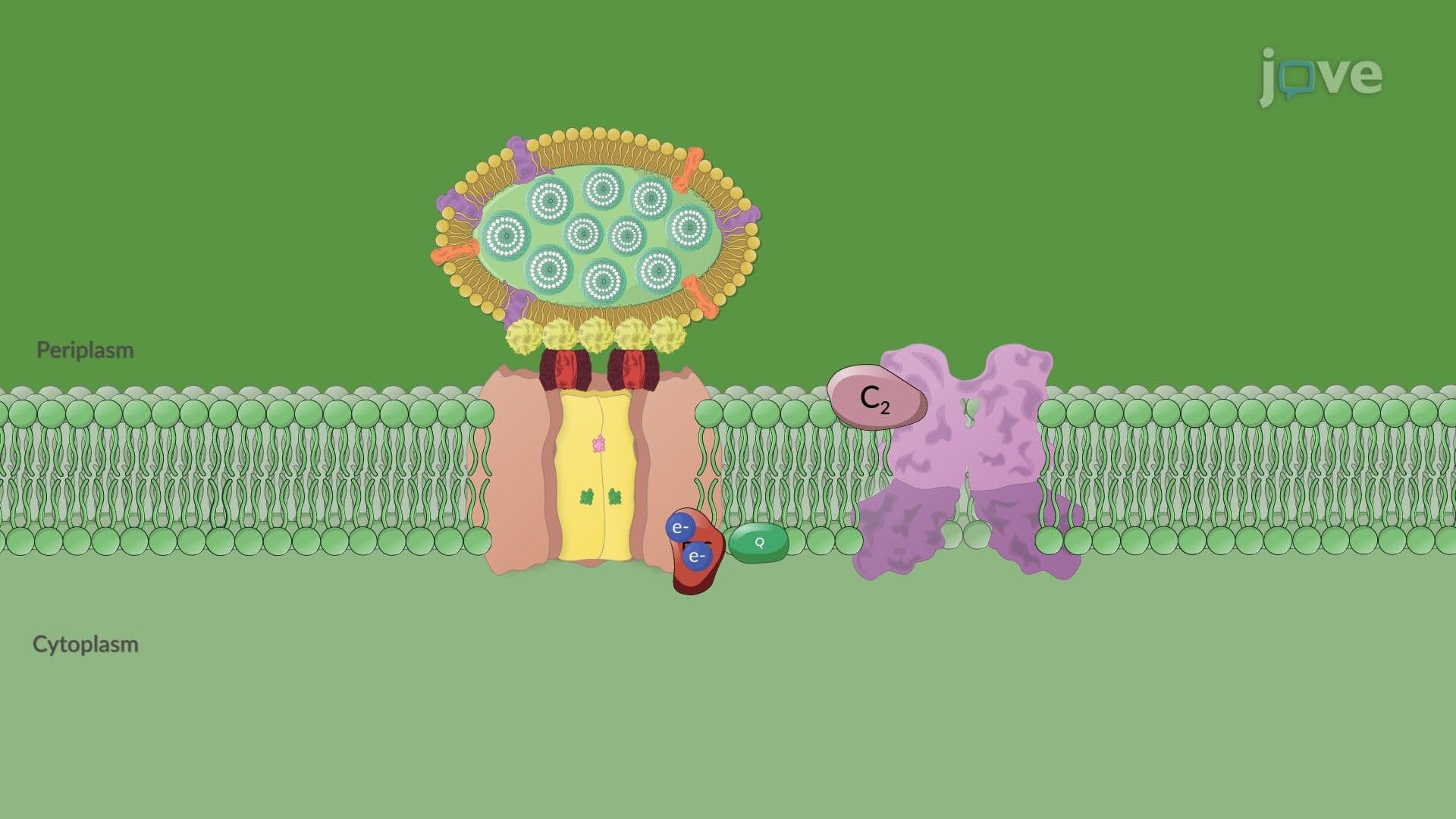
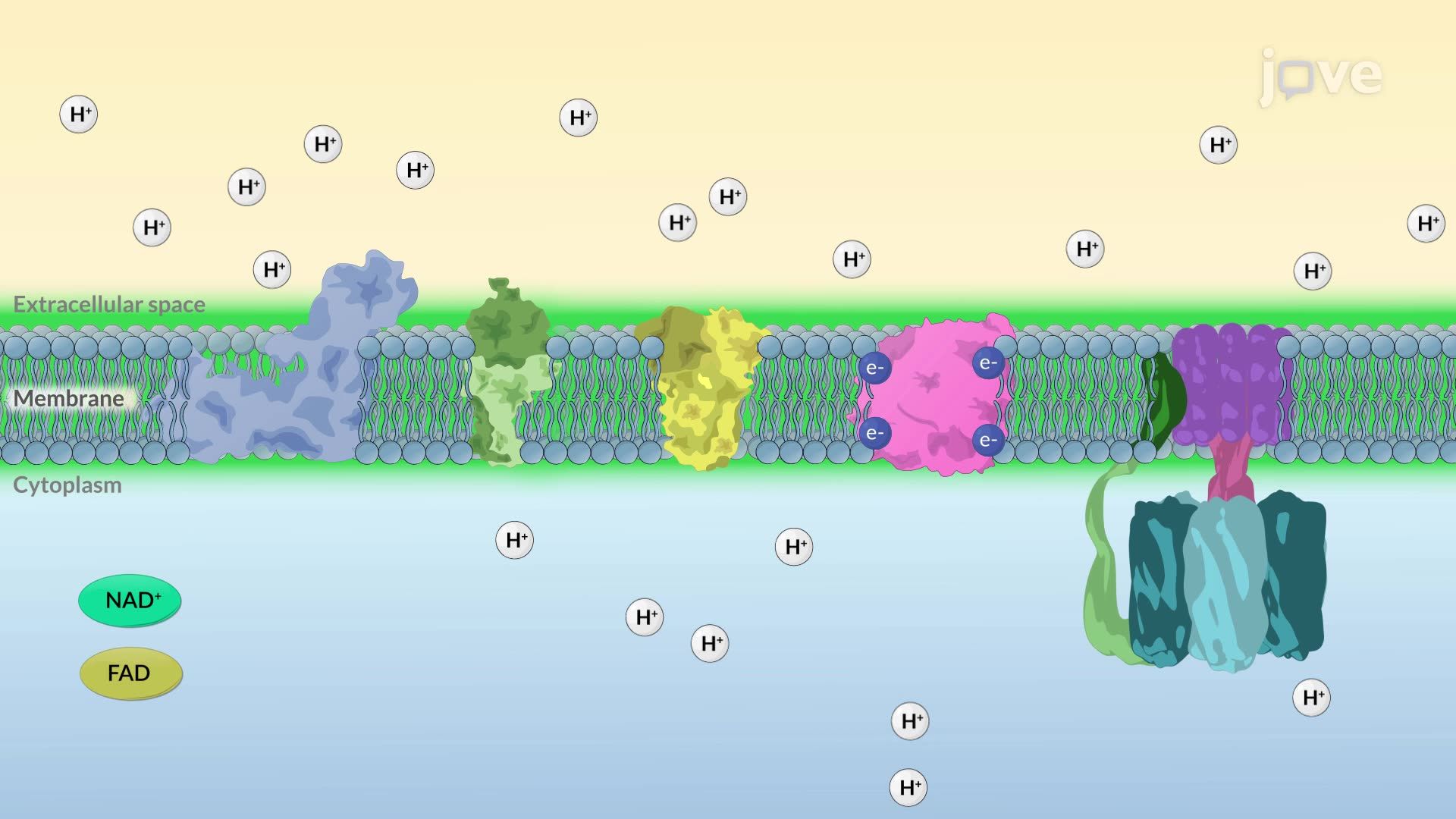
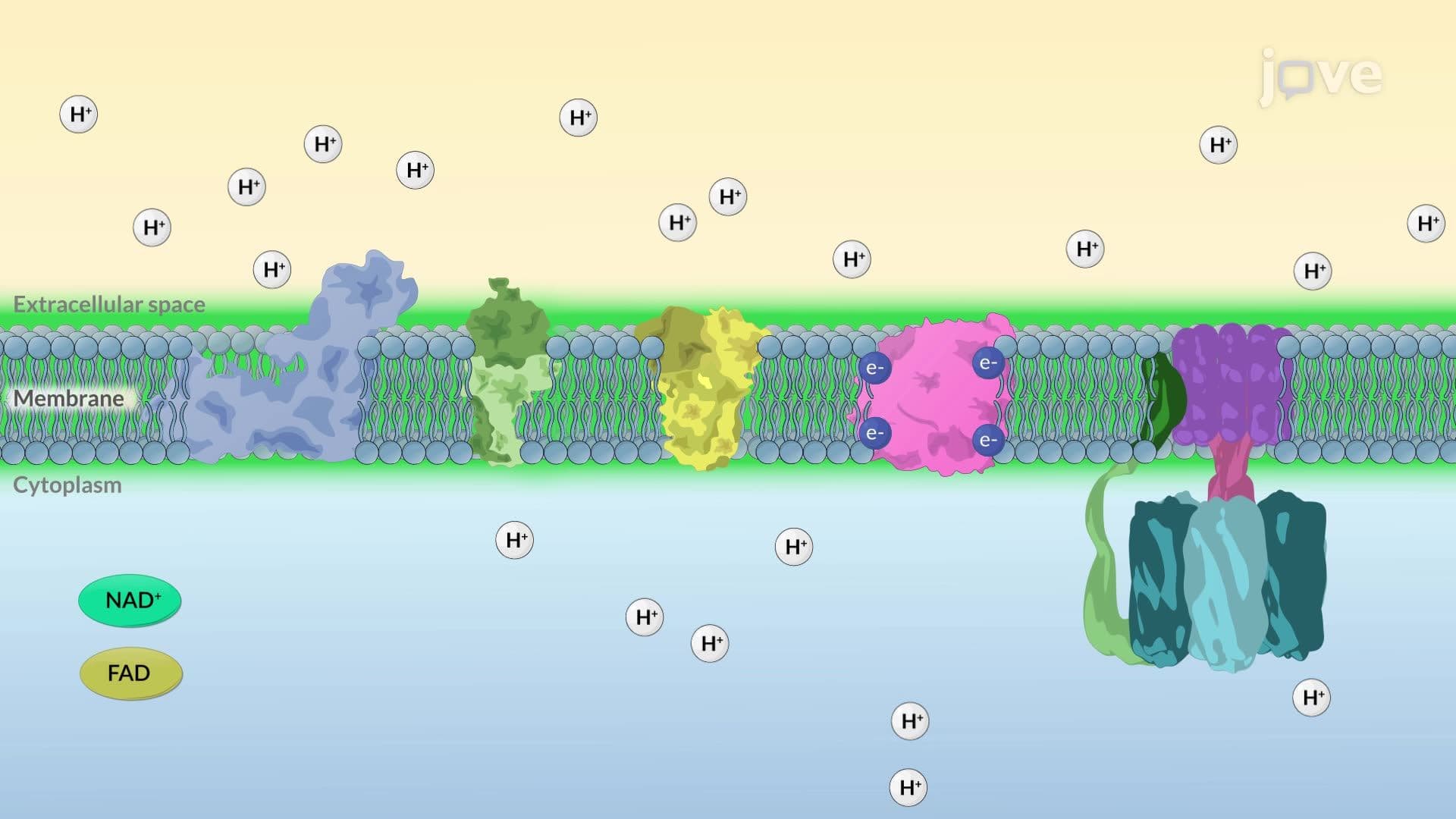
The electron transport chain represents the cellular respiration: pathways, stages, and energy production culmination. Located in the inner mitochondrial membrane of eukaryotes or the plasma membrane of prokaryotes, this stage generates the majority of ATP through oxidative phosphorylation. NADH and FADH2 from previous stages donate electrons, which pass through protein complexes, pumping hydrogen ions to create a gradient that drives ATP synthesis.
The efficiency difference between prokaryotes (up to 38 ATP per glucose) and eukaryotes (30-32 ATP per glucose) results from the energy cost of shuttling NADH across the mitochondrial membrane in eukaryotes-a concept frequently tested on college biochemistry exams.
Related Micro-courses