Loading subject page…

13,271 views

Video Summary: What are Amino Acid Biosynthetic Pathways
Did you know that bacteria can manufacture all 20 essential amino acids from just five simple molecules? Amino acid biosynthetic pathways represent the cellular assembly lines that convert basic metabolic building blocks like pyruvate and α-ketoglutarate into the protein components that sustain life. Companies like Genentech rely on engineered bacterial amino acid production to manufacture therapeutic proteins. Understanding what are amino acid biosynthetic pathways reveals how cells orchestrate complex molecular transformations through transamination, methylation, and sulfuration reactions. Watch the full video on JoVE Coach to master this concept with expert-led visuals and step-by-step explanations.
Amino acid biosynthetic pathways represent sophisticated cellular networks that transform simple metabolic intermediates into the 20 standard amino acids required for protein synthesis. These pathways demonstrate remarkable biochemical efficiency, utilizing just five central metabolic precursors to generate the diverse array of amino acid structures essential for life.
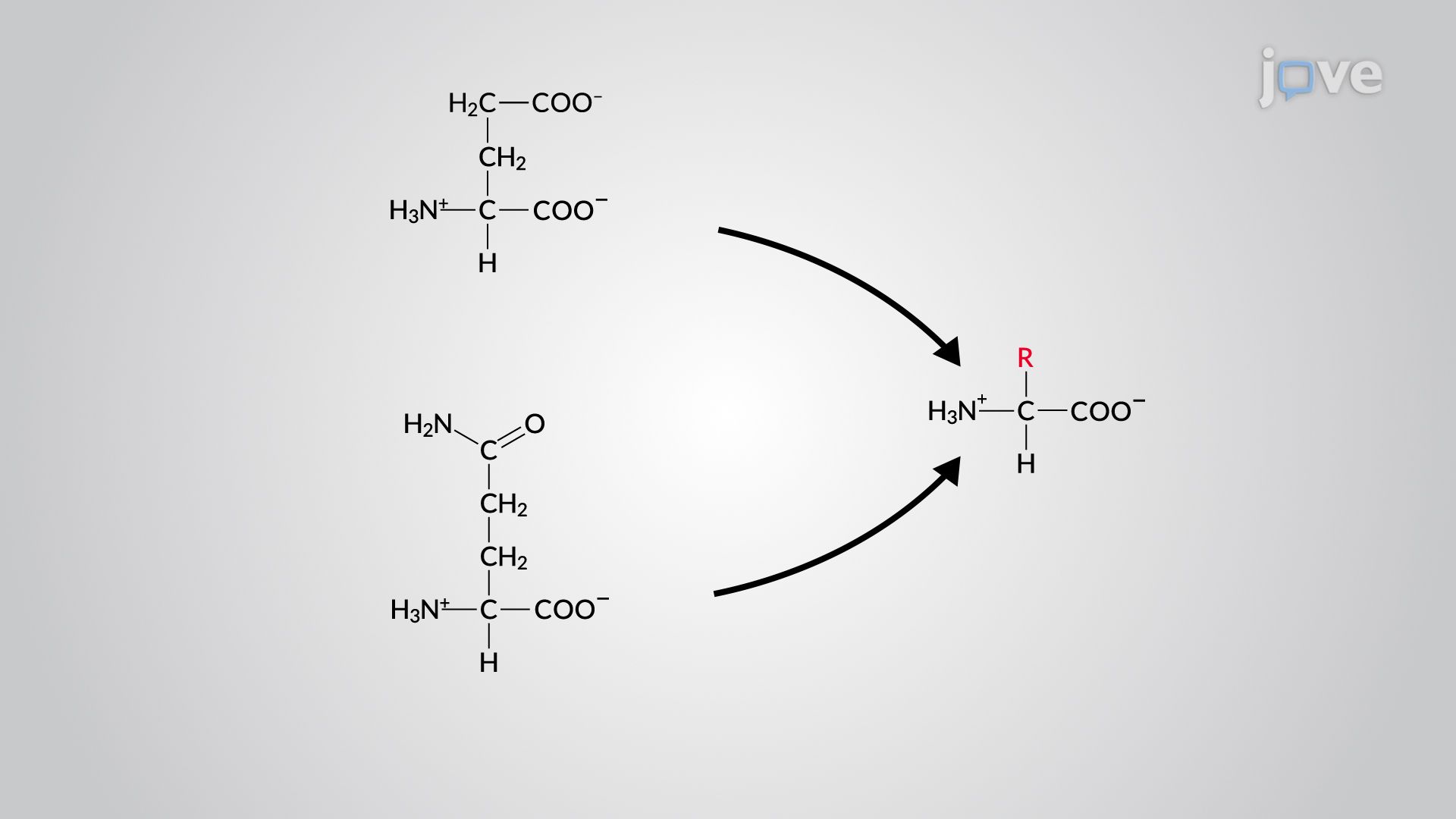
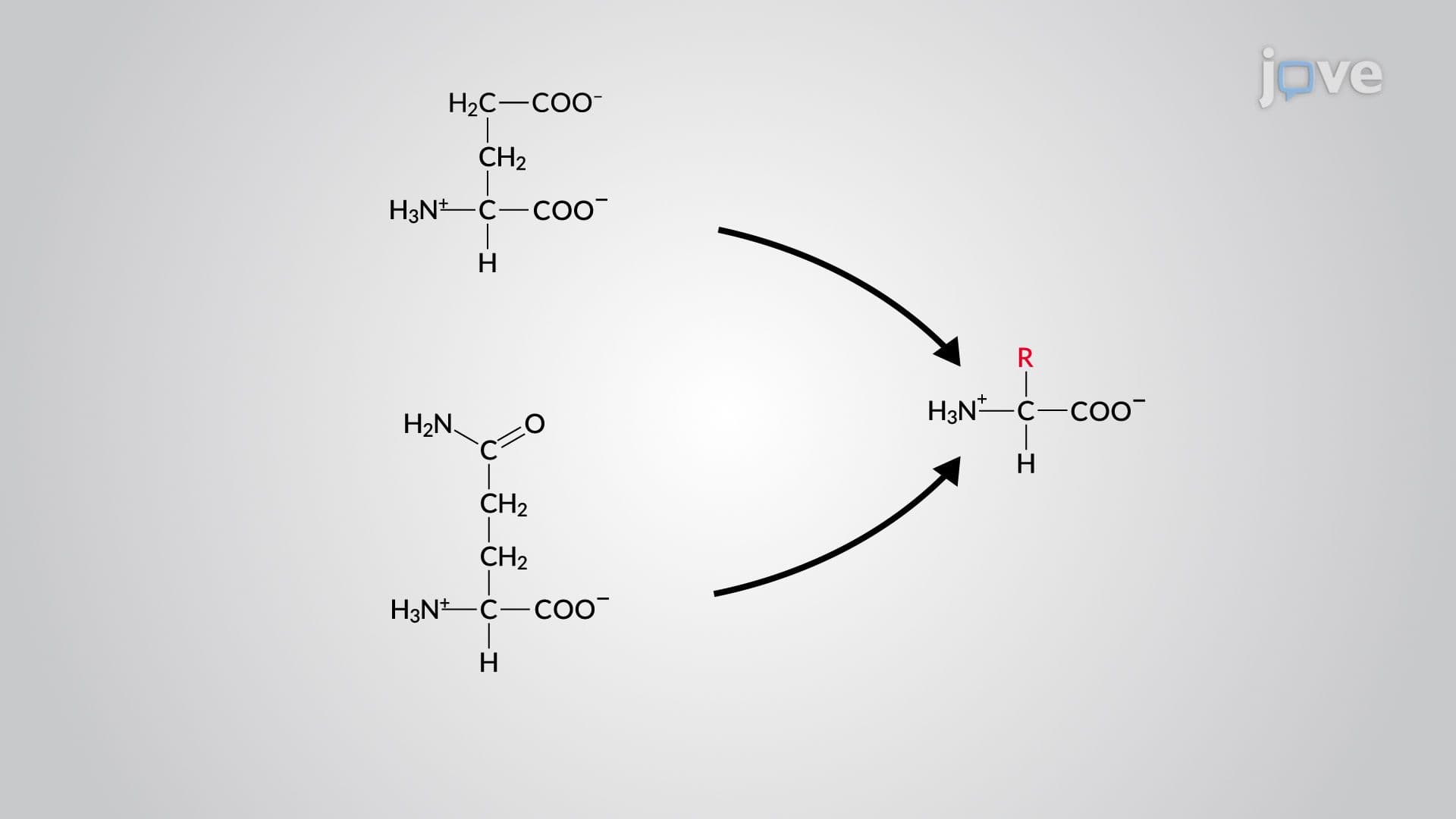
The amino acid biosynthetic pathways definition explained begins with understanding how α-ketoglutarate, pyruvate, oxaloacetate, phosphoenolpyruvate, and erythrose-4-phosphate serve as carbon skeletons. α-ketoglutarate, a key intermediate from the citric acid cycle, directly forms glutamate through transamination. This glutamate then becomes the nitrogen donor for synthesizing glutamine, proline, and arginine-a process crucial for students preparing for the MCAT's biochemistry section.
Pyruvate and oxaloacetate undergo simpler transformations. Pyruvate transamination produces alanine, while oxaloacetate forms aspartate. These reactions exemplify the elegant simplicity underlying complex biosynthetic networks, concepts frequently tested in AP Biology and college biochemistry courses.
Advanced amino acid biosynthetic pathways involve sophisticated chemical modifications beyond simple transamination. Methionine biosynthesis exemplifies this complexity: aspartate converts to homoserine, undergoes activation and sulfuration to form homocysteine, then receives a methyl group to produce methionine. This pathway illustrates how cells orchestrate multiple enzymatic steps to achieve specific structural modifications-knowledge essential for understanding metabolic disorders studied in medical biochemistry.
Phosphoenolpyruvate and erythrose-4-phosphate combine to initiate aromatic amino acid biosynthesis, producing phenylalanine, tyrosine, and tryptophan. These pathways have significant biotechnology applications-companies like Archer Daniels Midland engineer bacterial strains with enhanced aromatic amino acid production for animal feed supplements. Understanding these pathways helps students grasp both fundamental biochemistry and its commercial applications.
The integration of anaplerotic reactions, such as pyruvate carboxylation, maintains the delicate balance between amino acid synthesis and central metabolism, ensuring continuous precursor availability while supporting cellular growth.
Related Micro-courses