Loading subject page…

13,271 views

Video Summary: What are Biosynthesis of Lipids
Ever wonder why archaea can survive in boiling hot springs while your cell membranes would instantly disintegrate? The biosynthesis of lipids reveals nature's ingenious solutions for membrane construction across all life forms. From the fatty acid production in E. coli bacteria used in biotechnology labs at MIT to the cholesterol synthesis pathways studied in medical schools, lipid biosynthesis shapes cellular survival. Watch the full video on JoVE Coach to master this concept with expert-led visuals and step-by-step explanations.
Biosynthesis of lipids represents one of biology's most critical metabolic processes, governing how cells construct their protective barriers and energy storage molecules. This complex biochemical network encompasses three distinct evolutionary strategies that have shaped life on Earth for billions of years.
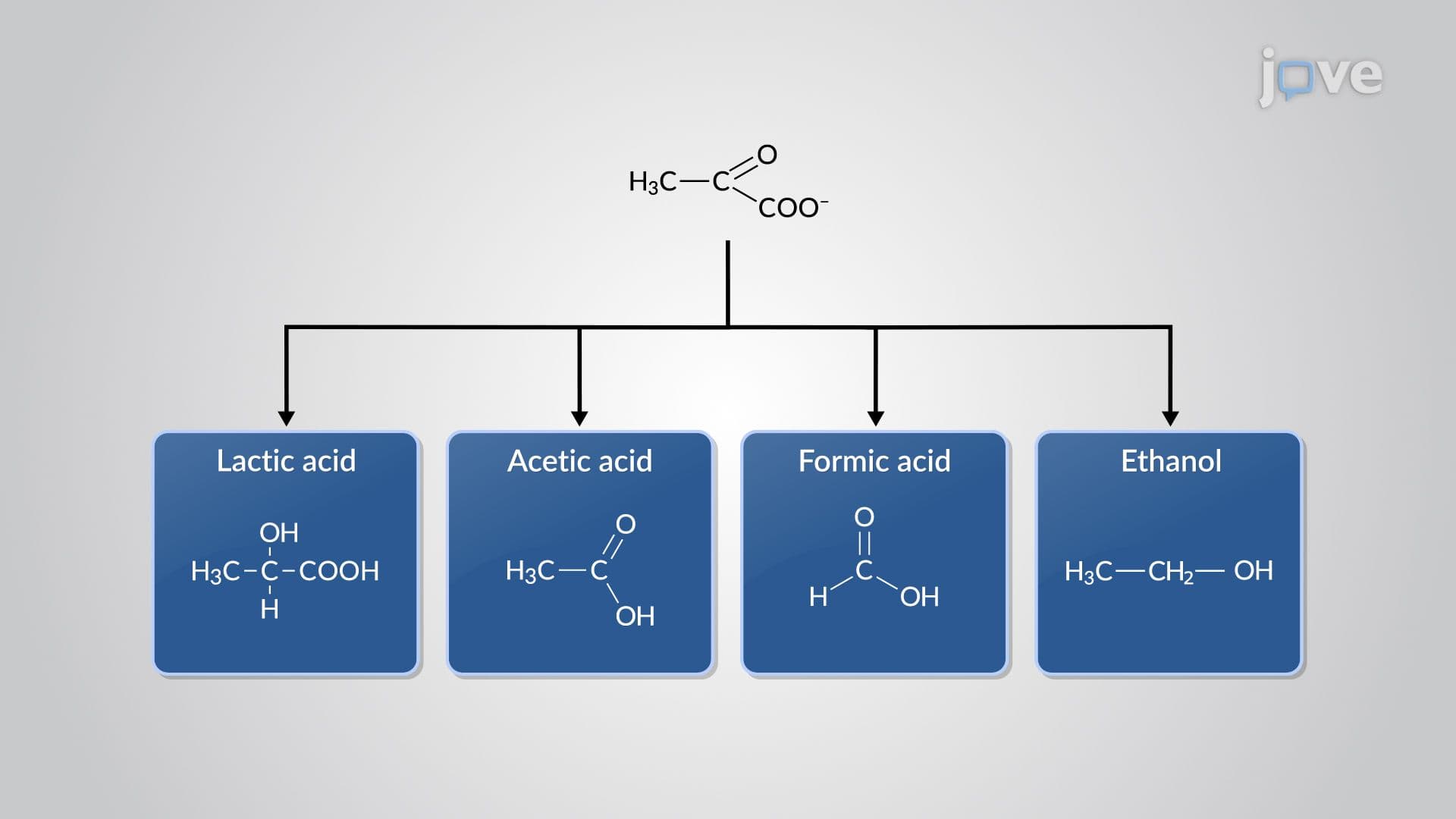
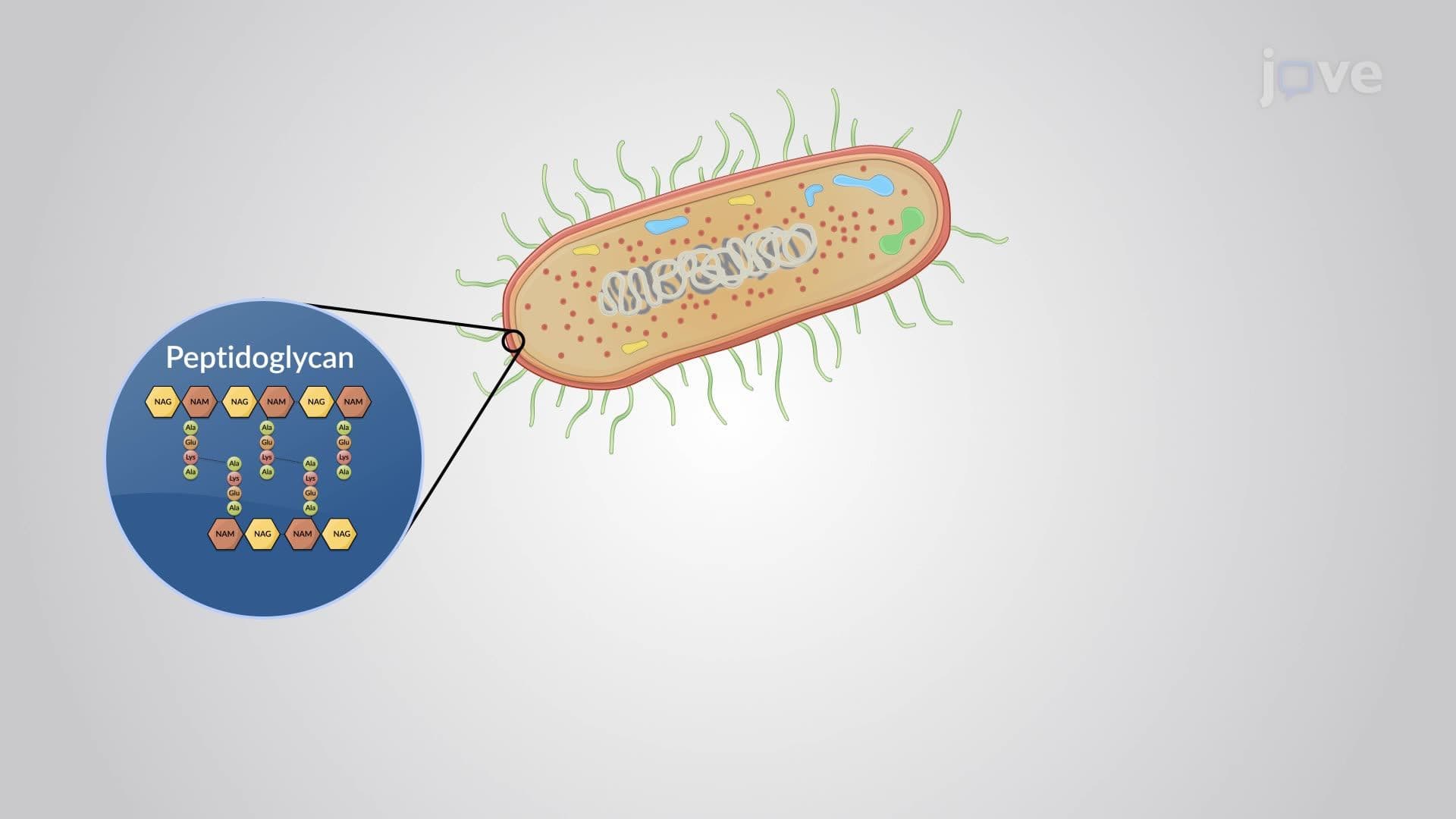
The most familiar lipid biosynthesis pathway involves fatty acid construction from simple two-carbon units. In this process, cells combine acetyl-CoA (the starter molecule) with malonyl-CoA (the building blocks) through fatty acid synthase-a molecular assembly line that performs condensation, reduction, and dehydration reactions. This pathway dominates in bacteria like *Escherichia coli* and all eukaryotic cells, from yeast used in biotechnology to human liver cells synthesizing palmitic acid.
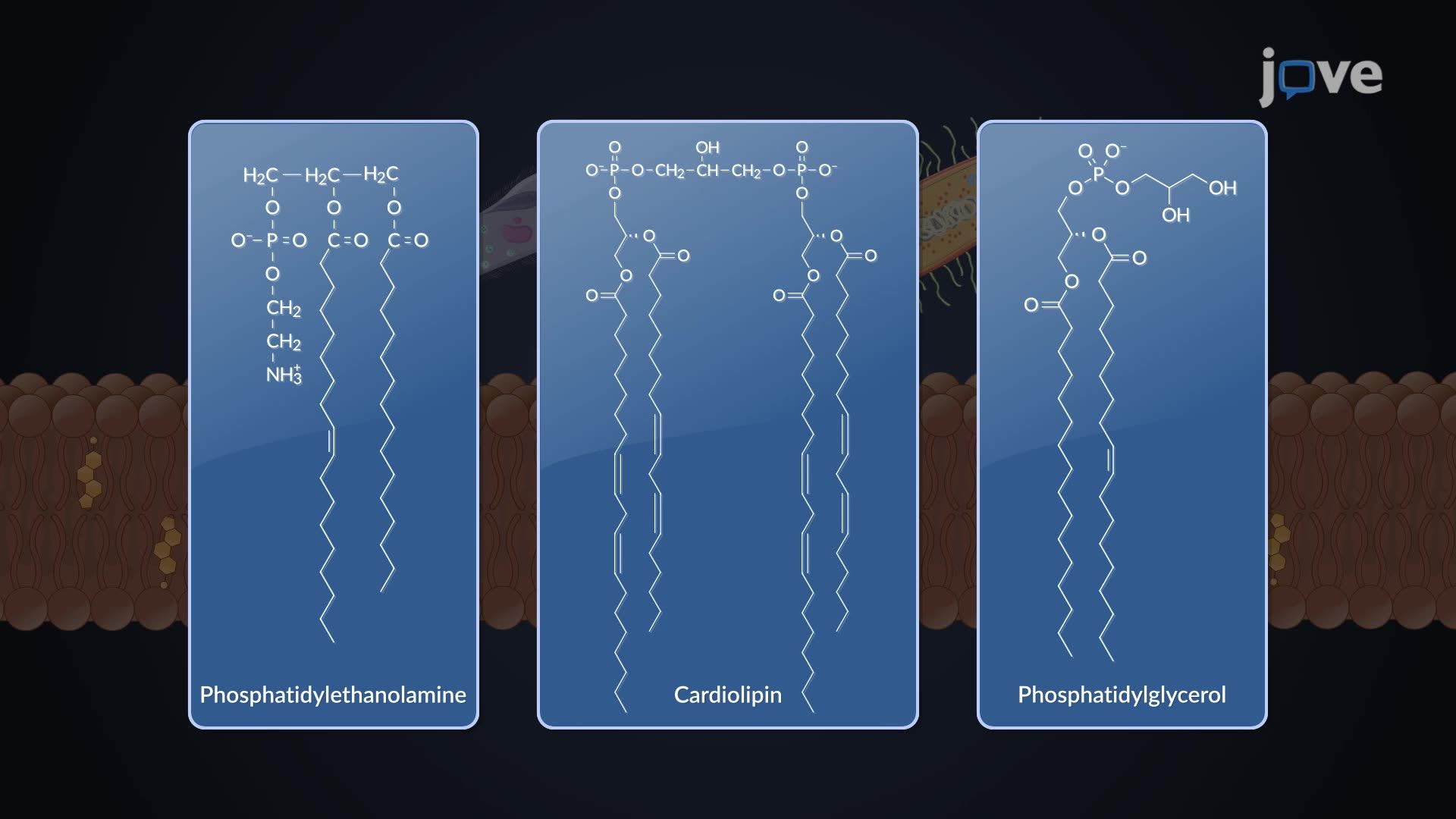
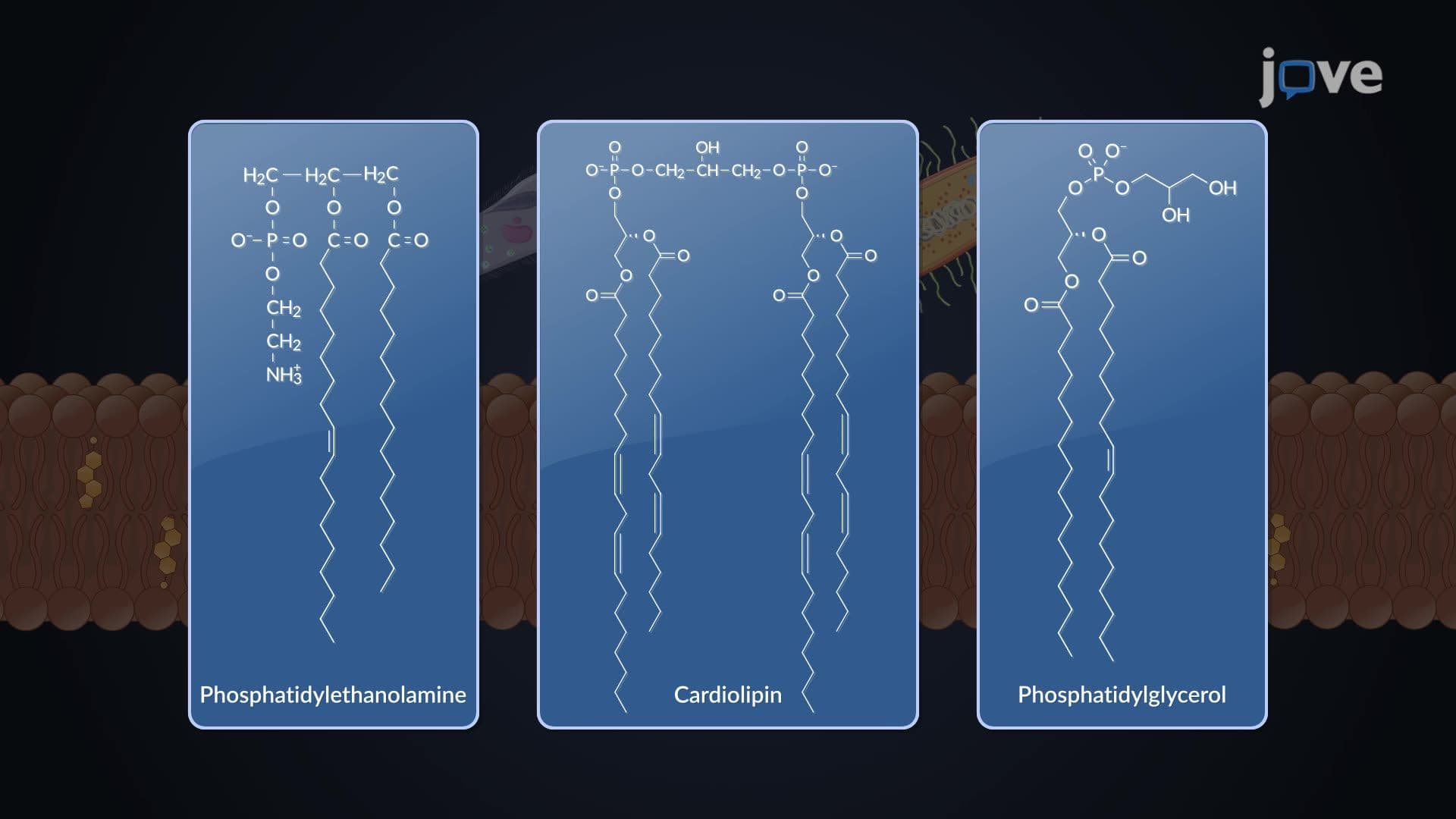
Students preparing for the MCAT or AP Biology exam should recognize this as a reductive biosynthetic pathway, meaning it requires energy input (NADPH) to build complex molecules from simple precursors. The resulting fatty acids attach to glycerol backbones via ester bonds, creating phospholipids like phosphatidylethanolamine-essential components of every cell membrane from Stanford University's laboratory bacteria to neurons in your brain.
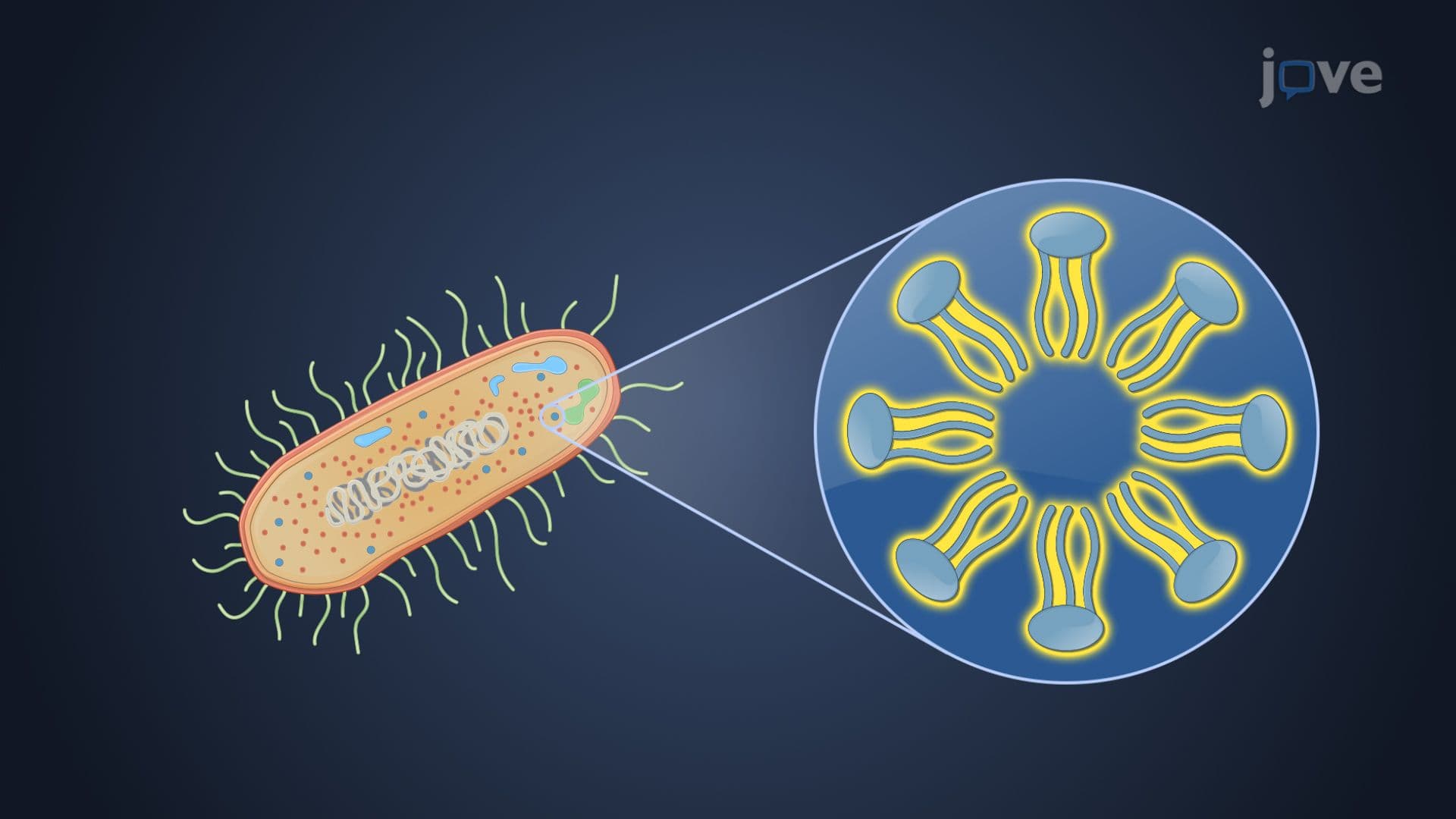
Archaea have evolved an entirely different approach to lipid biosynthesis, utilizing the mevalonate pathway to construct isoprenoid lipids from isopentenyl pyrophosphate. These remarkable molecules feature ether linkages instead of ester bonds, providing extraordinary stability in extreme environments. This same pathway produces cholesterol in humans-a molecule crucial for membrane fluidity regulation that medical students study extensively in biochemistry courses.
Understanding lipid biosynthesis proves essential for multiple career paths. Pharmaceutical companies like Pfizer target cholesterol biosynthesis with statin drugs, while biotechnology firms engineer bacteria to overproduce specific fatty acids for industrial applications. Students encountering these concepts in college biochemistry courses will find this knowledge foundational for understanding metabolic diseases, drug mechanisms, and biotechnology applications throughout their careers.
Related Micro-courses