Loading subject page…

13,271 views

Video Summary: What are Biosynthesis of Nucleic Acids
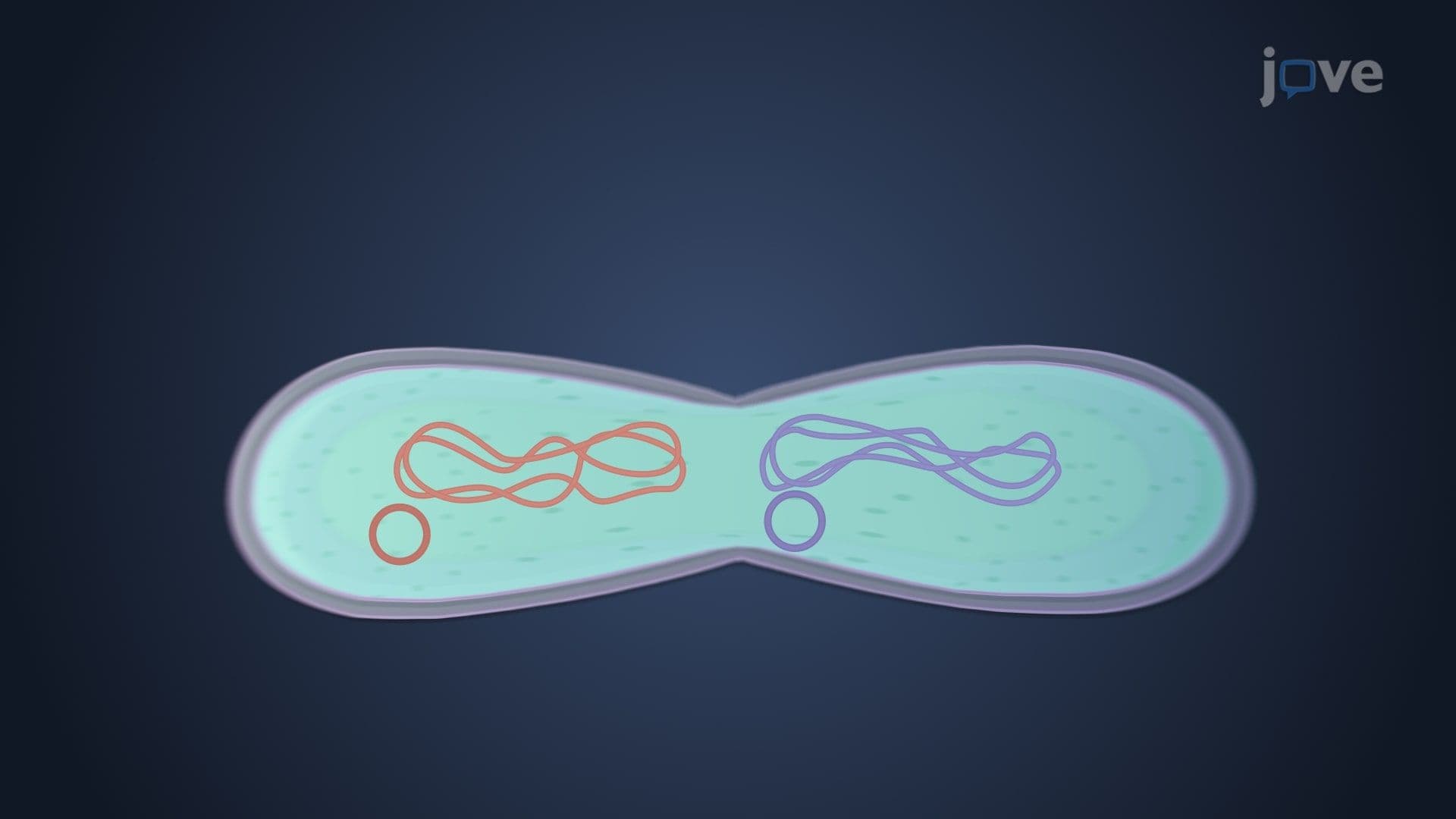
Did you know that your cells synthesize over 10 billion nucleotides daily to maintain DNA and RNA? The biosynthesis nucleic acids represents one of biology's most precisely controlled manufacturing processes, where cells build purine and pyrimidine nucleotides through distinct but interconnected pathways. Consider how cancer treatments like methotrexate specifically target nucleic acid biosynthesis to stop rapidly dividing cells. What are Biosynthesis of Nucleic Acids involves tightly regulated molecular assembly lines that ensure proper cellular function and genetic stability. Watch the full video on JoVE Coach to master this concept with expert-led visuals and step-by-step explanations.
The biosynthesis nucleic acids encompasses the cellular machinery responsible for producing the building blocks of DNA and RNA. This fundamental process ensures that every cell division, protein synthesis, and genetic repair mechanism has adequate supplies of nucleotides. Unlike simple metabolic pathways, nucleic acid biosynthesis represents a sophisticated network of enzymatic reactions that must be precisely coordinated to meet cellular demands while avoiding wasteful overproduction.
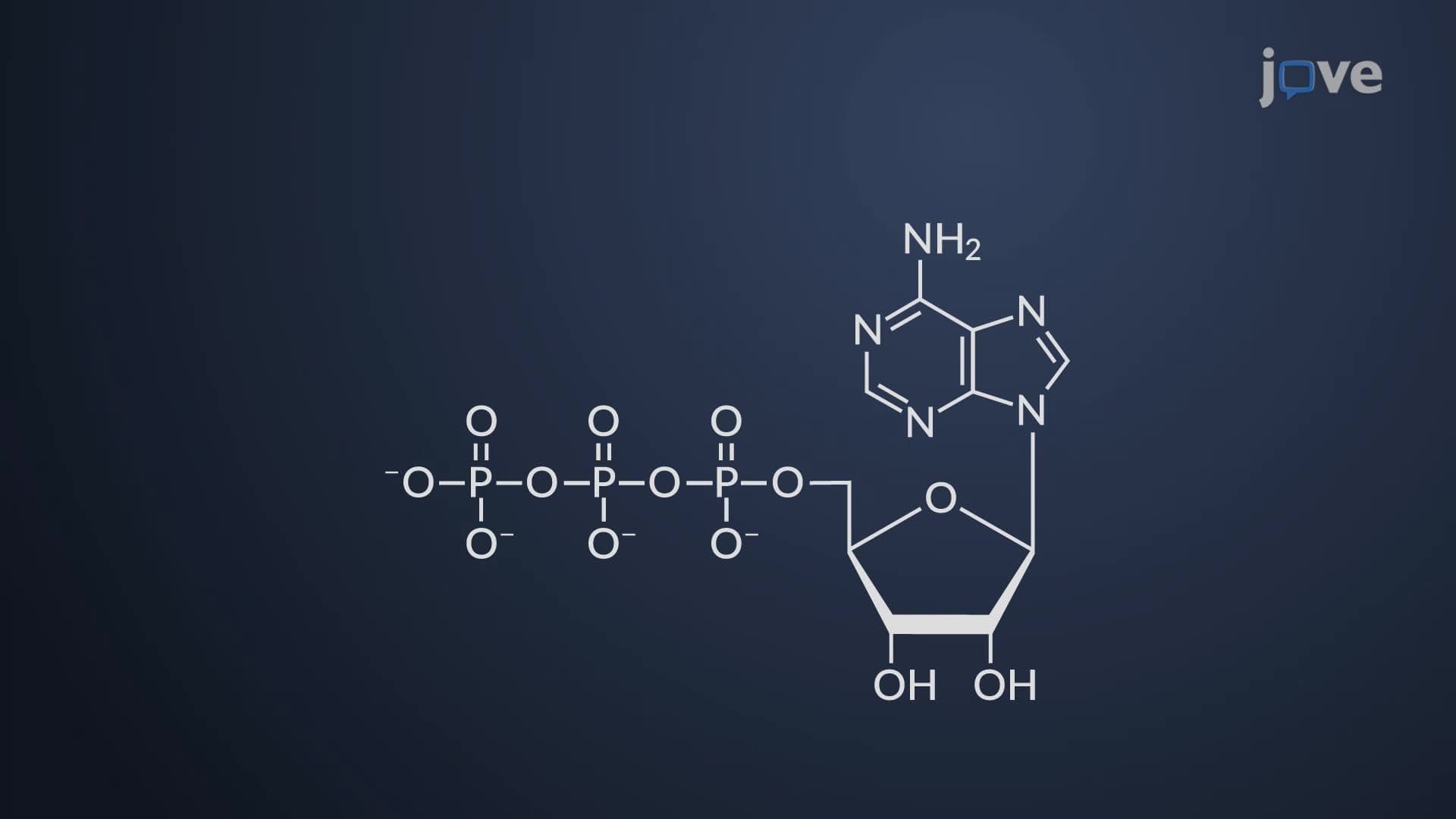
Purine nucleotide synthesis follows a unique "build-on-site" approach. The process begins with ribose-5-phosphate, which cellular enzymes convert to phosphoribosyl pyrophosphate (PRPP), the universal sugar backbone. What makes purine synthesis distinctive is that the purine ring assembles directly on this sugar foundation, atom by atom. The pathway produces inosine monophosphate (IMP) as the central hub, which then branches to form adenosine monophosphate (AMP) and guanosine monophosphate (GMP). Students preparing for the MCAT or AP Biology exams should focus on understanding how nitrogen atoms derive from glutamine and aspartate, while carbon contributions come from glycine, formate units, and folate derivatives. This knowledge frequently appears in biochemistry questions testing metabolic pathway integration.
The biosynthesis of nucleic acids takes a different approach with pyrimidines. Here, cells first construct the pyrimidine ring from aspartate, glutamine, and bicarbonate in the cytoplasm. Only after completing the ring structure do enzymes attach it to PRPP, forming uridine monophosphate (UMP). This "ring-first" strategy contrasts sharply with purine synthesis and represents a key conceptual distinction for college biochemistry courses. UMP serves as the precursor for all pyrimidine nucleotides, undergoing conversion to cytidine triphosphate (CTP) and various thymidine derivatives essential for DNA synthesis.
Understanding nucleic acid biosynthesis proves crucial for comprehending how cancer chemotherapy works. Drugs like methotrexate inhibit folate metabolism, disrupting purine synthesis in rapidly dividing cancer cells. Similarly, 5-fluorouracil targets thymidine synthesis, preventing DNA replication. The sophisticated feedback inhibition mechanisms that normally balance purine and pyrimidine production become therapeutic targets, highlighting why this topic appears prominently in USMLE Step 1 examinations and advanced placement biology curricula.
Related Micro-courses