Loading subject page…

13,271 views

Video Summary: What are Biosynthesis of Polysaccharides
Did you know that your muscles store enough glycogen to power a marathon runner for hours? Biosynthesis of polysaccharides involves the complex molecular assembly of sugar chains from nucleotide-sugar precursors like UDP-glucose and ADP-glucose. These processes are essential in creating glycogen in human liver cells and starch in corn kernels across Iowa farms. Understanding what are biosynthesis of polysaccharides reveals how cells build these crucial energy storage molecules through enzymatic chain elongation. Watch the full video on JoVE Coach to master this concept with expert-led visuals and step-by-step explanations.
What are biosynthesis of polysaccharides represents one of the most critical anabolic pathways in cellular biochemistry. This process involves the systematic assembly of monosaccharide units into complex carbohydrate polymers through enzymatic reactions. Unlike simple sugar metabolism, polysaccharide biosynthesis requires activated sugar donors-specifically nucleoside diphosphate sugars-to drive the energetically unfavorable polymerization reactions forward.
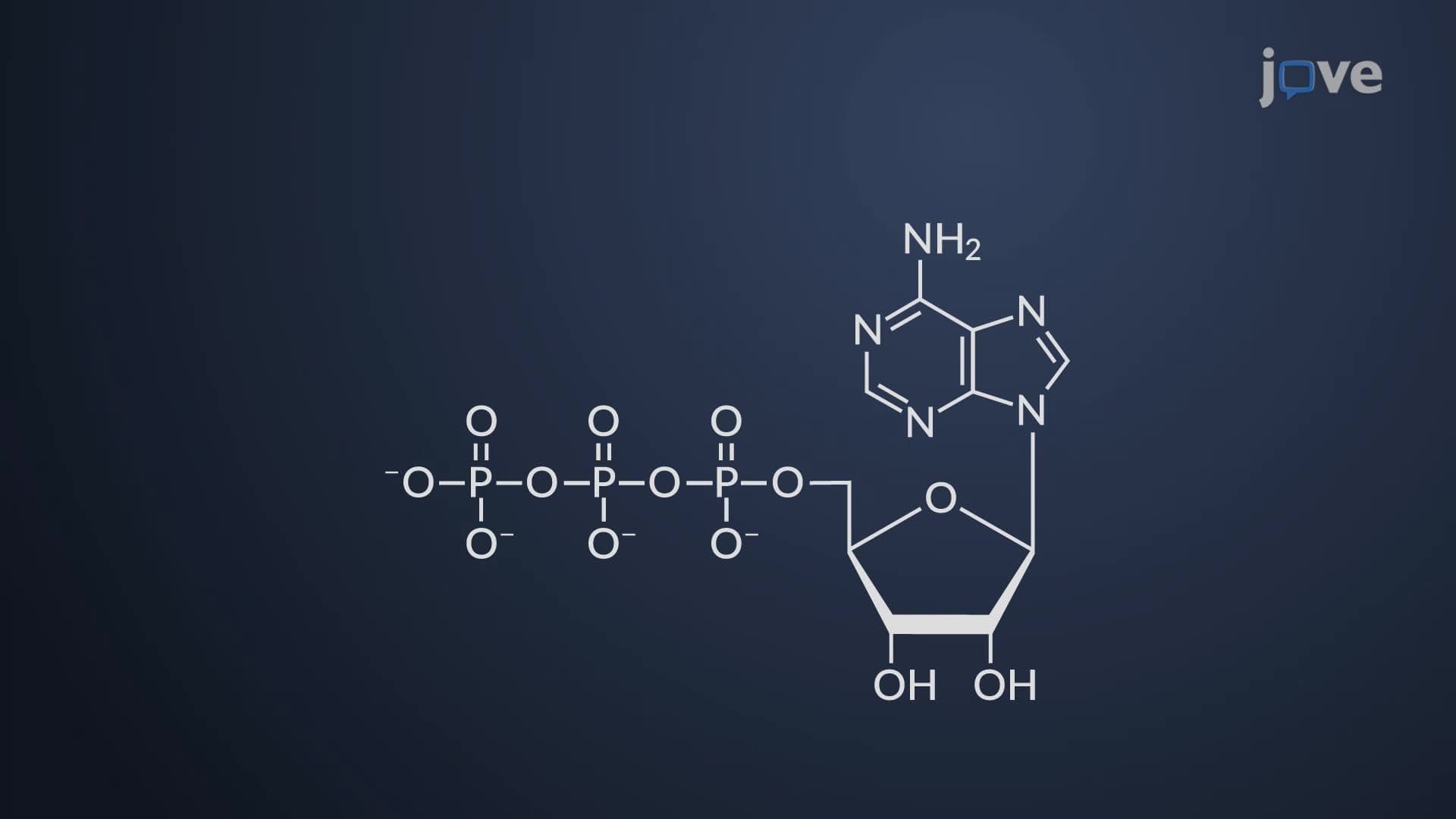
The biosynthesis of polysaccharides depends entirely on nucleotide-activated sugars, with UDP-glucose (UDPG) and ADP-glucose (ADPG) serving as the primary substrates. These molecules form when glucose-1-phosphate reacts with nucleoside triphosphates through pyrophosphorylase enzymes. For example, in human hepatocytes storing glycogen after a meal, UDP-glucose pyrophosphorylase catalyzes the formation of UDPG from glucose-1-phosphate and UTP. This activation step is crucial because it provides the necessary energy to drive glucose incorporation into growing polysaccharide chains.
Students preparing for the MCAT should note that this activation mechanism appears frequently in biochemistry passages, particularly when discussing metabolic regulation and energy storage. The concept also surfaces in AP Biology exams when exploring cellular energetics and macromolecule synthesis.
Polysaccharide synthases represent the core enzymes in biosynthesis polysaccharides pathways. Glycogen synthase in human muscle cells and starch synthase in plant tissues operate through similar mechanisms-both add glucose units exclusively to the non-reducing ends of existing polysaccharide chains. This specificity ensures controlled, directional growth of the polymer.
The requirement for primer molecules distinguishes polysaccharide synthesis from other biosynthetic pathways. In glycogen synthesis, glycogenin serves as the initial primer, while starch synthesis utilizes pre-existing starch fragments. This primer dependency explains why individuals with glycogen storage diseases often show defects in either synthase activity or primer formation.
The biosynthesis of polysaccharides connects directly to gluconeogenesis, allowing cells to convert non-carbohydrate precursors into storage polysaccharides. During prolonged exercise, human skeletal muscle can utilize lactate, certain amino acids, and glycerol to generate glucose-1-phosphate, which then enters polysaccharide synthesis pathways. This integration proves essential for maintaining energy homeostasis in varying physiological conditions.
Clinical applications of this knowledge appear in medical licensing exams like the USMLE, where understanding polysaccharide metabolism helps explain conditions such as glycogen storage diseases and diabetes complications.
Related Micro-courses