Loading subject page…

13,271 views

Video Summary: What are Other Glycolytic Pathways
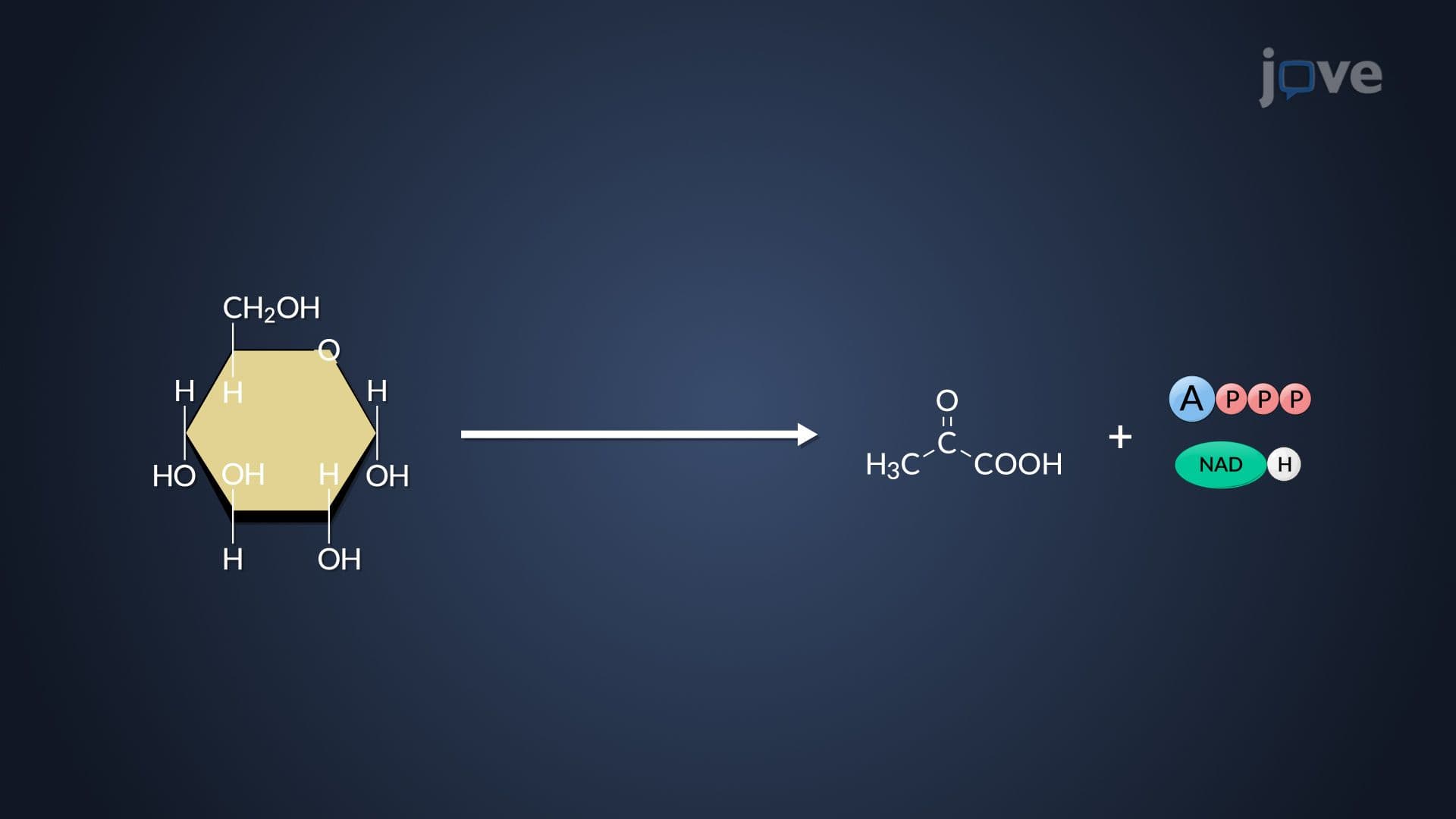
Did you know that bacterial cells can break down glucose through completely different pathways than the classic glycolysis you learned in biology class? Other glycolytic pathways like the pentose phosphate pathway and Entner-Doudoroff pathway provide alternative routes for glucose metabolism, each serving unique cellular functions. For instance, *E. coli* bacteria use these pathways to produce essential building blocks for DNA synthesis. Watch the full video on JoVE Coach to master this concept with expert-led visuals and step-by-step explanations.
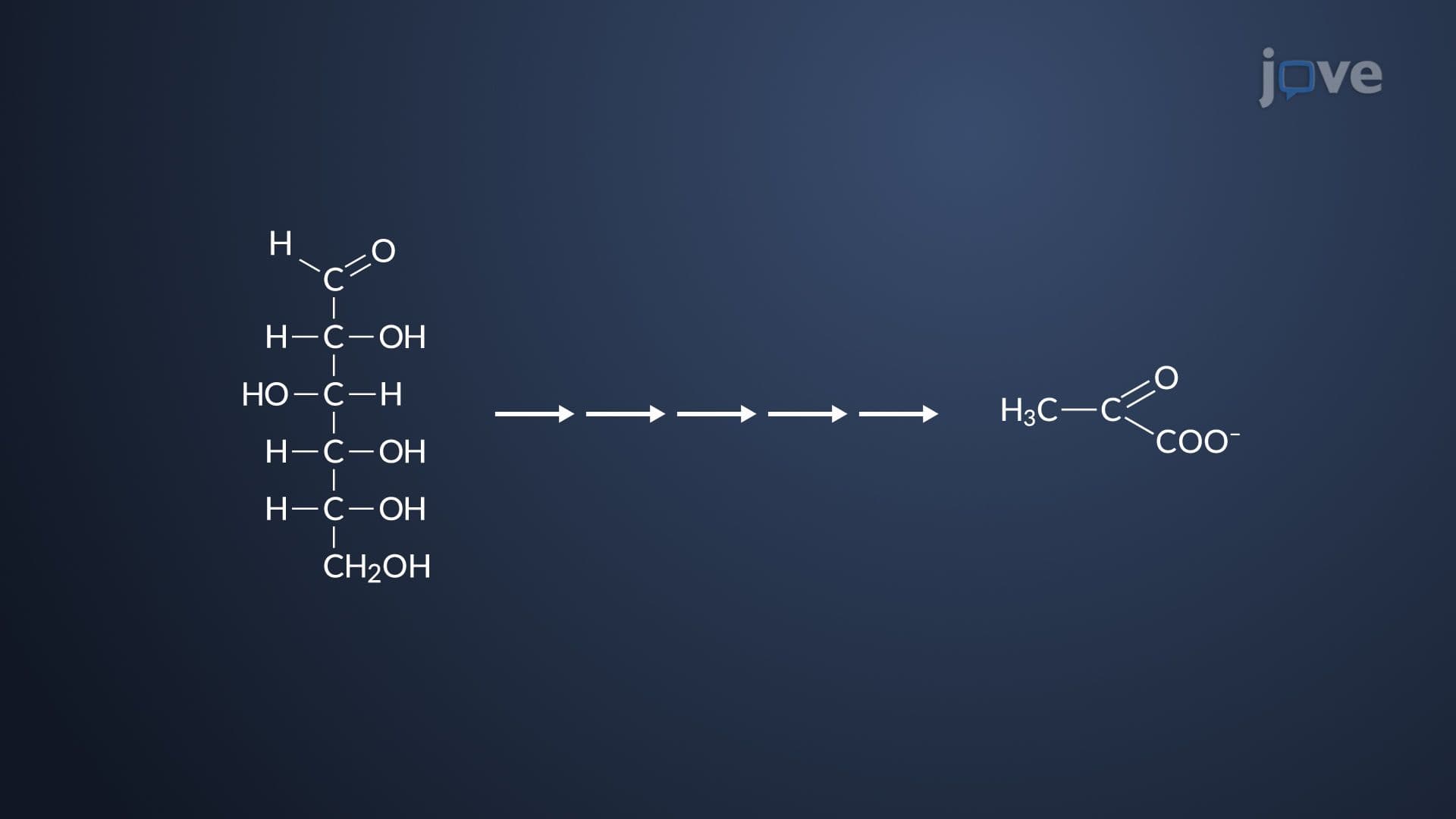
Other glycolytic pathways represent sophisticated metabolic alternatives that cells use alongside or instead of classical glycolysis. These pathways demonstrate the remarkable flexibility of cellular metabolism, allowing organisms to optimize glucose utilization based on their specific needs. While traditional glycolysis focuses primarily on ATP production, these alternative routes prioritize the generation of essential cellular building blocks.
The pentose phosphate pathway (PPP), also known as the hexose monophosphate shunt, operates as a metabolic multitasker in bacterial and eukaryotic cells. This pathway consists of two distinct phases, each serving critical cellular functions. The oxidative phase transforms glucose-6-phosphate into 6-phosphogluconolactone while generating NADPH, a crucial reducing agent. NADPH differs from NADH in its role-while NADH feeds into ATP production via the electron transport chain, NADPH powers biosynthetic reactions.
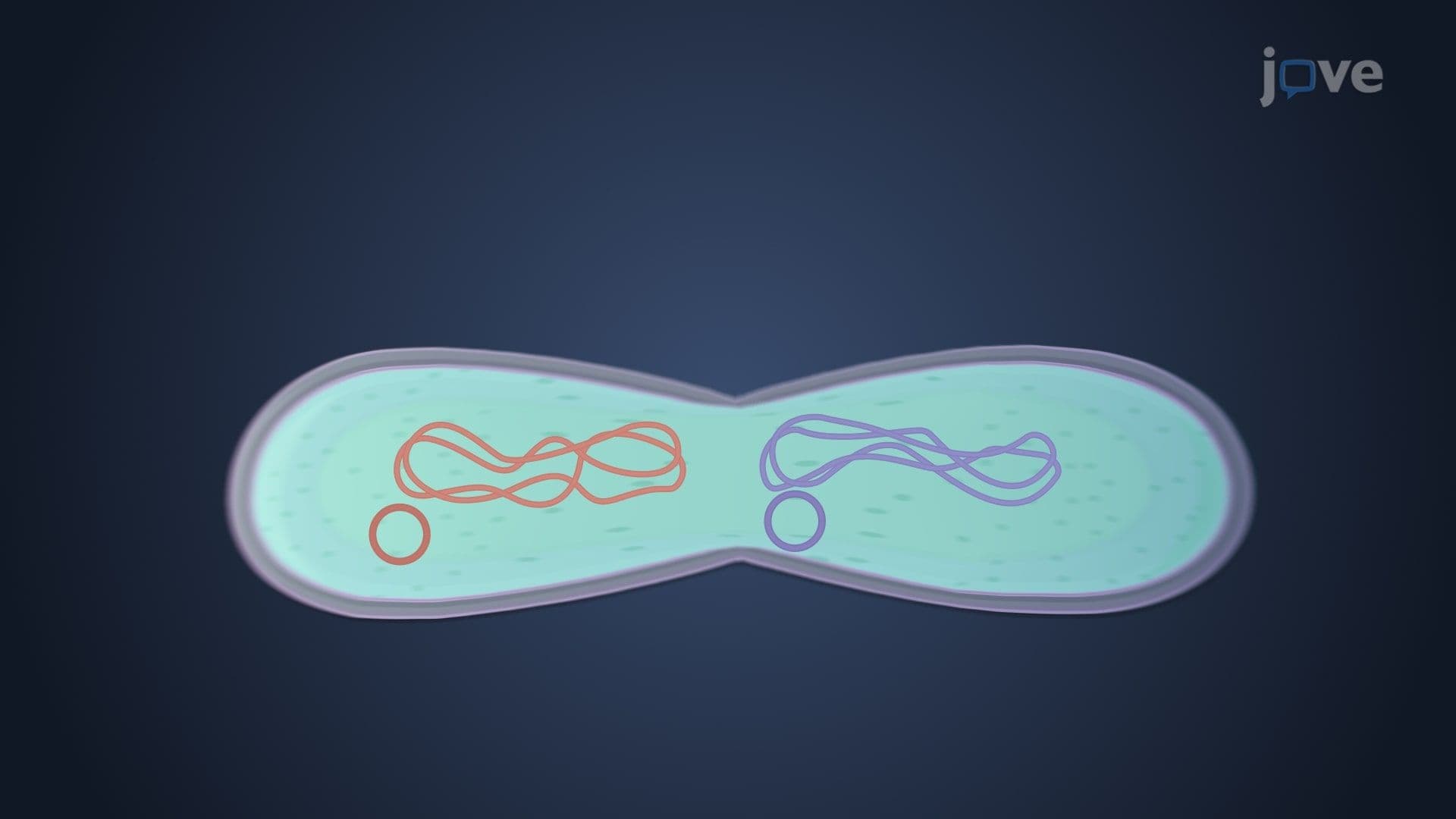
The non-oxidative phase generates ribose-5-phosphate, an essential sugar backbone for nucleotide synthesis. This makes the PPP indispensable for DNA and RNA production. In rapidly dividing bacterial cultures used in biotechnology companies across the US, the PPP ensures adequate nucleotide precursor supply for genetic material synthesis.
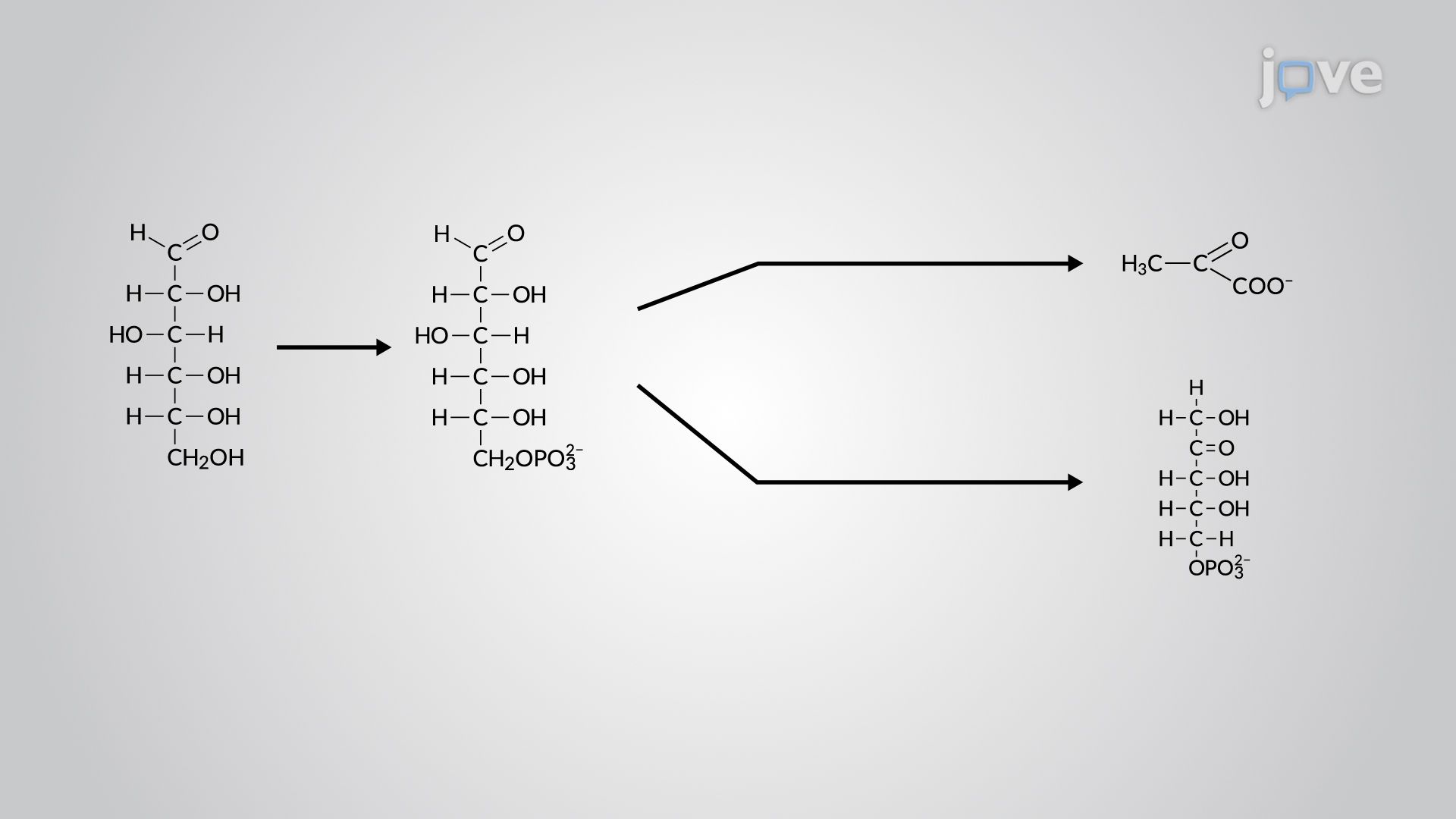
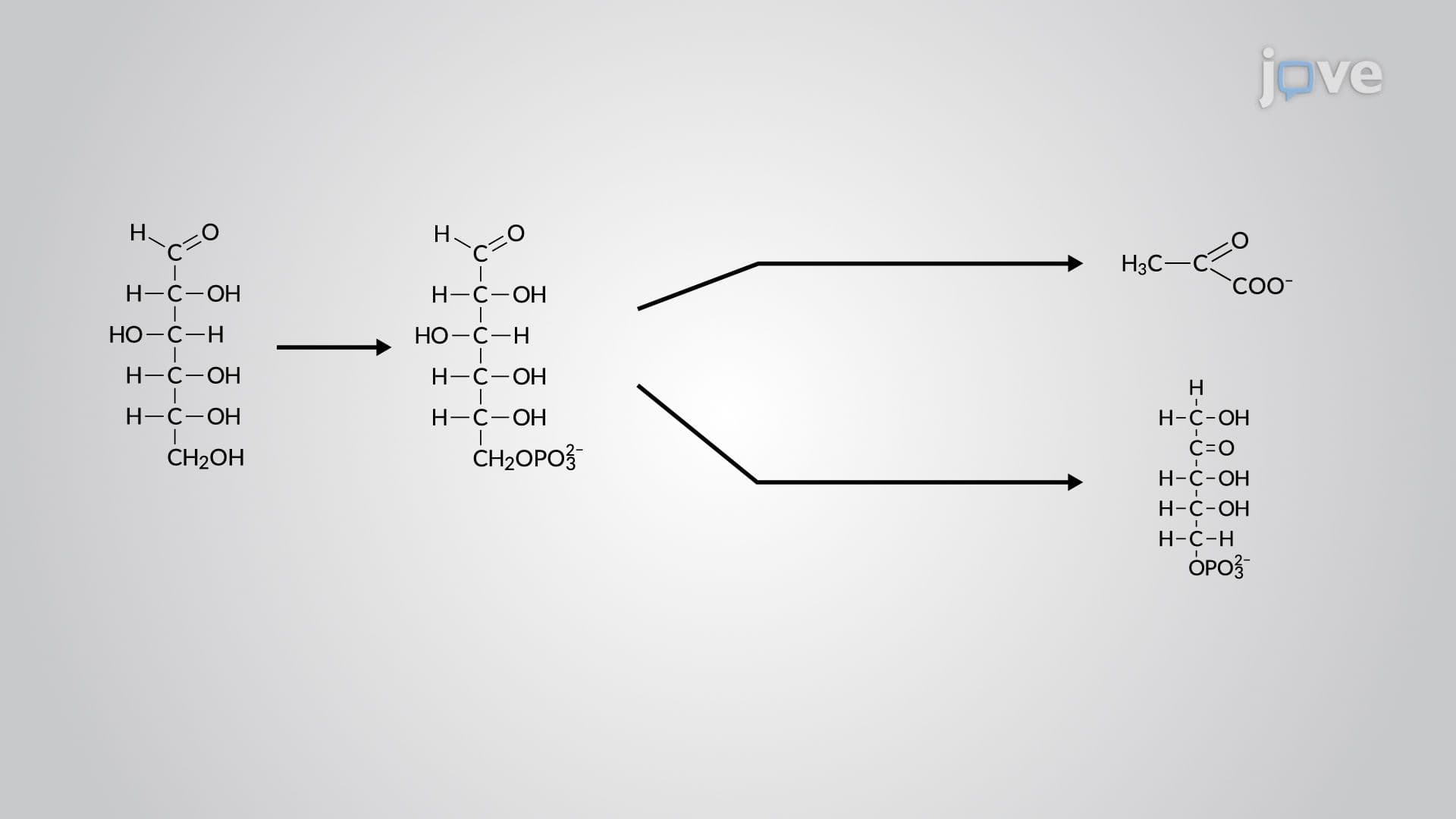
The Entner-Doudoroff pathway (EDP) represents a streamlined approach to glucose catabolism, predominantly found in aerobic gram-negative bacteria like *Pseudomonas* species. Unlike classical glycolysis, which produces two pyruvate molecules per glucose, EDP generates one pyruvate and one glyceraldehyde-3-phosphate directly. The glyceraldehyde-3-phosphate then undergoes further processing to yield a second pyruvate molecule.
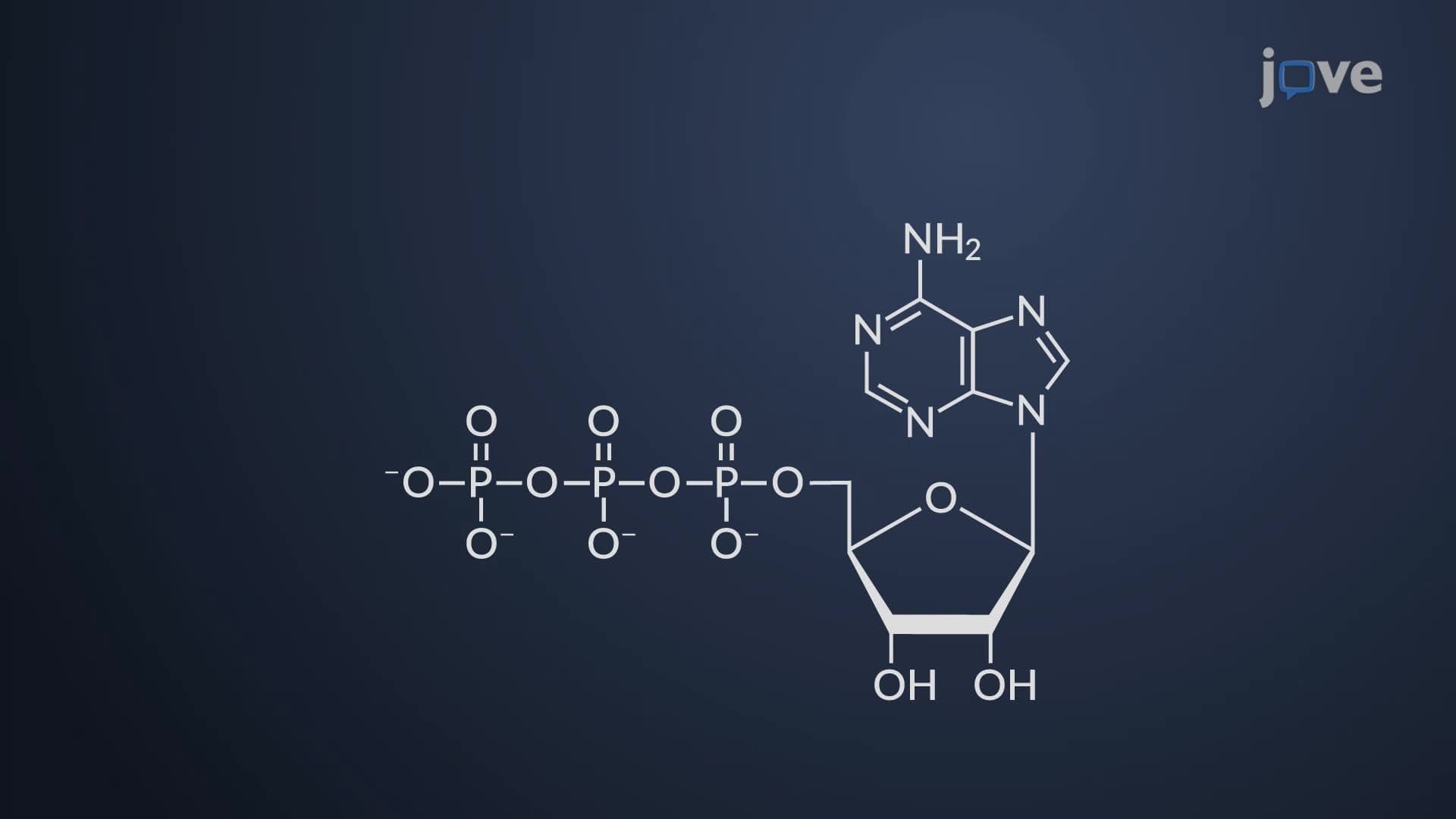
This pathway produces only one ATP per glucose molecule compared to glycolysis's two ATP yield. However, EDP generates both NADH and NADPH, providing metabolic versatility. The NADPH production makes EDP particularly valuable for bacteria engaged in biosynthetic activities, such as those used in pharmaceutical manufacturing facilities across the United States.
Understanding these pathways proves essential for students preparing for the MCAT, where metabolic pathway questions frequently appear. AP Biology students encounter these concepts when studying cellular respiration alternatives, while microbiology students at universities like UC Berkeley and MIT explore their significance in bacterial physiology. In clinical settings, knowledge of these pathways helps explain bacterial resistance mechanisms and antibiotic targets.
Related Micro-courses