Loading subject page…
- Microbiology
- Microbial Metabolism
- Redox Reactions
Micro-course: Microbial Metabolism
13,271 views
Learn key concepts and earn your certificate.
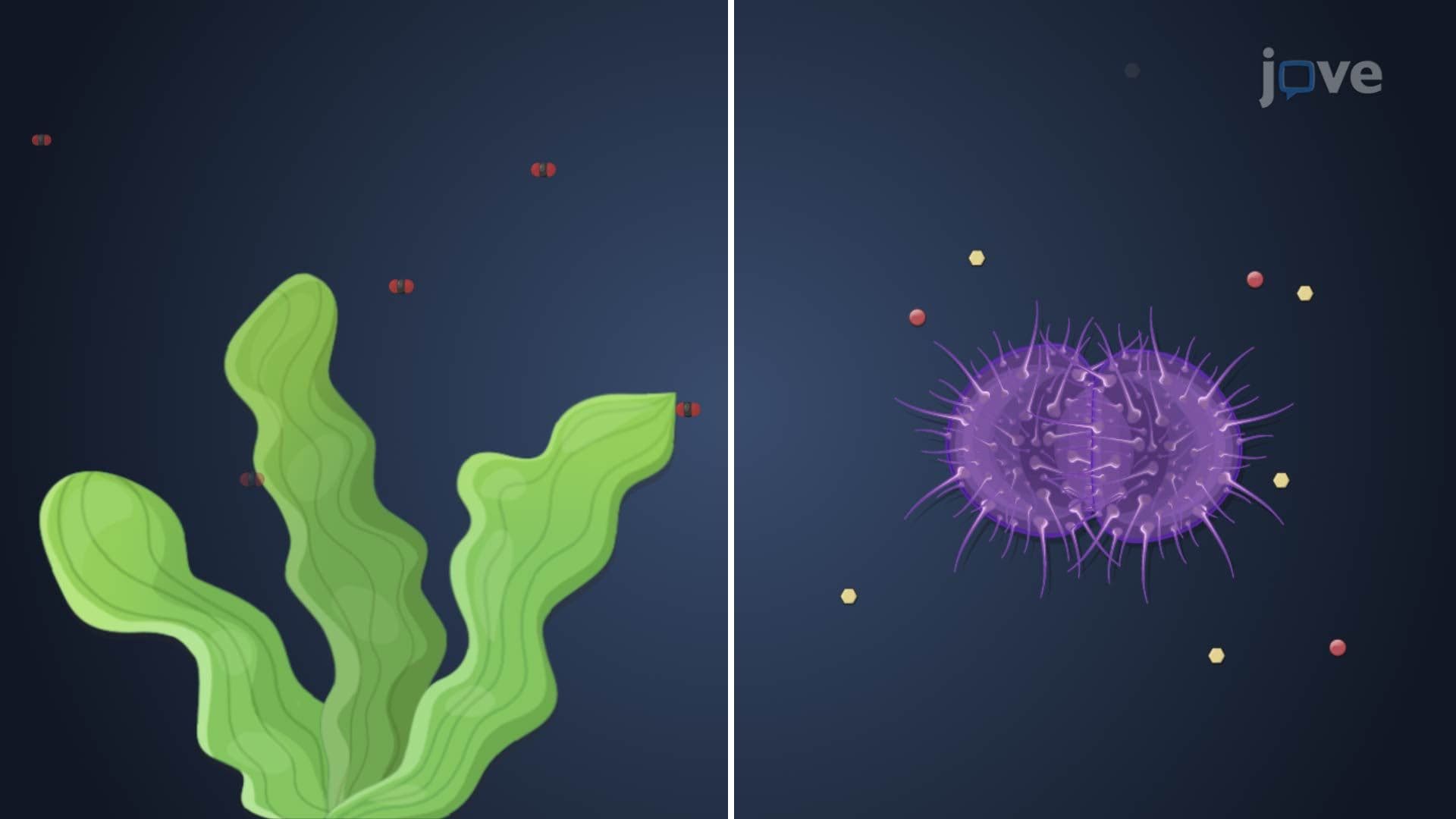

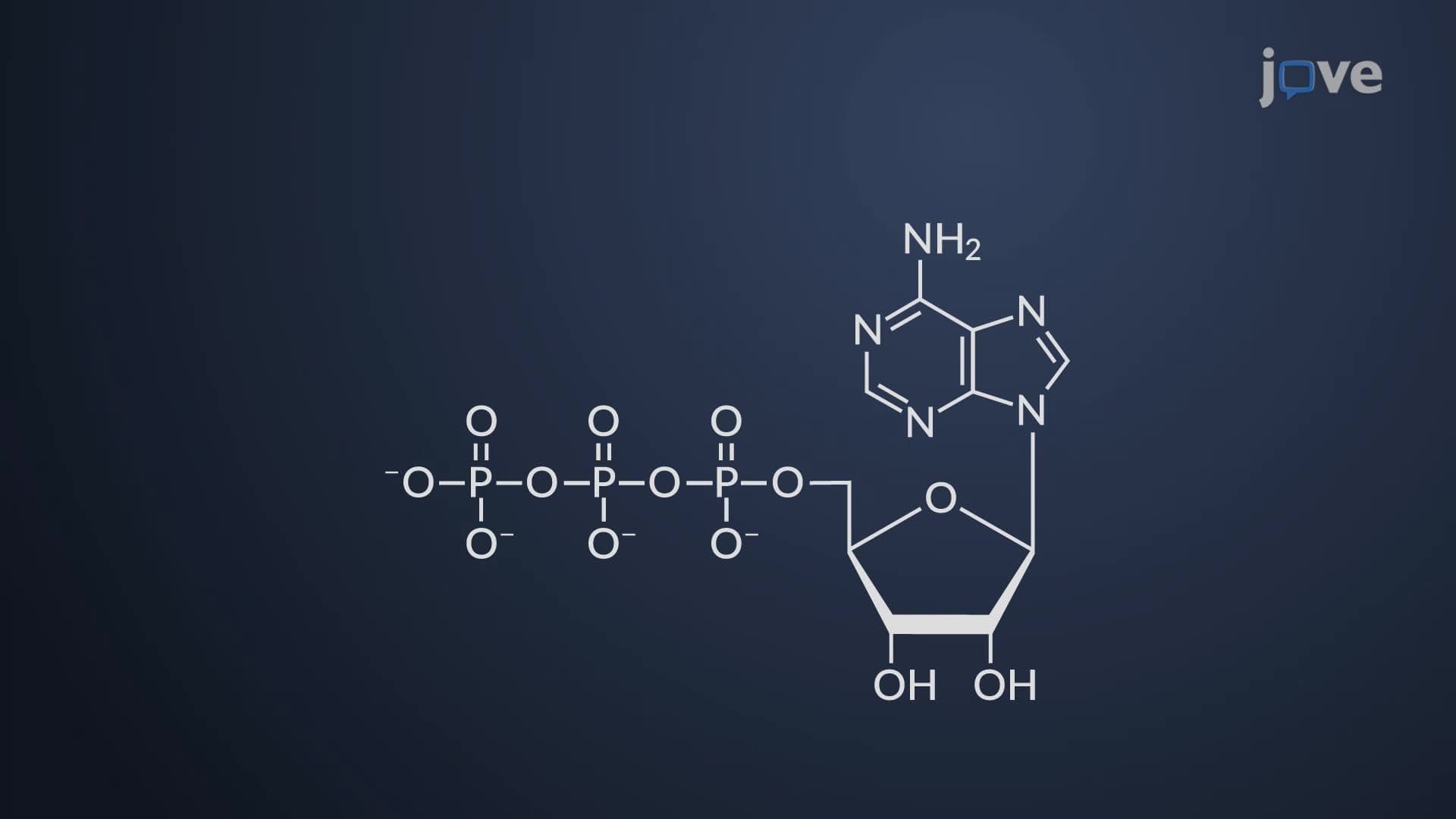
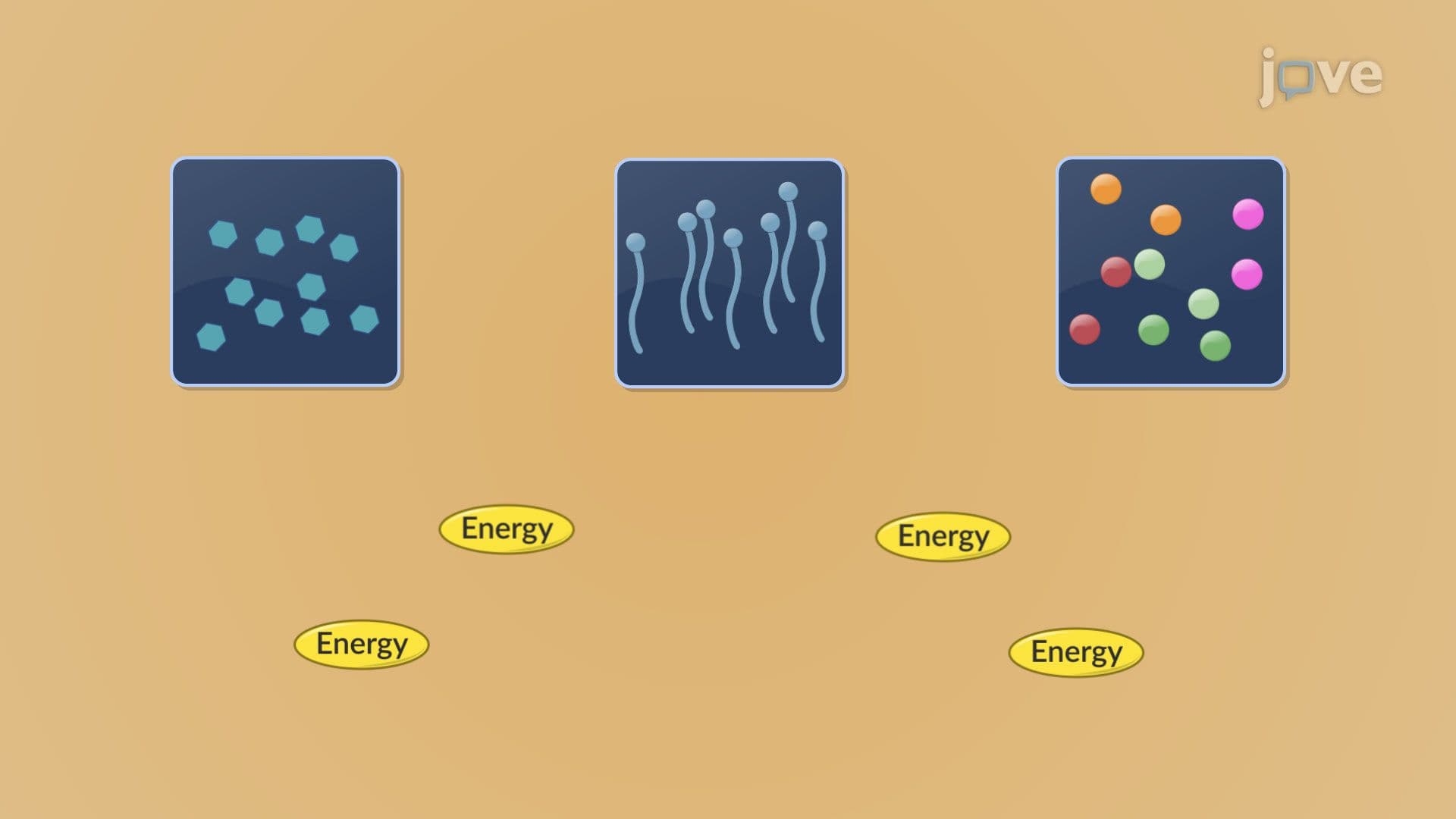
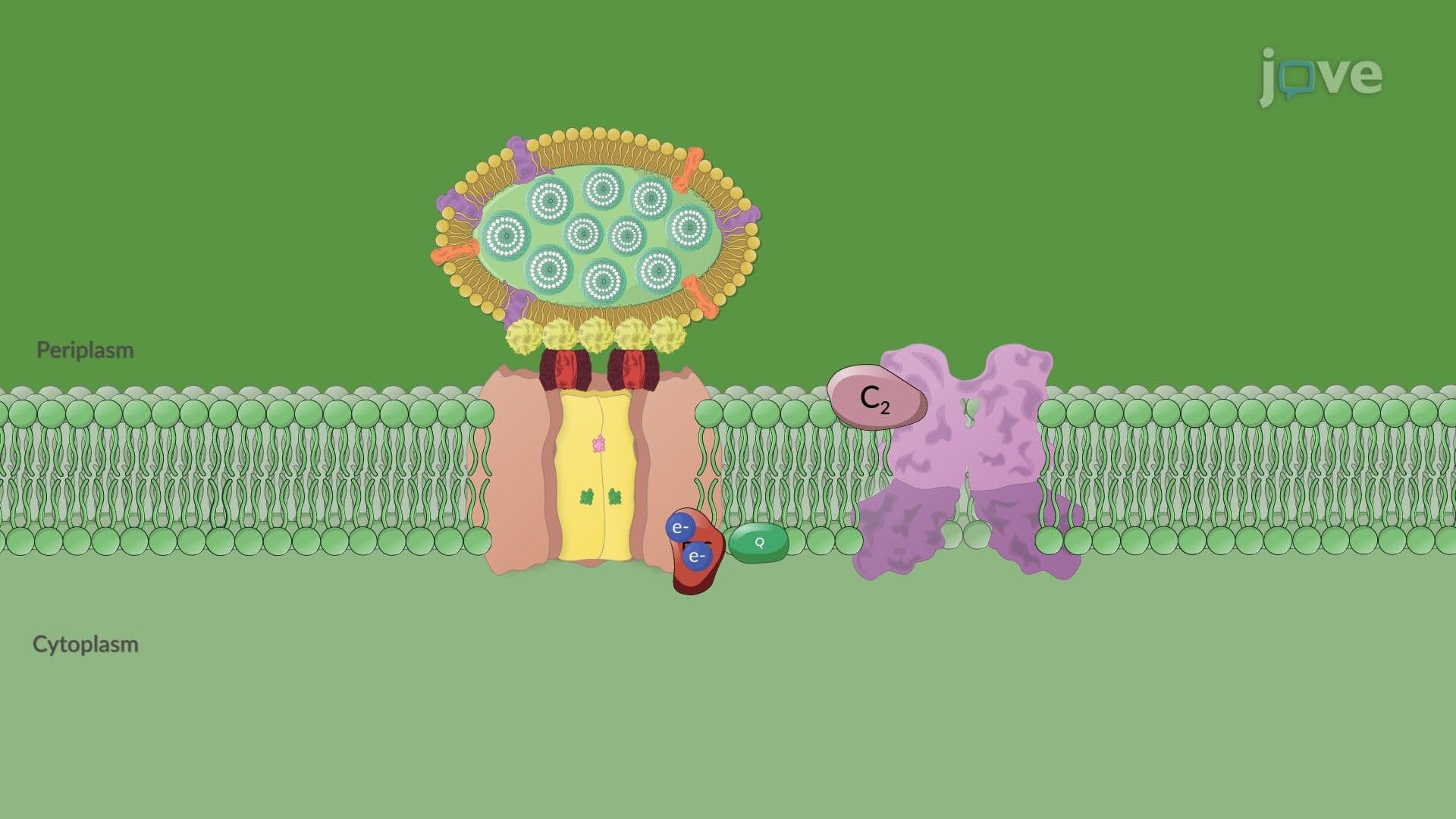
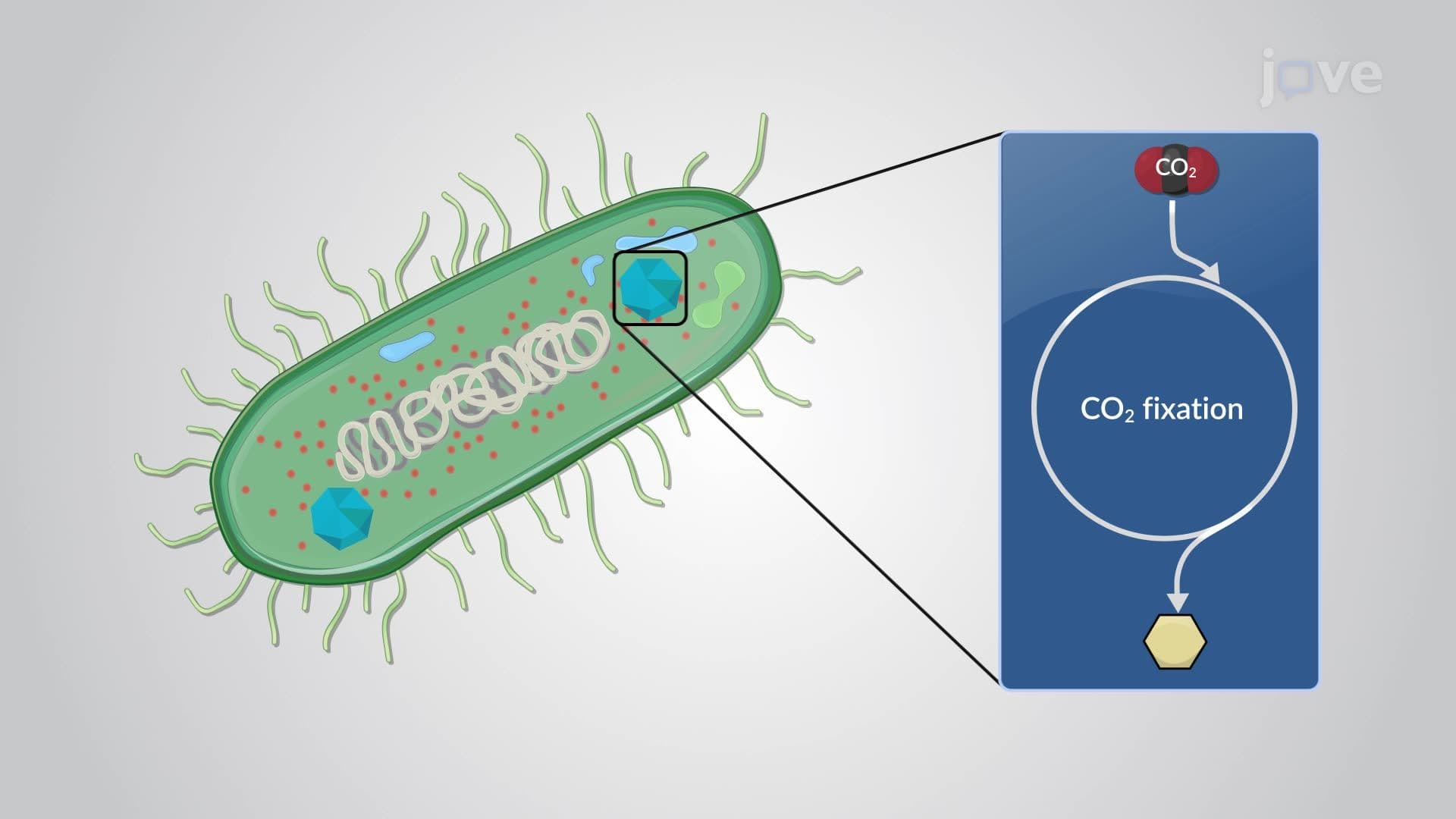
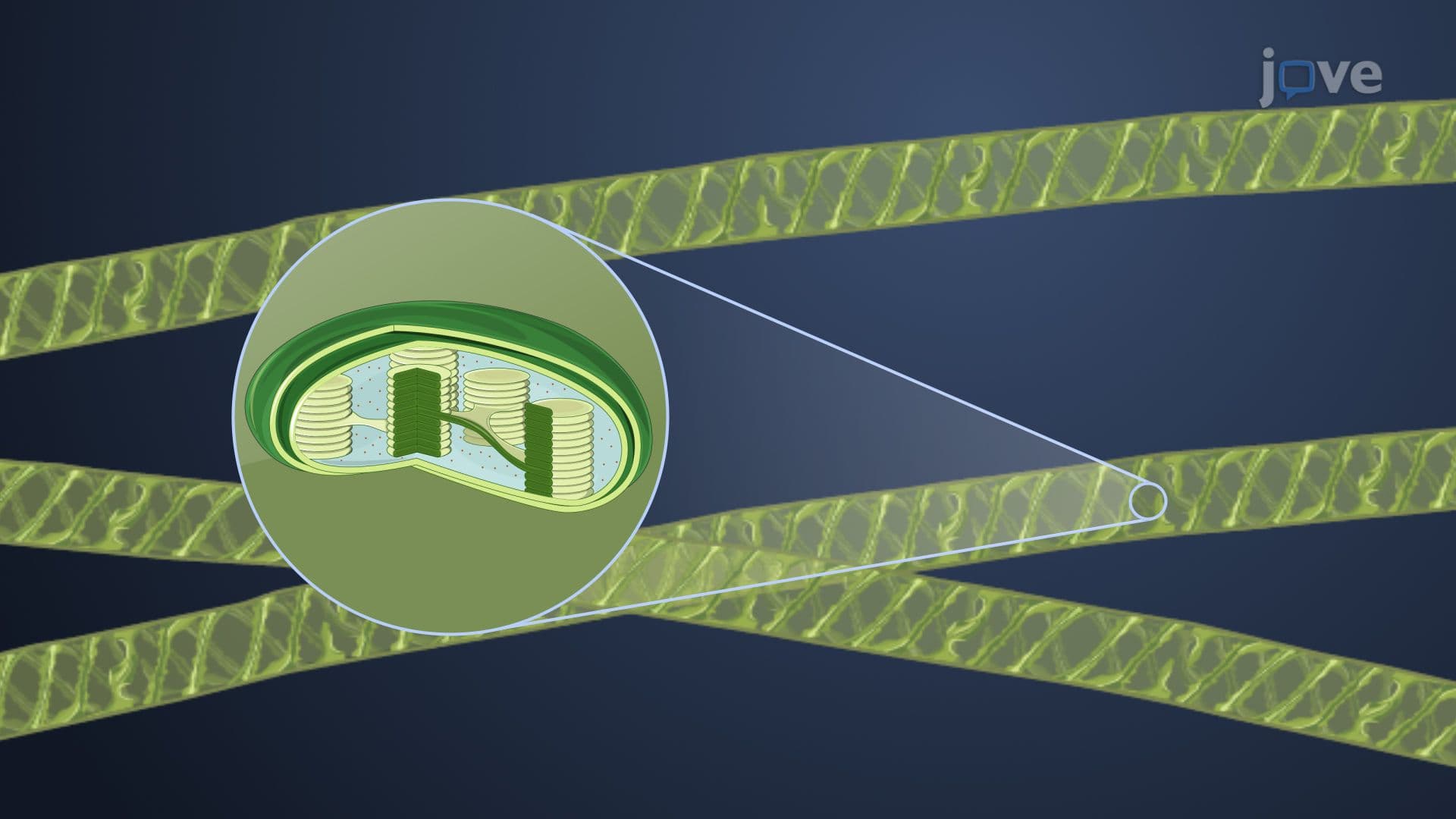
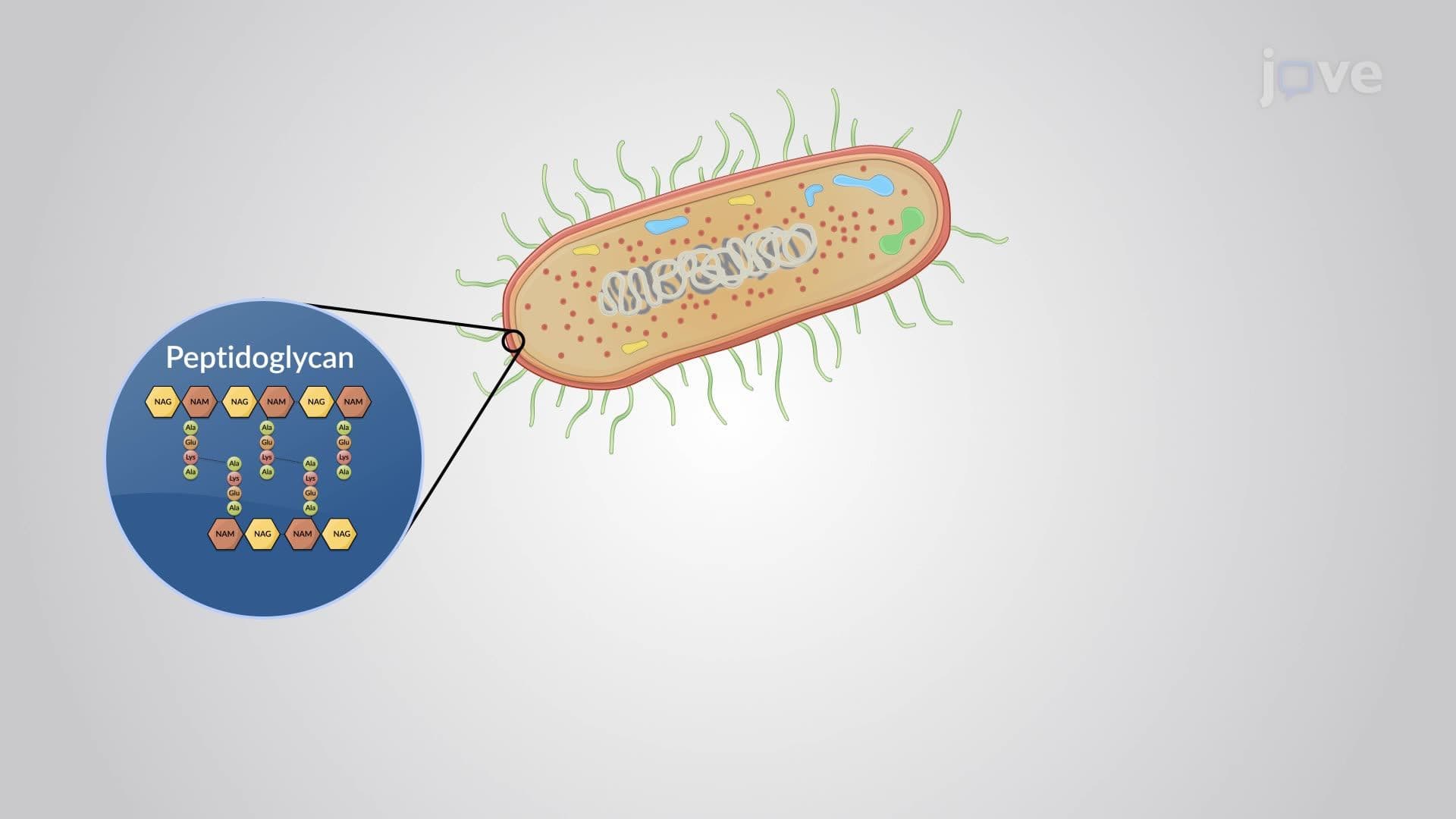

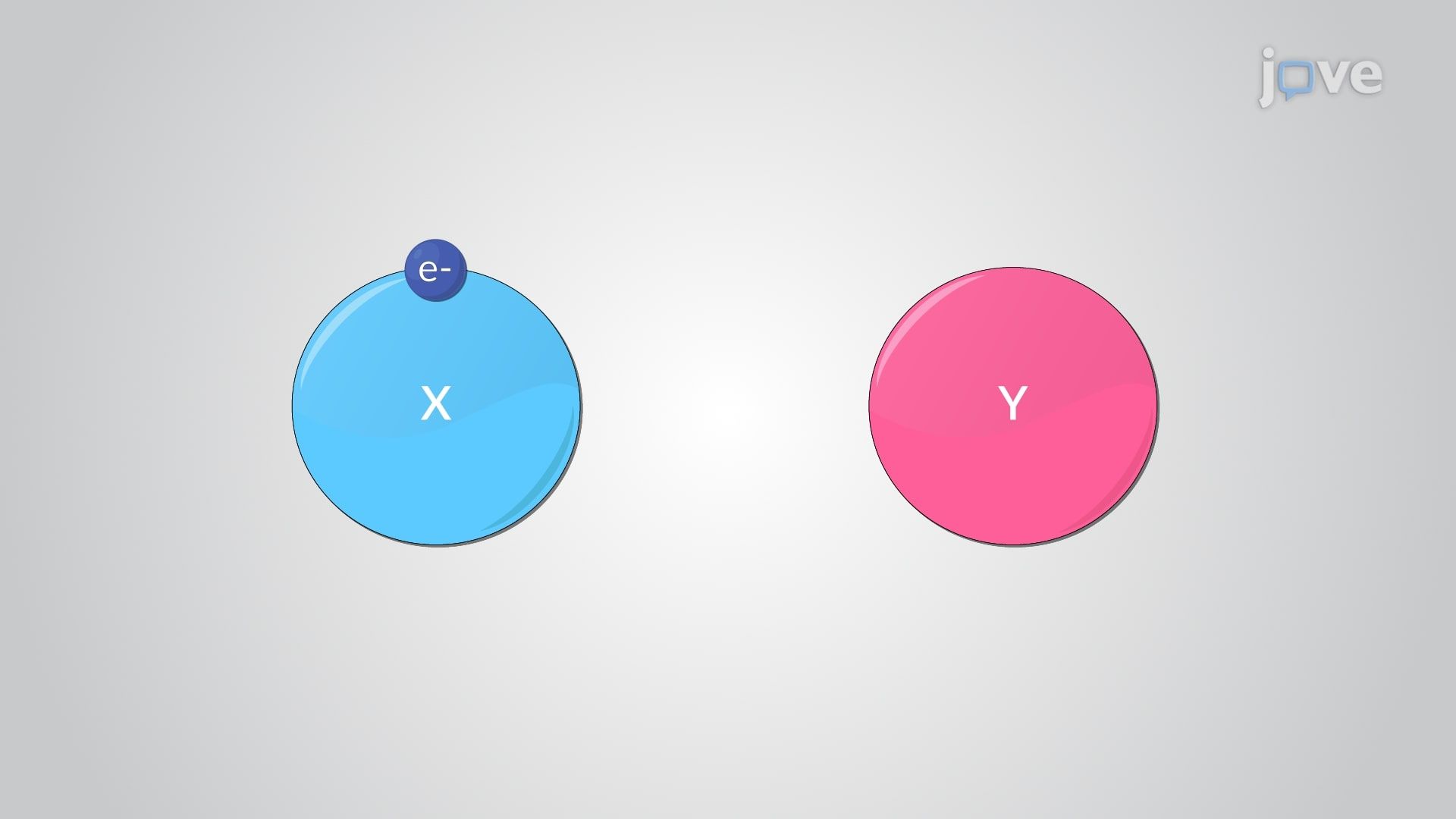
Redox Reactions

00:00
01:27
Video Summary: What are Redox Reactions
Did you know that every breath you take and every calorie you burn depends on redox reactions biology chemistry processes happening inside your cells? These electron transfer reactions power everything from muscle contractions during a workout at your local gym to the photosynthesis occurring in plants across American farmlands. What are redox reactions? They're the fundamental chemical processes where electrons move between molecules, driving cellular energy production through coupled oxidation and reduction events. Watch the full video on JoVE Coach to master this concept with expert-led visuals and step-by-step explanations.
- Understand what are redox reactions and how they form the foundation of cellular metabolism through electron transfer processes
- Identify the key differences between oxidation (electron loss) and reduction (electron gain) in biological systems
- Analyze how major electron carriers like NAD+/NADH, FAD/FADH2, and NADP+/NADPH function in cellular processes
- Compare the roles of different coenzymes in catabolic versus anabolic pathways within living organisms
- Evaluate how redox balance is maintained in cells through the recycling of oxidized and reduced forms of electron carriers
- Apply redox principles to understand energy production in cellular respiration and photosynthesis
- Recognize redox reactions in everyday biological processes like fermentation and metabolic pathways
- Explore how redox state changes drive essential life processes from bacterial metabolism to human physiology
Understanding Redox Reactions in Biological Systems
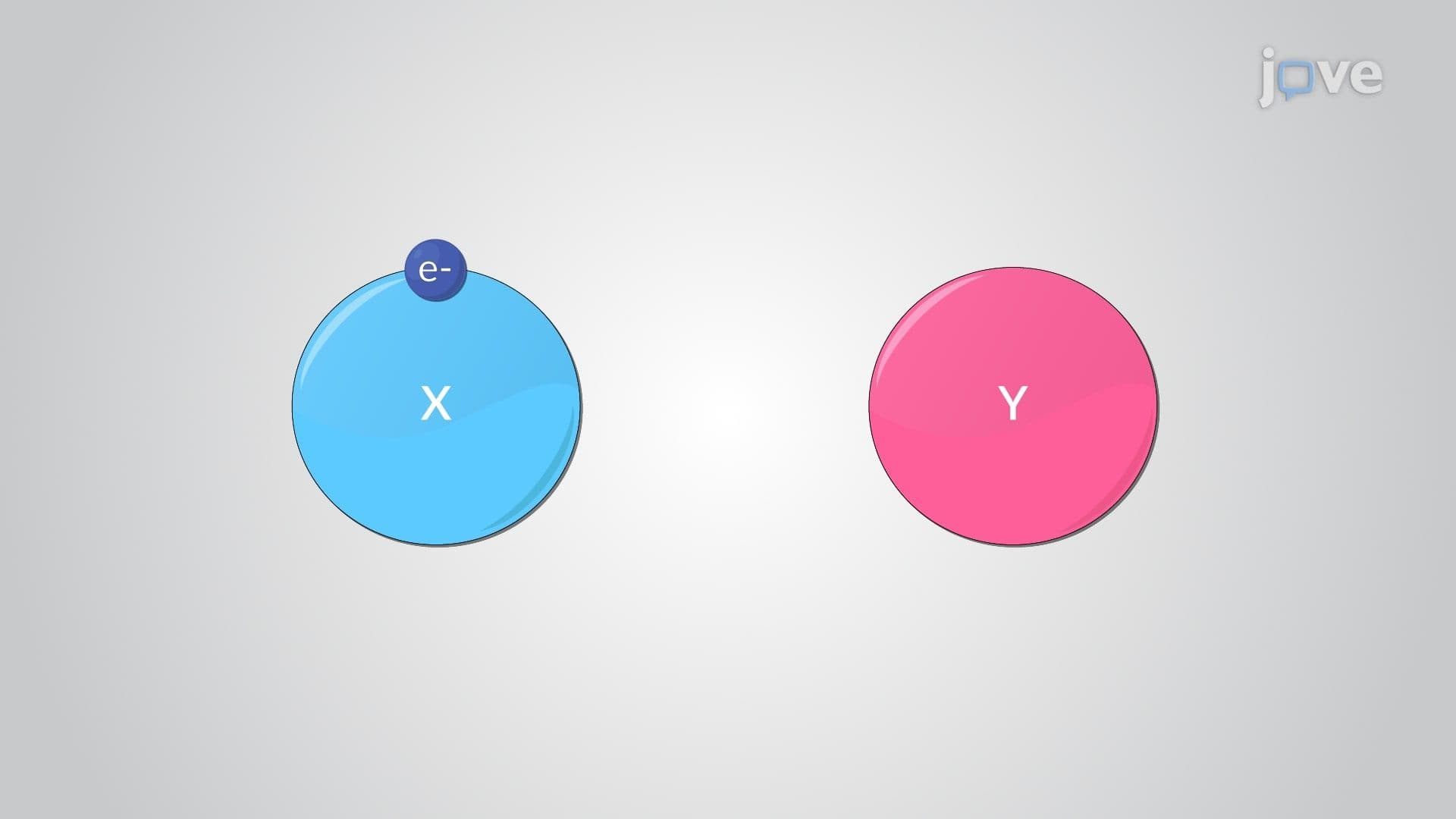
Redox reactions biology chemistry principles govern virtually every aspect of life on Earth. These reactions involve the transfer of electrons between molecules, where one substance loses electrons (oxidation) while another gains them (reduction). The term "redox" combines these two complementary processes that always occur together. In biological systems, these reactions are carefully controlled and coupled to drive essential cellular functions.
Electron Carriers: The Cellular Workforce
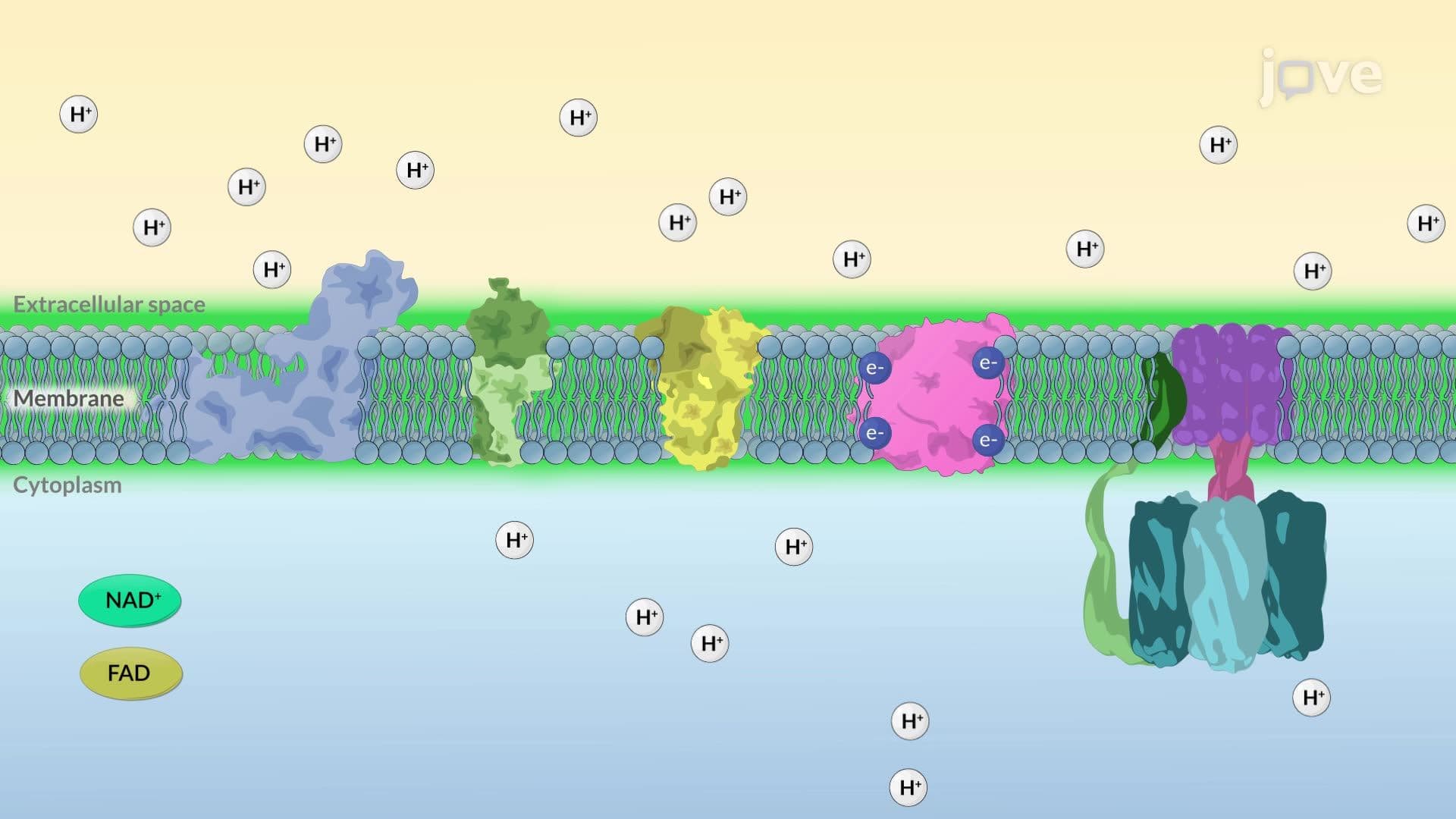
The most important biological electron carriers include nicotinamide adenine dinucleotide (NAD+), flavin adenine dinucleotide (FAD), and nicotinamide adenine dinucleotide phosphate (NADP+). These molecules act like cellular batteries, storing and transferring energy through oxidation reduction electron transfer processes. NAD+ becomes NADH when it accepts two electrons and one proton, while FAD forms FADH2 by accepting two electrons and two protons. These reduced forms then carry energy to where it's needed most in the cell.
Catabolic vs. Anabolic Redox Processes
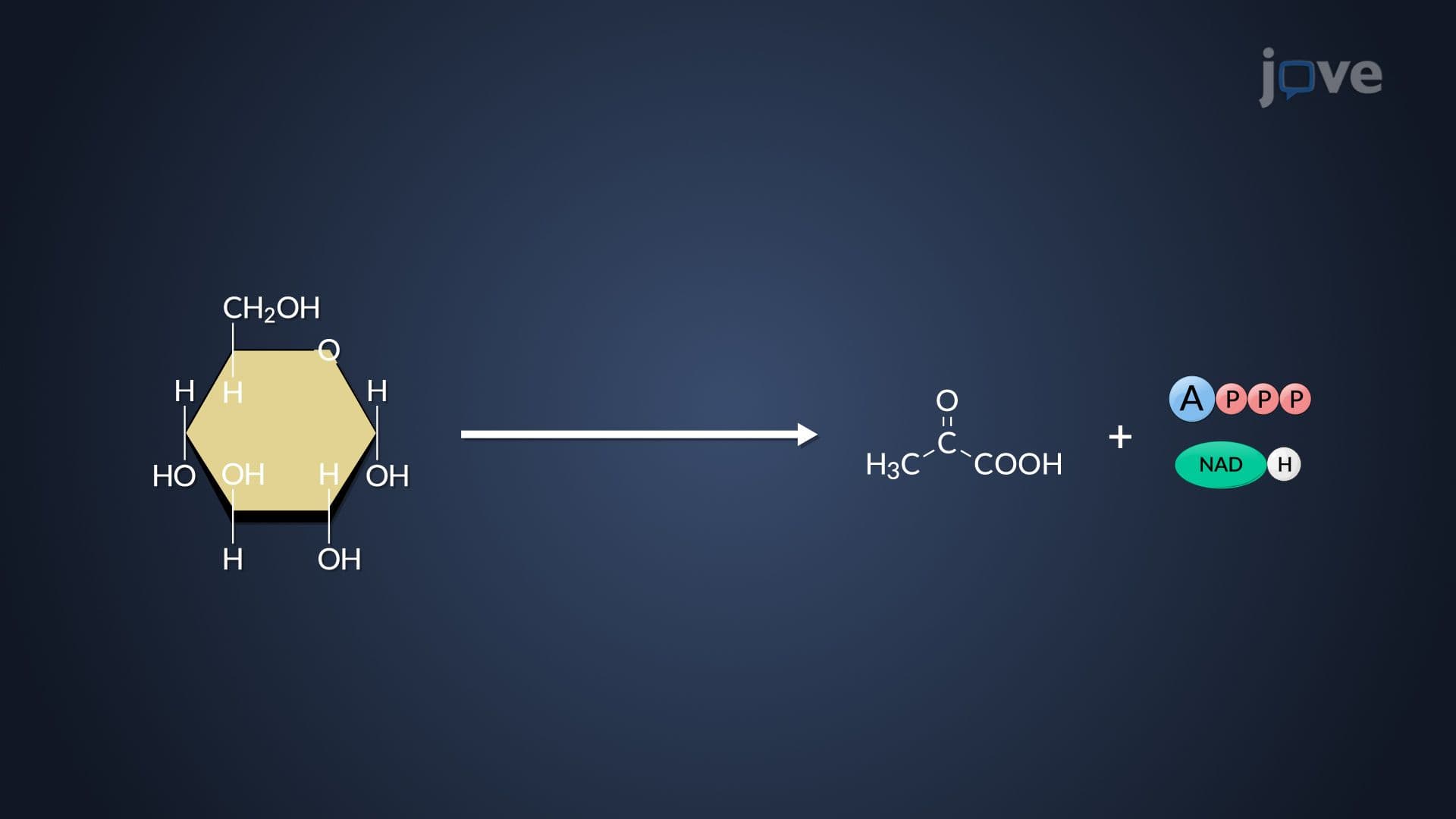
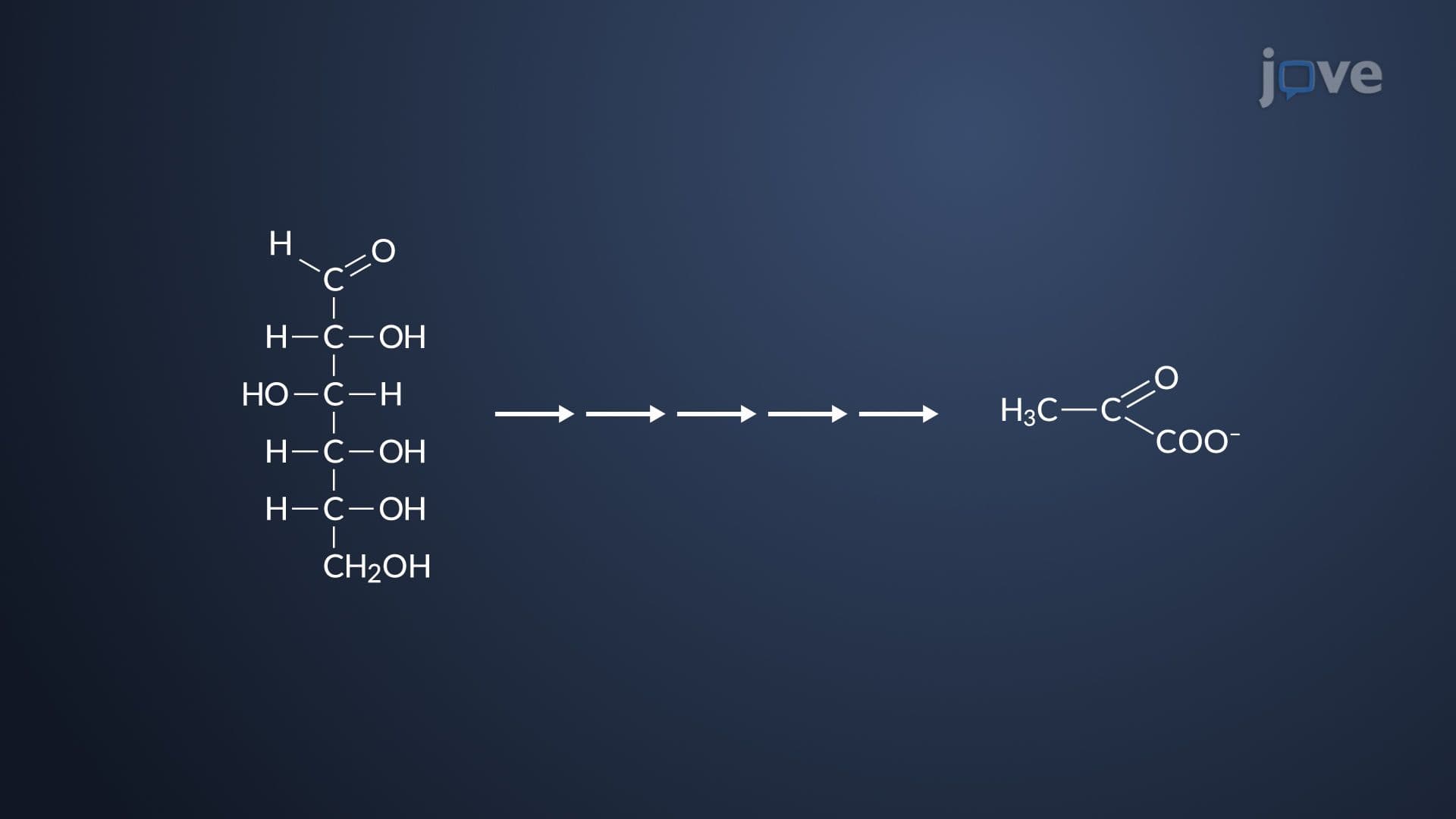
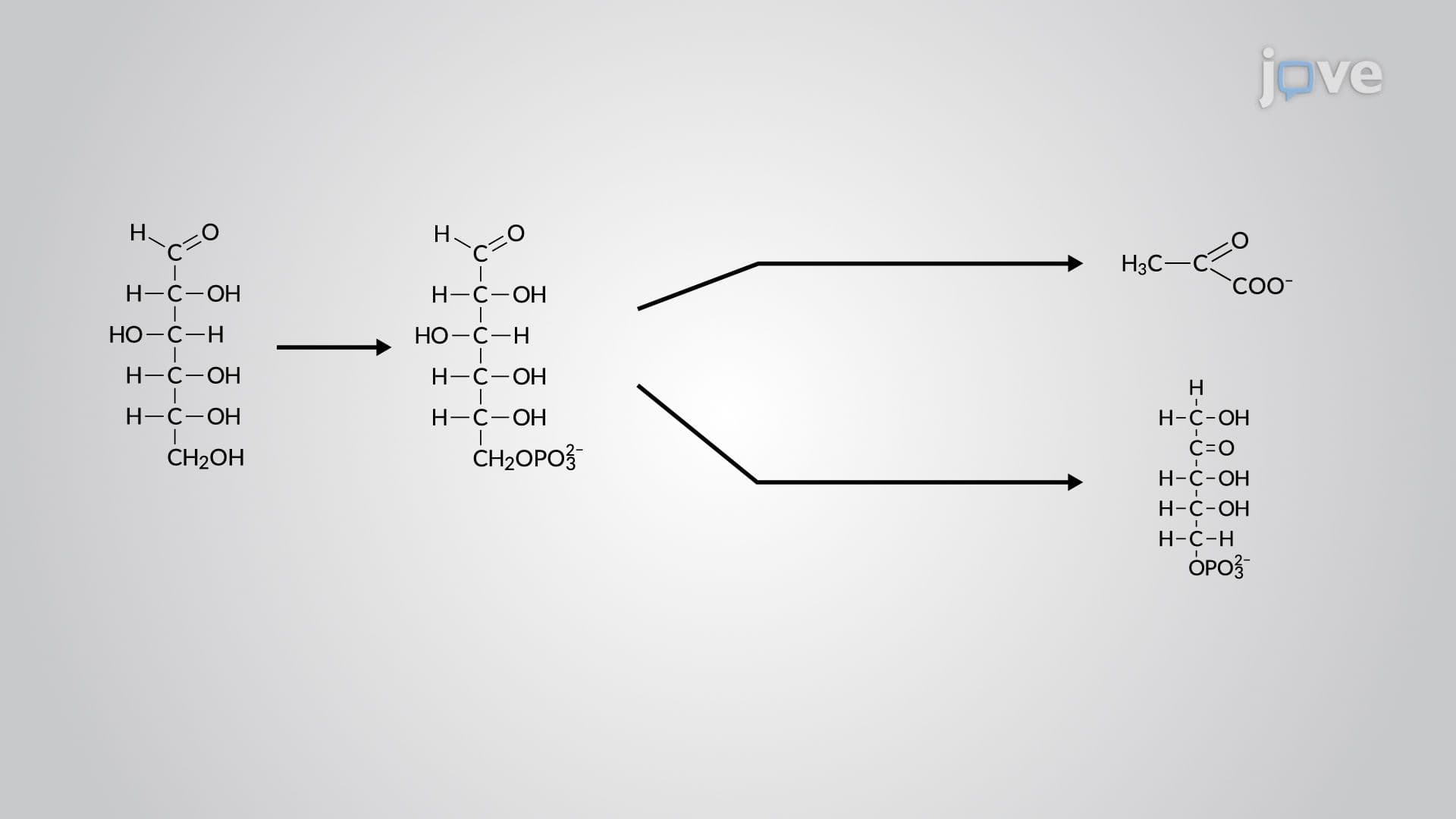
NAD+ NADH redox reactions primarily drive catabolic pathways that break down molecules for energy. During cellular respiration in human muscle cells, NAD+ accepts electrons from glucose breakdown in the TCA cycle, becoming NADH. This process is crucial for athletes training at facilities like the Olympic Training Center in Colorado Springs, where efficient cellular energy production determines performance outcomes.
Conversely, NADPH powers anabolic reactions that build complex molecules. In photosynthesis occurring across American agricultural regions, NADP+ becomes NADPH to drive carbon dioxide fixation into sugars. Understanding these biological redox reaction patterns proves essential for AP Biology exams and MCAT preparation, where students must analyze energy flow in living systems.
Redox Balance and Cellular Health
Cells maintain strict redox balance through continuous recycling of electron carriers between their oxidized and reduced states. This balance is critical for preventing oxidative stress, which contributes to aging and disease processes studied extensively at institutions like the National Institutes of Health in Bethesda, Maryland. When this balance fails, cells cannot properly generate energy or synthesize essential biomolecules.
Frequently Asked Questions
Redox reactions are chemical processes where electrons transfer between molecules, with one substance undergoing oxidation (losing electrons) and another undergoing reduction (gaining electrons). They're essential because they drive all cellular energy production, from the ATP synthesis that powers your heartbeat to the photosynthesis that produces oxygen in plants. These reactions form the biochemical foundation of life itself.
Oxidation and reduction are coupled processes that always occur simultaneously in biological systems. When one molecule loses electrons (oxidation), another molecule must gain those same electrons (reduction). This coupling ensures energy transfer is controlled and efficient, like in cellular respiration where glucose is oxidized while oxygen is reduced to produce ATP energy.
AP Biology exams commonly test redox concepts through cellular respiration and photosynthesis questions, asking students to identify electron donors and acceptors in metabolic pathways. You might analyze how NAD+ becomes NADH in glycolysis or explain how water is oxidized during photosynthesis. Practice identifying oxidation states and tracking electron flow through biological processes.
MCAT questions frequently focus on electron carrier functions, asking you to predict which coenzymes participate in specific metabolic pathways or calculate oxidation state changes. You'll encounter passages about enzyme mechanisms involving redox chemistry and need to understand how redox potential drives reaction directionality. Master the roles of NAD+, FAD, and NADP+ in different cellular contexts.
Redox reactions power everything from the metabolism that helps marathon runners at the Boston Marathon maintain energy to the antioxidant supplements sold in American pharmacies that protect against cellular damage. Medical applications include understanding how chemotherapy drugs work through redox mechanisms and how certain medications affect cellular energy production in hospitals across the United States.
You only need basic chemistry concepts like electron structure and chemical bonding to grasp biological redox reactions. The focus is on understanding electron transfer patterns rather than complex orbital calculations. Most high school chemistry provides sufficient background, and these concepts build naturally on what you learn about atoms and molecules in introductory science courses.
Create visual maps showing electron flow through major metabolic pathways like cellular respiration and photosynthesis, identifying where oxidation and reduction occur. Practice with past AP Biology or college exam questions that require you to trace electrons from initial donors to final acceptors. Focus on understanding the biological purpose of each redox step rather than memorizing isolated reactions.
After mastering basic redox principles, explore electron transport chains in mitochondria and chloroplasts, which show how cells harness redox energy gradients to produce ATP. Investigate how redox signaling affects gene expression and cellular responses to stress, topics increasingly important in modern biochemistry and cell biology research.
Related Micro-courses
13 Concepts
6 Concepts

31 Concepts