Loading subject page…
- Microbiology
- Microbial Metabolism
- Respiration Pathways
Micro-course: Microbial Metabolism
13,270 views
Learn key concepts and earn your certificate.




Respiration Pathways

00:00
01:26
Video Summary: What are Respiration Pathways
Ever wonder how your morning coffee gets converted into the energy that powers your brain during the SAT? Respiration pathways are the cellular mechanisms that transform nutrients into usable energy, with aerobic respiration being the most efficient route. In US hospitals, doctors monitor patients' cellular respiration through blood gas analysis to ensure organs receive adequate oxygen. Understanding what are respiration pathways reveals how cells extract maximum energy from glucose through glycolysis, the Krebs cycle, and electron transport. Watch the full video on JoVE Coach to master this concept with expert-led visuals and step-by-step explanations.
- Understand what are respiration pathways and their role in cellular energy production through aerobic and anaerobic processes
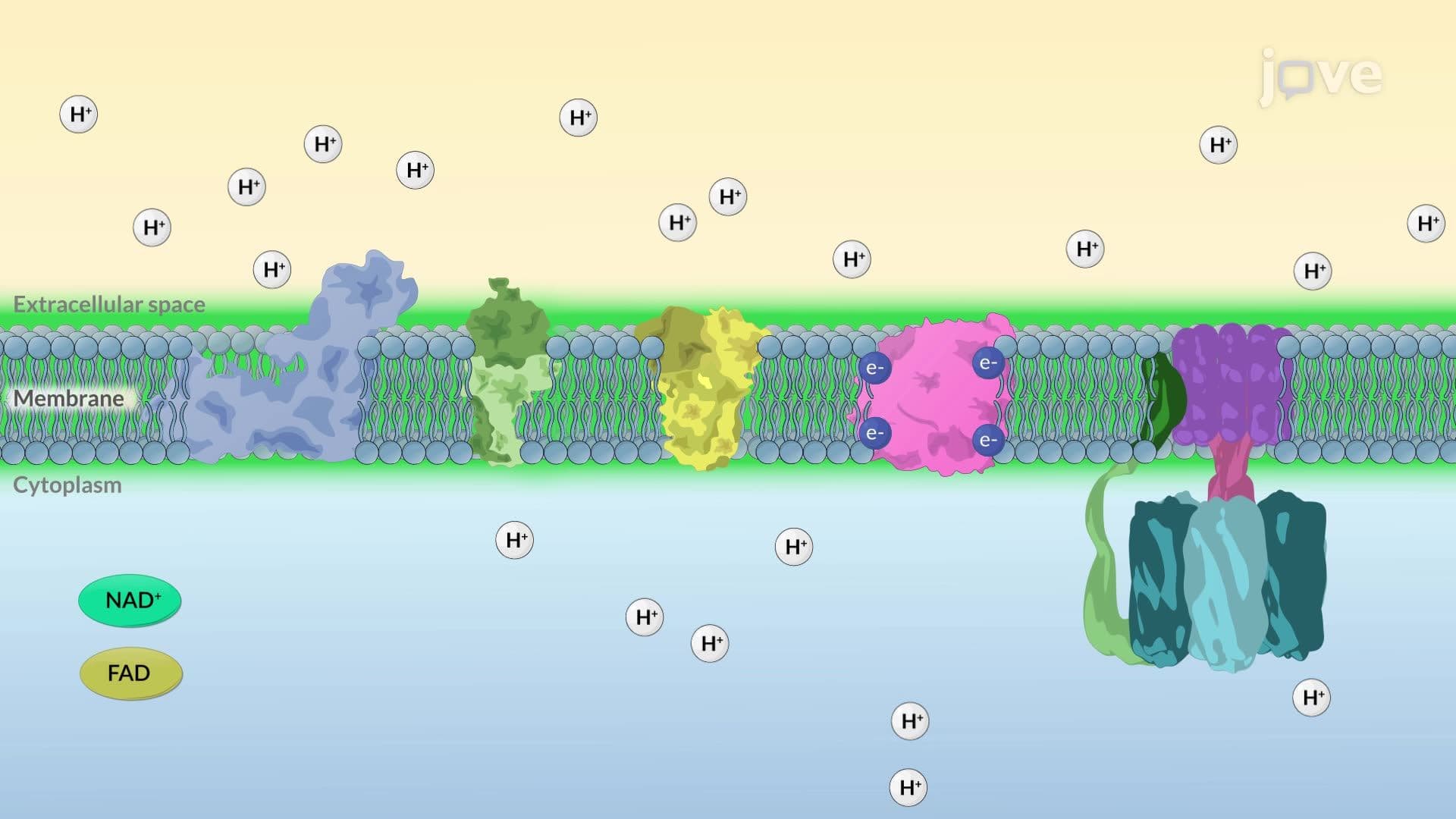
- Identify the three main stages of aerobic respiration: glycolysis, Krebs cycle, and electron transport chain
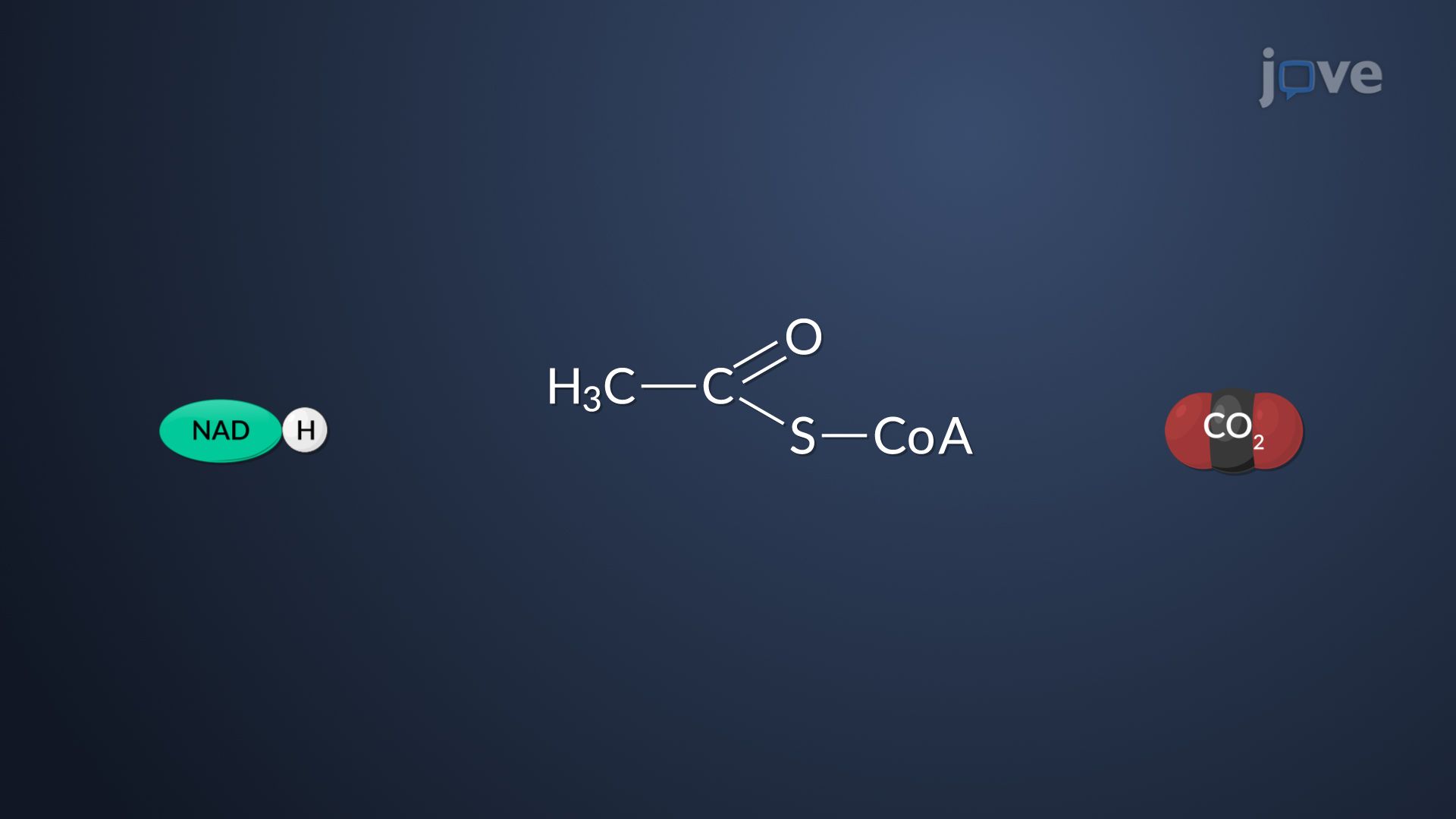
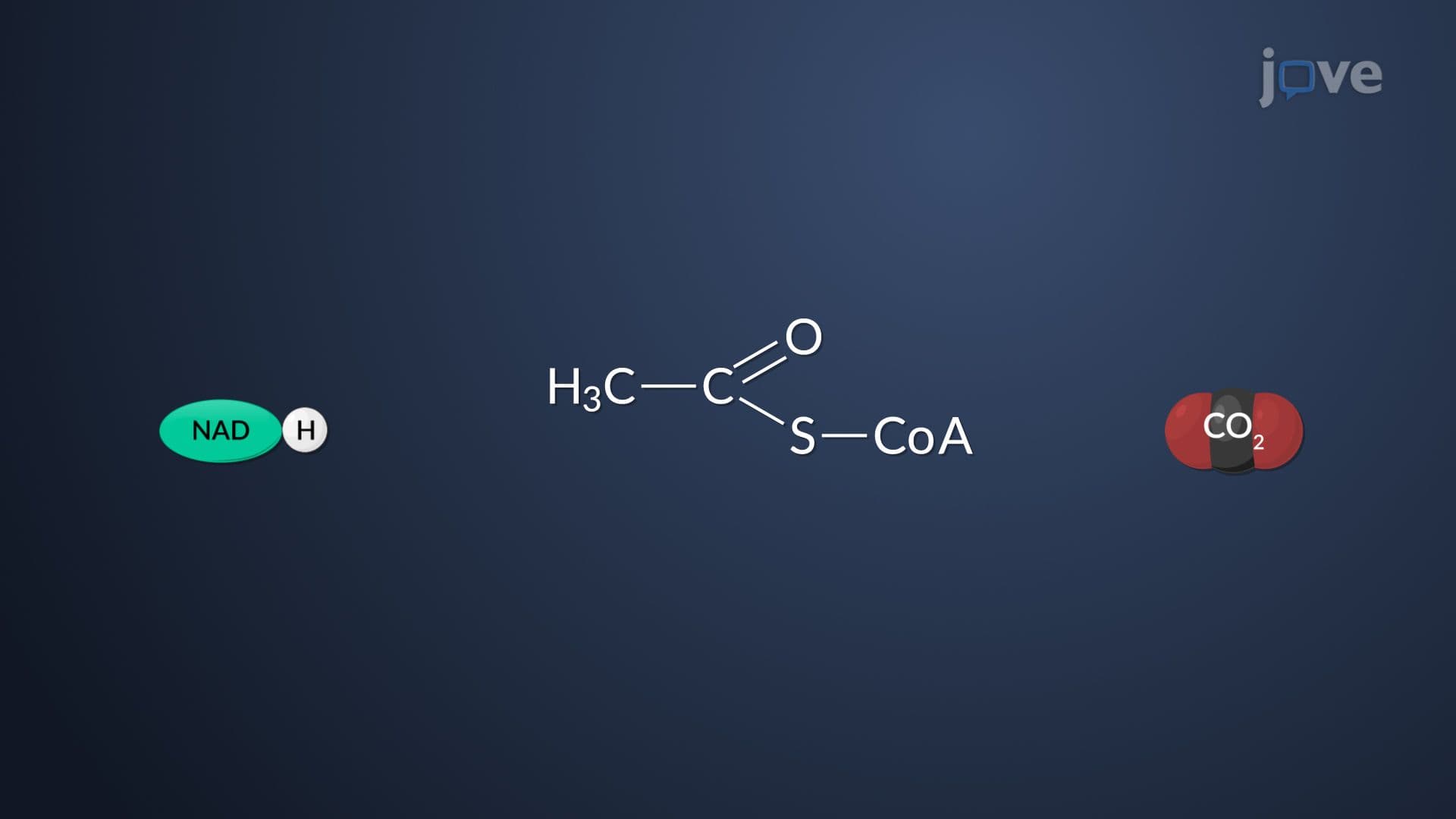
- Analyze how pyruvate dehydrogenase converts glycolysis products into acetyl-CoA for further energy extraction
- Compare the locations where the Krebs cycle occurs in prokaryotes versus eukaryotes
- Evaluate the energy yield from each stage: NADH, FADH2, GTP, and CO2 production
- Apply knowledge of the glyoxylate cycle to explain how organisms survive without carbohydrates
- Recognize the biosynthetic importance of TCA cycle intermediates in amino acid and nucleotide synthesis
- Explore how alternative pathways like the glyoxylate cycle bypass standard respiratory limitations
Understanding Respiration Pathways: The Cellular Energy Highway
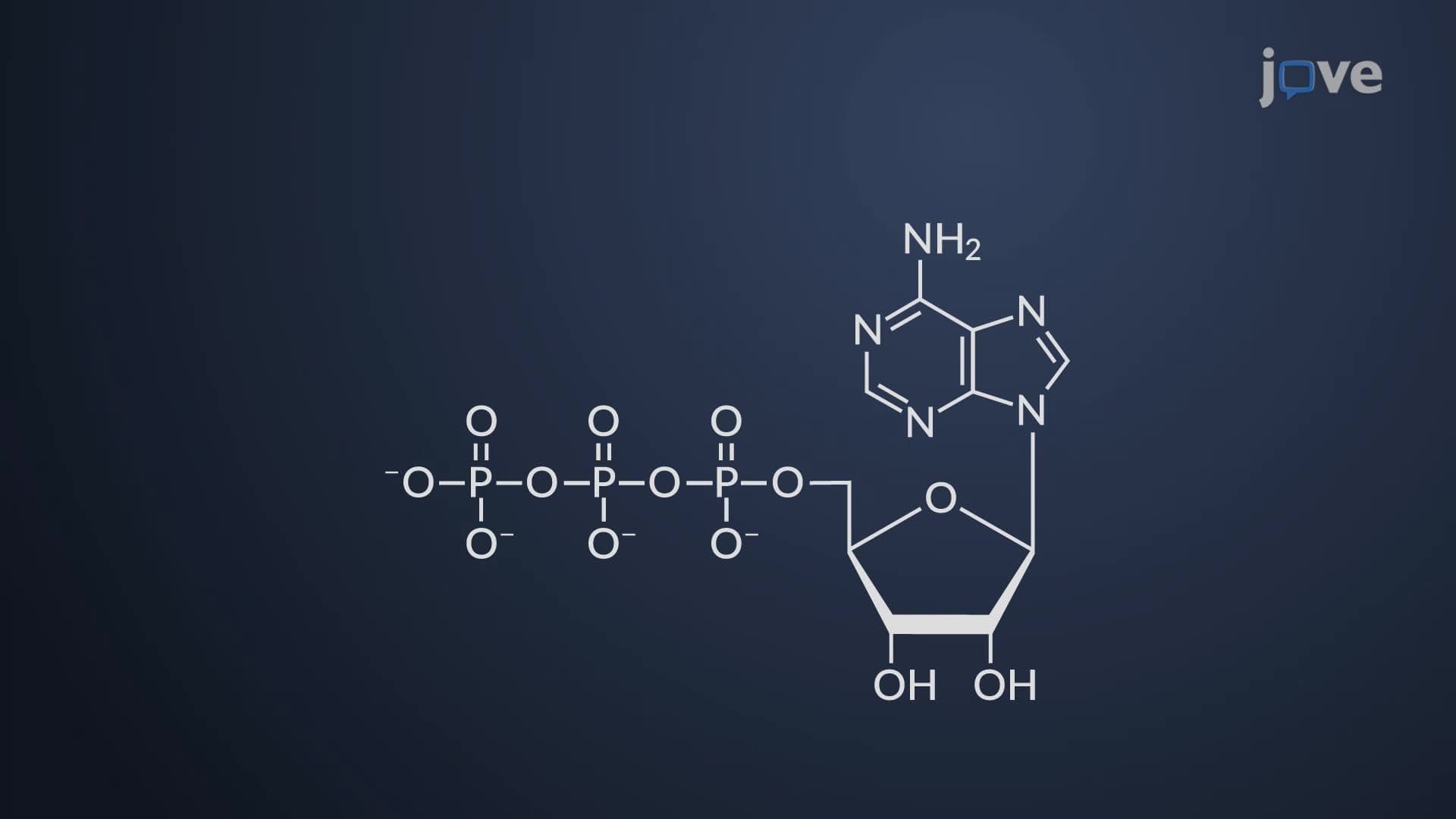
Respiration pathways represent the sophisticated cellular machinery that converts nutrients into ATP, the universal energy currency. These biochemical highways operate continuously in every cell, from the neurons firing in your brain during an AP Biology exam to the muscle fibers contracting during a marathon. Understanding these pathways is crucial for students preparing for the MCAT or pursuing pre-med coursework at institutions like Johns Hopkins or Stanford University.
Aerobic Respiration: The Main Energy Production Route
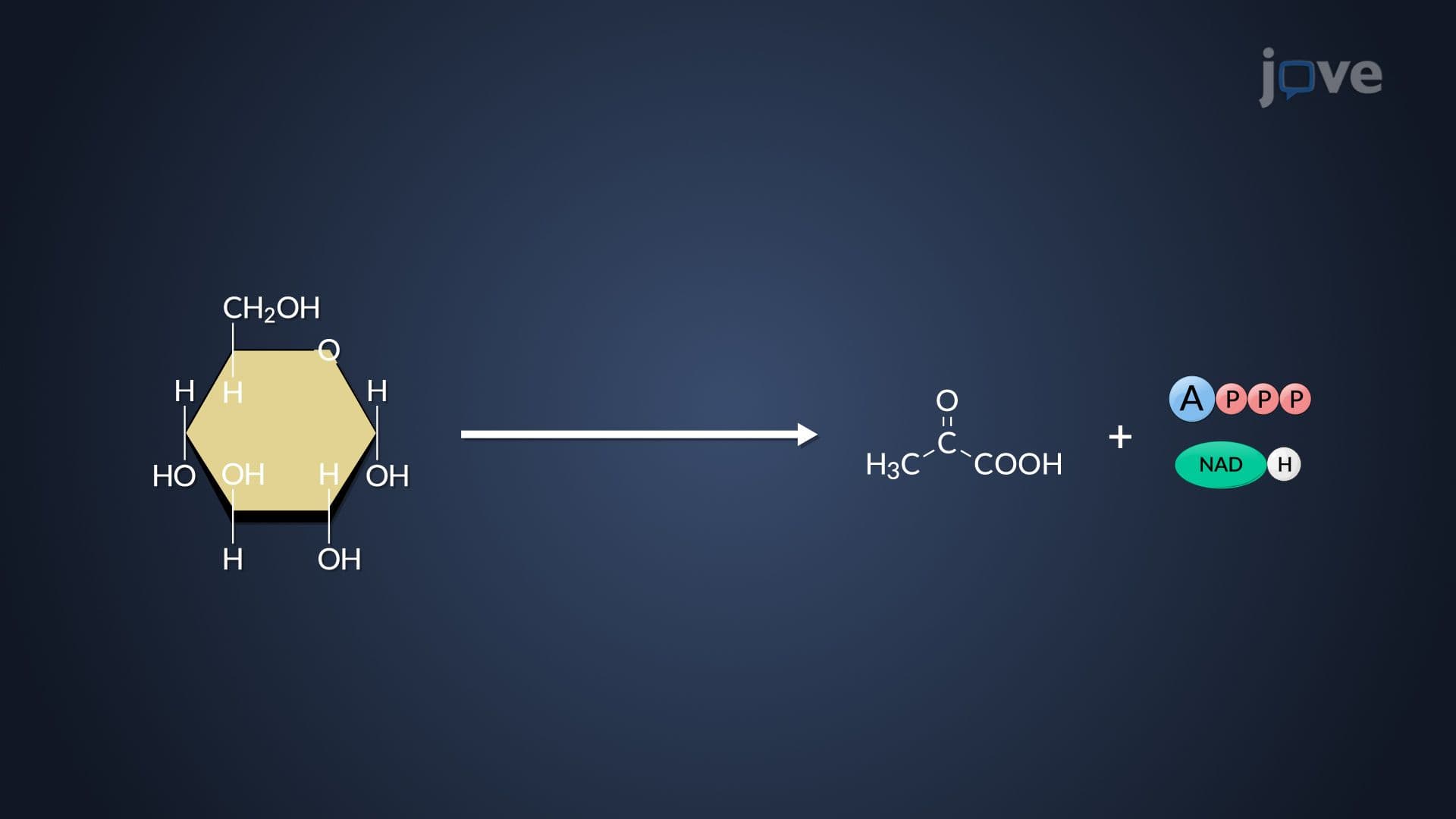
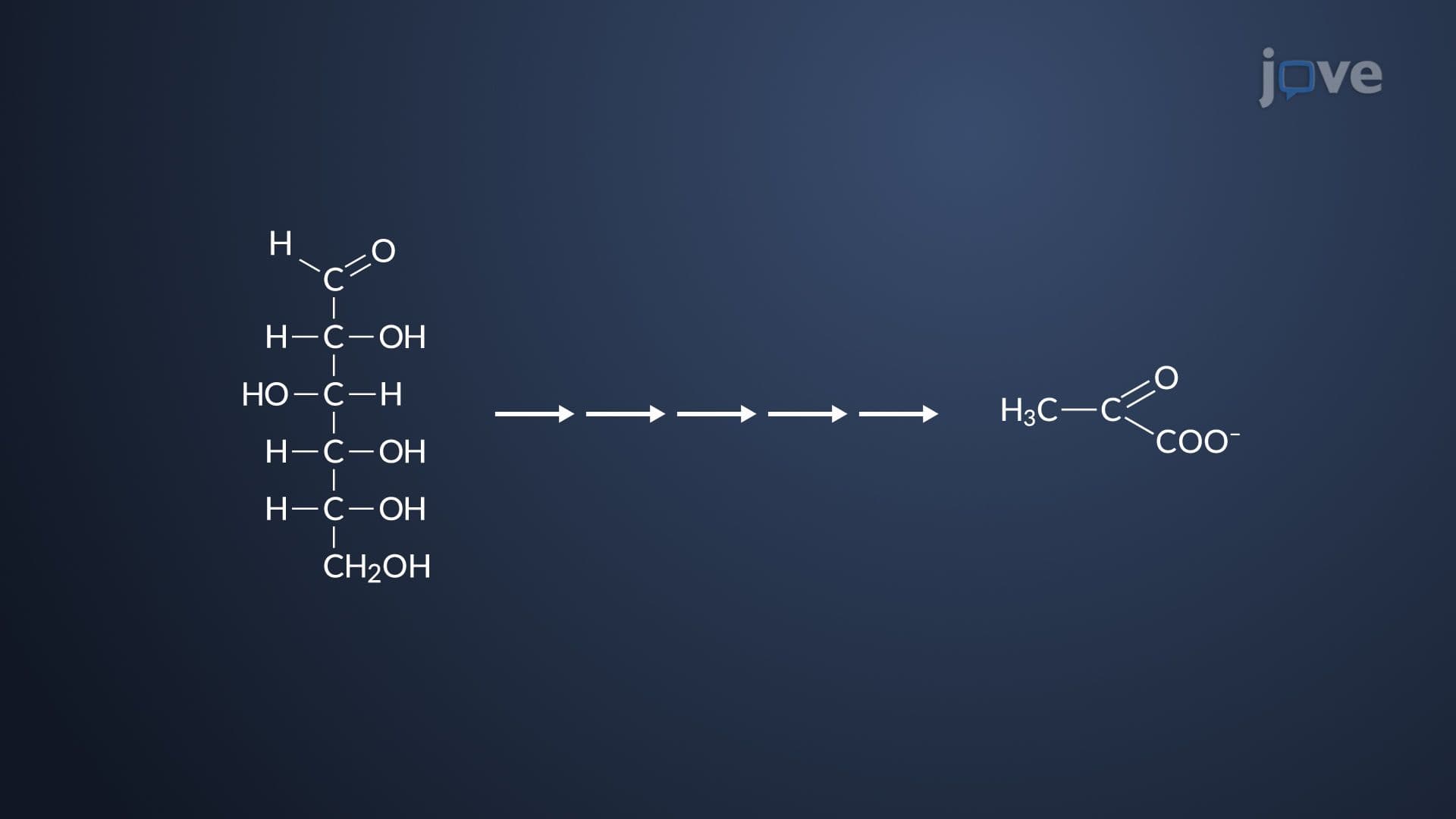
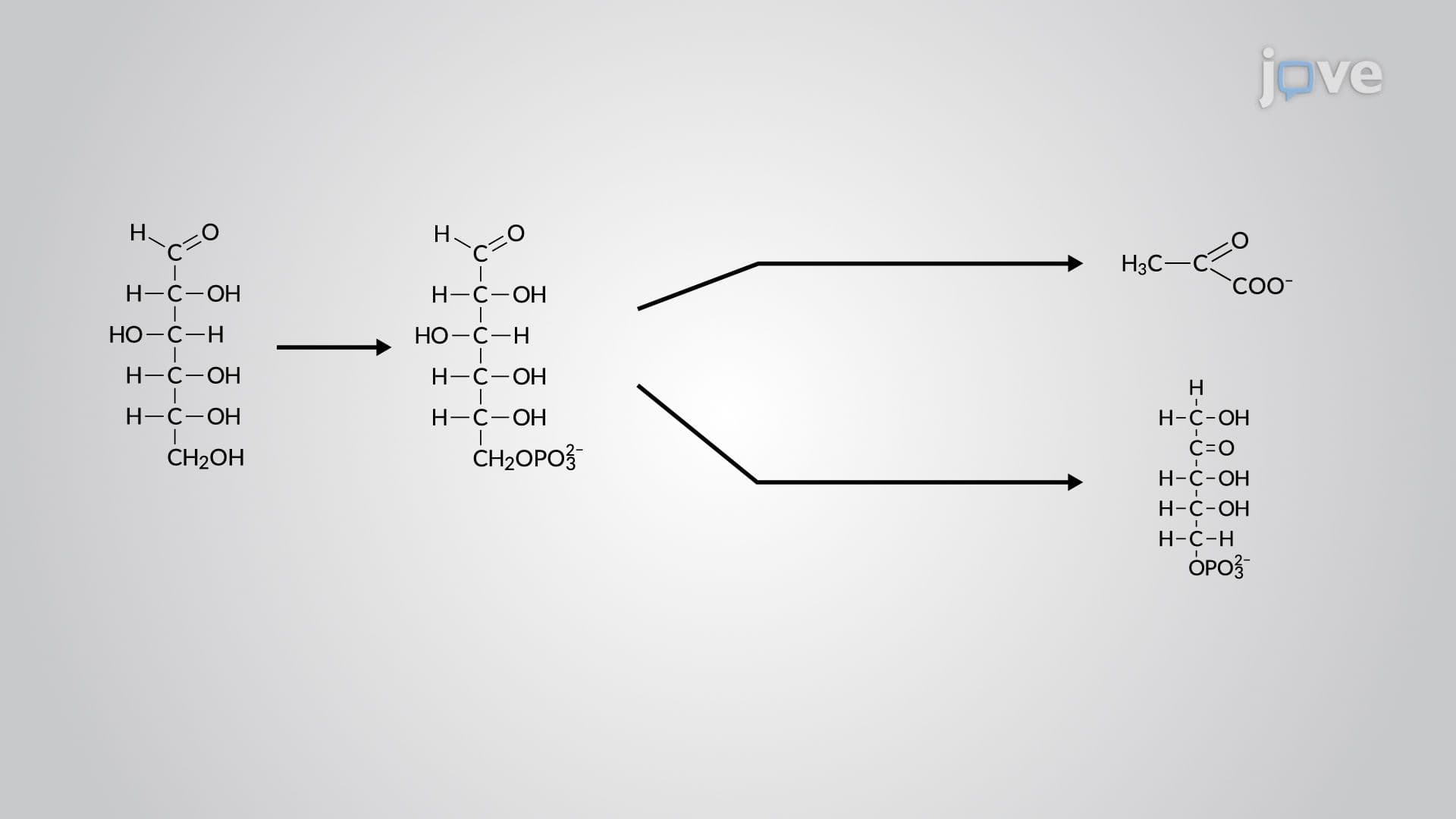
The primary respiration pathway begins with glycolysis, where glucose breaks down into pyruvate in the cytoplasm. Under aerobic conditions, pyruvate dehydrogenase complex converts pyruvate into acetyl-CoA, simultaneously producing NADH and releasing CO2. This conversion represents a critical control point that US medical students study extensively, as pyruvate dehydrogenase deficiency affects energy metabolism and neurological function.
The acetyl-CoA then enters the Krebs cycle (also called the citric acid cycle or TCA cycle), which operates in different cellular locations depending on organism complexity. In prokaryotes like E. coli studied in microbiology labs at US universities, the cycle occurs in the cytoplasm. However, in eukaryotic cells-including human cells examined in medical school histology courses-the cycle operates within the mitochondrial matrix.
The Krebs Cycle: Energy Extraction and Biosynthetic Hub
Within the Krebs cycle, acetyl-CoA combines with oxaloacetate to form citrate, initiating a series of enzymatic reactions that systematically extract energy. Each complete cycle yields three NADH molecules, one FADH2, one GTP (equivalent to ATP), and releases two CO2 molecules while regenerating oxaloacetate. This regeneration ensures continuous cycling, making the pathway self-sustaining as long as substrate and oxygen remain available.
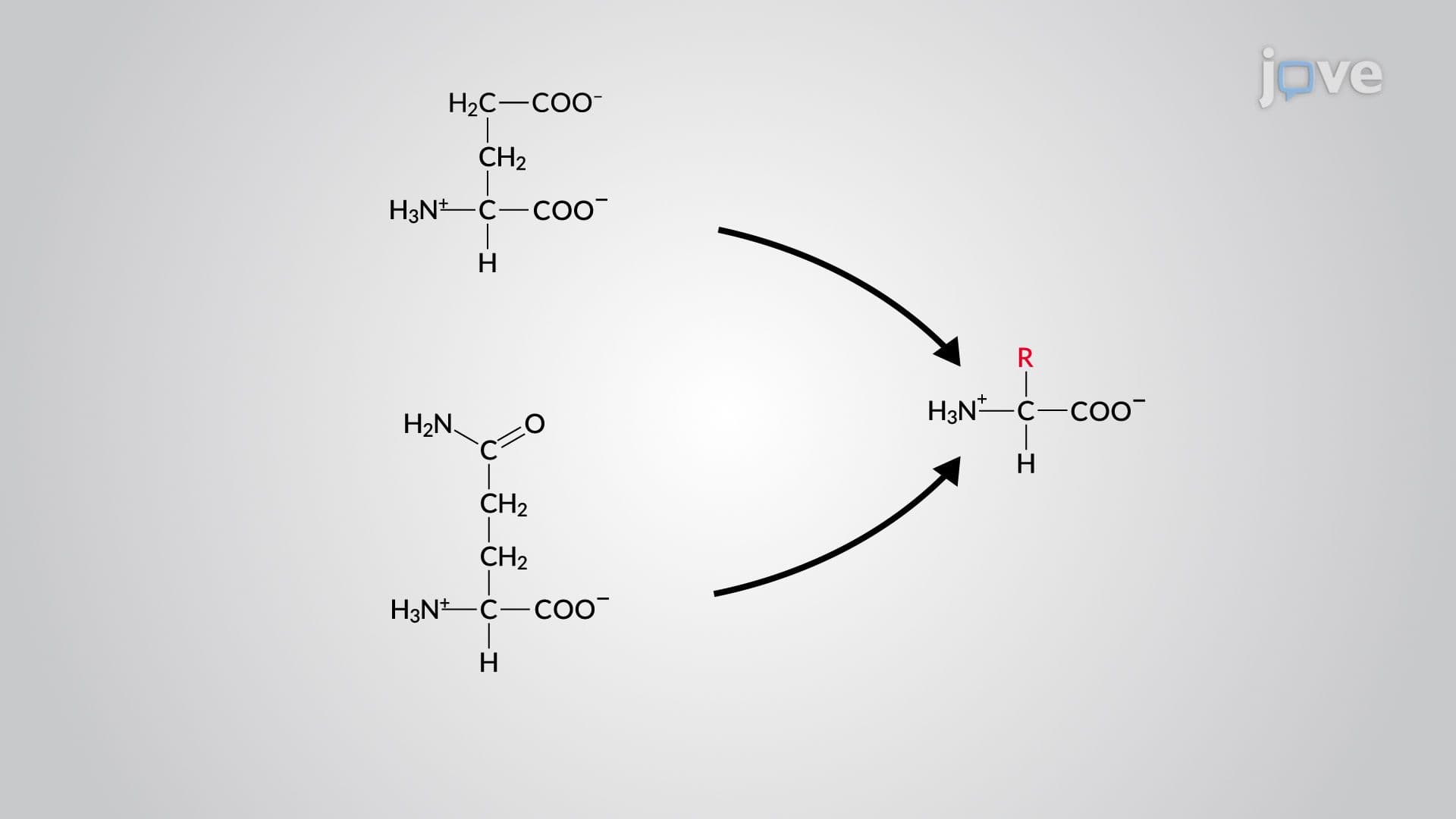
Beyond energy production, Krebs cycle intermediates serve as building blocks for biosynthesis. Alpha-ketoglutarate contributes to amino acid synthesis, while oxaloacetate provides carbon skeletons for aspartate and asparagine. Medical students studying biochemistry at institutions like Harvard Medical School learn how these interconnections explain why certain genetic defects in respiratory enzymes cause multiple metabolic problems.
Alternative Pathways: The Glyoxylate Cycle
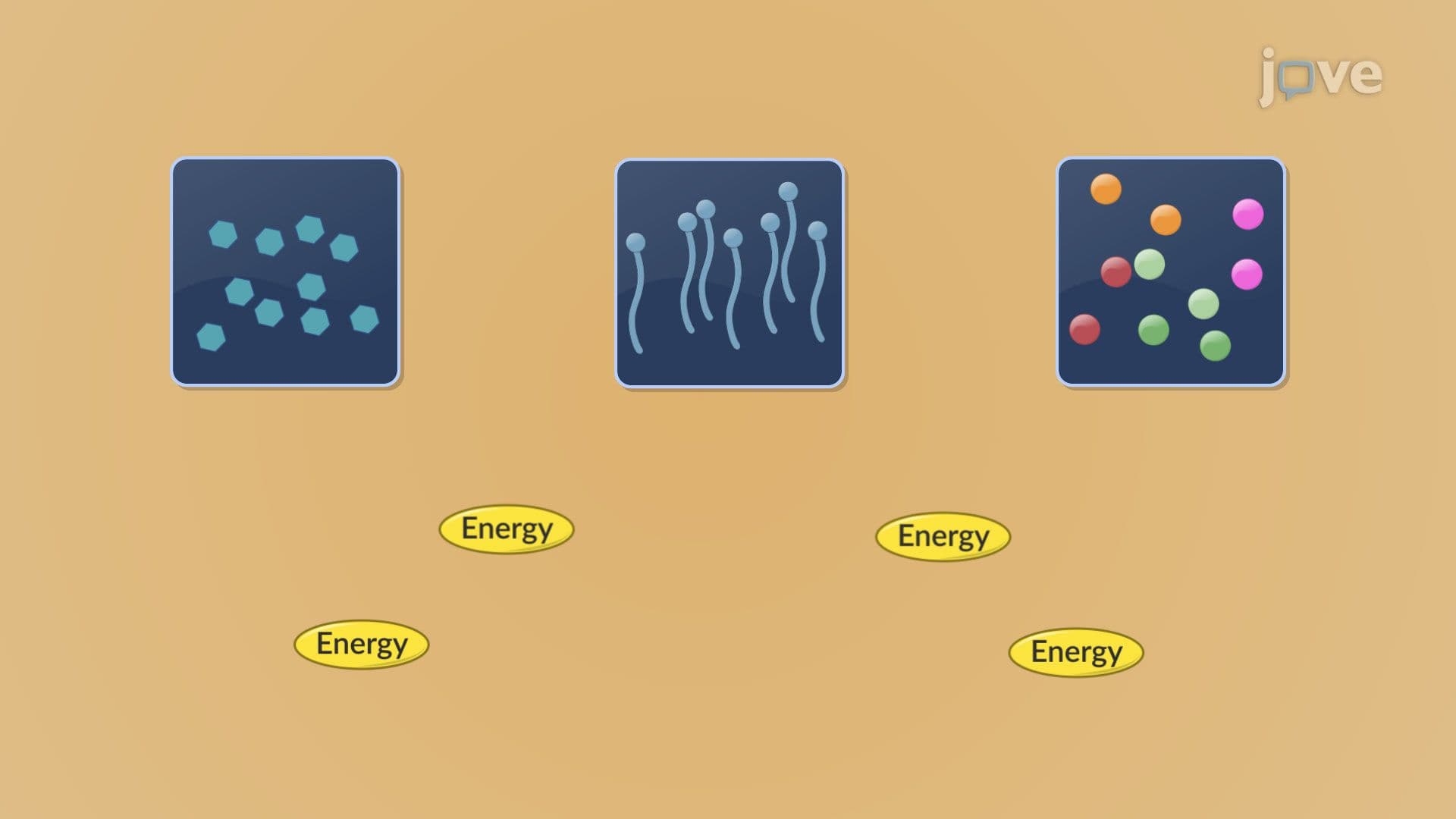
Some organisms possess the glyoxylate cycle, an alternative pathway particularly important in bacteria and fungi. This cycle bypasses the CO2-releasing steps of the standard Krebs cycle using specialized enzymes: isocitrate lyase and malate synthase. These enzymes enable organisms to convert acetyl-CoA directly into four-carbon compounds like succinate and malate, which then form oxaloacetate.
This pathway proves essential for survival in carbohydrate-poor environments, allowing organisms to use fatty acids or acetate as primary carbon sources. Understanding the glyoxylate cycle helps explain how certain pathogens survive in host environments and appears frequently on advanced biochemistry exams and MCAT practice tests.
Frequently Asked Questions
Respiration pathways are the cellular processes that convert nutrients into ATP energy, powering all biological functions from muscle contraction to brain activity. These pathways include glycolysis, the Krebs cycle, and electron transport, working together to efficiently extract energy from glucose and other molecules. Understanding these pathways is fundamental for success in AP Biology, college biochemistry, and pre-med coursework.
The MCAT frequently tests respiration pathways through questions about energy yield calculations, enzyme functions, and metabolic regulation. AP Biology exams often include free-response questions requiring students to trace molecules through glycolysis and the Krebs cycle, calculate ATP production, or explain how pathway disruptions affect cellular function. Both exams emphasize understanding connections between structure and function in these metabolic processes.
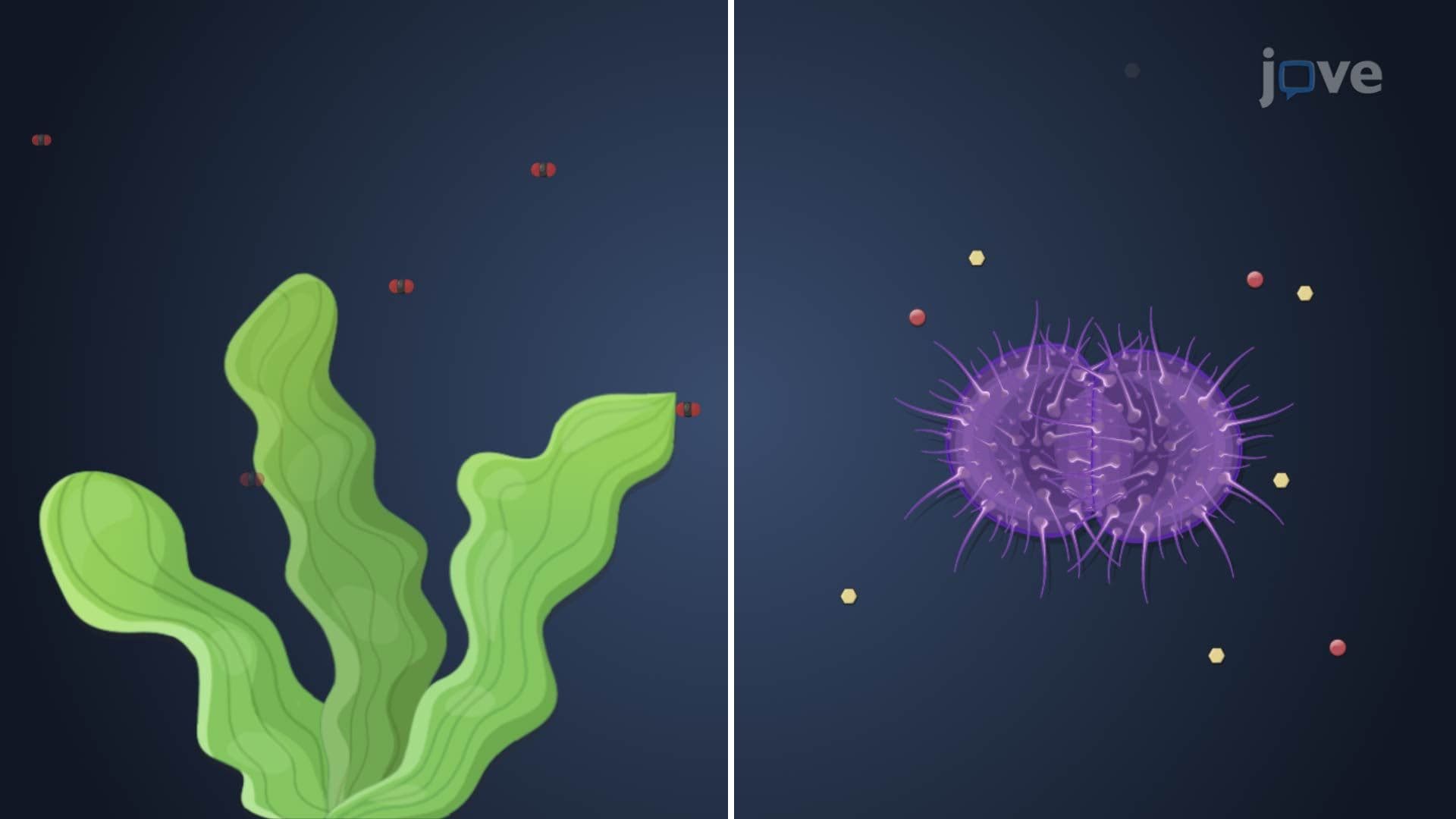
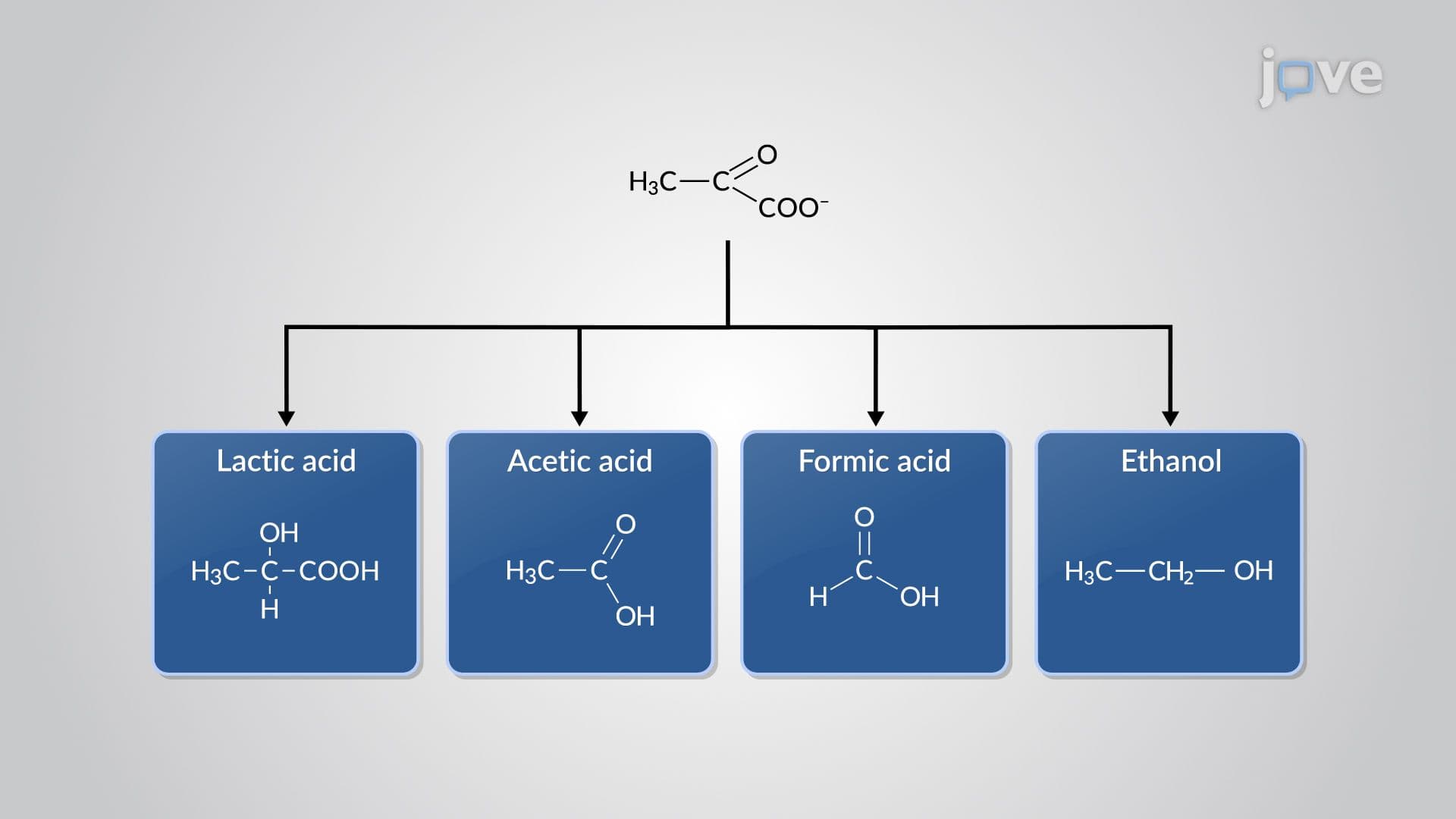
Aerobic respiration requires oxygen and includes glycolysis, Krebs cycle, and electron transport, yielding approximately 36-38 ATP molecules per glucose. Anaerobic respiration or fermentation occurs without oxygen, stopping after glycolysis and producing only 2 ATP molecules plus waste products like lactate or ethanol. Medical students learn how this difference explains why oxygen deprivation quickly impairs cellular function.
Emergency medicine physicians monitor arterial blood gases to assess cellular respiration efficiency, particularly oxygen and CO2 levels that indicate how well the Krebs cycle functions. Intensive care units use pulse oximetry and arterial blood gas analysis to ensure adequate oxygen delivery for aerobic respiration. Understanding these pathways helps explain why carbon monoxide poisoning is deadly-it blocks oxygen transport needed for the electron transport chain.
Basic high school chemistry provides sufficient background for understanding respiration pathways at the introductory level. You'll need to know about chemical bonds, oxidation-reduction reactions, and enzyme function, but complex organic chemistry isn't required initially. Most AP Biology and introductory college courses build these concepts gradually, making the material accessible to students with standard chemistry preparation.
Create flowcharts showing molecule transformations through each pathway stage, including reactants, products, and energy yields. Practice calculating total ATP production from glucose and draw the pathways repeatedly until you memorize the sequence. Use active recall by covering parts of your diagrams and testing yourself on missing components, enzymes, or energy calculations.
Respiration pathways integrate with photosynthesis (glucose production), protein synthesis (amino acid precursors from Krebs cycle intermediates), and lipid metabolism (acetyl-CoA for fatty acid synthesis). These connections appear frequently on comprehensive exams like college biochemistry finals and the MCAT. Understanding these relationships helps explain how cellular metabolism coordinates multiple biological functions.
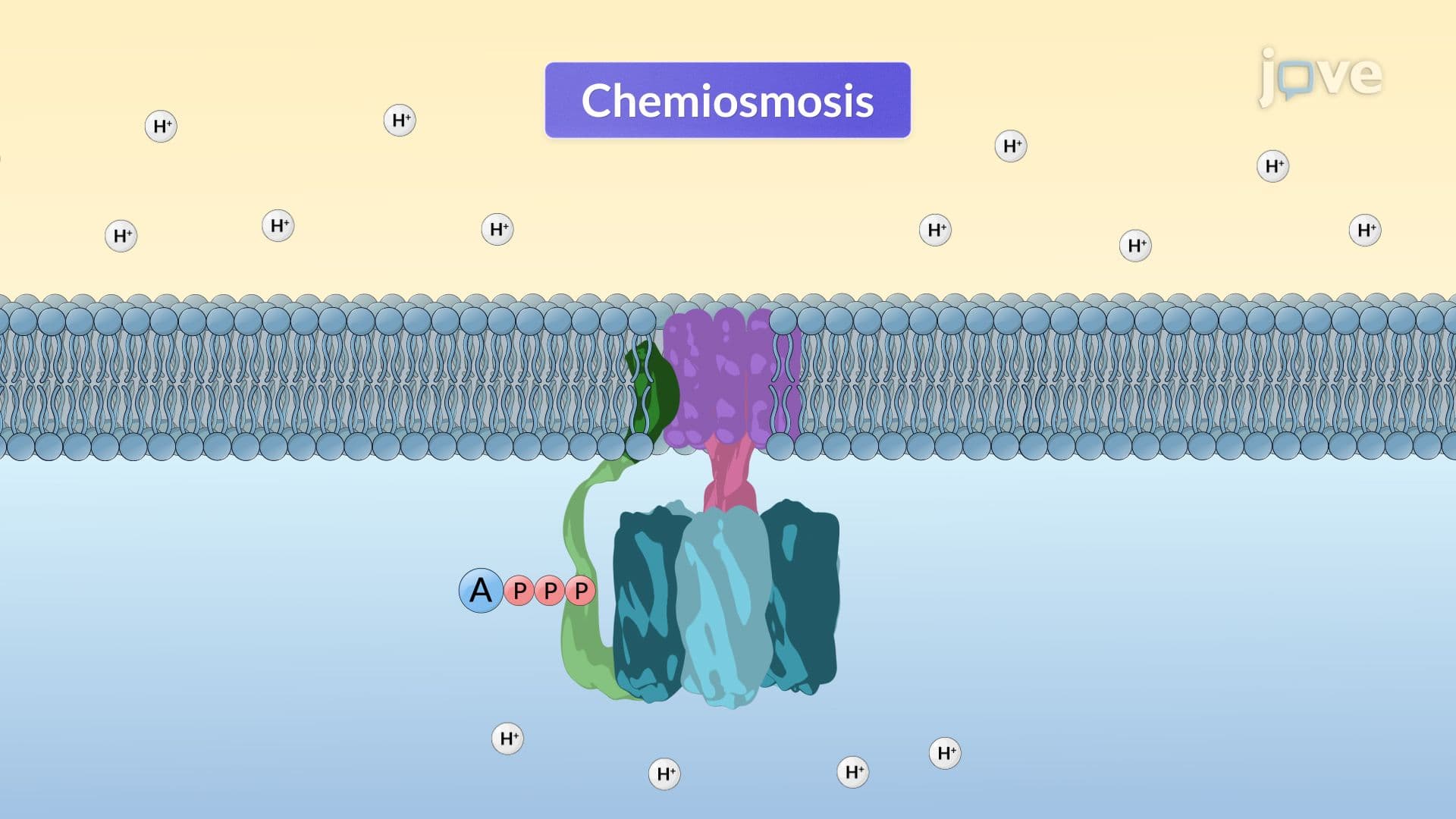
Advanced topics include electron transport chain details, chemiosmotic ATP synthesis, metabolic regulation through allosteric enzymes, and integration with other metabolic pathways like gluconeogenesis. Pre-med students should also explore clinical applications, such as metabolic disorders affecting respiratory enzymes and how certain medications interfere with cellular respiration processes.
Related Micro-courses
13 Concepts
6 Concepts

31 Concepts