Loading subject page…

13,271 views

Video Summary: What Is Amino Acid Catabolism
Did you know that harmful bacteria like *Clostridium difficile* in US hospitals use amino acid catabolism to survive in oxygen-free environments, contributing to over 29,000 deaths annually? Amino acid catabolism breaks down proteins into energy through deamination and transamination processes. Microbes secrete enzymes to convert proteins into usable nutrients, while managing toxic waste products. Watch the full video on JoVE Coach to master this concept with expert-led visuals and step-by-step explanations.
Amino acid catabolism represents one of the most critical metabolic processes in living organisms, serving as both an energy source and a method for recycling cellular components. This complex biochemical pathway involves the systematic breakdown of amino acids to extract energy while safely disposing of nitrogen-containing waste products. Understanding this process is essential for students preparing for the MCAT, AP Biology exams, and college-level biochemistry courses.
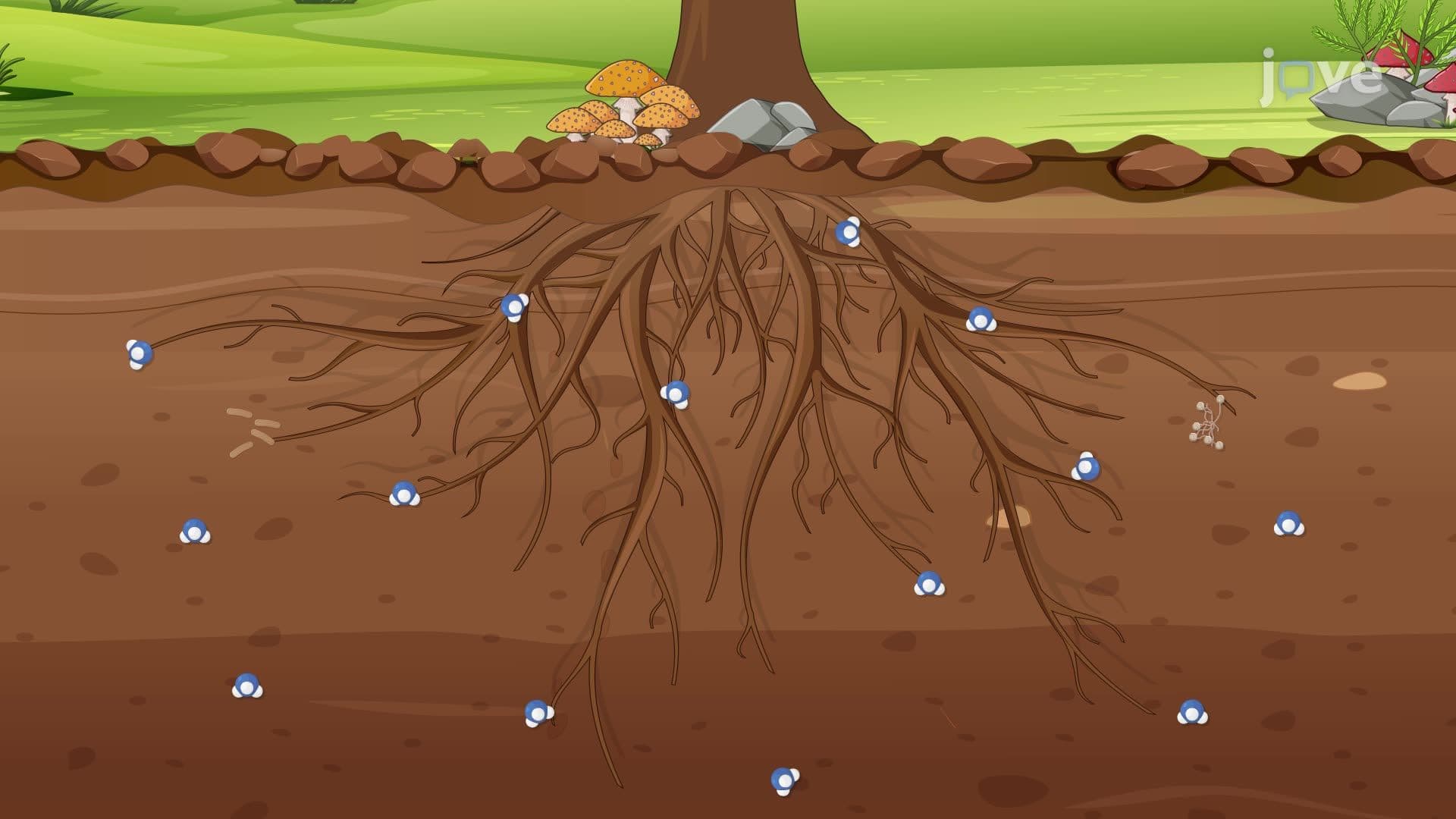
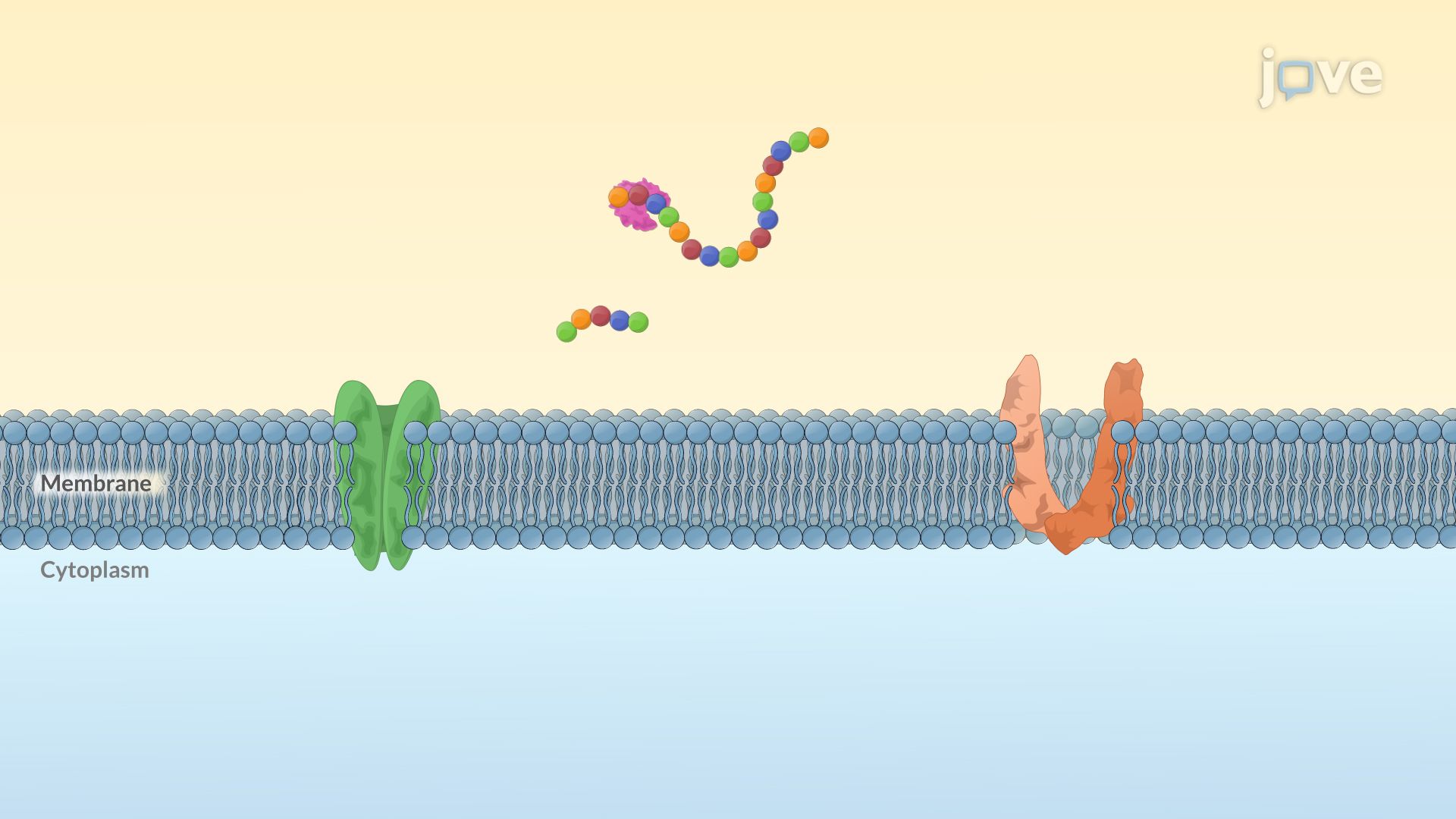
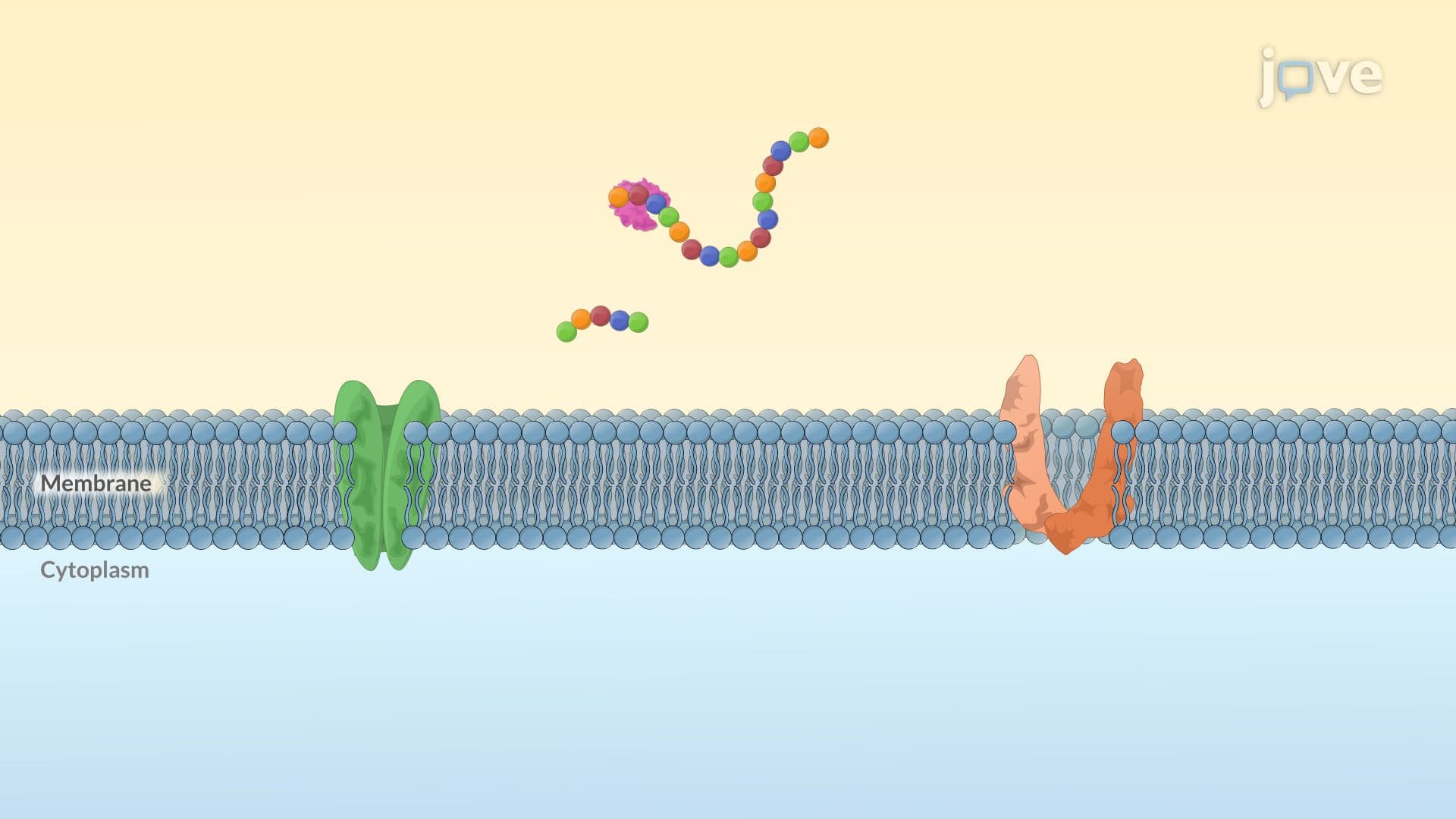
The catabolism of amino acids follows a well-orchestrated two-phase process. Initially, extracellular proteases secreted by cells break down large protein molecules into smaller peptide fragments that can cross cell membranes. This extracellular digestion is particularly important in pathogenic bacteria found in US clinical settings, such as *Streptococcus pyogenes*, which uses this mechanism to invade tissues.
Once inside the cell, intracellular proteases complete the breakdown, converting peptides into individual amino acids. These amino acids then undergo one of two primary catabolic pathways: deamination or transamination.
Deamination involves the removal of the amino group (-NH2) from an amino acid, producing an organic acid and ammonium ions (NH4+). This process is crucial for energy production but creates toxic ammonium waste that cells must quickly eliminate to maintain proper nitrogen balance.
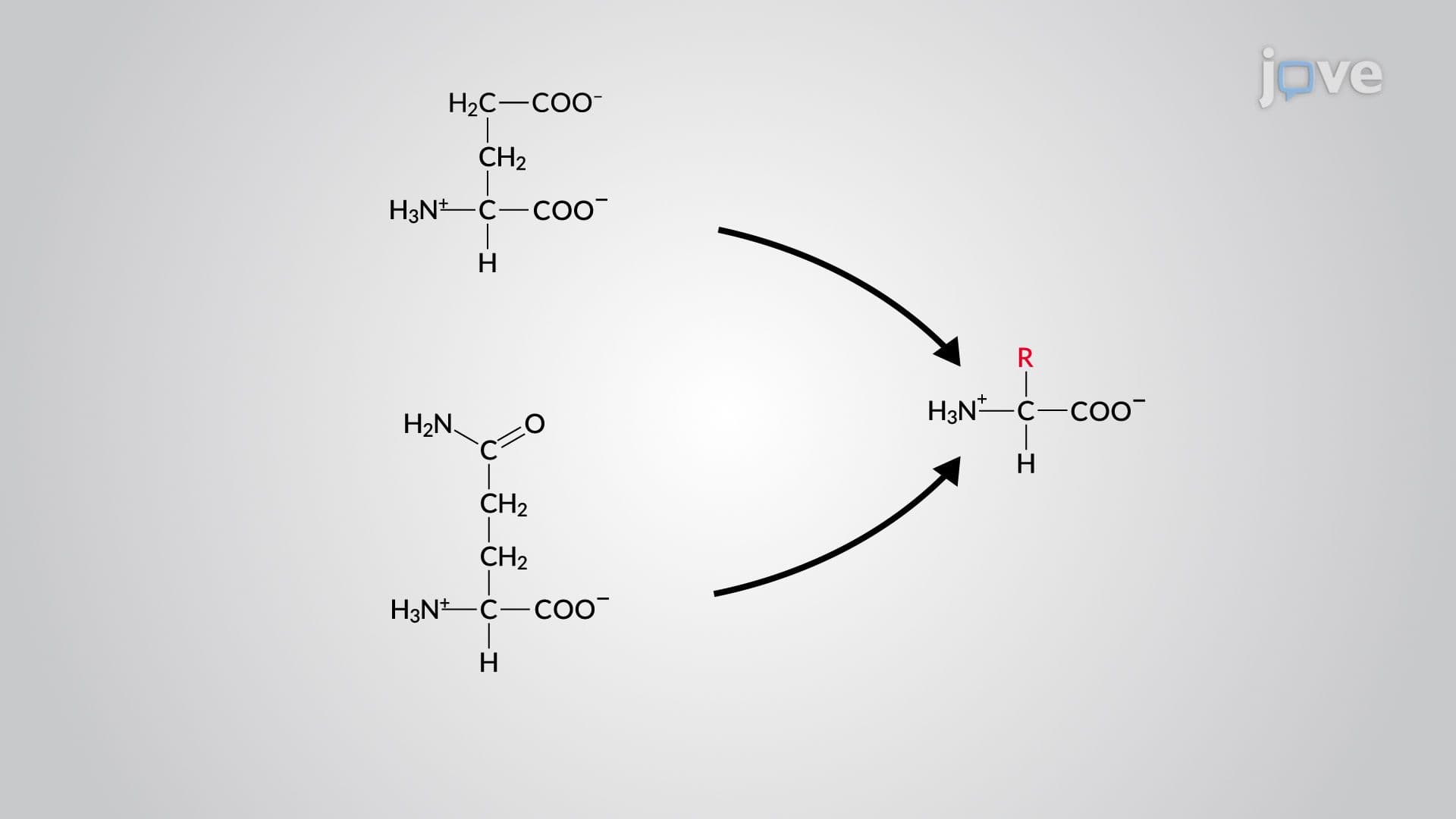
Transamination takes a different approach, transferring the amino group from one amino acid to a keto acid, creating a new amino acid and an organic acid. This pathway is particularly important in biosynthesis and helps cells maintain their amino acid pools while still generating energy.
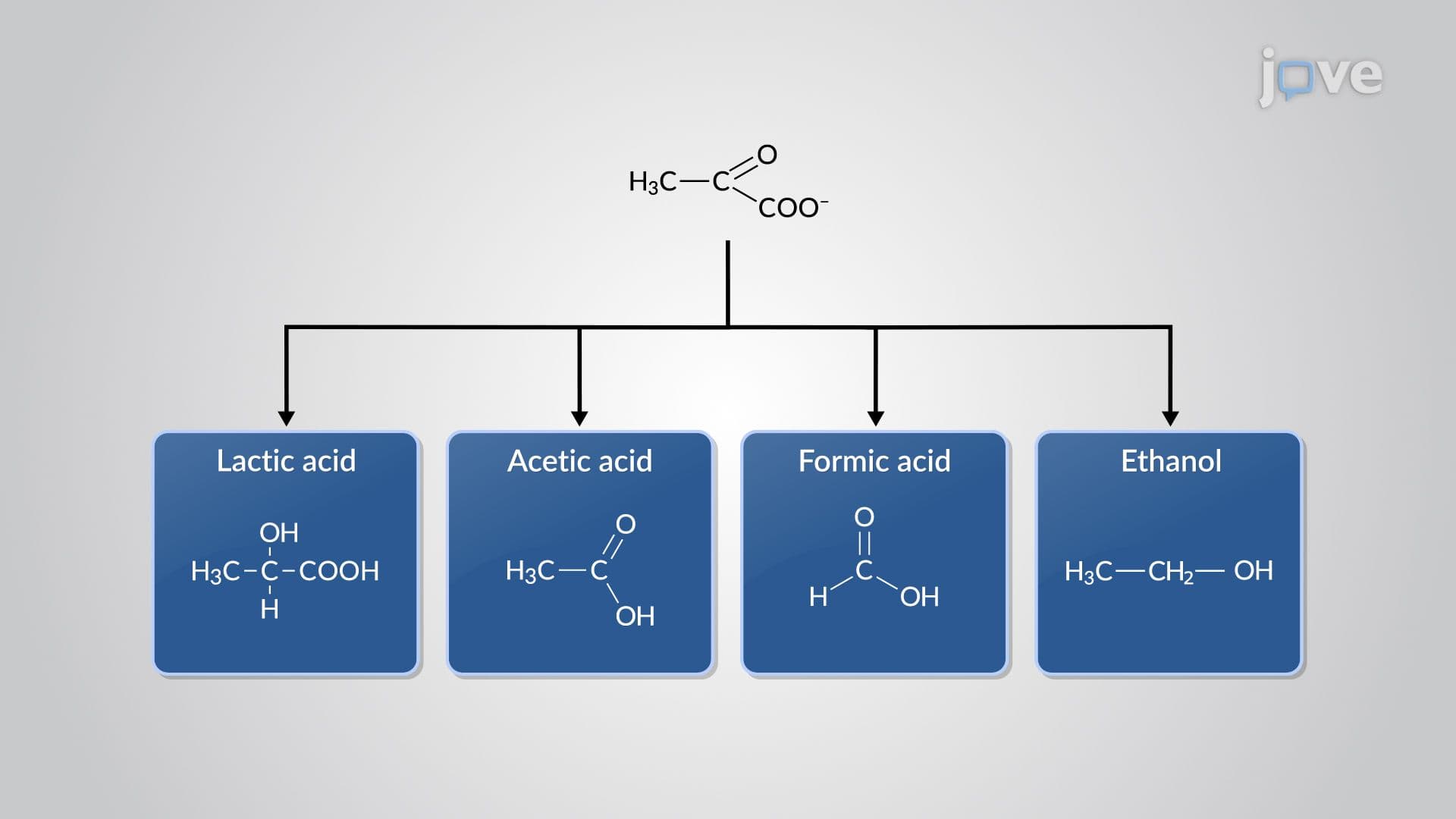
The organic acids produced during amino acid catabolism don't go to waste. Instead, they're converted into key metabolic intermediates like pyruvate, acetyl-CoA, or compounds that feed directly into the Krebs cycle. This flexibility allows cells to either oxidize these products for immediate energy or use them in fermentation processes when oxygen is limited.
A prime example of this adaptability occurs in *Clostridium* species, responsible for serious infections in US healthcare facilities. These bacteria employ the Stickland reaction, coupling the oxidation and reduction of different amino acids to generate energy in oxygen-free environments. This metabolic versatility makes *Clostridium difficile* infections particularly challenging to treat in hospital settings.
For students preparing for standardized exams, understanding amino acid catabolism connects to broader topics including protein synthesis, cellular respiration, and nitrogen cycling-all frequently tested concepts on the AP Biology exam and college biochemistry courses.
Related Micro-courses