Loading subject page…

13,271 views

Video Summary: What Is Anoxygenic Photosynthesis
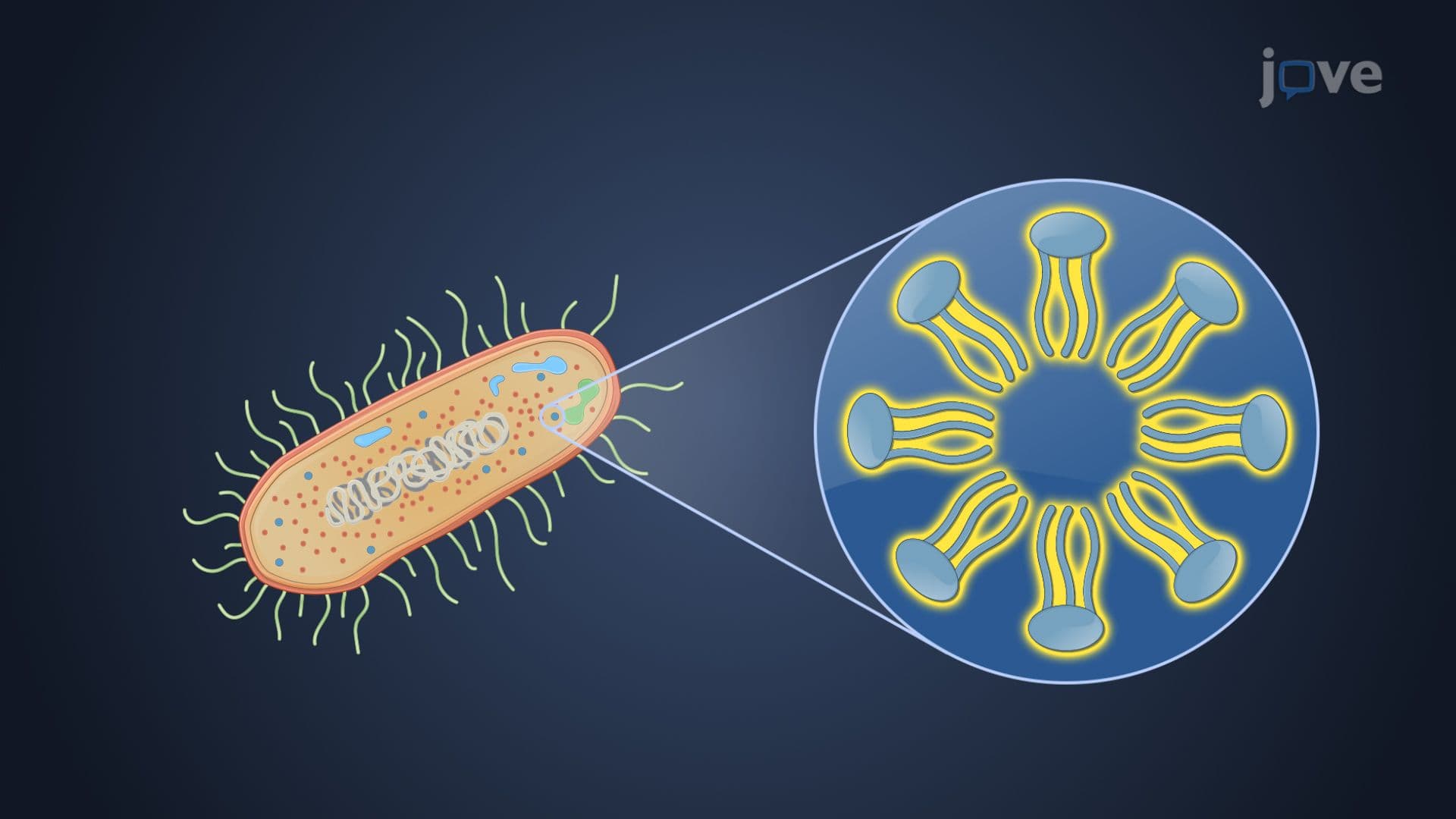
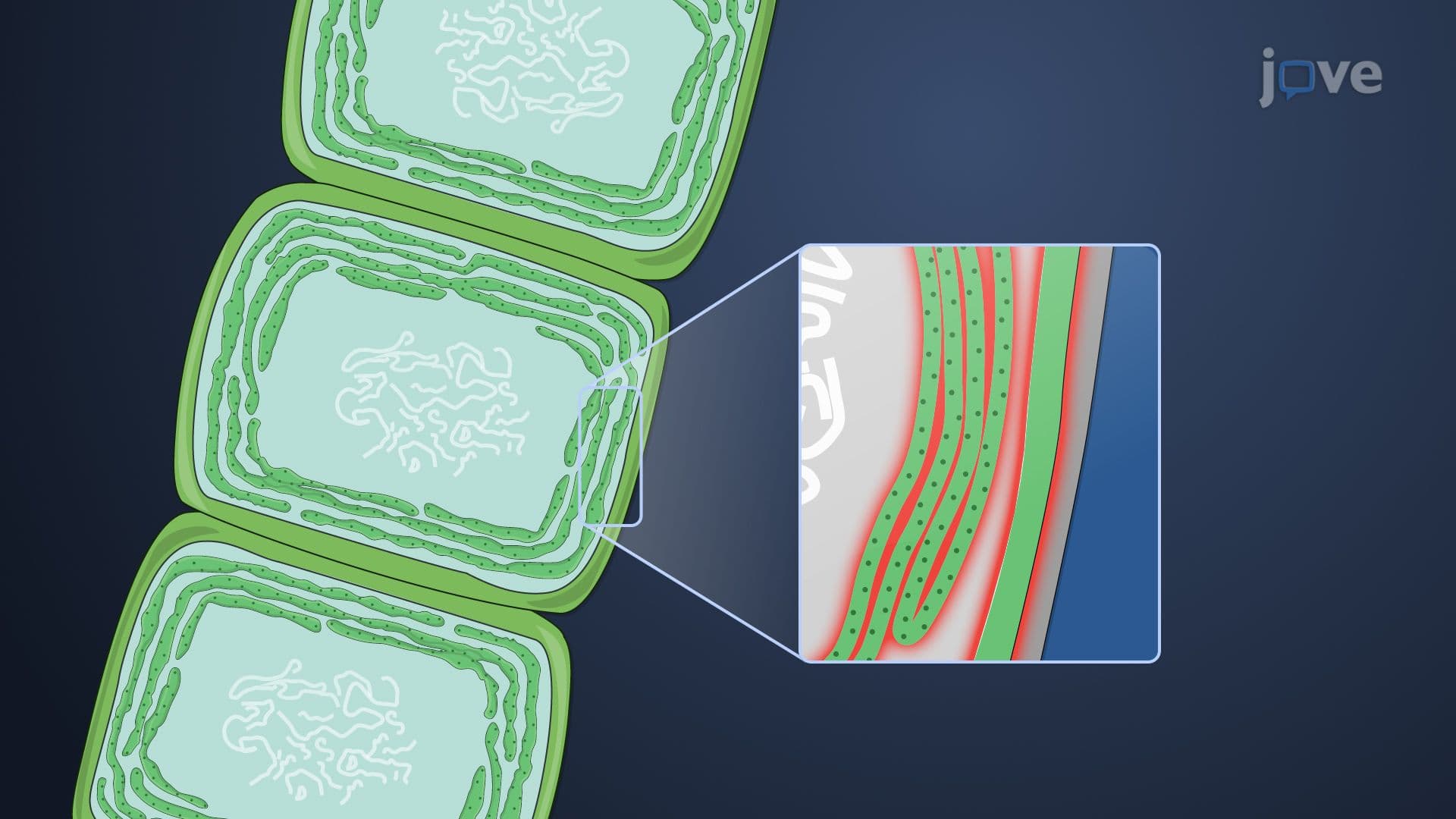
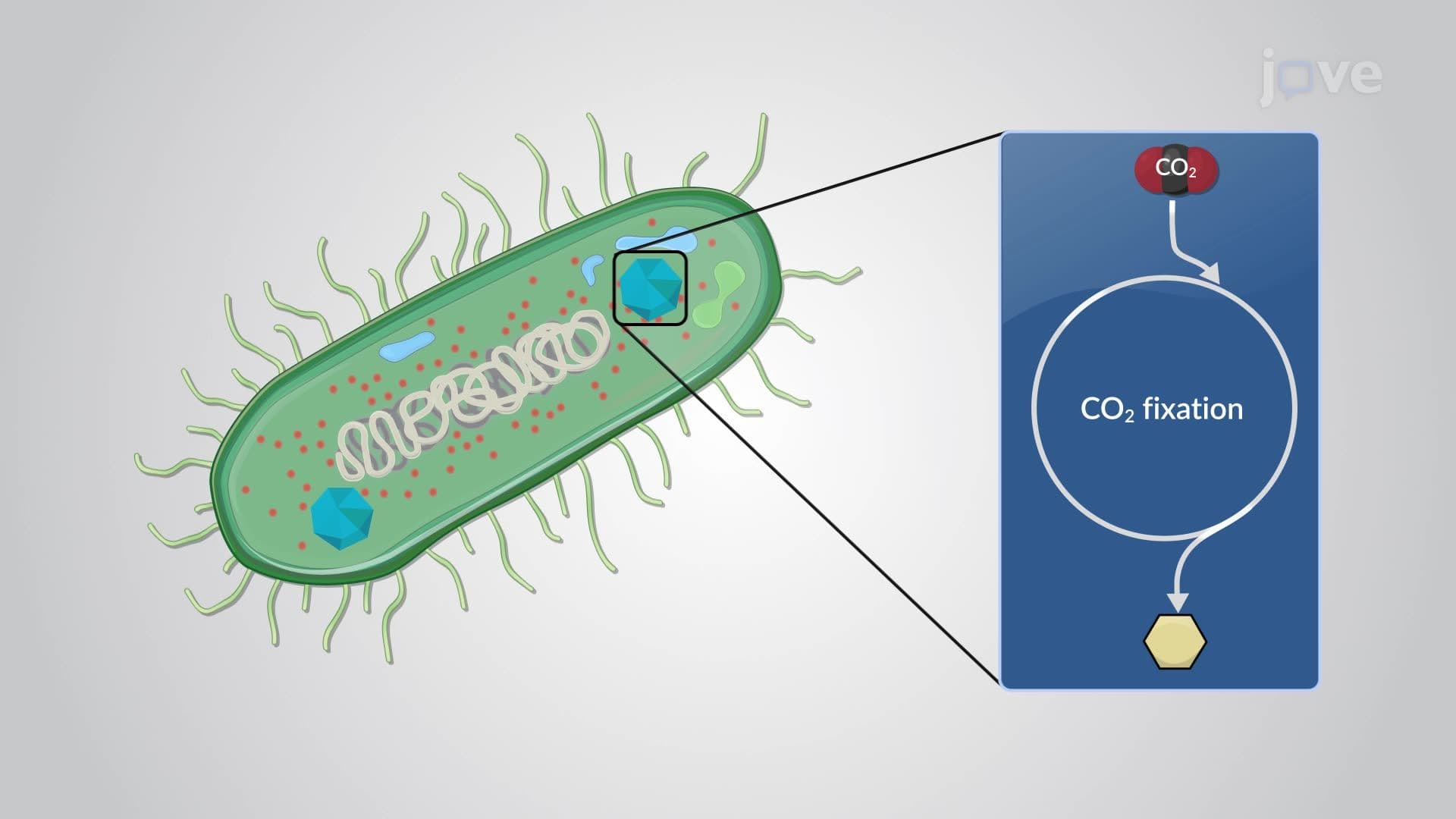
Did you know that some bacteria can harvest sunlight without producing oxygen? Anoxygenic photosynthesis allows purple and green sulfur bacteria to convert light energy and carbon dioxide into organic compounds using alternative electron sources like hydrogen sulfide. This process occurs in extreme environments like California's Mono Lake, where these specialized organisms thrive in sulfur-rich waters that would be toxic to oxygen-producing plants. Unlike the photosynthesis you learned about in basic biology, anoxygenic photosynthesis operates through a single photosystem and relies on unique bacteriochlorophyll pigments. Watch the full video on JoVE Coach to master this concept with expert-led visuals and step-by-step explanations.
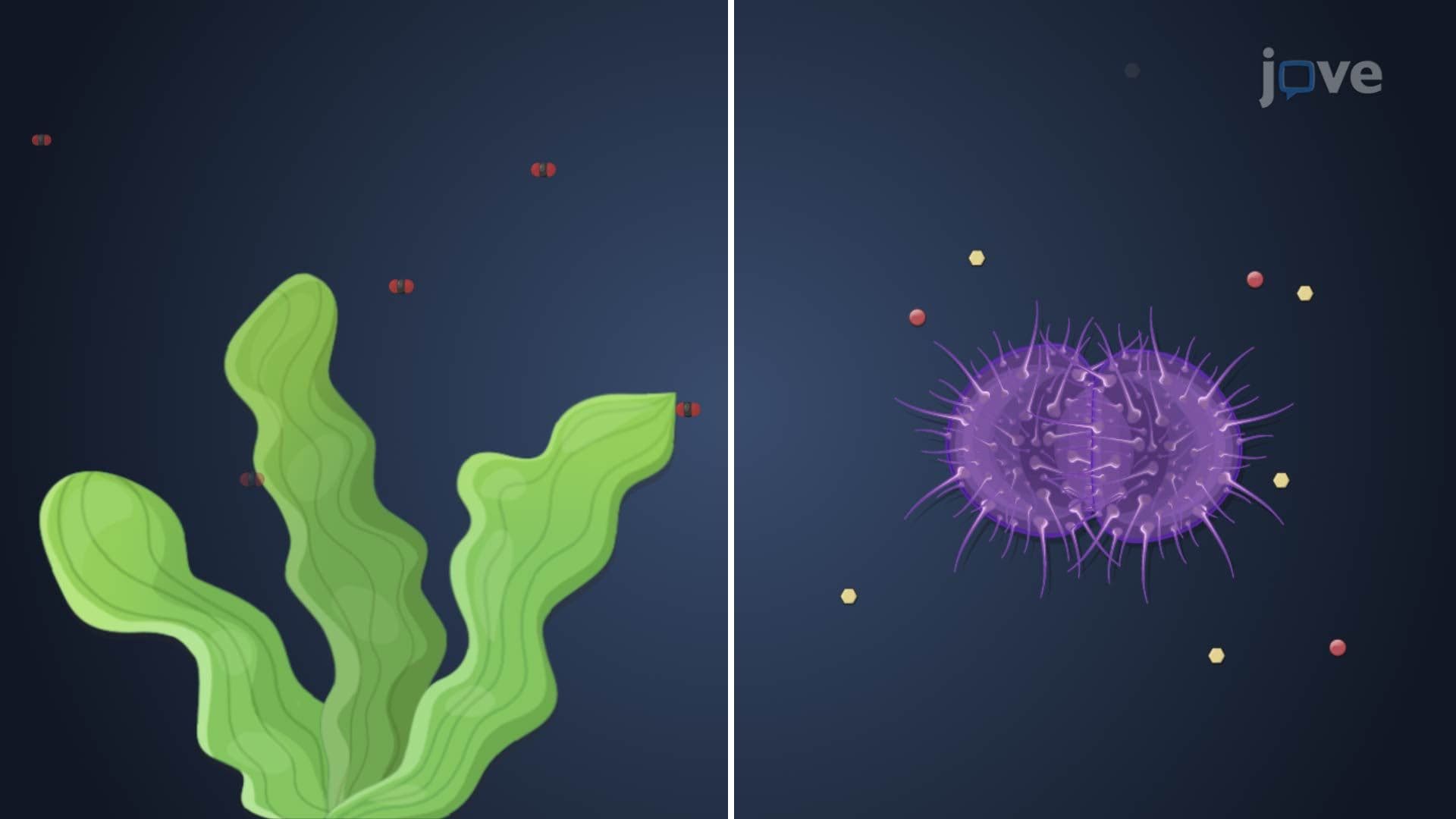
Anoxygenic photosynthesis represents one of Earth's most ancient energy conversion processes, predating the oxygen-producing photosynthesis that transformed our planet's atmosphere. This specialized form of photosynthesis occurs in purple and green sulfur bacteria, which harvest light energy to fix carbon dioxide without releasing oxygen as a byproduct. Instead of using water as an electron donor like plants do, these bacteria utilize alternative compounds such as hydrogen sulfide (H2S), elemental sulfur, or organic acids.
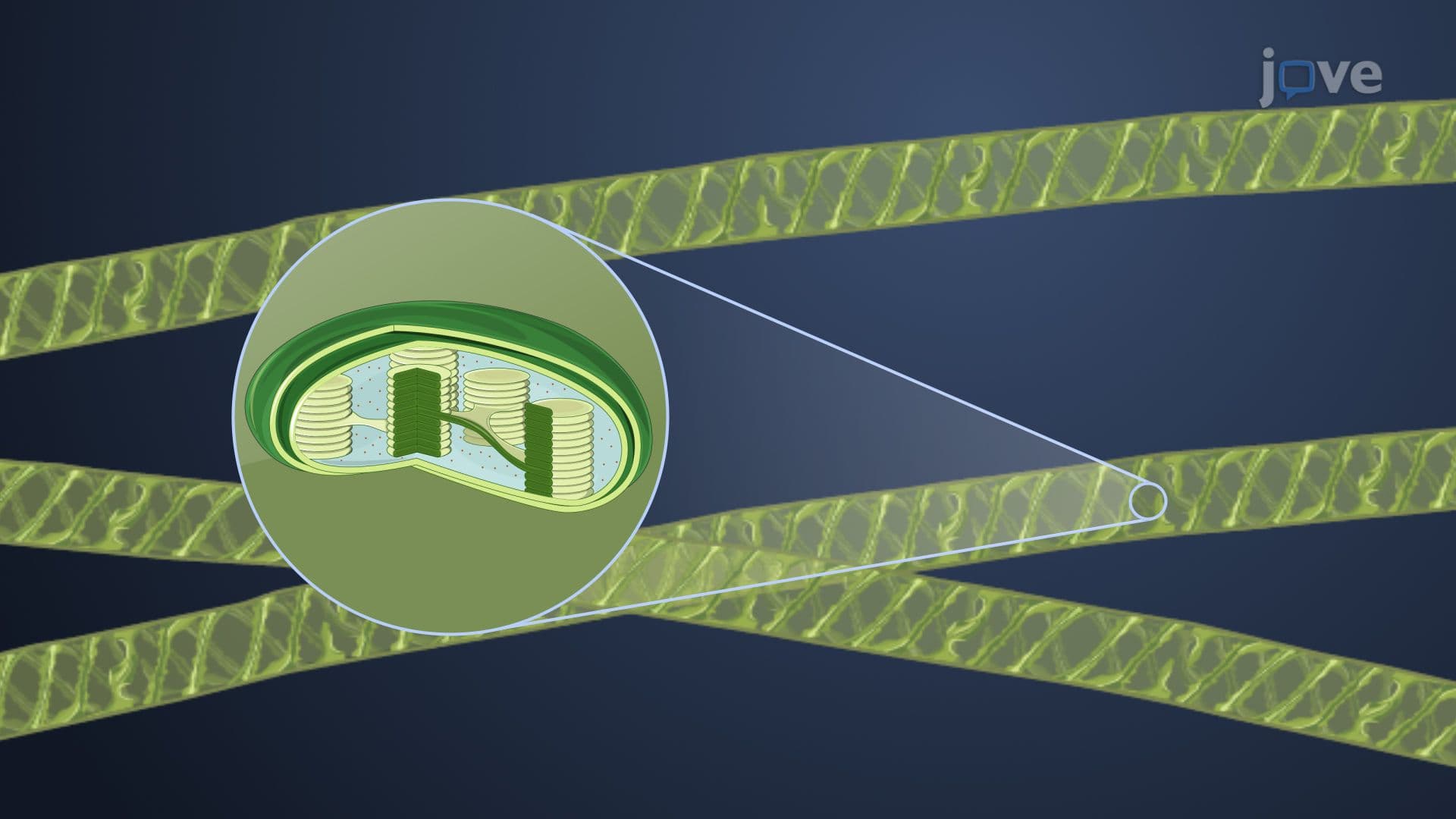
The evolutionary significance of this process cannot be overstated-anoxygenic photosynthesis likely dominated Earth's early biosphere before cyanobacteria evolved oxygenic photosynthesis approximately 2.5 billion years ago. Understanding this concept is crucial for AP Biology students studying cellular energetics and for college microbiology courses exploring bacterial metabolism.
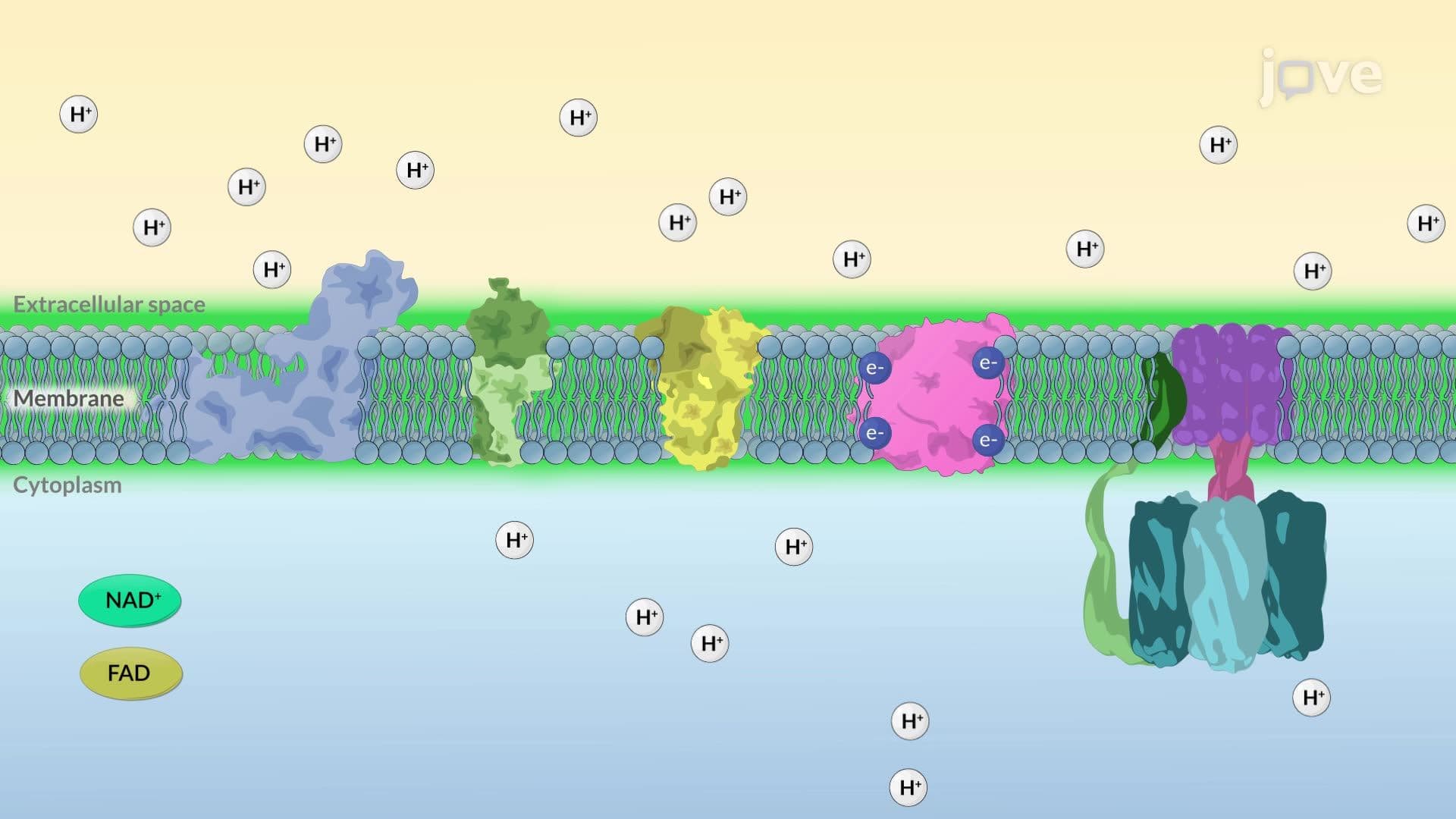
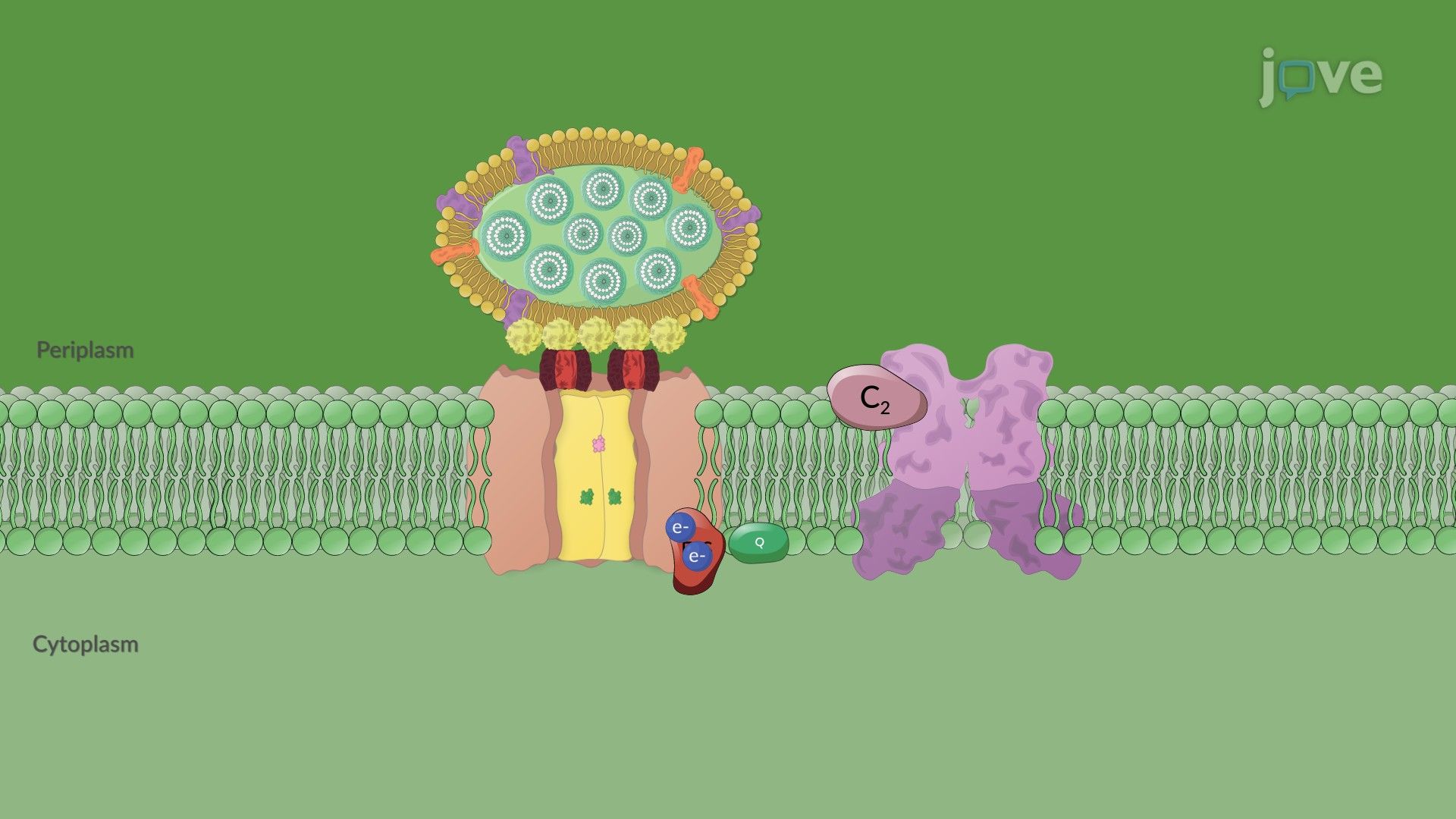
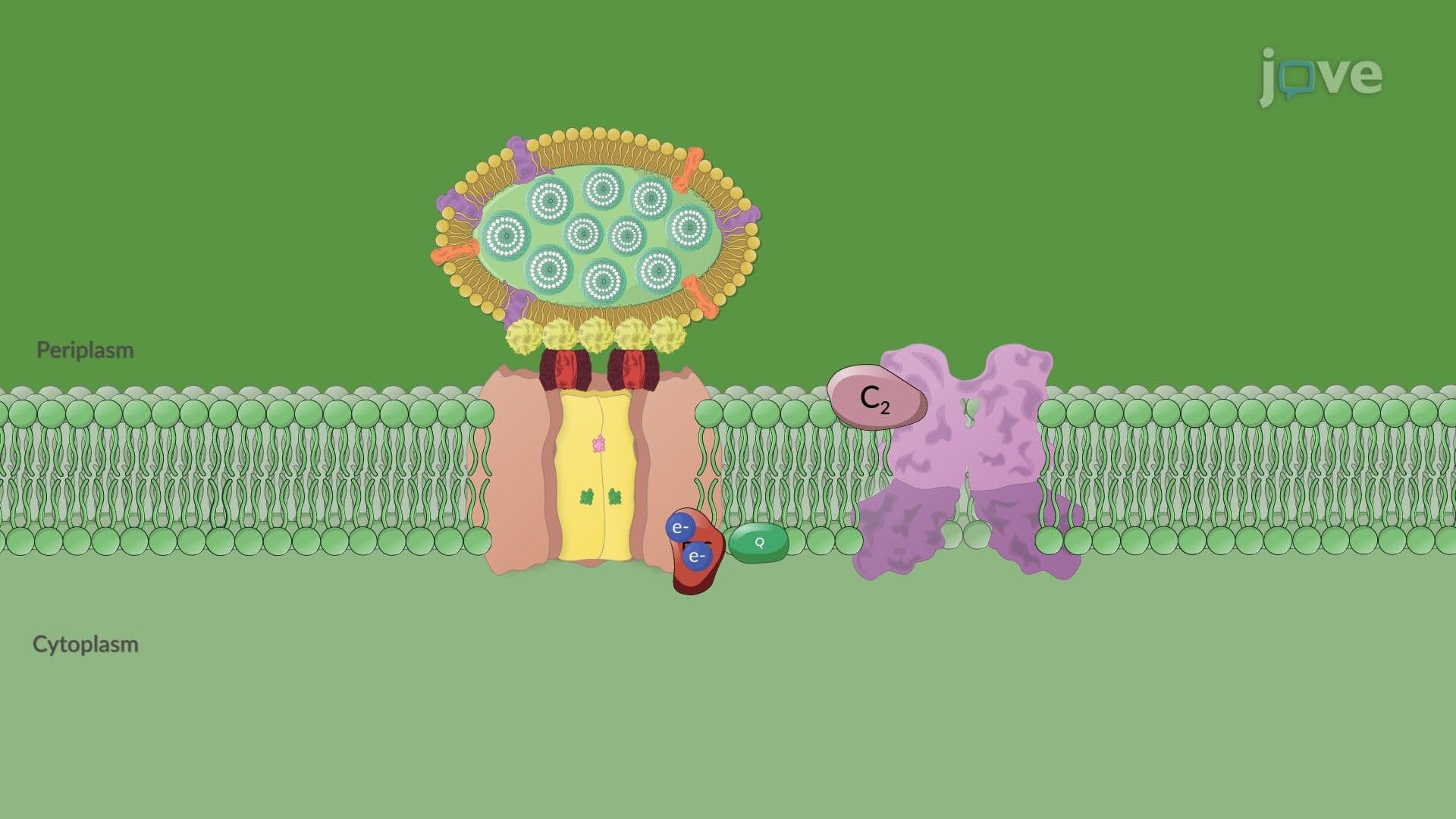
Purple sulfur bacteria operate through a sophisticated electron transport chain centered around the P870 reaction center, named for its peak light absorption at 870 nanometers. When light energy excites chlorophyll molecules in the reaction center, electrons are transferred to bacteriopheophytin (a chlorophyll molecule lacking magnesium), then passed through a quinone pool system.
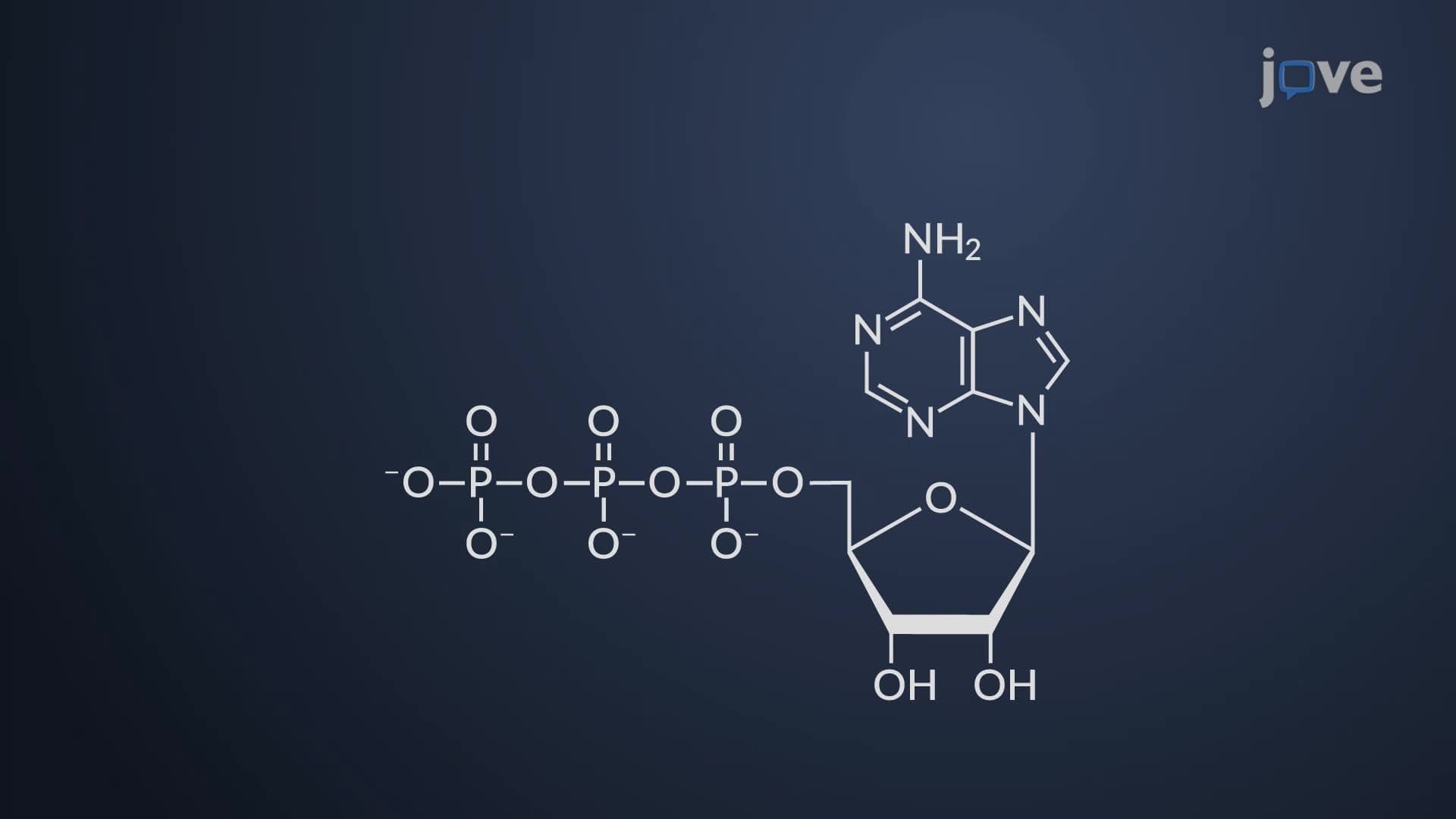
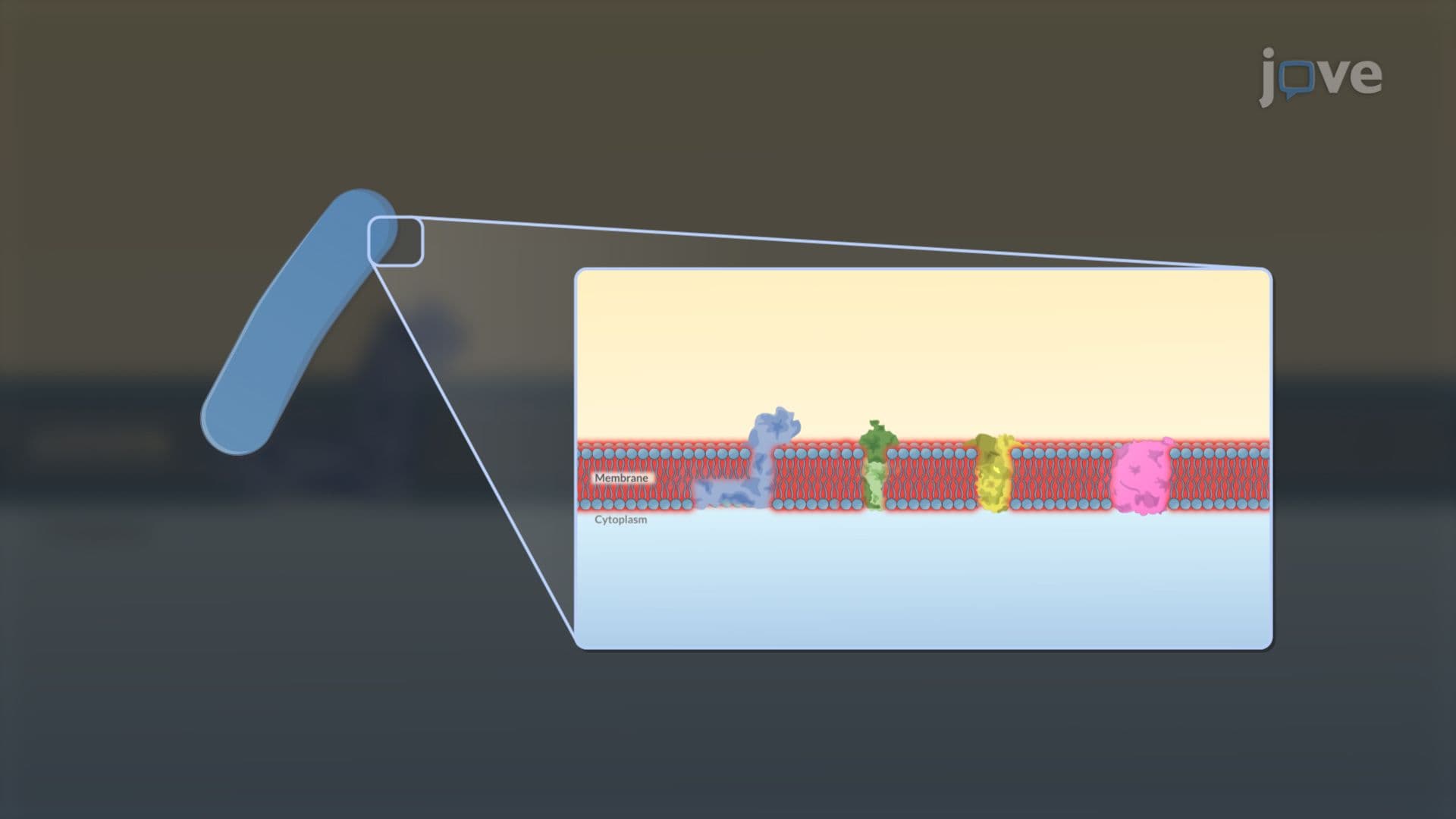
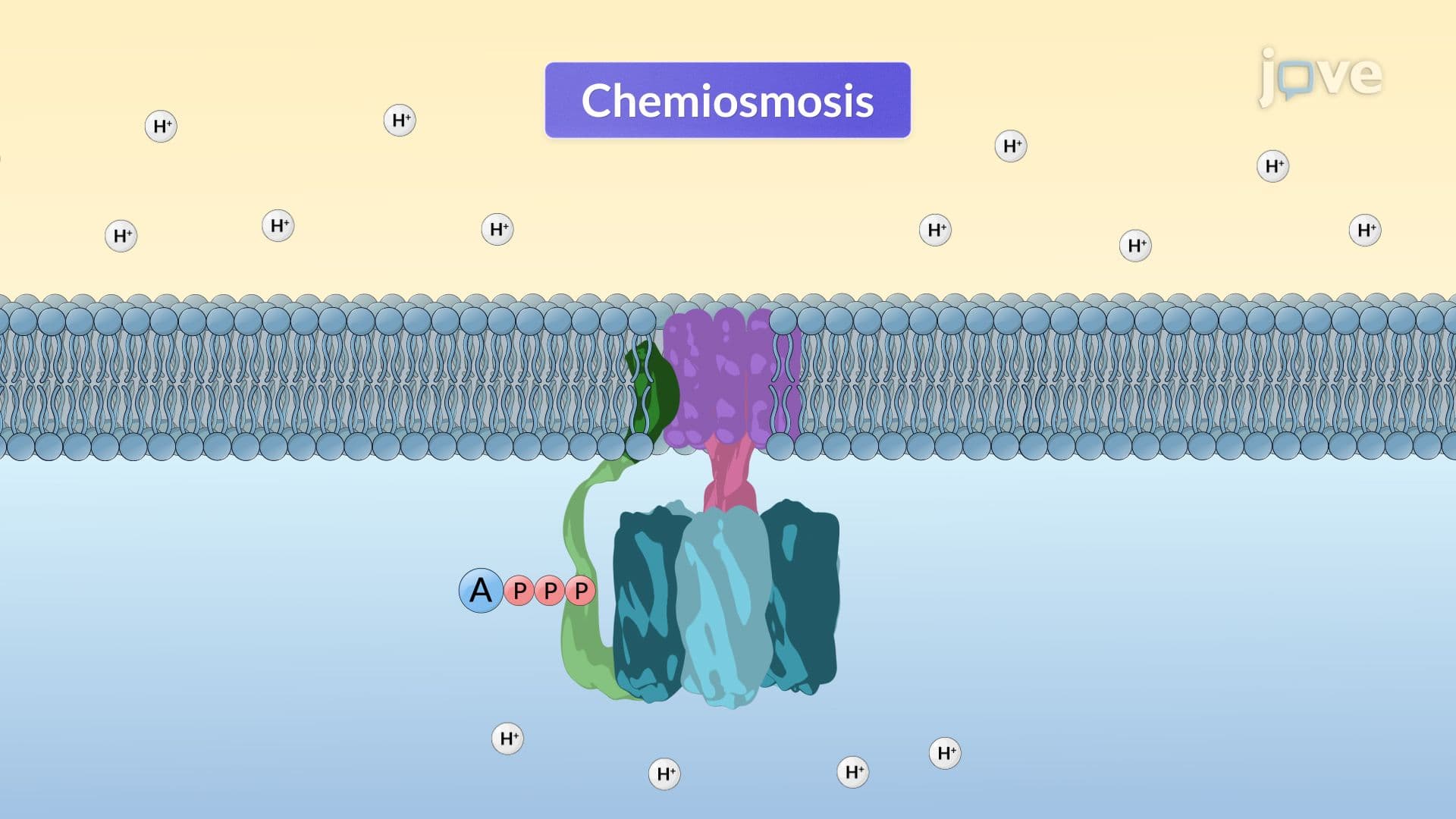
This electron flow continues through iron-sulfur cluster proteins and cytochrome complexes before returning to the original reaction center, creating a cyclic electron transport pathway. The process generates a proton gradient across the bacterial membrane, driving ATP synthesis through chemiosmosis-a principle that appears frequently on MCAT biochemistry sections.
Purple bacteria employ reverse electron flow to reduce NAD+ to NADH, using energy from the proton motive force to drive electrons "uphill" energetically. This mechanism allows them to generate the reducing power necessary for carbon fixation while maintaining their unique metabolic lifestyle in sulfur-rich environments.
Green sulfur bacteria utilize a different approach, centered around the P840 reaction center. These organisms transfer electrons through bacteriochlorophyll molecules, iron-sulfur cluster proteins, quinones, and cytochromes in a pathway that's more thermodynamically favorable for NAD+ reduction.
Unlike purple bacteria, green sulfur bacteria can directly reduce NAD+ to NADH using ferredoxin proteins, bypassing the energy-expensive reverse electron flow. This efficiency allows them to thrive in environments with limited light availability, such as the deeper layers of stratified lakes like those found in Yellowstone National Park's hot springs.
Anoxygenic photosynthesis appears in various US academic contexts, from high school biology courses covering alternative metabolic pathways to advanced biochemistry exams. College students studying environmental microbiology encounter these bacteria in discussions of biogeochemical cycling, particularly in understanding how sulfur compounds move through ecosystems.
For standardized test preparation, focus on the key differences: single versus dual photosystems, alternative electron donors, and the absence of oxygen production. These concepts frequently appear in comparative questions on AP Biology exams and college-level assessments.
Related Micro-courses