Loading subject page…

13,271 views

Video Summary: What Is Atp and Energy Production
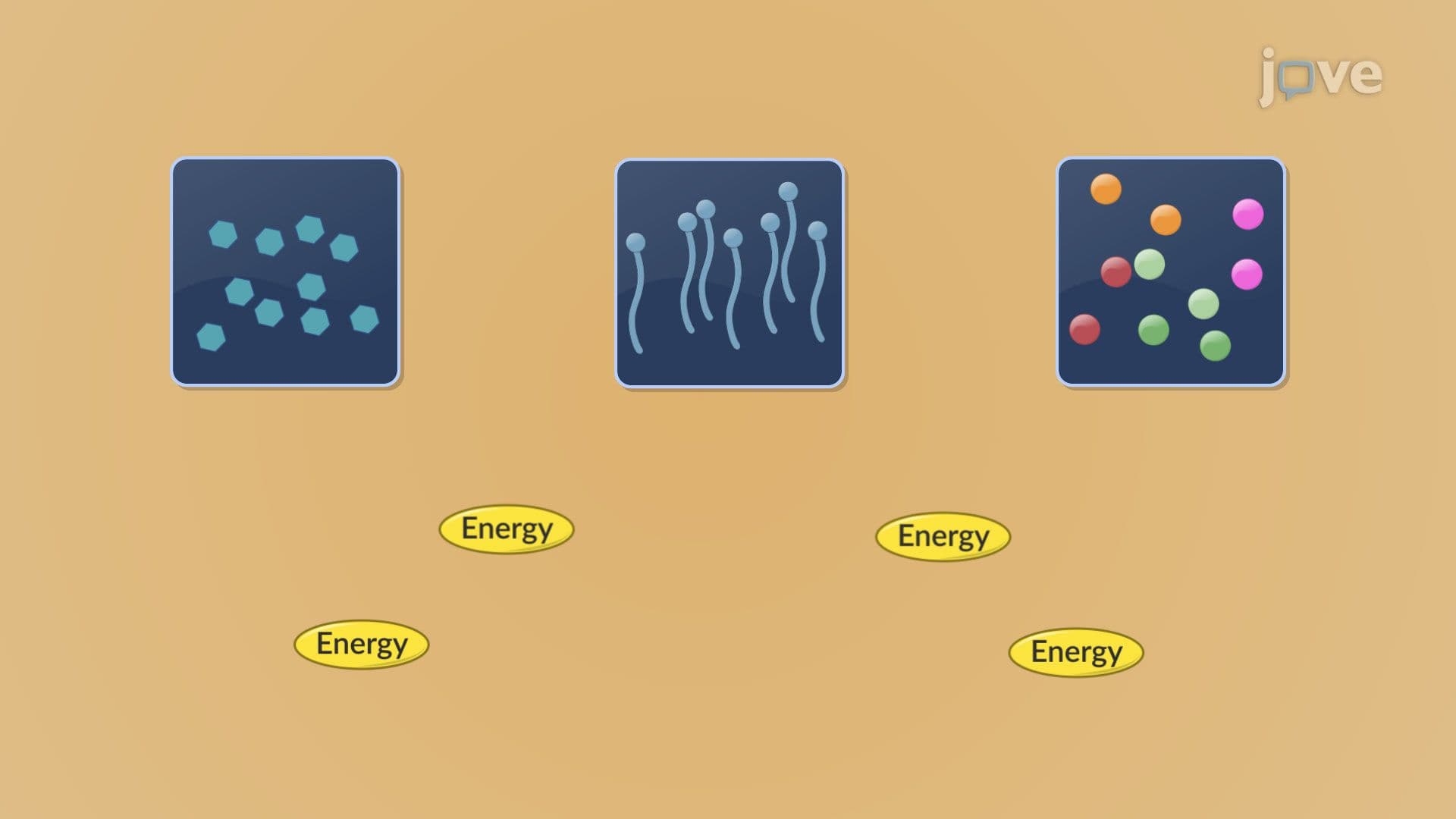
Every second, your body breaks down and rebuilds millions of ATP molecules to power everything from muscle contractions during a basketball game to brain activity while studying for the SAT. ATP energy production is the cellular currency system that fuels all biological processes, operating through three distinct mechanisms that convert nutrients into usable energy. Understanding what is ATP and energy production reveals how marathon runners like those in the Boston Marathon sustain energy output for hours. Watch the full video on JoVE Coach to master this concept with expert-led visuals and step-by-step explanations.
ATP energy production represents one of biology's most elegant solutions to cellular energy management. Adenosine triphosphate functions as the universal energy currency, storing chemical energy in its phosphate bonds and releasing it on demand. This atp energy production definition explained reveals why ATP is often called the "molecular unit of currency" for intracellular energy transfer.
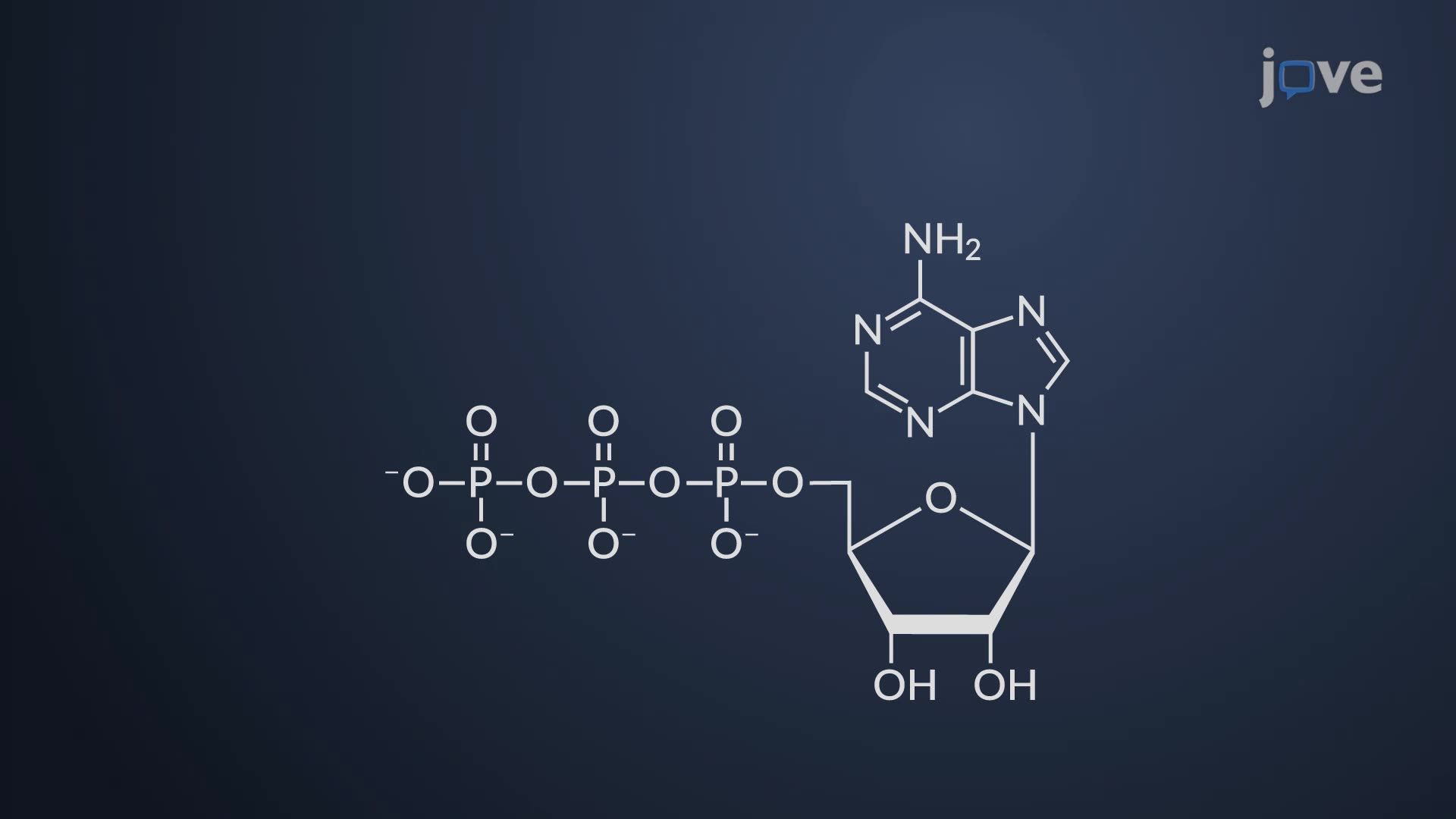
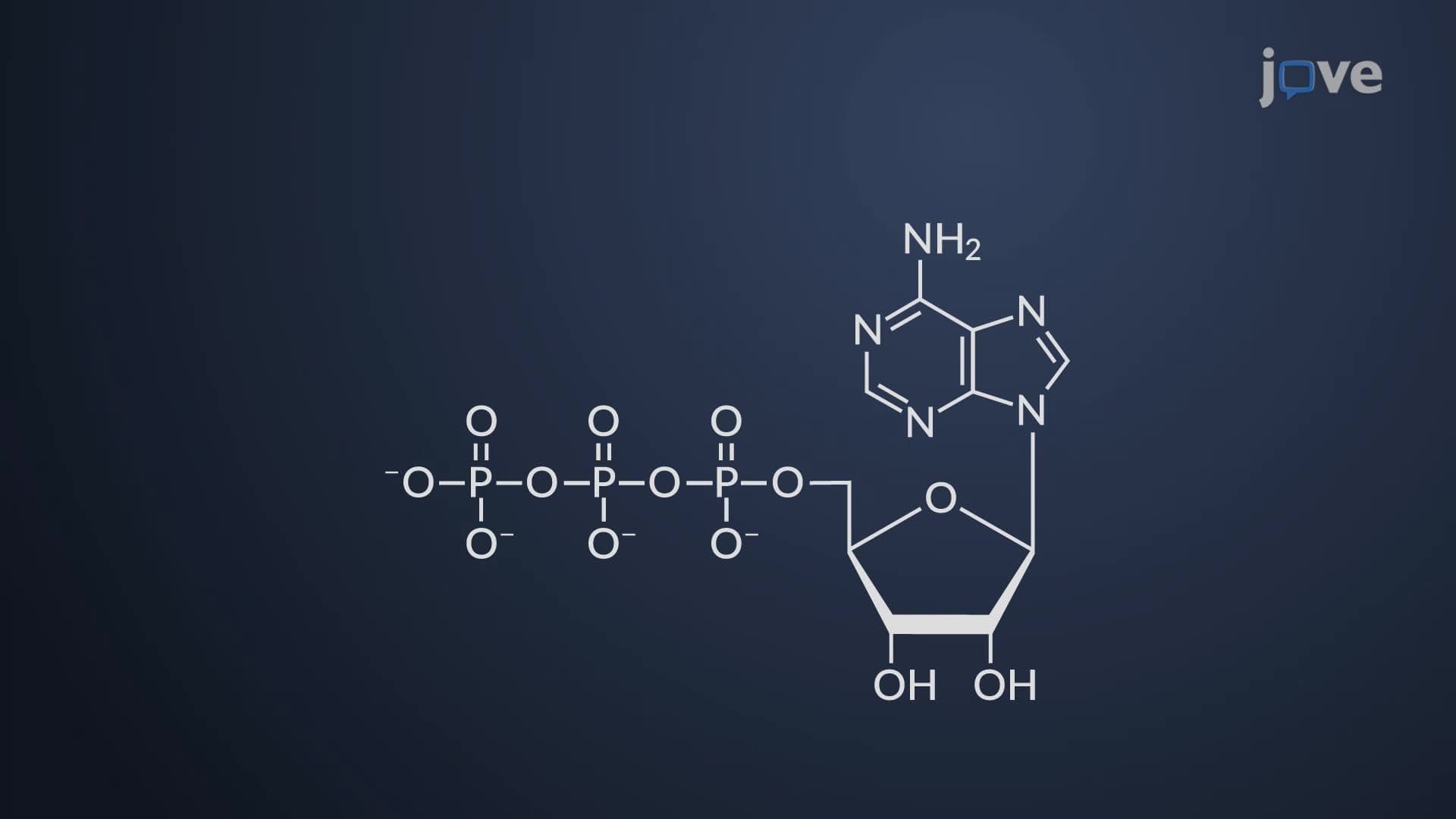
The molecule's structure perfectly suits its function: an adenosine base connected to three phosphate groups through high-energy bonds. When cells need energy for processes like protein synthesis in muscle building or active transport in kidney function, ATP hydrolysis breaks these bonds, releasing approximately 7.3 kcal/mol of energy under standard cellular conditions.
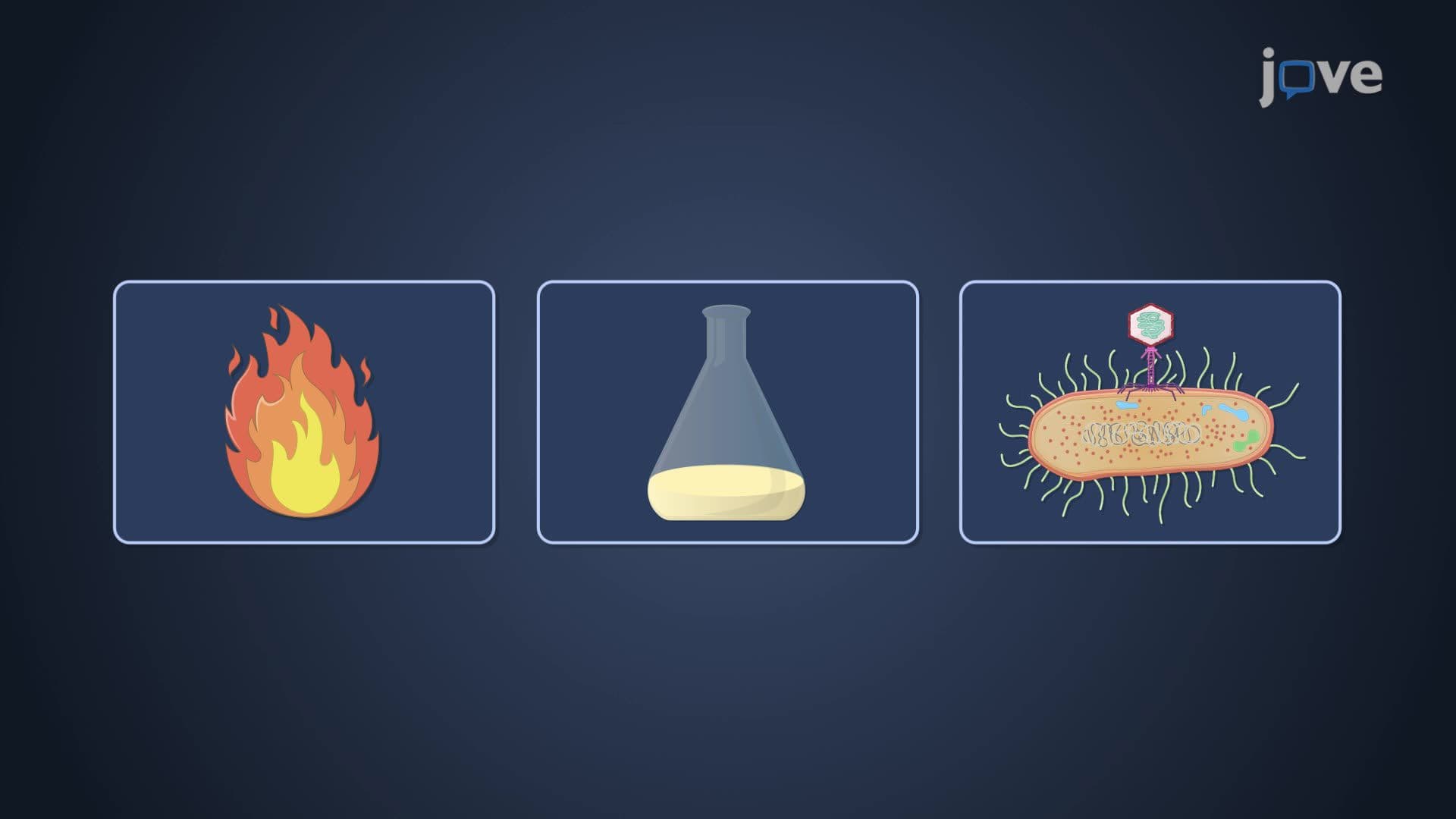
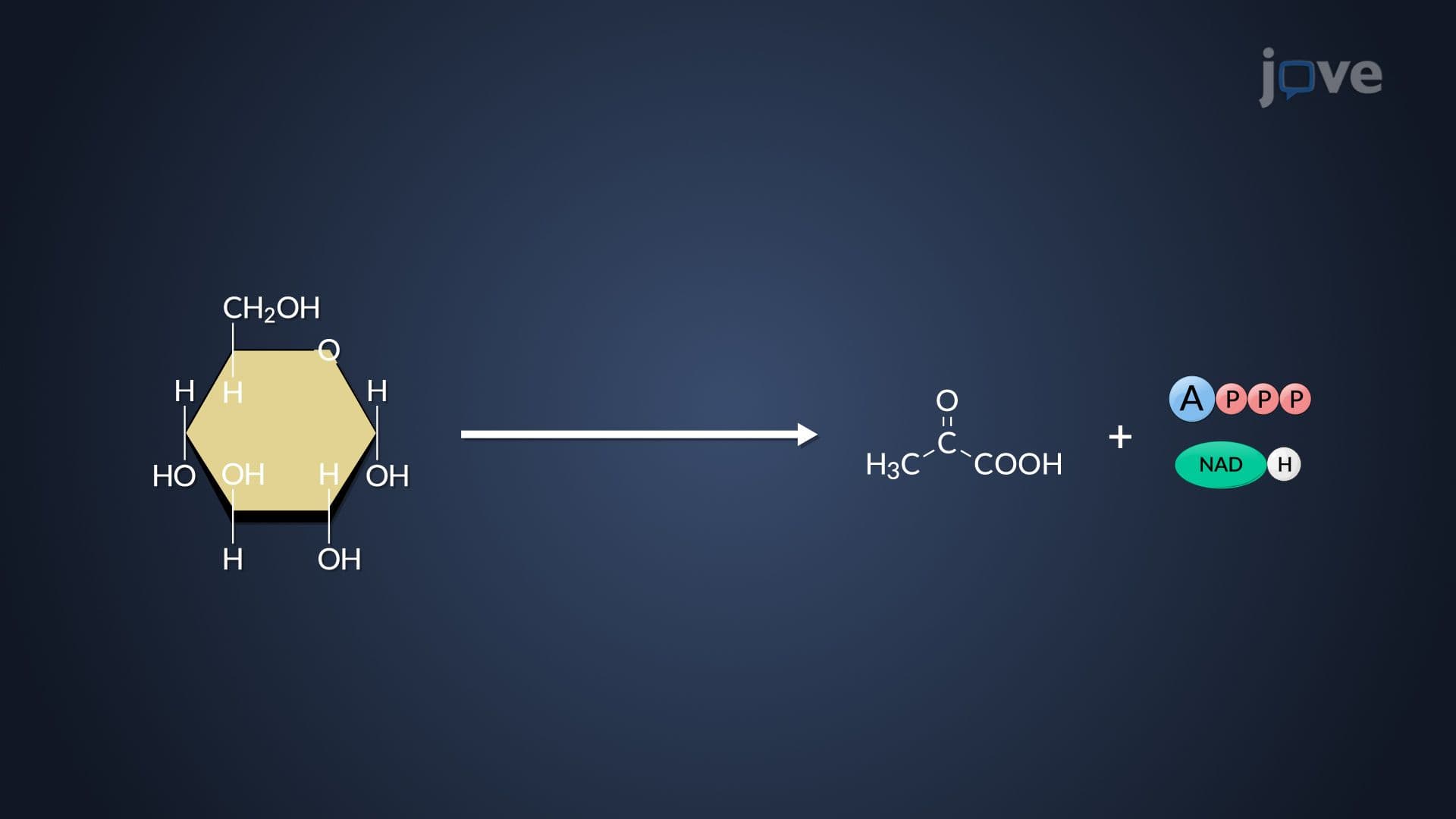
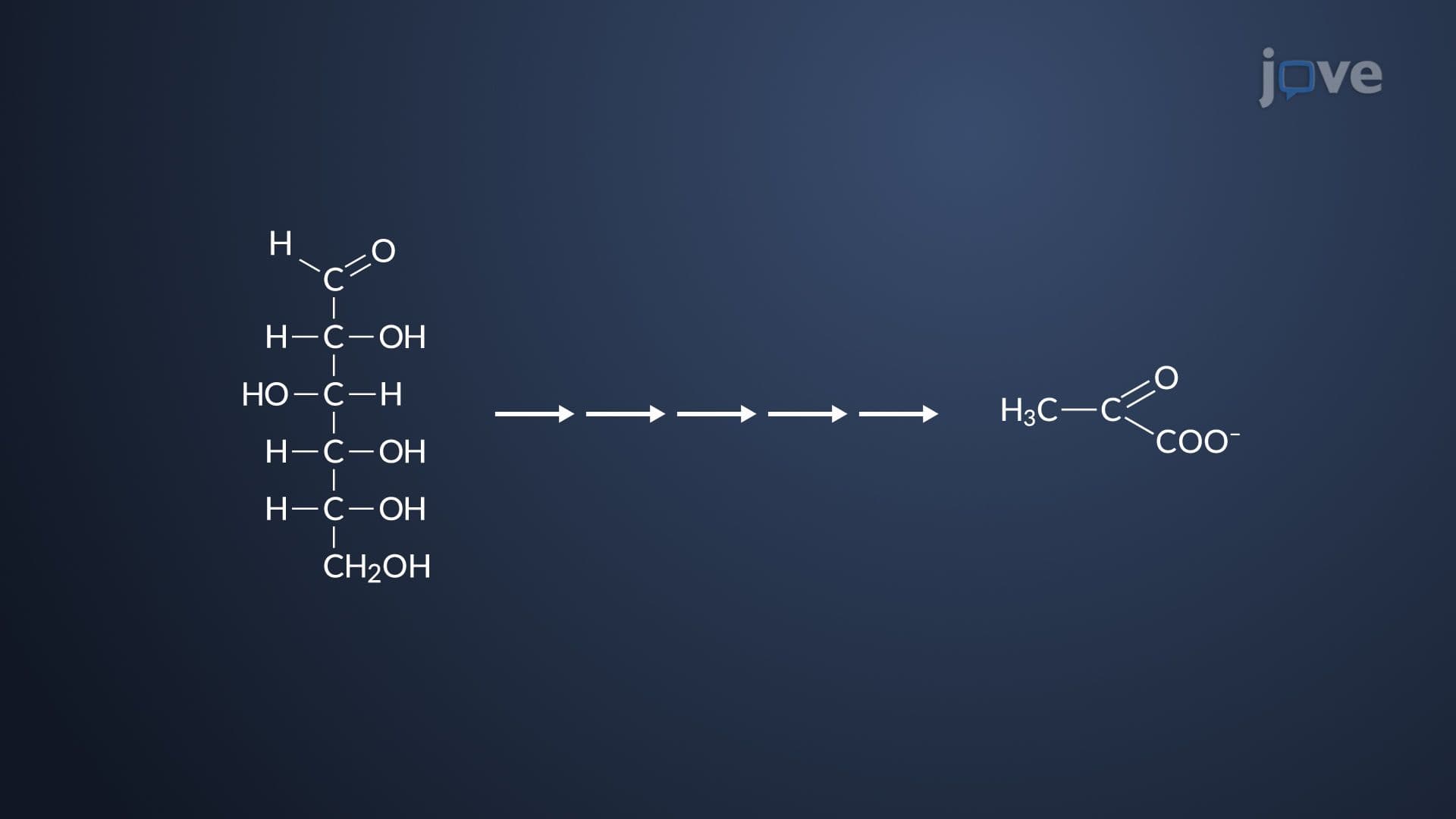
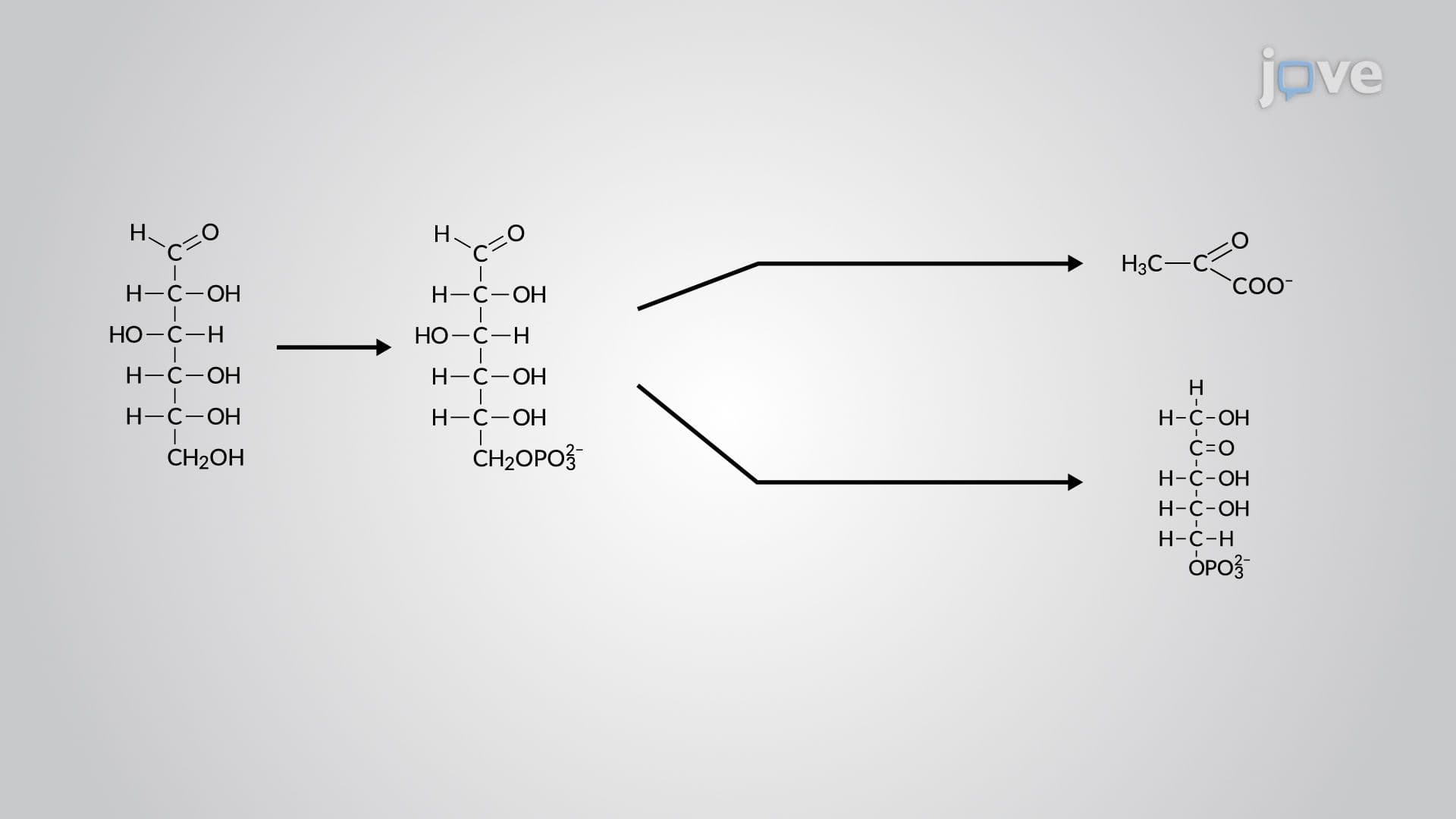
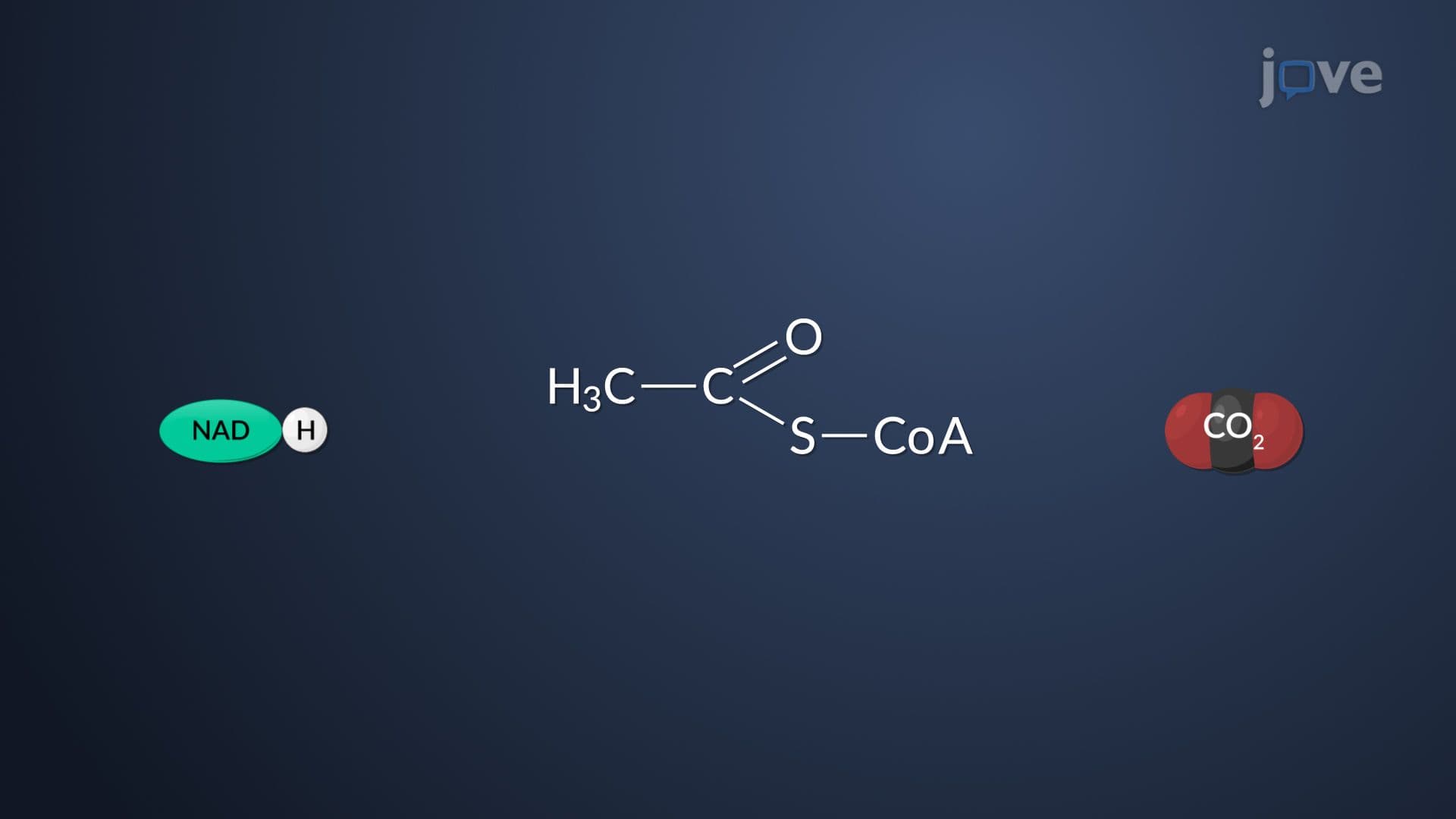
Understanding the atp and energy production concept explained requires examining three distinct synthesis mechanisms. Substrate-level phosphorylation occurs during glycolysis and the citric acid cycle, directly transferring phosphate groups from high-energy compounds to ADP. This process is crucial during high-intensity exercise when oxygen becomes limiting, such as during sprinting events at US high school track meets.
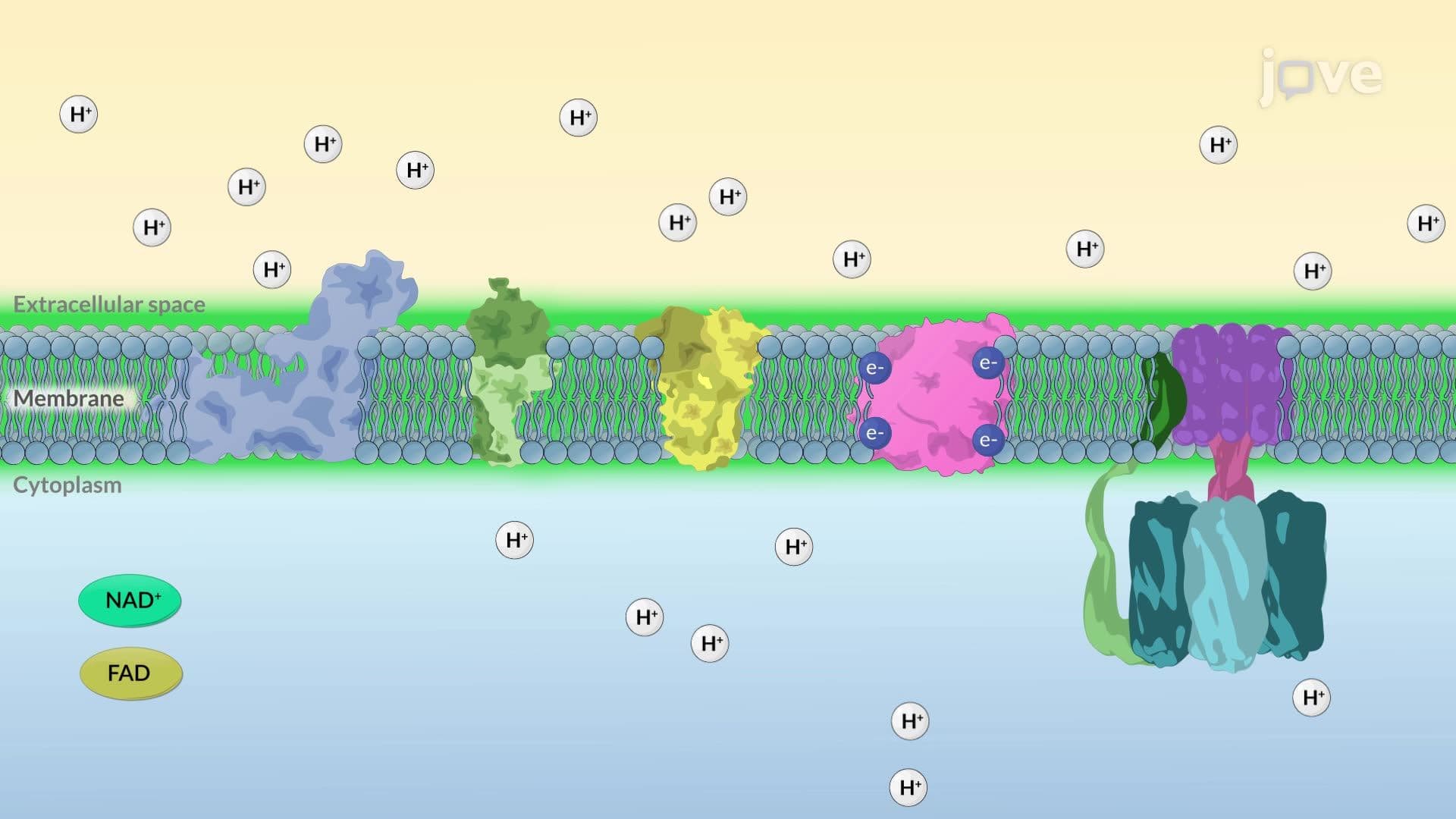
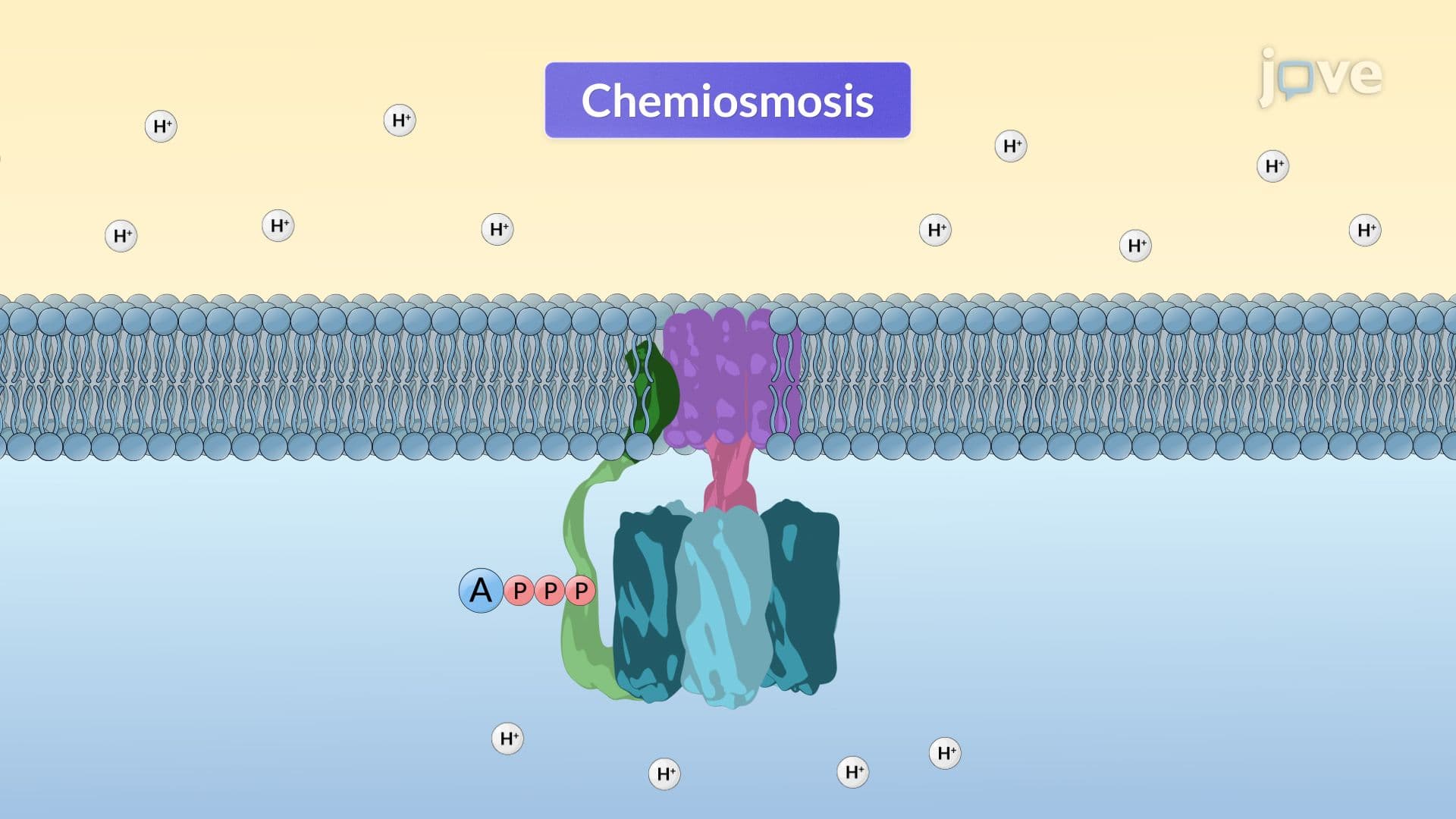
Oxidative phosphorylation, occurring in mitochondria, represents the most efficient ATP production method. Electrons from NADH and FADH2 flow through the electron transport chain, pumping protons across the inner mitochondrial membrane. This creates an electrochemical gradient that drives ATP synthase, producing up to 32-38 ATP molecules per glucose molecule. Medical schools emphasize this pathway's importance in understanding metabolic disorders and pharmaceutical interventions.
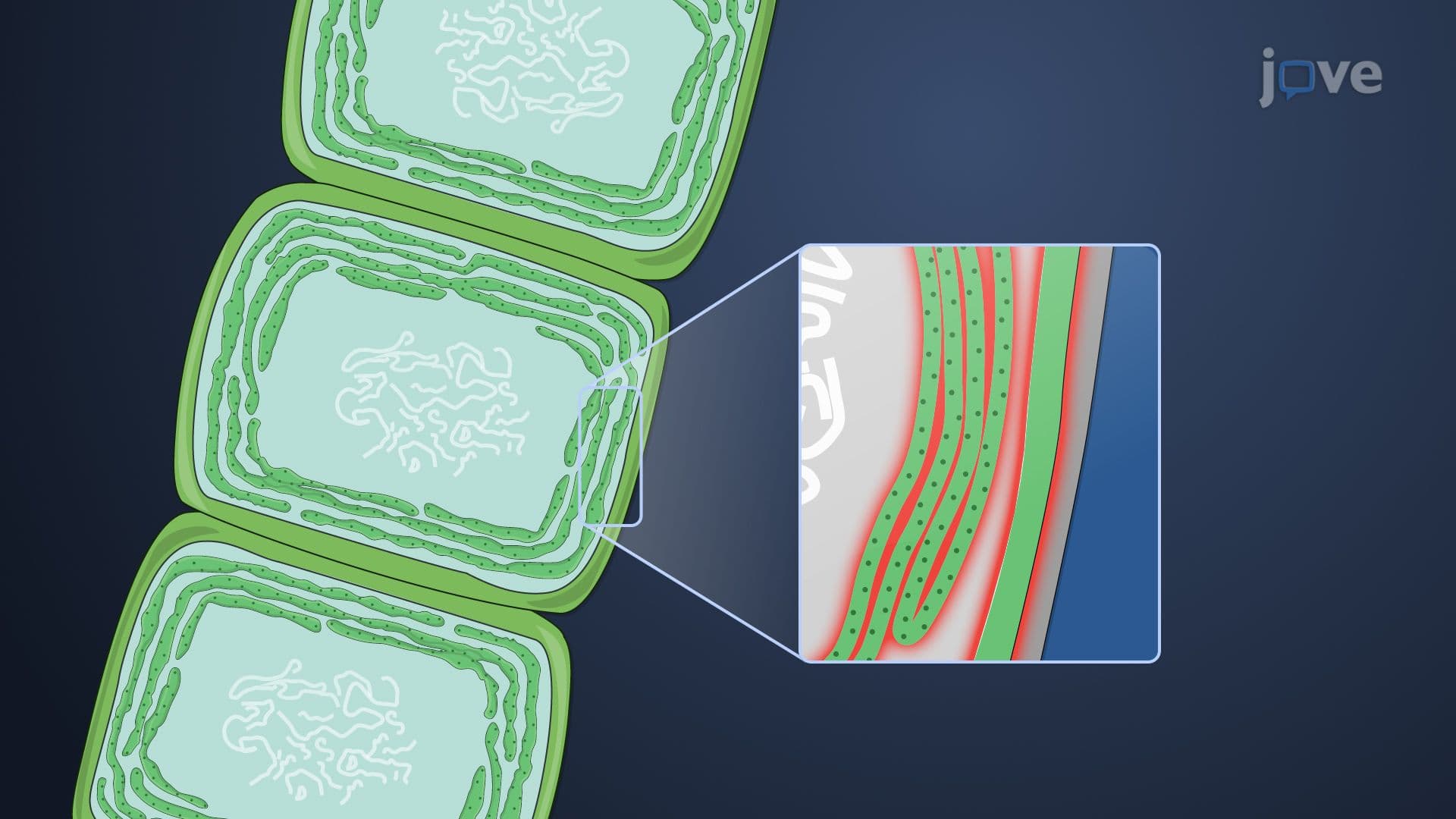
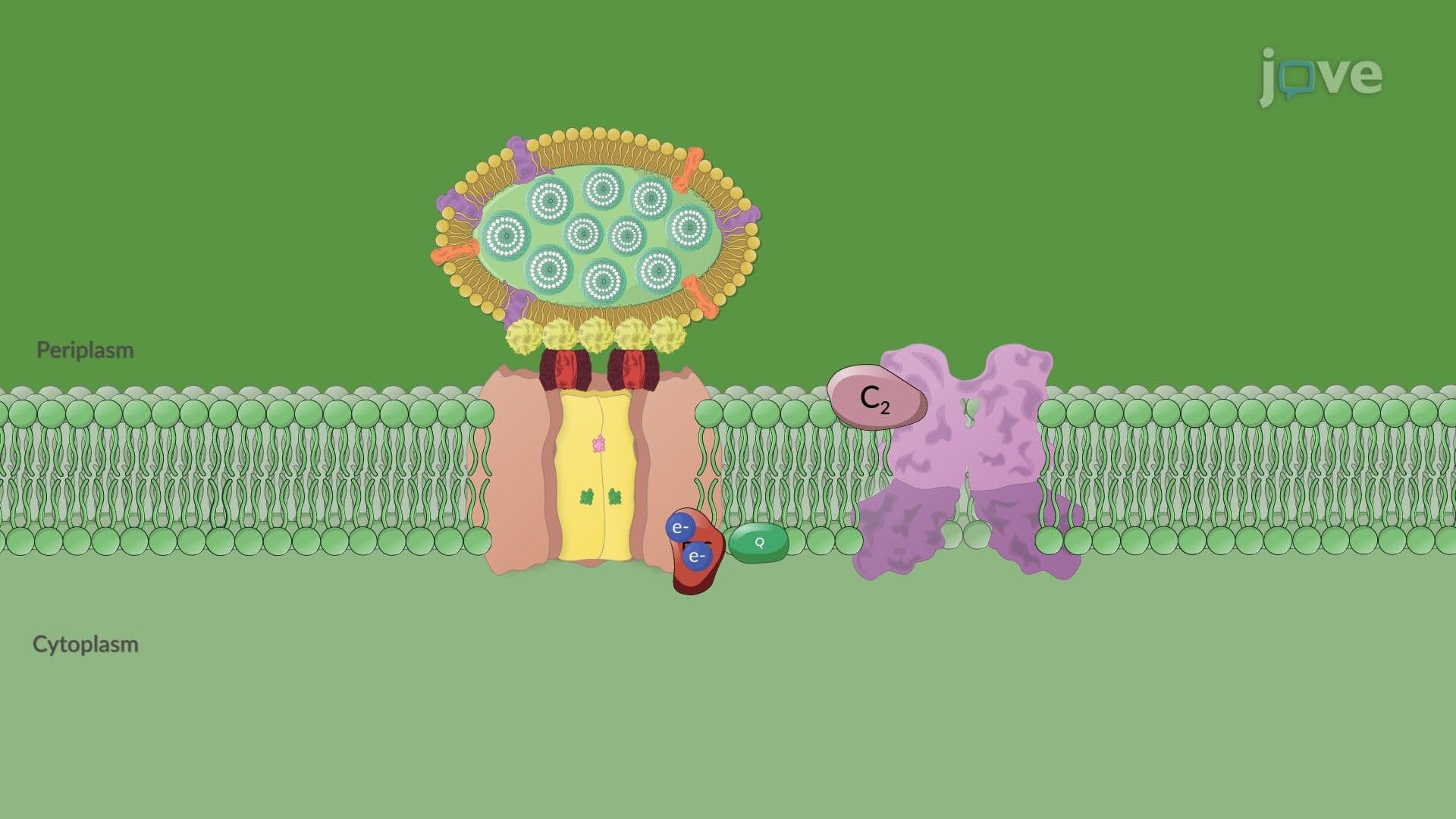
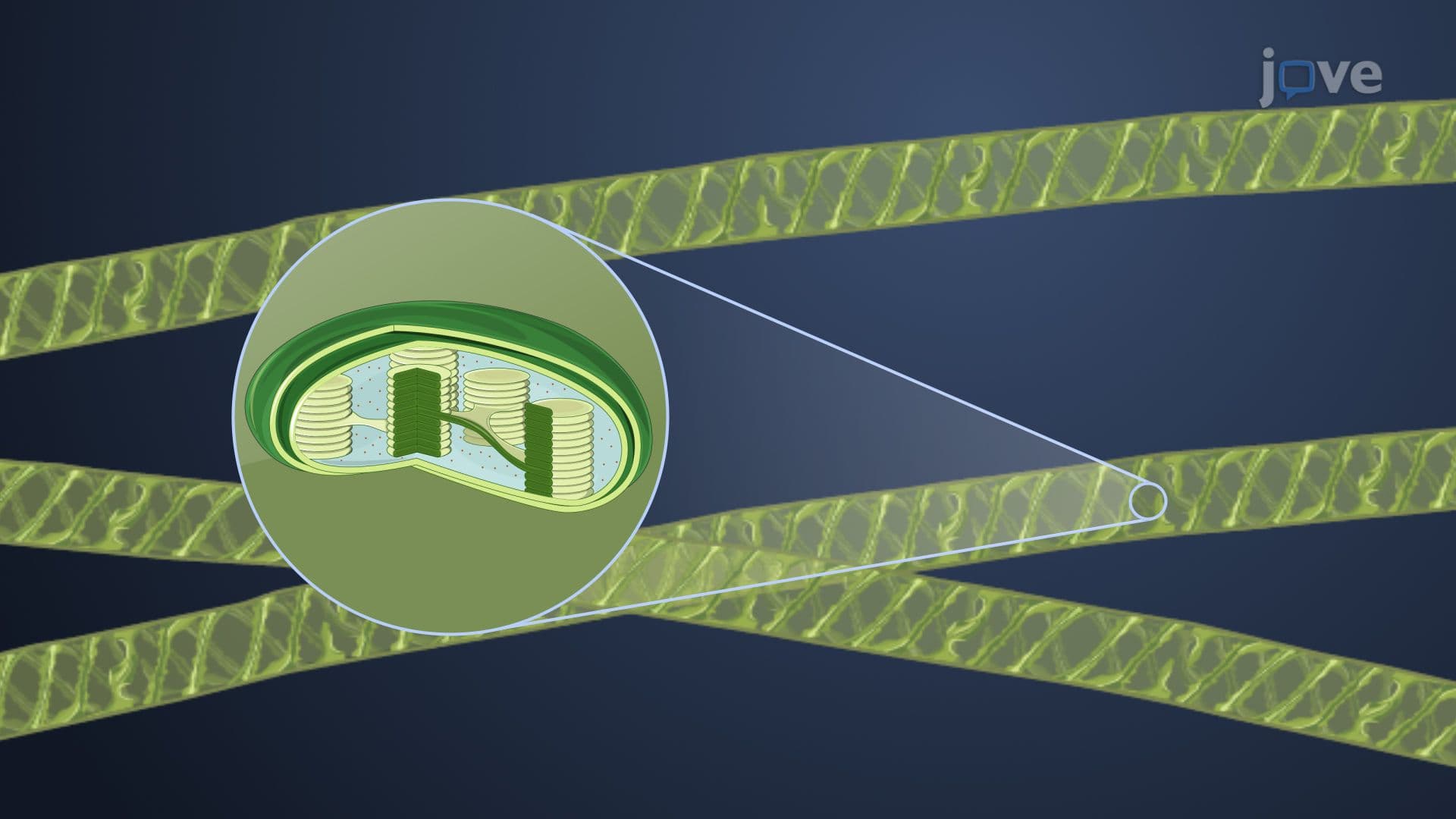
Photophosphorylation, while specific to plants and photosynthetic bacteria, demonstrates nature's ability to harness light energy for ATP synthesis. This process converts solar energy into chemical energy, forming the foundation of Earth's energy pyramid that students explore in AP Environmental Science courses.
ATP energy production notes frequently appear on standardized exams, from the MCAT's biochemistry sections to college-level physiology courses. Understanding these mechanisms helps explain conditions like mitochondrial diseases, where defective oxidative phosphorylation leads to muscle weakness and neurological symptoms seen in US clinical settings.
The atp and energy production study guide concepts also apply to exercise physiology, explaining why endurance athletes can maintain steady performance through aerobic metabolism while power athletes rely on anaerobic pathways during short, intense efforts. This knowledge proves essential for pre-med students preparing for medical school admissions and future healthcare professionals studying metabolic disorders.
Related Micro-courses