Loading subject page…
13,271 views

Video Summary: What Is Biosynthesis in Bacteria
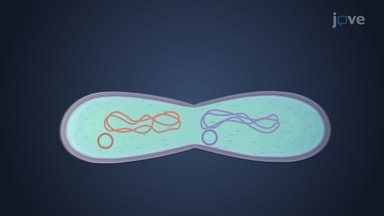
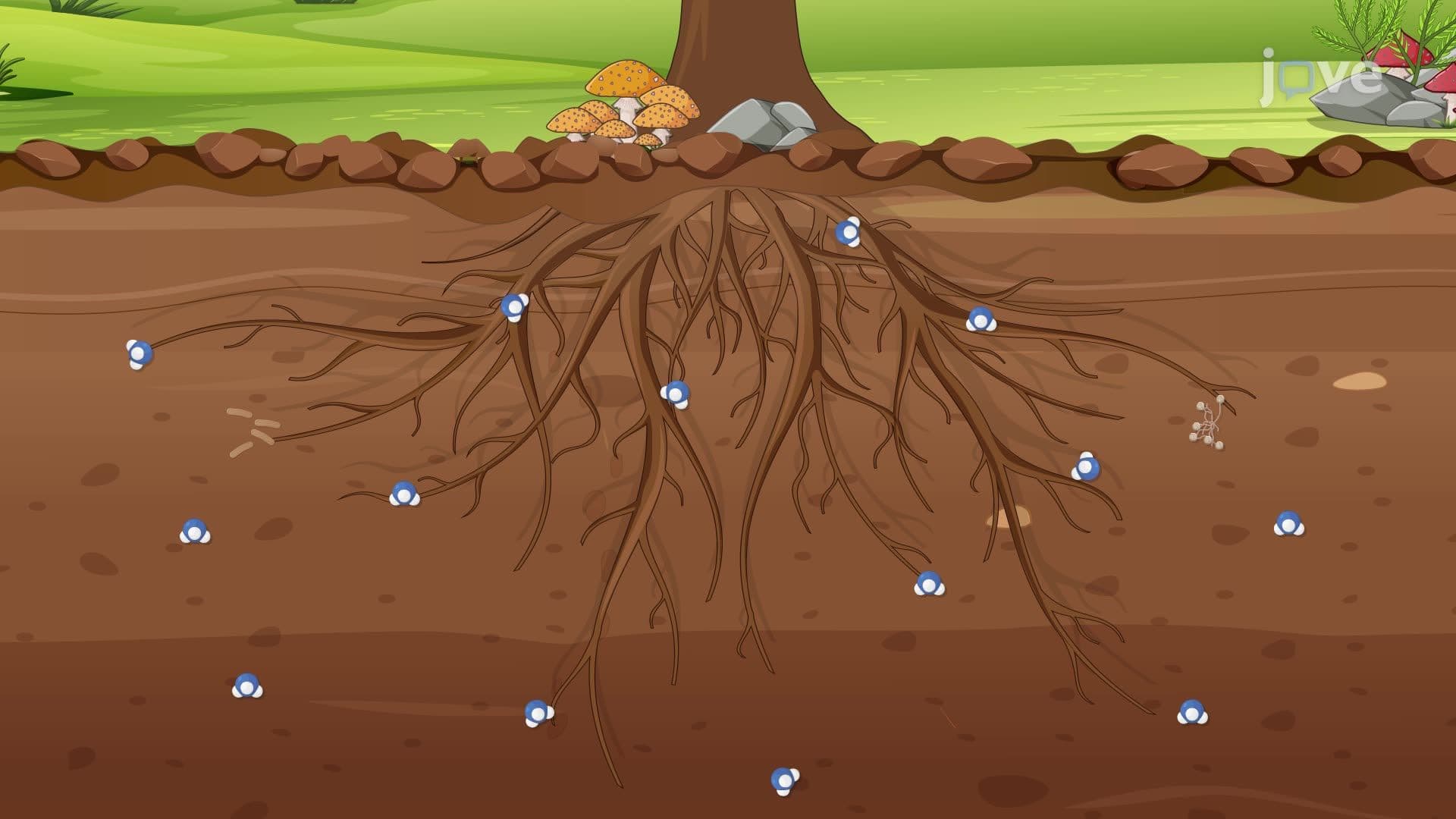
Ever wonder how a single bacterial cell can multiply into billions within hours? Biosynthesis in bacteria powers this incredible feat by creating all the essential building blocks of life from simple starting materials. Consider *E. coli* bacteria in your intestine-they continuously manufacture proteins, DNA, and cell walls using precursor molecules like glucose and pyruvate. Understanding what is biosynthesis in bacteria reveals how these microscopic factories fuel growth, reproduction, and survival. Watch the full video on JoVE Coach to master this concept with expert-led visuals and step-by-step explanations.
Biosynthesis in bacteria represents one of nature's most efficient manufacturing systems. Unlike human cells with specialized organelles, bacteria accomplish all their biosynthetic work within a single cellular compartment, making them remarkably streamlined biological factories. This anabolic process transforms simple precursor molecules into complex macromolecules essential for bacterial survival, growth, and reproduction.
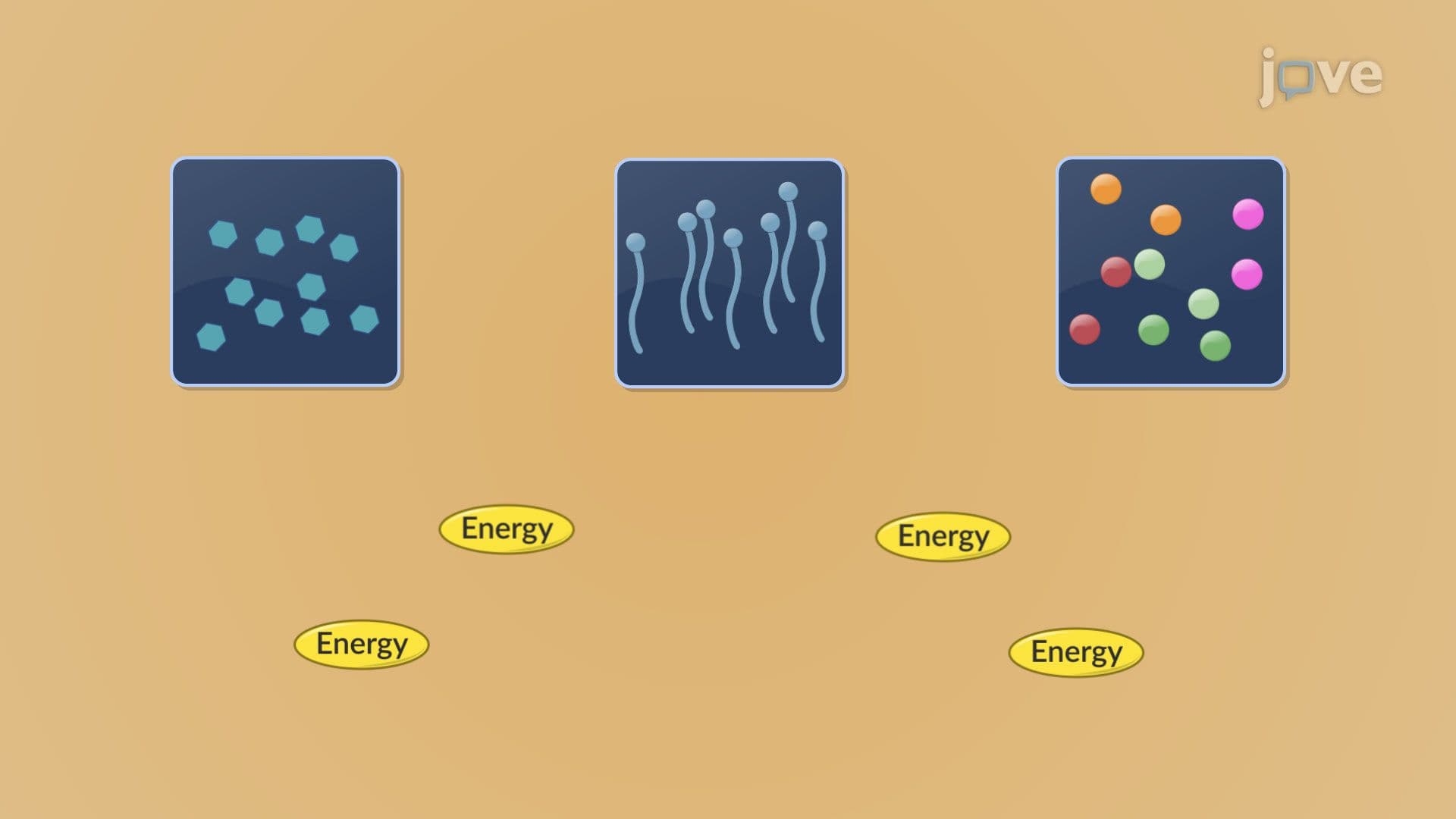
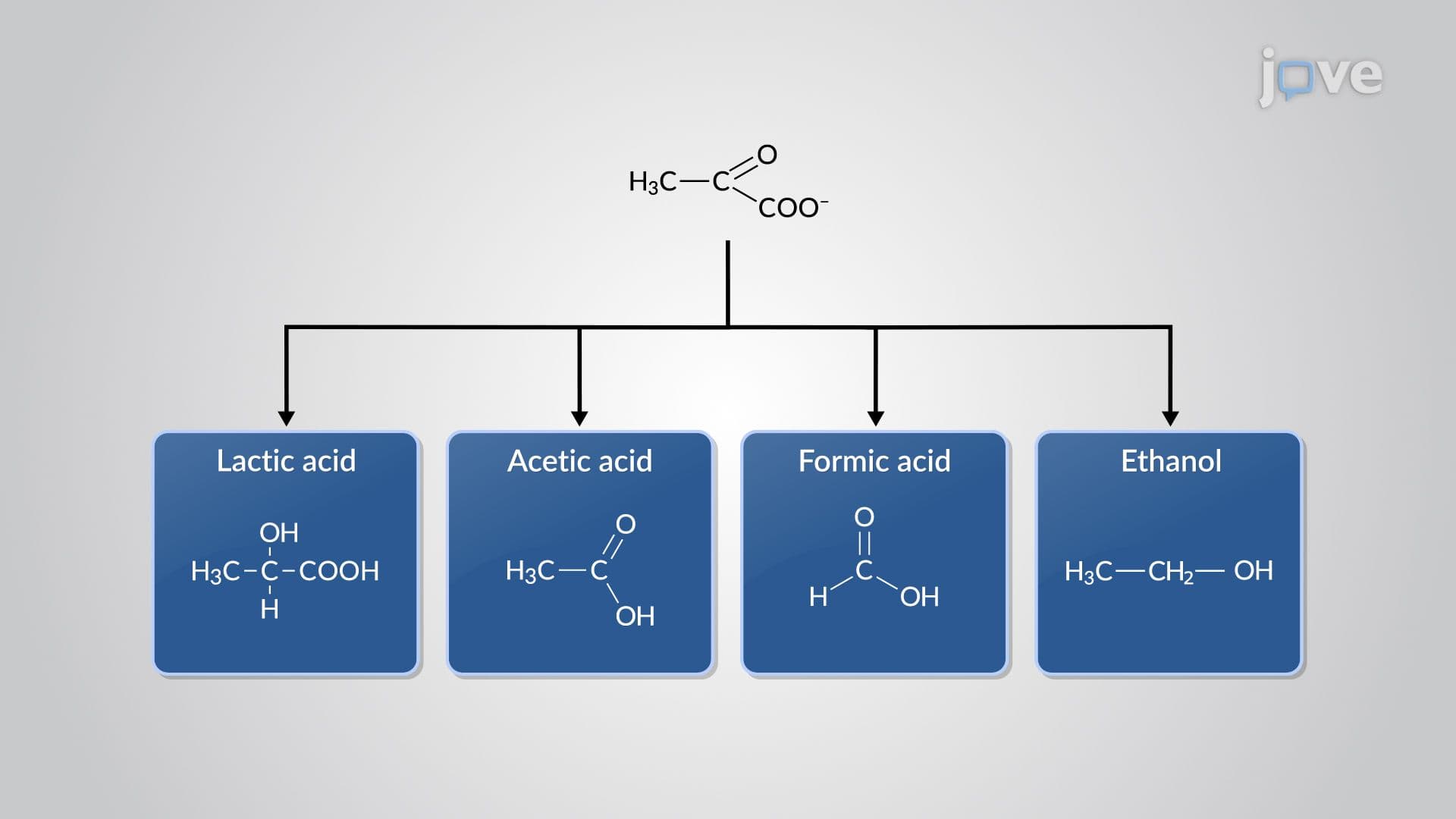
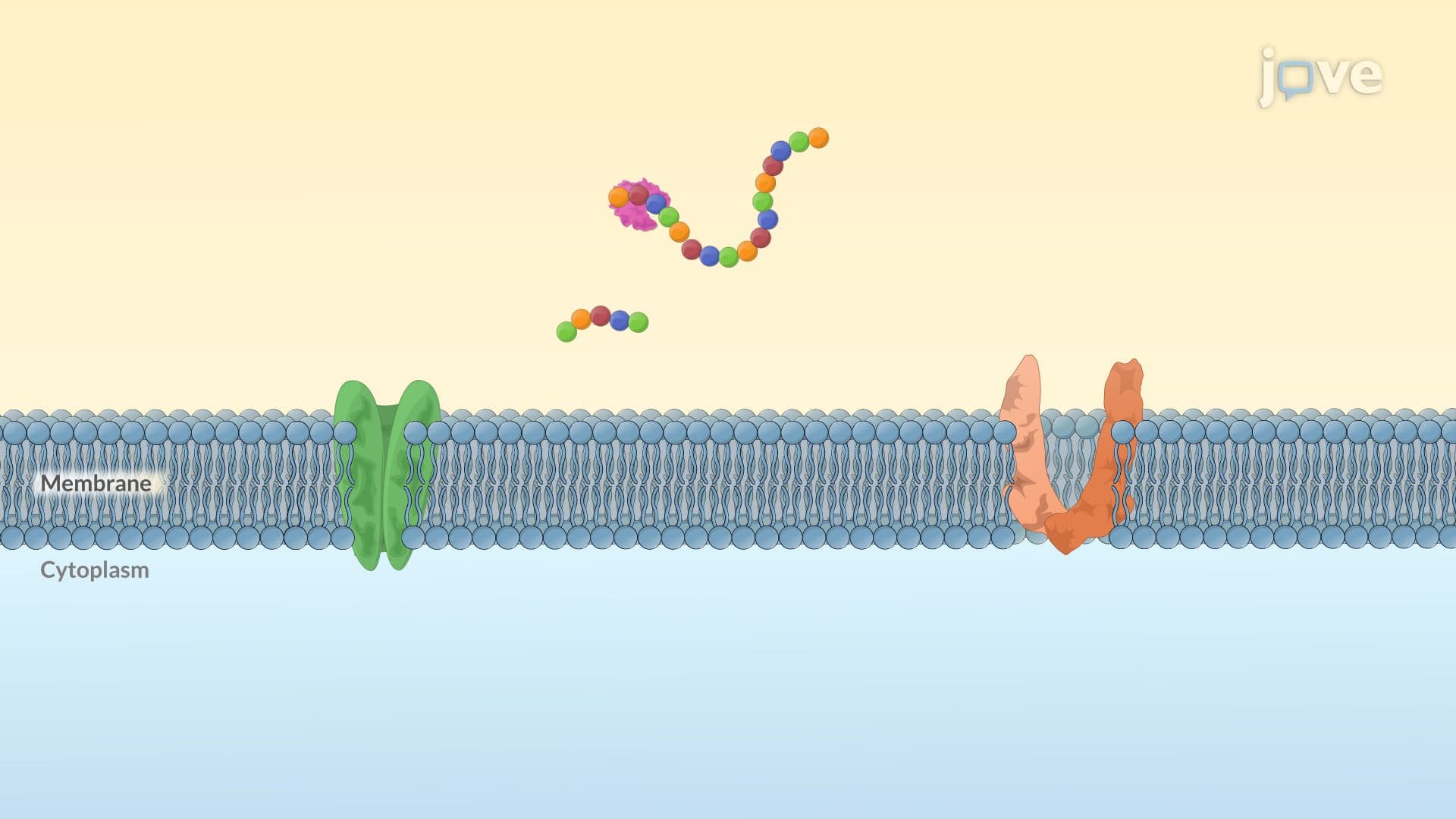
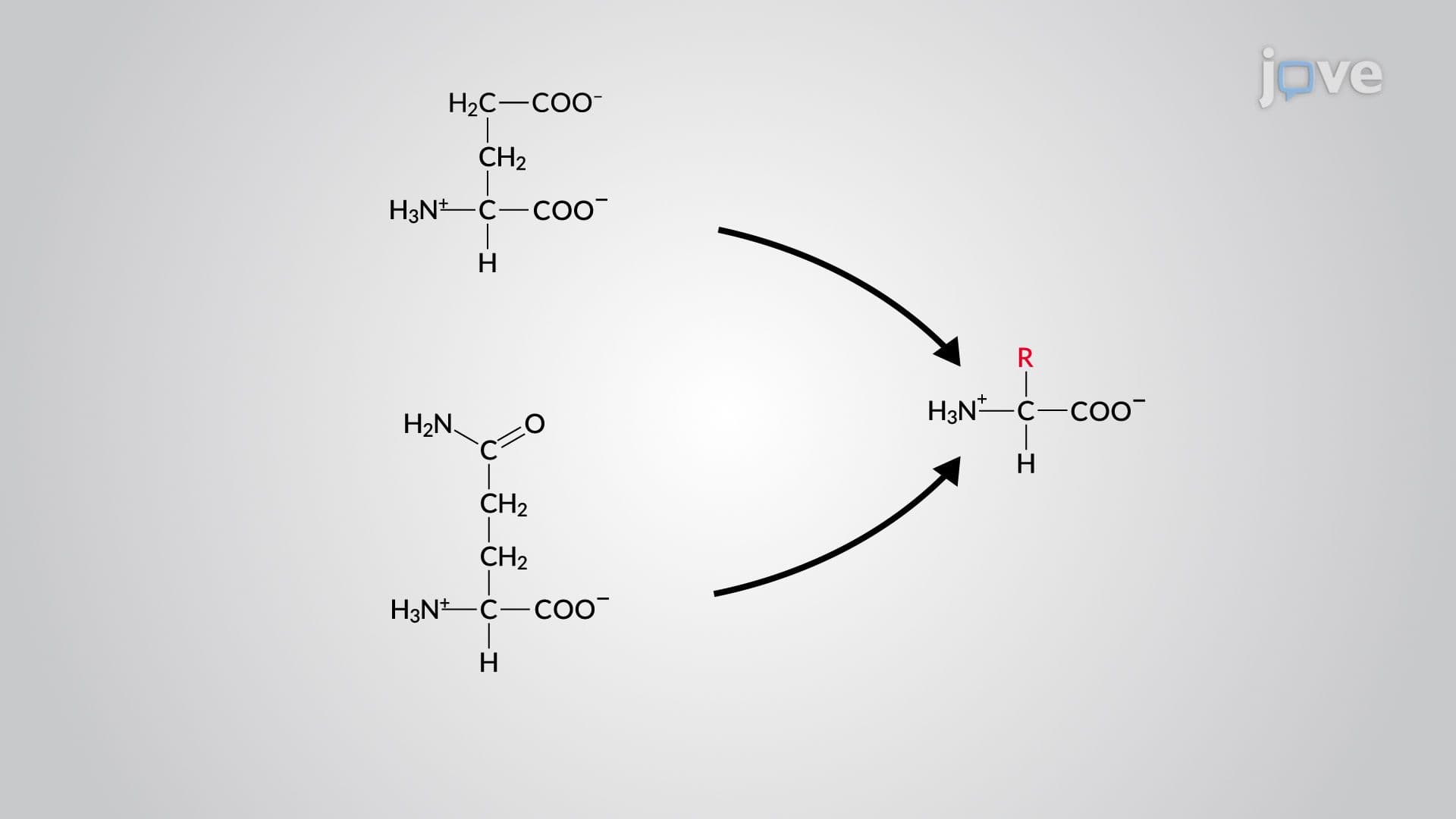
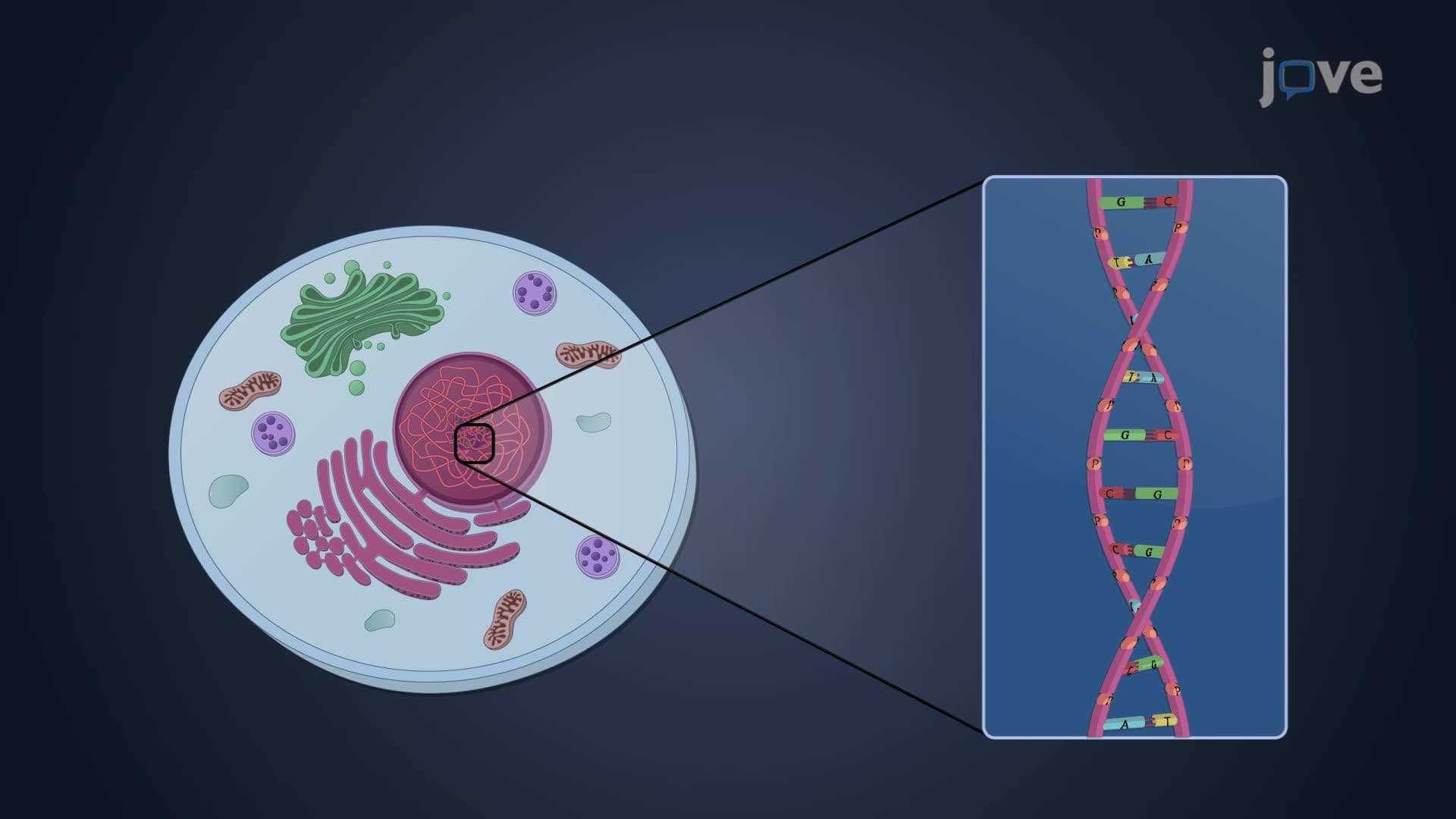
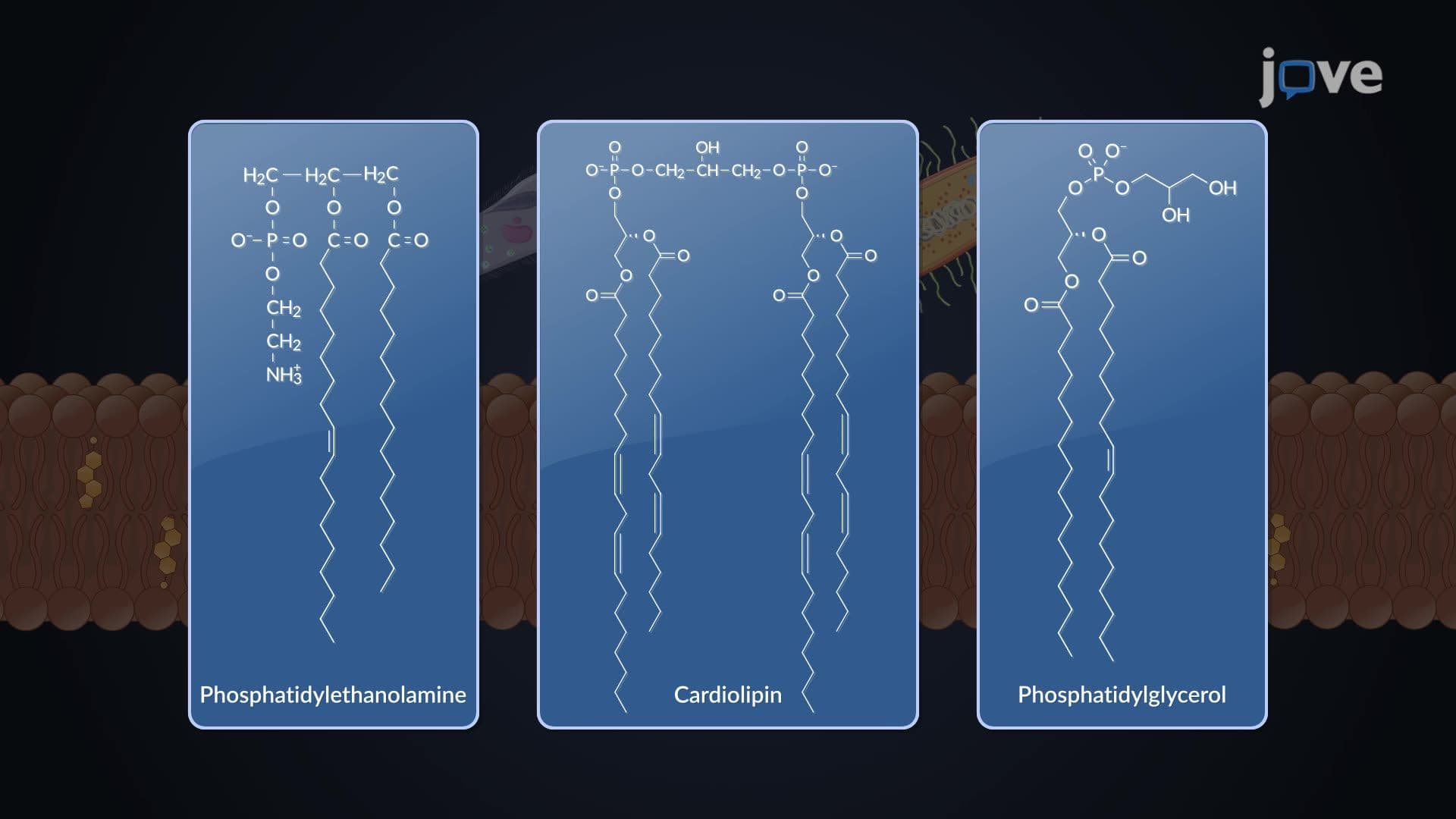
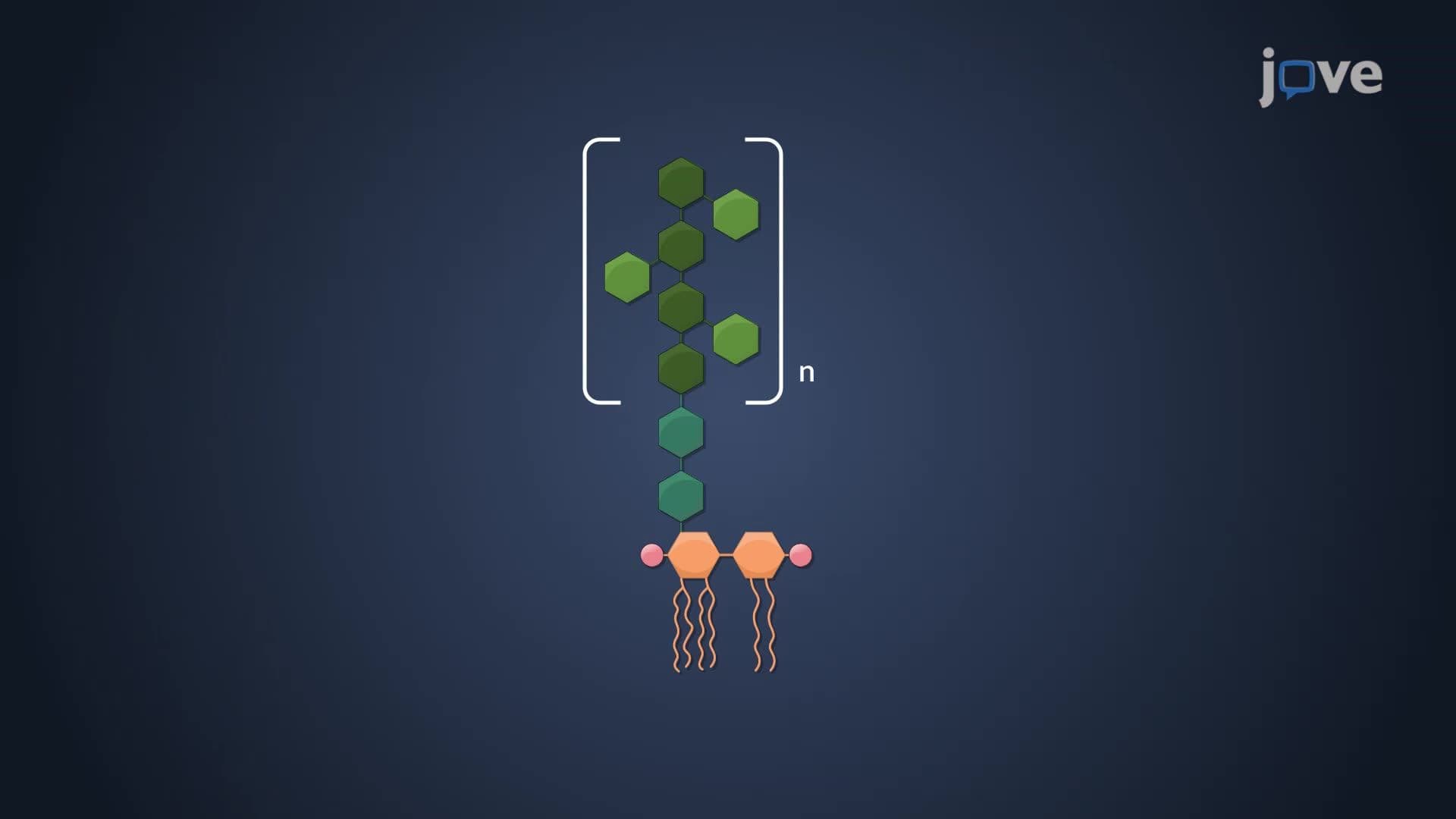
Bacterial biosynthesis focuses on creating four fundamental macromolecule types. Protein synthesis requires amino acids assembled from precursors like pyruvate and α-ketoglutarate. *Streptococcus* bacteria, responsible for strep throat, rapidly produce virulence proteins using this pathway. Nucleic acid biosynthesis creates DNA and RNA from nucleotides, enabling bacterial replication-critical when studying antibiotic resistance in hospital settings. Lipid synthesis generates fatty acids for cell membranes, while polysaccharide production creates structural components and energy storage molecules.
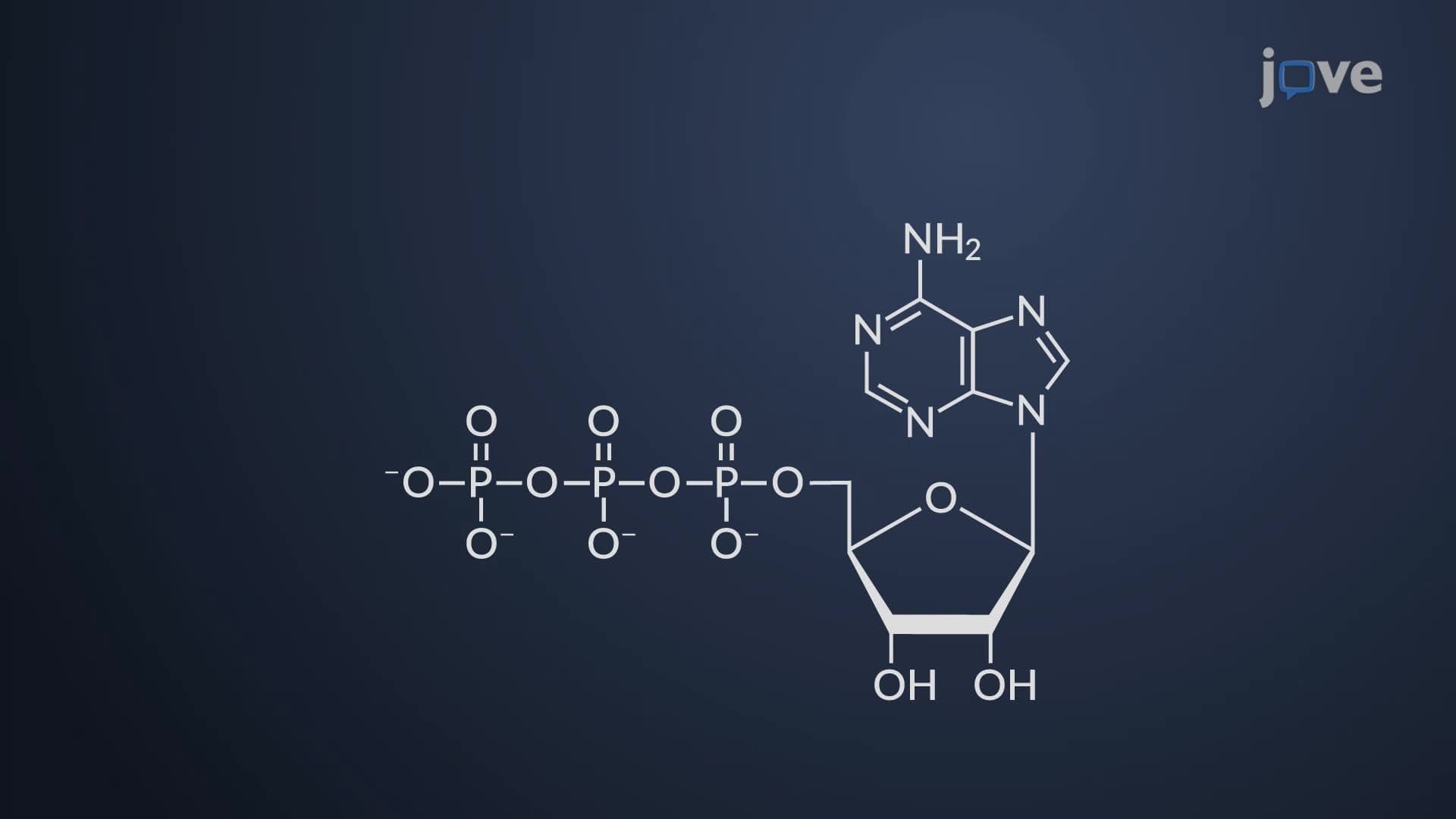
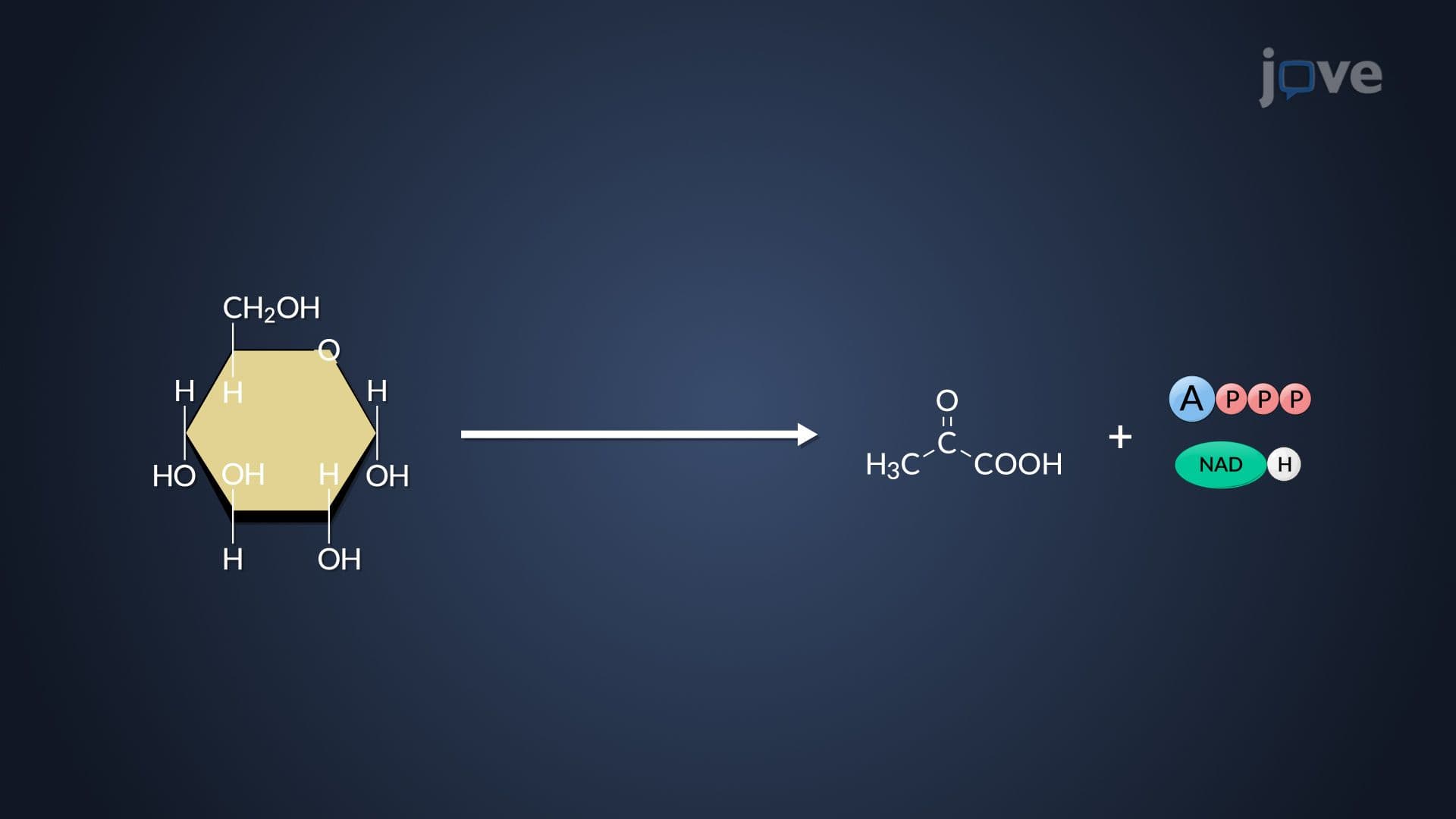
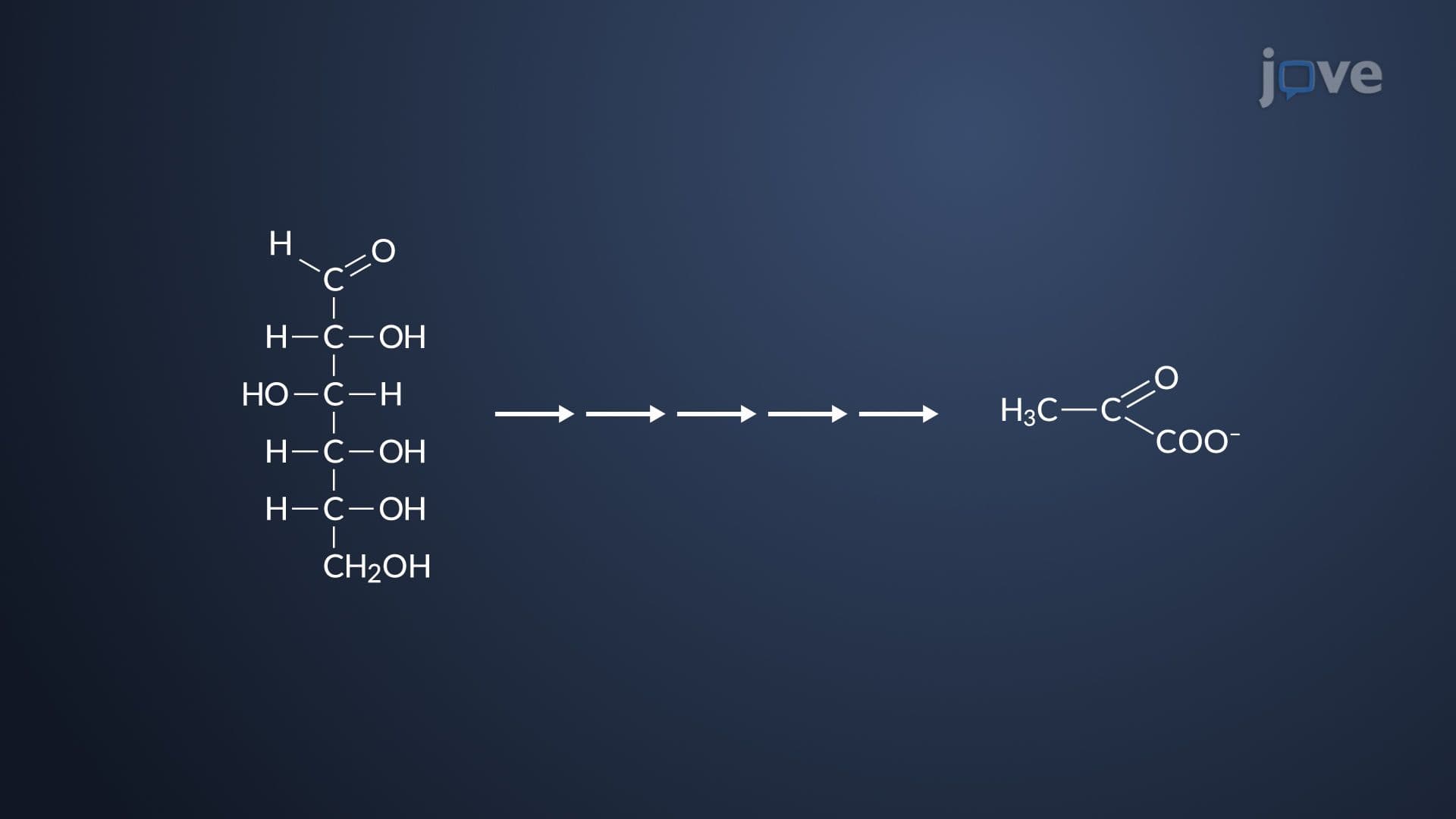
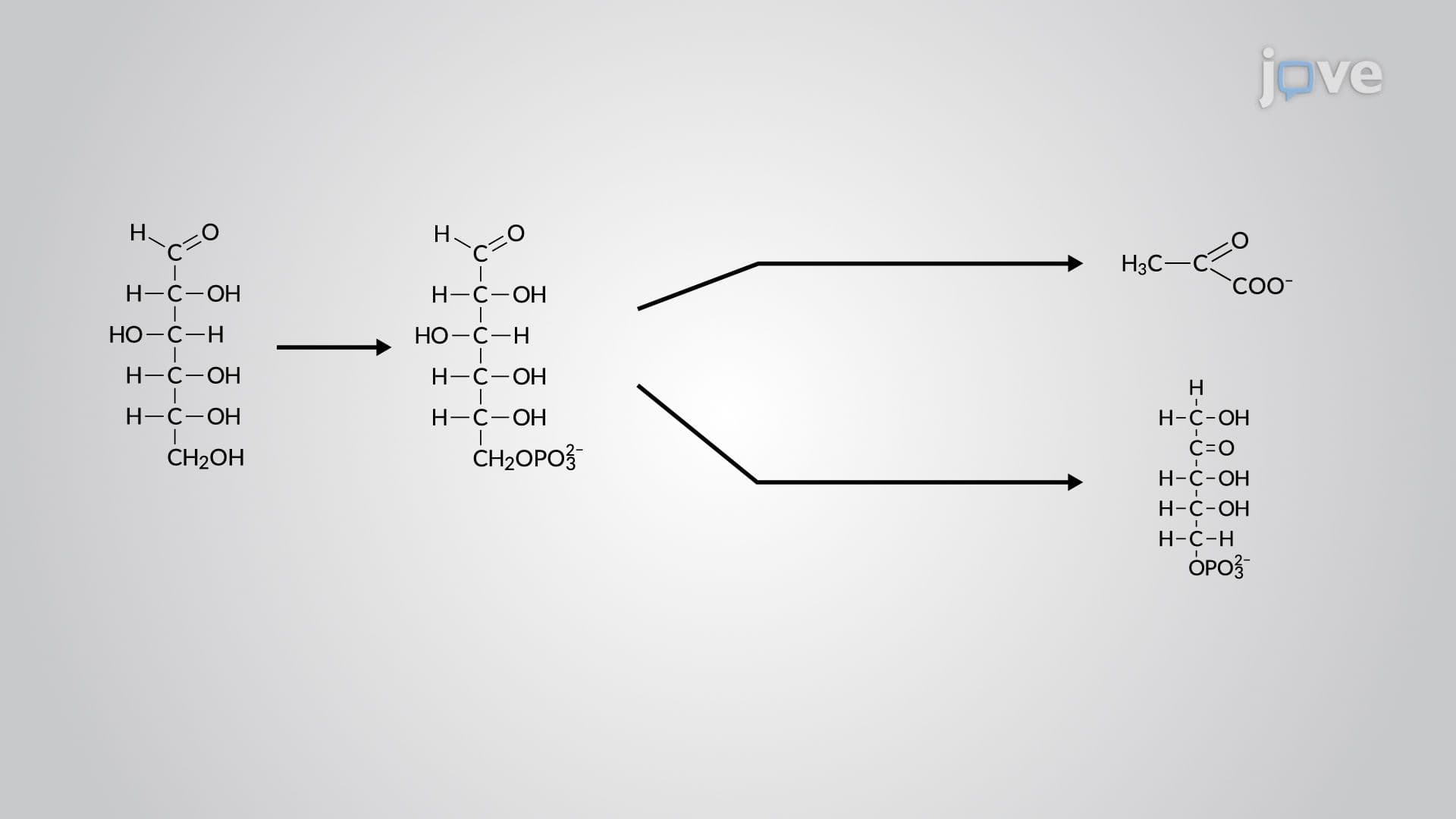
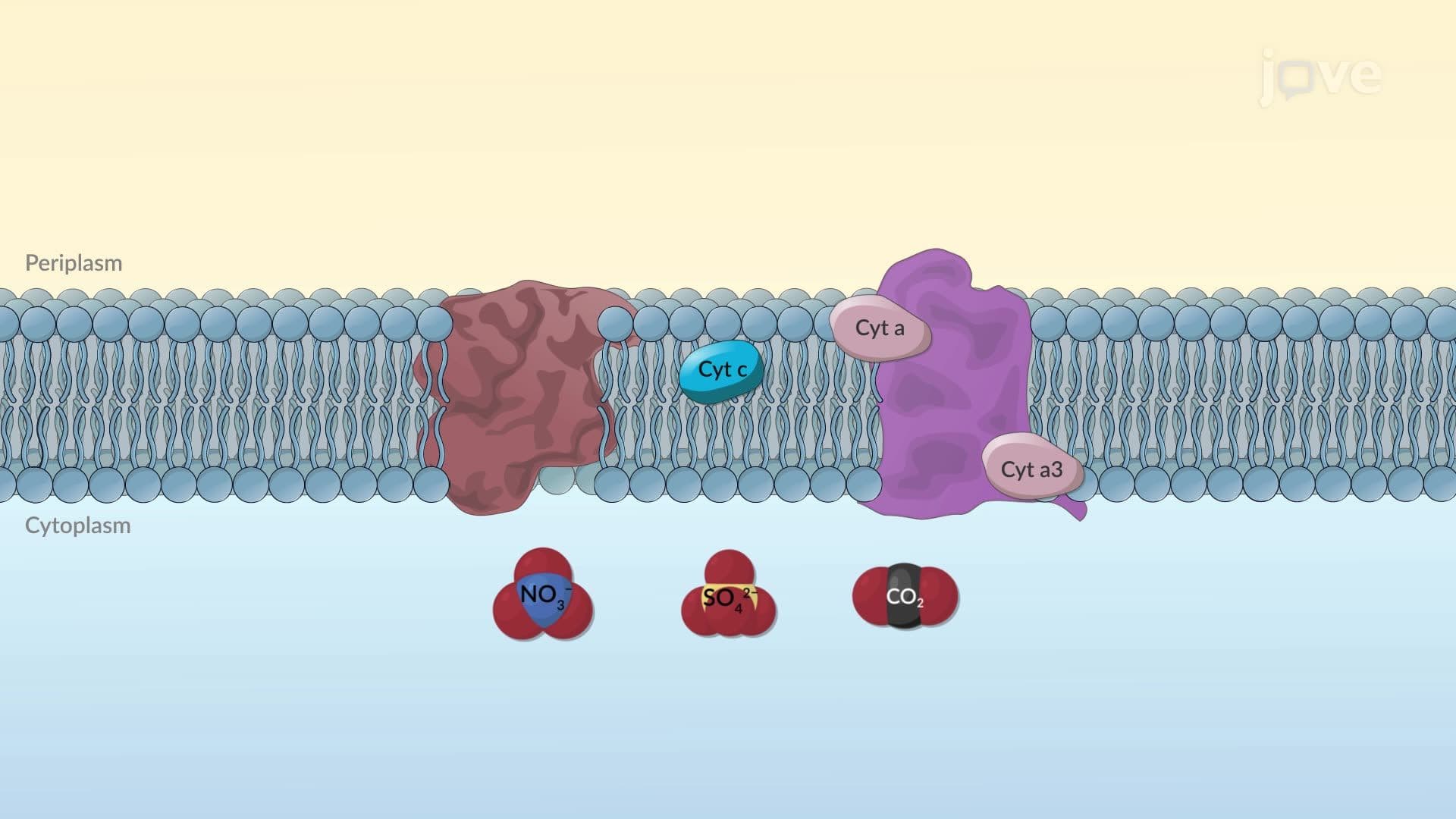
The biosynthesis bacteria overview reveals sophisticated energy management. ATP provides chemical energy for bond formation, while NADPH supplies reducing power for synthetic reactions. These energy carriers link biosynthesis directly to catabolic pathways-when bacteria break down glucose through glycolysis, they simultaneously generate precursors and energy for biosynthesis. This integration appears frequently on AP Biology exams, particularly in questions about metabolic efficiency and cellular energetics.
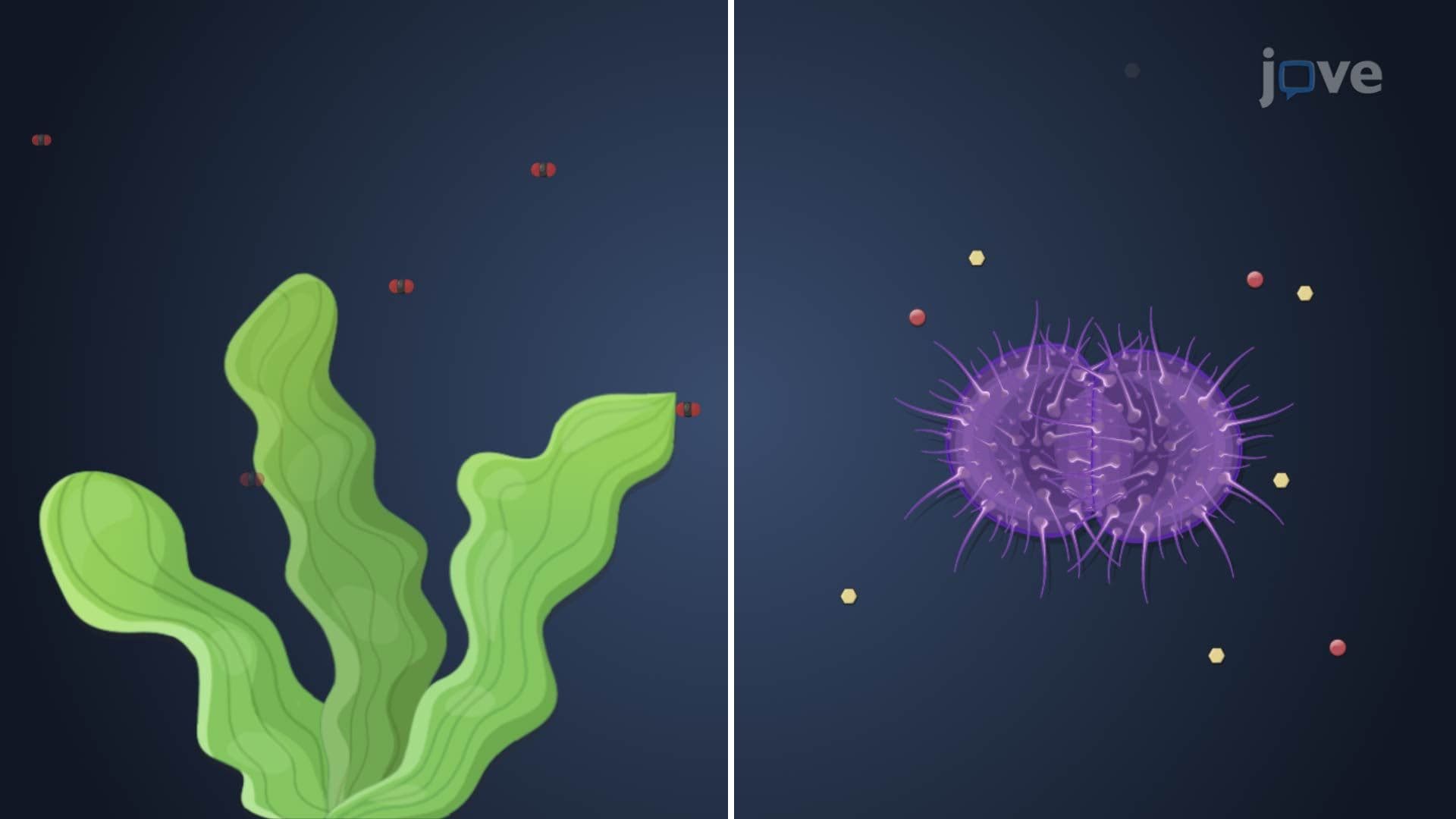
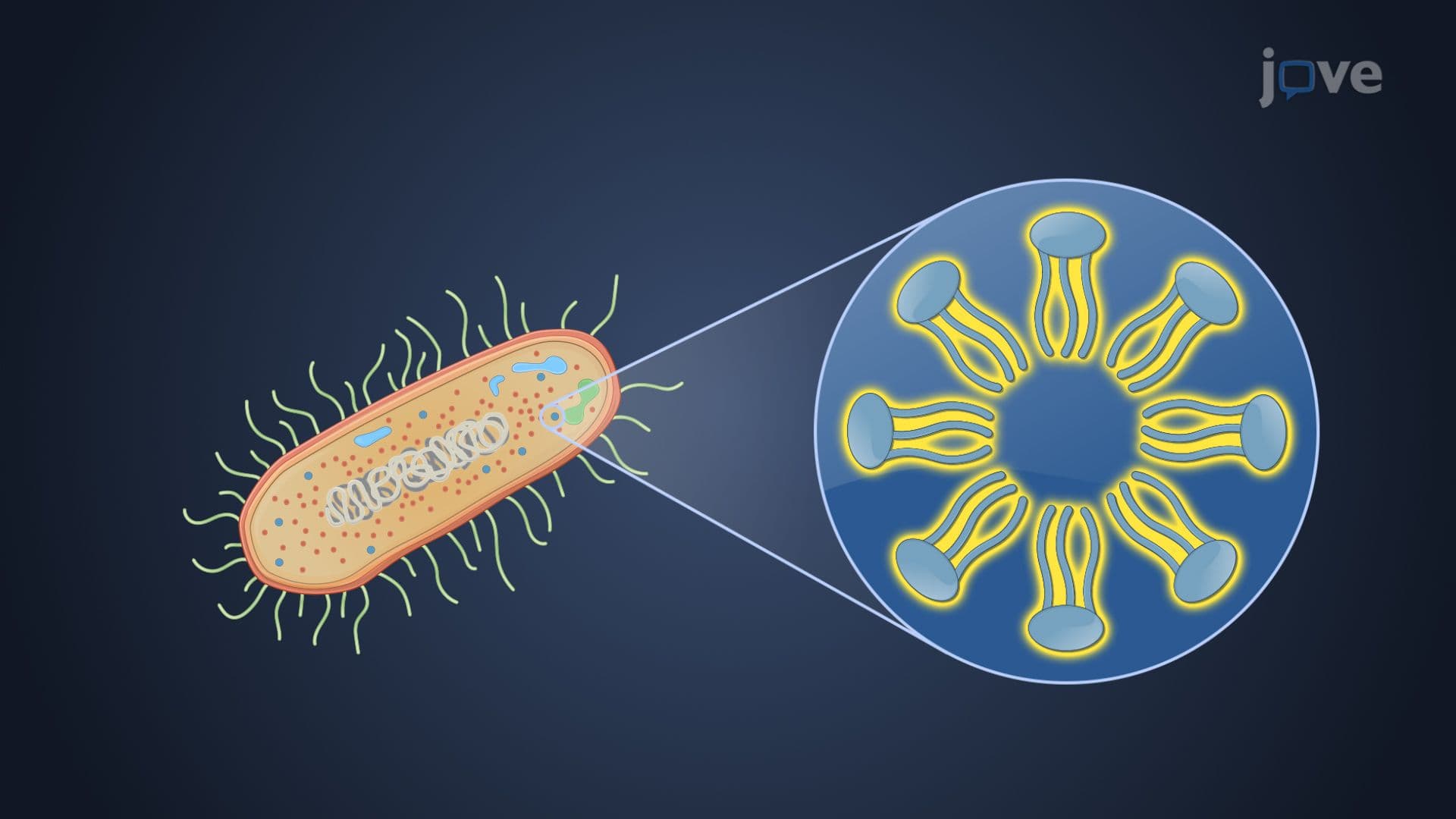
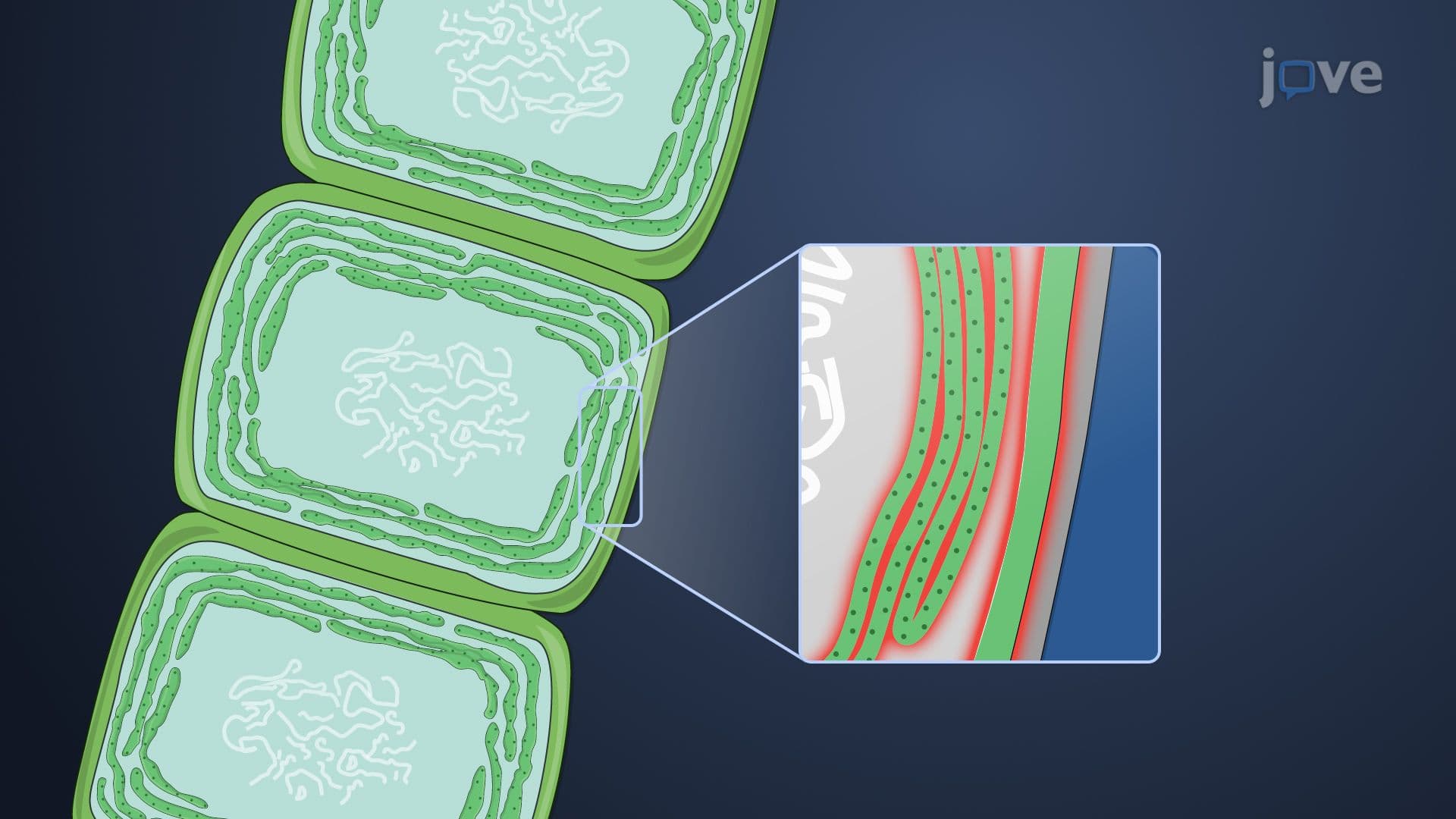
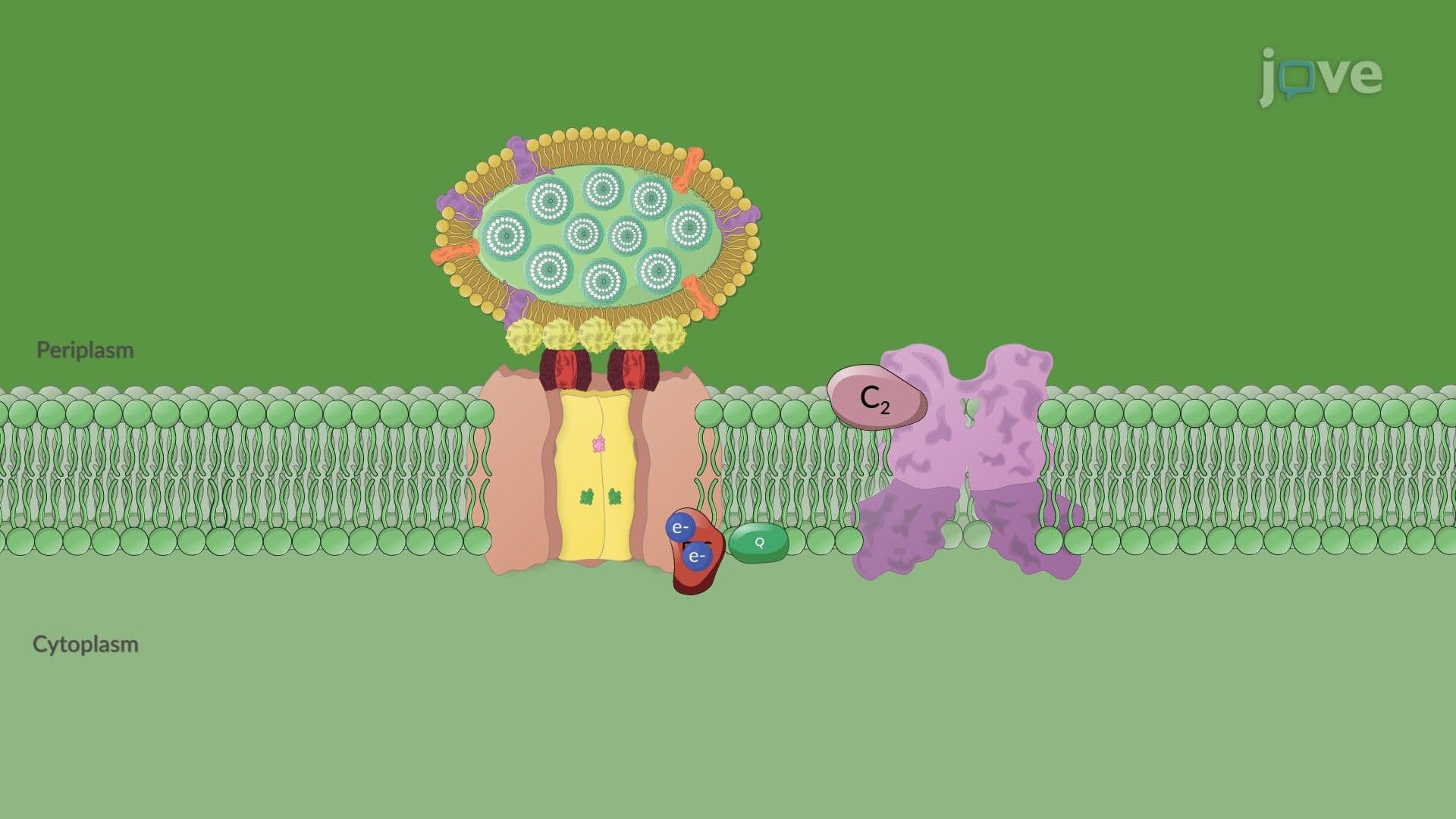
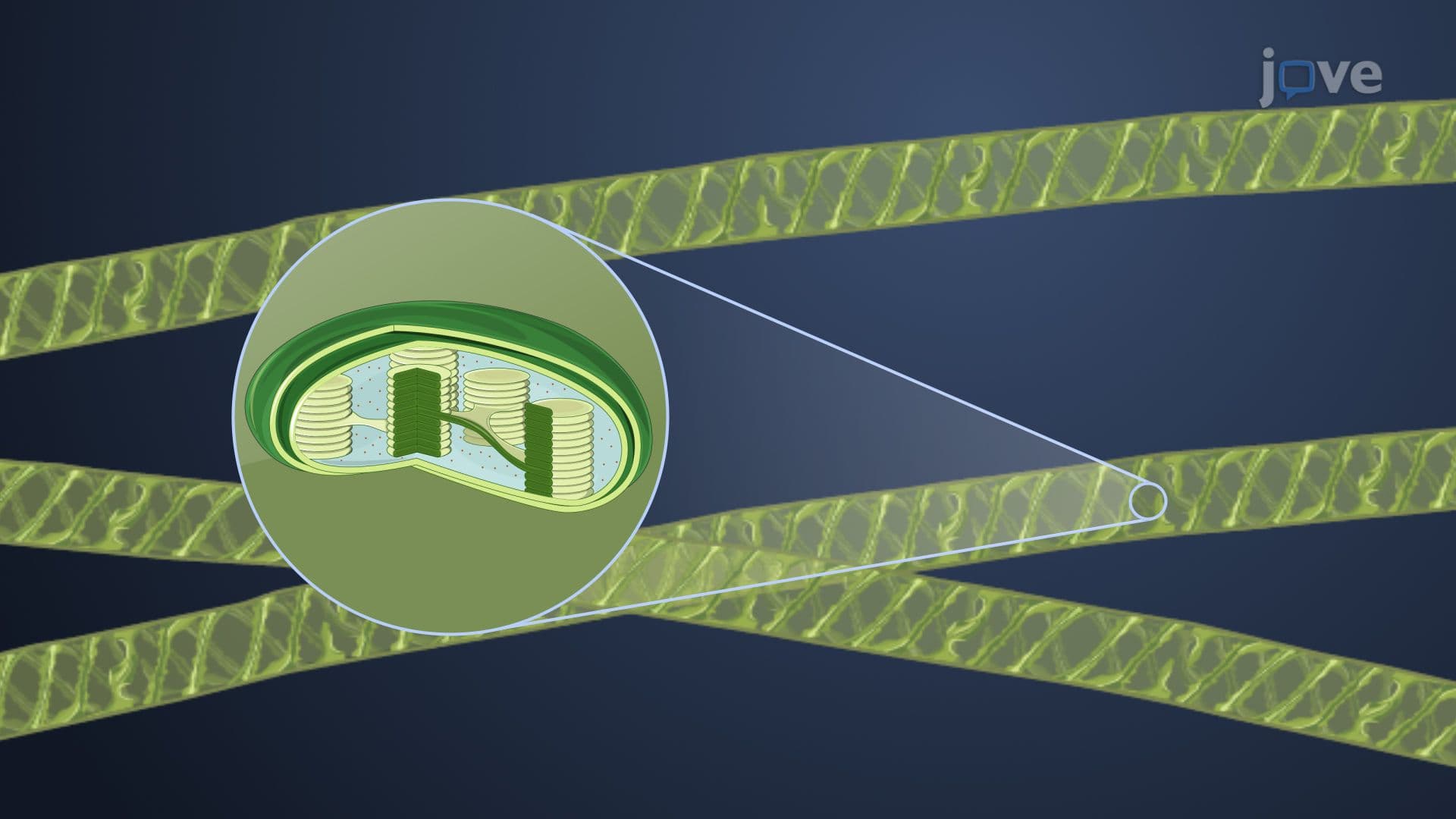
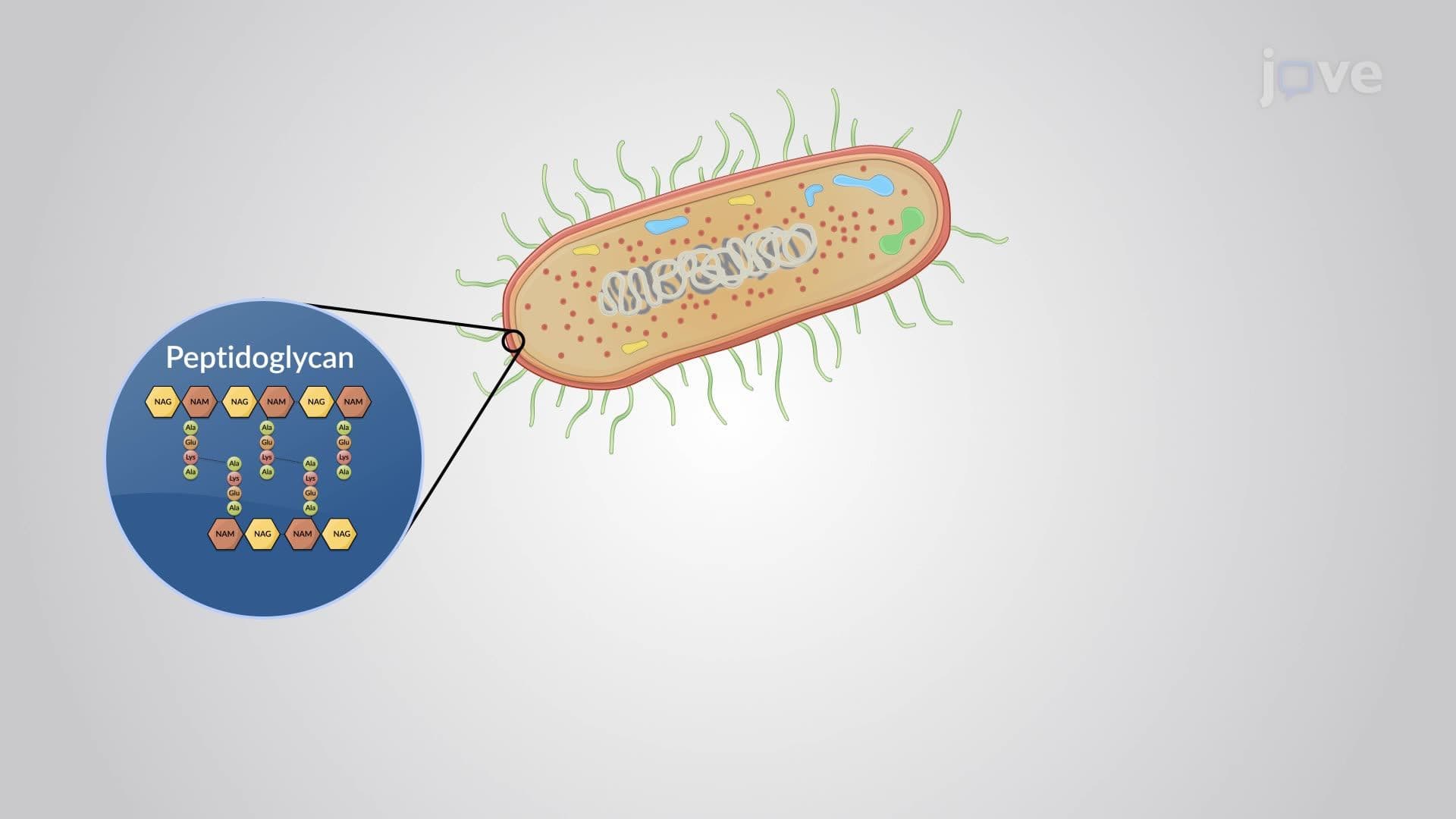
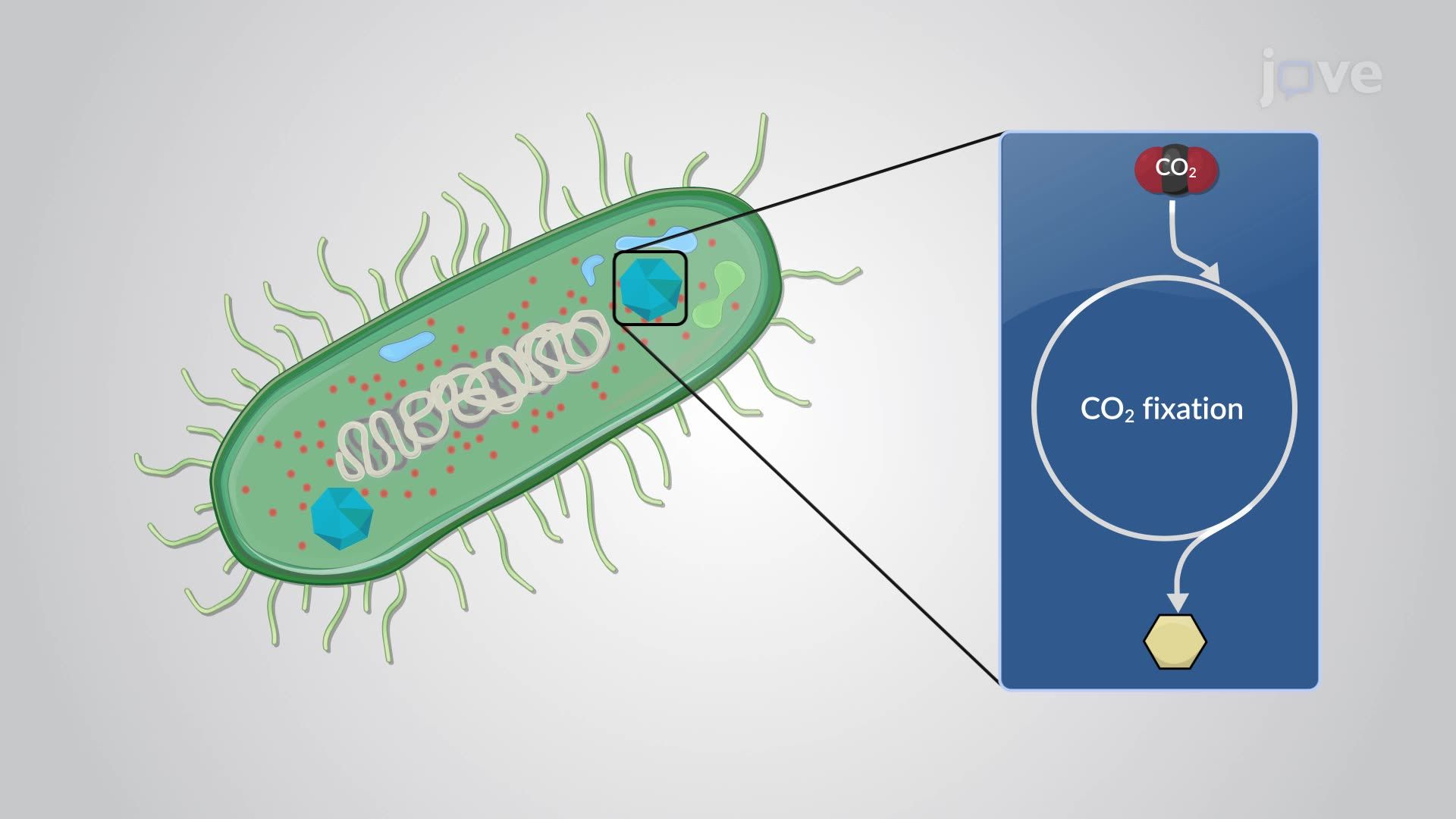
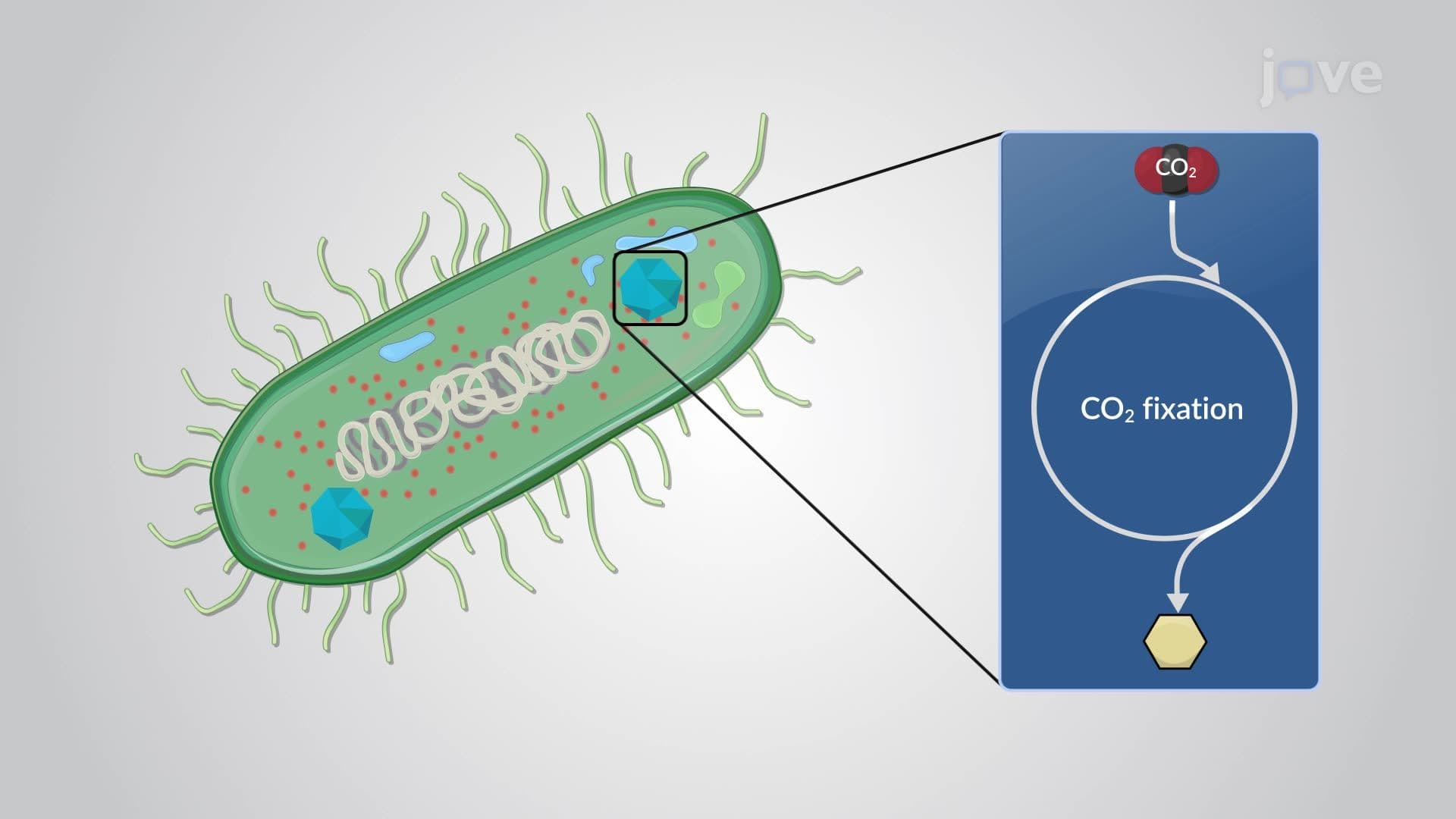
Bacterial biosynthesis regulation represents a prime target for antibiotics. Penicillin disrupts cell wall biosynthesis, while streptomycin interferes with protein synthesis. Understanding these pathways proves essential for pre-med students tackling MCAT biochemistry sections. Many enzymes serve dual roles in both anabolic and catabolic processes, but irreversible steps require separate enzymes for independent control-a concept frequently tested in college biochemistry courses. Specialized structures like carboxysomes in cyanobacteria demonstrate how even simple bacterial cells can compartmentalize specific biosynthetic functions, optimizing carbon dioxide fixation while maintaining overall cellular efficiency.
Related Micro-courses