Loading subject page…
- Microbiology
- Microbial Metabolism
- Carbohydrate Catabolism
Micro-course: Microbial Metabolism
13,271 views
Learn key concepts and earn your certificate.


Carbohydrate Catabolism

00:00
01:30
Video Summary: What Is Carbohydrate Catabolism
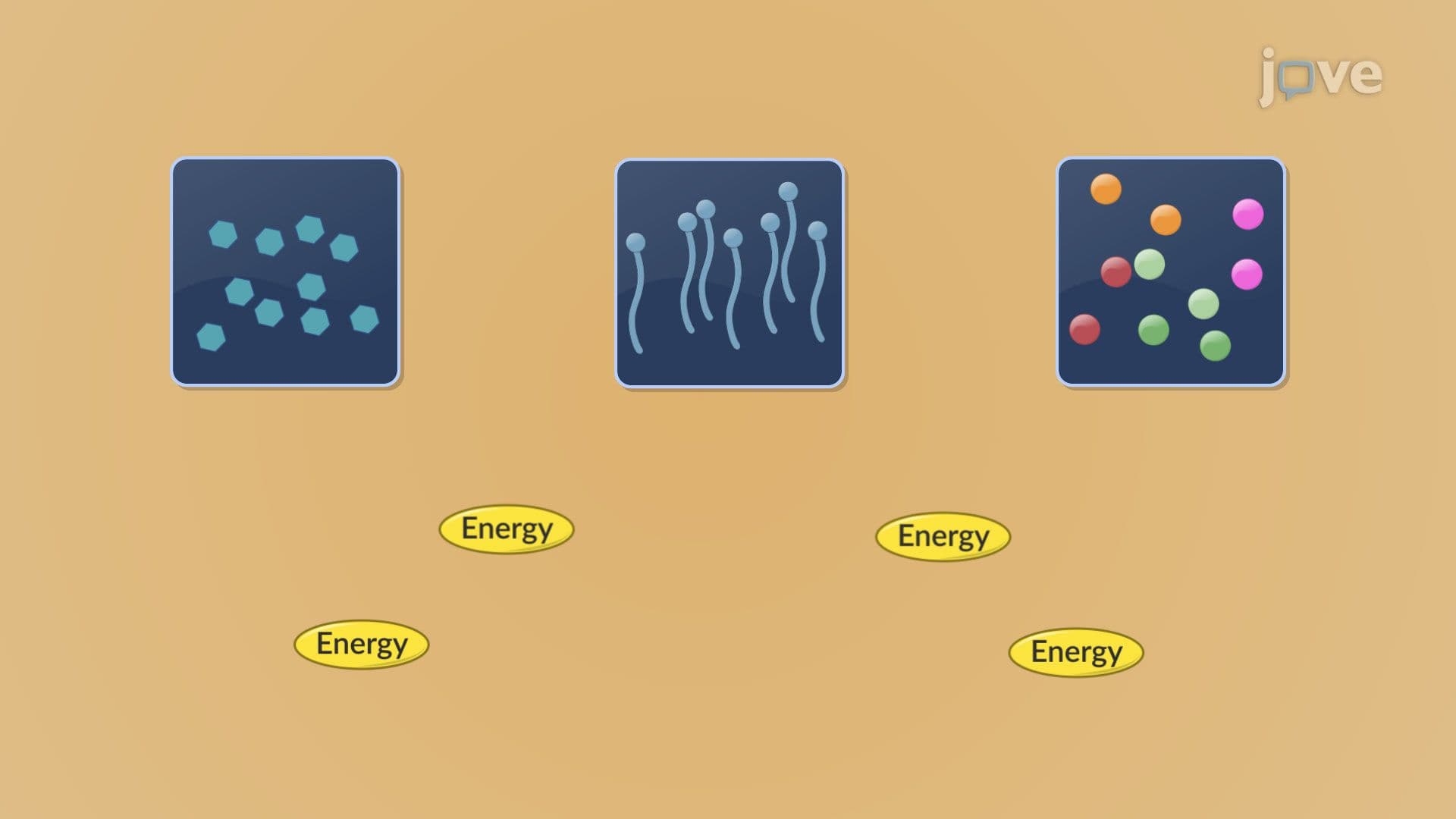
Did you know that a single glucose molecule can fuel your brain cells for several minutes through carbohydrate catabolism? This fundamental biochemical process breaks down carbohydrates to release energy that powers everything from muscle contractions during a basketball game to the neural activity required for solving calculus problems. Carbohydrate catabolism encompasses multiple pathways including glycolysis, cellular respiration, and fermentation, each optimized for different cellular conditions and energy demands. Watch the full video on JoVE Coach to master this concept with expert-led visuals and step-by-step explanations.
- Understand what is carbohydrate catabolism and its essential role in cellular energy production across all living organisms
- Identify the key stages of glucose breakdown including glycolysis, Krebs cycle, and electron transport chain
- Compare aerobic respiration and fermentation pathways, analyzing when cells use each process
- Analyze the ATP yield differences between complete glucose oxidation (36-38 ATP) and fermentation (2 ATP)
- Evaluate the role of oxygen availability in determining metabolic pathway selection
- Apply knowledge of NADH and FADH2 function in the electron transport chain and oxidative phosphorylation
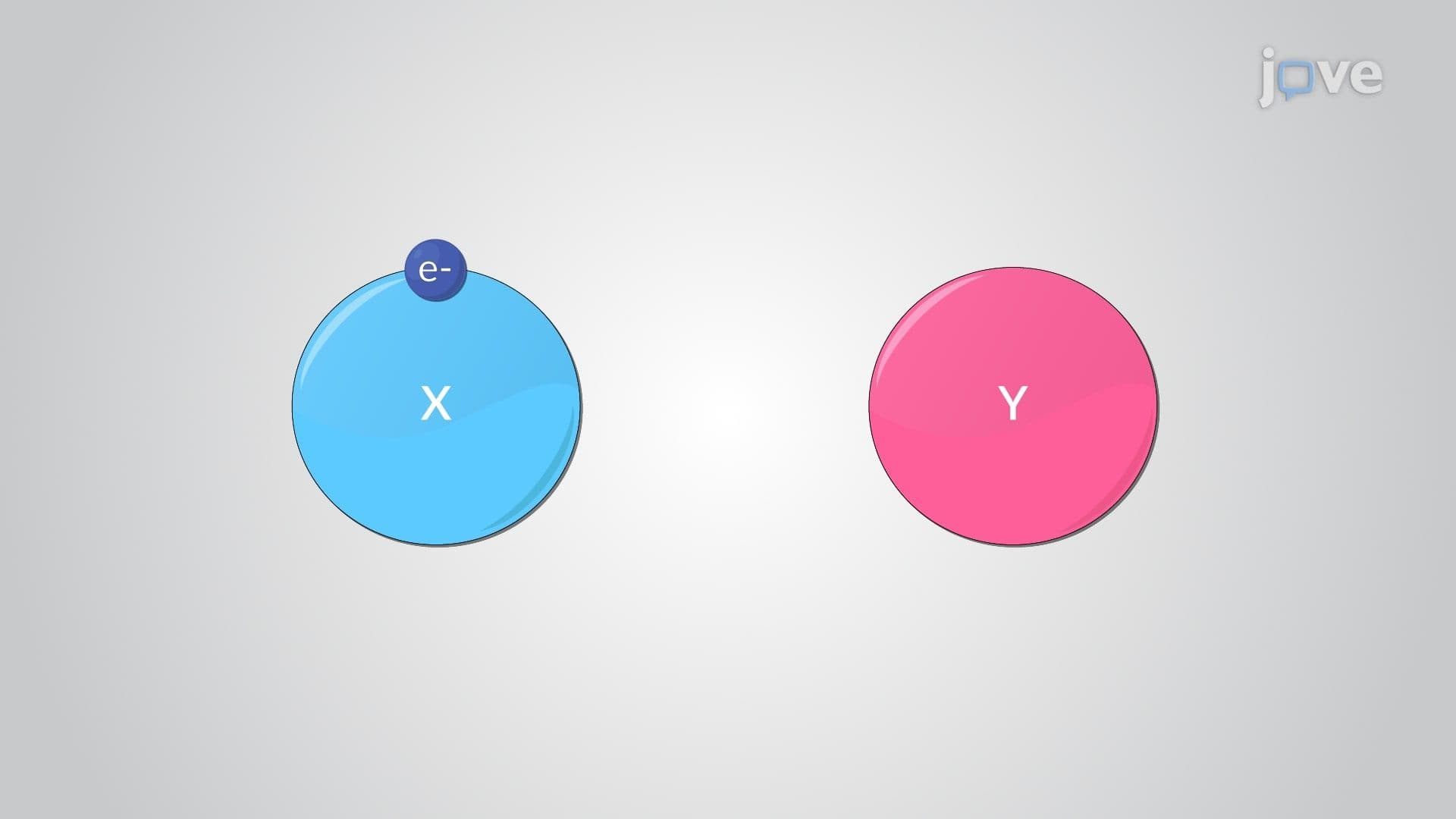
- Recognize the importance of different electron acceptors in aerobic versus anaerobic respiration
- Explore real-world applications of fermentation in food production and industrial processes
Understanding Carbohydrate Catabolism Fundamentals
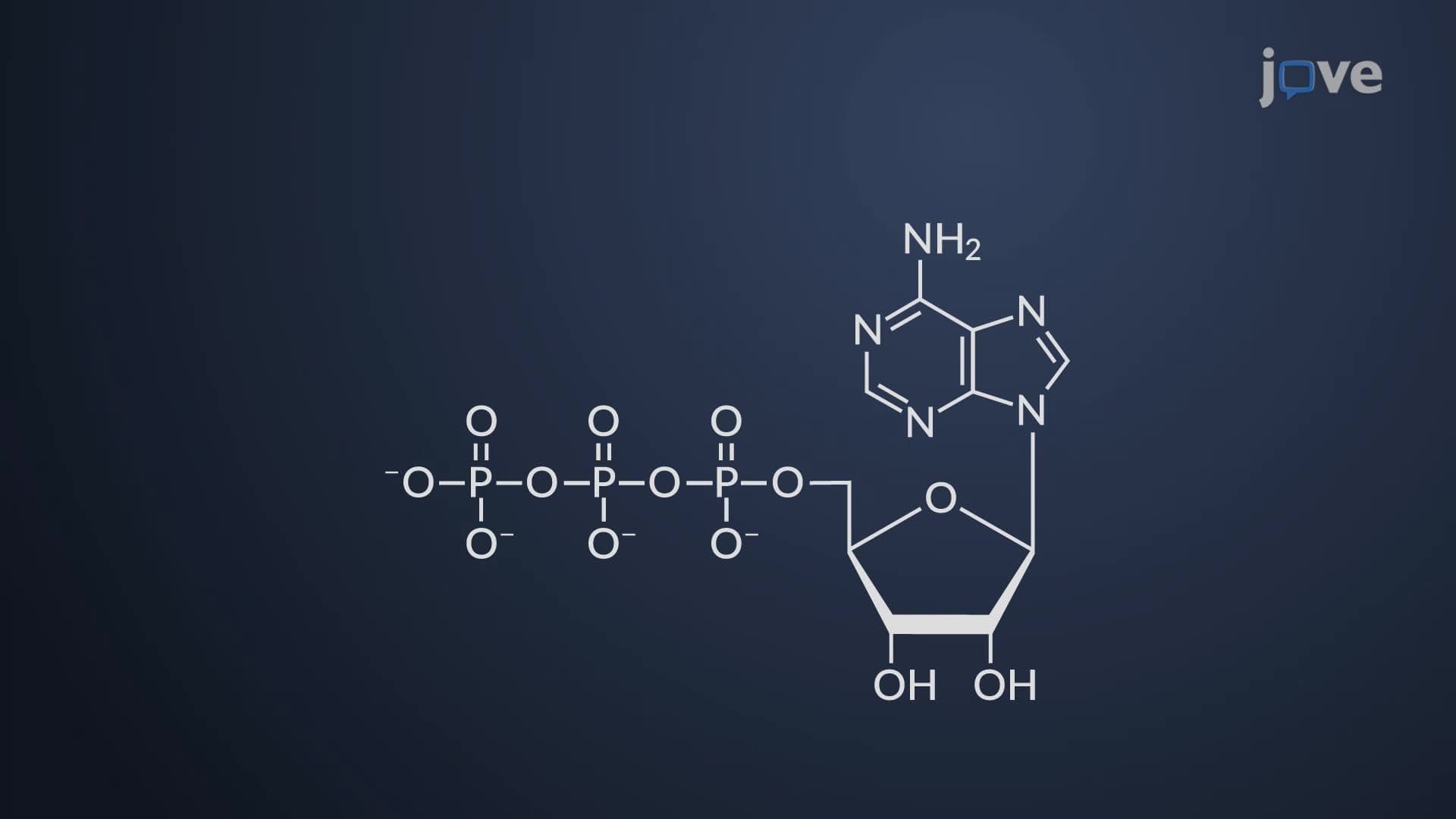
Carbohydrate catabolism represents one of biology's most elegant energy conversion systems, transforming the chemical bonds in glucose into the universal cellular currency: ATP. This process is essential for every cell in your body, from the neurons processing information as you read this to the cardiac muscle cells maintaining your heartbeat. At its core, carbohydrate catabolism involves the systematic breakdown of glucose through enzyme-catalyzed reactions that capture energy in usable forms.
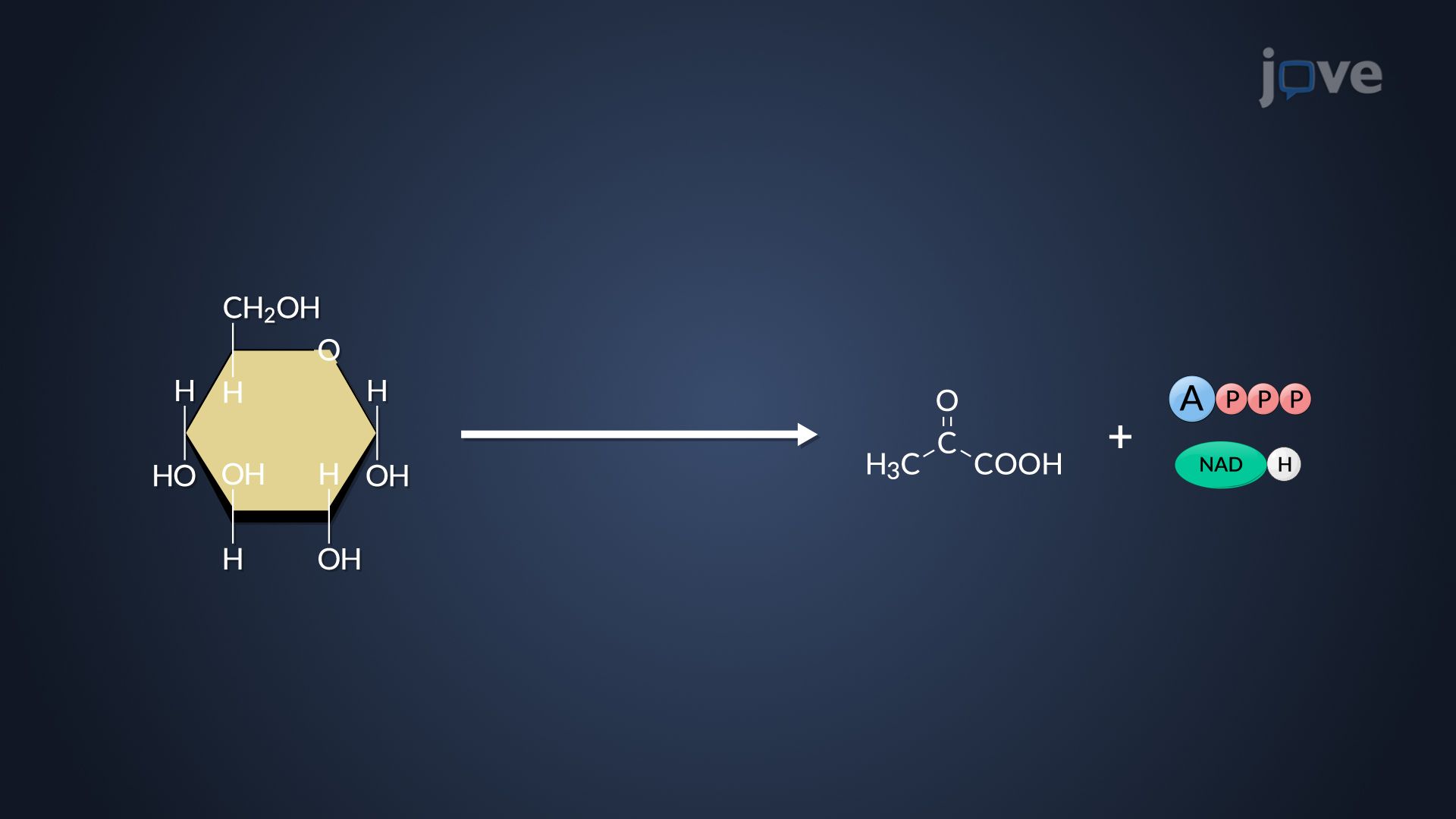
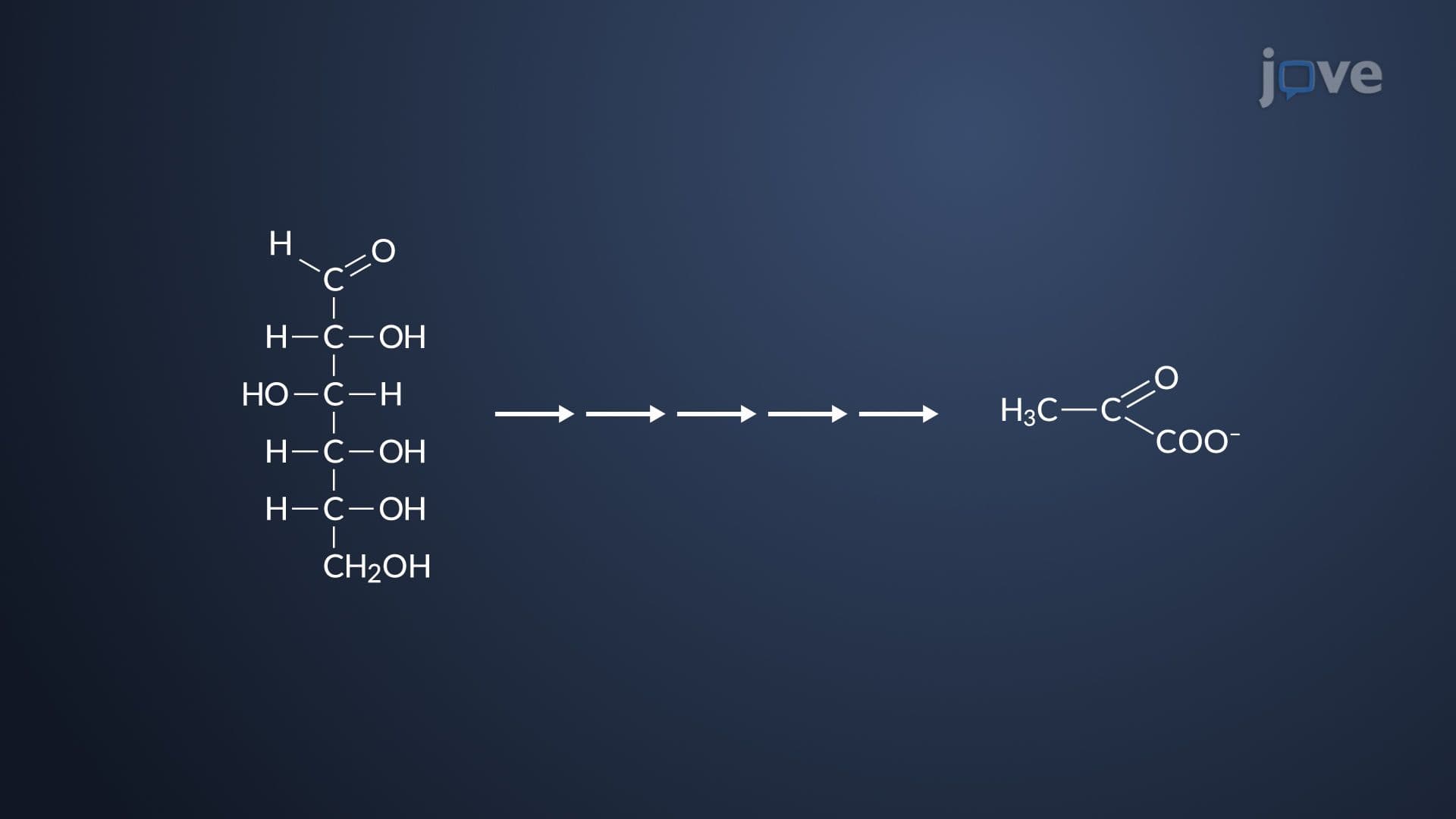
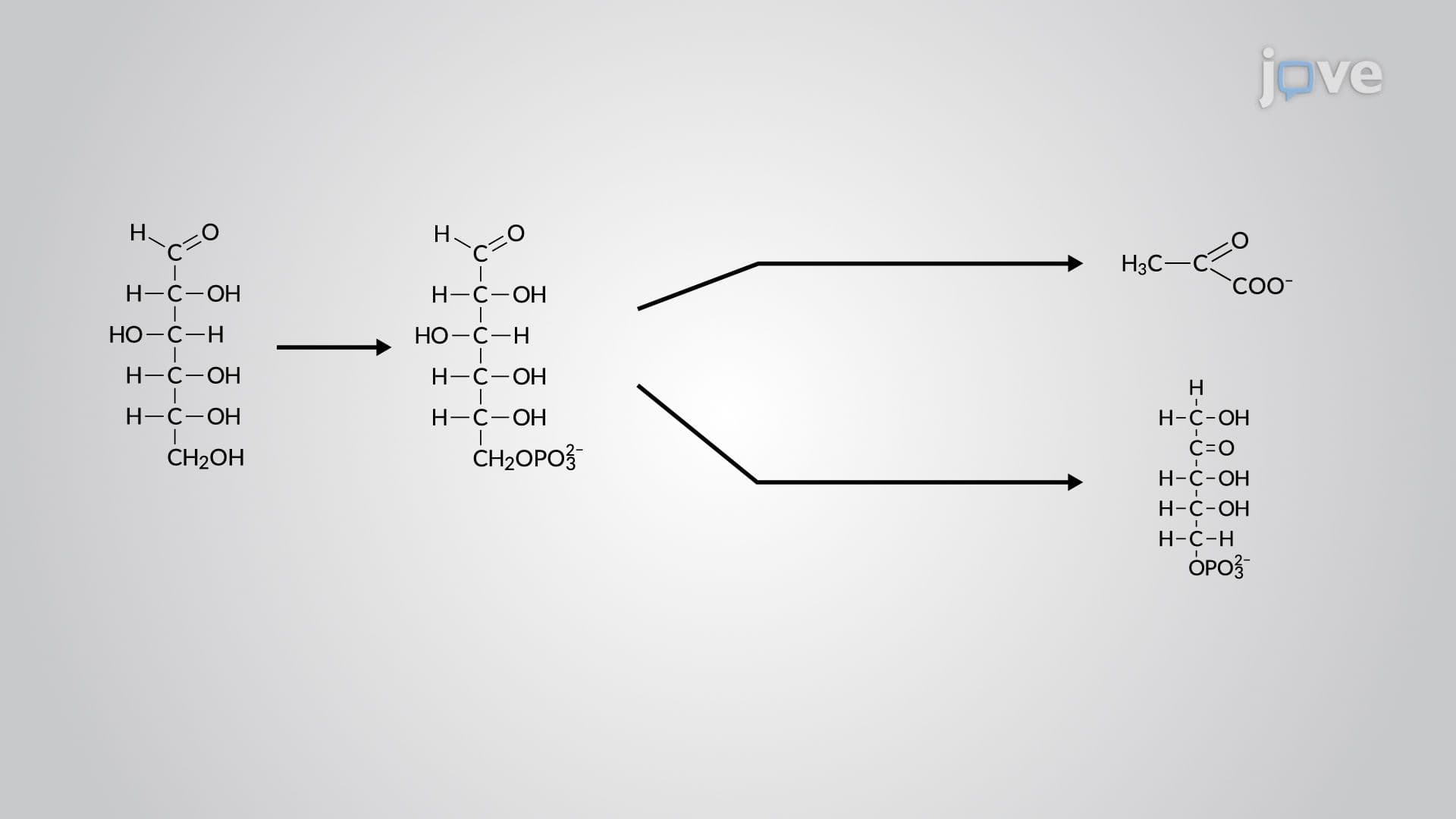
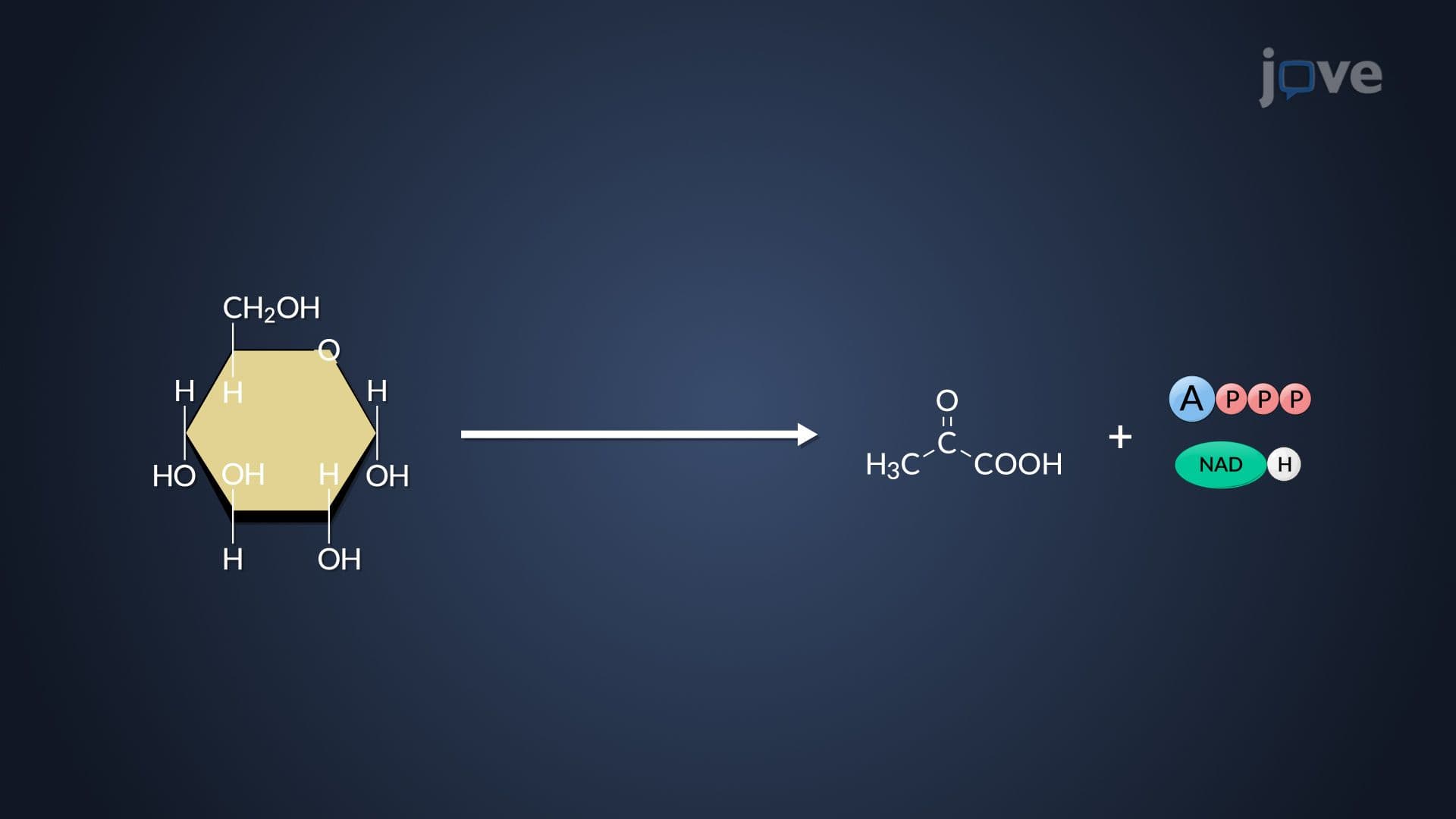
The process begins universally with glycolysis, a ten-step pathway occurring in the cytoplasm that doesn't require oxygen. During glycolysis, one glucose molecule undergoes phosphorylation, rearrangement, and oxidation to produce two pyruvate molecules, generating a net gain of 2 ATP and 2 NADH molecules. This ancient metabolic pathway likely evolved billions of years ago and remains virtually identical across all life forms, from bacteria to humans.
Aerobic Respiration: Maximum Energy Extraction
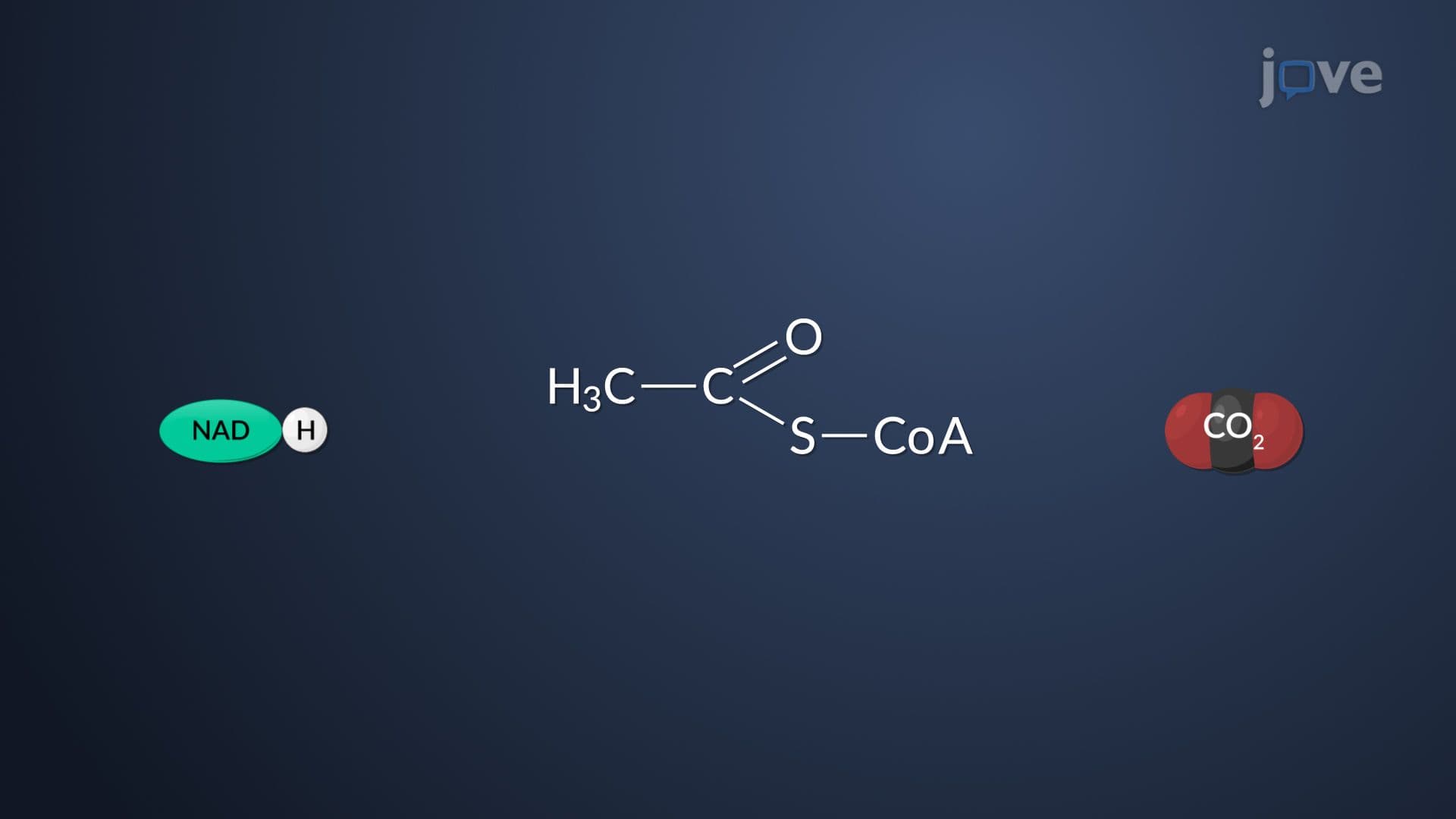
When oxygen is abundant, cells can extract maximum energy through aerobic respiration. Pyruvate molecules enter mitochondria where they undergo oxidative decarboxylation, forming acetyl-CoA that feeds into the Krebs cycle (also called the citric acid cycle). This cyclical process systematically removes electrons and hydrogen atoms from acetyl-CoA, producing CO2 as a waste product while generating NADH, FADH2, and additional ATP.
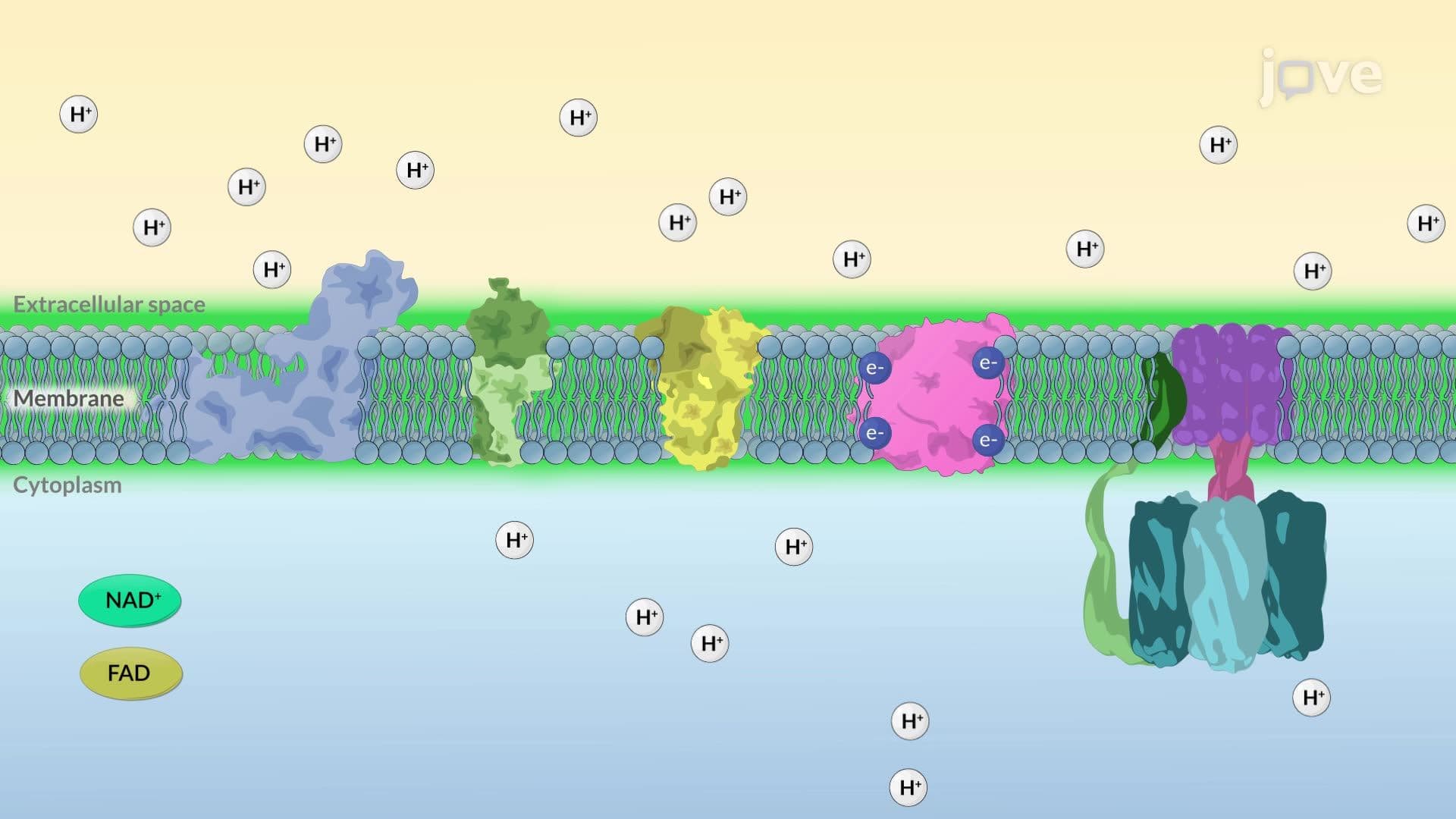
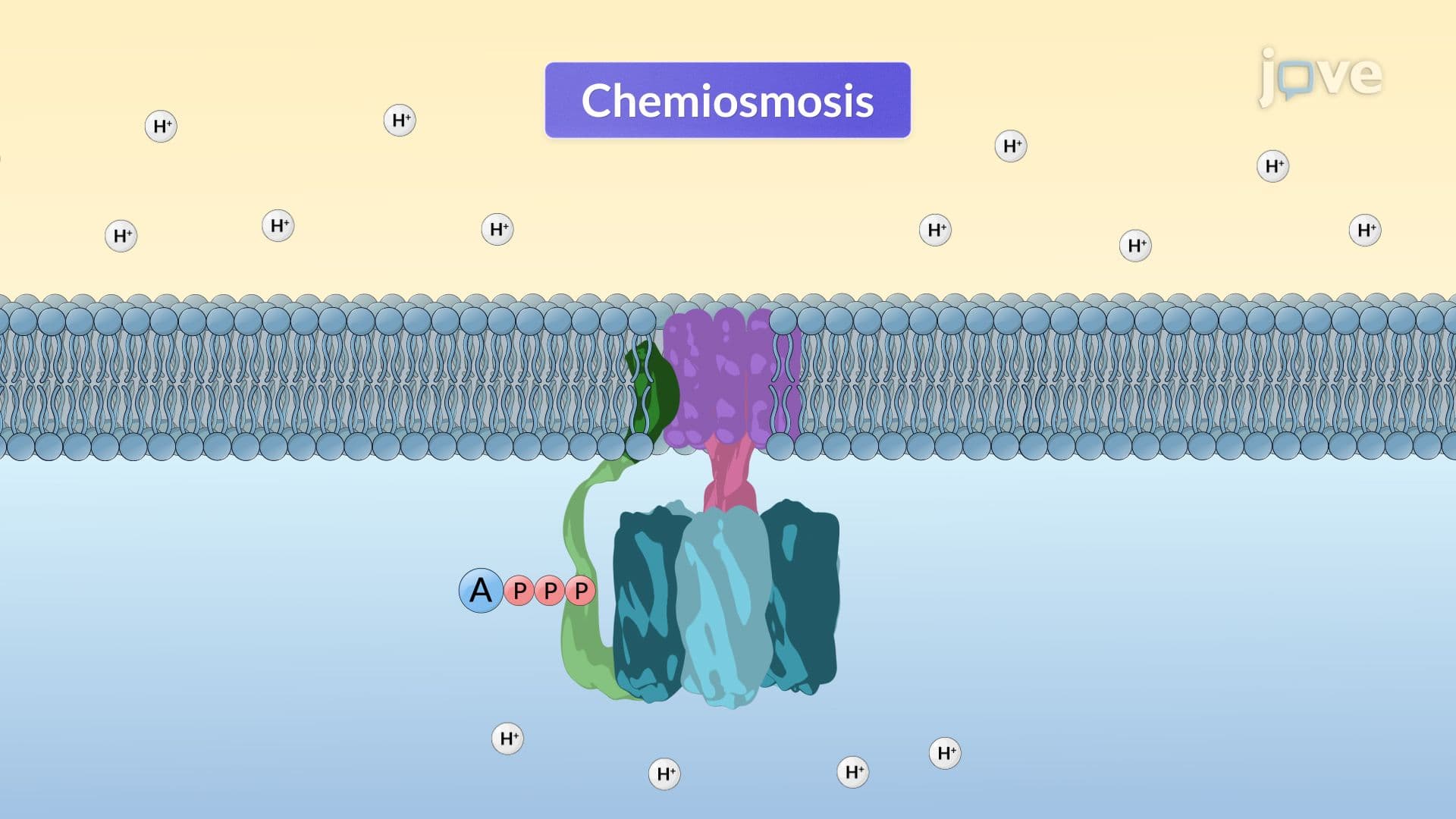
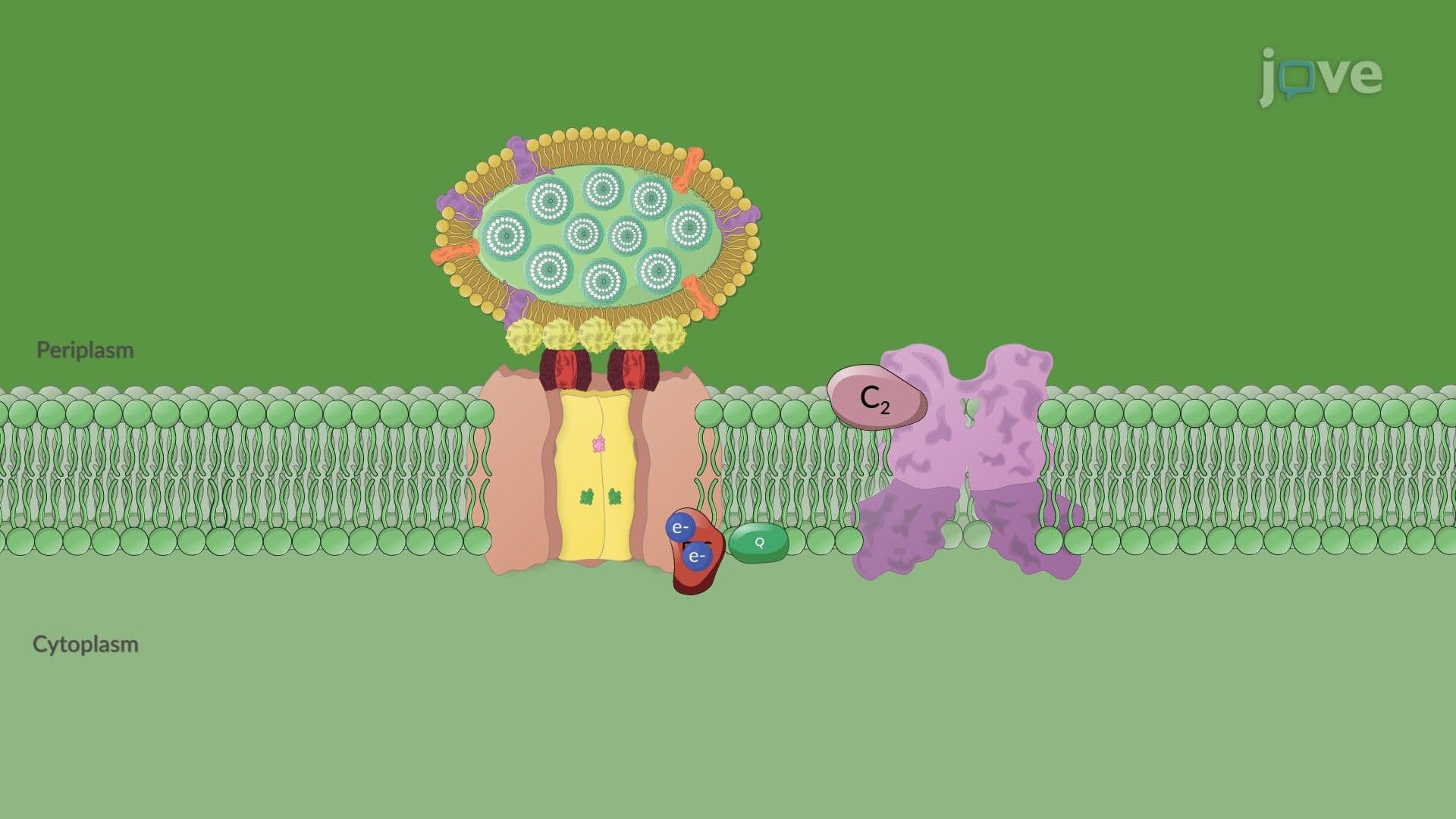
The electron transport chain represents the final and most productive stage, where NADH and FADH2 donate electrons to protein complexes embedded in the inner mitochondrial membrane. As electrons move through increasingly electronegative carriers, protons are pumped across the membrane, creating an electrochemical gradient. ATP synthase harnesses this proton-motive force to synthesize ATP through oxidative phosphorylation, with oxygen serving as the final electron acceptor to form water.
Alternative Pathways: Fermentation and Anaerobic Respiration
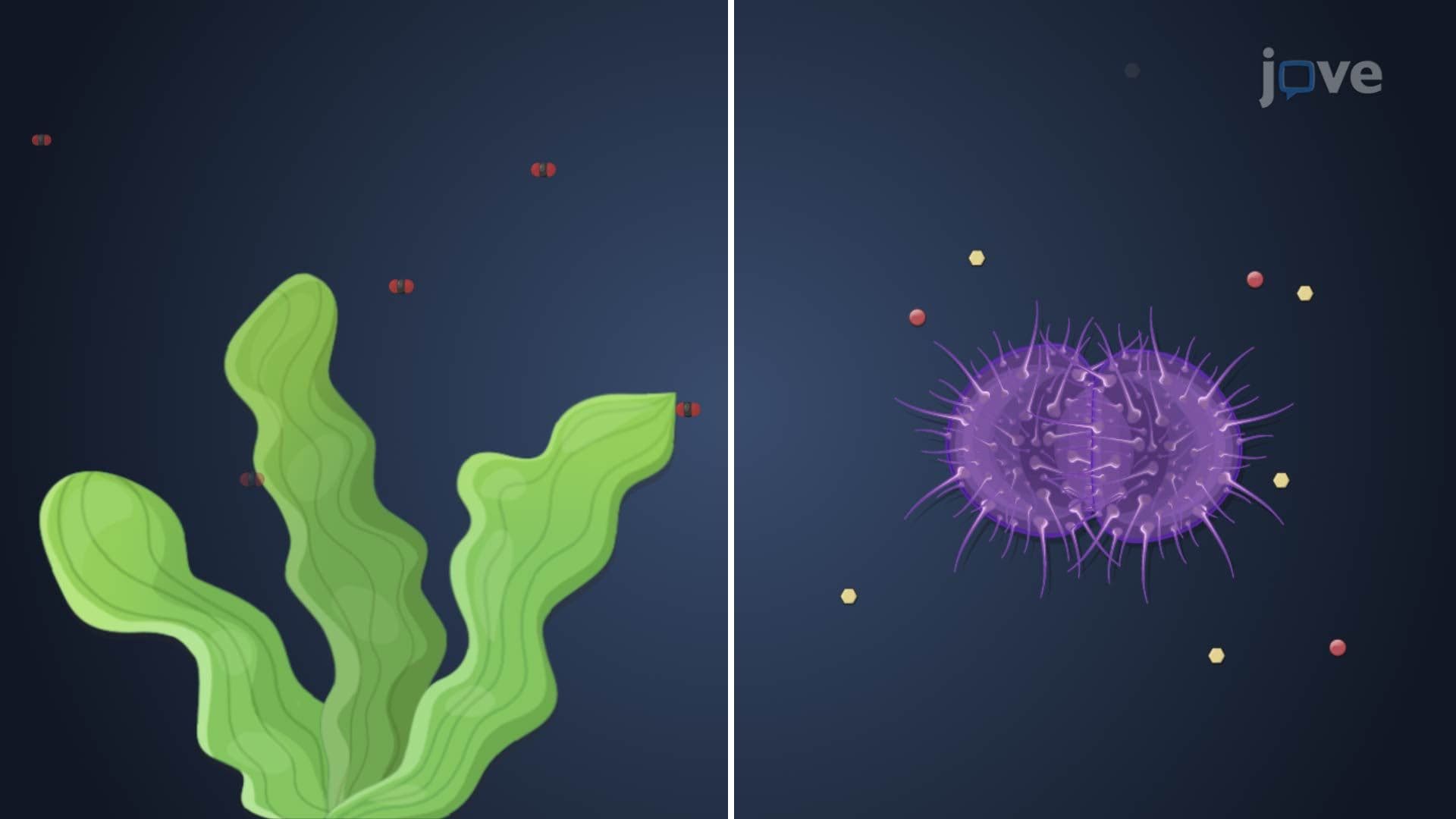
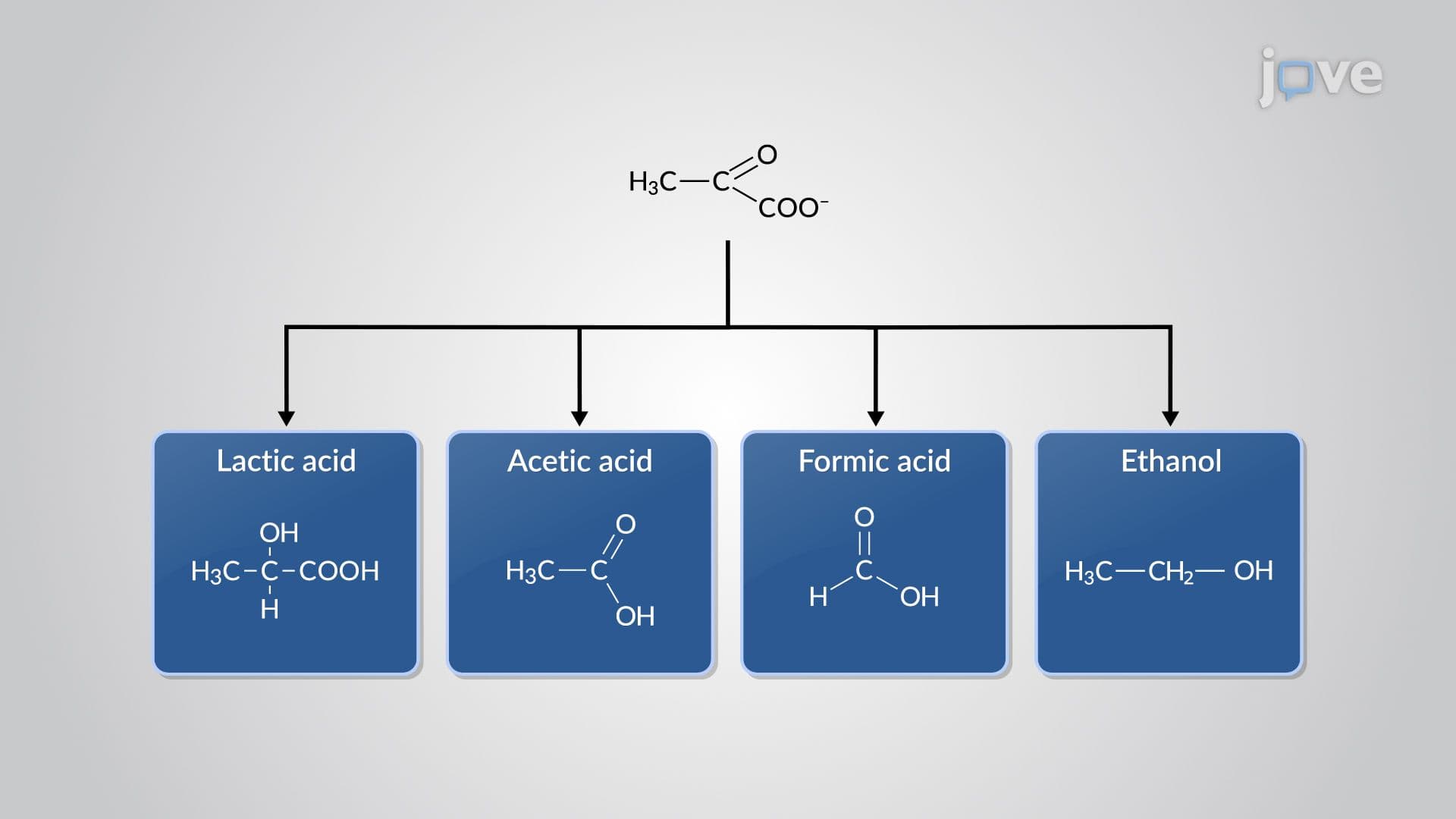
When oxygen becomes limiting, cells must rely on less efficient alternatives. Fermentation allows continued ATP production through glycolysis by regenerating NAD+ from NADH using organic molecules as electron acceptors. Lactic acid fermentation occurs in human muscle cells during intense exercise, while alcoholic fermentation by yeast produces ethanol and CO2-processes crucial to American industries from craft brewing to bioethanol production.
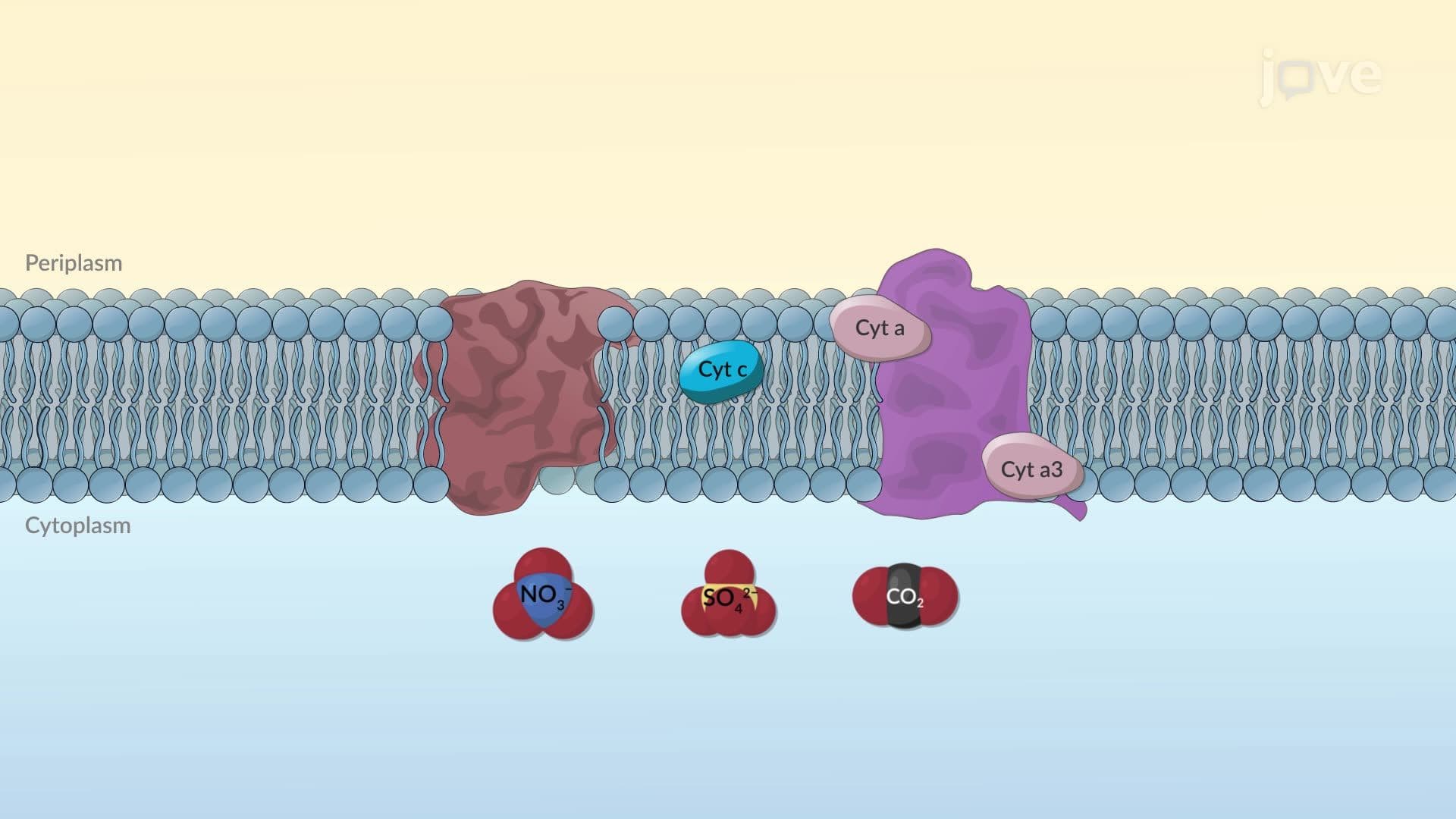
Some prokaryotes utilize anaerobic respiration, employing inorganic molecules like nitrates, sulfates, or metal ions as terminal electron acceptors. These processes are environmentally significant and form the basis for wastewater treatment technologies used across US municipalities.
Clinical and Academic Relevance
Understanding carbohydrate catabolism is fundamental for success on standardized exams including the MCAT, AP Biology, and college biochemistry courses. Medical students encounter these concepts extensively on the USMLE, particularly regarding metabolic disorders like diabetes where glucose regulation becomes compromised. The efficiency difference between aerobic respiration (36-38 ATP per glucose) and fermentation (2 ATP per glucose) explains why oxygen delivery is critical in clinical settings and why conditions like hypoxia have serious consequences for cellular function.
Frequently Asked Questions
Carbohydrate catabolism is the process cells use to break down sugars like glucose to release energy for cellular activities. Think of it like breaking apart a log to release the energy stored in its chemical bonds, except cells do this in controlled steps to capture energy as ATP. This process includes glycolysis, cellular respiration, and fermentation depending on oxygen availability.
These exams frequently test glycolysis steps, ATP yield calculations, and pathway comparisons between aerobic and anaerobic conditions. You'll encounter questions about enzyme regulation, metabolic disorders, and energy efficiency. Practice calculating net ATP production and understanding how oxygen availability determines pathway selection. Focus on connecting molecular details to physiological consequences.
MCAT biochemistry sections emphasize metabolic regulation, enzyme kinetics, and thermodynamics of glucose breakdown. You'll see connections to organic chemistry through reaction mechanisms, physics through energy transfers, and biology through cellular respiration. Understanding these pathways helps with passages about diabetes, exercise physiology, and metabolic diseases that frequently appear on the exam.
During moderate exercise, your muscles primarily use aerobic respiration for sustained energy production. When you sprint or lift heavy weights, oxygen becomes limiting and muscles switch to lactic acid fermentation for quick energy bursts. This explains why you feel muscle burn during intense workouts and why endurance training improves oxygen delivery to enhance aerobic capacity.
While the pathways involve multiple steps, the core concept is straightforward: cells break down glucose to make energy. Start with the big picture-glycolysis makes some ATP, and adding oxygen makes much more ATP. Focus on understanding the purpose of each pathway before memorizing individual steps. Most students find the logical progression from glucose to ATP quite intuitive once they grasp the energy flow.
Create flowcharts showing glucose breakdown pathways and practice calculating ATP yields under different conditions. Use active recall by drawing the processes from memory, then checking your work. Connect each pathway to real situations-aerobic respiration during studying, fermentation during sprint workouts. Focus on understanding why cells choose different pathways rather than just memorizing steps.
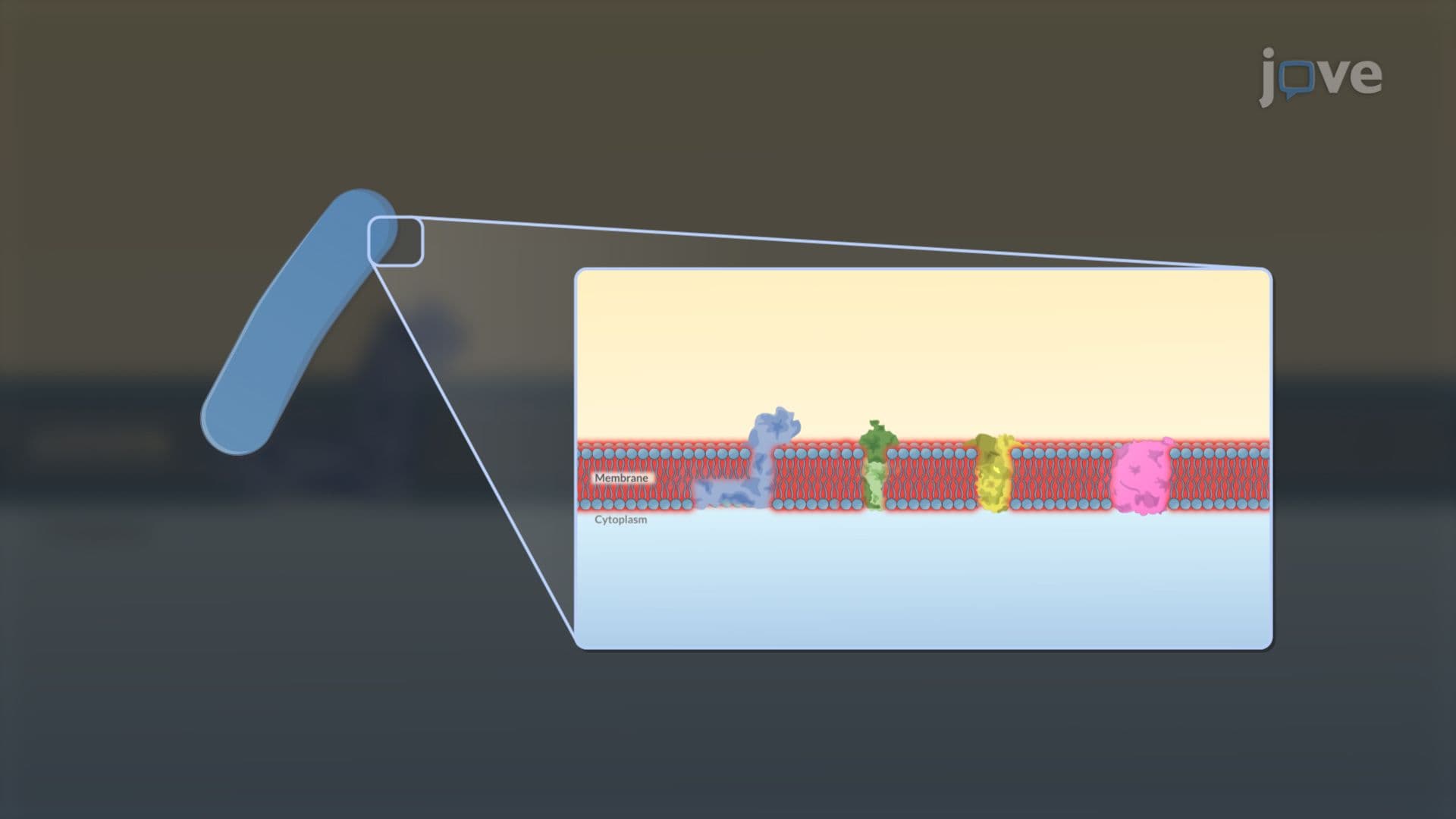
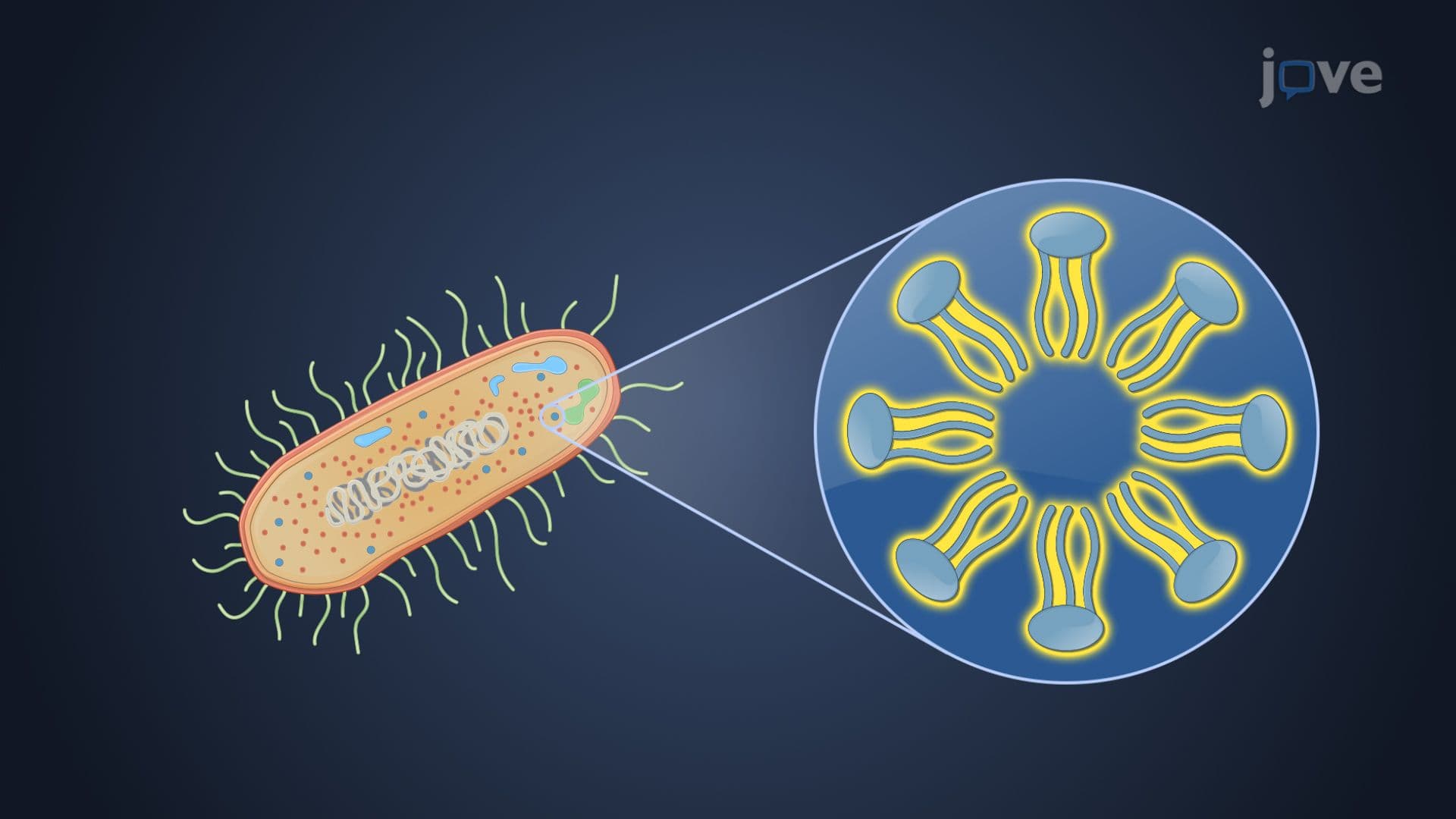
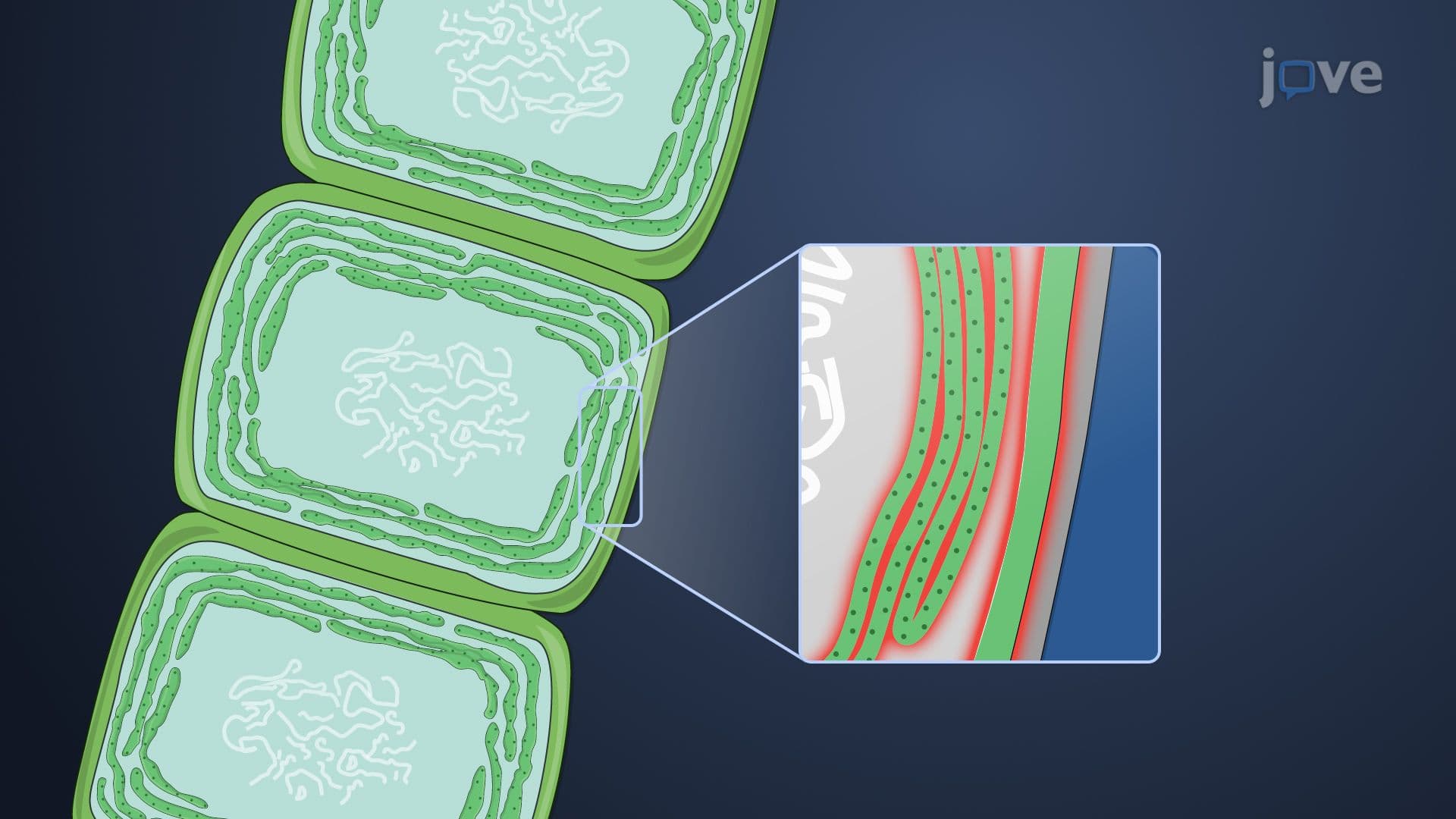
In prokaryotes like bacteria, all processes occur in the cytoplasm and across the cell membrane since they lack mitochondria. Eukaryotic cells compartmentalize these reactions-glycolysis in cytoplasm, Krebs cycle in mitochondrial matrix, and electron transport across inner mitochondrial membranes. This compartmentalization allows for more efficient regulation and higher ATP yields in eukaryotic cells.
Build on this foundation by exploring gluconeogenesis (glucose synthesis), lipid metabolism, and amino acid catabolism to understand integrated metabolism. Study metabolic regulation through hormones like insulin and glucagon, which control when cells break down or store glucose. These connections become crucial for advanced courses in biochemistry, physiology, and medical school preparation.
Related Micro-courses
13 Concepts
6 Concepts

31 Concepts