Loading subject page…
- Microbiology
- Microbial Metabolism
- Carbon-dioxide Fixation
Micro-course: Microbial Metabolism
13,271 views
Learn key concepts and earn your certificate.



Carbon-dioxide Fixation

00:00
01:28
Video Summary: What Is Carbon Dioxide Fixation
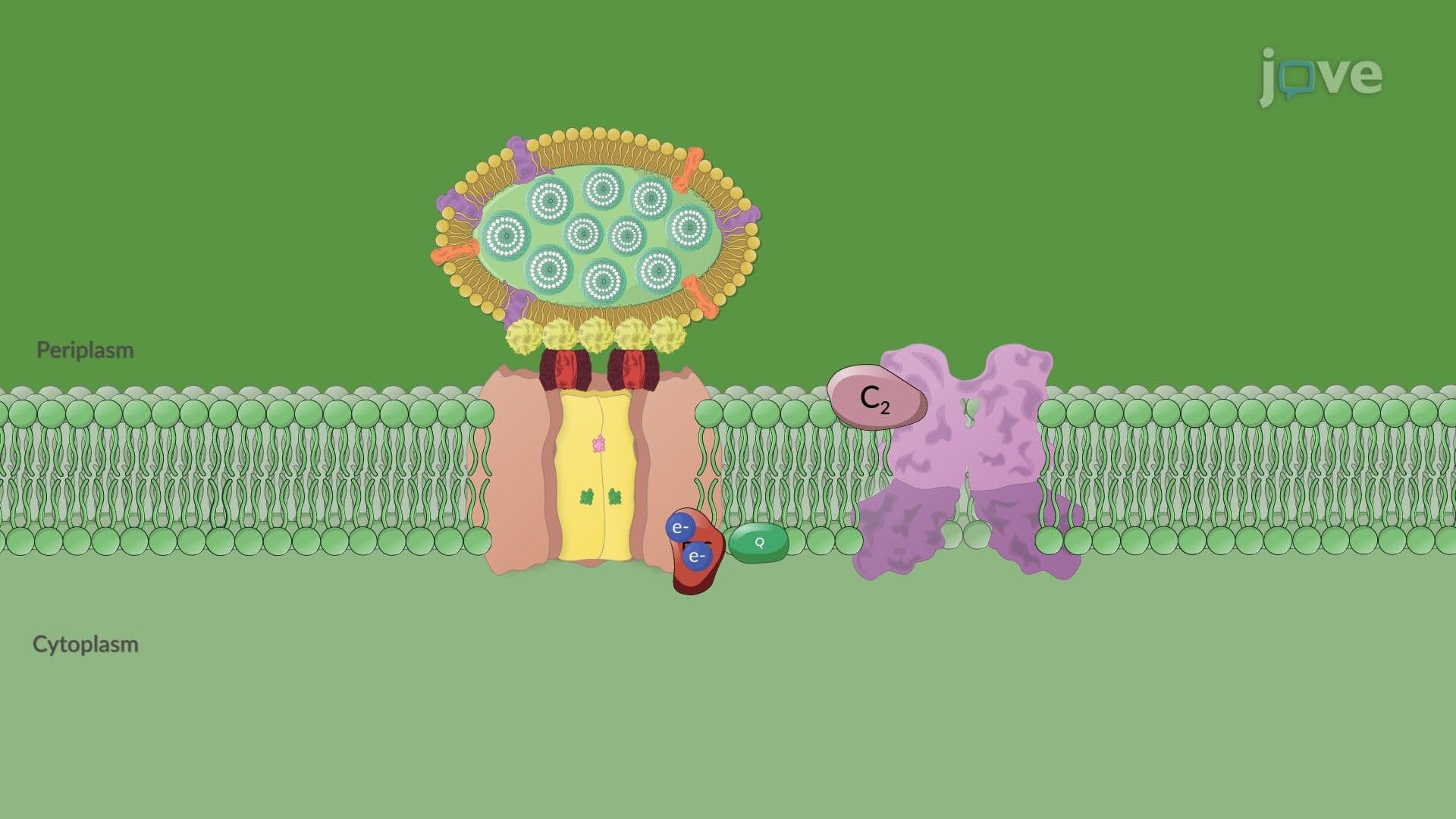
Did you know that every breath of oxygen you take depends on plants and bacteria capturing carbon dioxide from the atmosphere? Carbon dioxide fixation is the fundamental process where organisms convert atmospheric CO2 into organic molecules that fuel life on Earth. From the towering redwoods in California's national parks to the microscopic algae in Lake Michigan, this process sustains entire ecosystems through pathways like the Calvin cycle. Watch the full video on JoVE Coach to master this concept with expert-led visuals and step-by-step explanations.
- Understand what is carbon dioxide fixation and its role as the foundation of life on Earth
- Identify the three phases of the Calvin cycle: carboxylation, reduction, and regeneration
- Analyze how RuBisCO enzyme catalyzes the attachment of CO2 to ribulose-1,5-bisphosphate
- Compare different carbon fixation pathways including the Calvin cycle, reductive TCA cycle, and Wood-Ljungdahl pathway
- Evaluate the energy requirements of carbon fixation using ATP and NADPH
- Apply knowledge of carbon fixation to understand photosynthesis in chloroplasts and cyanobacteria
- Recognize alternative carbon fixation mechanisms in archaea and specialized bacteria
- Explore how carbon fixation connects to global carbon cycling and climate science
Understanding Carbon Dioxide Fixation Fundamentals
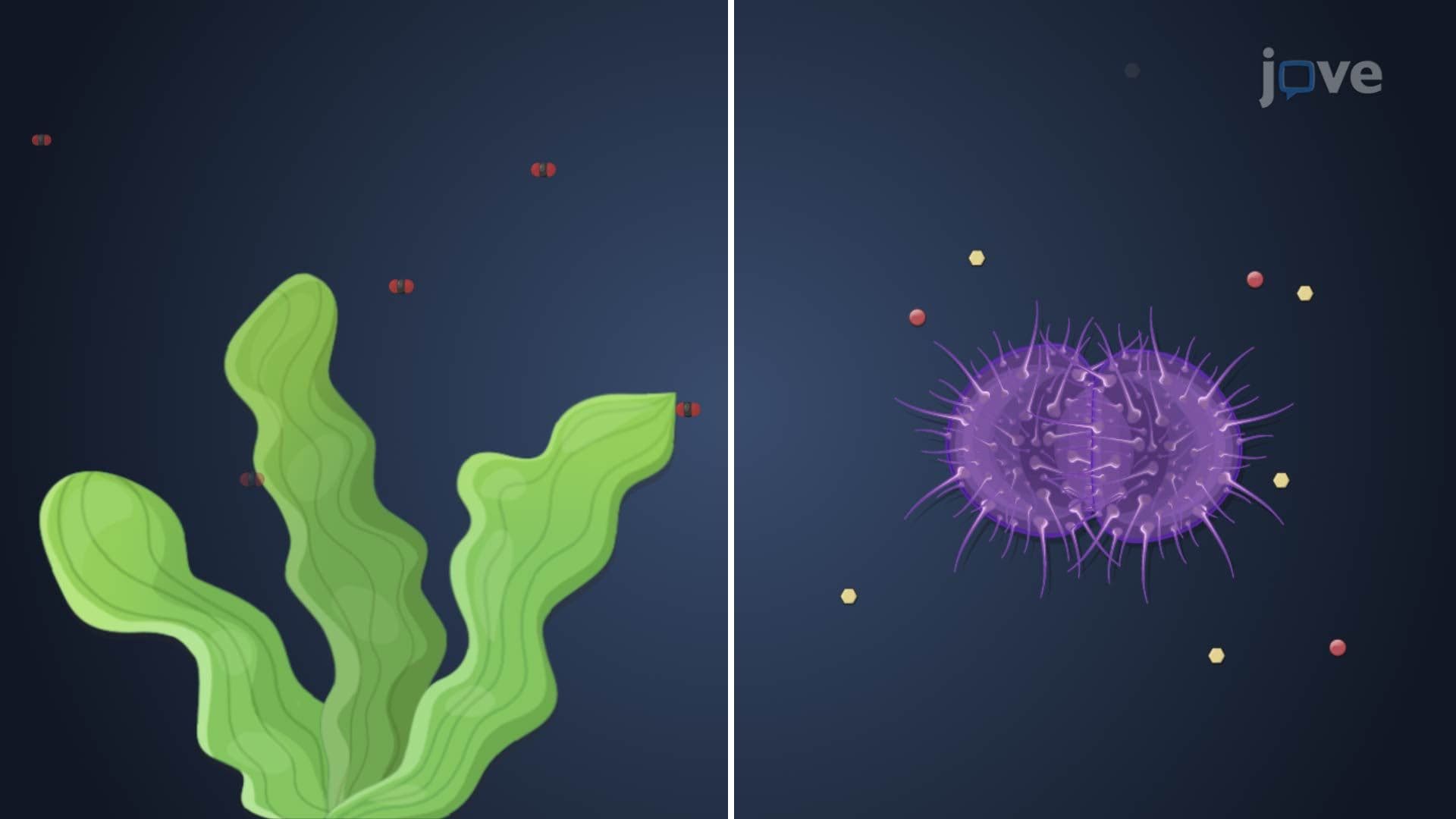
Carbon dioxide fixation represents one of biology's most crucial processes, transforming inorganic carbon from the atmosphere into organic molecules that form the backbone of all living systems. This process occurs primarily in autotrophic organisms-plants, algae, and certain bacteria-that can manufacture their own food from simple inorganic compounds.
The significance extends far beyond individual organisms. Consider the massive corn fields of Iowa or the kelp forests off California's coast-all depend on efficient carbon dioxide fixation to convert atmospheric CO2 into the organic compounds that support complex food webs. This process directly impacts everything from agricultural yields to ocean productivity.
The Calvin Cycle: Nature's Primary Carbon Factory
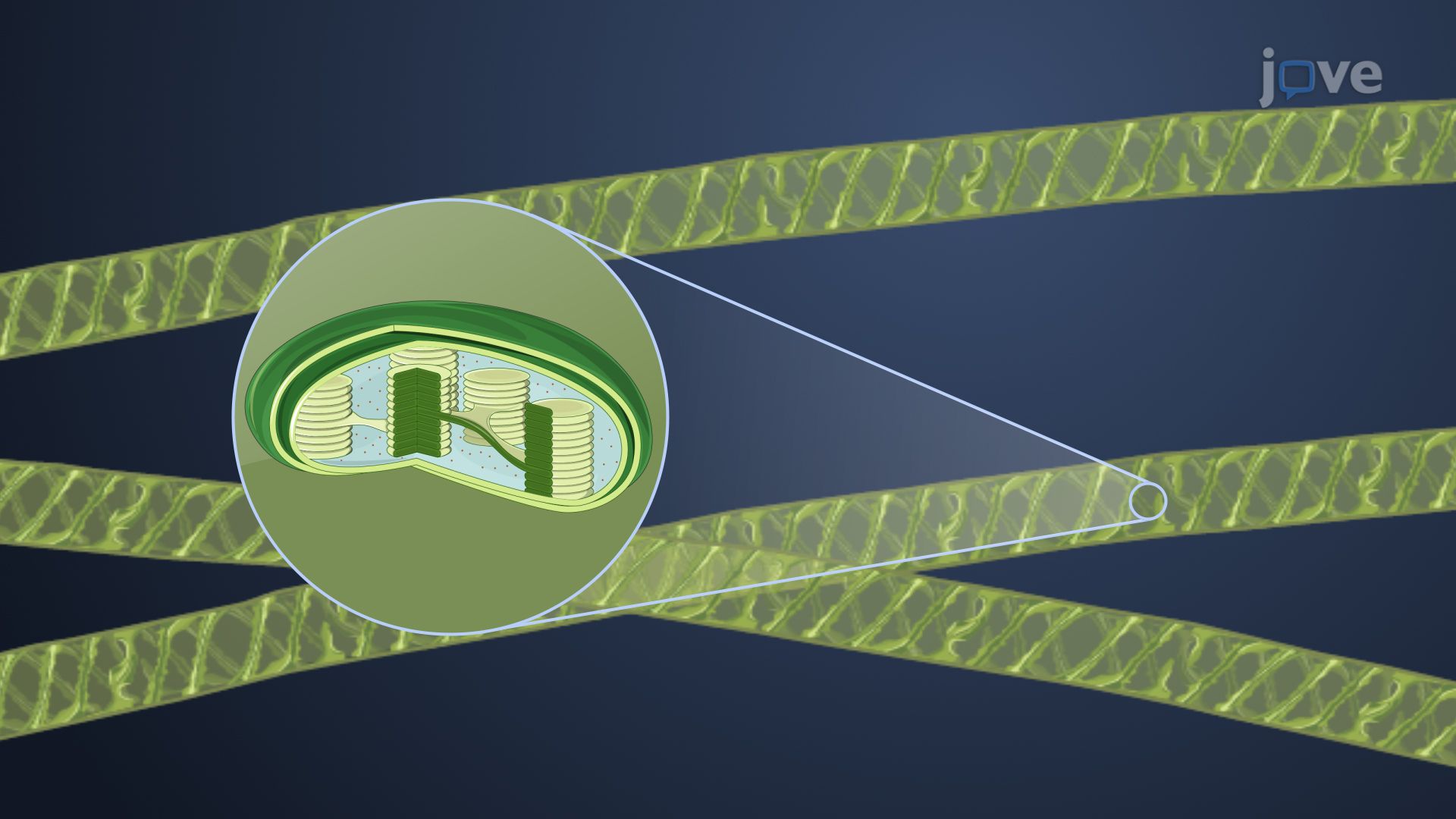
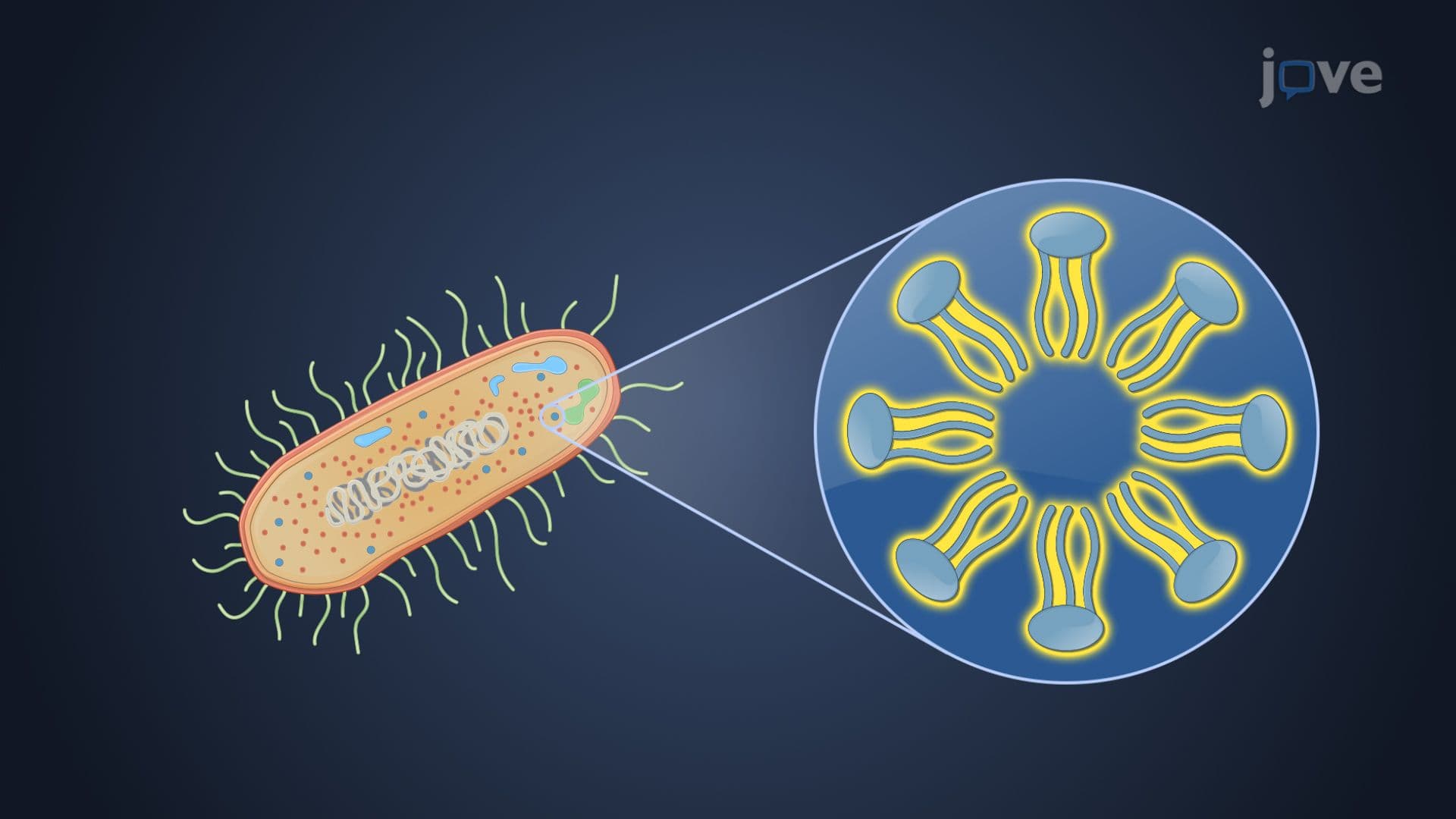
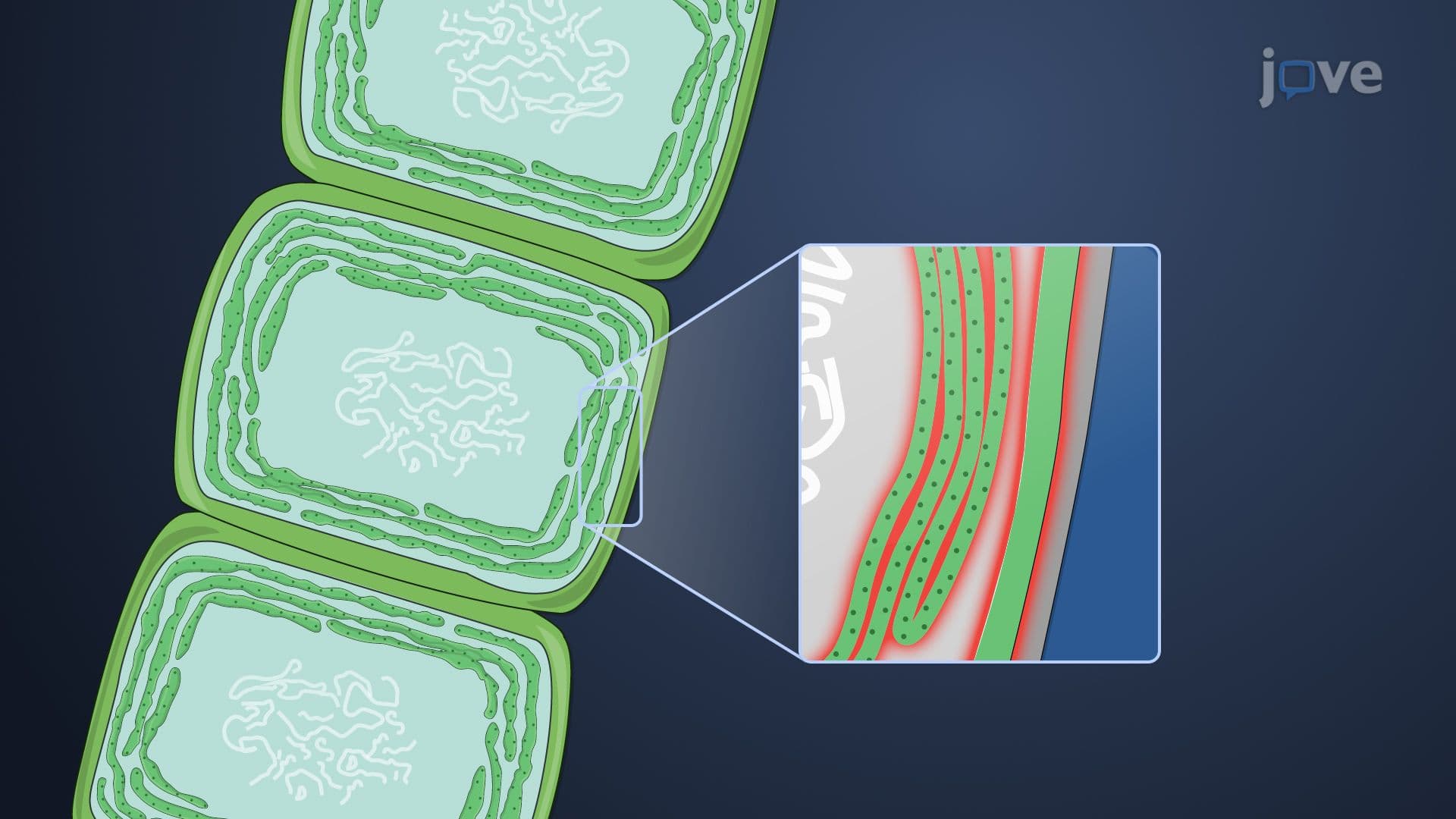
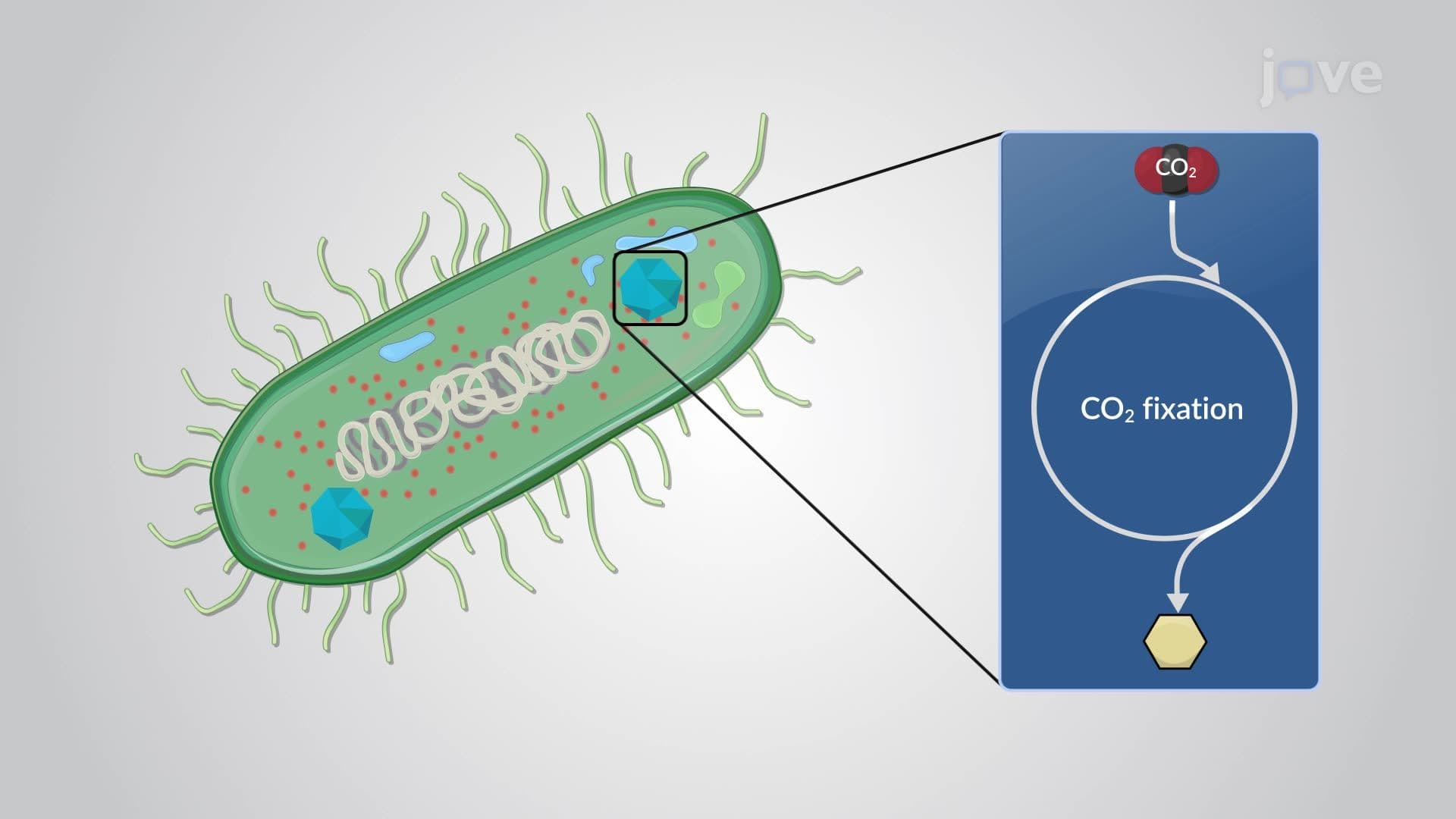
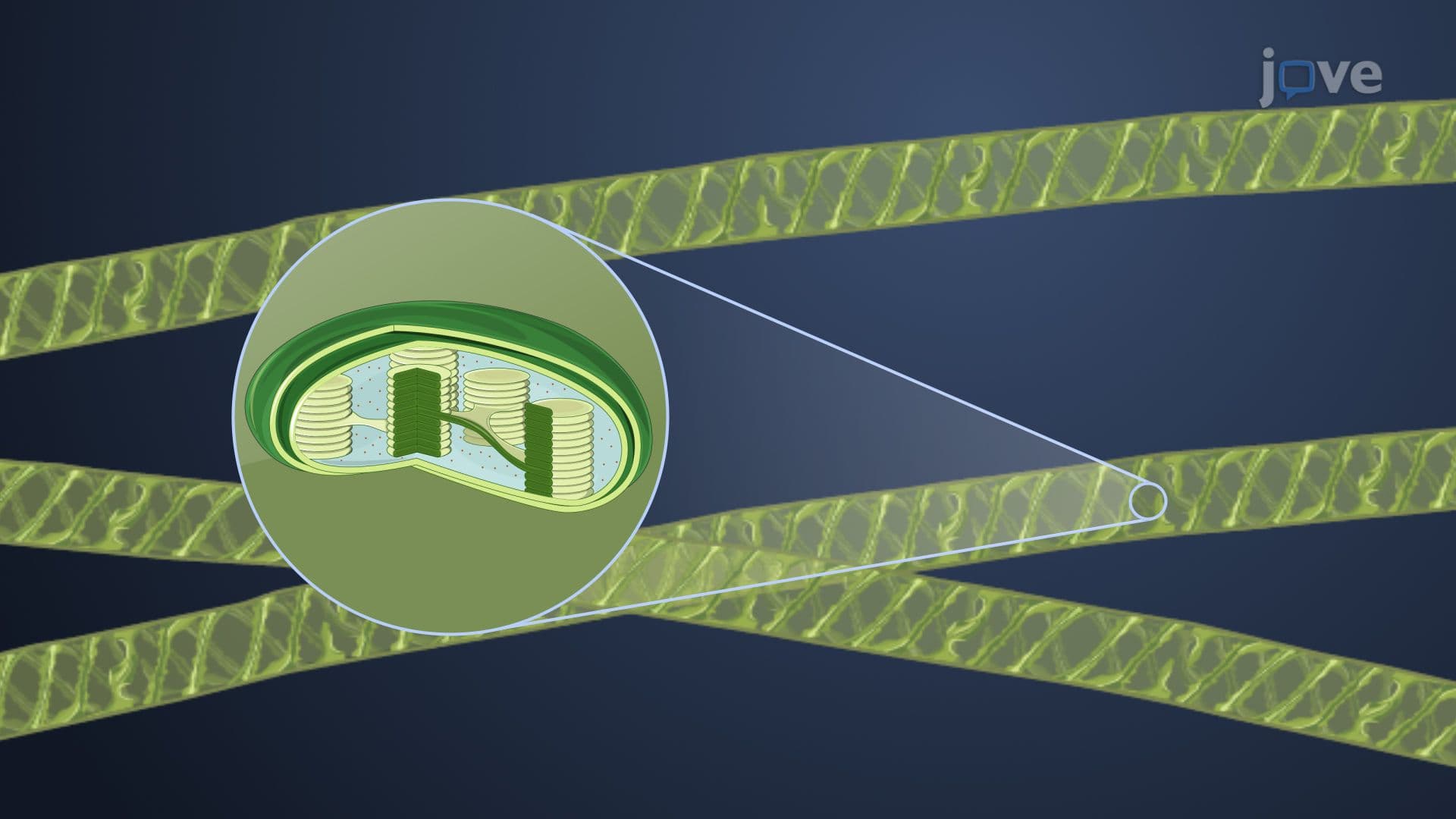
The Calvin cycle dominates carbon fixation in most photosynthetic organisms, operating within chloroplast stroma in plants and algae, or in specialized structures called carboxysomes in cyanobacteria. This cycle's three-phase mechanism demonstrates remarkable biochemical precision.
During carboxylation, the enzyme RuBisCO (ribulose-1,5-bisphosphate carboxylase/oxygenase) catalyzes CO2 attachment to ribulose-1,5-bisphosphate, producing two molecules of 3-phosphoglycerate. This represents the actual "fixation" moment when atmospheric carbon becomes incorporated into organic molecules.
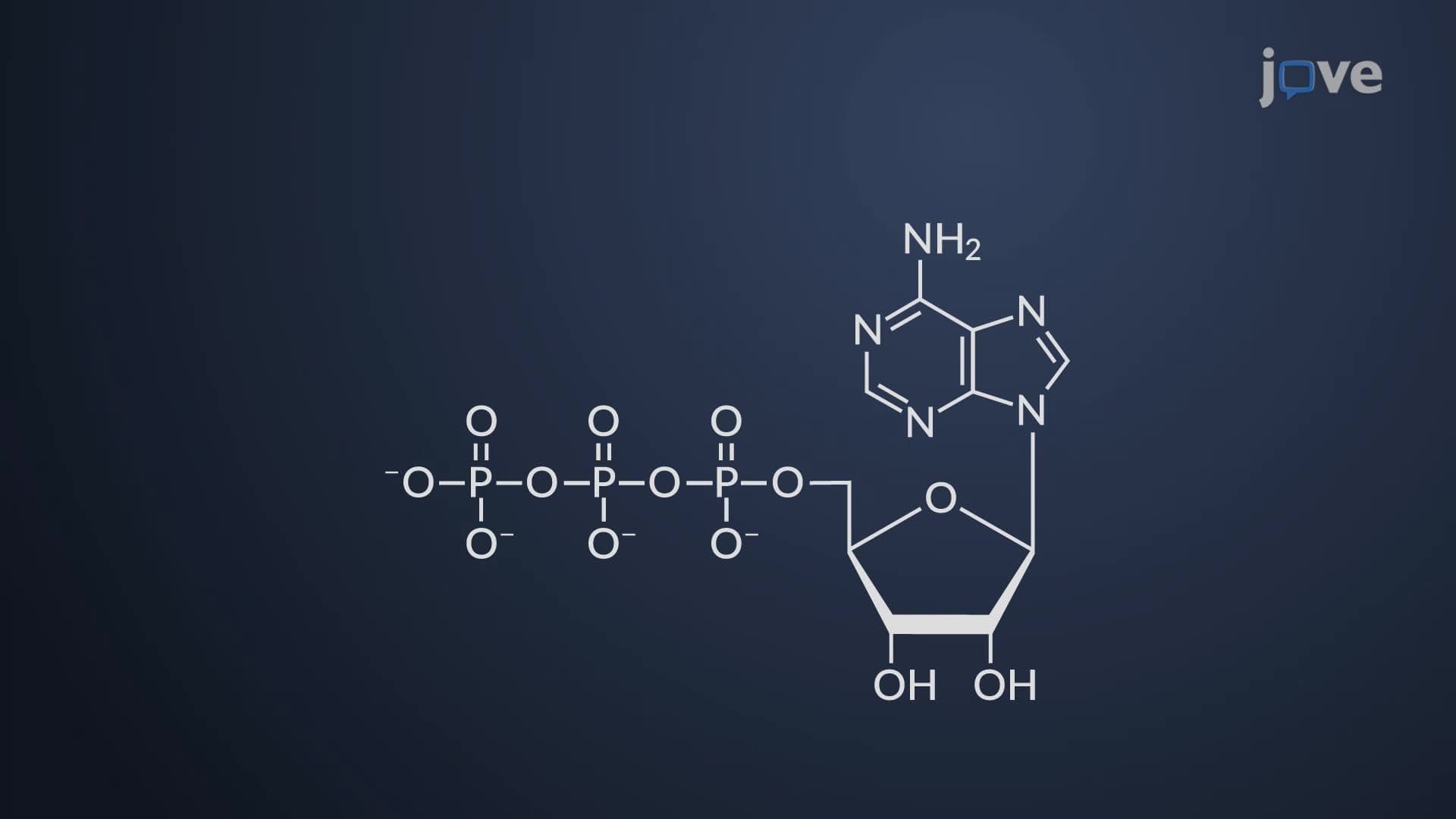
The reduction phase consumes ATP and NADPH-energy currencies generated during photosynthesis-to convert 3-phosphoglycerate into glyceraldehyde-3-phosphate (G3P). Some G3P molecules exit the cycle to form glucose and other organic compounds, while others continue to the regeneration phase.
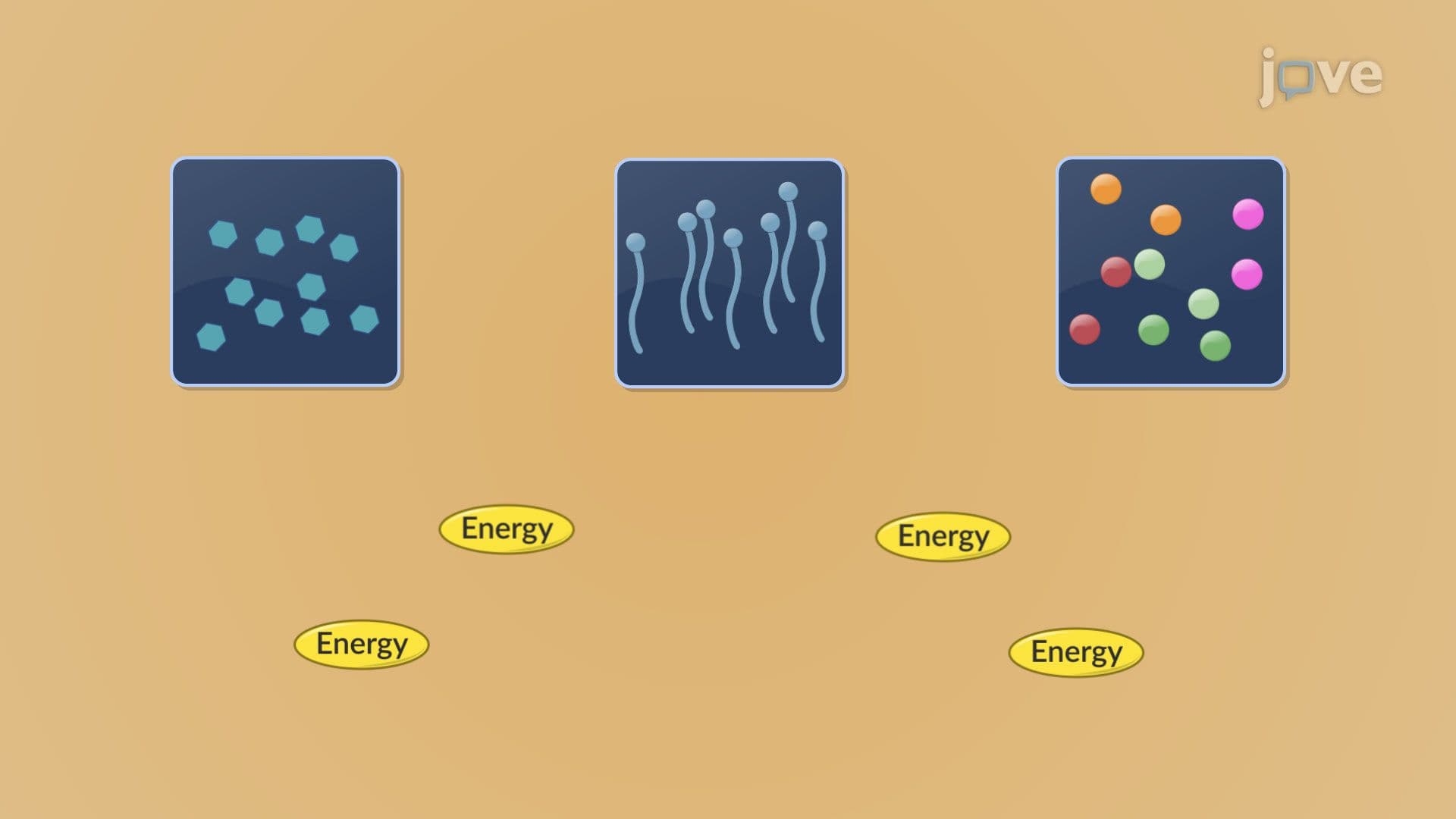
Regeneration reforms ribulose-1,5-bisphosphate, enabling the cycle to continue. This phase requires additional ATP, highlighting the substantial energy investment required for carbon fixation. Students preparing for AP Biology or college biochemistry courses should recognize that six CO2 molecules must enter the Calvin cycle to produce one glucose molecule, requiring 18 ATP and 12 NADPH molecules.
Alternative Carbon Fixation Pathways
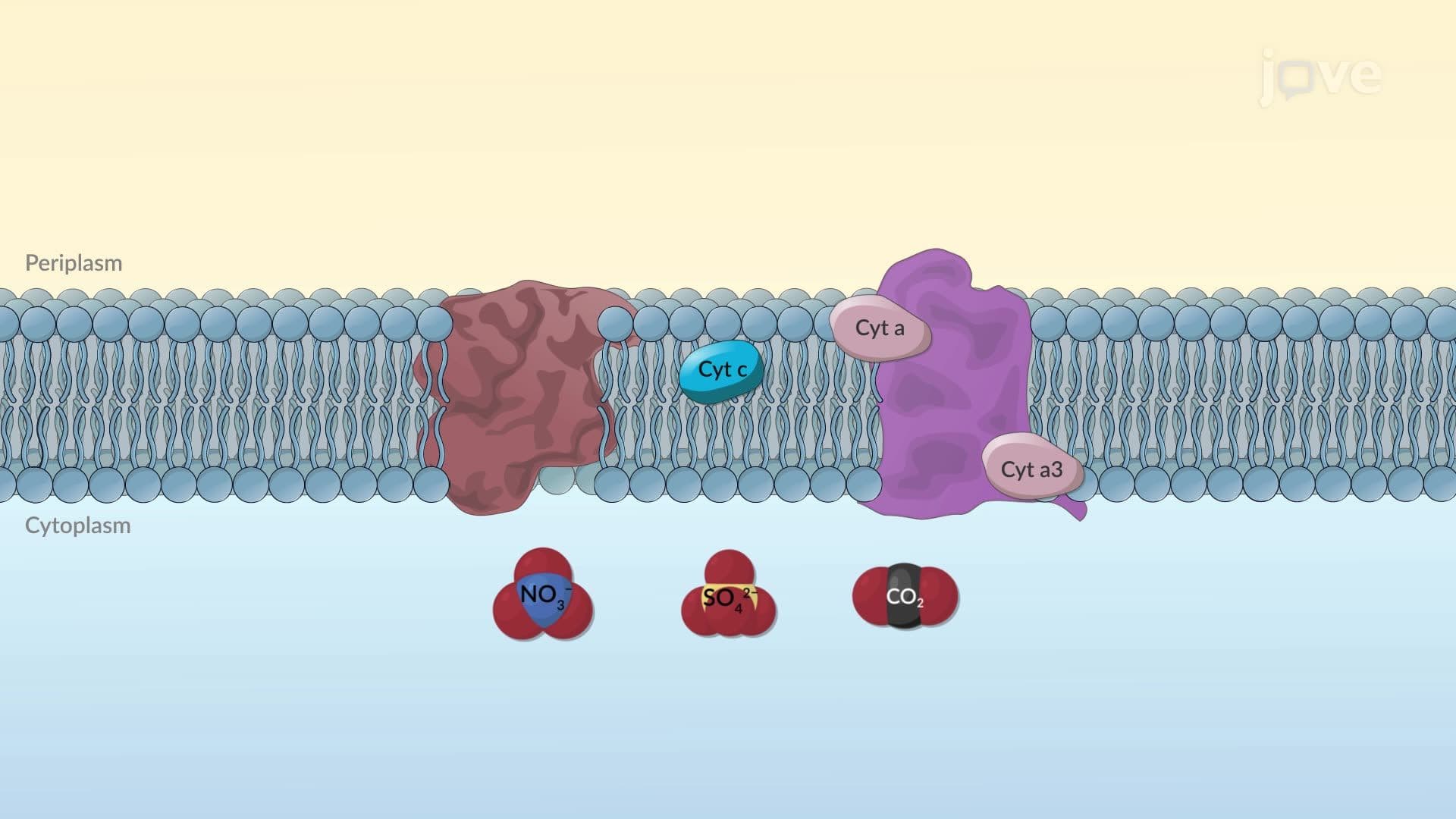
Beyond the Calvin cycle, several specialized carbon fixation pathways operate in unique environments. The reductive TCA cycle functions as a reverse version of the familiar citric acid cycle, with certain bacteria using this pathway in extreme environments like deep-sea hydrothermal vents near the Oregon coast.
The Wood-Ljungdahl pathway represents another fascinating alternative, utilizing hydrogen gas as an electron donor while simultaneously using CO2 as both electron acceptor and carbon source. This pathway proves particularly important in anaerobic environments and contributes to our understanding of early life on Earth.
The 3-hydroxypropionate cycle, found in some archaea and bacteria, demonstrates the diversity of carbon fixation strategies that have evolved. These alternative pathways become increasingly relevant as scientists study extremophile organisms and potential applications in biotechnology and renewable energy.
Frequently Asked Questions
Carbon dioxide fixation is the process where organisms convert inorganic atmospheric CO2 into organic molecules like glucose. This process forms the foundation of virtually all food chains, as it creates the organic compounds that feed herbivores, which in turn support carnivores. Without carbon fixation, complex life as we know it couldn't exist because there would be no way to capture and store energy from the environment.
AP Biology frequently tests carbon fixation through multiple-choice questions about the Calvin cycle phases and free-response questions connecting photosynthesis to ecosystem energy flow. Students should expect to analyze experimental data showing CO2 uptake rates, identify limiting factors in carbon fixation, and explain how environmental changes affect this process. The exam often integrates this concept with climate change discussions and agricultural applications.
College exams typically require detailed knowledge of enzyme kinetics, energy calculations, and regulatory mechanisms that aren't covered in high school courses. Students must understand RuBisCO's dual function as carboxylase and oxygenase, calculate ATP and NADPH requirements for glucose synthesis, and explain how environmental factors affect cycle efficiency. MCAT preparation should include understanding how carbon fixation connects to cellular respiration and energy metabolism.
Agricultural scientists at universities like UC Davis study carbon fixation to develop drought-resistant crops for California's Central Valley, while researchers at NOAA monitor ocean carbon fixation to understand climate change impacts on marine ecosystems. Biotechnology companies are engineering improved carbon fixation pathways to increase crop yields and develop carbon capture technologies for industrial applications.
Basic understanding of chemical bonds and enzyme function is sufficient for introductory study of carbon fixation. While the complete biochemical pathways involve complex organic chemistry, focusing on the overall inputs, outputs, and energy requirements provides a solid foundation. Students can build understanding progressively, starting with the general concept before diving into molecular details.
Create visual diagrams showing the Calvin cycle phases with inputs and outputs clearly labeled, then practice calculating energy requirements for glucose synthesis. Use active recall by explaining the process out loud and connecting it to photosynthesis and cellular respiration. Focus on understanding the biological significance rather than memorizing every intermediate compound, and practice with past exam questions to identify common testing patterns.
Build on this foundation by exploring C4 and CAM photosynthesis adaptations, which represent specialized carbon fixation strategies in different environments. Study photorespiration to understand RuBisCO's limitations, then connect to broader topics like biogeochemical cycles, primary productivity in ecosystems, and the role of carbon fixation in climate regulation and global warming mitigation strategies.
Related Micro-courses
13 Concepts
6 Concepts

31 Concepts