Loading subject page…

13,271 views

Video Summary: What Is Chemiosmosis and Atp Synthesis
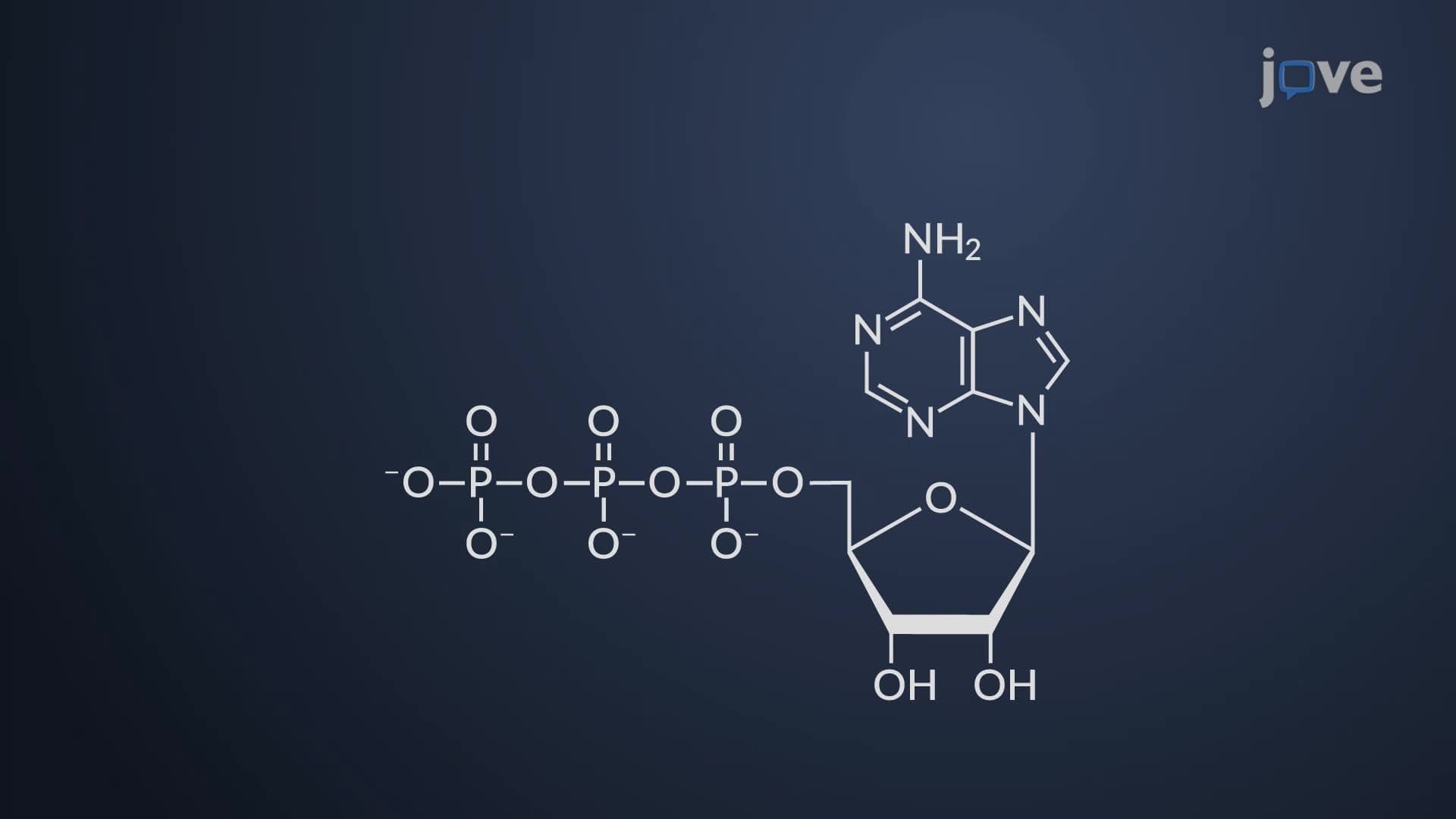
Every cell in your body produces approximately 10^26 ATP molecules daily-enough energy to power a 100-watt light bulb for 17 hours! This incredible feat happens through chemiosmosis ATP synthesis, where your mitochondria act like cellular power plants. From the muscle cells powering a marathon runner in Boston to brain neurons processing complex calculations, understanding What is Chemiosmosis And ATP Synthesis reveals how life's most fundamental energy currency gets manufactured. Watch the full video on JoVE Coach to master this concept with expert-led visuals and step-by-step explanations.
Chemiosmosis ATP synthesis represents one of biology's most elegant energy conversion mechanisms, transforming the kinetic energy of flowing protons into the chemical bonds of ATP. This process occurs within the mitochondria-often called the "powerhouses" of cells-where specialized protein complexes work in concert to generate life's universal energy currency.
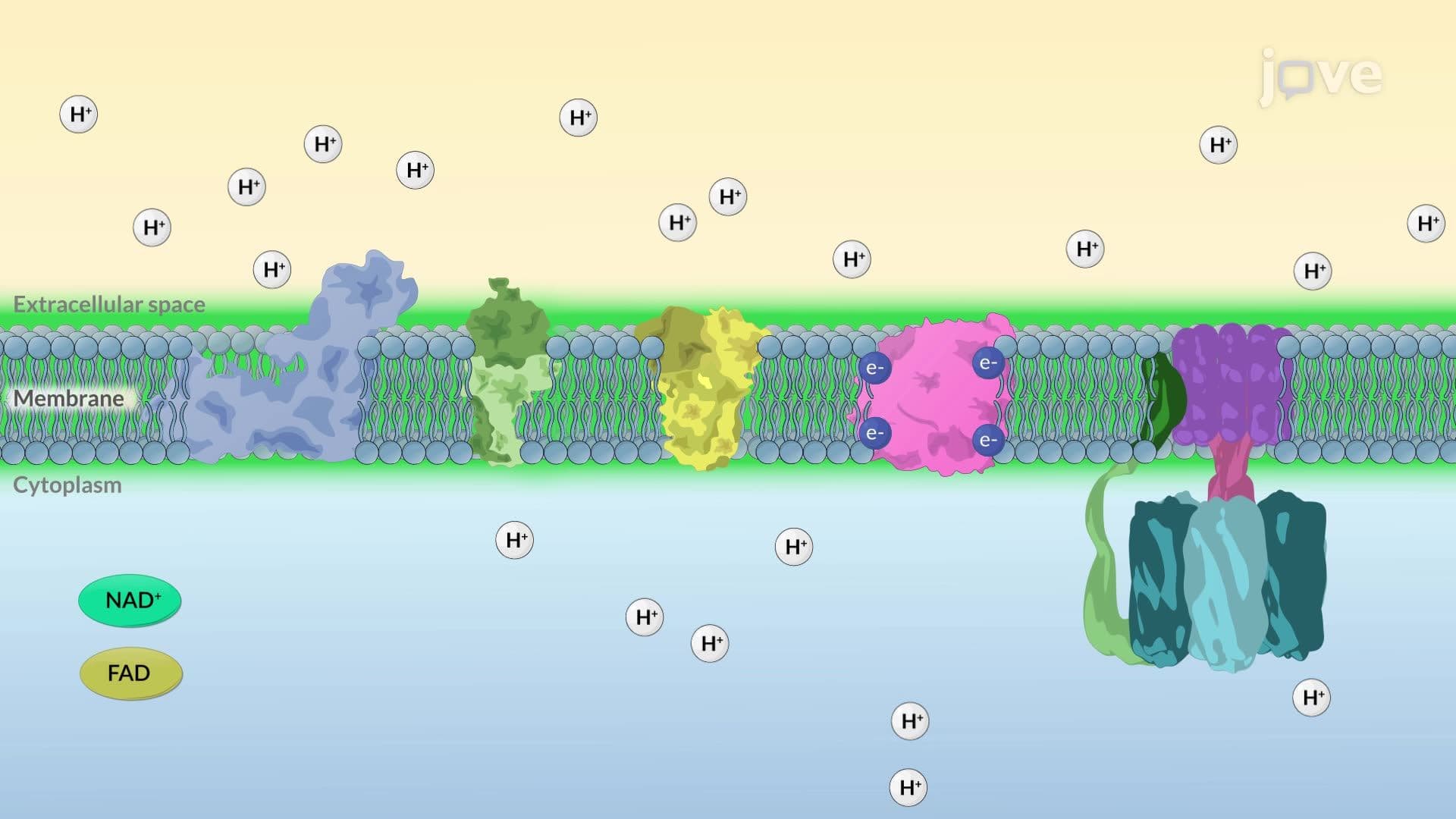
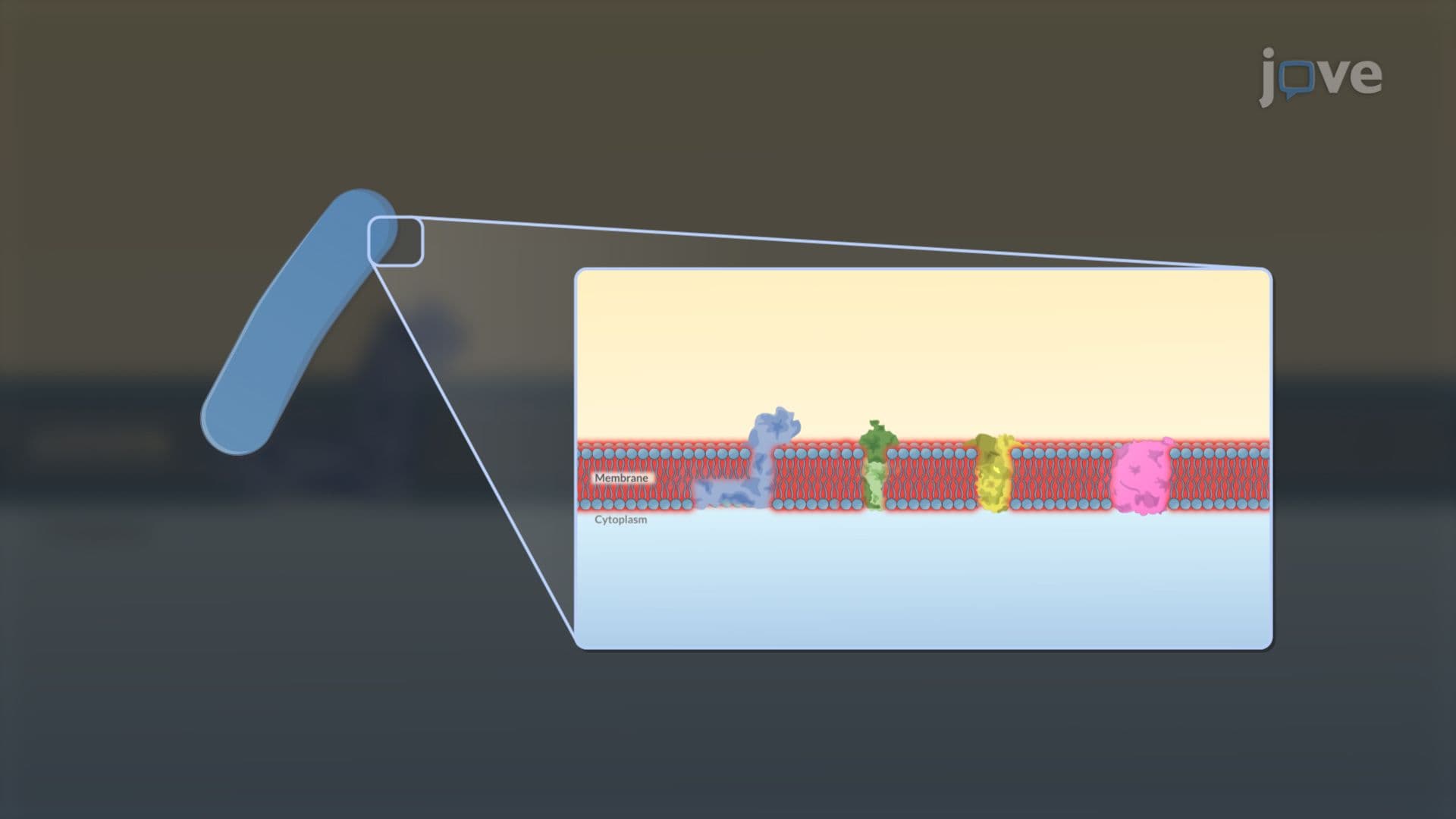
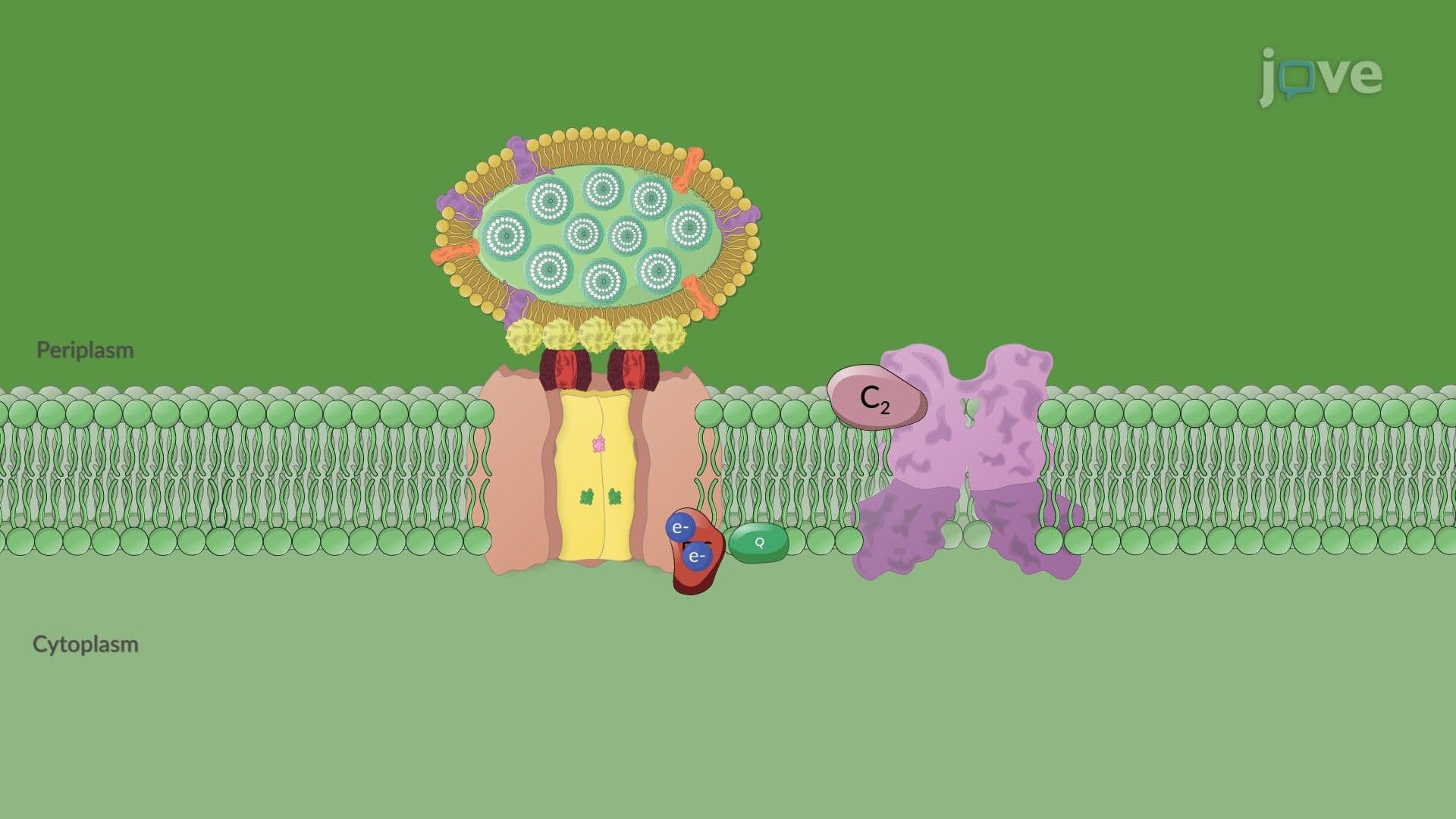
The electron transport chain serves as the foundation for this remarkable process. When high-energy electrons from NADH and FADH2 pass through protein complexes embedded in the inner mitochondrial membrane, they drive active transport pumps that move protons (H+) from the mitochondrial matrix to the intermembrane space. This creates an electrochemical gradient known as the proton motive force.
Complex I accepts electrons from NADH and pumps approximately 4 protons across the membrane. These electrons then travel to Complex III, which pumps an additional 4 protons. Finally, Complex IV (cytochrome oxidase) pumps about 2 more protons while transferring electrons to oxygen, the final electron acceptor. This pathway generates roughly 10 protons per NADH molecule.
FADH2 follows a different route, entering at Complex II, which lacks proton-pumping capability. Consequently, FADH2-derived electrons only contribute to proton pumping at Complexes III and IV, yielding approximately 6 protons per molecule. This difference explains why NADH generates more ATP than FADH2 in cellular respiration calculations-a concept frequently tested on AP Biology exams and college biochemistry courses.
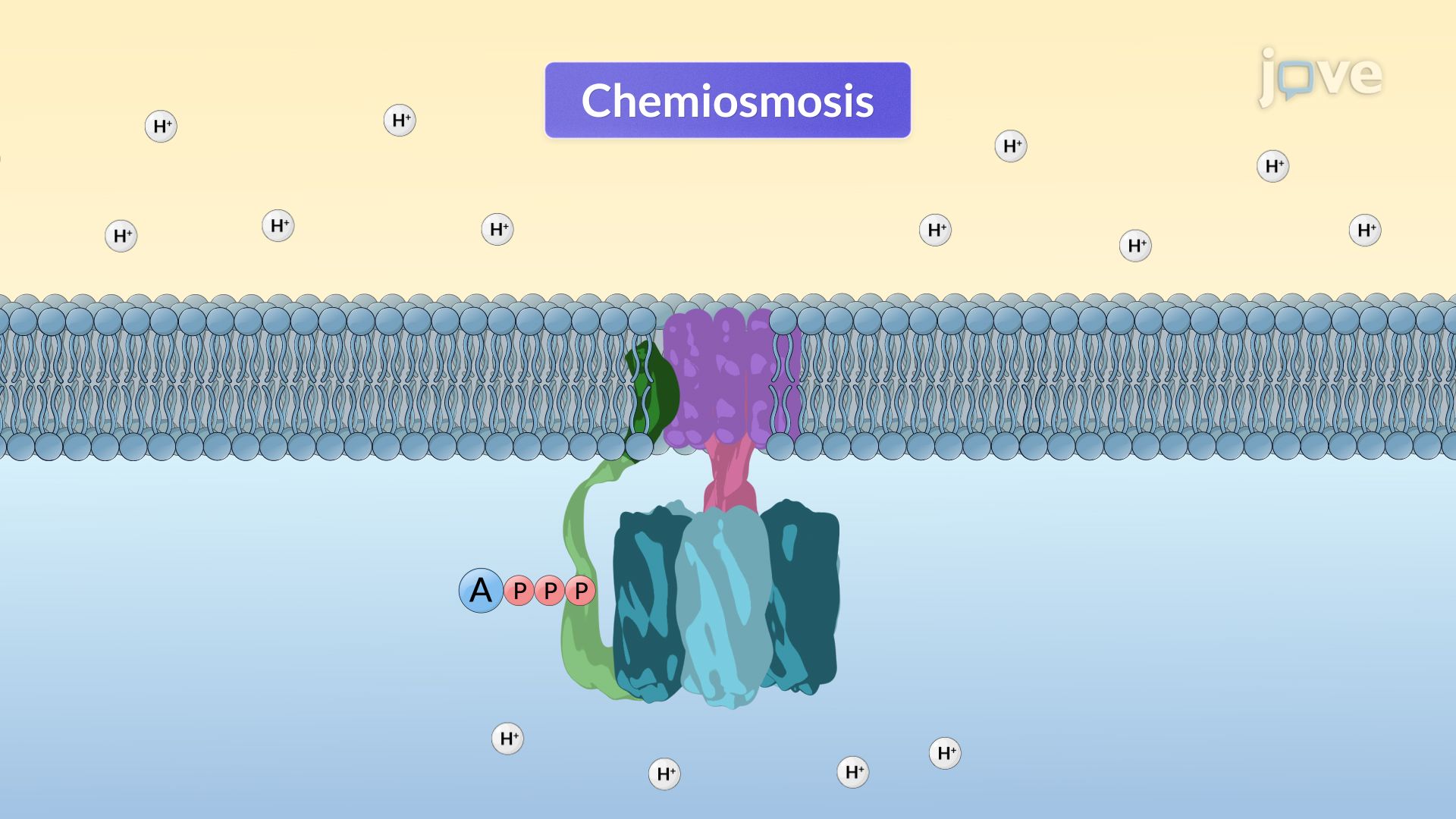
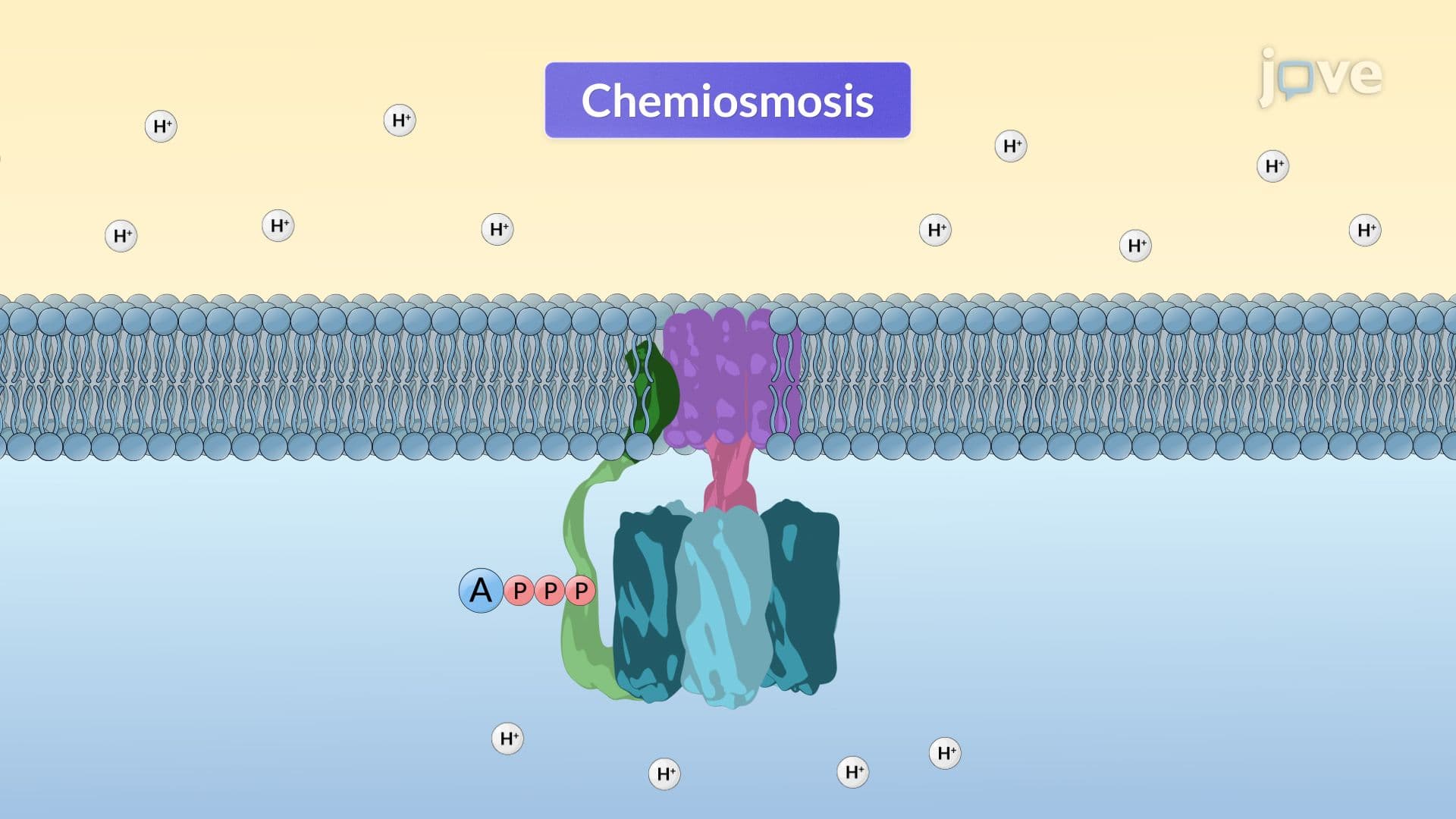
ATP synthase functions as a remarkable molecular motor, utilizing the proton motive force to drive ATP synthesis through chemiosmosis. As protons flow back through ATP synthase's channel, they cause conformational changes in the enzyme's structure, providing energy for phosphorylation of ADP to ATP. The stoichiometry requires approximately 4 protons per ATP molecule synthesized.
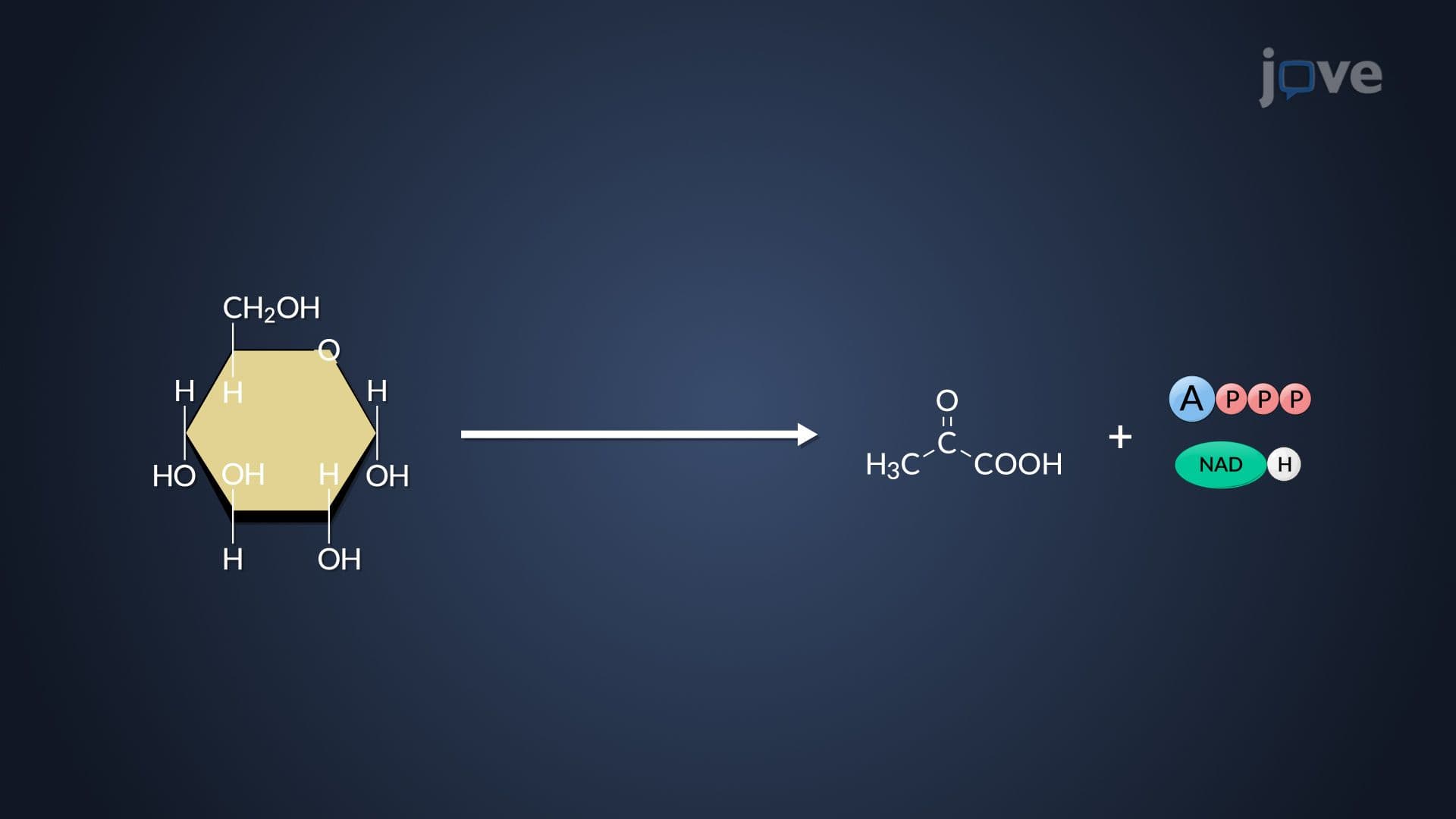
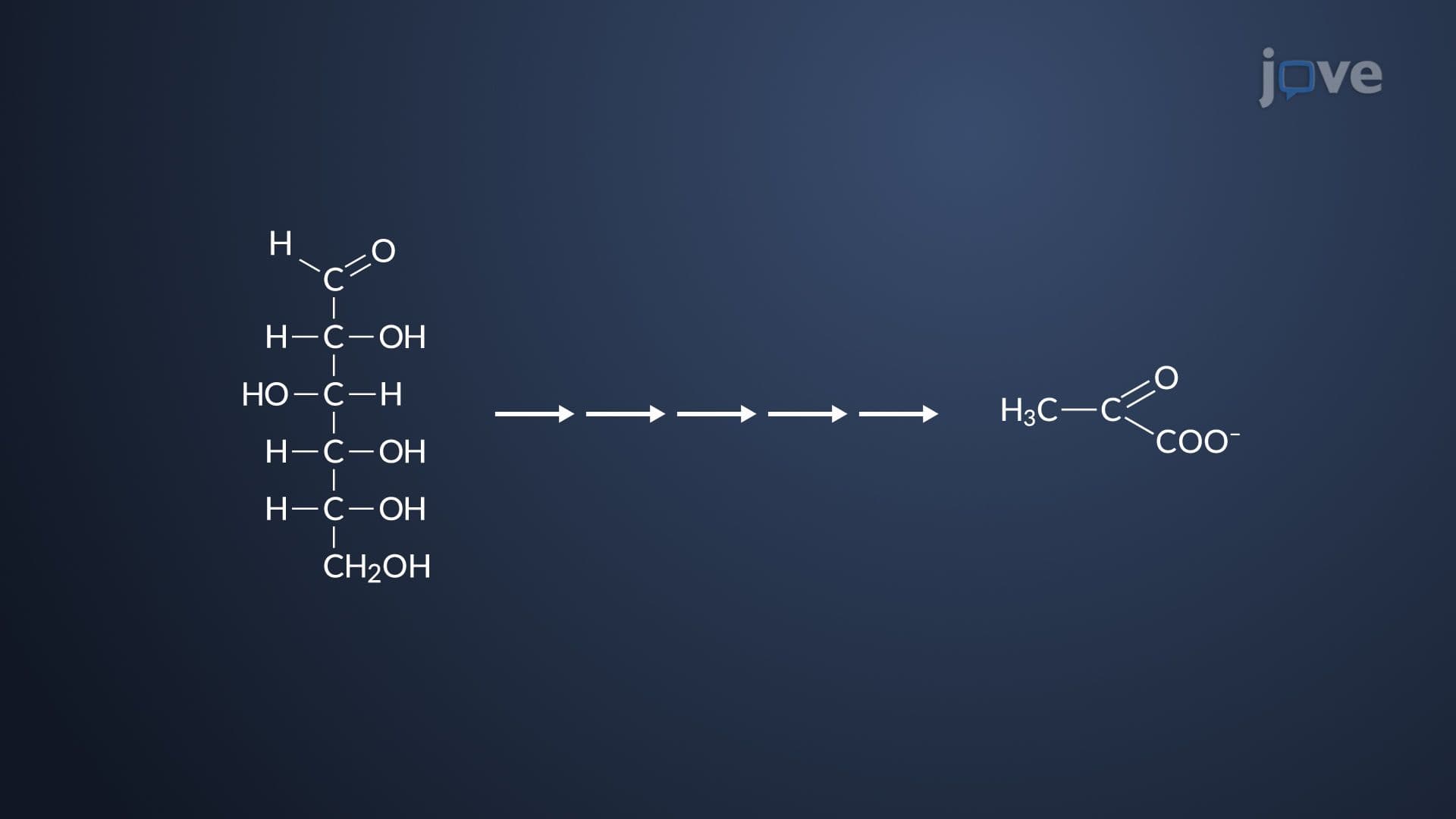
This process directly impacts cellular energy calculations studied in pre-med courses and tested on the MCAT. Students learn that theoretical ATP yields from glucose oxidation (approximately 32-38 ATP molecules) depend on these precise ratios and the efficiency of chemiosmotic coupling.
Understanding chemiosmosis proves essential for medical students studying mitochondrial diseases, which affect about 1 in 4,000 Americans. Conditions like Leigh syndrome and mitochondrial myopathy result from defects in electron transport or ATP synthesis, highlighting these processes' critical importance in human health.
Related Micro-courses