Loading subject page…

13,271 views

Video Summary: What Is Formation of Lipopolysaccharides
Ever wonder why antibiotic-resistant bacteria like E. coli are so hard to kill? The formation of lipopolysaccharides creates an impenetrable fortress in bacterial cell walls that helps pathogens survive harsh environments and evade our immune system. This complex biosynthetic process involves three distinct components-lipid A, core oligosaccharides, and O antigens-working together like molecular construction workers building a protective barrier. Watch the full video on JoVE Coach to master this concept with expert-led visuals and step-by-step explanations.
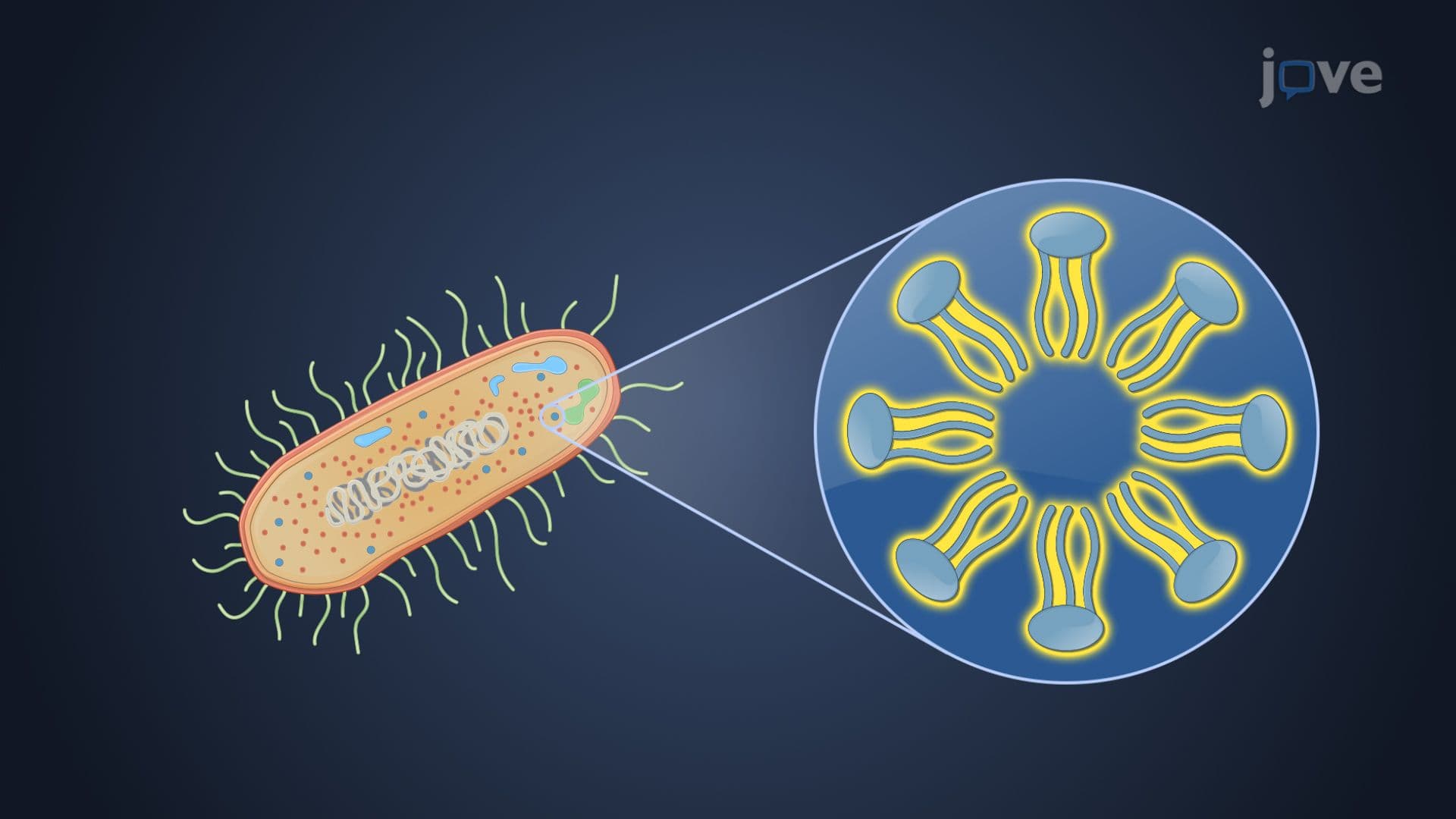
The formation of lipopolysaccharides represents one of the most sophisticated biosynthetic pathways in bacterial cell biology. This process creates the defining feature of gram-negative bacterial outer membranes-a complex glycolipid structure that serves as both architectural support and defensive shield. Unlike simple membrane lipids, LPS molecules are intricate three-part constructions requiring precise coordination between multiple cellular compartments.
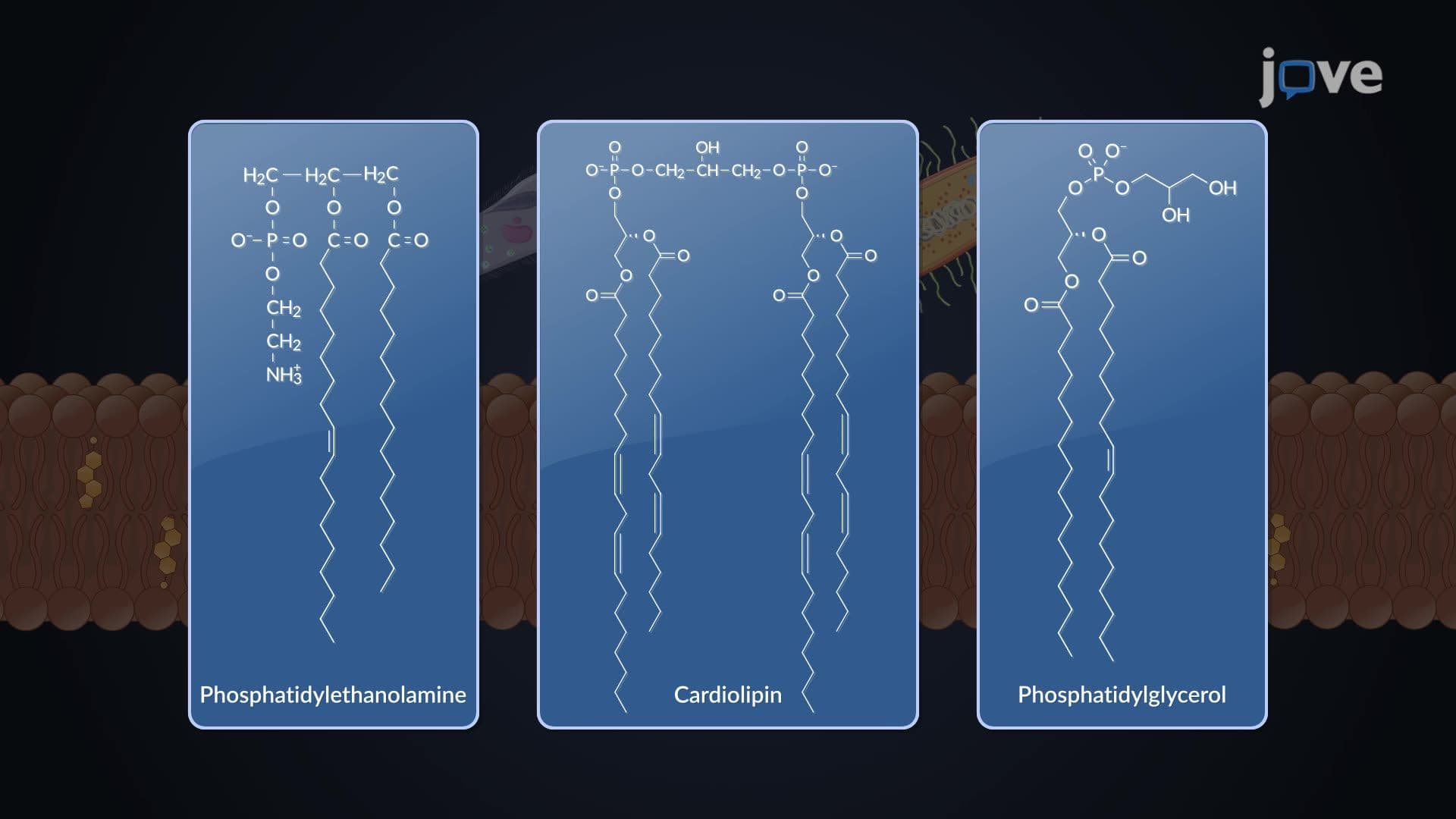
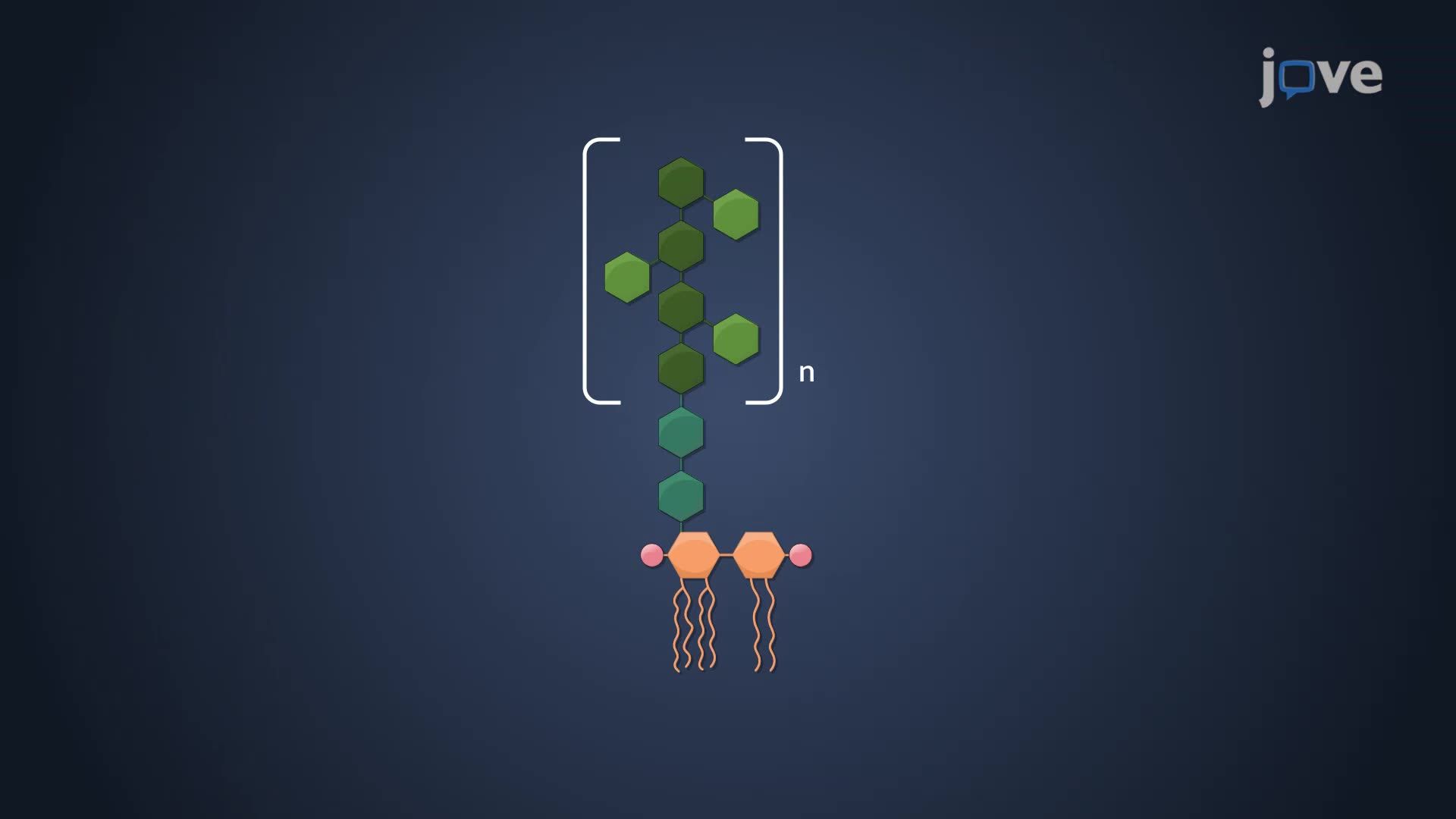
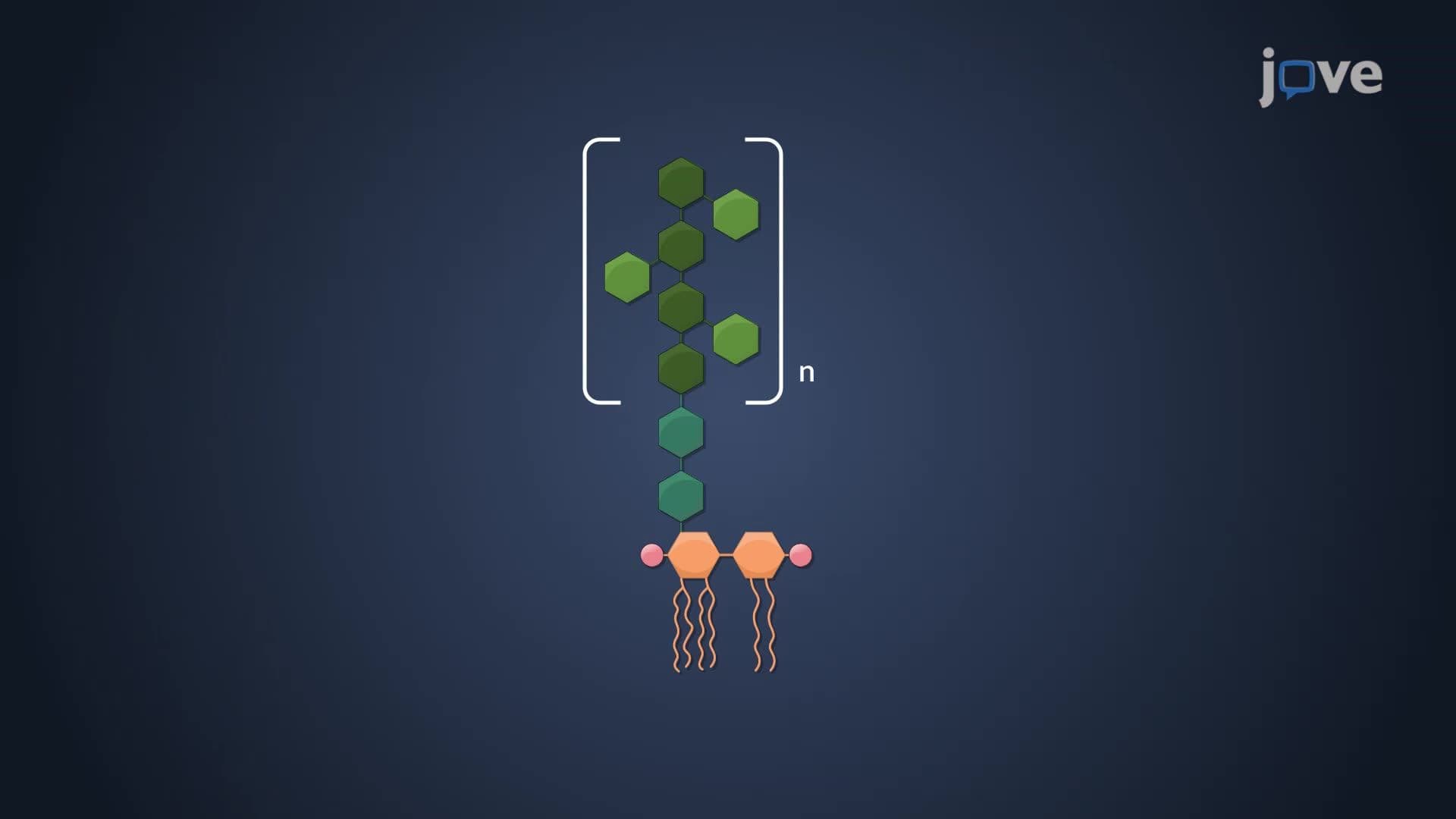
LPS formation centers around assembling three distinct molecular regions. Lipid A forms the hydrophobic anchor, embedding deep within the outer membrane like the foundation of a building. This component undergoes extensive modification, starting as a simple sugar derivative and gaining up to six fatty acid chains through sequential acylation reactions. The core oligosaccharide acts as the structural bridge, connecting the membrane-bound lipid A to the external components. Finally, the O antigen creates the outermost surface, providing species-specific identity markers that help bacteria evade host immune recognition.
The formation process resembles a complex manufacturing assembly line spanning multiple bacterial compartments. Lipid A biosynthesis begins in the cytoplasm using UDP-N-acetylglucosamine as the starting material. Enzymes systematically add fatty acids, creating increasingly complex intermediates. The MsbA transporter then moves the lipid A-core complex across the inner membrane-a critical quality control checkpoint that ensures only properly formed molecules proceed.
Meanwhile, O antigen synthesis occurs on specialized carrier lipids, with repeating units assembled and polymerized in the periplasmic space. This parallel processing allows bacteria to efficiently coordinate the production of all LPS components.
Understanding LPS formation proves essential for students pursuing healthcare careers. The MCAT frequently tests knowledge of bacterial cell wall synthesis, while AP Biology courses emphasize prokaryotic membrane structures. In clinical practice, LPS molecules trigger severe immune responses leading to septic shock-a leading cause of death in US intensive care units. Pharmaceutical companies target specific enzymes in the LPS formation pathway when developing new antibiotics, making this knowledge crucial for future researchers and medical professionals.
The formation of lipopolysaccharides also appears prominently in college-level microbiology and biochemistry courses, where students must understand both the molecular mechanisms and broader implications for bacterial pathogenesis and antibiotic resistance.
Related Micro-courses