Loading subject page…
- Microbiology
- Microbial Metabolism
- Glycolysis
Micro-course: Microbial Metabolism
13,271 views
Learn key concepts and earn your certificate.




Glycolysis

00:00
01:23
Video Summary: What Is Glycolysis
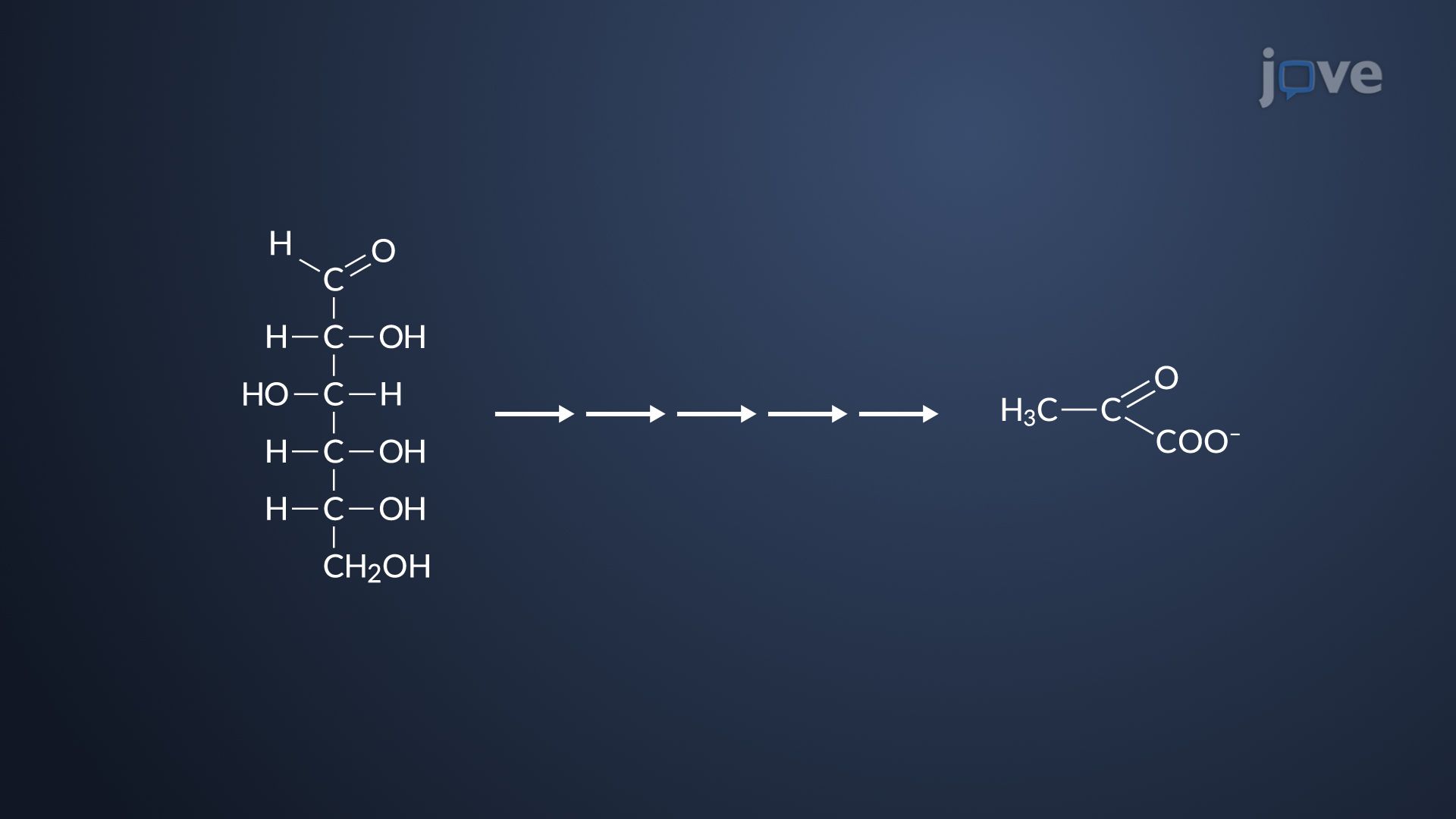
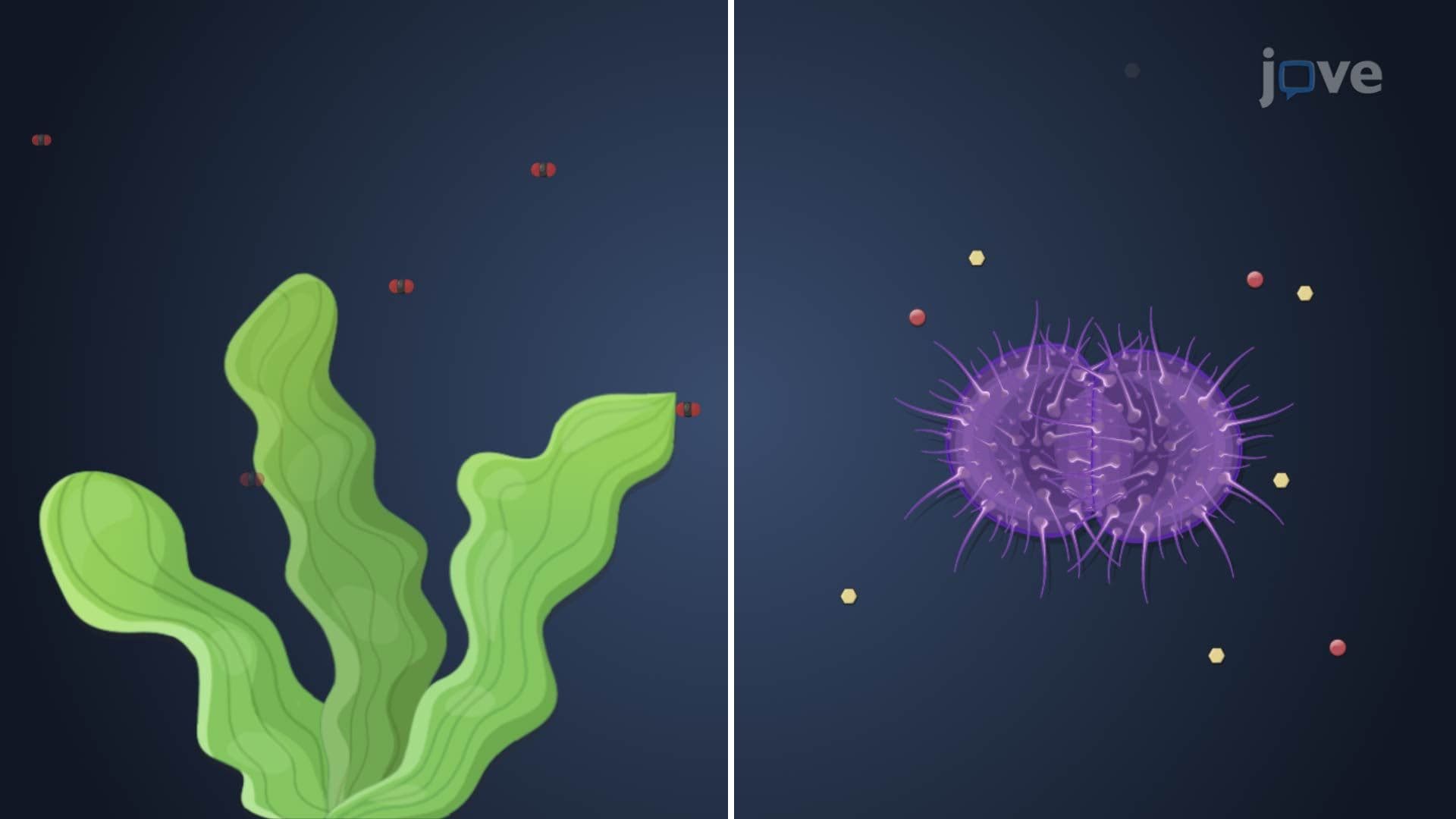
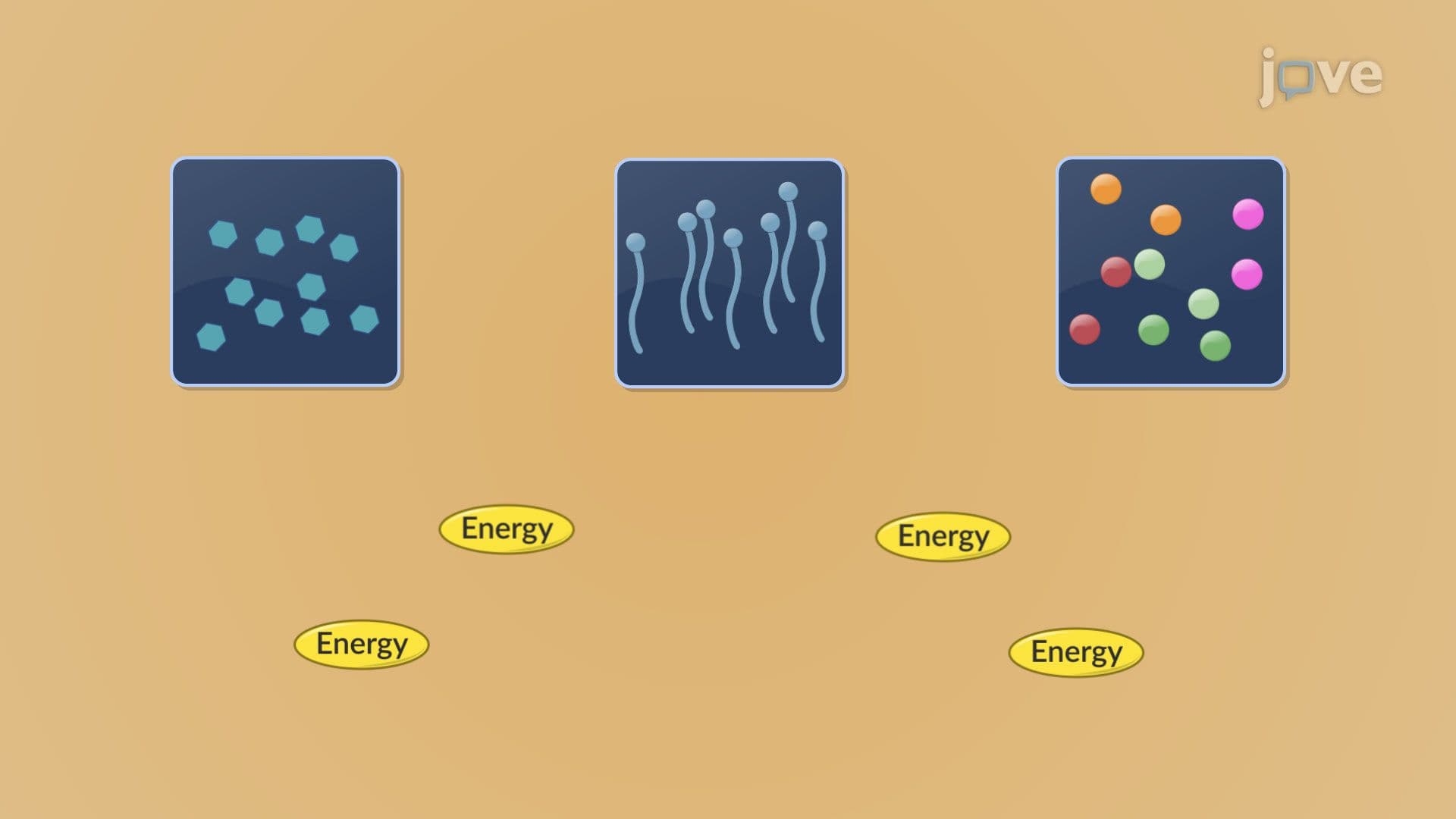
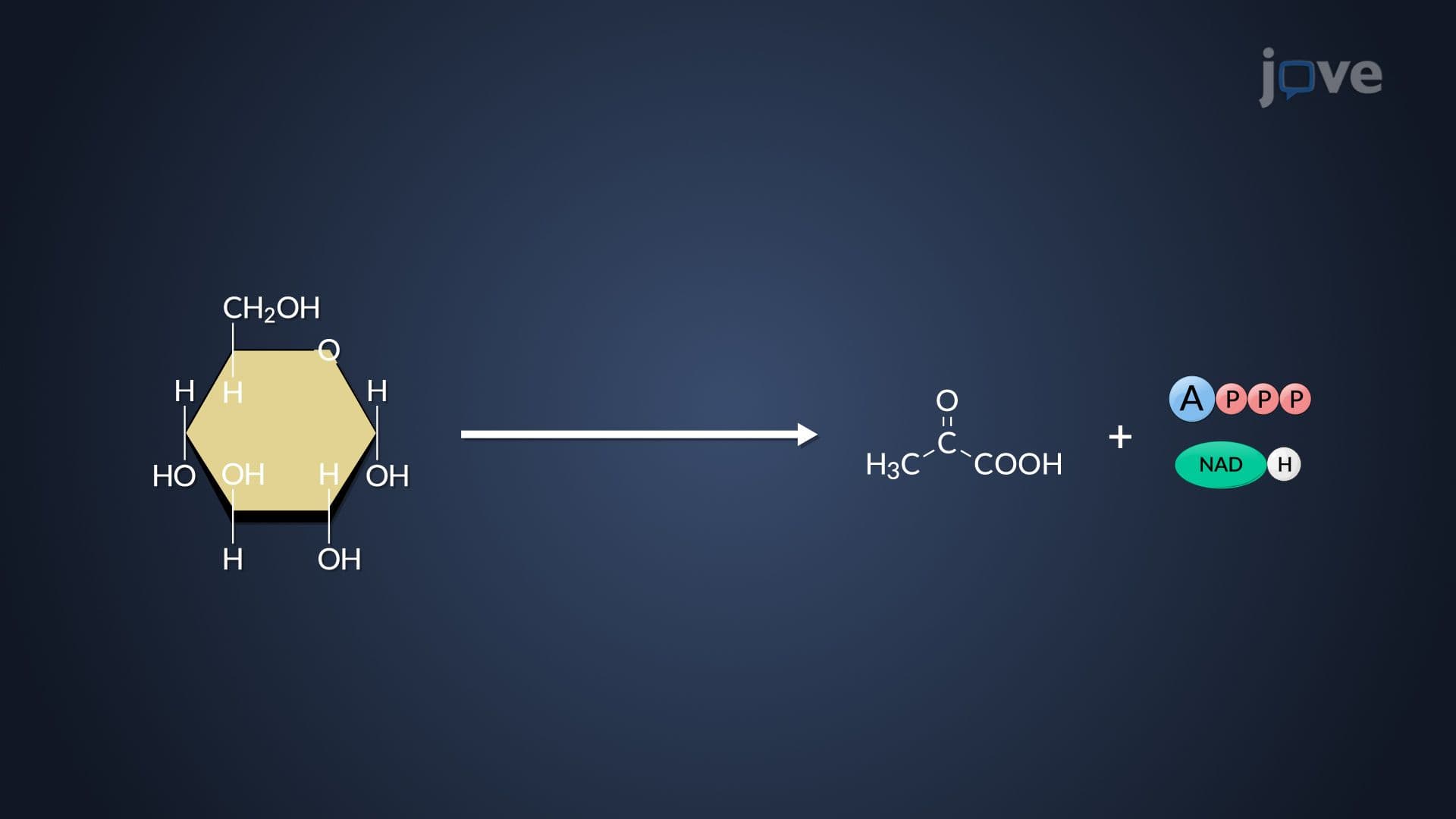
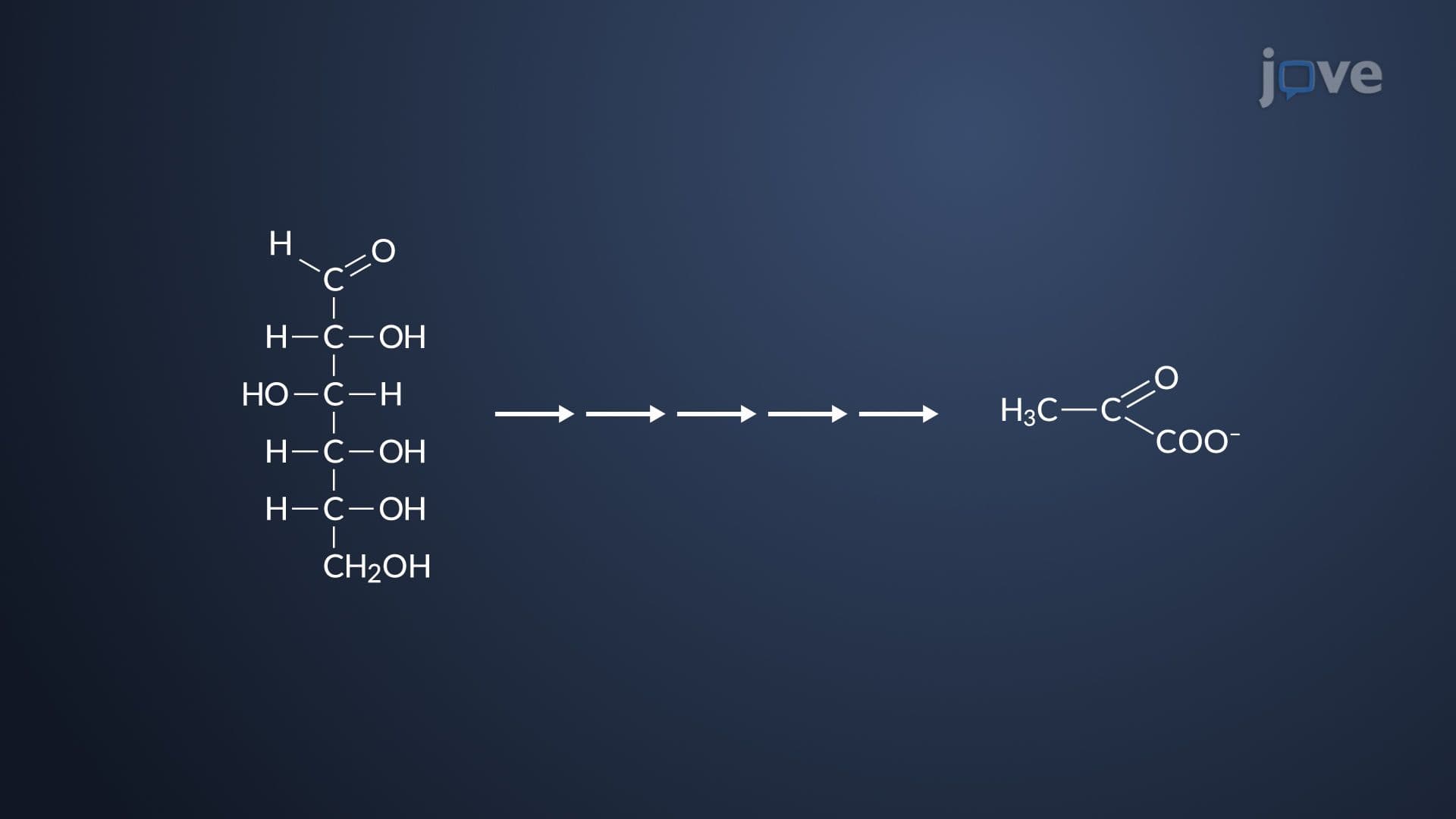
Every time you sprint up the stairs or your muscles need instant energy, glycolysis kicks in to break down glucose and fuel your cells within seconds. This universal metabolic pathway, also known as the Embden-Meyerhof pathway, converts one glucose molecule into two pyruvate molecules while generating ATP energy. Understanding what is glycolysis is essential for grasping how your body produces energy during exercise, from a basketball player's quick burst to the emergency room to marathon runners maintaining endurance. Watch the full video on JoVE Coach to master this concept with expert-led visuals and step-by-step explanations.
- Understand what is glycolysis and identify its role as the first step in glucose catabolism across all organisms
- Analyze the two distinct stages of glycolysis: the preparatory phase and the energy-conserving phase
- Recognize the key enzymes and intermediates involved in converting glucose to pyruvate
- Evaluate the net energy yield of glycolysis: 2 ATP and 2 NADH molecules per glucose molecule
- Compare the ATP investment phase with the ATP generation phase in terms of energy balance
- Apply knowledge of glycolysis to predict cellular energy production under different conditions
- Identify the connection between glycolysis and both aerobic and anaerobic metabolic pathways
- Explore how glycolysis regulation affects cellular metabolism and energy homeostasis
Understanding Glycolysis: The Universal Energy Pathway
Glycolysis represents one of the most fundamental and ancient metabolic pathways in biology, functioning as the primary mechanism for breaking down glucose to generate cellular energy. This ten-step enzymatic process occurs in the cytoplasm of virtually every cell type, from bacterial cells to human muscle fibers. For students taking AP Biology, college biochemistry courses, or preparing for the MCAT, mastering glycolysis is crucial because it serves as the foundation for understanding all other metabolic pathways.
The Two-Phase Structure of Glucose Breakdown
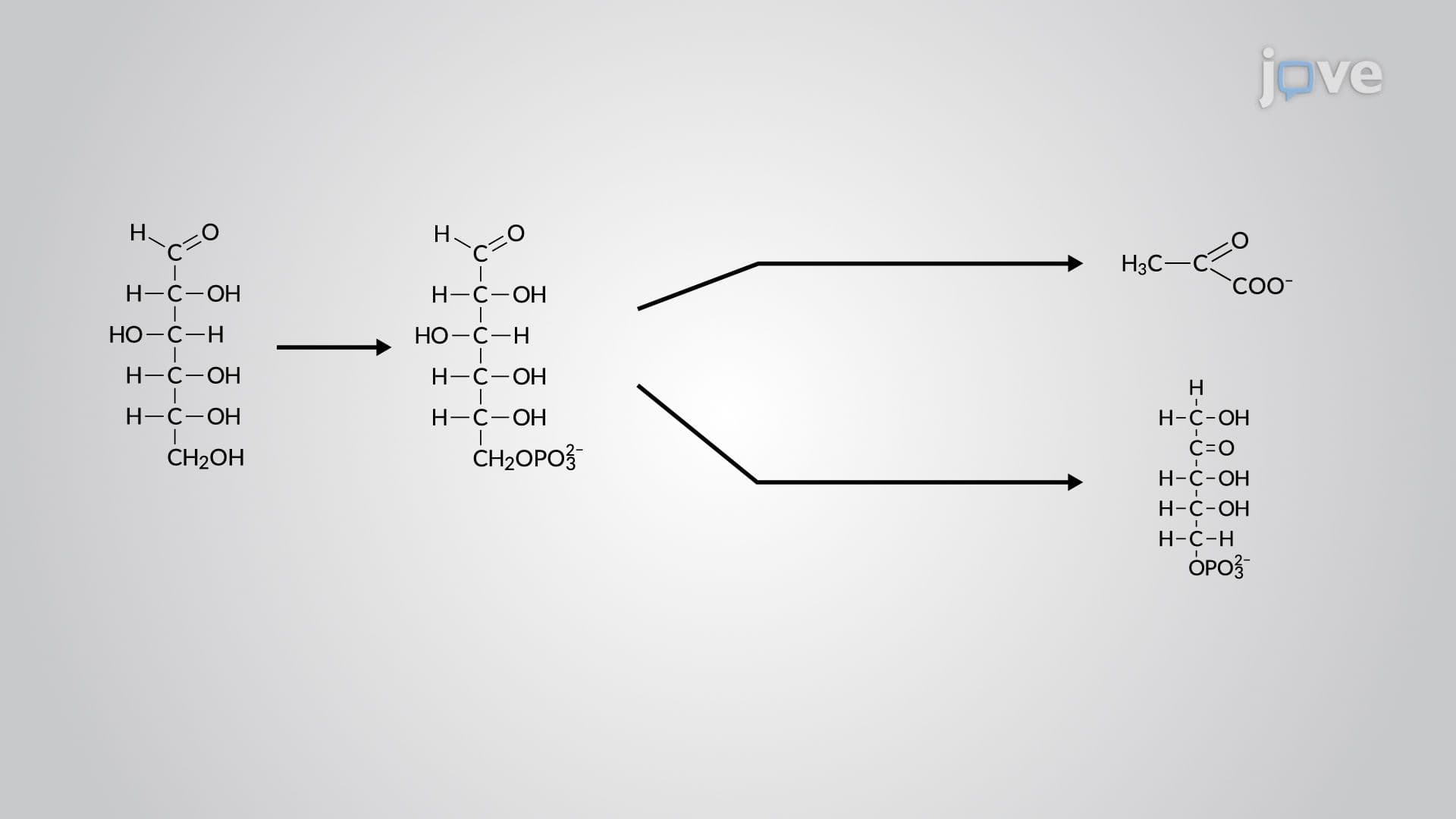
The glycolysis definition explained reveals a carefully orchestrated two-phase process. The preparatory phase requires an initial ATP investment to activate glucose. First, hexokinase phosphorylates glucose to glucose-6-phosphate, followed by isomerization to fructose-6-phosphate. Phosphofructokinase then adds another phosphate group, creating fructose-1,6-bisphosphate. This molecule splits into two three-carbon units: dihydroxyacetone phosphate and glyceraldehyde-3-phosphate, which quickly equilibrate to form two identical glyceraldehyde-3-phosphate molecules.
Energy Conservation and ATP Generation
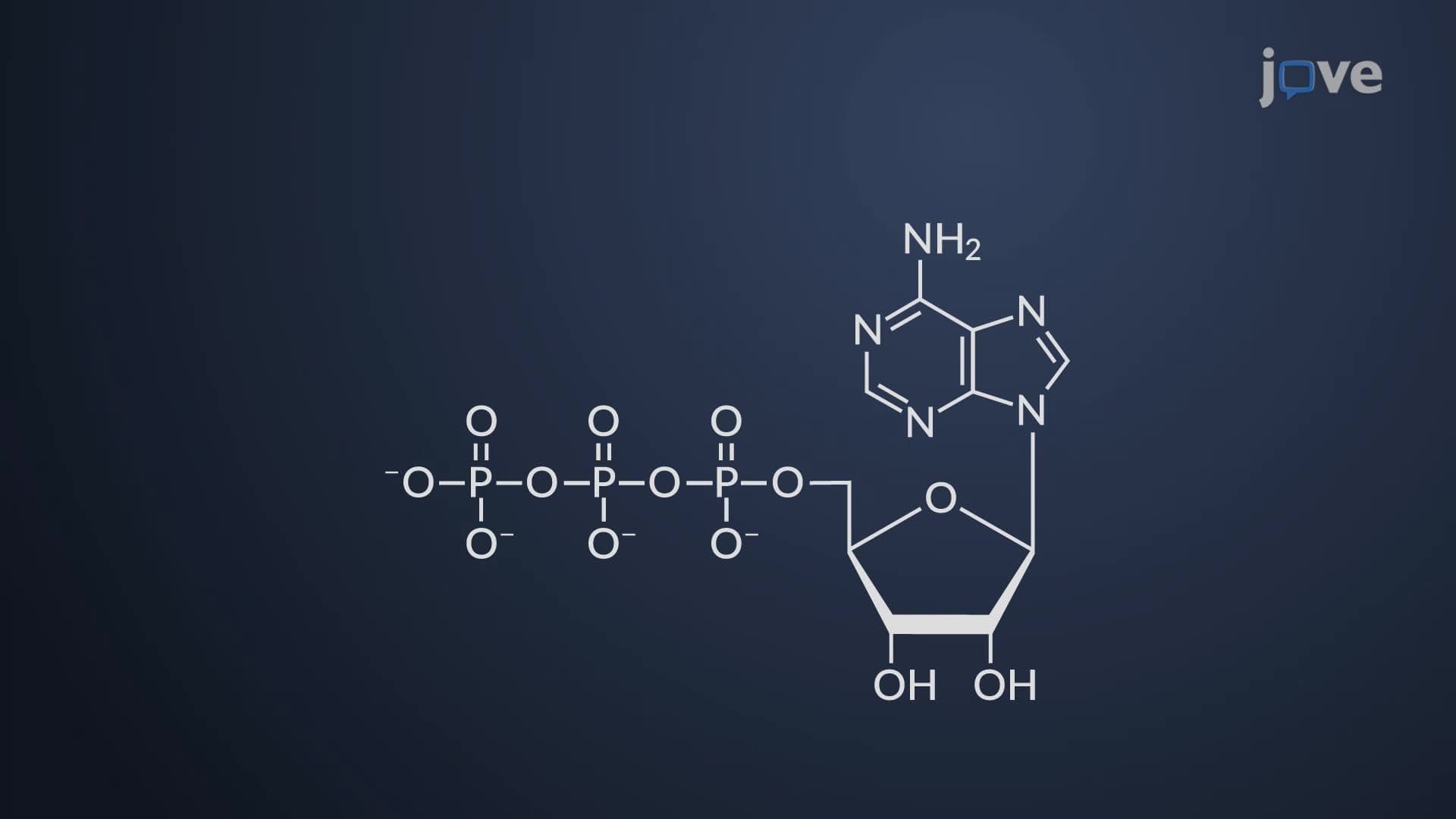
The energy-conserving phase transforms the two glyceraldehyde-3-phosphate molecules into pyruvate while capturing energy. Each three-carbon molecule undergoes oxidation coupled with substrate-level phosphorylation, generating 2 NADH and 4 ATP molecules total. The net result yields 2 ATP molecules (4 produced minus 2 invested) and 2 NADH molecules per glucose molecule. This ATP production becomes critical during high-intensity exercise when oxygen supply to muscles becomes limited.
Clinical and Real-World Applications
Understanding glycolysis proves essential for medical professionals and students preparing for healthcare careers. For instance, emergency room physicians at Johns Hopkins Hospital rely on lactate levels (produced when pyruvate enters anaerobic metabolism) to assess patient shock states. Cancer researchers study how tumor cells often exhibit increased glycolytic activity, a phenomenon known as the Warburg effect. Students preparing for nursing entrance exams like the HESI A2 or TEAS must understand how diabetes affects cellular glucose uptake and glycolytic efficiency.
Frequently Asked Questions
Glycolysis is the metabolic process that breaks down glucose (blood sugar) into two pyruvate molecules while producing energy in the form of ATP and NADH. This pathway occurs in the cytoplasm of cells and serves as the primary method for rapid energy production, especially during exercise or when oxygen levels are low.
AP Biology frequently tests glycolysis through multiple-choice questions about enzyme regulation, energy yield calculations, and connections to cellular respiration. Students must identify key intermediates, explain the role of ATP investment, and analyze experimental data showing glycolytic rates under different conditions.
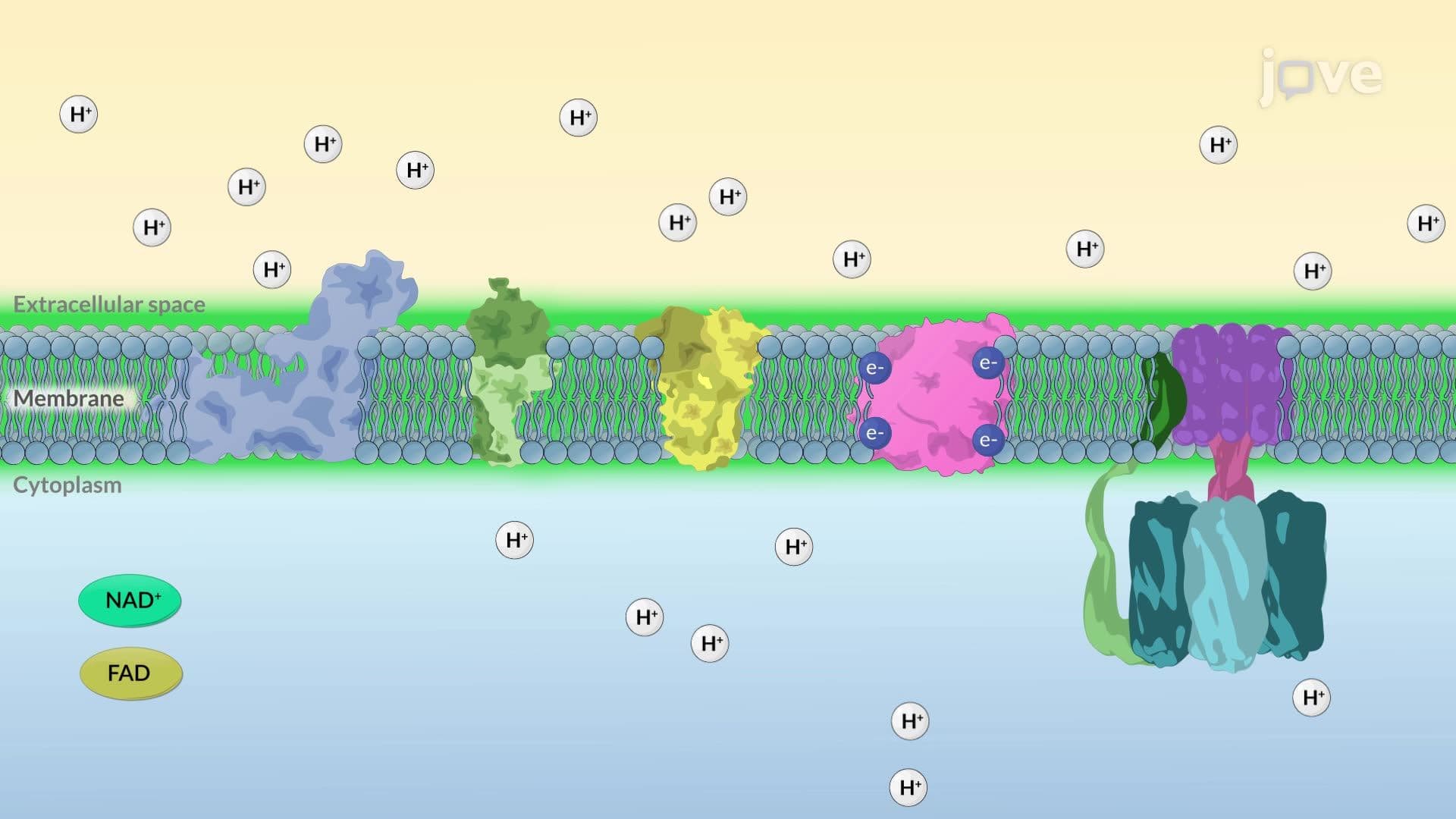
The MCAT heavily emphasizes metabolic pathways, with glycolysis appearing in biochemistry and biology sections. Test-takers must understand enzyme kinetics, allosteric regulation, and how glycolysis connects to the citric acid cycle and electron transport chain for comprehensive cellular respiration questions.
During intense exercise at facilities like the Olympic Training Center in Colorado Springs, athletes rely on glycolysis for immediate energy when oxygen delivery to muscles becomes insufficient. This explains why sprinters can maintain maximum speed for only short periods before lactic acid buildup occurs.
Glycolysis becomes manageable when approached step-by-step, focusing first on the overall concept before memorizing specific enzymes and intermediates. Most students find success by understanding the two phases and energy balance before tackling individual reaction mechanisms.
Create acronyms for the ten enzymes, draw the pathway repeatedly, and focus on understanding the logic behind each step rather than pure memorization. Practice calculating energy yields and connecting glycolysis to other metabolic pathways for comprehensive understanding.
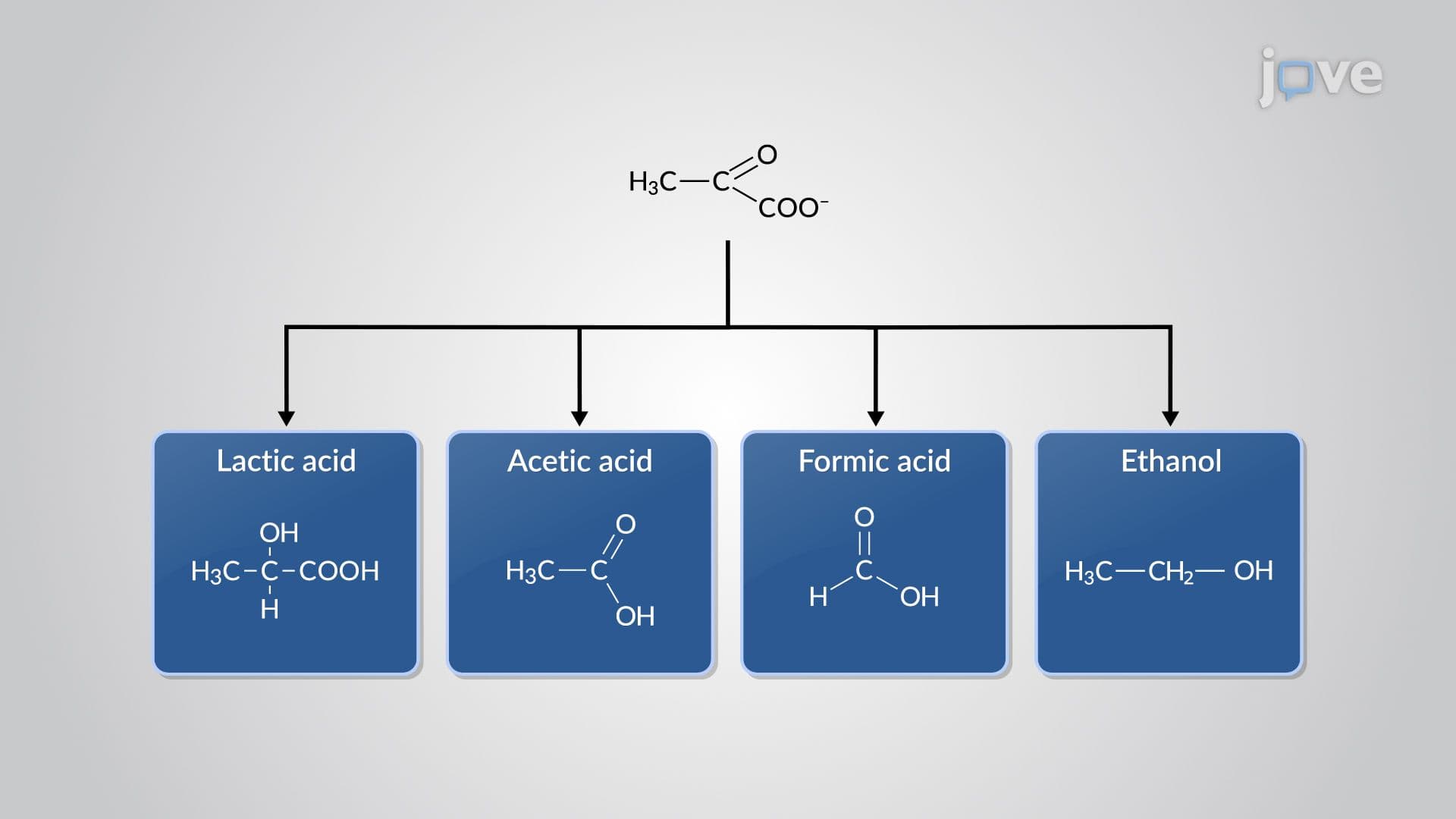
Progress to the citric acid cycle (Krebs cycle) and electron transport chain to complete cellular respiration, then explore gluconeogenesis and glycogen metabolism. Understanding fermentation pathways also builds naturally from glycolysis knowledge.
Glycolysis provides the foundation for enzyme kinetics, metabolic regulation, and bioenergetics concepts that appear throughout biochemistry curricula at universities like MIT and Stanford. This pathway introduces key principles of allosteric control and metabolic integration essential for advanced coursework.
Related Micro-courses
13 Concepts
6 Concepts

31 Concepts