Loading subject page…
- Microbiology
- Microbial Metabolism
- Lipid Catabolism
Micro-course: Microbial Metabolism
13,271 views
Learn key concepts and earn your certificate.




Lipid Catabolism

00:00
01:25
Video Summary: What Is Lipid Catabolism
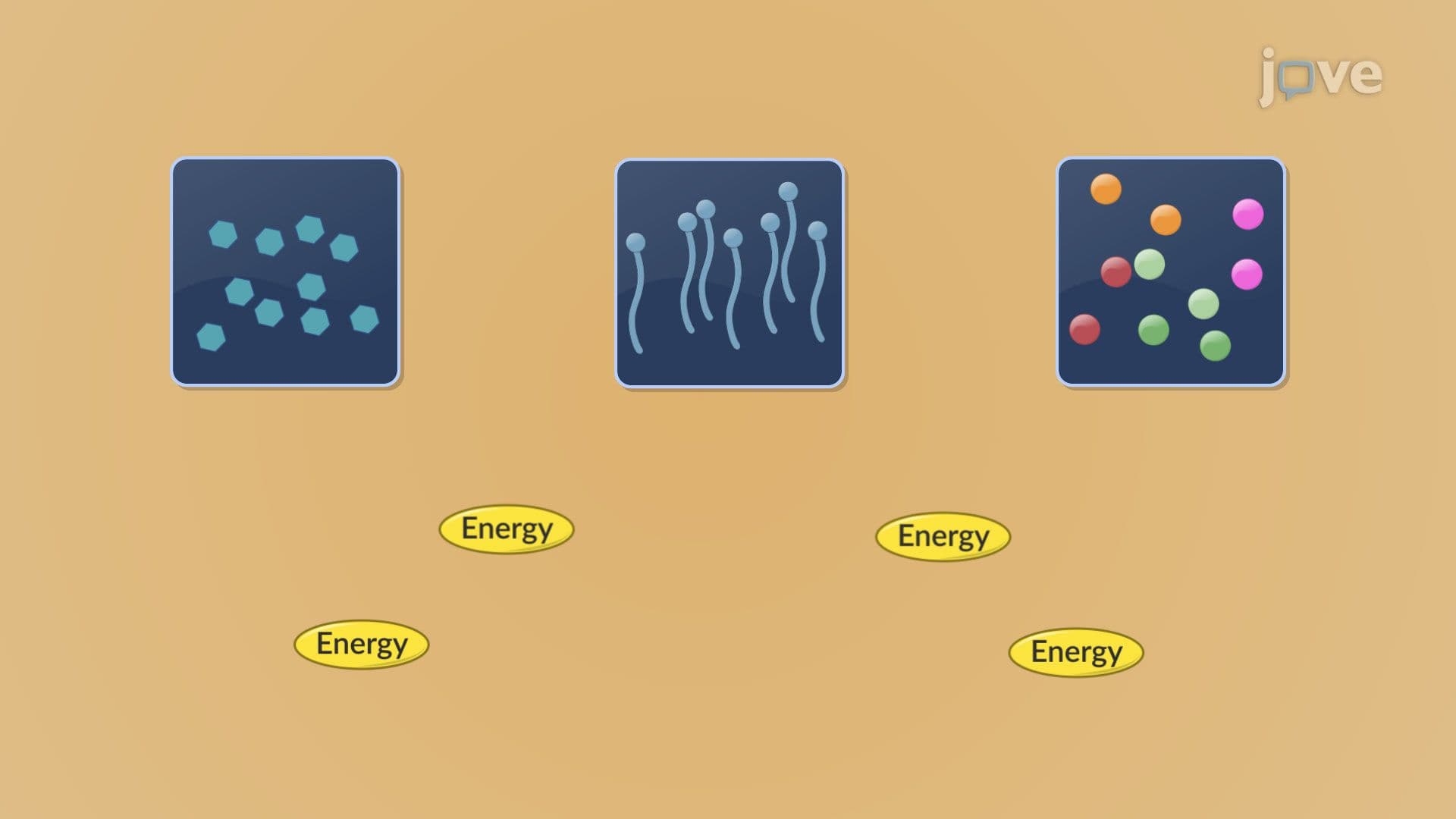
Did you know that a single gram of fat contains more than twice the energy of a gram of carbohydrate? Lipid catabolism is the metabolic breakdown of fats and oils to release this stored energy for cellular processes. This process is essential for understanding how the human body maintains energy during fasting periods and how bacteria can clean up environmental disasters like the Exxon Valdez oil spill. Watch the full video on JoVE Coach to master this concept with expert-led visuals and step-by-step explanations.
- Understand what lipid catabolism is and how it differs from other metabolic pathways in cellular energy production
- Identify the key enzymes and molecules involved in triglyceride breakdown, including lipases, glycerol kinase, and acyl-CoA dehydrogenase
- Analyze the two distinct pathways that metabolize glycerol and fatty acids after triglyceride hydrolysis
- Compare the energy yield from fatty acid beta-oxidation versus carbohydrate metabolism in terms of ATP production
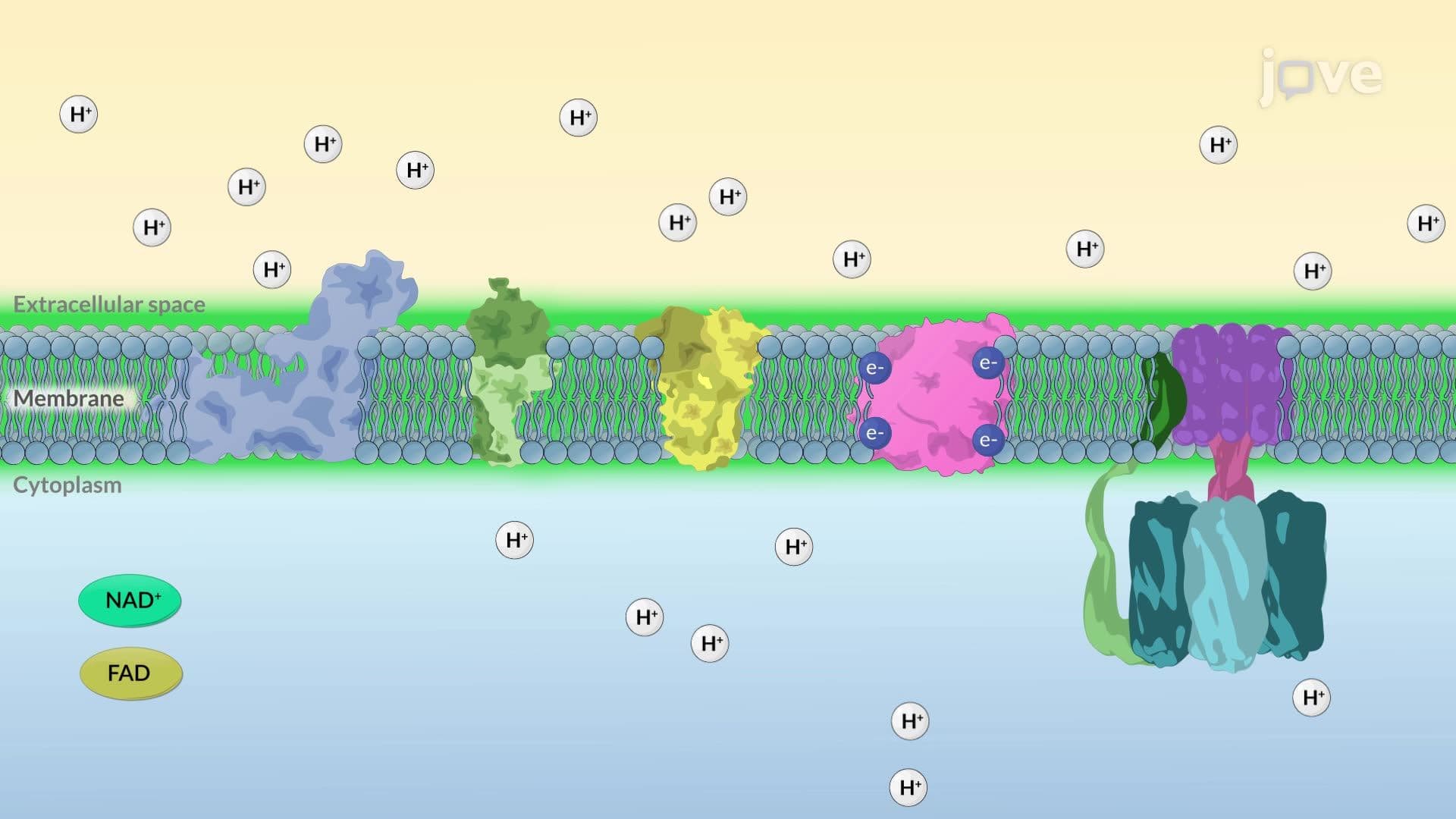
- Evaluate the role of electron carriers (NAD+ and FAD) in capturing energy during lipid breakdown
- Apply knowledge of acetyl-CoA production to understand how lipid catabolism connects to the citric acid cycle
- Recognize the environmental applications of bacterial lipid catabolism in bioremediation projects
- Explore how lipid catabolism disorders can affect human health and metabolism
Understanding Lipid Catabolism Fundamentals
Lipid catabolism represents one of the body's most efficient energy-harvesting processes, breaking down stored fats to fuel cellular activities. Unlike carbohydrates that provide quick energy bursts, lipids serve as the body's long-term energy reserves, stored primarily in adipose tissue. When energy demands exceed immediate carbohydrate availability-such as during overnight fasting or extended exercise-lipid catabolism becomes the primary energy source.
The process begins when hormones like glucagon and epinephrine signal energy need, activating hormone-sensitive lipase in fat cells. This enzyme breaks down triglycerides (the storage form of fats) into glycerol and three fatty acid chains, releasing them into the bloodstream for transport to energy-demanding tissues like muscle and liver.
The Two-Pathway System of Lipid Breakdown
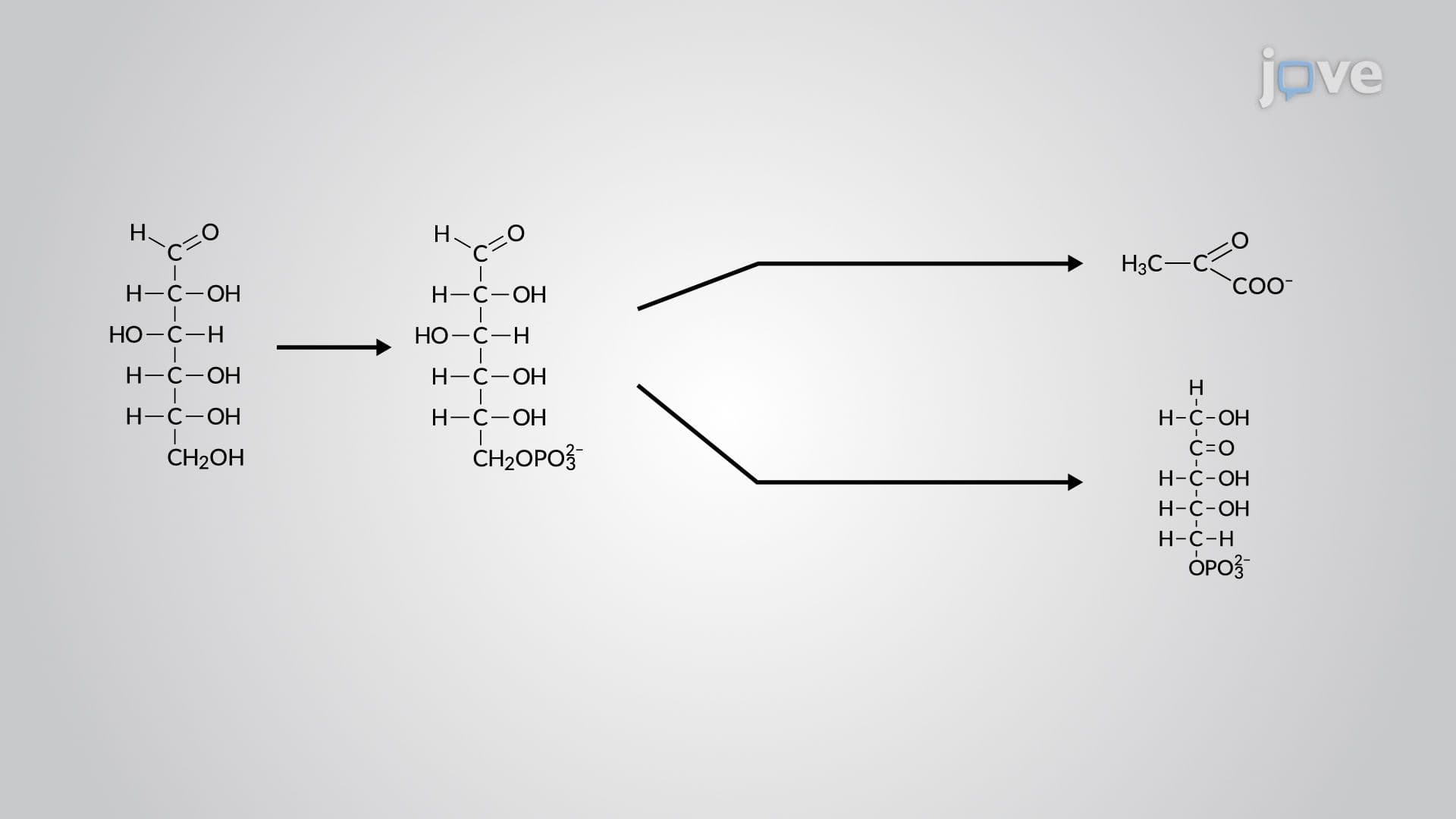
Once triglycerides are hydrolyzed, their components follow separate metabolic routes. Glycerol, the three-carbon backbone, undergoes phosphorylation by glycerol kinase to form glycerol-3-phosphate. This molecule then converts to dihydroxyacetone phosphate, which enters glycolysis-the same pathway used for glucose metabolism. This connection demonstrates how different fuel sources converge in cellular metabolism.
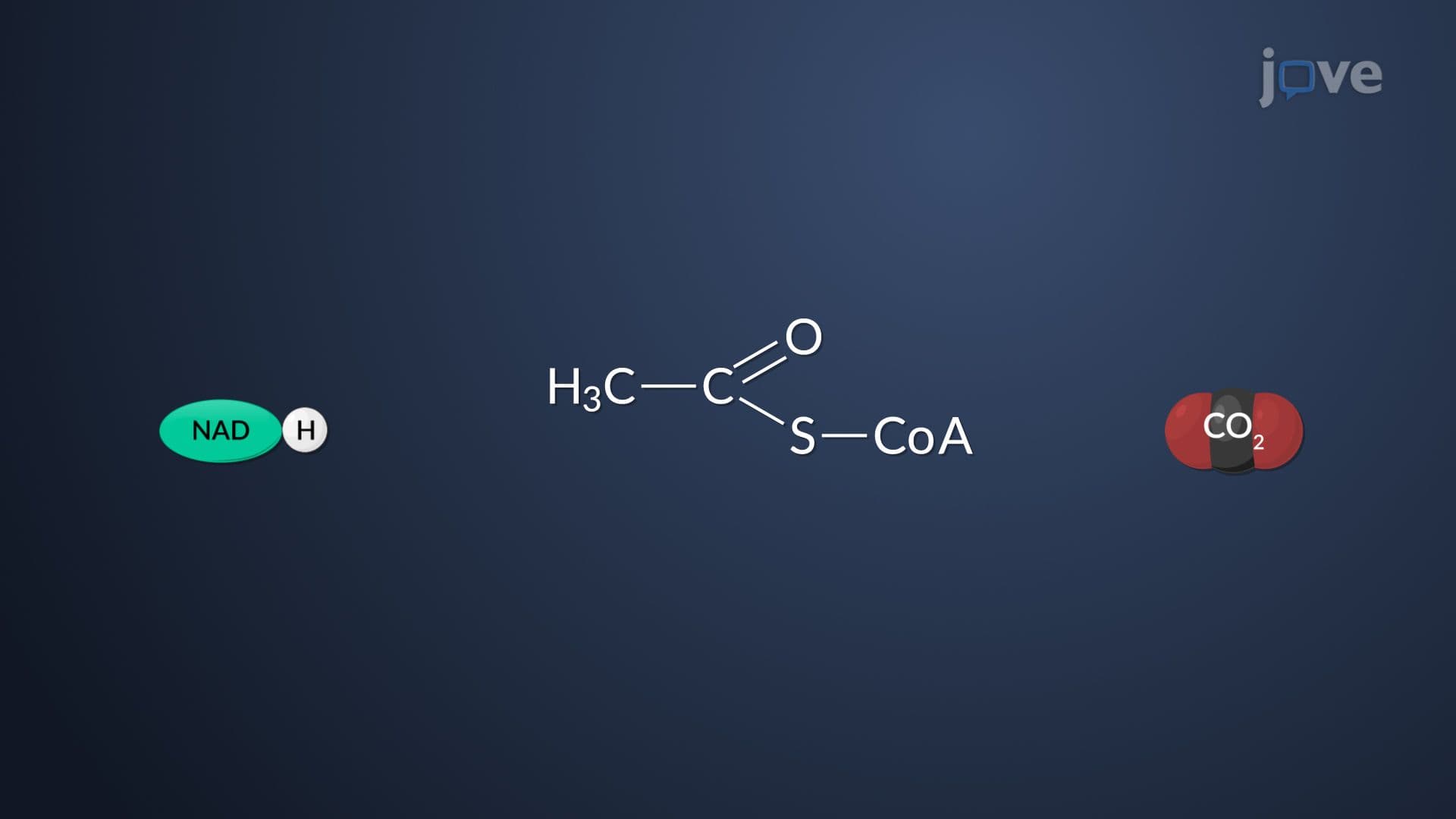
Fatty acids take a more complex route through beta-oxidation, occurring primarily in mitochondria. This systematic process removes two-carbon units (acetyl-CoA) from the fatty acid chain, working from the carboxyl end toward the methyl end. Each cycle of beta-oxidation produces one acetyl-CoA, one NADH, and one FADH2. A typical 16-carbon fatty acid (palmitic acid) undergoes seven cycles, generating eight acetyl-CoA molecules plus seven each of NADH and FADH2.
Energy Production and Clinical Significance
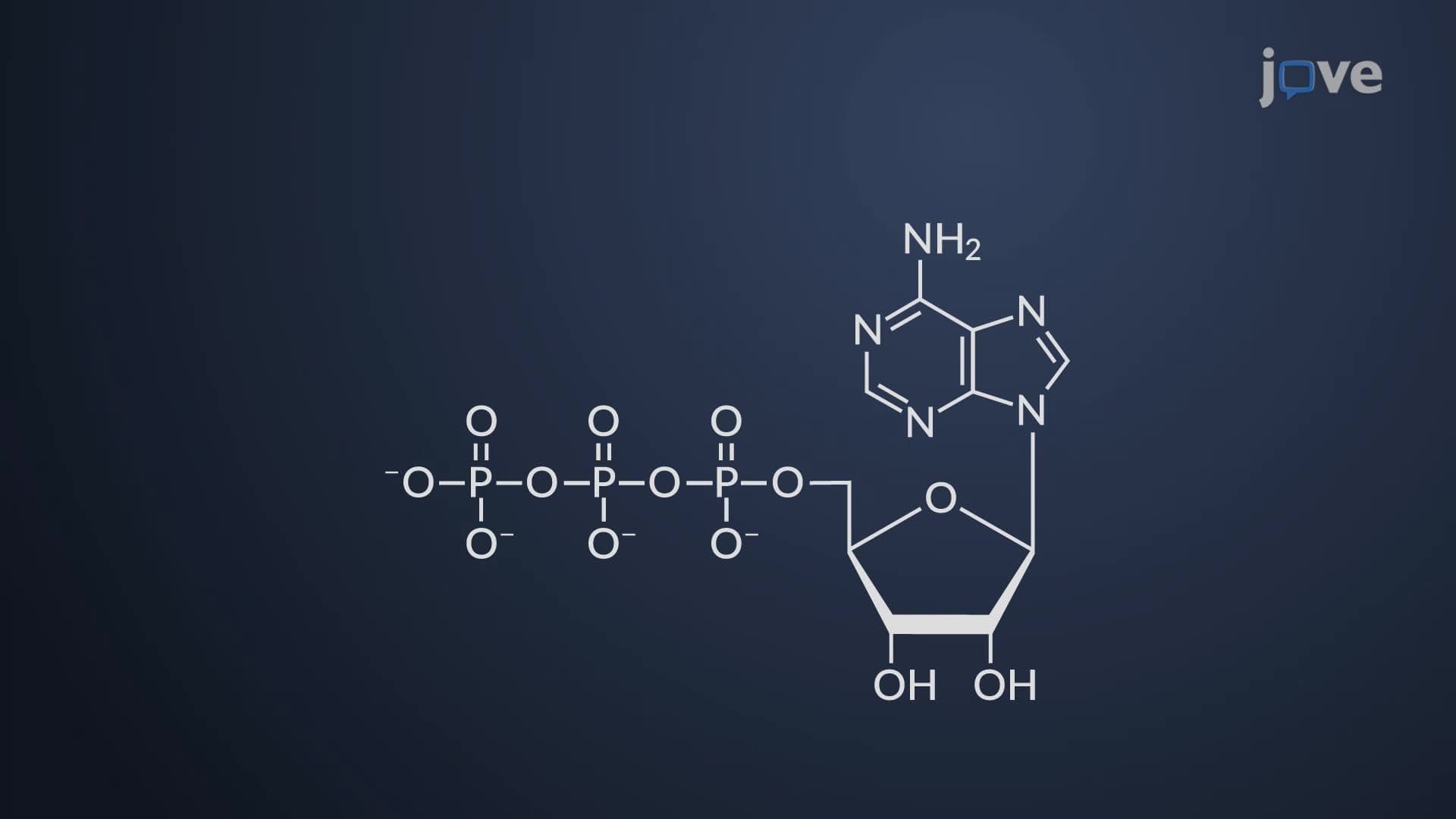
The energy yield from lipid catabolism far exceeds that of carbohydrates. While glucose generates approximately 30-32 ATP molecules through complete oxidation, palmitic acid produces about 129 ATP molecules-more than four times the energy per molecule. This efficiency explains why the body preferentially stores excess energy as fat rather than carbohydrate.
Understanding lipid catabolism proves crucial for AP Biology students tackling cellular respiration questions and pre-med students preparing for MCAT biochemistry sections. Clinical applications include diagnosing metabolic disorders like medium-chain acyl-CoA dehydrogenase deficiency, which affects fatty acid oxidation and can cause serious health complications in infants.
Environmental and Biotechnology Applications
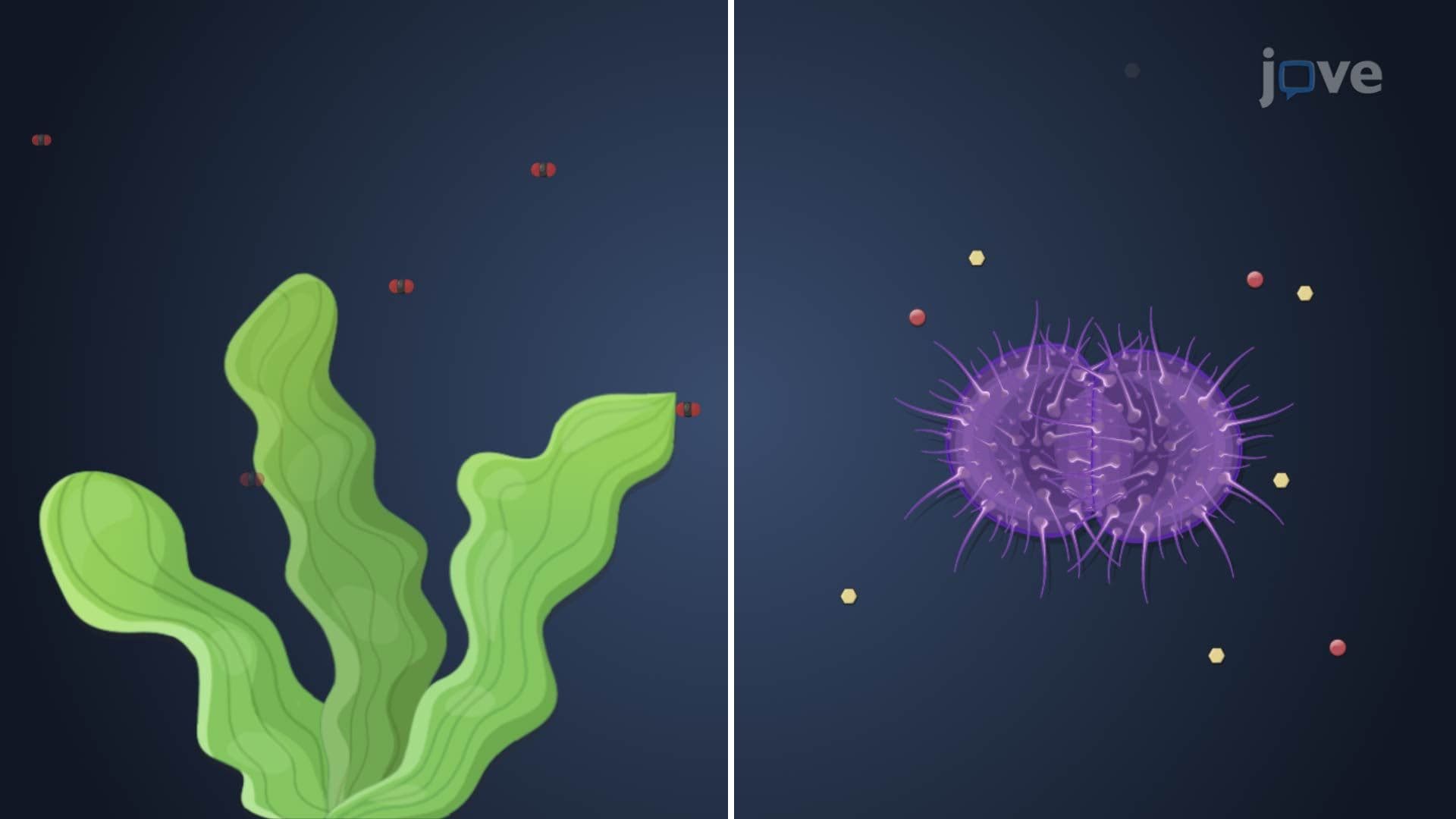
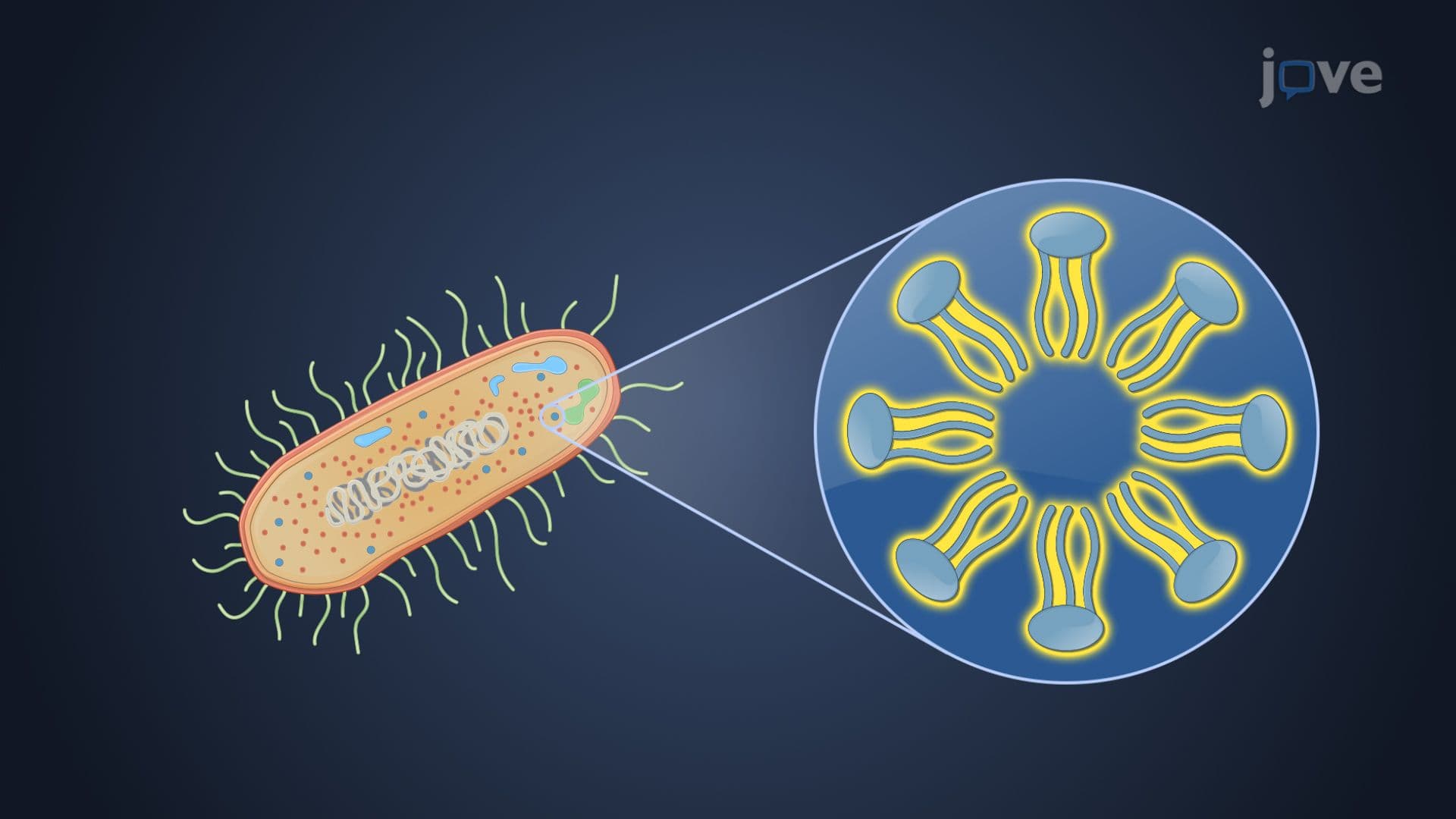
Beyond human metabolism, lipid catabolism has significant environmental applications. Certain bacteria possess robust lipase and fatty acid oxidation systems, enabling them to metabolize petroleum hydrocarbons. This capability makes them invaluable for bioremediation projects, such as cleaning oil spills along US coastlines. Companies like Exxon and BP have invested in bacterial treatment technologies that harness these natural metabolic processes for environmental cleanup.
Frequently Asked Questions
Lipid catabolism is the metabolic breakdown of fats and oils to produce energy for cellular processes. It's crucial because lipids store more than twice the energy per gram compared to carbohydrates, making them the body's primary long-term energy reserve. This process becomes especially important during fasting, sleep, or extended physical activity when immediate carbohydrate sources are depleted.
MCAT questions often focus on beta-oxidation calculations, energy yields, and metabolic pathway connections, especially comparing ATP production from different fuel sources. AP Biology exams typically test the overall process, enzyme functions, and how lipid catabolism relates to cellular respiration. Students should master the two-pathway system (glycerol vs. fatty acid processing) and understand cofactor roles like NAD+ and FAD.
Beta-oxidation uniquely operates by systematically removing two-carbon units from fatty acid chains, unlike glycolysis which processes entire glucose molecules at once. It occurs primarily in mitochondria and produces acetyl-CoA that feeds into the citric acid cycle. The process also generates more reduced cofactors (NADH and FADH2) per carbon atom than carbohydrate metabolism, explaining lipids' superior energy density.
Lipid catabolism disorders affect thousands of Americans, including fatty acid oxidation defects that can cause muscle weakness, liver problems, and cardiac issues. For example, MCAD (medium-chain acyl-CoA dehydrogenase) deficiency affects about 1 in 10,000 US births and requires careful dietary management. Understanding this process also helps explain conditions like diabetic ketoacidosis, where excessive fatty acid breakdown produces dangerous ketone levels.
While helpful, advanced chemistry isn't required to grasp lipid catabolism fundamentals. High school biology and basic organic chemistry concepts (like recognizing fatty acids and understanding enzyme function) provide sufficient background. Focus on the big picture: fats break down into smaller pieces that produce energy. The specific molecular details can be learned gradually as you progress through your coursework.
Create flowcharts showing the pathway from triglycerides to ATP, emphasizing the glycerol and fatty acid branches. Practice calculating energy yields from different fatty acids and compare them to glucose. Use mnemonics for enzyme names and focus on understanding rather than memorizing-know why each step occurs and how it connects to other metabolic processes you've studied.
Build on this foundation by exploring lipid biosynthesis (anabolism) to understand how the body creates fats from other nutrients. Study ketogenesis, which uses acetyl-CoA from fatty acid breakdown to produce ketone bodies during extended fasting. This knowledge connects well with metabolism integration topics and prepares you for advanced biochemistry courses.
College exams typically require deeper mechanistic understanding, including enzyme kinetics, regulation mechanisms, and quantitative calculations of energy yields. You'll encounter more complex scenarios involving metabolic disorders, pharmaceutical interventions, and research applications. High school focuses on the overall process, while college courses examine molecular details and clinical relevance.
Related Micro-courses
13 Concepts
6 Concepts

31 Concepts