Loading subject page…
- Microbiology
- Microbial Metabolism
- Introduction to Metabolism
Micro-course: Microbial Metabolism
13,271 views
Learn key concepts and earn your certificate.


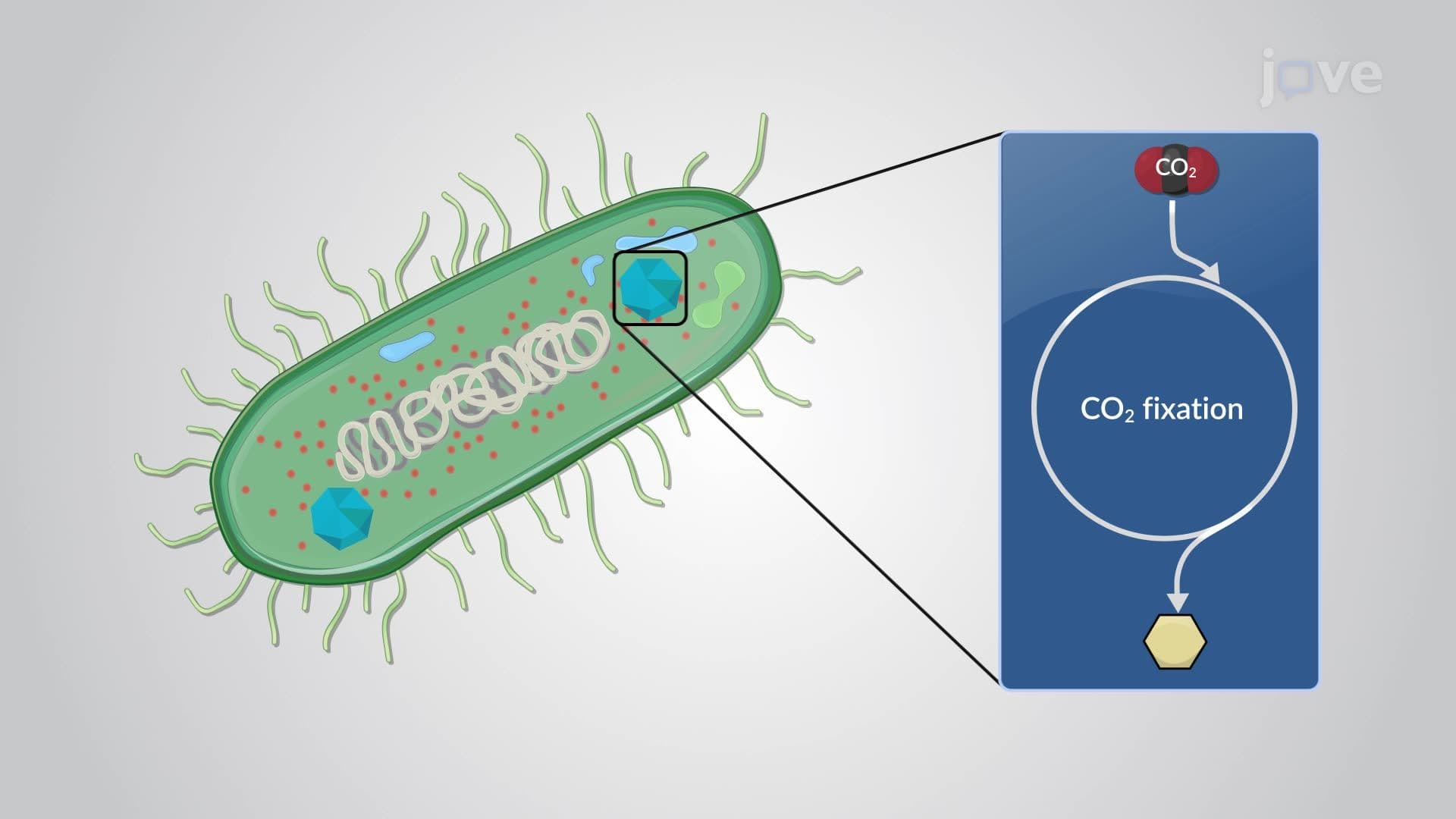
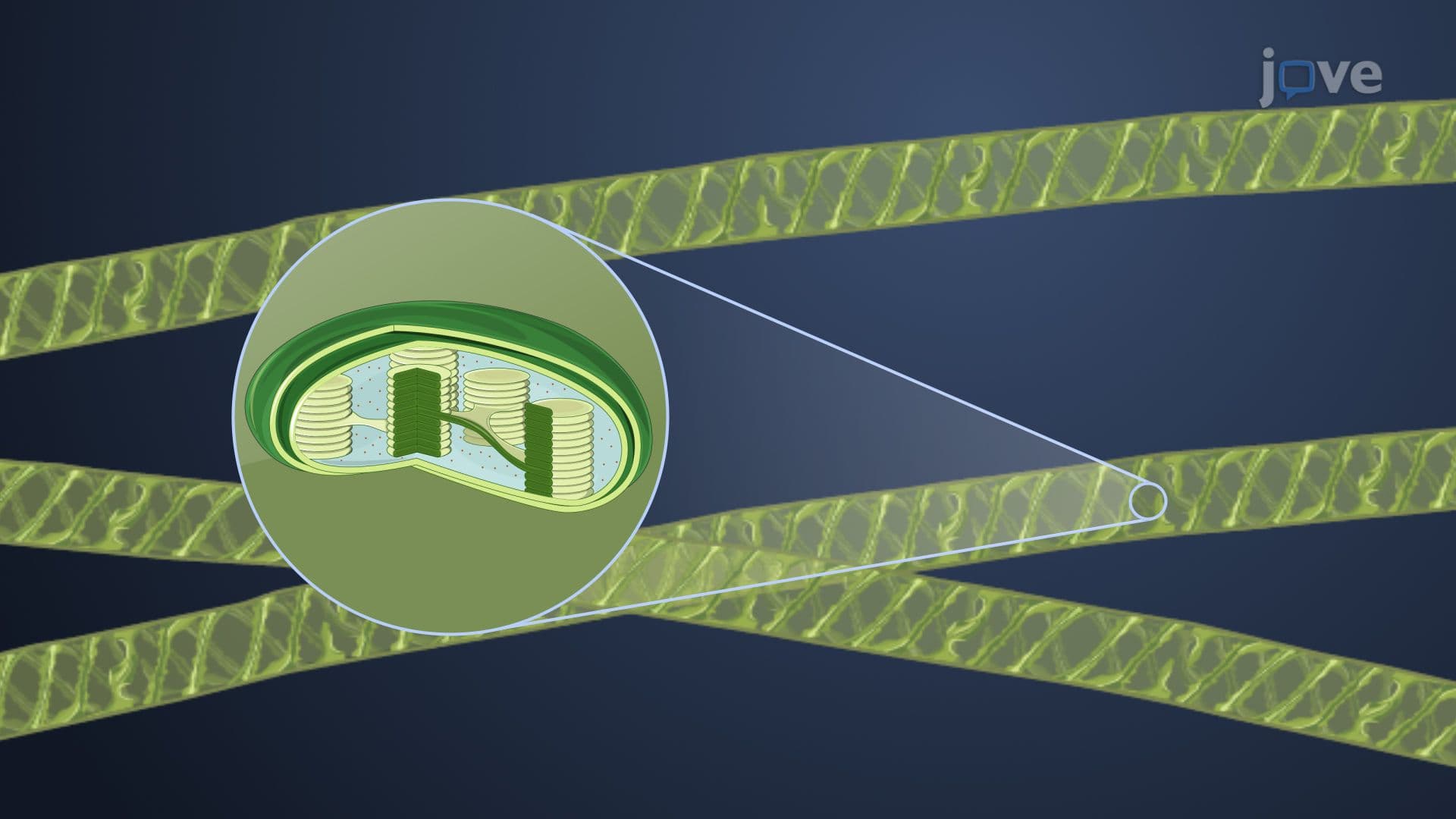
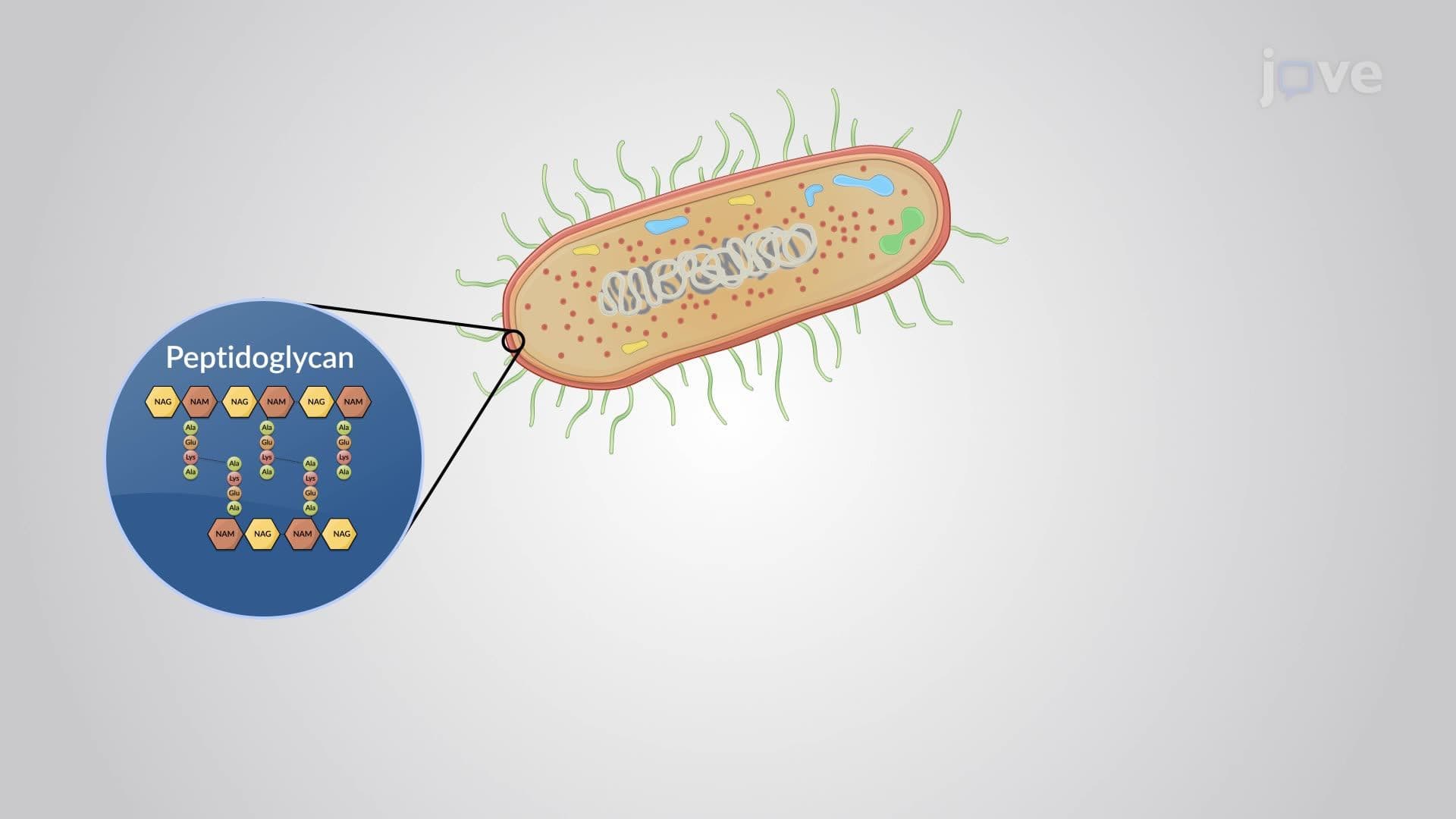


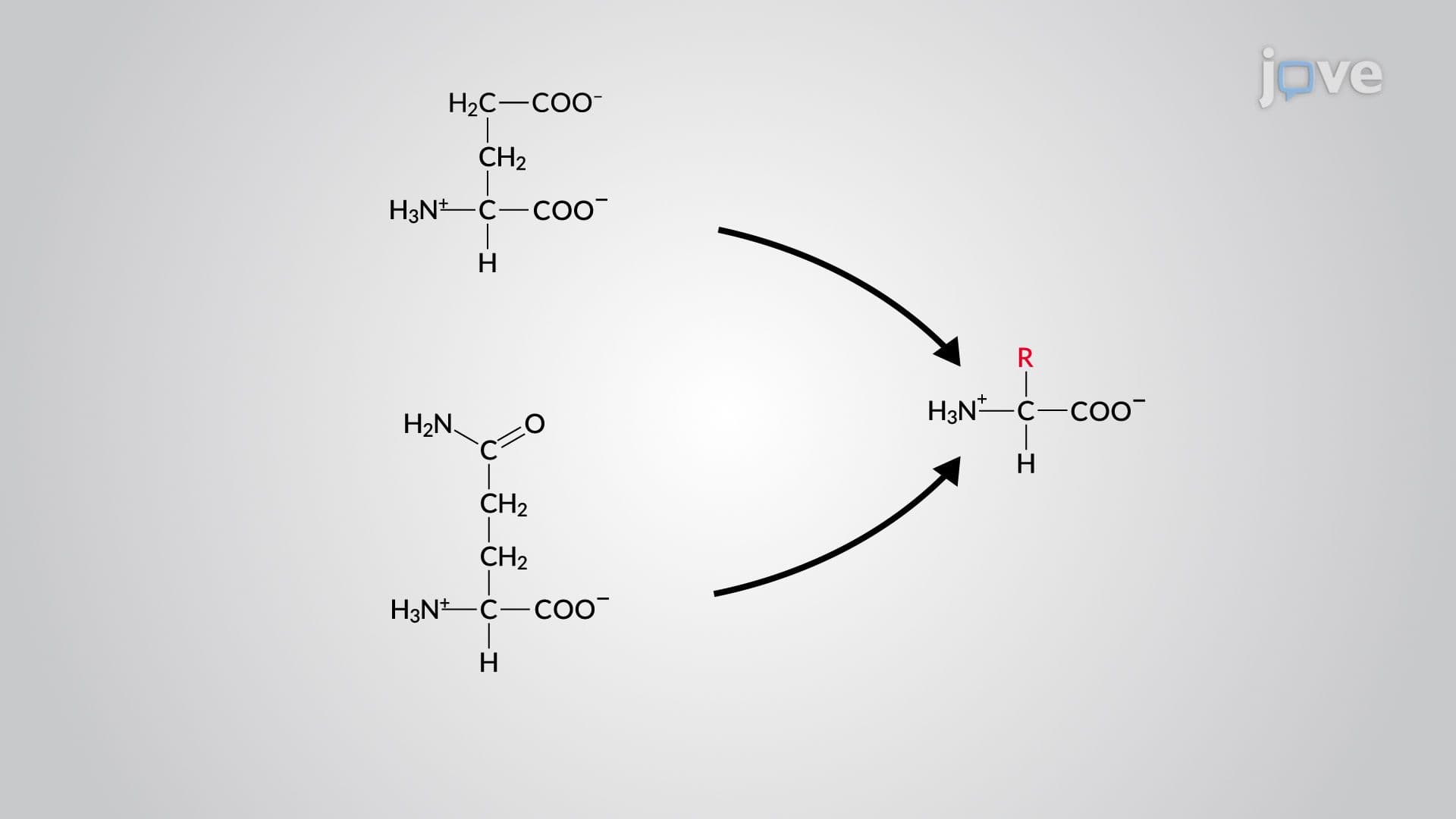
Introduction to Metabolism

00:00
01:30
Video Summary: What Is Metabolism
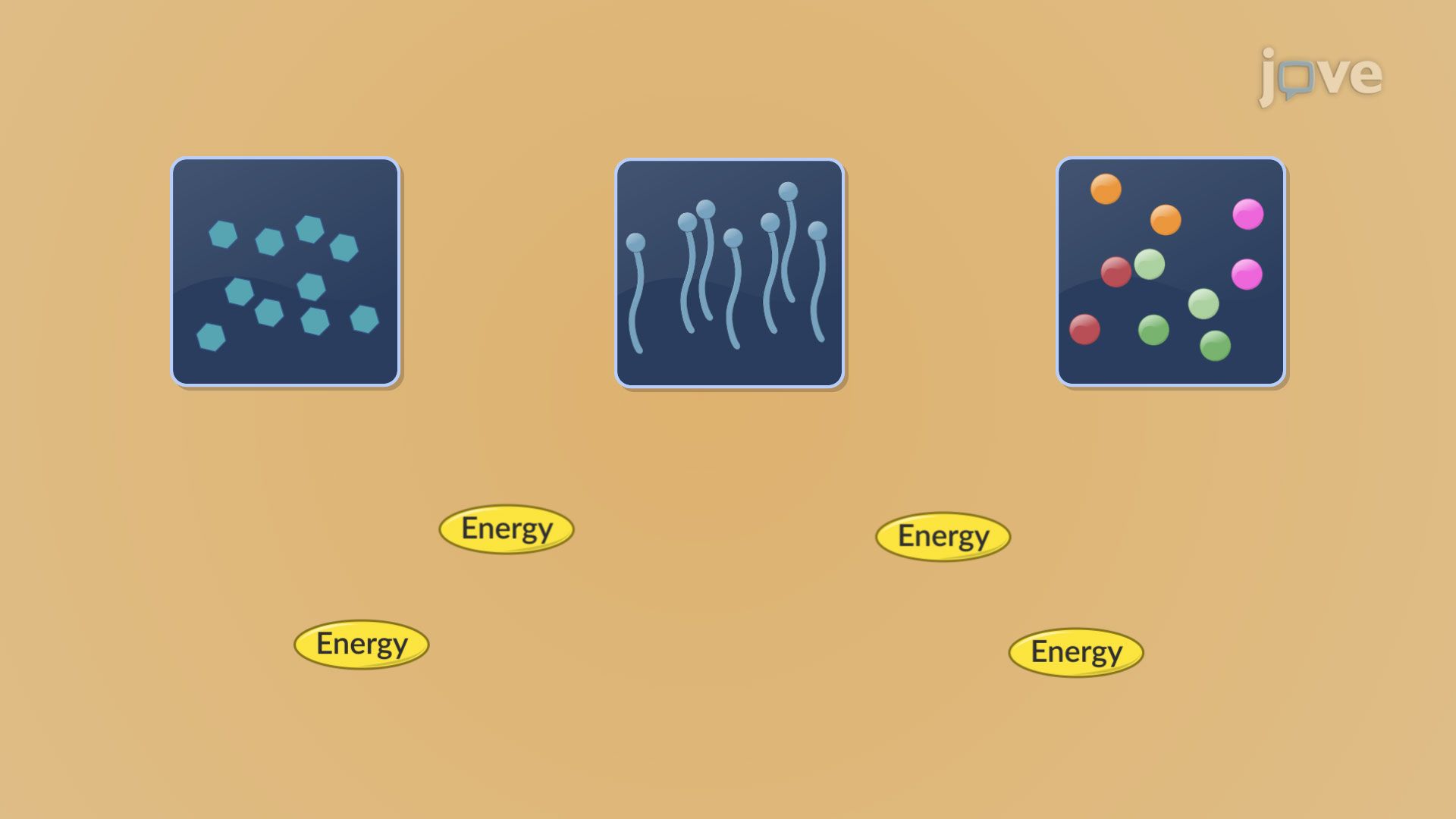
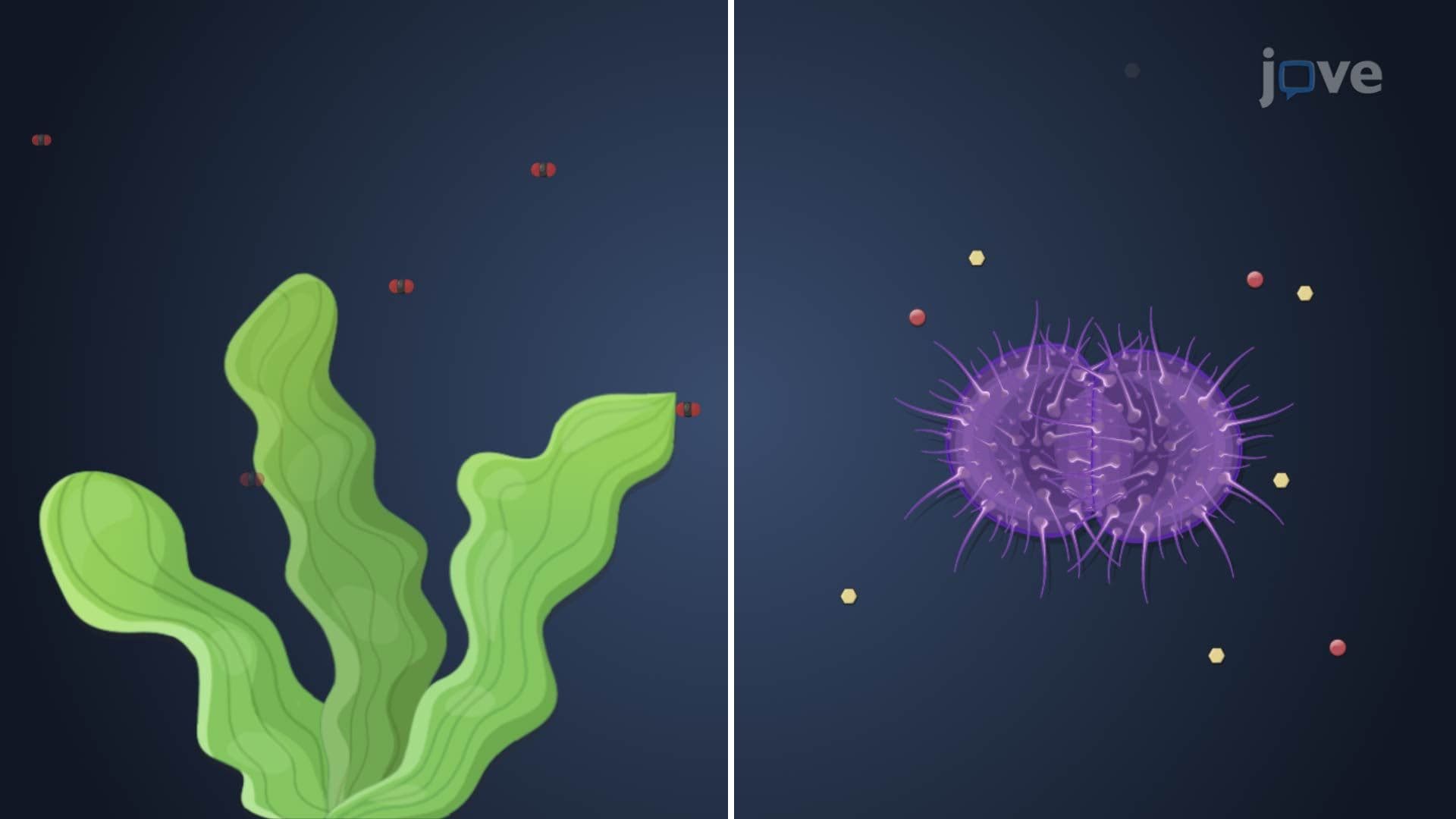
Ever wondered why your morning coffee gives you energy while your body builds muscle from last night's protein shake? Metabolism encompasses all biochemical reactions that simultaneously break down nutrients for energy and build essential molecules for growth. In US hospitals, doctors routinely measure basal metabolic rate to assess patient health and nutritional needs. What is metabolism at the cellular level involves intricate pathways that keep every cell functioning optimally. Watch the full video on JoVE Coach to master this concept with expert-led visuals and step-by-step explanations.
- Understand what is metabolism and how it encompasses all biochemical reactions within living organisms
- Identify the two major metabolic pathways: catabolic reactions that break down molecules and anabolic reactions that build them
- Analyze how amphibolic pathways like the Krebs cycle serve dual functions in both energy production and biosynthesis
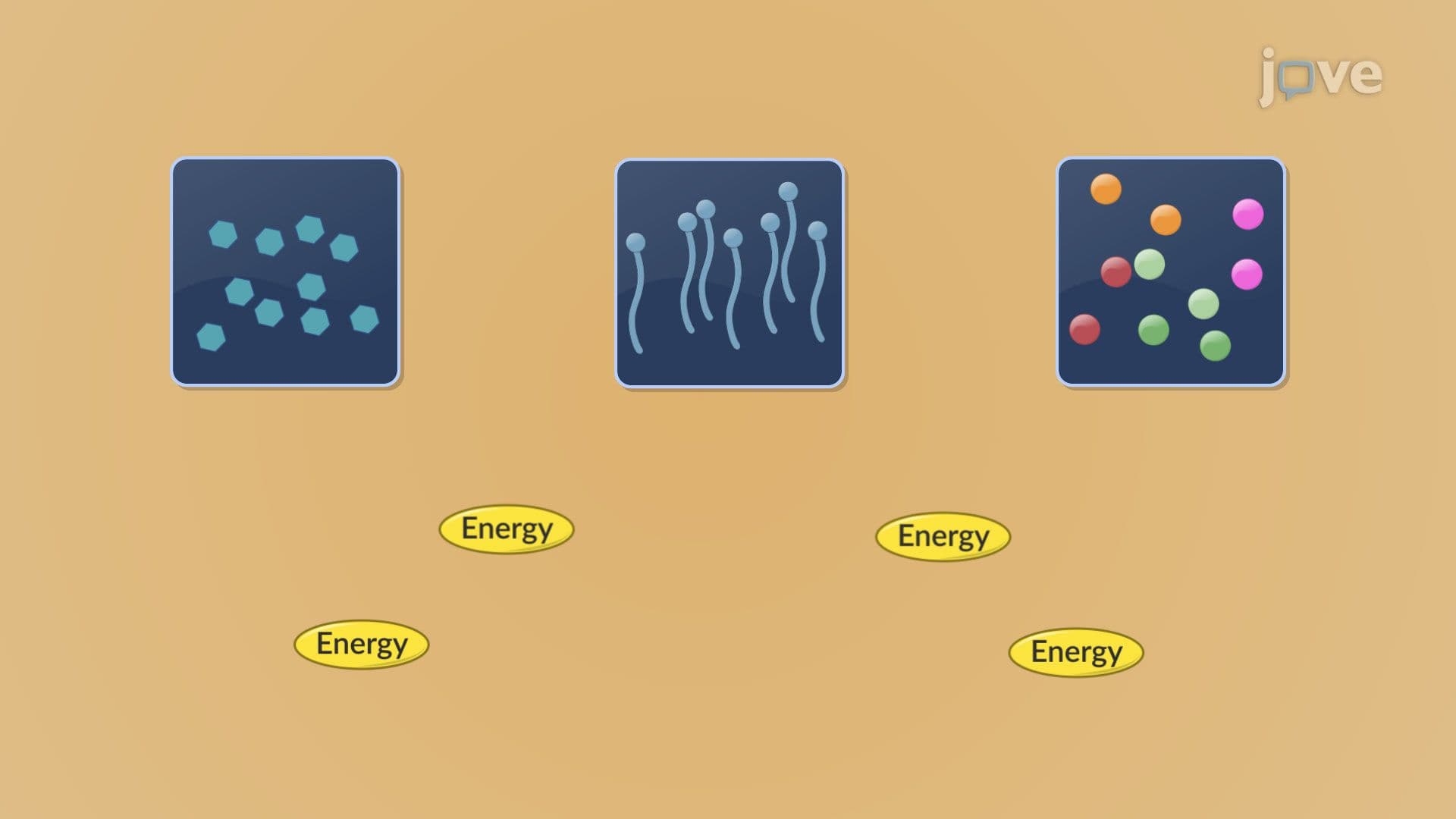
- Compare energy flow between catabolic pathways that release energy and anabolic pathways that consume energy
- Evaluate the role of feedback inhibition in maintaining metabolic homeostasis and preventing product overaccumulation
- Apply knowledge of metabolic regulation to understand how enzymes control pathway activity
- Recognize the coupling between energy-releasing and energy-requiring reactions for cellular efficiency
- Explore how metabolic balance maintains optimal cellular function and organism survival
Understanding What is Metabolism: The Foundation of Life
Metabolism represents the sum total of all chemical reactions occurring within a living organism, serving as the fundamental basis for life itself. This complex network of biochemical pathways enables cells to extract energy from nutrients, synthesize essential molecules, and maintain the delicate balance required for survival. Students preparing for the MCAT or AP Biology exams must grasp that metabolism isn't just about "burning calories"-it's an intricate system of molecular transformations that power every biological process.
Catabolic Pathways: Breaking Down for Energy
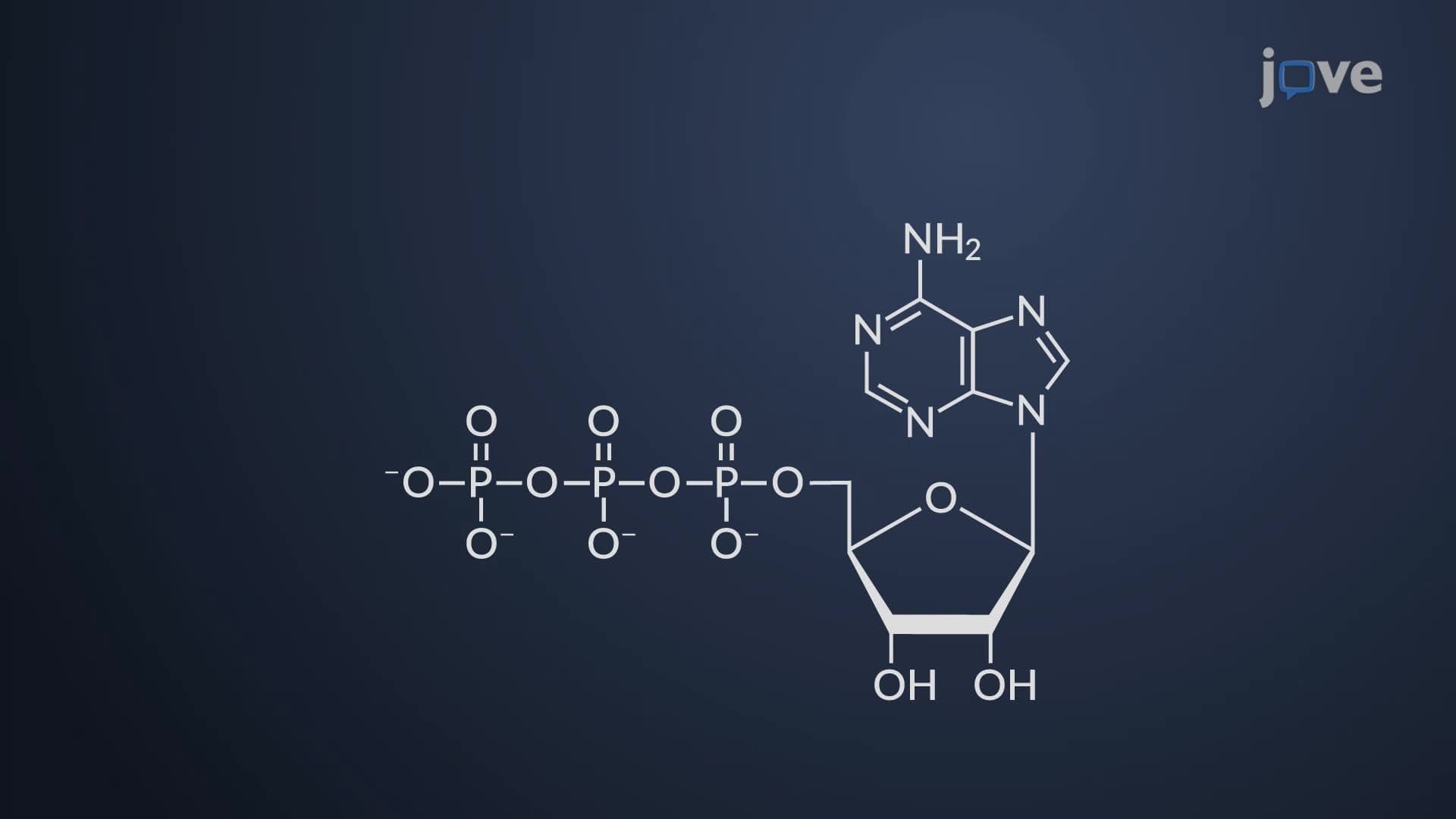
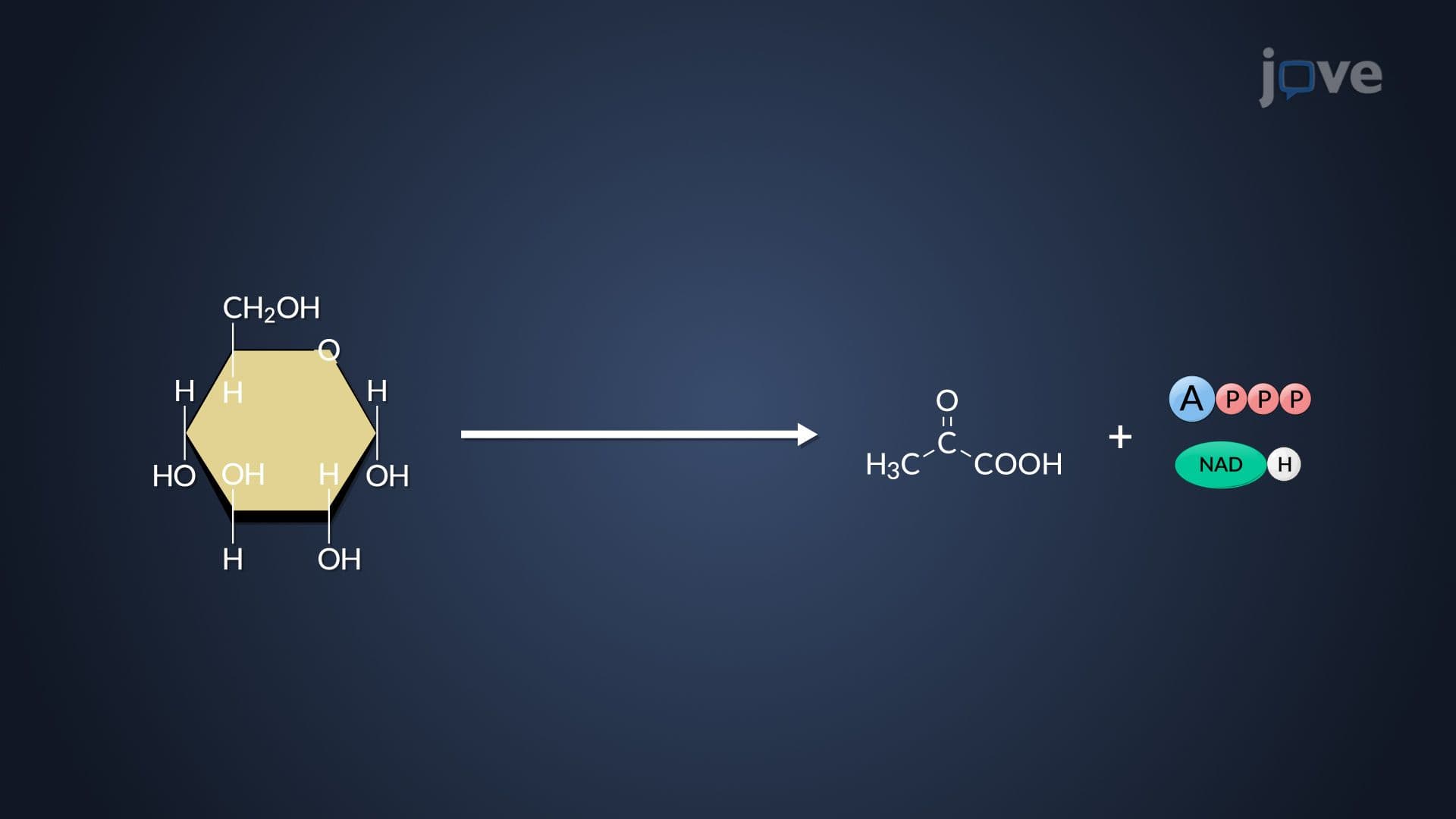
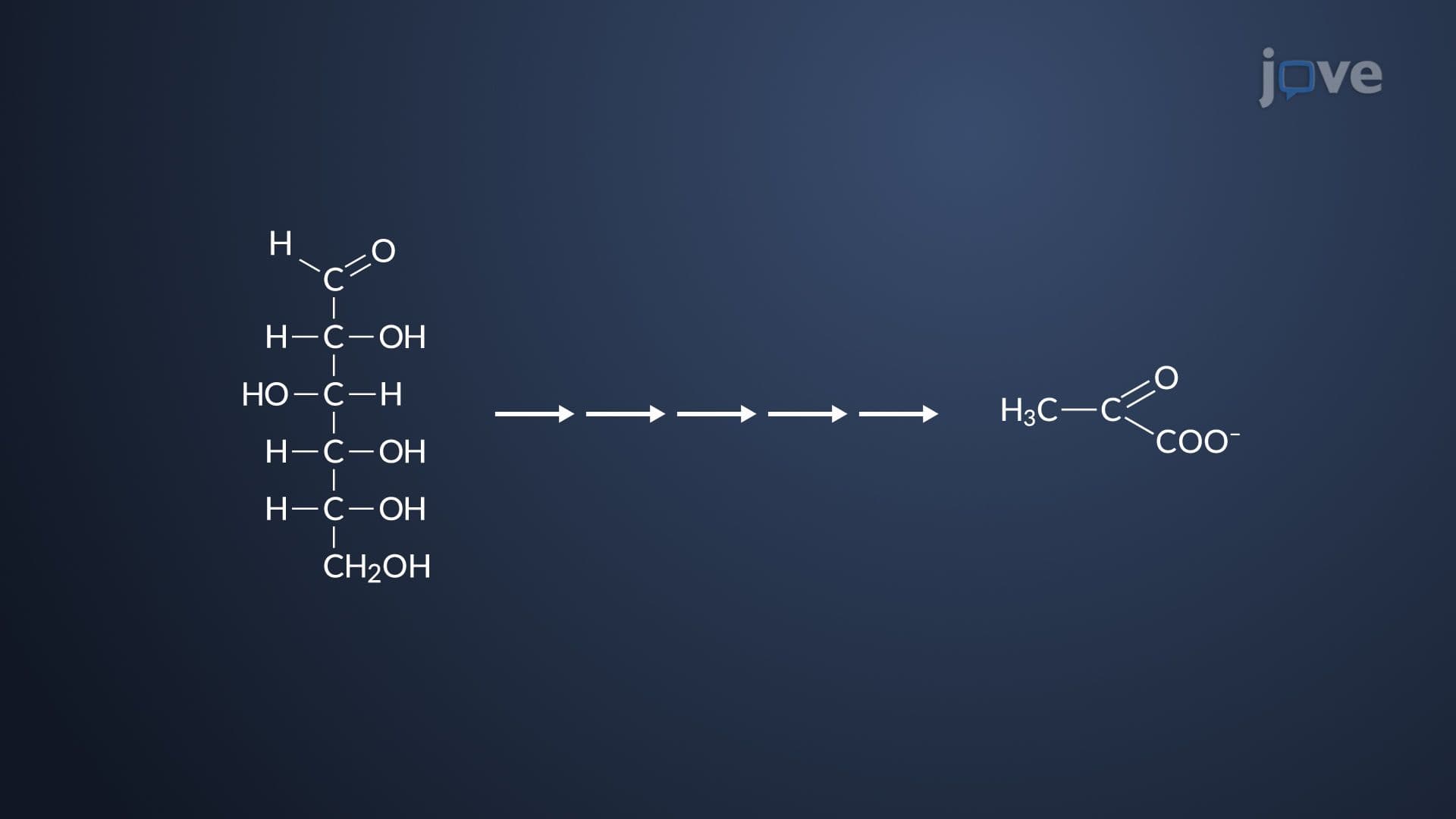
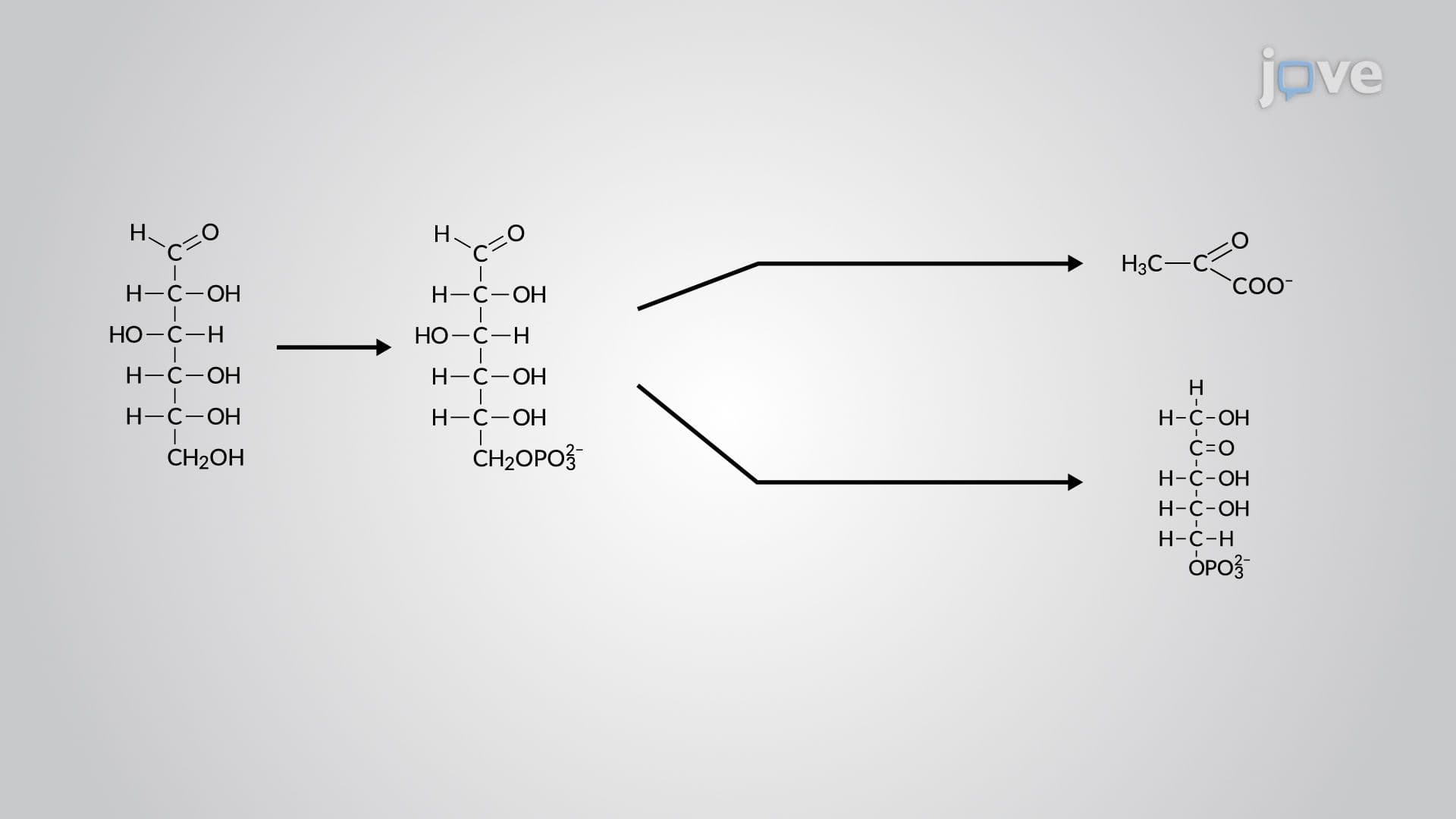
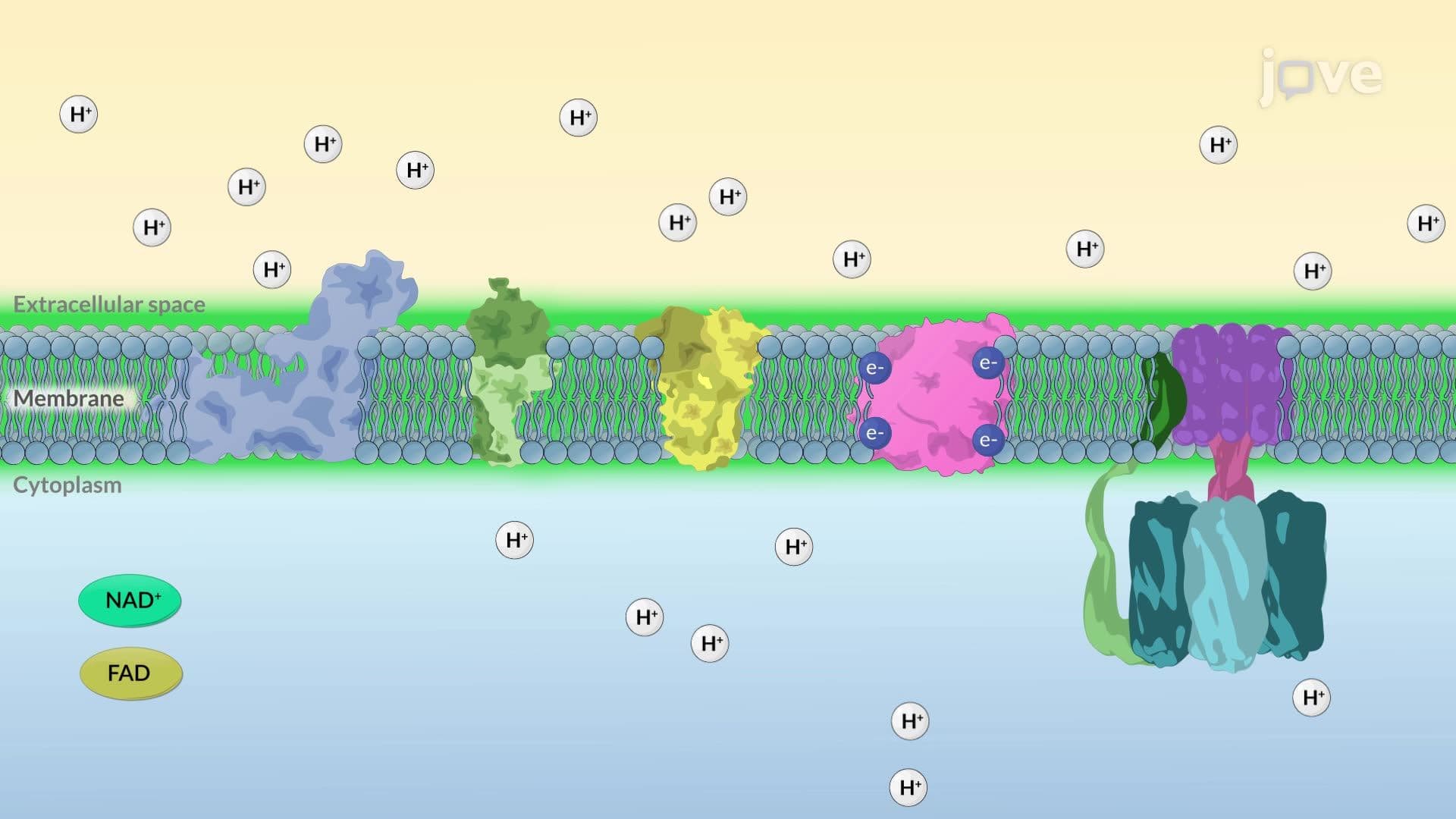
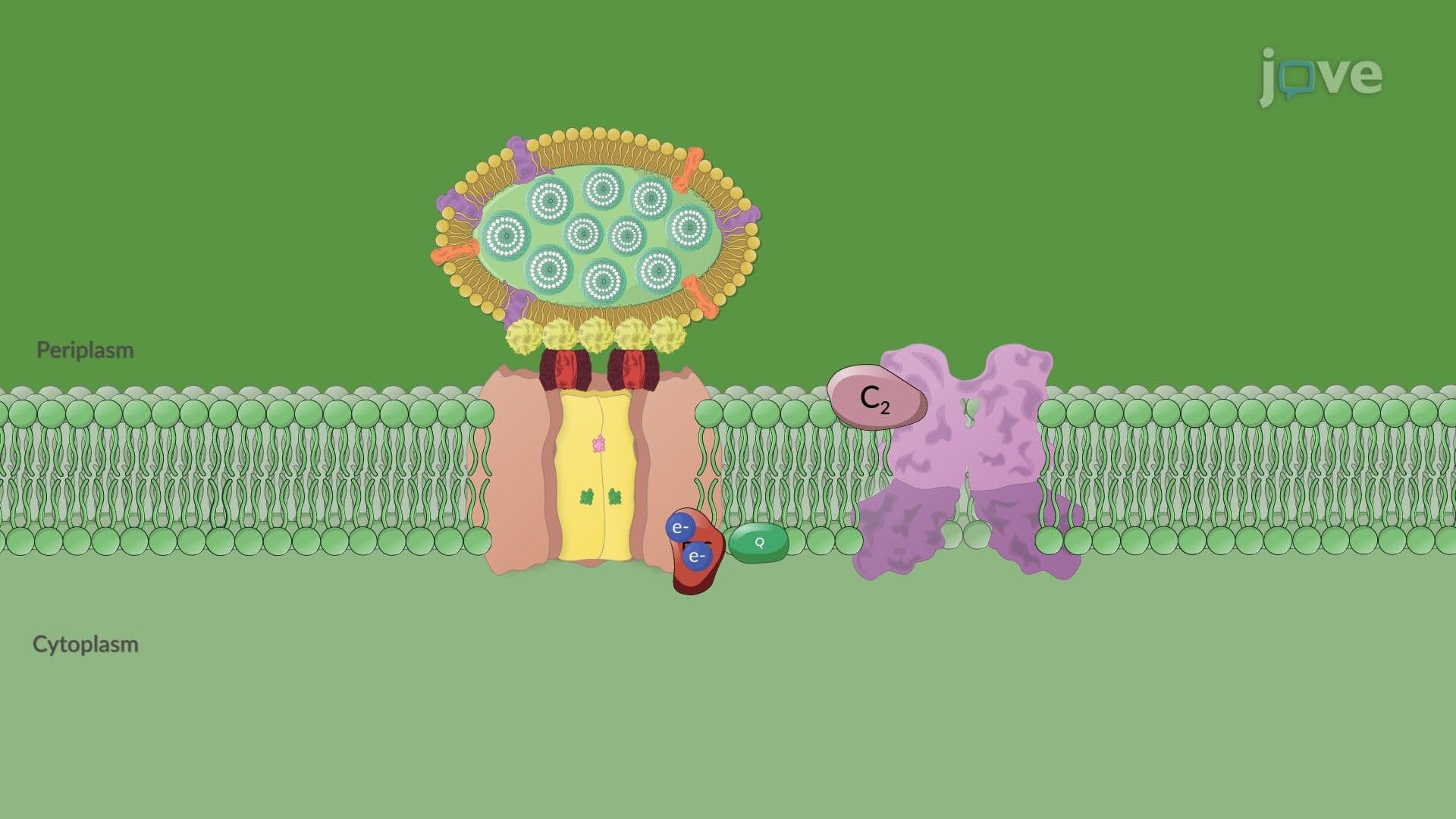
Catabolic reactions form metabolism's energy-producing arm, systematically dismantling complex molecules like glucose, fatty acids, and amino acids into simpler components. These exergonic reactions release stored chemical energy, much like how a hydroelectric dam converts potential energy into usable electricity. In cellular respiration, glucose undergoes catabolism through glycolysis, the citric acid cycle, and electron transport, ultimately producing ATP-the cell's energy currency. College biochemistry students learn that these pathways follow precise enzymatic sequences, with each step carefully regulated to prevent energy waste.
Anabolic Pathways: Building Life's Components
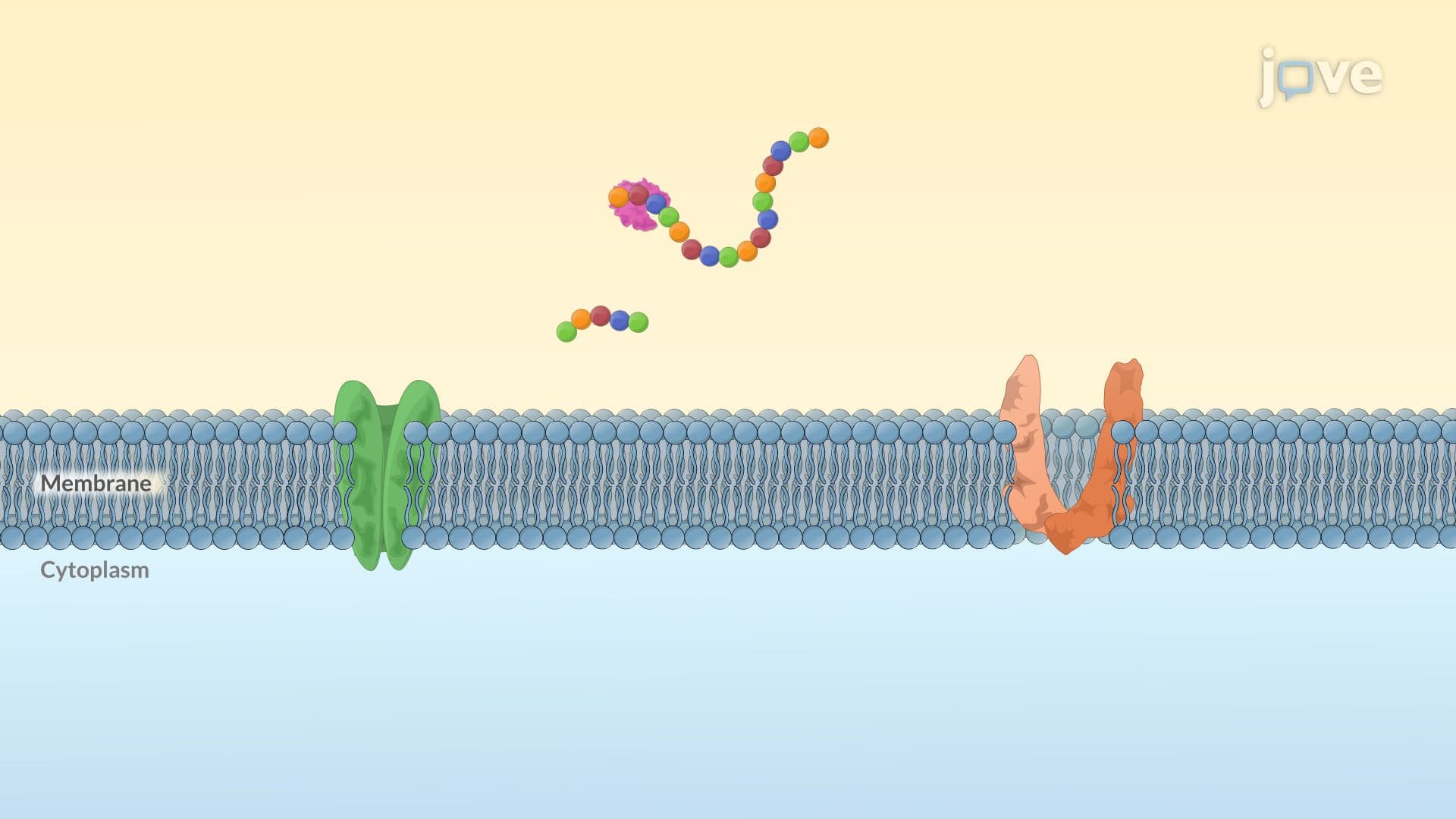
While catabolism breaks down, anabolism builds up. These endergonic reactions consume the energy released by catabolic processes to synthesize complex macromolecules from simpler precursors. Protein synthesis exemplifies anabolism, where amino acids link together through peptide bonds to create enzymes, structural proteins, and hormones essential for cellular function. Students studying for the USMLE often encounter questions about anabolic steroids, which artificially enhance protein synthesis in muscle tissue, demonstrating anabolism's role in tissue growth and repair.
Metabolic Regulation and Homeostasis
Sophisticated regulatory mechanisms ensure metabolic pathways operate harmoniously. Feedback inhibition serves as the primary control system, where end products inhibit enzymes earlier in their synthesis pathway-preventing overproduction and resource waste. The isoleucine synthesis pathway illustrates this principle perfectly: when cellular isoleucine levels rise sufficiently, this amino acid binds to threonine deaminase, effectively shutting down its own production. This regulatory elegance helps students understand why metabolic disorders often involve enzyme deficiencies or regulatory failures, concepts frequently tested in medical school examinations and advanced placement biology courses.
Frequently Asked Questions
Metabolism encompasses all chemical reactions in living organisms that break down nutrients for energy and build essential molecules for growth. It's like your body's internal factory system that processes food into usable energy while constructing proteins, DNA, and other vital components. This process occurs continuously in every cell, maintaining life through carefully coordinated biochemical pathways.
MCAT questions often focus on metabolic pathway regulation, enzyme kinetics, and energy coupling between catabolic and anabolic reactions. AP Biology emphasizes understanding metabolic efficiency, feedback mechanisms, and how disruptions cause disease. Expect diagram analysis, pathway tracing, and questions connecting metabolism to cellular respiration and photosynthesis concepts.
Catabolism breaks down complex molecules like carbohydrates and fats into simpler units while releasing energy. Anabolism uses this released energy to build complex molecules like proteins and nucleic acids from simpler components. Think of catabolism as demolition that provides building materials and energy, while anabolism is construction that requires both.
Healthcare professionals at institutions like Mayo Clinic and Johns Hopkins regularly assess metabolic function through blood tests, measuring glucose levels, liver enzymes, and metabolic markers. Understanding metabolism helps diagnose diabetes, thyroid disorders, and metabolic syndromes. Pharmacists also rely on metabolic knowledge to predict how drugs are processed and eliminated from patients' bodies.
Absolutely not! While metabolism involves complex pathways, the basic principles are quite accessible with proper foundation in basic chemistry and biology. Focus first on understanding energy flow and the relationship between breaking down and building up molecules. Many successful students master these concepts through visual learning and connecting metabolism to everyday experiences like digestion and exercise.
Create visual pathway maps showing reactants, products, and enzymes for major metabolic routes like glycolysis and protein synthesis. Practice drawing these pathways from memory and focus on regulation points where feedback inhibition occurs. Use active recall by explaining each pathway's purpose and connection to cellular energy needs rather than just memorizing reaction sequences.
Amphibolic pathways like the Krebs cycle serve dual functions, participating in both catabolism and anabolism simultaneously. These pathways break down molecules for energy while providing intermediate compounds needed for biosynthesis. This dual role increases metabolic efficiency by allowing one pathway to serve multiple cellular needs, reducing the total number of reactions required for cellular function.
Explore specific metabolic pathways like glycolysis, gluconeogenesis, and fatty acid metabolism in detail. Study metabolic disorders such as diabetes and phenylketonuria to understand clinical applications. Advanced topics include metabolic regulation through hormones like insulin and glucagon, which builds naturally on feedback inhibition principles you've already learned.
Related Micro-courses
13 Concepts
6 Concepts

31 Concepts