Loading video…

 26 Concepts
 13.3K views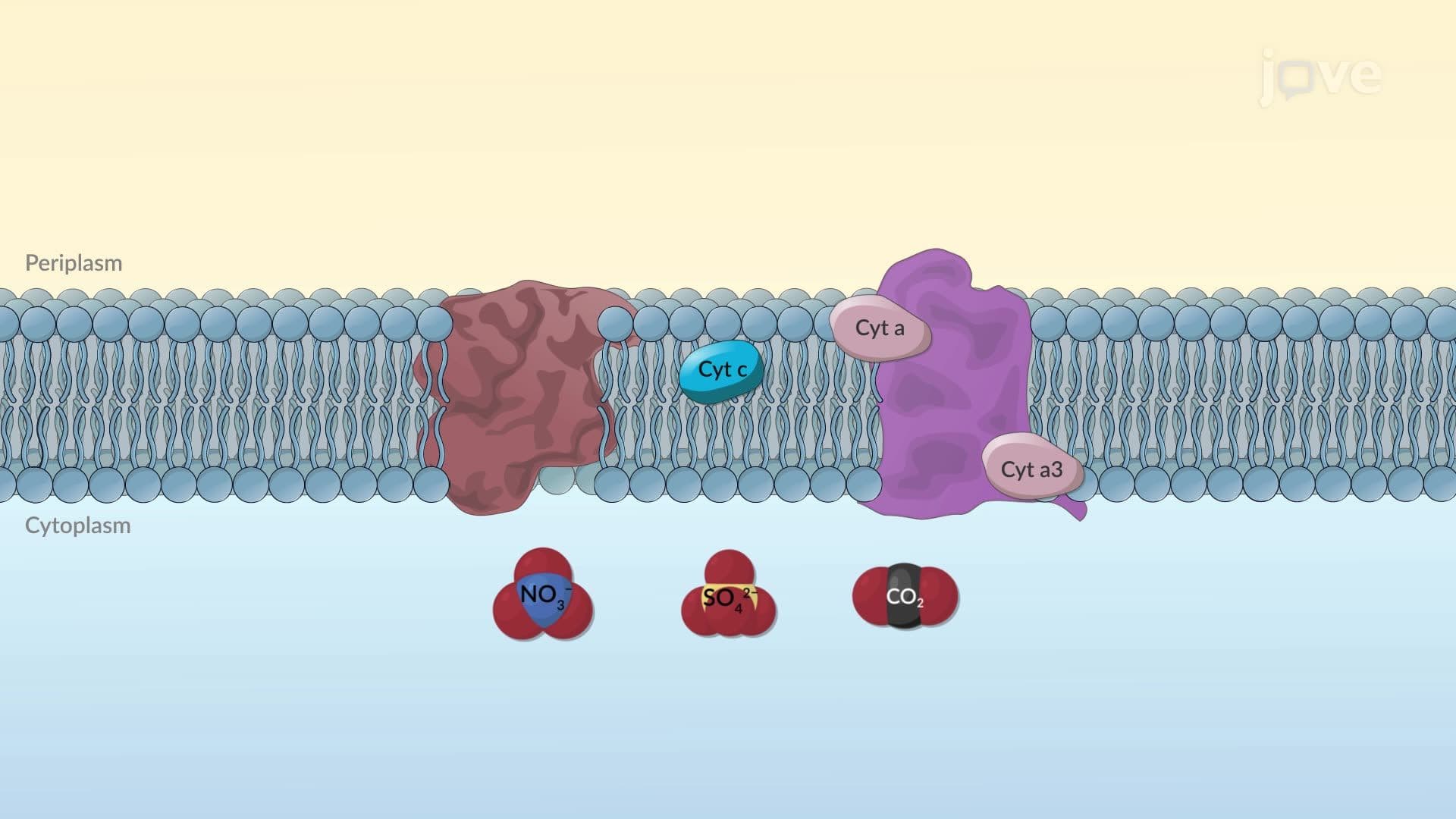

Video Summary: What Is Metabolism of Chemolithotrophs
Did you know that certain bacteria in Yellowstone National Park's hot springs generate energy by "eating" sulfur compounds instead of sugar? The metabolism of chemolithotrophs involves organisms that extract energy from inorganic chemicals like hydrogen gas, ammonia, and iron compounds through specialized electron transport chains. Unlike typical cellular respiration, these remarkable microbes produce less ATP per reaction but can survive in extreme environments where organic nutrients are scarce. Understanding what is metabolism of chemolithotrophs reveals how life adapts to harsh conditions and plays crucial ecological roles in nutrient cycling. Watch the full video on JoVE Coach to master this concept with expert-led visuals and step-by-step explanations.
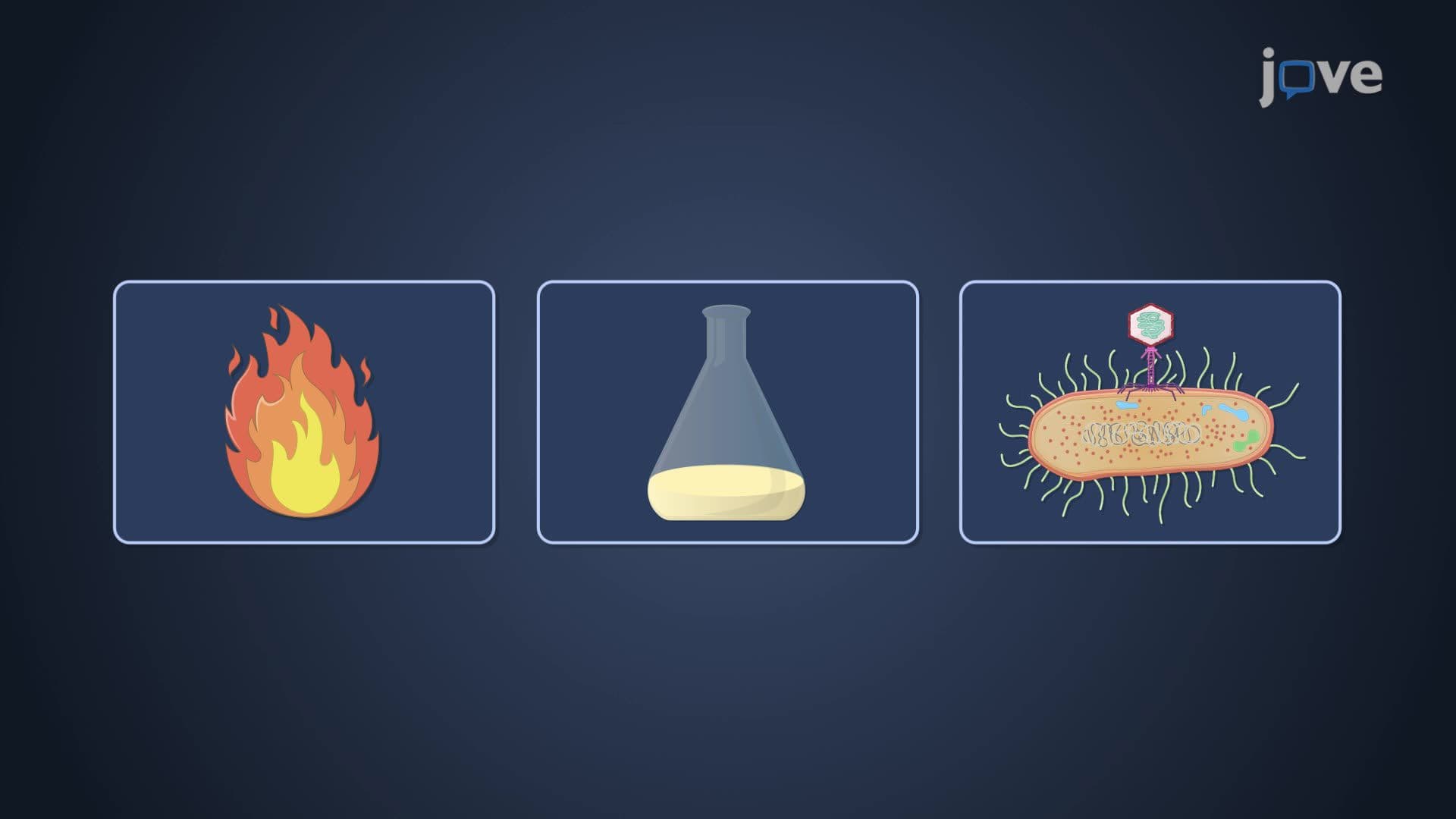
What is metabolism of chemolithotrophs represents a fascinating alternative to conventional cellular energy production. Unlike heterotrophic organisms that derive energy from organic compounds like glucose, chemolithotrophs have evolved to extract energy from inorganic chemical reactions. This metabolic strategy allows them to thrive in environments where organic matter is scarce, such as deep ocean hydrothermal vents, acid mine drainage sites, and geothermal springs throughout the western United States.
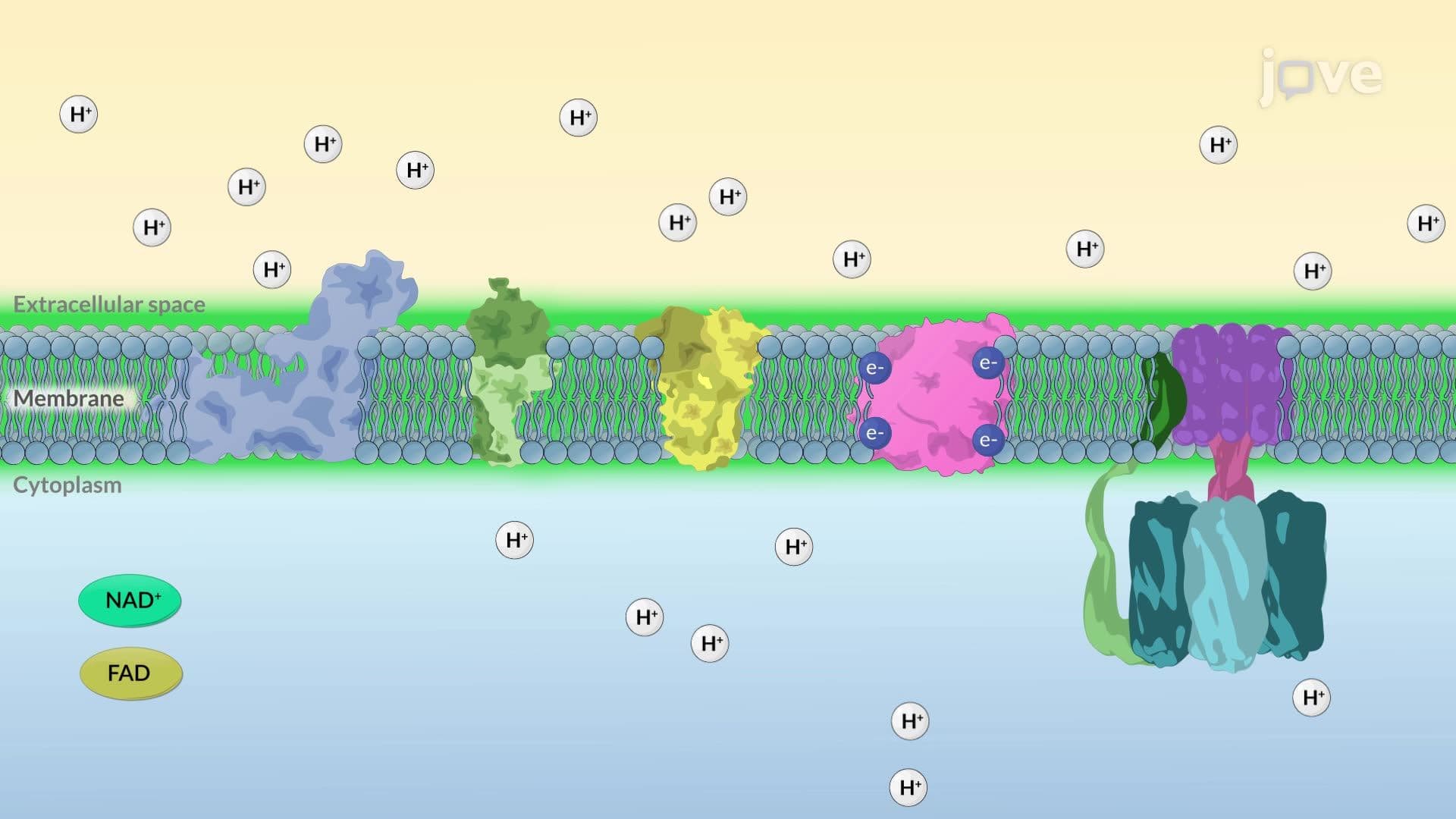
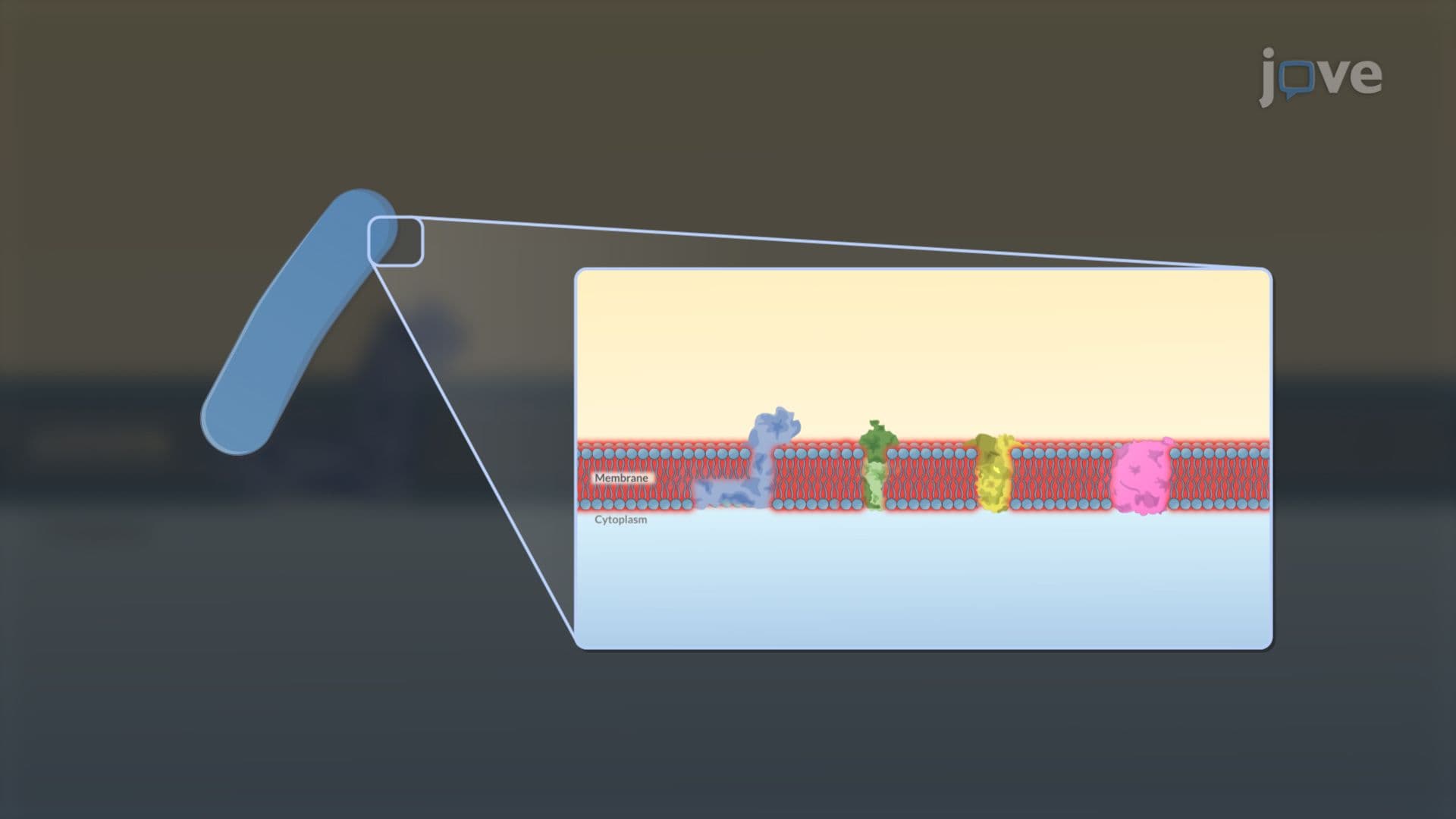
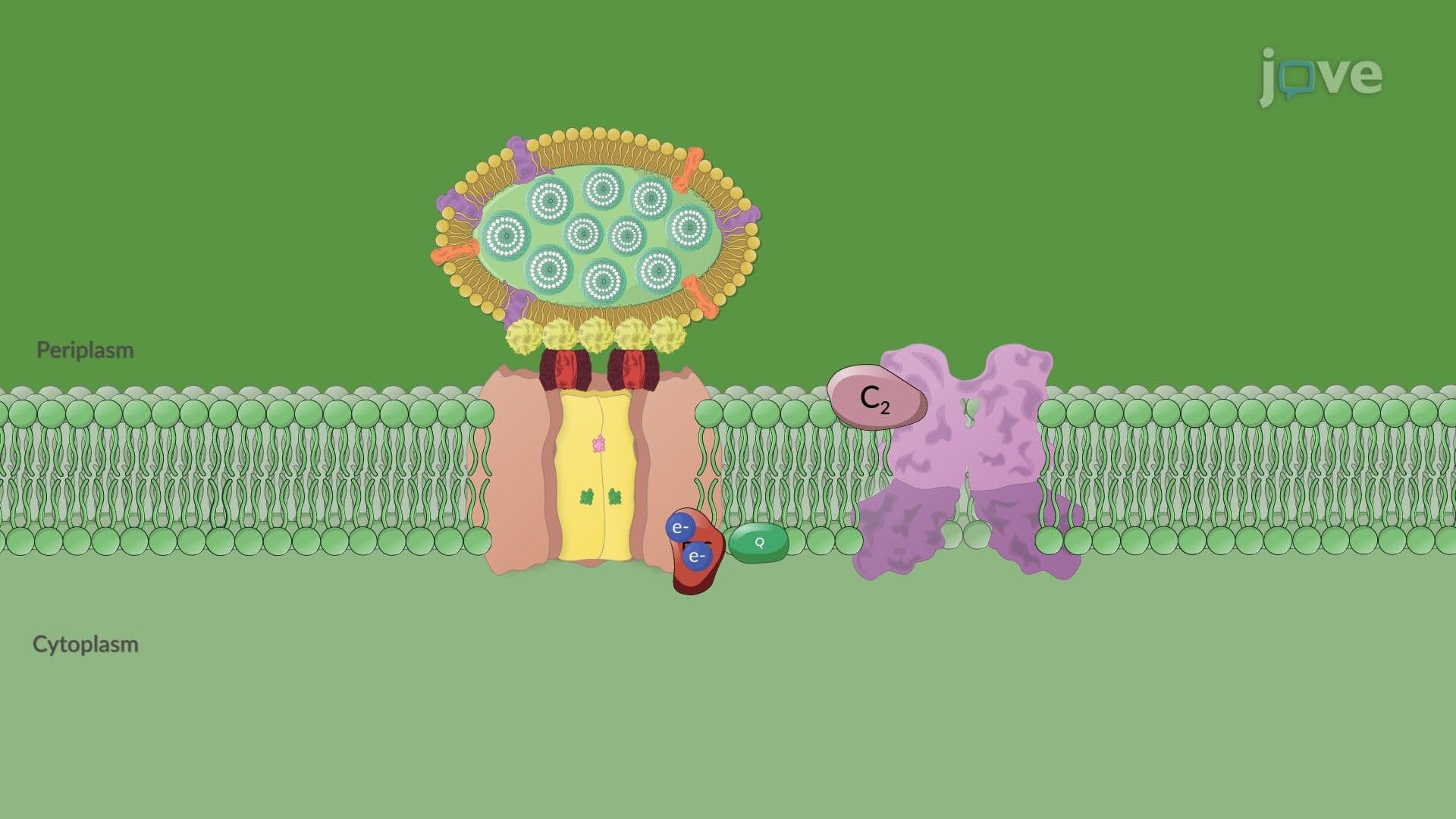
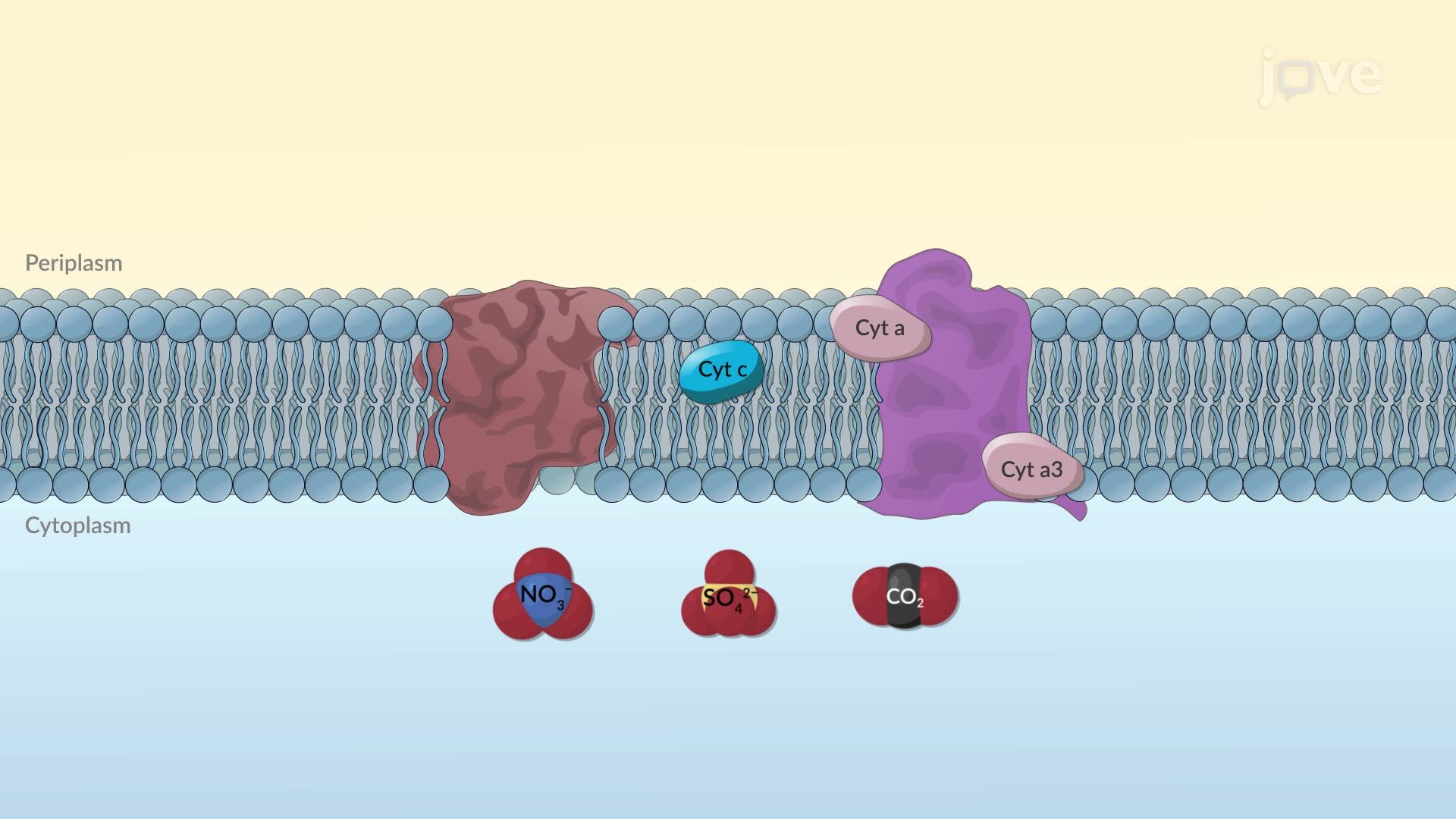
The fundamental principle underlying chemolithotrophic metabolism involves the oxidation of reduced inorganic compounds. Common electron donors include hydrogen gas (H₂), ammonia (NH₃), hydrogen sulfide (H₂S), and ferrous iron (Fe²⁺). When these compounds are oxidized, electrons are released and channeled through specialized electron transport chains embedded in the cell membrane. This process drives the synthesis of ATP through oxidative phosphorylation, similar to aerobic respiration but with significantly different energy yields.
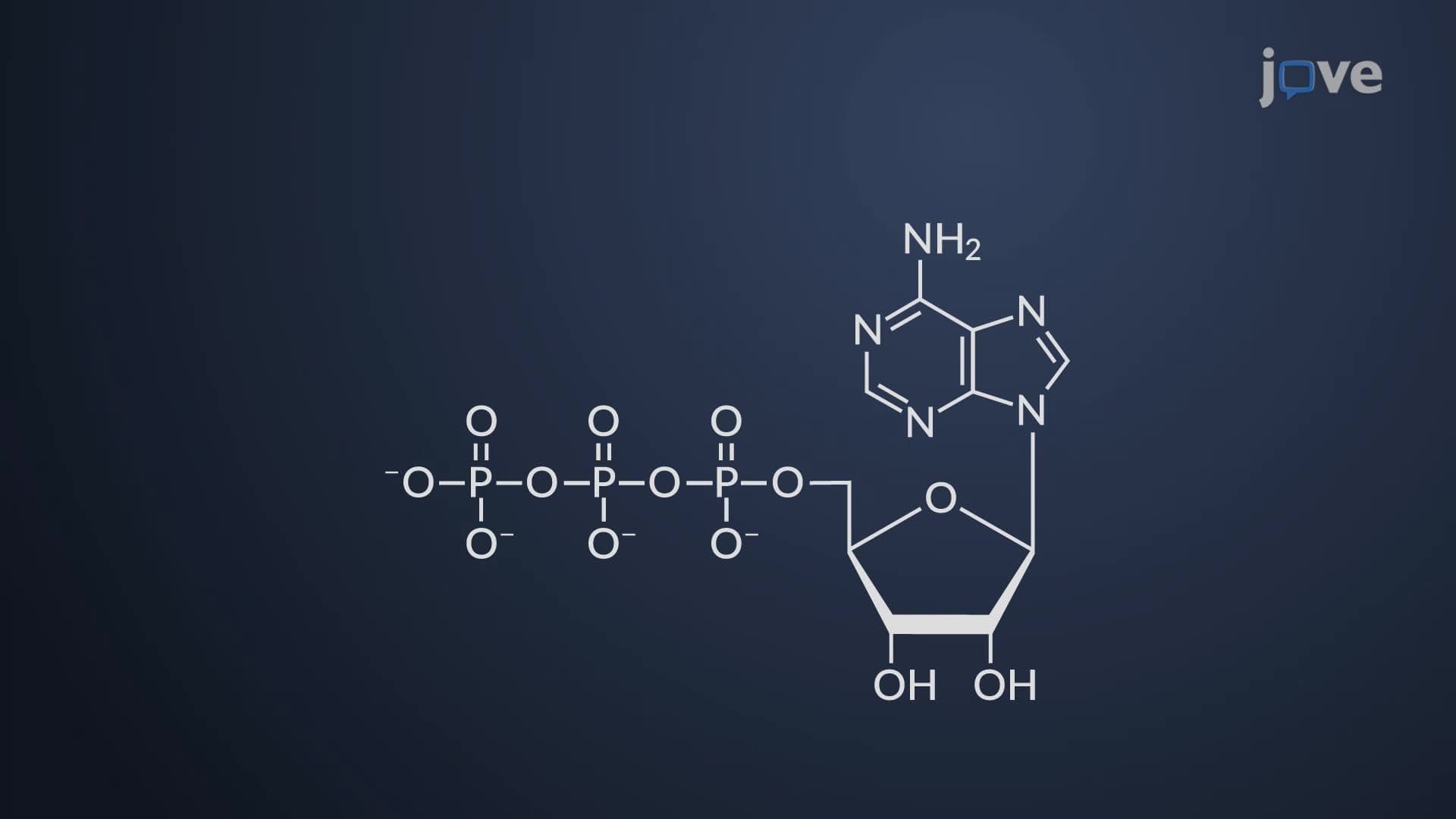
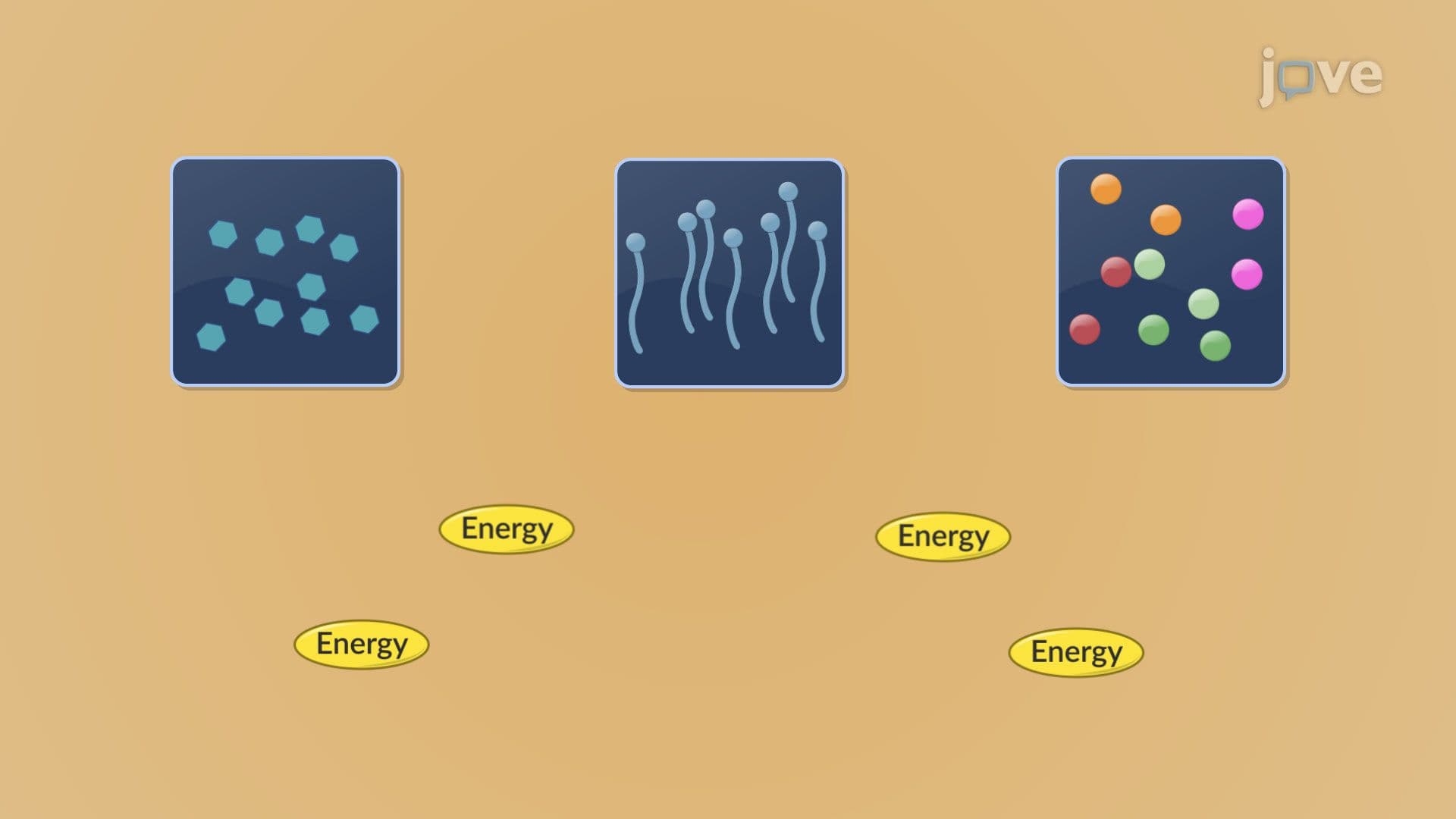
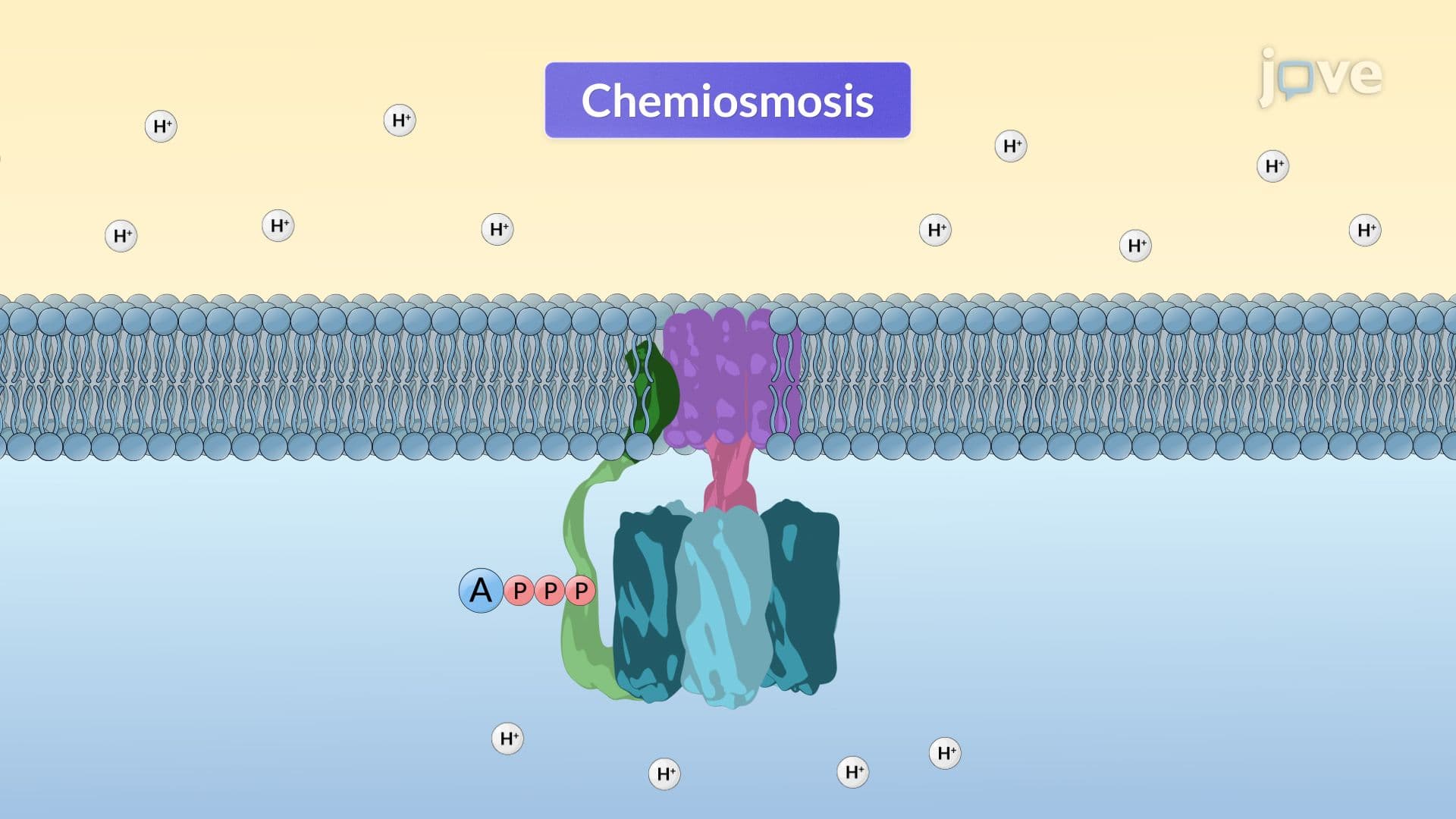
The metabolism of chemolithotrophs typically produces less ATP per substrate molecule compared to organic compound oxidation. This occurs because inorganic electron donors generally release less energy during oxidation reactions. Consequently, fewer protons are pumped across the membrane during electron transport, resulting in a smaller proton gradient and reduced ATP synthesis efficiency. For students preparing for the MCAT or AP Biology exams, understanding this energy trade-off is crucial for comparing different metabolic pathways.
Most chemolithotrophs utilize oxygen as their terminal electron acceptor, making them aerobic organisms. However, many species demonstrate remarkable metabolic flexibility by switching to alternative electron acceptors under anaerobic conditions. Nitrate (NO₃⁻), sulfate (SO₄²⁻), and even carbon dioxide (CO₂) can serve as terminal electron acceptors, enabling these organisms to maintain energy production in oxygen-depleted environments.
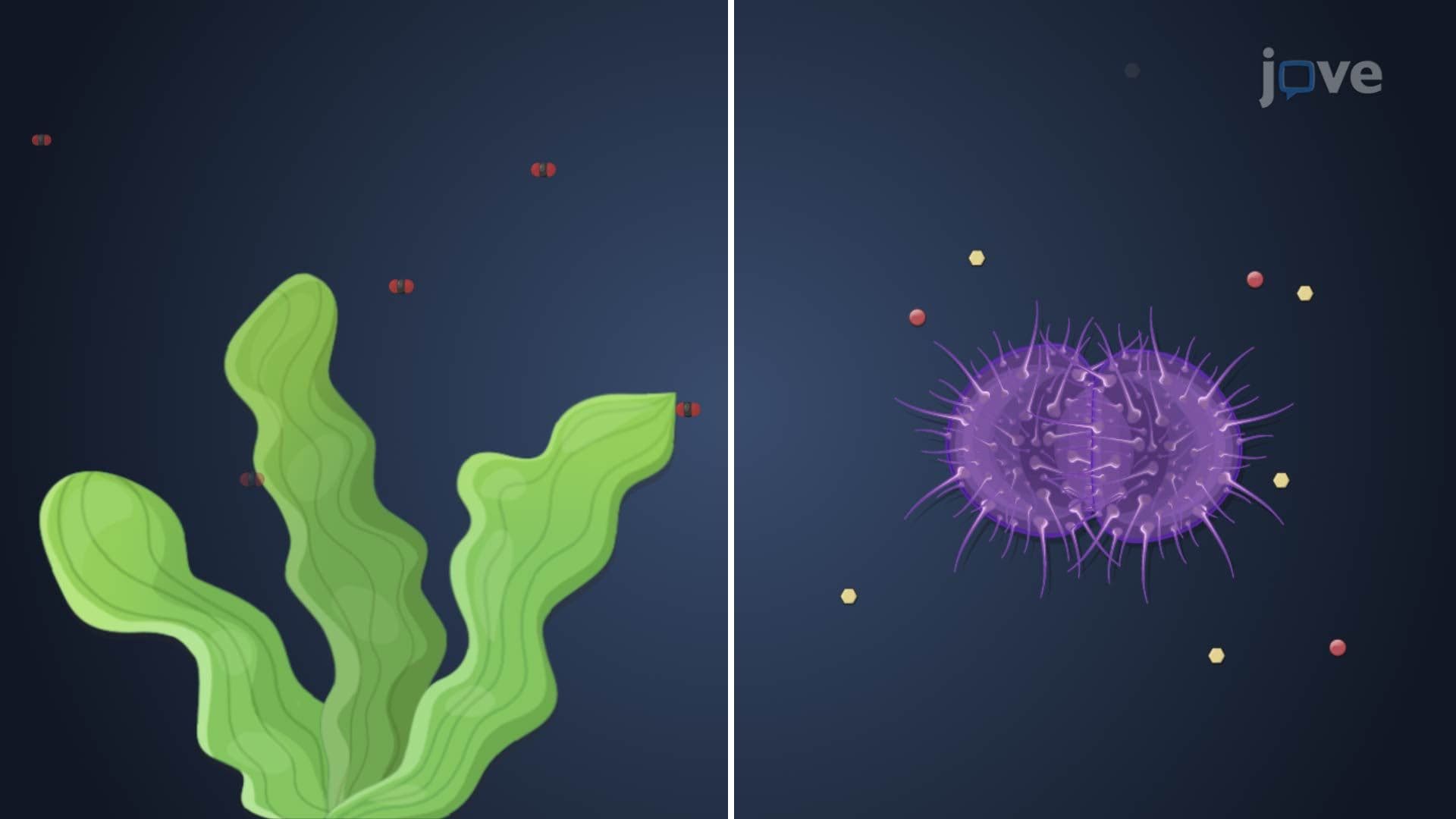
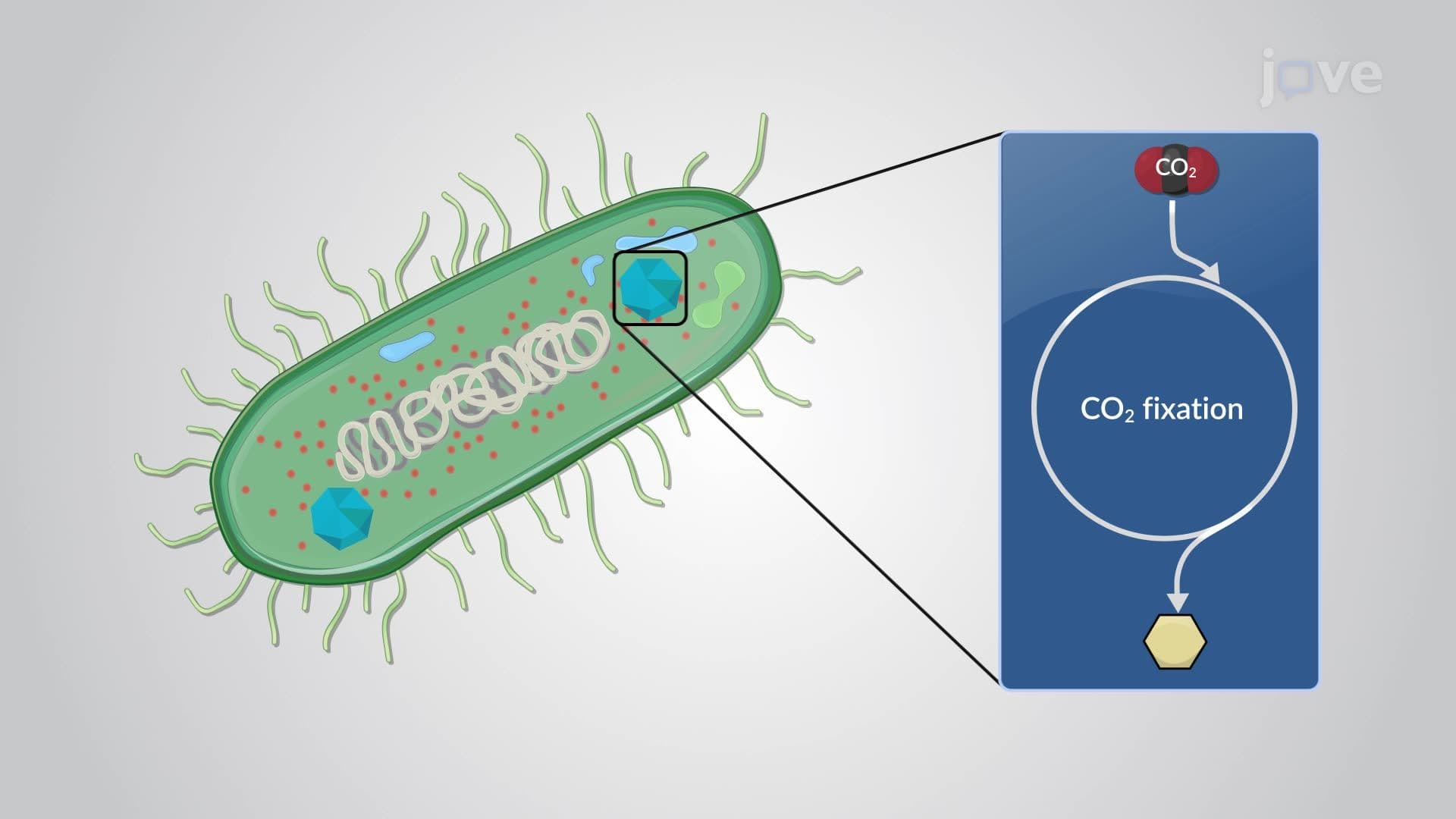
A defining characteristic of most chemolithotrophs is their autotrophic lifestyle. These organisms use the energy generated from inorganic compound oxidation to power carbon dioxide fixation, synthesizing organic molecules from atmospheric CO₂. This process makes them primary producers in ecosystems where photosynthesis cannot occur, such as deep-sea environments or subsurface habitats.
One of the most sophisticated aspects of chemolithotrophic metabolism involves reverse electron flow. When the electron donor has a higher redox potential than NAD⁺, standard electron flow would not generate the reducing power needed for biosynthesis. In these cases, chemolithotrophs utilize energy from the proton motive force to drive electrons "uphill" against the thermodynamic gradient, reducing NAD⁺ to NADH. This mechanism ensures adequate reducing power for cellular processes and represents an excellent example of metabolic adaptation that frequently appears on college biochemistry exams.
Related Micro-courses