Loading subject page…
- Microbiology
- Microbial Metabolism
- Microbial Nutrition
Micro-course: Microbial Metabolism
13,271 views
Learn key concepts and earn your certificate.




Microbial Nutrition

00:00
01:28
Video Summary: What Is Microbial Nutrition
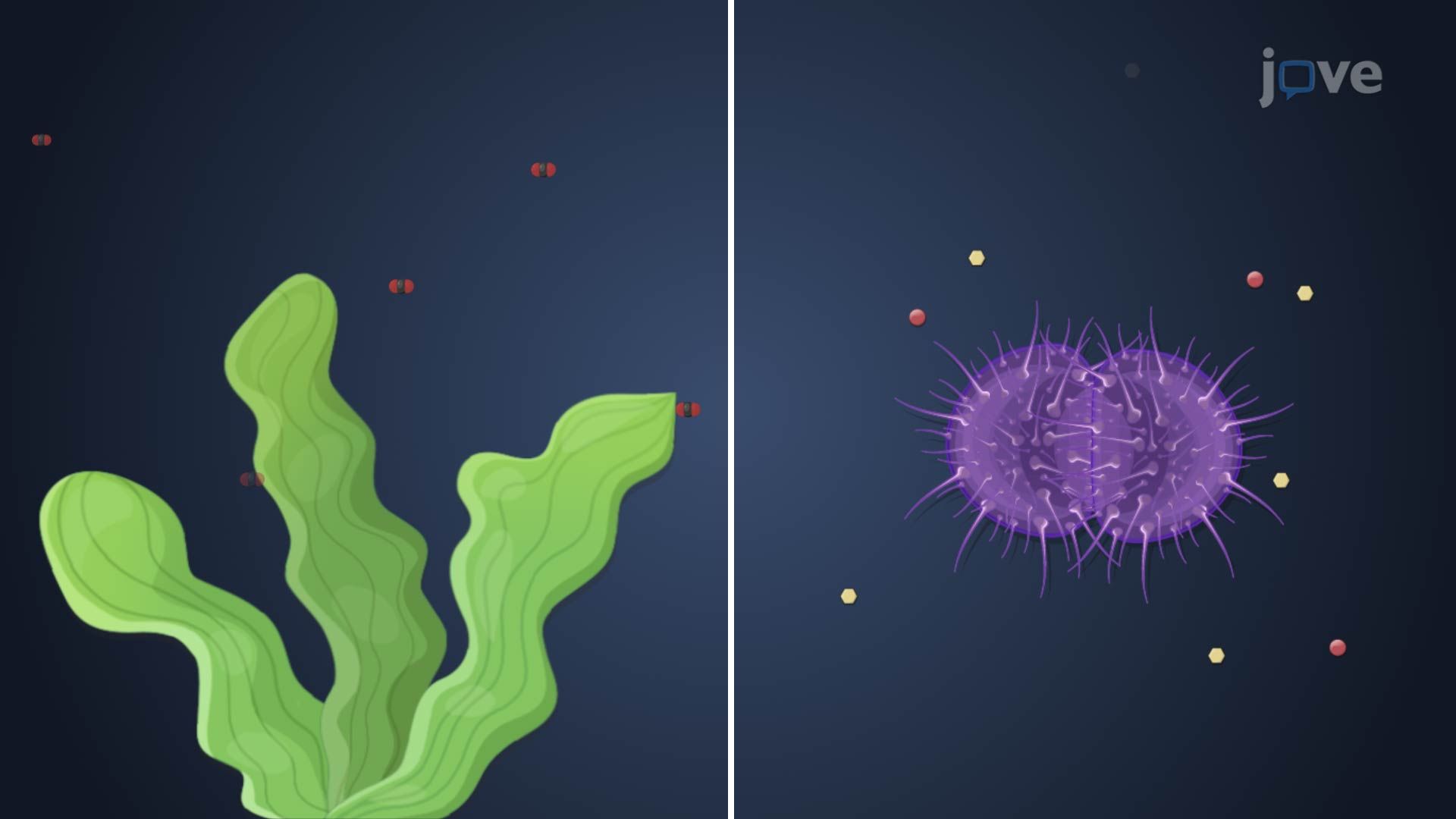
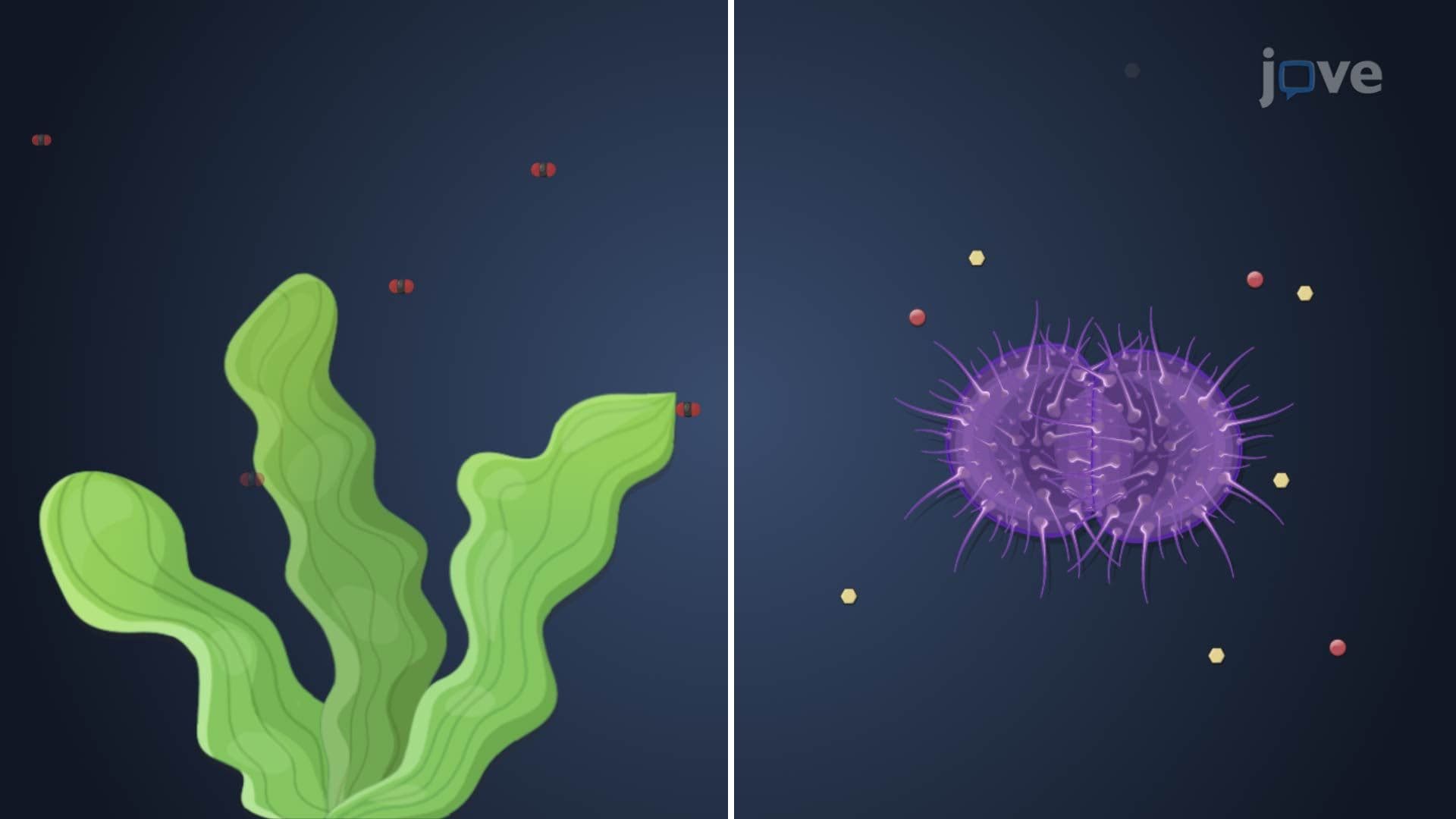
Did you know that some bacteria can literally eat rocks for breakfast? Microbial nutrition encompasses the fascinating ways microorganisms obtain energy and carbon to survive, from light-harvesting cyanobacteria in Yellowstone's hot springs to sulfur-eating bacteria thriving near deep-sea vents. Understanding what is microbial nutrition reveals how these tiny organisms power ecosystems and even cause diseases in humans. Watch the full video on JoVE Coach to master this concept with expert-led visuals and step-by-step explanations.
- Understand what is microbial nutrition and how microorganisms are classified based on their energy and carbon acquisition methods
- Identify the four major nutritional groups: photoautotrophs, photoheterotrophs, chemoautotrophs, and chemoheterotrophs
- Compare phototrophs versus chemotrophs in terms of energy source utilization
- Analyze the difference between autotrophic and heterotrophic carbon acquisition strategies
- Recognize real-world examples of each nutritional type and their ecological roles
- Evaluate why nearly all human pathogenic microorganisms are chemoheterotrophs
- Apply knowledge of microbial nutrition to understand nutrient cycling in ecosystems
- Explore the connection between microbial nutrition and biotechnology applications
Understanding What is Microbial Nutrition: The Foundation
Microbial nutrition refers to how microorganisms obtain the essential elements they need for growth, reproduction, and survival. Unlike humans who simply eat food, microbes have evolved remarkably diverse strategies to capture energy and carbon from their environment. This diversity allows them to colonize virtually every habitat on Earth, from the acidic drainage of abandoned copper mines in Montana to the intestinal tract of college students.
The classification system for microbial nutrition revolves around two fundamental questions: Where does the organism get its energy? Where does it get its carbon? These questions create a 2x2 matrix that defines four distinct nutritional categories, each representing millions of years of evolutionary adaptation.
Energy Acquisition: Phototrophs vs. Chemotrophs
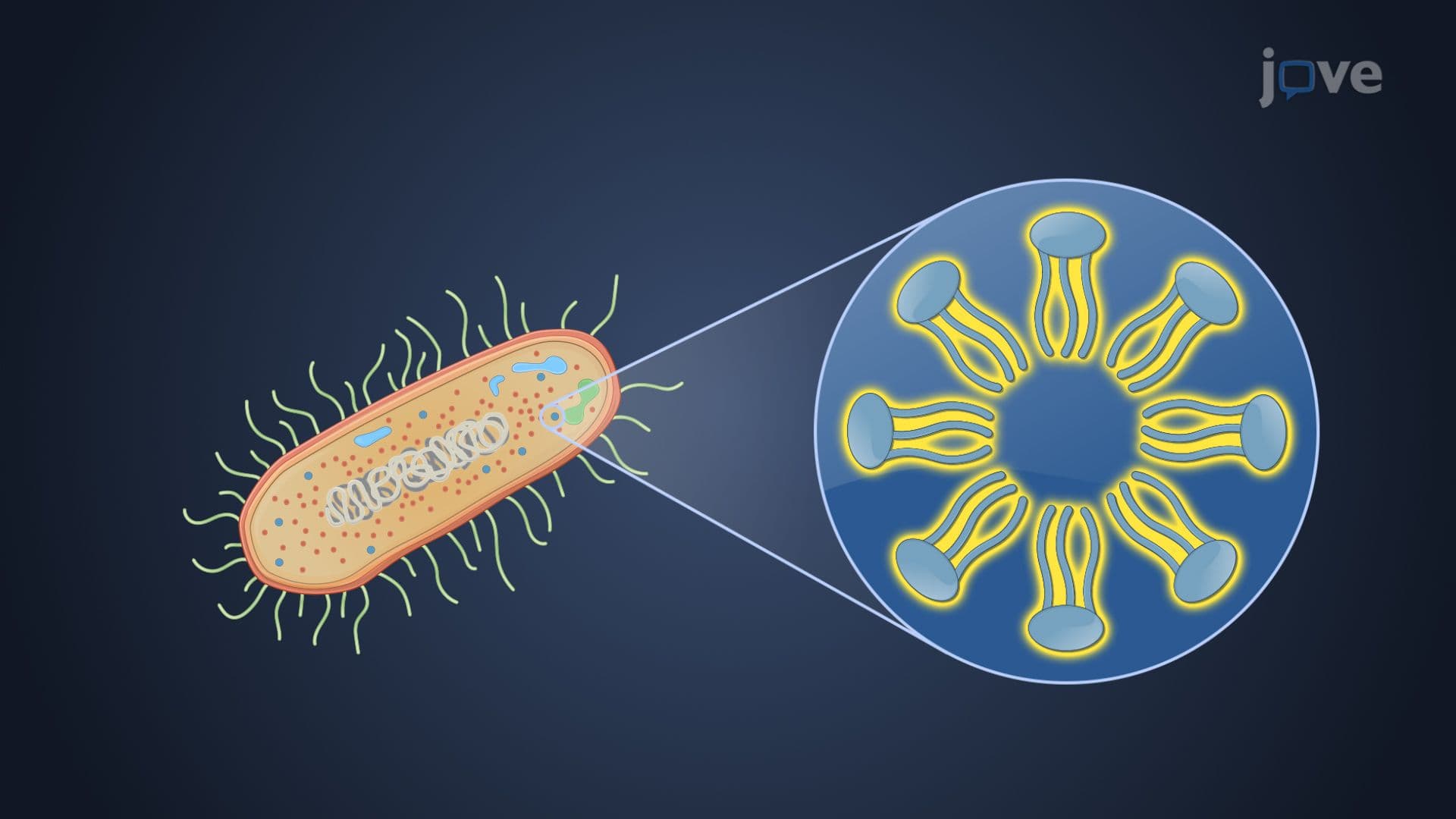
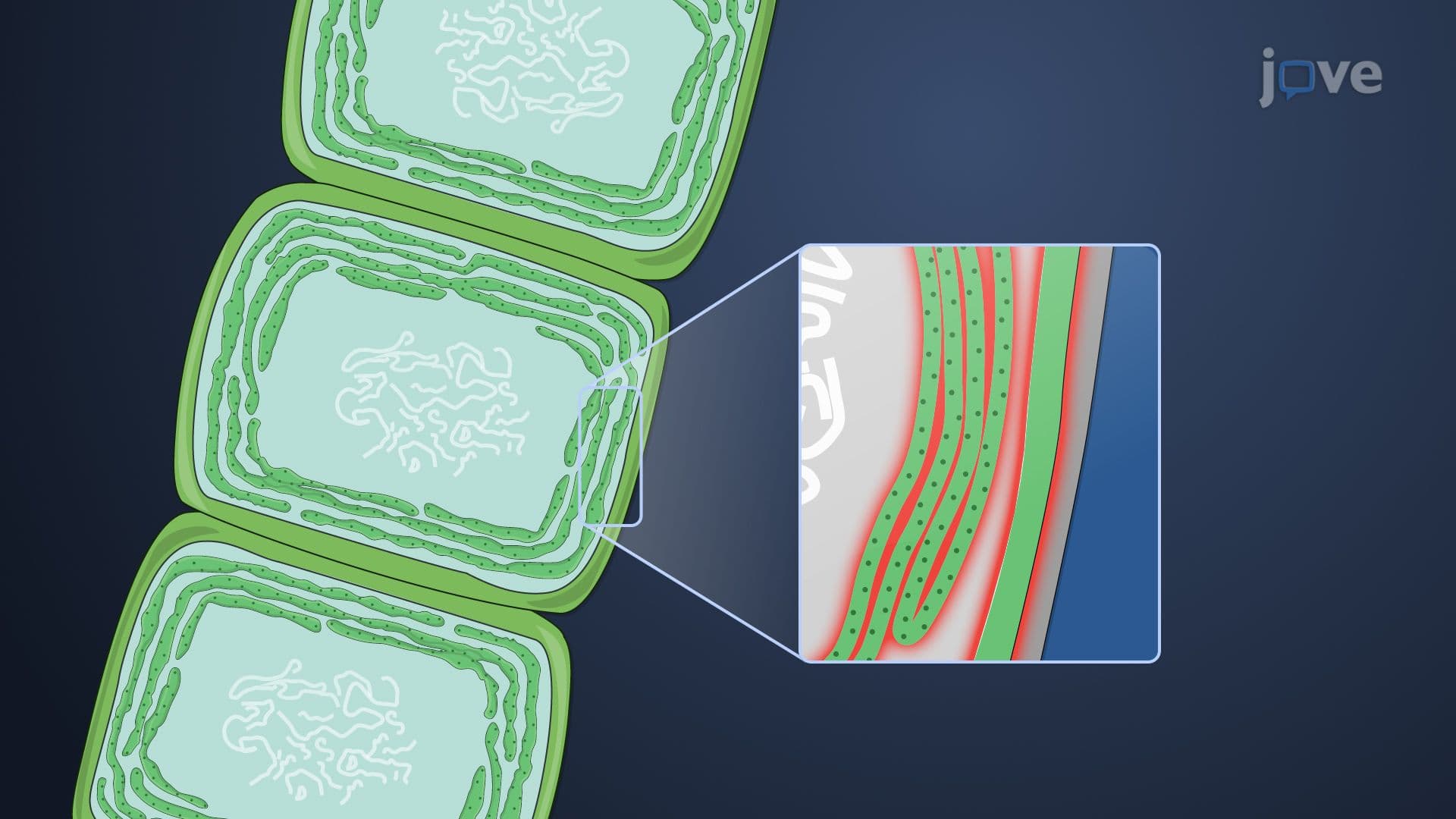
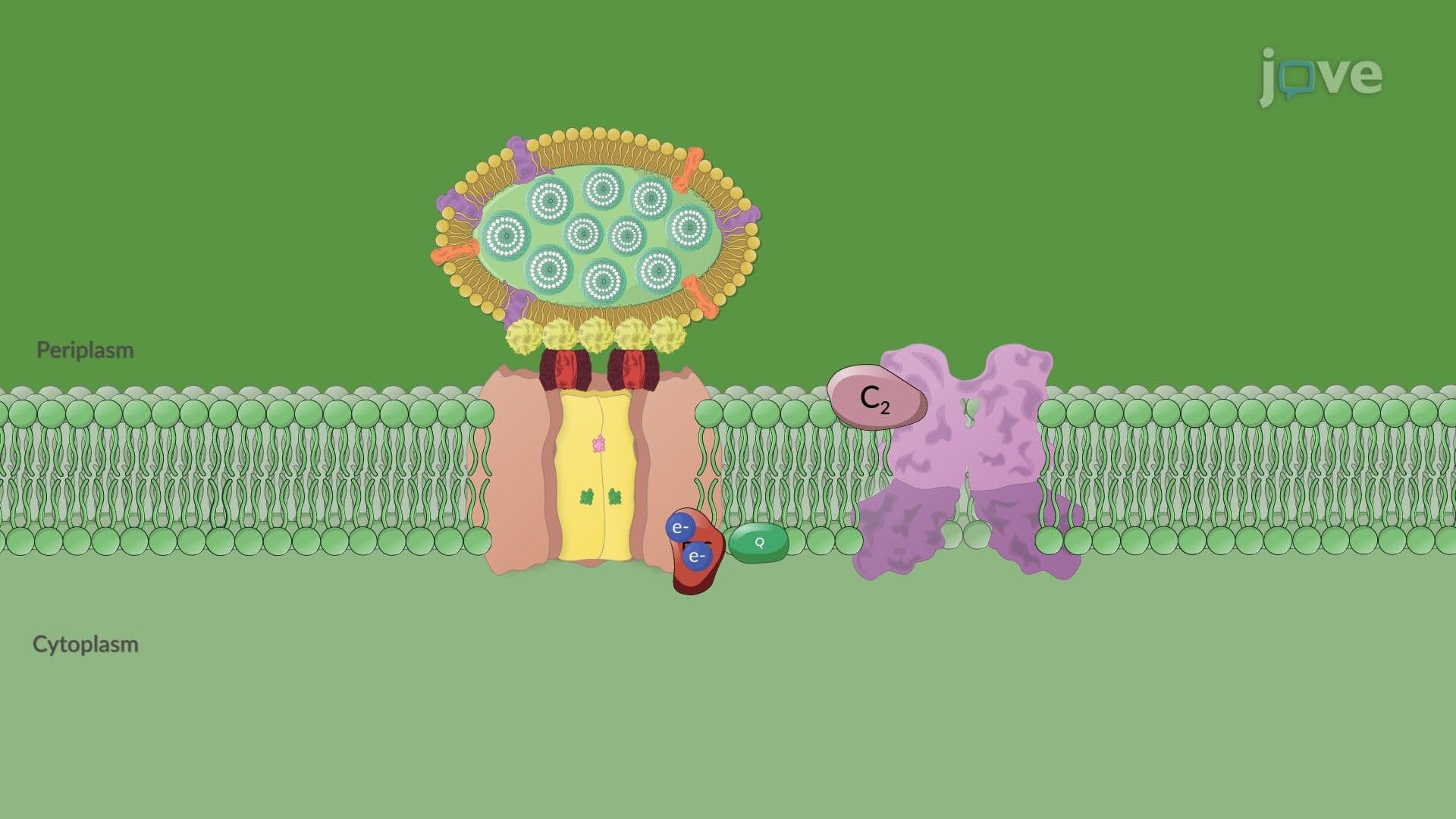
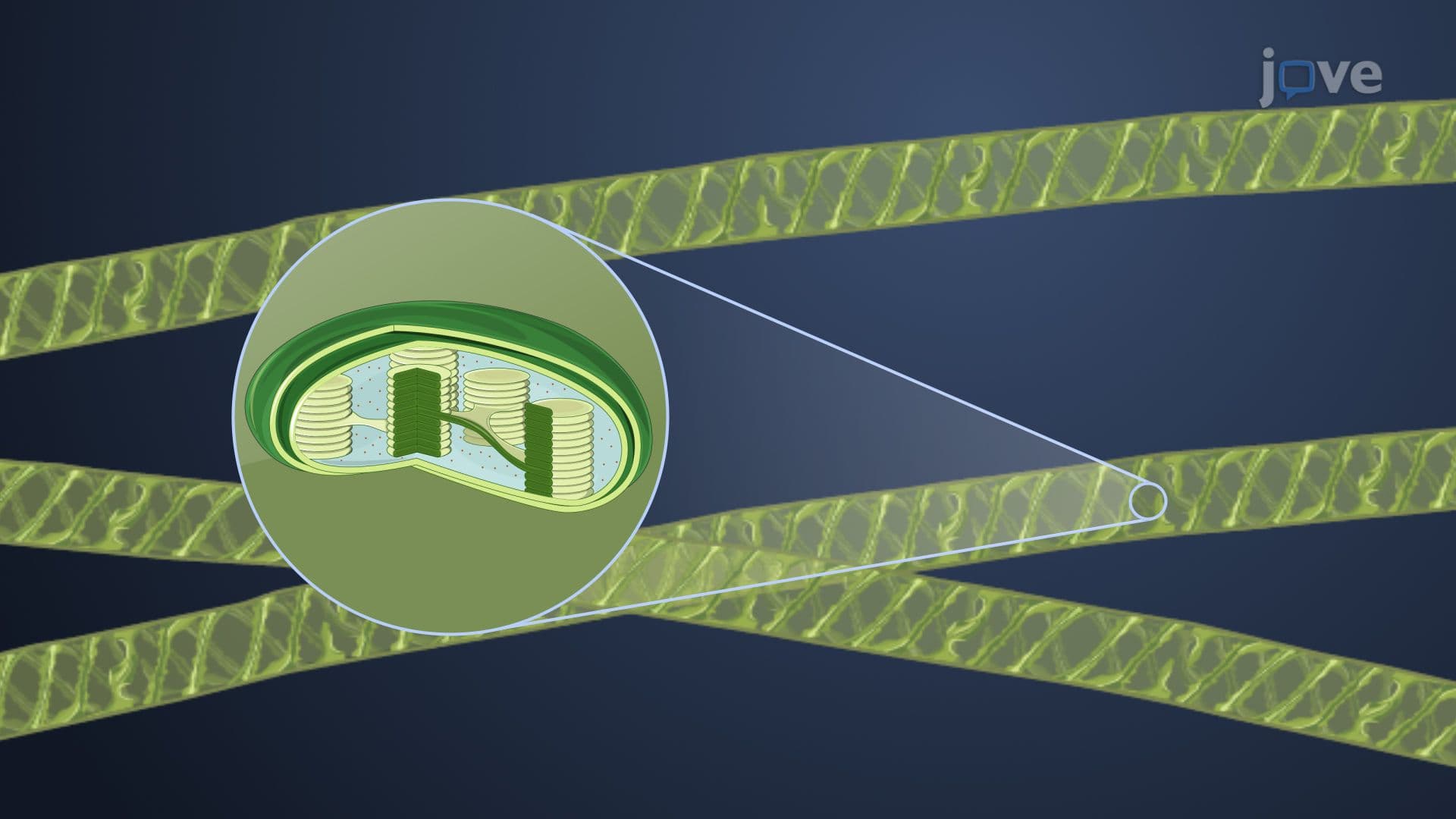
Phototrophs harness light energy through photosynthetic processes, much like the solar panels you might see on university campuses across California. Cyanobacteria, which caused the Great Oxidation Event 2.4 billion years ago, exemplify this strategy by converting sunlight into chemical energy while producing the oxygen we breathe today.
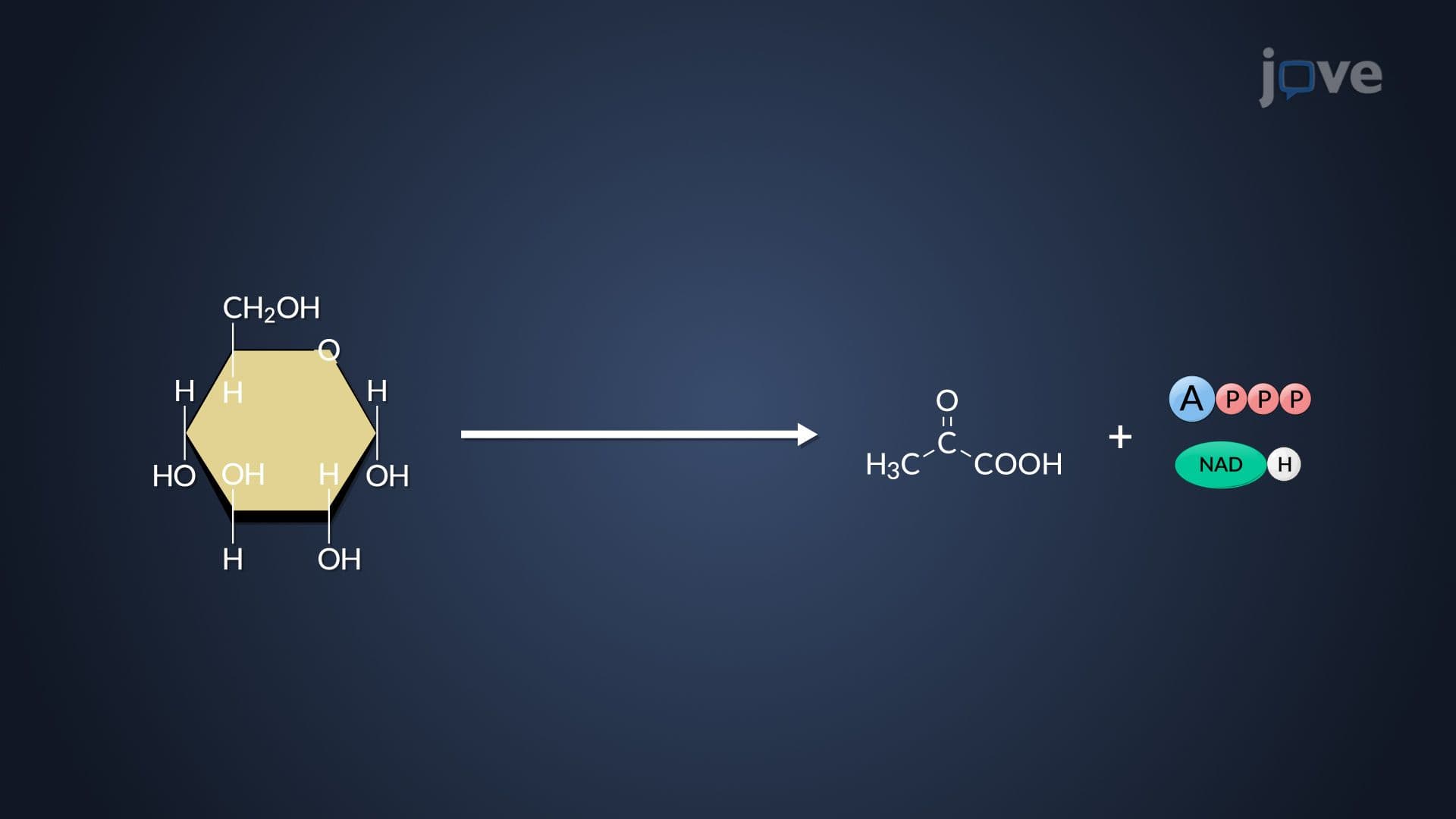
Chemotrophs, conversely, extract energy by oxidizing chemical compounds. This includes everything from the bacteria breaking down organic matter in compost bins at community gardens to extremophiles oxidizing hydrogen sulfide near volcanic vents in Yellowstone National Park. For students preparing for the AP Biology exam, understanding these energy acquisition methods is crucial for questions about ecosystem energy flow.
Carbon Source Utilization: Autotrophs vs. Heterotrophs
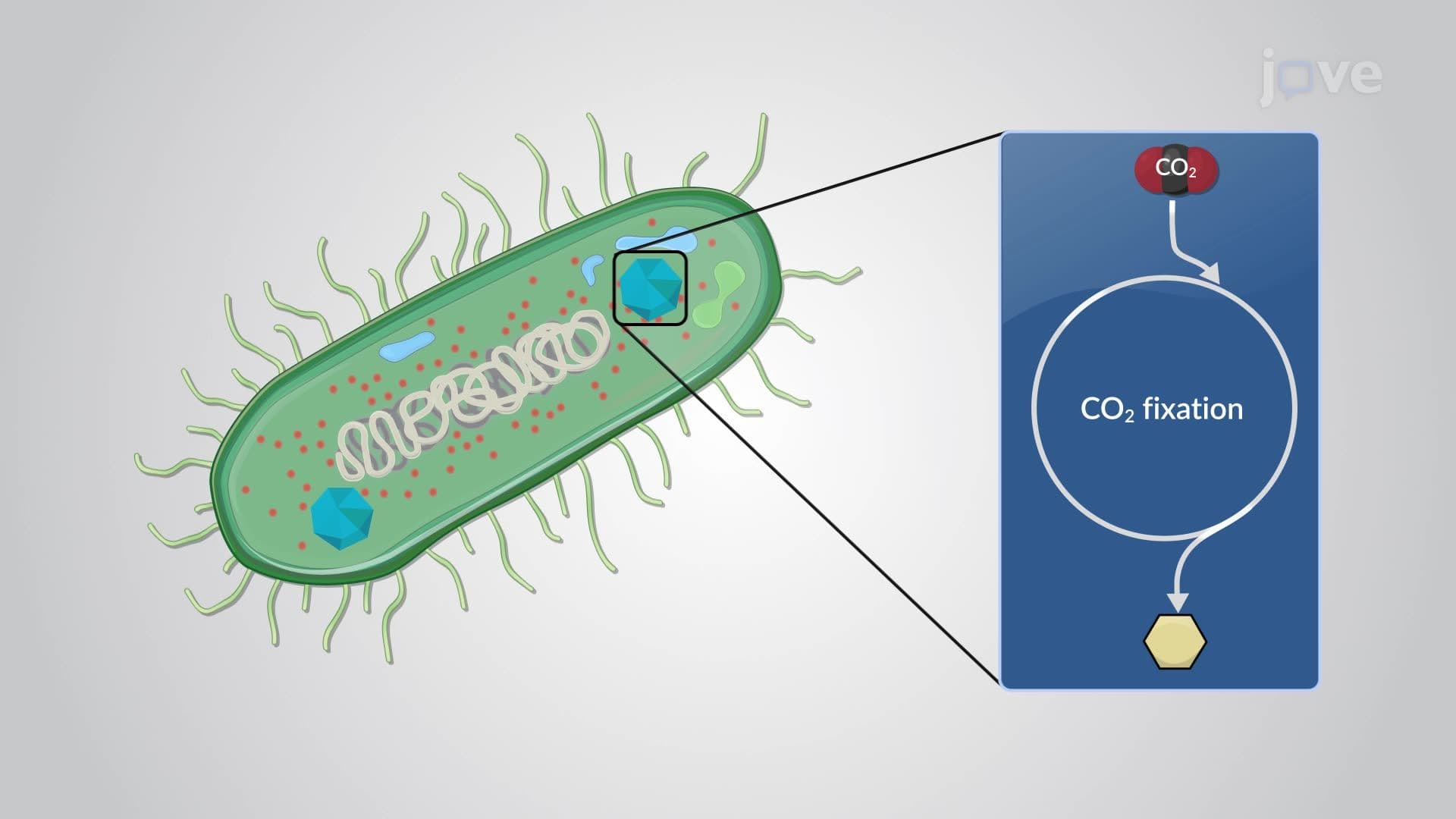
Autotrophs function as biological carbon fixers, converting atmospheric CO2 into organic molecules. Think of them as nature's 3D printers, building complex biomolecules from simple inorganic starting materials. This process is fundamental to most food webs and frequently appears on MCAT biology sections.
Heterotrophs require pre-formed organic carbon compounds, similar to how humans need to consume proteins, carbohydrates, and fats. Most bacteria causing foodborne illnesses in US restaurants fall into this category, as they depend on organic nutrients present in contaminated food sources.
The Four Nutritional Categories in Practice
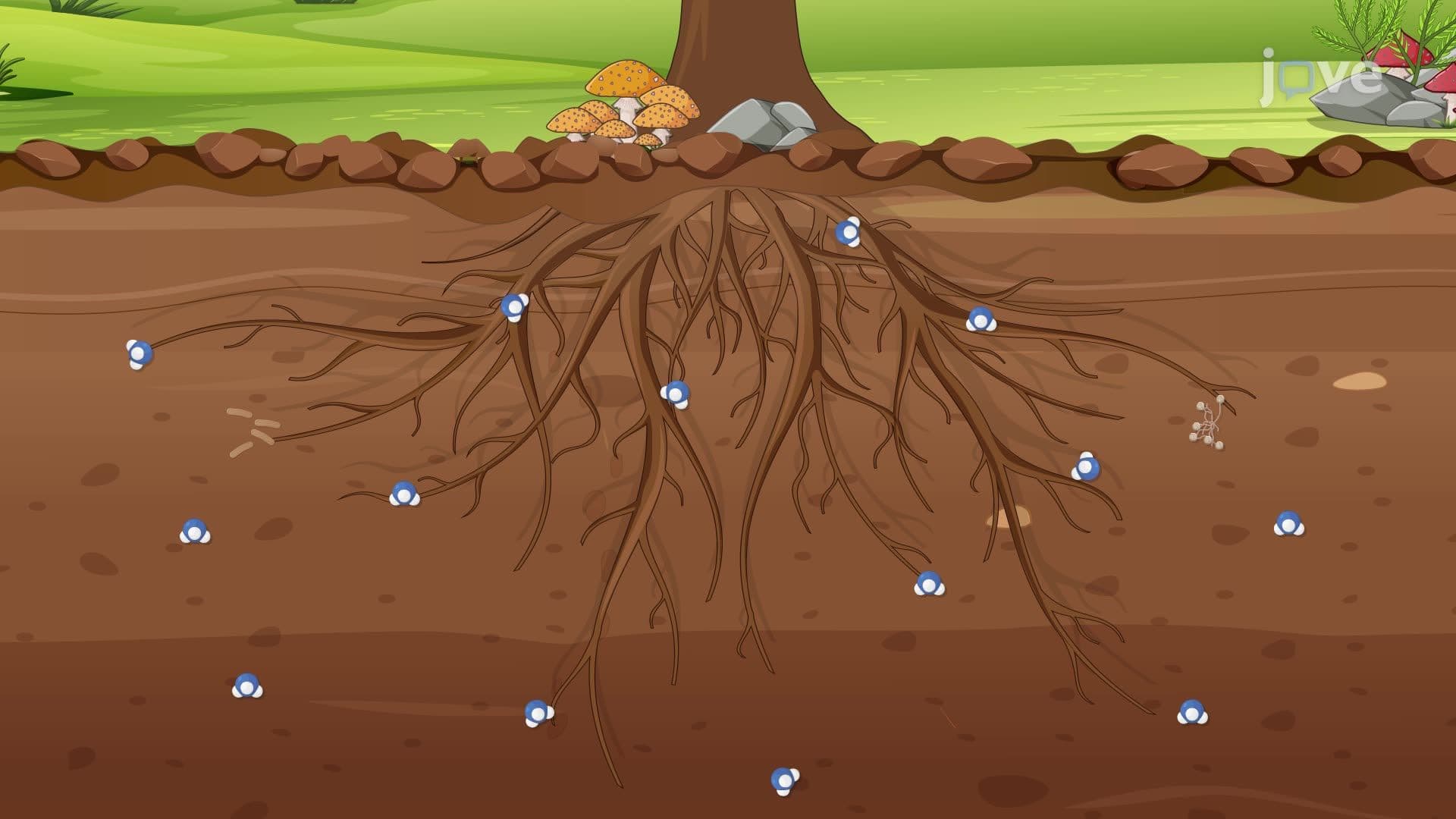
Photoautotrophs like algae and cyanobacteria drive primary productivity in ecosystems from the Great Lakes to Florida's Everglades. Chemoautotrophs, including nitrifying bacteria in agricultural soils throughout the Midwest, are essential for converting ammonia from fertilizers into forms plants can utilize. Photoheterotrophs represent a smaller group but play important roles in aquatic environments, while chemoheterotrophs include both beneficial decomposers and nearly all human pathogens-a fact that regularly appears on nursing entrance exams like the HESI A2.
Frequently Asked Questions
Microbial nutrition refers to how microorganisms obtain energy and carbon for survival and growth. Understanding it is crucial because it explains how microbes function in ecosystems, cause diseases, and can be harnessed for biotechnology applications like biofuel production and wastewater treatment.
AP Biology frequently tests microbial nutrition through questions about energy flow in ecosystems, comparing photosynthesis and chemosynthesis, and analyzing how different nutritional strategies affect carbon cycling. Students should be able to classify organisms and explain their ecological roles.
Use the mnemonic "Photo-Auto, Photo-Hetero, Chemo-Auto, Chemo-Hetero" and associate each with a real example: algae (photo-auto), purple bacteria (photo-hetero), sulfur bacteria (chemo-auto), and E. coli (chemo-hetero). Practice drawing the 2x2 classification matrix repeatedly.
Human pathogens are chemoheterotrophs because they evolved to exploit the rich organic environment of our bodies. They obtain both energy and carbon from our tissues, blood, and other organic molecules, making them perfectly adapted to cause infections in organic-rich human hosts.
US biotech companies exploit different nutritional types for various applications: photoautotrophic algae for biofuels in California, chemoautotrophic bacteria for mining operations in Colorado, and engineered chemoheterotrophs for pharmaceutical production in facilities across Massachusetts and North Carolina.
No, microbial nutrition concepts are accessible with basic high school biology and chemistry. Focus on understanding the big picture of energy and carbon sources rather than memorizing complex biochemical pathways-that level of detail comes in upper-level college courses.
Build on this foundation by exploring microbial metabolism, enzyme kinetics, and ecological microbiology. These topics frequently connect to microbial nutrition on standardized tests and provide deeper insight into how microorganisms shape our world.
Create comparison charts for the four nutritional types, practice with real organism examples, and focus on understanding ecological roles rather than just memorizing definitions. Many professors emphasize application over rote memorization in their exam questions.
Related Micro-courses
13 Concepts
6 Concepts

31 Concepts