Loading subject page…

- Microbiology
- Microbial Metabolism
- Sulfur Assimilation
Micro-course: Microbial Metabolism
13,271 views
Learn key concepts and earn your certificate.


Sulfur Assimilation


00:00
01:20
Video Summary: What Is Sulfur Assimilation
Ever wondered how plants and microbes transform the sulfur in garden soil into the proteins that build life? Sulfur assimilation is the biochemical process by which organisms convert inorganic sulfur compounds into essential organic molecules like amino acids and coenzymes. From the sulfur-rich soils of Yellowstone National Park's hot springs to agricultural fields across the Midwest, this process enables the synthesis of cysteine and methionine-amino acids critical for protein structure and function. Watch the full video on JoVE Coach to master this concept with expert-led visuals and step-by-step explanations.
- Understand what is sulfur assimilation and its fundamental role in converting inorganic sulfate into organic sulfur compounds
- Identify the key enzymes involved in the sulfur assimilation pathway, including ATP sulfurylase and sulfite reductase
- Analyze the stepwise reduction process from sulfate to hydrogen sulfide through intermediate compounds like PAPS
- Compare sulfur assimilation mechanisms between fungi, bacteria, and archaea, particularly in cysteine synthesis
- Evaluate the importance of sulfur assimilation for producing essential amino acids like cysteine and methionine
- Apply knowledge of sulfur assimilation to understand broader metabolic networks and biosynthetic pathways
- Recognize the connection between sulfur assimilation and the synthesis of important coenzymes like CoA and biotin
- Explore how environmental sulfate availability affects microbial growth and ecosystem function
Understanding Sulfur Assimilation: From Soil to Cell
Sulfur assimilation represents one of nature's most elegant biochemical transformations, converting abundant but unusable sulfate minerals into the building blocks of life. This process is particularly crucial for understanding how organisms maintain their sulfur-containing biomolecules, from the structural proteins in muscle tissue to the electron-carrying coenzymes that power cellular respiration.
The Biochemical Pathway: A Step-by-Step Reduction
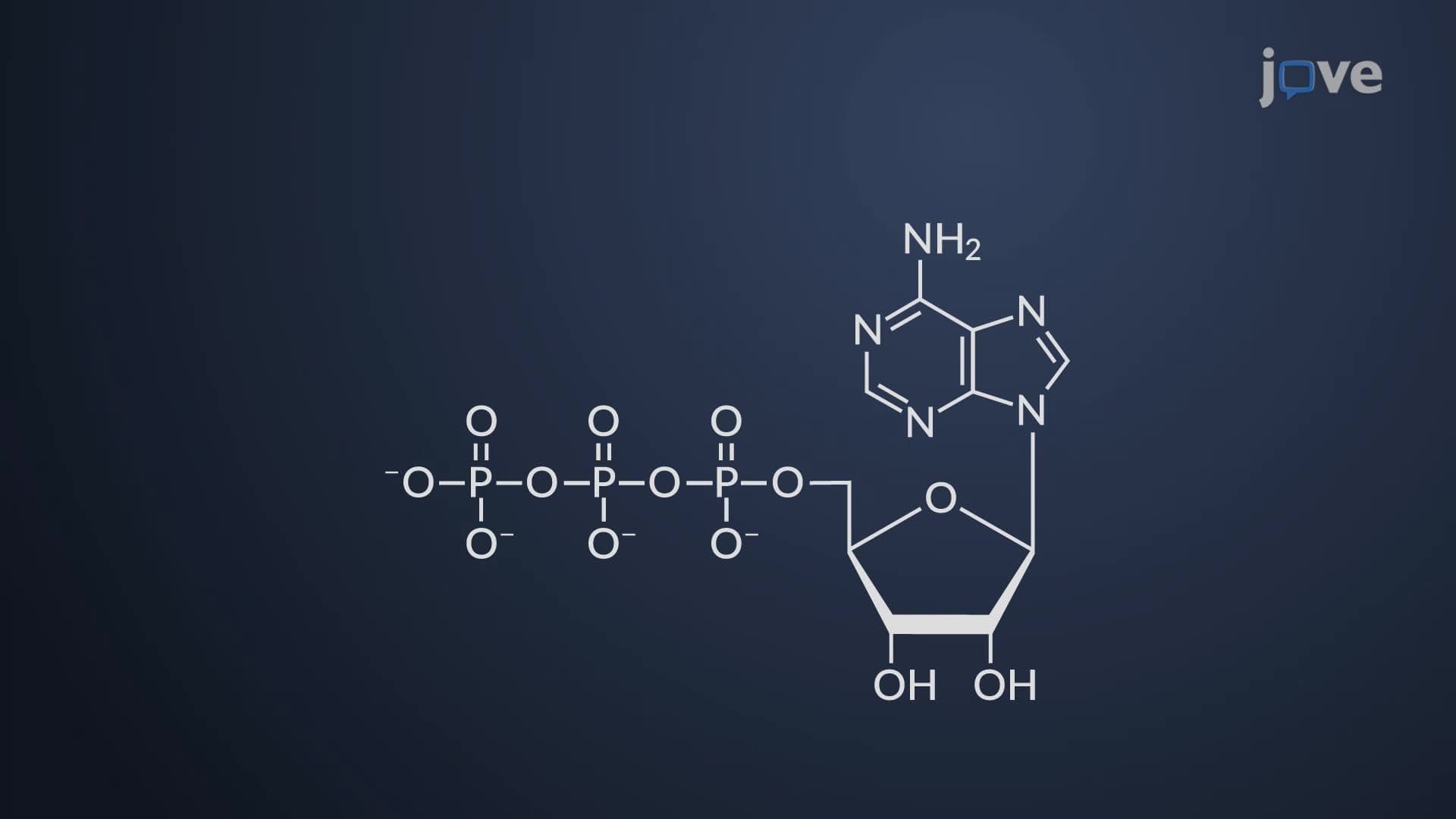
The sulfur assimilation pathway begins with sulfate activation, where ATP sulfurylase catalyzes the formation of adenosine-5'-phosphosulfate (APS) from sulfate and ATP. This energy-requiring step is essential because sulfate in its natural state is too stable for direct incorporation into organic molecules. The pathway continues with the phosphorylation of APS to form 3'-phosphoadenosine-5'-phosphosulfate (PAPS), the activated sulfur donor.
The reduction phase involves sulfite reductase converting sulfite to hydrogen sulfide-a highly reactive compound that serves as the immediate sulfur donor for amino acid synthesis. This reduction requires significant cellular energy, highlighting the metabolic cost of sulfur assimilation. Students preparing for the AP Biology exam should note that this pathway exemplifies how cells invest energy to convert stable inorganic compounds into reactive intermediates.
Organism-Specific Mechanisms and Clinical Relevance
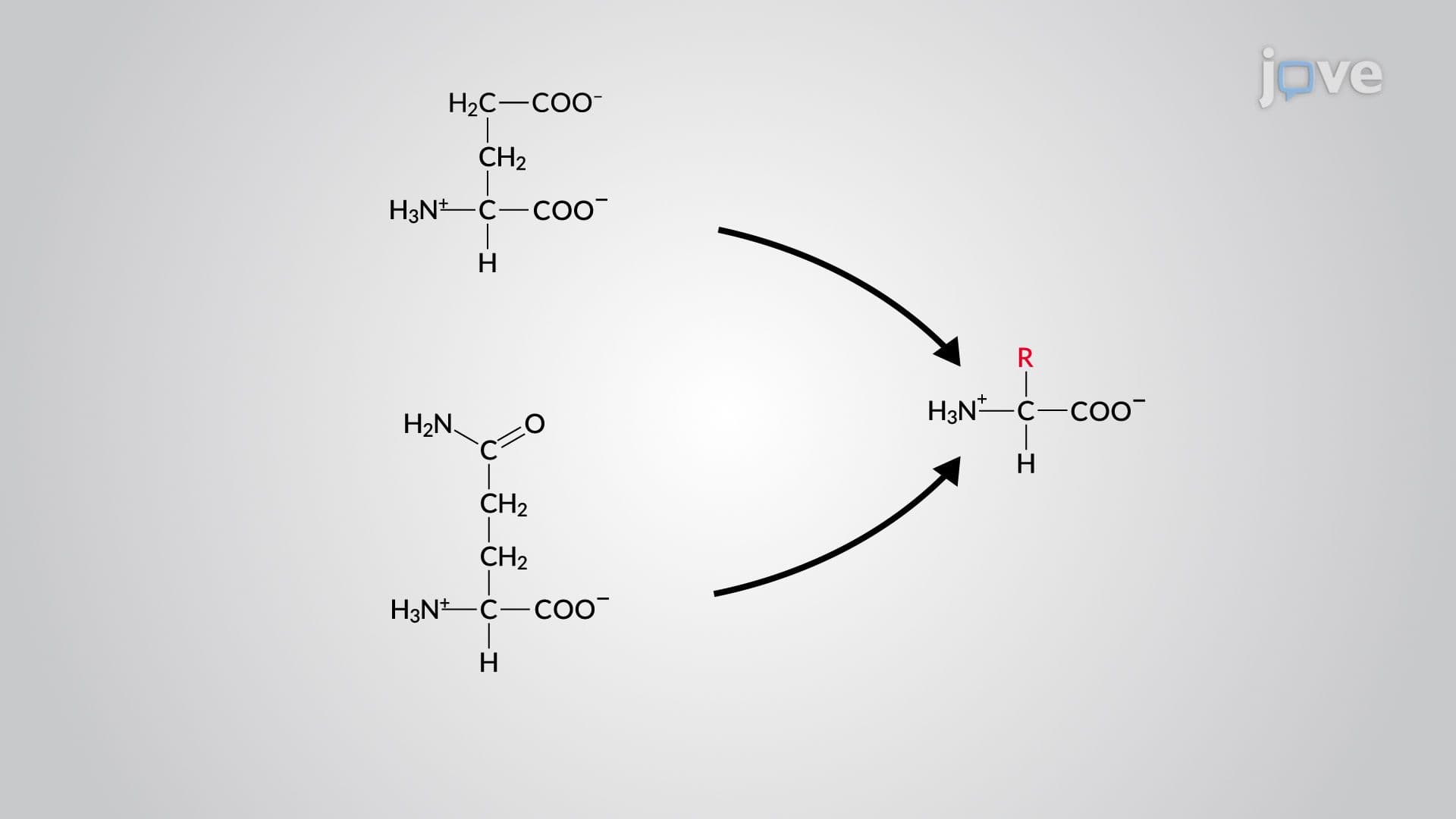
Fungi and bacteria employ different strategies for incorporating hydrogen sulfide into amino acids. Fungi combine hydrogen sulfide with serine to form cystine, which undergoes reduction to produce cysteine. In contrast, bacteria and archaea use O-acetylserine or O-phosphoserine as sulfur acceptors, directly forming cysteine. These mechanistic differences are often tested in college-level biochemistry courses and appear on the MCAT.
Understanding sulfur assimilation has practical implications for agriculture and medicine. Sulfur deficiency in crops, common in regions like the Pacific Northwest where volcanic soils naturally lack sulfur, directly impacts protein quality in food production. In clinical settings, disruptions in sulfur metabolism can affect wound healing and connective tissue formation, making this pathway relevant for pre-health students studying for the MCAT or preparing for medical school coursework.
Integration with Broader Metabolic Networks
Cysteine serves as the sulfur donor for methionine synthesis through the methionine cycle, connecting sulfur assimilation to one-carbon metabolism and DNA methylation processes. The pathway also produces sulfur-containing coenzymes like coenzyme A, essential for fatty acid metabolism, and biotin, required for carboxylation reactions. These connections frequently appear in biochemistry problem sets and standardized exams, requiring students to trace sulfur atoms through multiple metabolic pathways.
Frequently Asked Questions
Sulfur assimilation is the process by which organisms convert inorganic sulfate into organic sulfur compounds needed for life. This pathway is essential because it produces cysteine and methionine, amino acids critical for protein structure, and coenzymes like CoA and biotin required for metabolism. Without sulfur assimilation, organisms couldn't synthesize proteins with disulfide bonds or maintain essential metabolic processes.
The MCAT often tests sulfur assimilation through amino acid metabolism questions, particularly focusing on cysteine and methionine synthesis pathways. AP Biology may include sulfur assimilation in broader metabolism topics, testing students' understanding of how organisms obtain and process essential nutrients. Both exams emphasize the energy requirements and enzymatic steps involved in converting sulfate to biologically useful forms.
The key difference lies in cysteine synthesis: fungi combine hydrogen sulfide with serine to form cystine, then reduce it to cysteine, while bacteria directly combine hydrogen sulfide with O-acetylserine or O-phosphoserine to produce cysteine. Both pathways achieve the same goal but use different intermediate compounds. Understanding these variations helps students appreciate metabolic diversity across different organisms.
Sulfur deficiency affects crop protein quality, particularly in regions like the Pacific Northwest and parts of the Midwest where soils naturally lack sulfur. Farmers often apply sulfur-containing fertilizers to ensure proper plant nutrition, directly supporting the sulfur assimilation pathway in crops. This connection between biochemistry and agriculture demonstrates the practical importance of understanding nutrient metabolism.
Sulfur assimilation builds on basic concepts like enzyme function and metabolic pathways that students learn in introductory biology. While the specific enzyme names might seem complex, the overall concept-converting unusable sulfate into useful amino acids-follows logical biochemical principles. Breaking down the pathway into activation, reduction, and incorporation steps makes it more manageable for students at any level.
Focus on understanding the energy requirements and the logical flow from sulfate to amino acids rather than memorizing every intermediate. Create a flowchart showing sulfate → APS → PAPS → sulfite → hydrogen sulfide → cysteine, then practice connecting this pathway to broader amino acid and coenzyme metabolism. Pay special attention to the enzyme names and their specific functions, as these frequently appear on exams.
Students should study the methionine cycle and one-carbon metabolism to understand how cysteine connects to broader metabolic networks. Exploring amino acid metabolism, particularly transamination reactions and protein synthesis, builds naturally from sulfur assimilation concepts. Advanced students might investigate how sulfur-containing coenzymes like CoA function in fatty acid metabolism and the citric acid cycle.
Related Micro-courses
13 Concepts
6 Concepts

31 Concepts