Loading subject page…


4,004 views
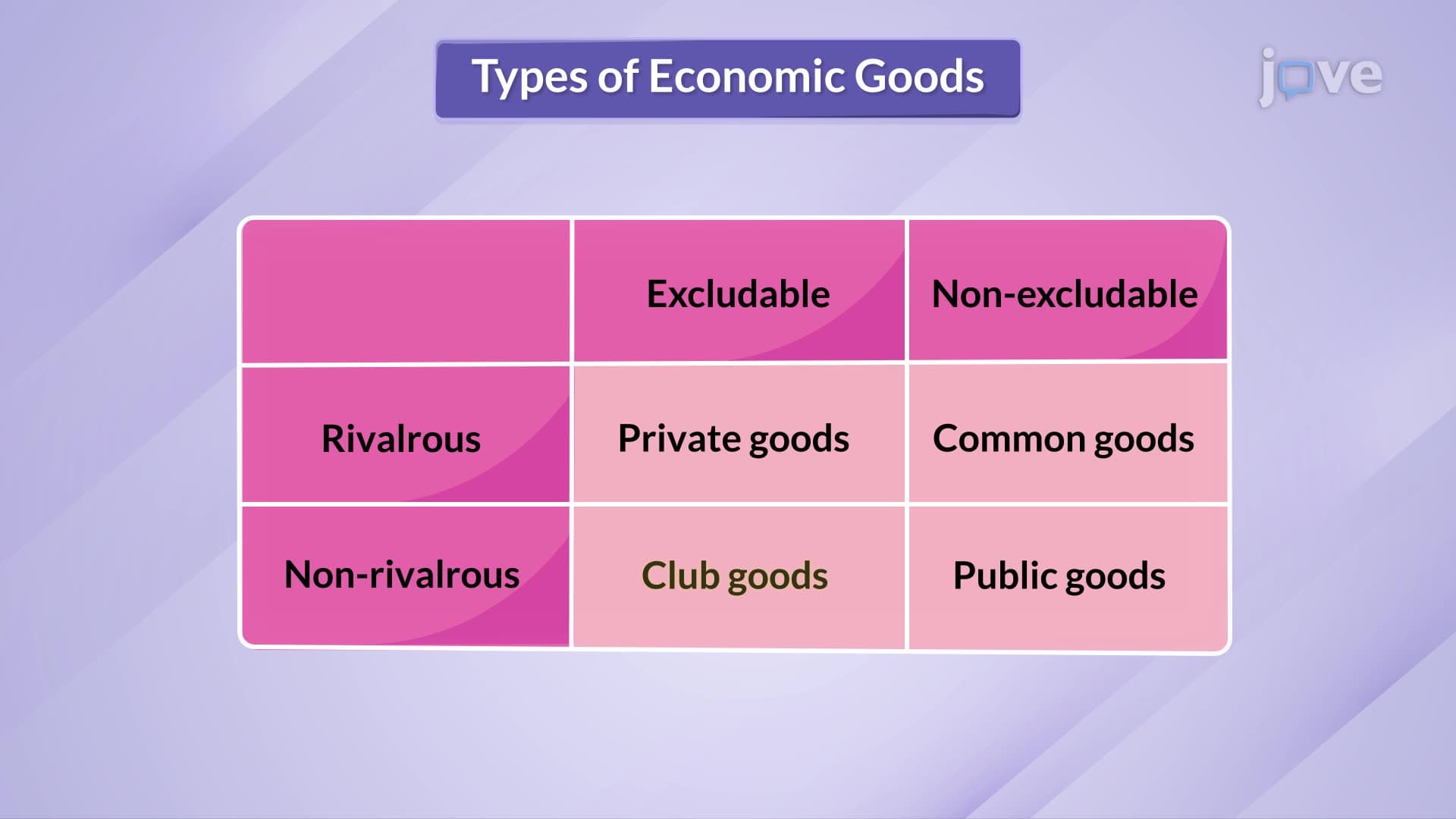

Video Summary: Club Goods and Public Goods Explained
Ever wonder why Netflix can serve millions simultaneously while a private golf course limits members? Understanding club goods public goods reveals how economists categorize products based on access and consumption patterns. Club goods like streaming services are excludable but non-rivalrous, while public goods such as street lighting benefit everyone without restriction. Club Goods And Public Goods Explained demonstrates these fundamental economic principles through practical American examples. Watch the full video on JoVE Coach to master this concept with expert-led visuals and step-by-step explanations.
Economists classify all goods and services using two key characteristics: excludability and rivalry. This classification system helps us understand market behavior, pricing strategies, and government policies across the American economy.
Club goods represent a fascinating middle ground in economic theory. These products are excludable (access can be restricted) but non-rivalrous (one person's consumption doesn't reduce availability for others). Consider Costco's business model: membership fees exclude non-members, but once inside, your shopping doesn't prevent others from accessing the same products or services.
American examples of club goods include:
These goods solve important economic problems by generating revenue through exclusion while maximizing utility through shared consumption. A Disney+ subscription exemplifies this perfectly-millions can stream simultaneously without degrading service quality.
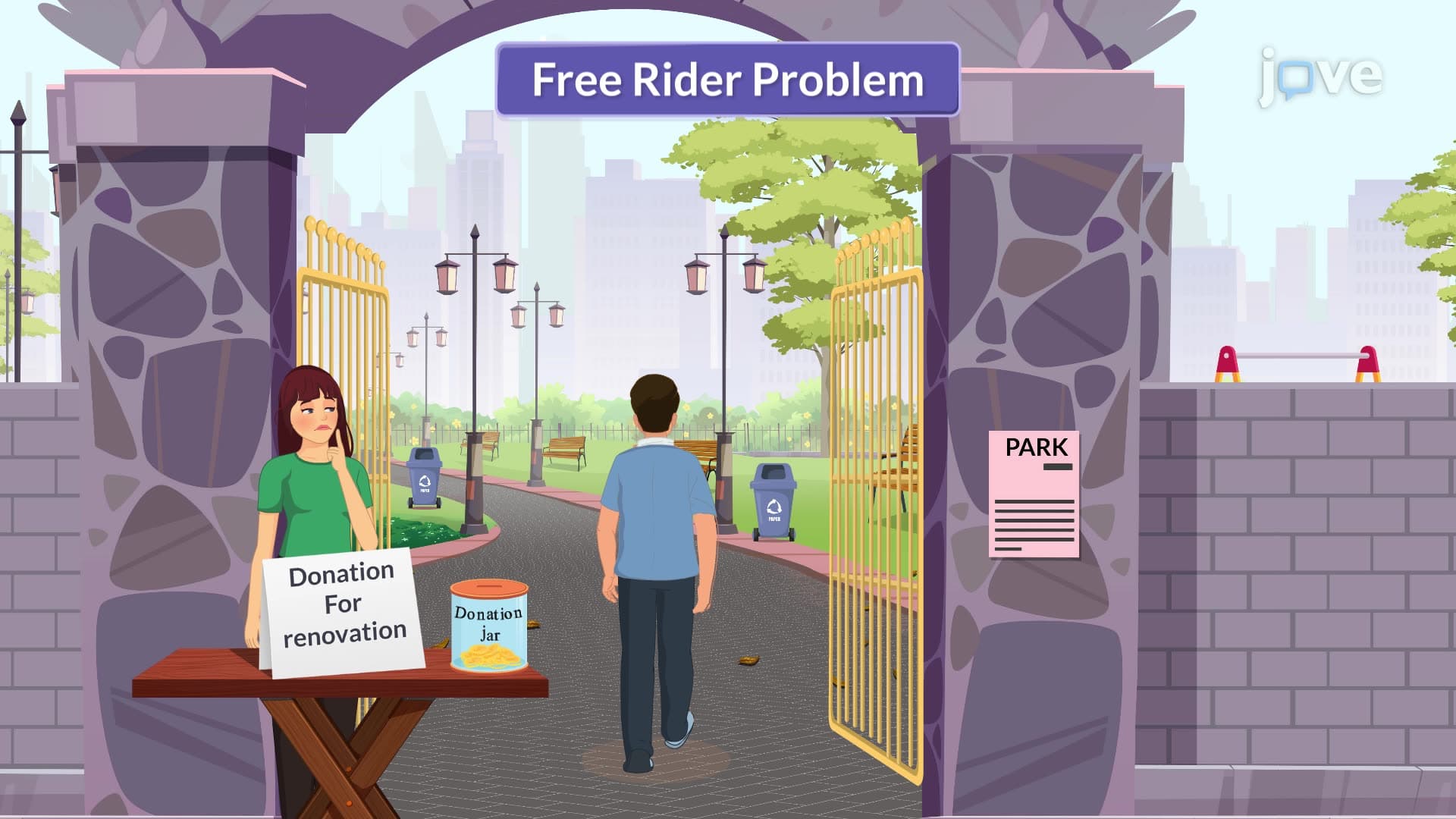
Public goods are both non-excludable and non-rivalrous, creating unique challenges for markets. Once provided, these goods benefit everyone regardless of payment, leading to the classic free-rider problem. The lighthouse serves as economics textbooks' favorite example, but modern American public goods include GPS satellites, national weather services, and public radio broadcasts.
Street lighting illustrates public goods perfectly. Once installed, municipal governments cannot practically exclude anyone from benefiting-the light illuminates sidewalks for taxpayers and non-taxpayers alike. Moreover, your use of streetlight illumination doesn't reduce the light available to others walking the same path.
Understanding these classifications proves crucial for AP Economics students and college-level microeconomics courses. Exam questions frequently test students' ability to categorize goods and predict market outcomes. For instance, public goods often require government provision because private markets under-provide them due to free-riding behavior.
Club goods represent market innovation-companies create artificial scarcity through membership models while maintaining efficiency through non-rivalry. This explains why subscription-based business models dominate industries from software (Microsoft 365) to fitness (Planet Fitness) across America.
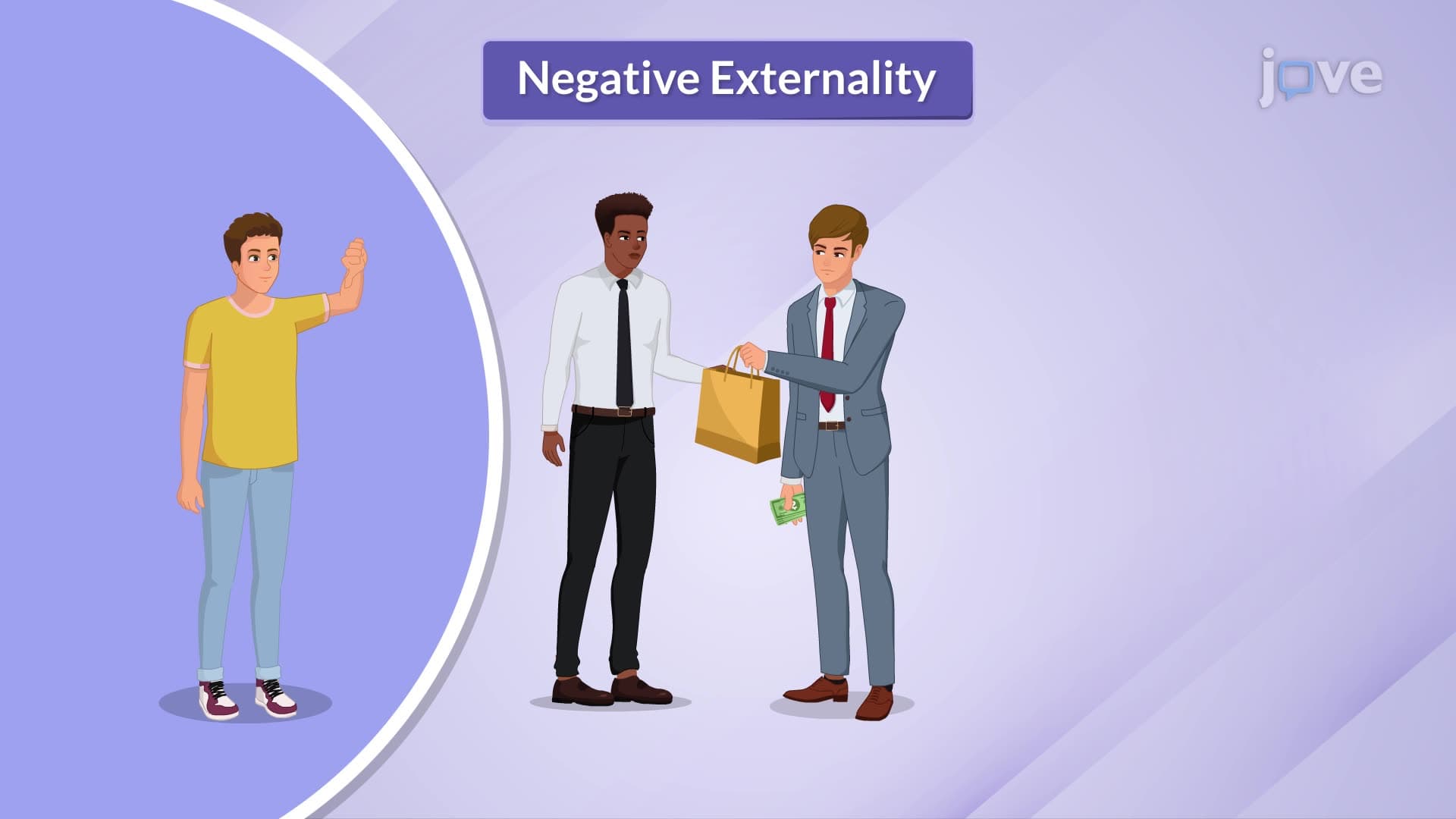
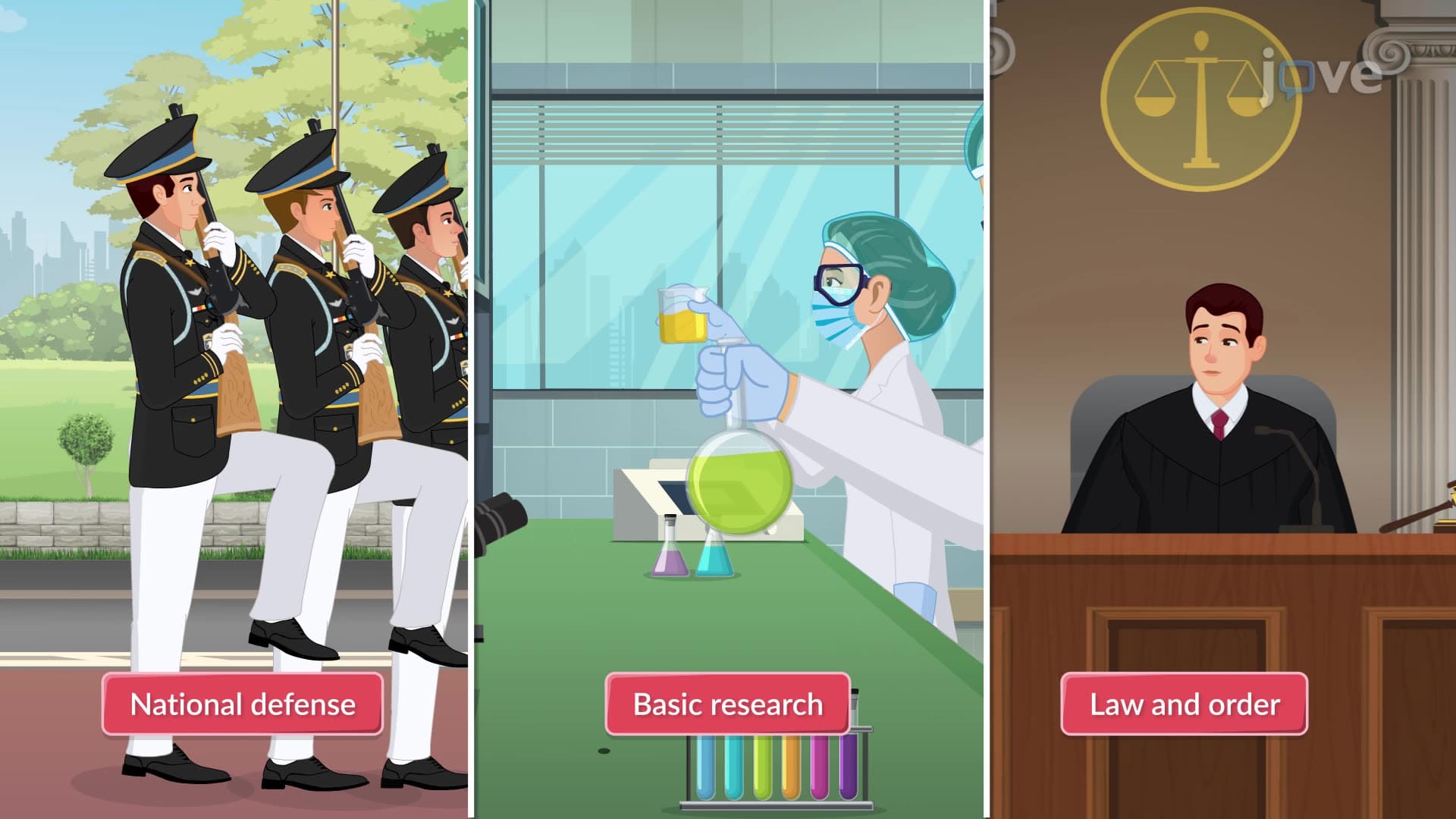
The concept also connects to externalities, another key economics topic. Public goods often generate positive externalities-benefits extending beyond direct users. Well-maintained public parks increase surrounding property values, while national defense protects all citizens regardless of tax contribution levels.
Related Micro-courses