Loading subject page…

- Microeconomics
- Externalities and Public Goods
- Private Goods and Common Resources
Micro-course: Externalities and Public Goods
4,004 views
Learn key concepts and earn your certificate.







Private Goods and Common Resources


00:00
01:13
Video Summary: Private Goods and Common Resources Explained
Ever wonder why Netflix requires a subscription while public parks are free to everyone? Private goods common resources represent two fundamental economic categories that shape how we access everything from smartphones to national forests. Private goods like your iPhone become exclusively yours after purchase, while common resources like fish stocks in Alaska's waters remain accessible to all fishermen until depleted. Understanding private goods and common resources explained through rivalry and excludability helps decode countless real-world scenarios. Watch the full video on JoVE Coach to master this concept with expert-led visuals and step-by-step explanations.
- Understand the fundamental distinctions in Private Goods And Common Resources Explained through the lens of rivalry and excludability characteristics
- Identify real-world examples of private goods (smartphones, clothing) versus common resources (public fishing areas, groundwater aquifers)
- Analyze how rivalry determines whether one person's consumption prevents another's simultaneous use of the same good
- Compare excludability mechanisms that allow producers to restrict access to paying customers only
- Evaluate the economic implications when common resources face overuse or depletion due to unrestricted access
- Apply these concepts to predict market outcomes and potential policy interventions in resource management
- Recognize the connection between good classification and market efficiency in various economic scenarios
- Explore how these principles relate to environmental economics, public policy, and business strategy decisions
Understanding Private Goods And Common Resources Explained
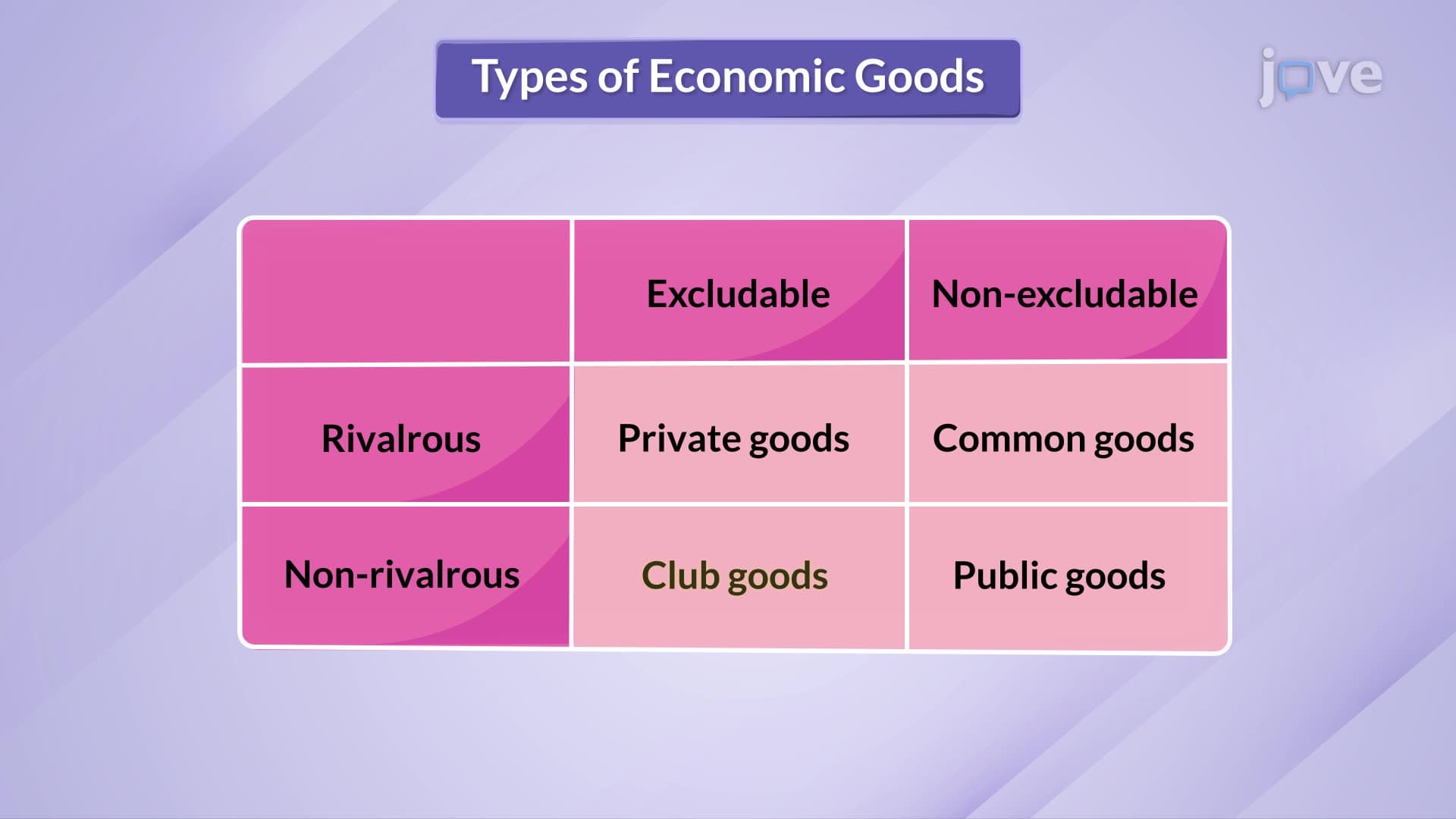
Economic goods fall into distinct categories based on two critical characteristics: rivalry and excludability. This classification system helps economists, policymakers, and businesses predict market behavior and design appropriate allocation mechanisms.
Private Goods: Rivalry and Excludability Combined
Private goods exhibit both rivalry and excludability, making them ideal for traditional market transactions. When you purchase a Tesla Model 3, that specific vehicle becomes unavailable to other buyers (rivalry), and Tesla can prevent non-paying customers from driving it off the lot (excludability). This dual characteristic enables efficient pricing mechanisms and clear property rights.
The excludability feature allows producers to capture revenue through sales, incentivizing production and innovation. Apple's iPhone exemplifies this perfectly-each device sold generates revenue while preventing unauthorized users from accessing the product. This market structure supports the entire consumer electronics industry, from research and development to manufacturing and distribution.
Common Resources: The Challenge of Non-Excludability
Common resources present a more complex economic scenario. These goods are rivalrous but non-excludable, creating potential for overuse and depletion. Consider Atlantic bluefin tuna in international waters-any fishing vessel can harvest these fish (non-excludable), but each tuna caught reduces availability for other fishermen (rivalrous).
This combination often leads to the "tragedy of the commons," where individual rational behavior results in collective irrationality. Groundwater aquifers in California's Central Valley demonstrate this challenge. Farmers cannot easily exclude neighbors from accessing underground water, yet each well's pumping reduces availability for others, potentially causing long-term depletion.
Economic Implications and Policy Solutions
Understanding these classifications proves essential for AP Economics students and appears frequently on college microeconomics exams. The MCAT may test these concepts in behavioral sciences sections, while business school case studies often explore how companies navigate common resource challenges.
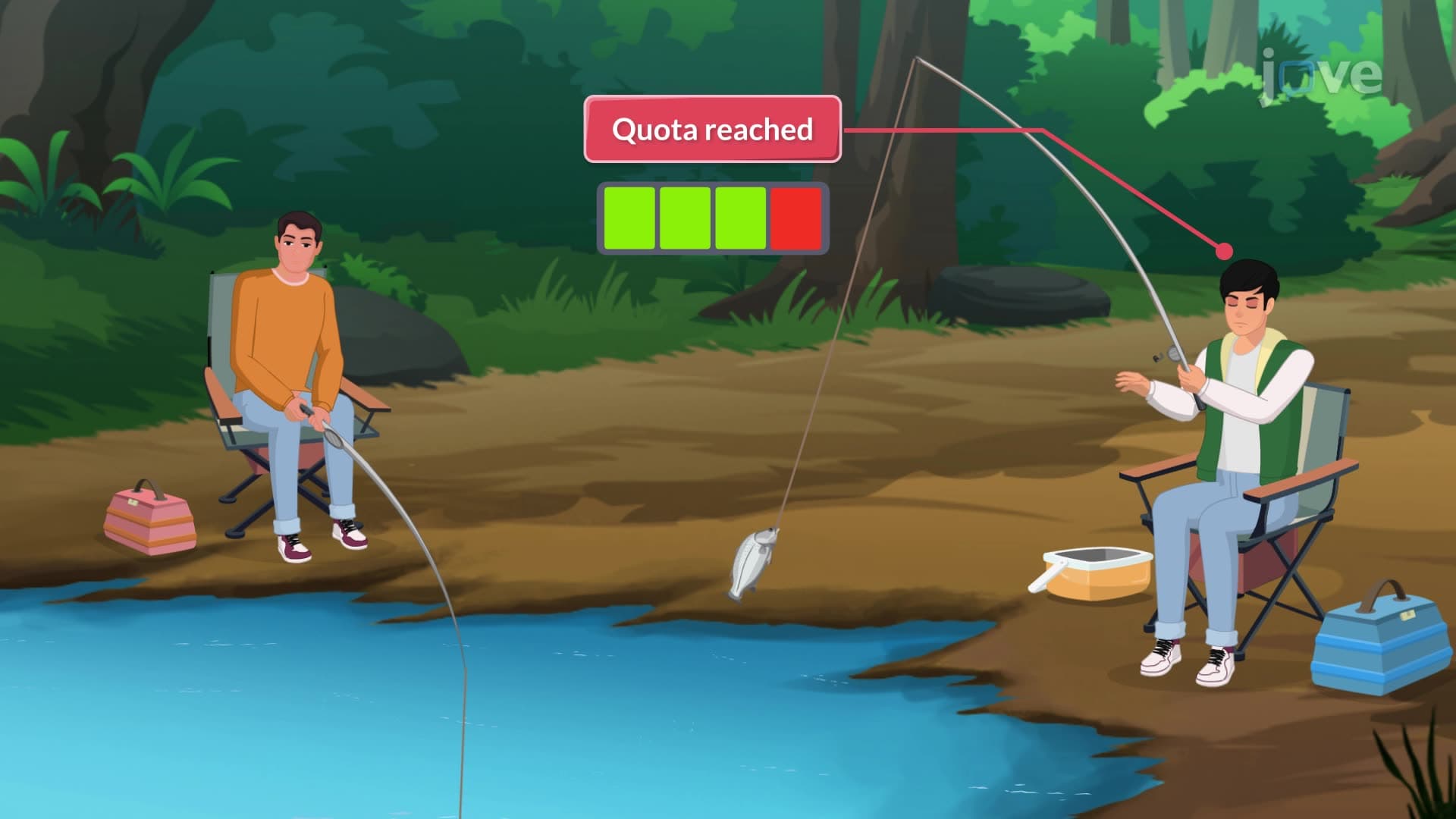
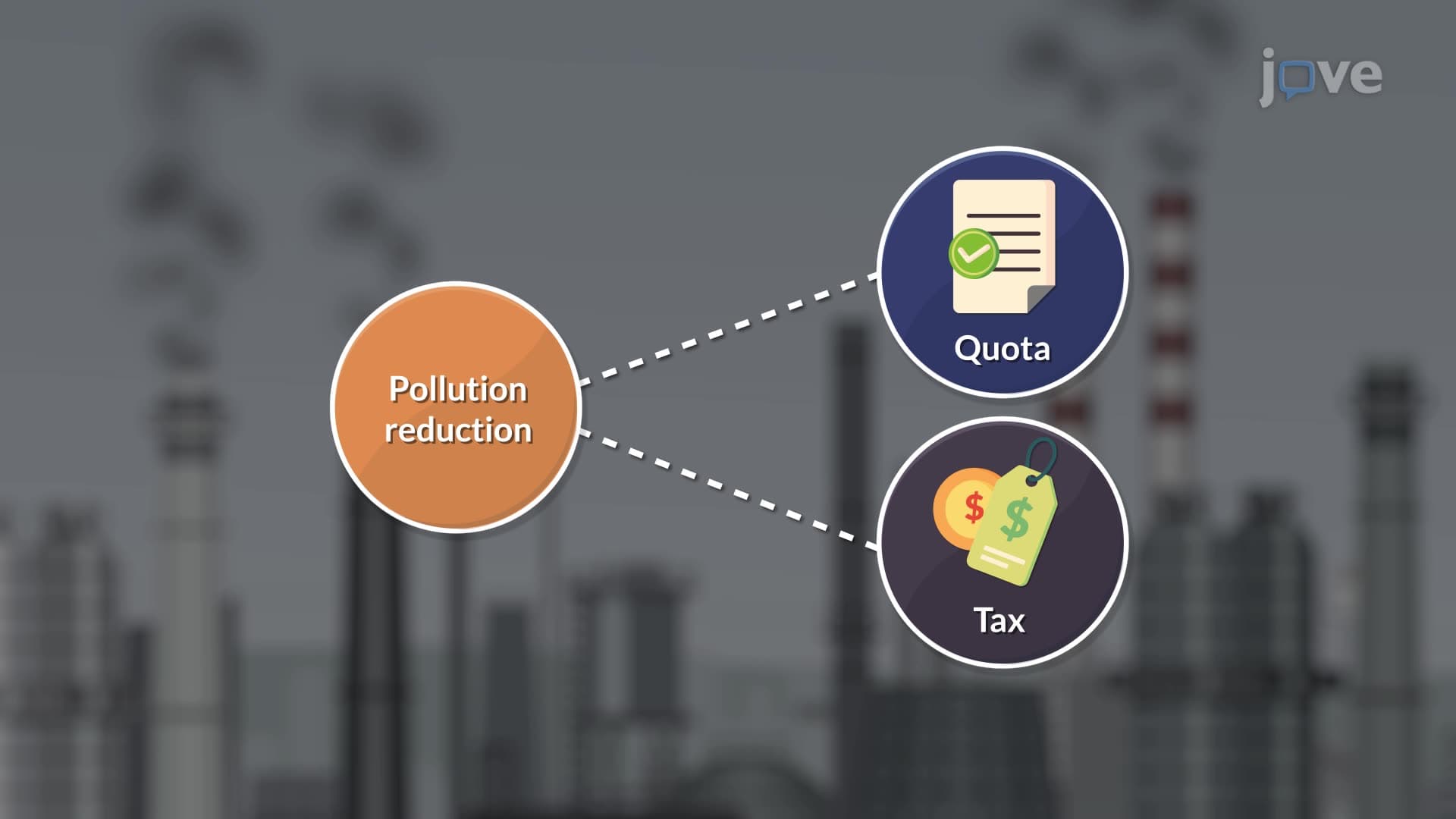
Policy interventions for common resources include establishing property rights, implementing usage quotas, or creating user fees. Alaska's individual fishing quotas system transformed chaotic overfishing into sustainable harvests by assigning exclusive rights to specific catch amounts, effectively converting common resources into quasi-private goods.
Frequently Asked Questions
Private goods are products you can own exclusively after purchase, like your laptop or sandwich. Common resources are shared goods anyone can access, like public lakes or forests, but their use by one person reduces availability for others.
AP Microeconomics frequently tests these concepts through multiple-choice questions about good classifications and free-response questions analyzing market failures. Students must identify characteristics and predict economic outcomes based on rivalry and excludability properties.
Private goods include branded clothing, restaurant meals, and streaming service subscriptions. Common resources include fish in public waters, federal park camping spots during peak season, and shared grazing lands on public property.
No advanced mathematics required! This concept relies on logical thinking about ownership and access rather than complex calculations. High school students can easily master these ideas through real-world examples and practice categorizing different goods.
Create comparison charts listing characteristics and examples. Practice categorizing everyday items and explaining your reasoning. Focus on understanding why excludability and rivalry matter for market outcomes and policy decisions.
Common resources face potential overuse because individuals cannot exclude others from access, yet each person's consumption reduces availability. This leads to depletion, as seen with overfishing or traffic congestion on public highways.
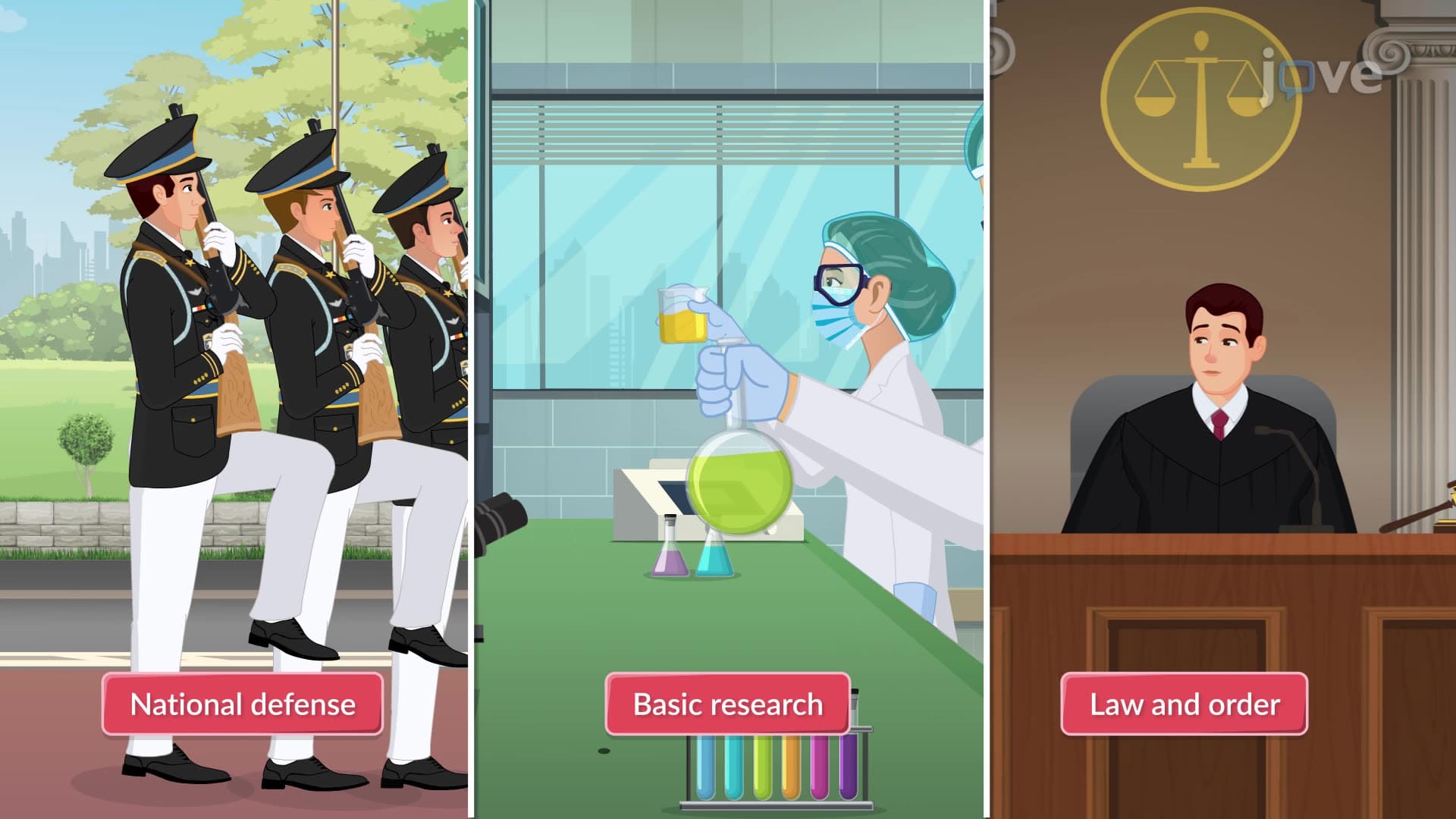
Explore public goods (non-rivalrous and non-excludable) and club goods (non-rivalrous but excludable) to complete the four-category framework. Then study externalities, market failures, and government intervention strategies.
Companies analyze whether their products face rivalry or excludability challenges to determine pricing strategies, intellectual property protection needs, and market entry decisions. Understanding these dynamics helps predict competitive responses and profitability potential.
Related Micro-courses

15 Concepts

22 Concepts

9 Concepts