Loading subject page…


4,004 views

Video Summary: The Efficient Amount of Recycling I Explained
Did you know that the average American generates 4.9 pounds of waste daily, yet only 32% gets recycled? The efficient amount of recycling occurs when society balances recycling costs against environmental benefits, not when individuals simply minimize their disposal fees. Consider how Seattle residents increased recycling rates by 98% after implementing disposal fees that reflected true environmental costs. The Efficient Amount of Recycling I Explained demonstrates why market failures lead to under-recycling and how policy interventions can achieve optimal outcomes. Watch the full video on JoVE Coach to master this concept with expert-led visuals and step-by-step explanations.
The efficient amount of recycling represents a fundamental concept in environmental economics where society achieves the optimal balance between recycling benefits and costs. Unlike individual decision-making that focuses solely on personal expenses, efficient recycling considers the broader social costs of waste disposal, including environmental degradation, groundwater contamination, and greenhouse gas emissions from landfills.
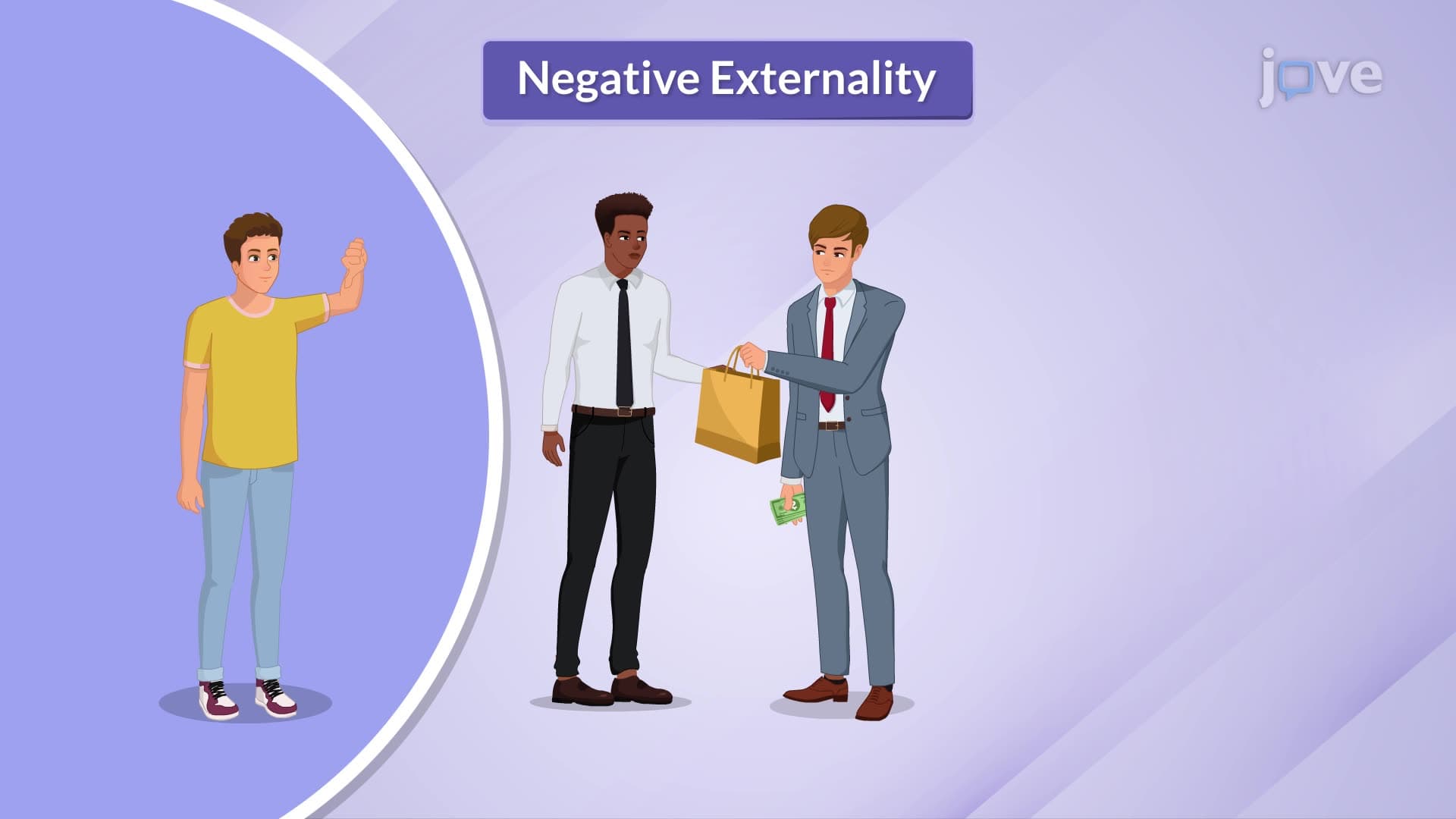
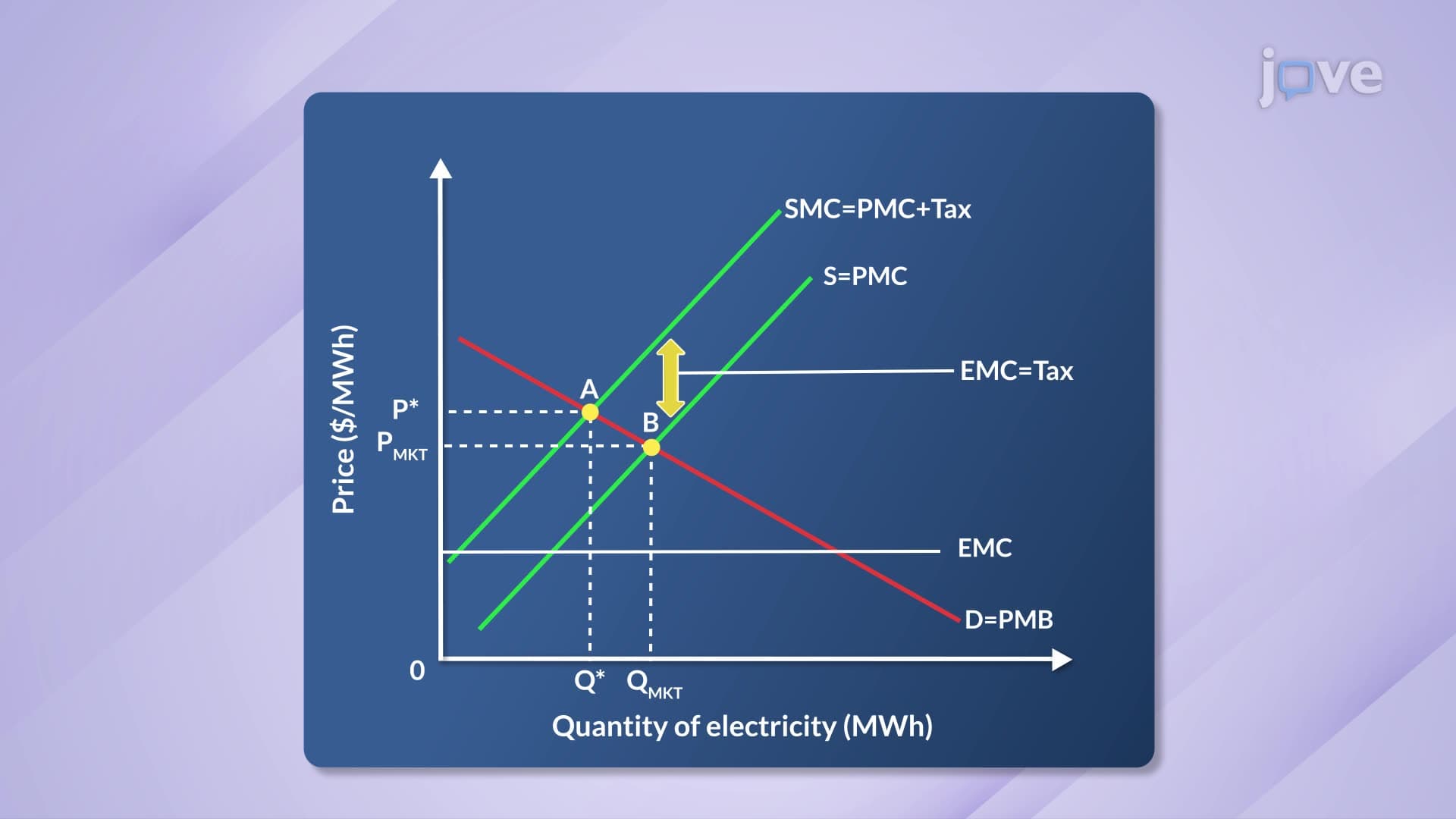
When households decide whether to recycle, they typically consider only their private marginal costs (PMC), the personal time, effort, and any fees for waste disposal. However, these private costs severely underestimate the true social marginal costs (SMC) of waste disposal. Social costs include long-term environmental damage, public health impacts, and resource depletion that affect entire communities.
For example, when California implemented its bottle deposit program, individual recycling rates increased dramatically because the policy aligned private incentives with social benefits. Before the program, residents only considered their personal convenience; afterward, the deposit system made recycling personally profitable while reducing environmental harm.
The marginal cost of recycling (MCR) increases as recycling programs expand. Initially, collecting easily accessible materials like aluminum cans requires minimal infrastructure. However, as recycling rates increase, communities must invest in sophisticated sorting facilities, specialized transportation, and processing equipment for harder-to-recycle materials.
The efficient amount occurs where MCR intersects SMC. At this point, the cost of recycling one additional unit equals the social benefit of preventing that unit from entering landfills. This intersection represents the socially optimal recycling rate, not necessarily 100% recycling, but the level that maximizes net social welfare.
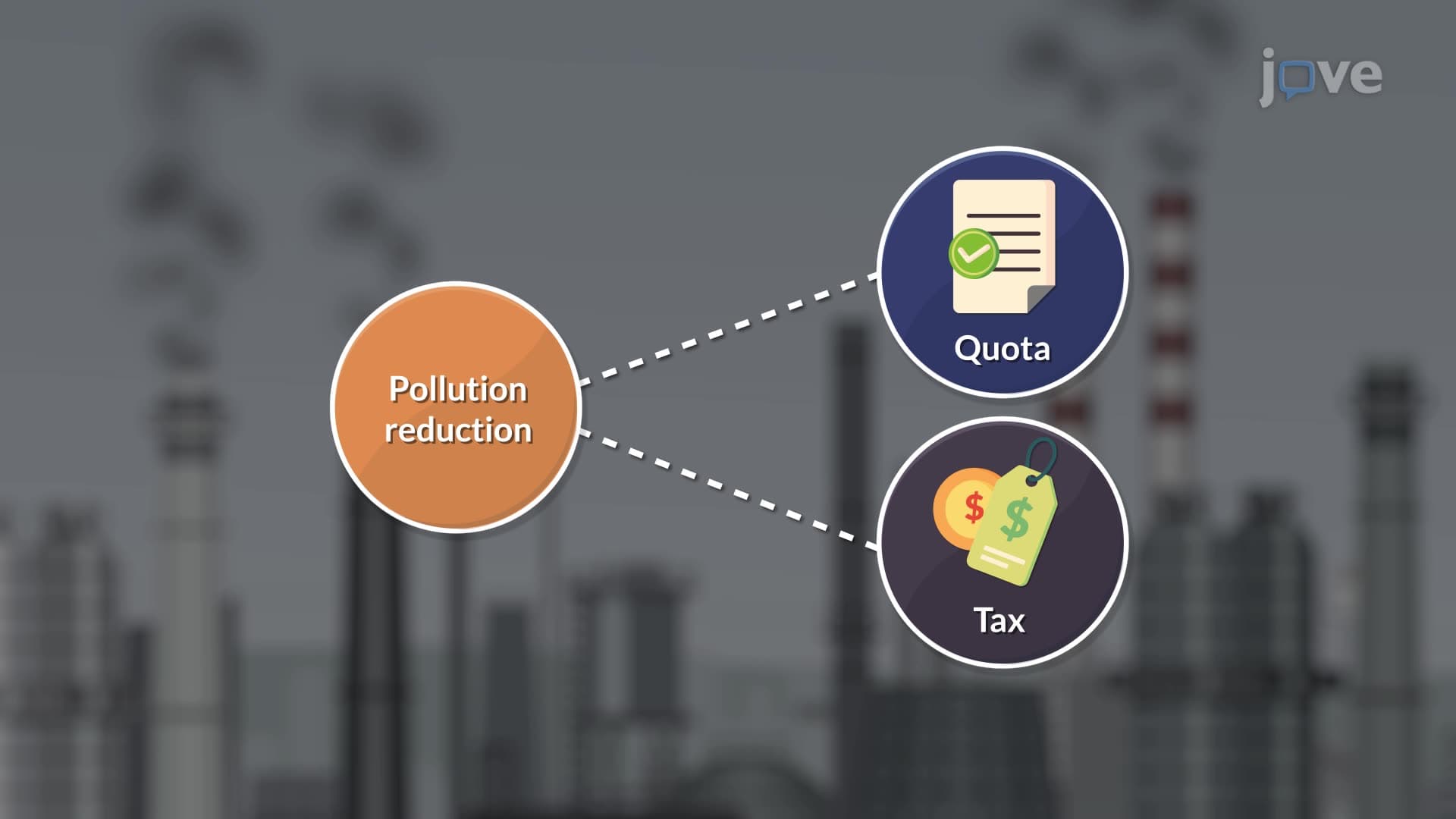
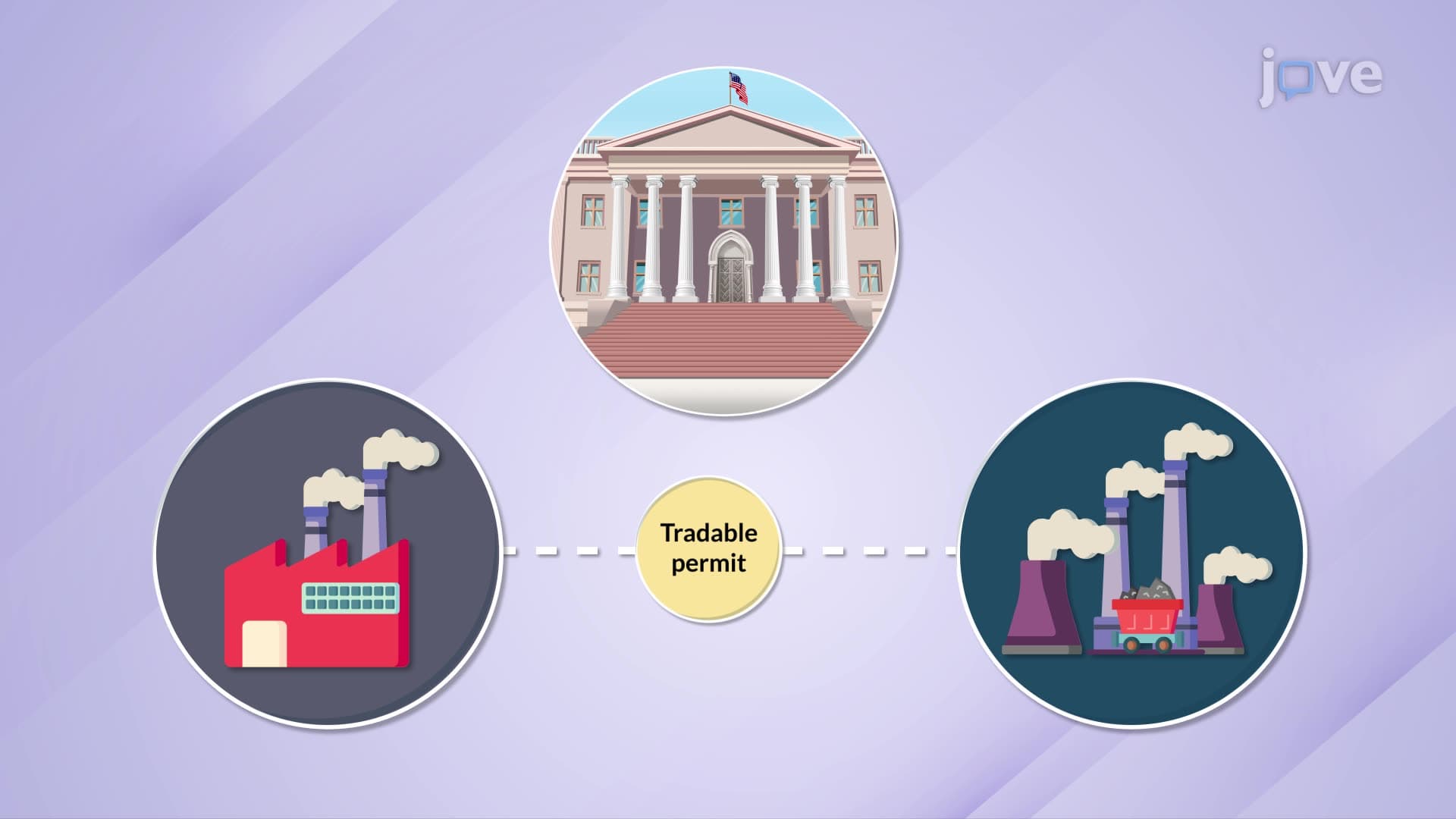
Successful recycling policies internalize external costs through various mechanisms. Extended Producer Responsibility (EPR) programs, implemented in states like Maine and Oregon, require manufacturers to fund recycling programs for their products. Pay-As-You-Throw (PAYT) systems in cities like San Francisco charge residents based on actual waste generation, encouraging both recycling and waste reduction.
These policies face implementation challenges including administrative costs, political resistance, and enforcement difficulties. However, when properly designed, they can achieve significant improvements in recycling efficiency while generating economic benefits through job creation and resource recovery.
Related Micro-courses