Loading subject page…


4,004 views

Video Summary: The Efficient Amount of Recycling Ii Explained
Why do only 9% of plastics get recycled in the United States despite widespread environmental awareness? The efficient amount recycling concept reveals how economic incentives can dramatically improve these rates. Traditional approaches like disposal fees face practical hurdles, but refundable deposit programs-like those used for beverage containers in ten US states-create powerful market-based solutions. The Efficient Amount of Recycling II Explained demonstrates how deposits shift private costs to match social costs, achieving optimal recycling levels. Watch the full video on JoVE Coach to master this concept with expert-led visuals and step-by-step explanations.
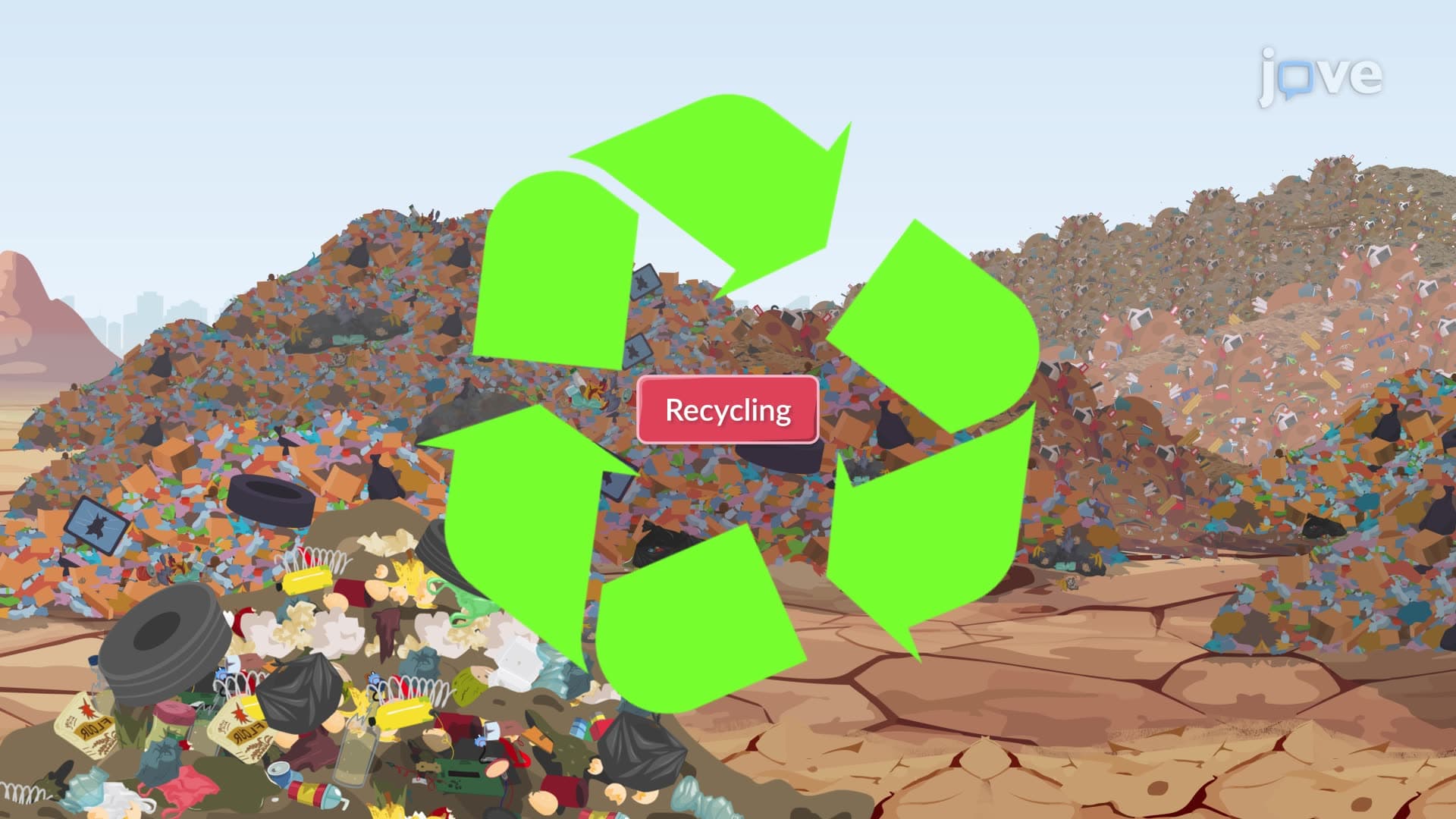
The efficient amount recycling represents the socially optimal level where marginal social benefits equal marginal social costs. This concept addresses a fundamental market failure: individuals bear private costs of recycling but don't capture all social benefits, leading to under-recycling. When private marginal cost (PMC) exceeds marginal cost of recycling (MCR) at the current recycling level, society recycles less than the optimal amount.
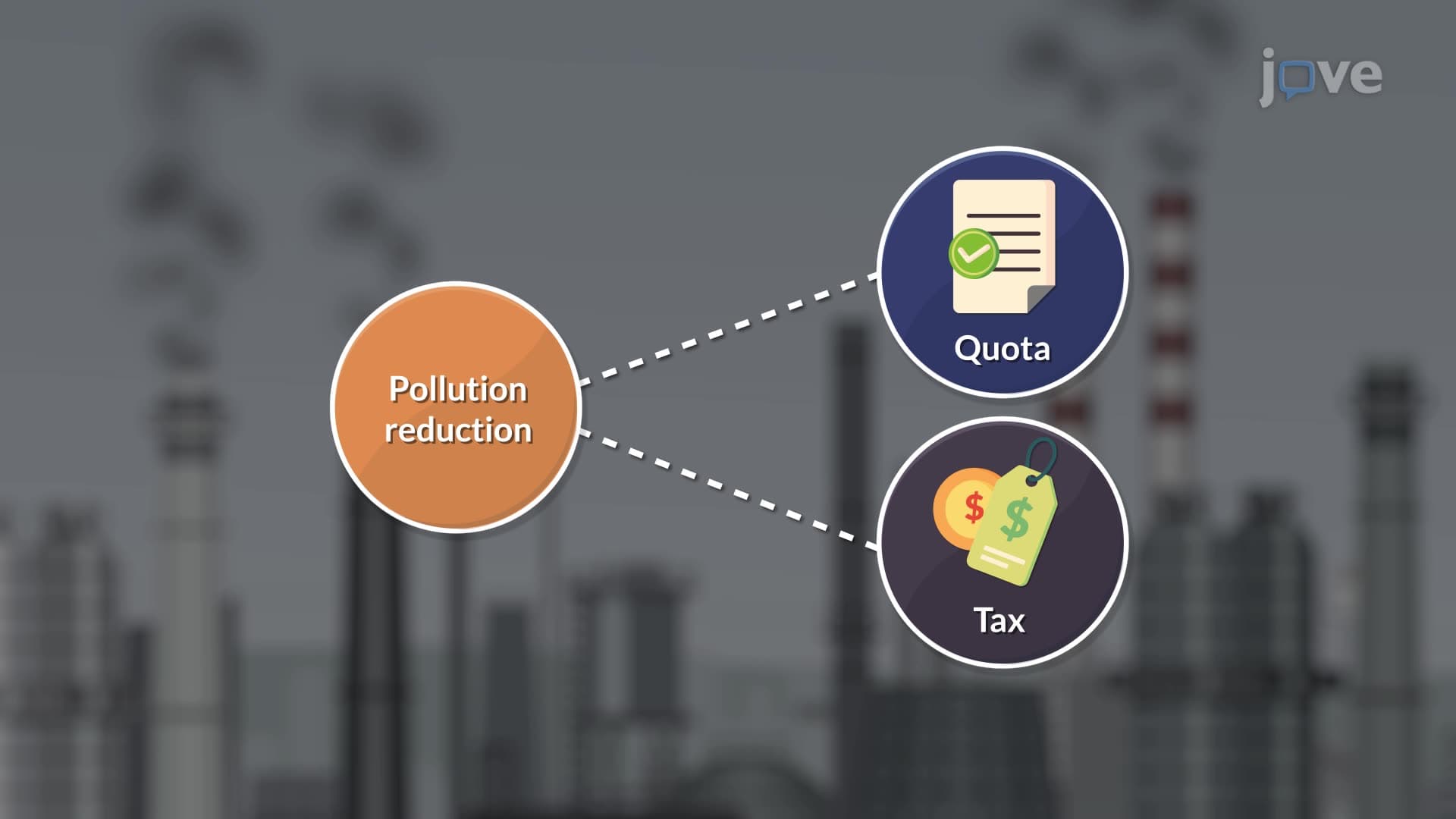
Traditional regulatory approaches face significant implementation challenges. Disposal fees require expensive waste sorting infrastructure and complex billing systems based on weight and composition. Quota systems create enforcement difficulties and may not reflect regional variations in recycling capacity. These efficient amount recycling definition challenges explain why many municipalities struggle with waste management despite good intentions.
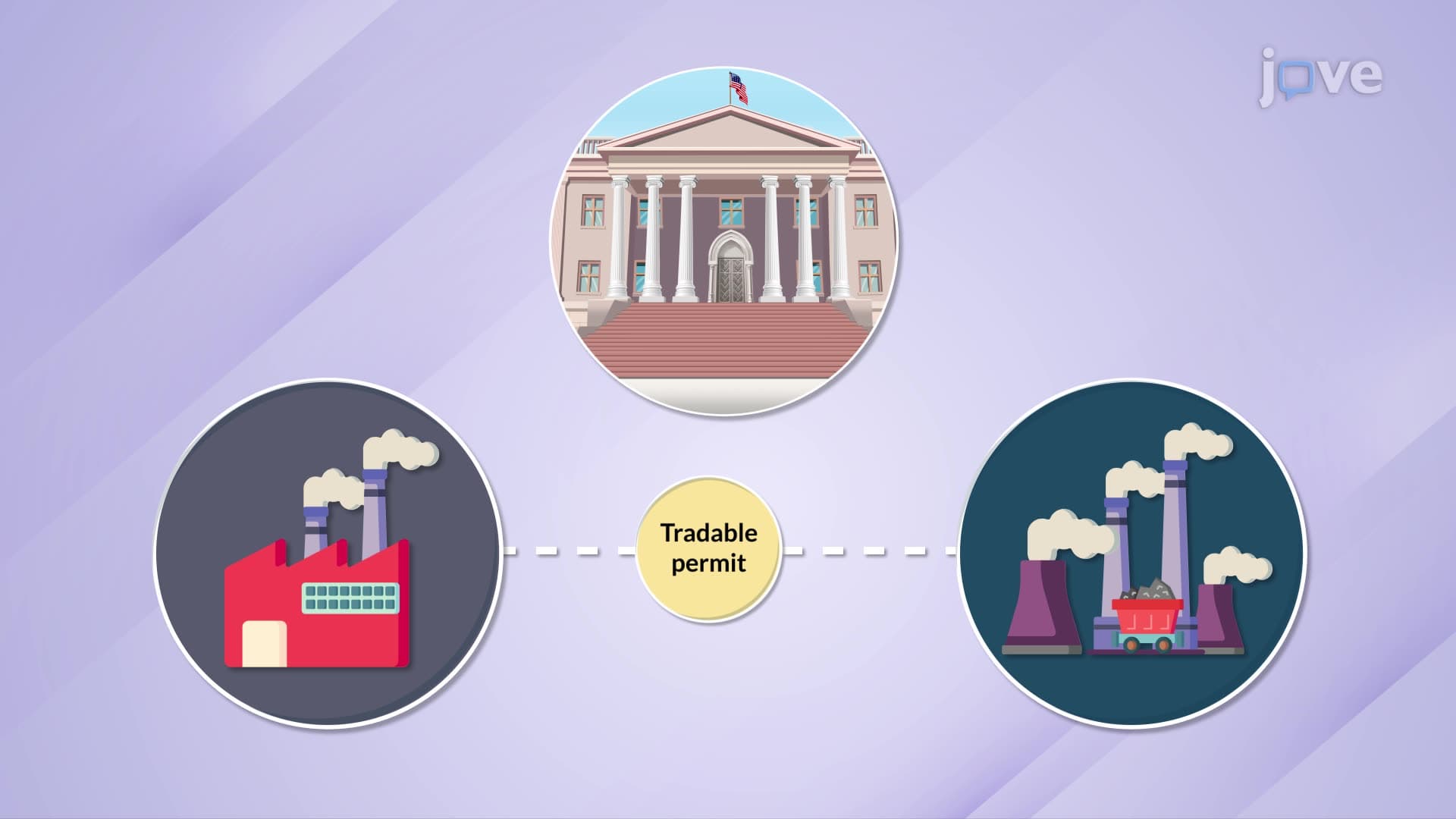
Quantity mechanisms like transferable permits work theoretically but face practical hurdles in the recycling context. Unlike carbon markets, recycling markets involve heterogeneous materials, distributed collection points, and varying contamination levels that complicate permit trading systems.
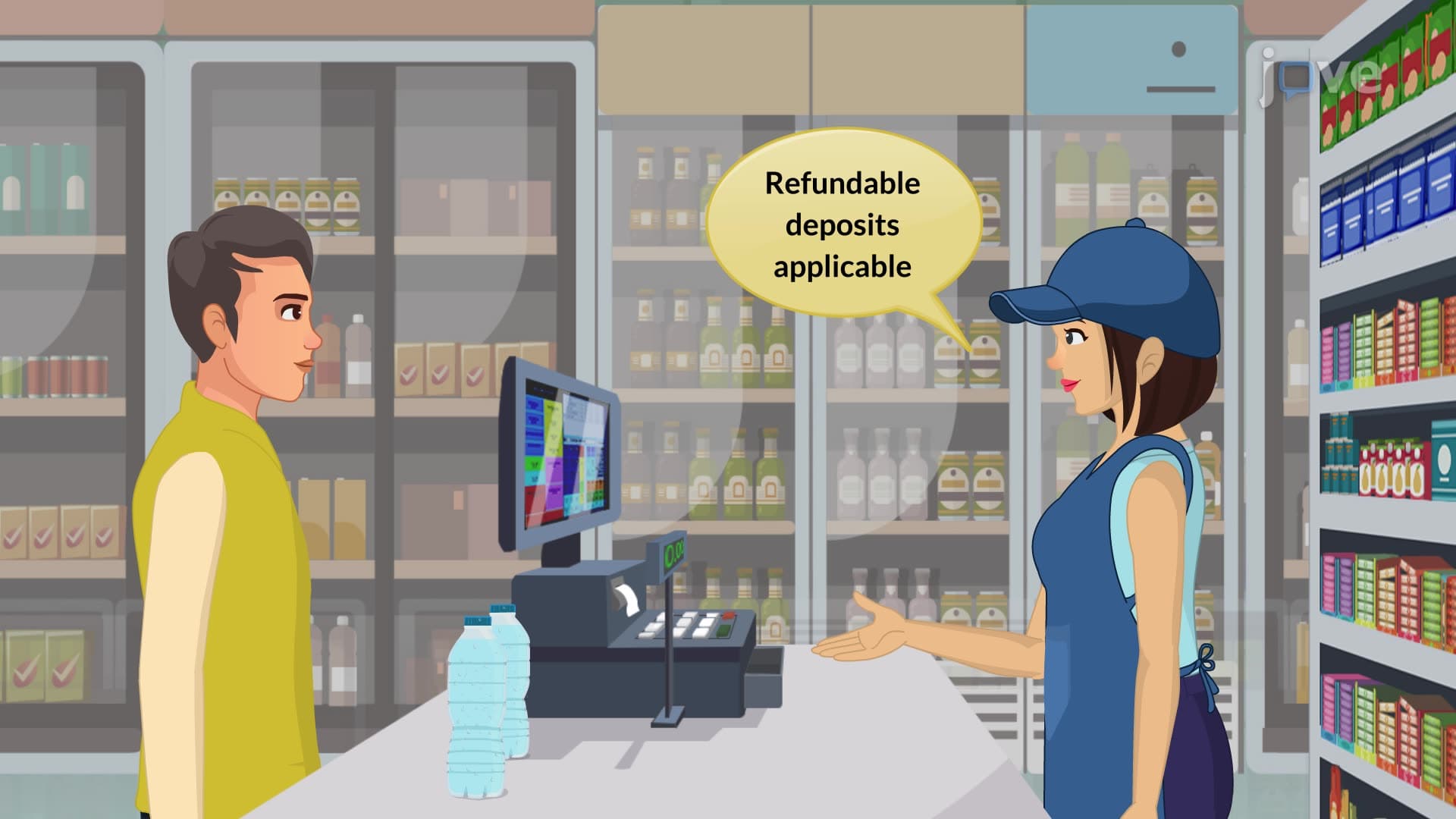
Refundable deposit programs represent an elegant market-based solution that addresses the what is the efficient amount of recycling question directly. When consumers pay upfront deposits on beverage containers, they internalize the full cost of disposal. This mechanism shifts the PMC curve leftward, aligning private incentives with social costs.
Consider Michigan's 10-cent bottle deposit program, implemented since 1976. The state achieves a 97% return rate on beverage containers compared to 70% nationally. This success demonstrates how deposit programs create powerful economic incentives without requiring government enforcement or complex bureaucracy.
For AP Environmental Science students, this concept illustrates how economic tools can address environmental problems more effectively than command-and-control regulations. College microeconomics courses use recycling as a classic externality example, making this the efficient amount of recycling study guide material essential for understanding market failures.
The deposit program model applies beyond beverages. California's electronic waste recycling program and various states' tire recycling initiatives use similar economic incentives to achieve socially optimal outcomes. These examples help students understand how efficient amount recycling notes translate into real policy solutions.
Related Micro-courses