Loading subject page…

- Microeconomics
- Externalities and Public Goods
- The Efficient Level of Pollution
Micro-course: Externalities and Public Goods
4,004 views
Learn key concepts and earn your certificate.
















The Efficient Level of Pollution


00:00
01:19
Video Summary: The Efficient Level of Pollution Explained
Every day, US factories produce everything from smartphones to solar panels, but at what environmental cost? The efficient level pollution concept reveals why completely eliminating factory emissions isn't economically realistic. Consider Tesla's Gigafactory in Nevada-while it produces clean energy batteries, the manufacturing process still generates some pollution. The Efficient Level of Pollution Explained demonstrates how economists balance environmental costs with production benefits to find the optimal pollution point. Watch the full video on JoVE Coach to master this concept with expert-led visuals and step-by-step explanations.
- Understand The Efficient Level of Pollution Explained as the optimal balance between environmental harm and production benefits
- Identify how marginal cost of pollution increases while marginal benefit of pollution decreases with higher output levels
- Analyze real-world trade-offs between eliminating pollution completely versus allowing unlimited environmental damage
- Compare the societal costs of pollution against the economic benefits of continued production
- Evaluate why zero pollution policies could eliminate essential goods and services from the market
- Apply marginal analysis to determine the point where marginal cost equals marginal benefit of pollution
- Recognize how this economic principle guides environmental policy decisions in manufacturing industries
- Explore the relationship between production efficiency and environmental sustainability in modern economies
Understanding The Efficient Level of Pollution Explained
The efficient level of pollution represents a fundamental economic principle where society minimizes total harm while maximizing net benefits from production. This concept doesn't advocate for environmental destruction-rather, it acknowledges that some pollution may be unavoidable when producing goods that improve human welfare. In AP Environmental Science and college economics courses, students learn that this principle guides real-world policy decisions affecting everything from automotive emissions standards to pharmaceutical manufacturing regulations.
Marginal Cost and Benefit Analysis in Environmental Economics
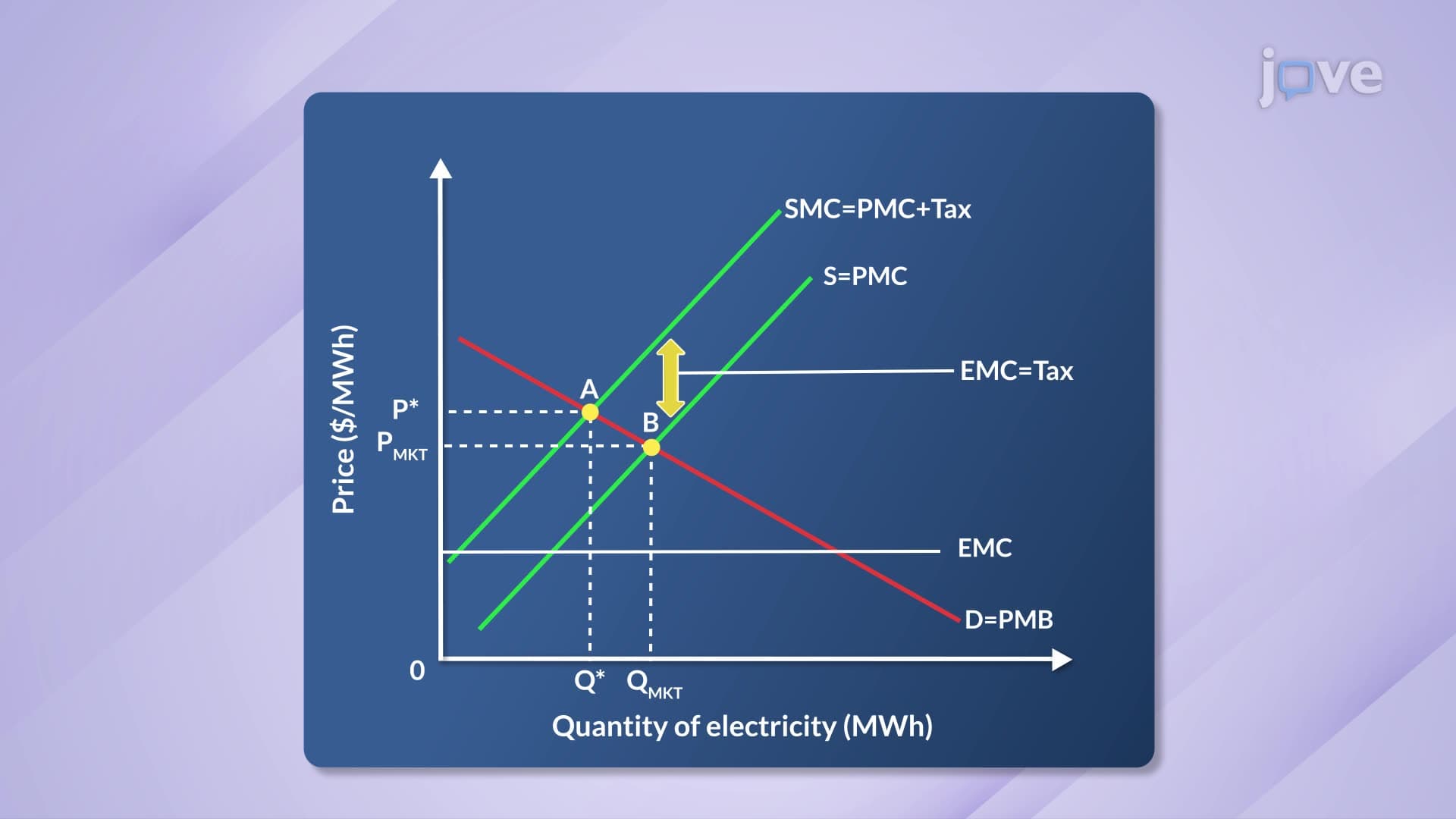
The core of this concept lies in marginal analysis. The marginal cost of pollution (MCP) represents the additional environmental and health damage caused by each extra unit of pollution. As pollution levels increase, this cost rises exponentially-think of how the first ton of CO2 emissions might cause minimal local impact, but the thousandth ton could trigger severe air quality alerts affecting millions of residents in cities like Los Angeles or Houston.
Conversely, the marginal benefit of pollution (MBP) reflects the economic value generated by production activities that create pollution as a byproduct. This benefit typically decreases with each additional unit of production due to diminishing returns. For instance, Ford's first few thousand F-150 trucks produced monthly provide enormous consumer value, but the marginal benefit decreases as production scales up and market saturation approaches.
Real-World Applications in US Industries
Consider Intel's semiconductor manufacturing facilities across Arizona, Oregon, and New Mexico. These plants use significant amounts of water and energy while producing computer chips essential for everything from medical devices to national security systems. Completely shutting down these facilities to eliminate pollution would cripple the US technology sector, but unlimited pollution would devastate local water supplies and air quality.
The efficient pollution level occurs where MCP equals MBP-the mathematical intersection point where additional pollution costs exactly equal additional production benefits. This principle influences EPA regulations, state environmental policies, and corporate sustainability strategies across industries from steel production in Pennsylvania to oil refining in Texas.
Implications for Policy and Decision-Making
Understanding this concept proves crucial for students preparing for AP Environmental Science exams, MCAT environmental science sections, or college economics assessments. Test questions often present scenarios requiring students to identify optimal pollution levels or explain why zero-pollution policies might create unintended economic consequences. The principle also appears in business ethics discussions about corporate environmental responsibility and cost-benefit analysis frameworks used in environmental impact assessments.
Frequently Asked Questions
The efficient level of pollution is the optimal point where marginal cost of pollution equals marginal benefit of pollution. This represents the pollution level that minimizes total societal harm while preserving essential production benefits. It's not about maximizing pollution, but finding the economically and environmentally sustainable balance point.
AP Environmental Science exams frequently test this concept through free-response questions about cost-benefit analysis and environmental policy. Students must explain why zero pollution isn't always optimal and demonstrate understanding of marginal analysis. Practice identifying trade-offs between environmental protection and economic production in real scenarios.
Yes, MCAT passages often include environmental economics scenarios requiring analysis of policy decisions and resource allocation. The efficient pollution concept demonstrates critical thinking about competing priorities-a key skill tested across all MCAT sections. This principle also connects to public health policy questions in the social sciences section.
Amazon's fulfillment centers demonstrate this principle perfectly-they generate packaging waste and transportation emissions but provide essential goods distribution. Completely eliminating these centers would disrupt supply chains nationwide, while unlimited expansion would create excessive environmental costs. The efficient level balances consumer benefits against environmental impact.
Not at all-this concept uses basic supply and demand thinking that high school economics students already understand. If you grasp that costs increase and benefits decrease with quantity changes, you can master efficient pollution analysis. The mathematical intersection is simply where two lines cross on a graph.
Create practice scenarios using real companies and environmental challenges, then identify where marginal costs equal marginal benefits. Draw graphs showing MCP and MBP curves intersecting at the efficient point. Focus on explaining why both zero pollution and unlimited pollution create inefficiencies that harm society overall.
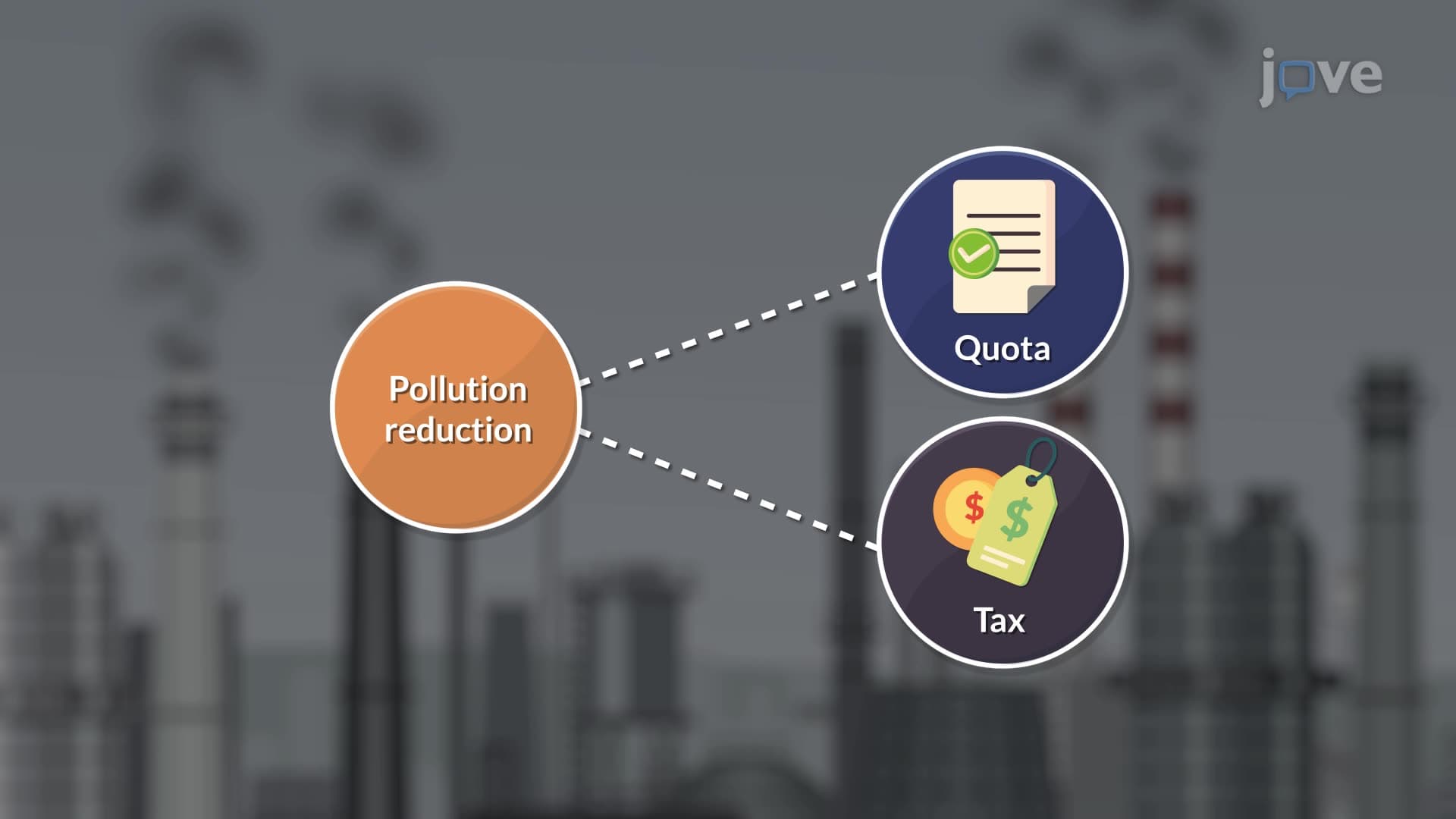
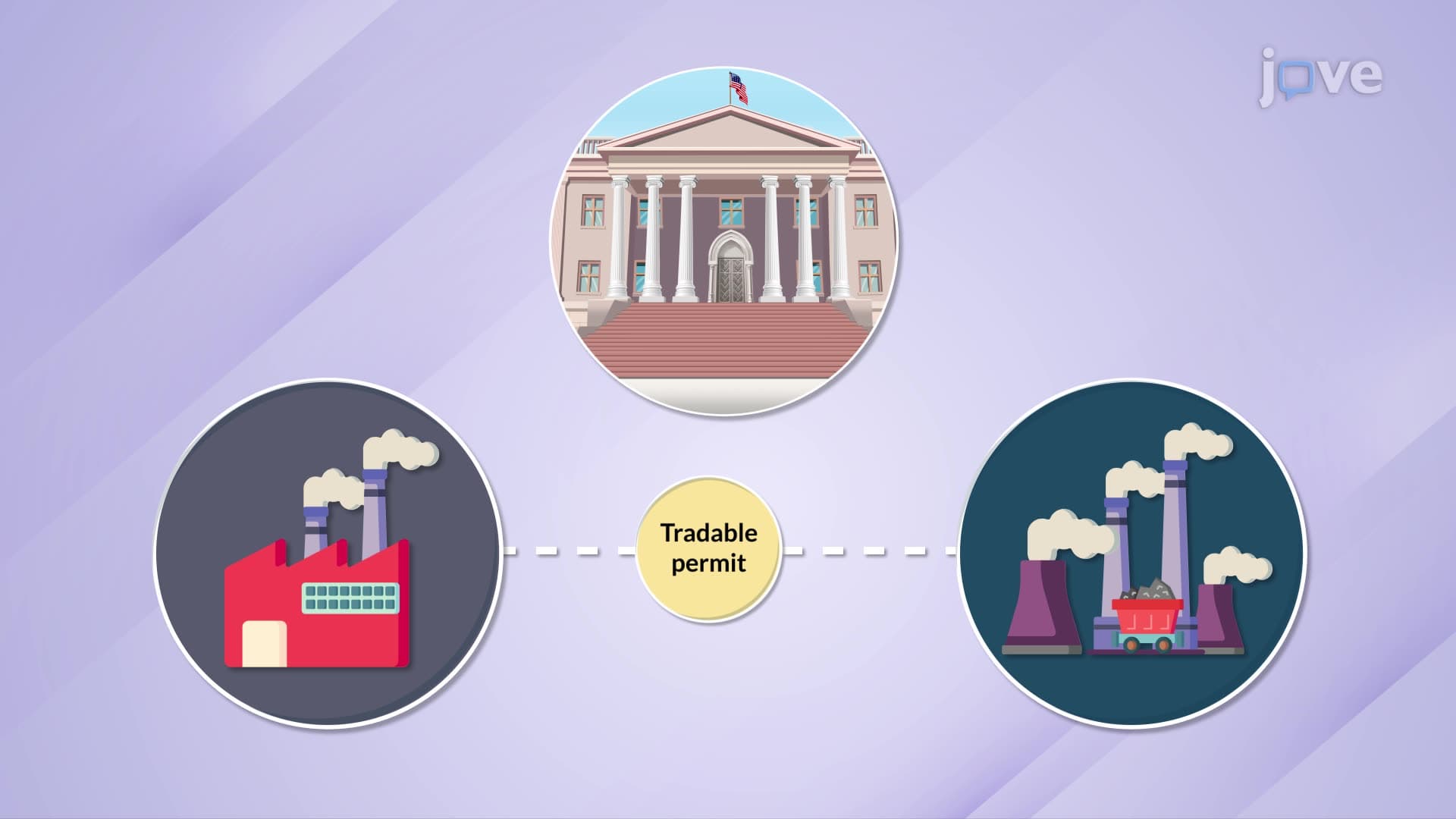
This concept introduces broader environmental economics principles including externalities, market failures, and government regulation effectiveness. Next, study Pigouvian taxes, cap-and-trade systems, and cost-benefit analysis methods. These topics frequently appear together on advanced placement exams and college environmental economics courses.
Many students incorrectly assume the efficient level means "as little pollution as possible" rather than the economically optimal amount. Remember that zero pollution often creates greater societal harm by eliminating beneficial production. Focus on the intersection point where additional pollution costs equal additional production benefits.
Related Micro-courses

15 Concepts

22 Concepts

9 Concepts