Loading subject page…


4,004 views

Video Summary: The Optimal Level of Public Goods Explained
Why does the U.S. spend over $700 billion annually on national defense while private companies won't touch it? The optimal level of public goods creates a unique economic puzzle where individual preferences don't add up to society's needs. Unlike private goods where you consume what you pay for, public goods like the Pentagon's missile defense system protect everyone simultaneously, making traditional market mechanisms fail. The Optimal Level of Public Goods Explained demonstrates why governments must step in when markets underprovide essential services. Watch the full video on JoVE Coach to master this concept with expert-led visuals and step-by-step explanations.
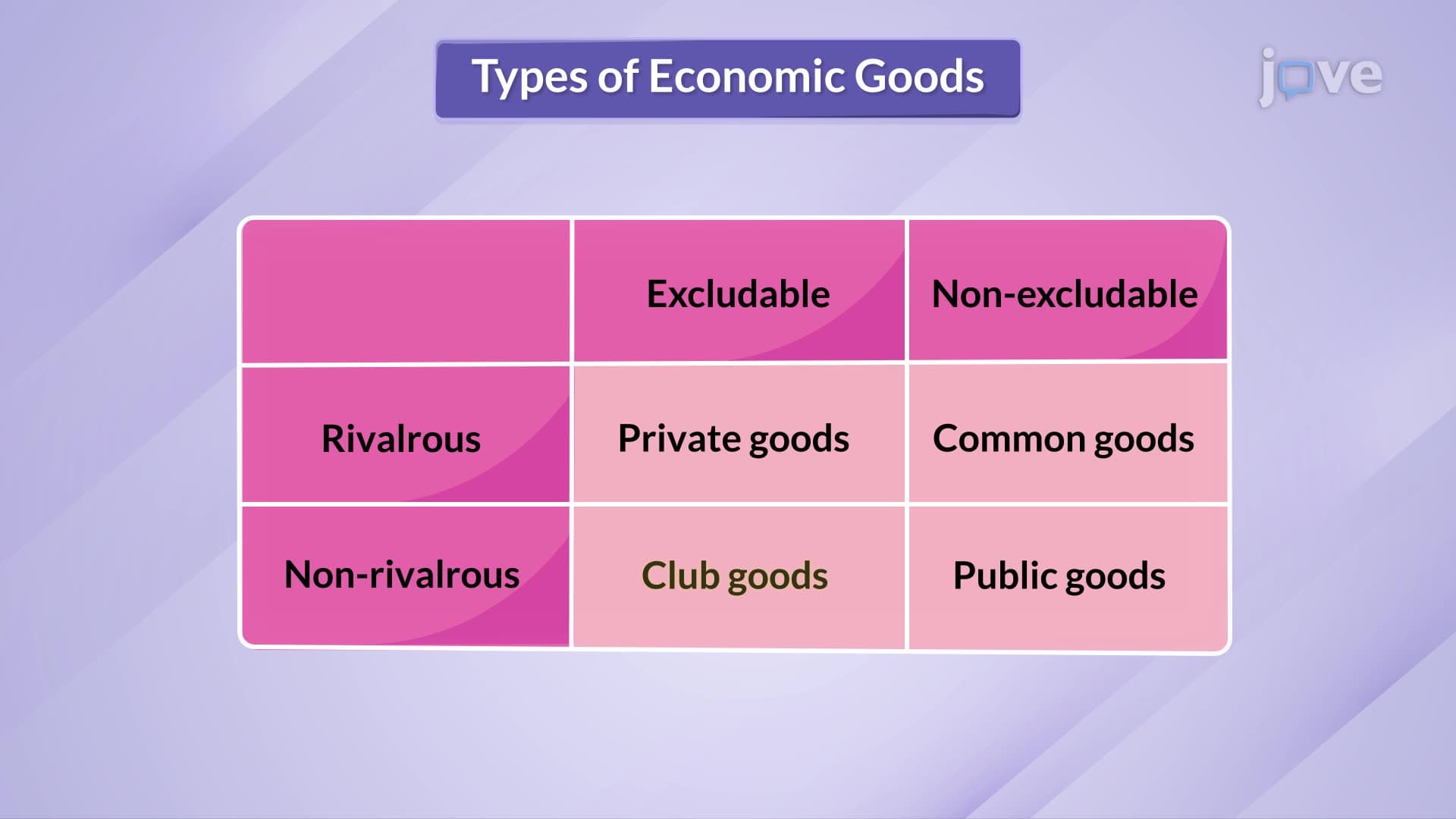
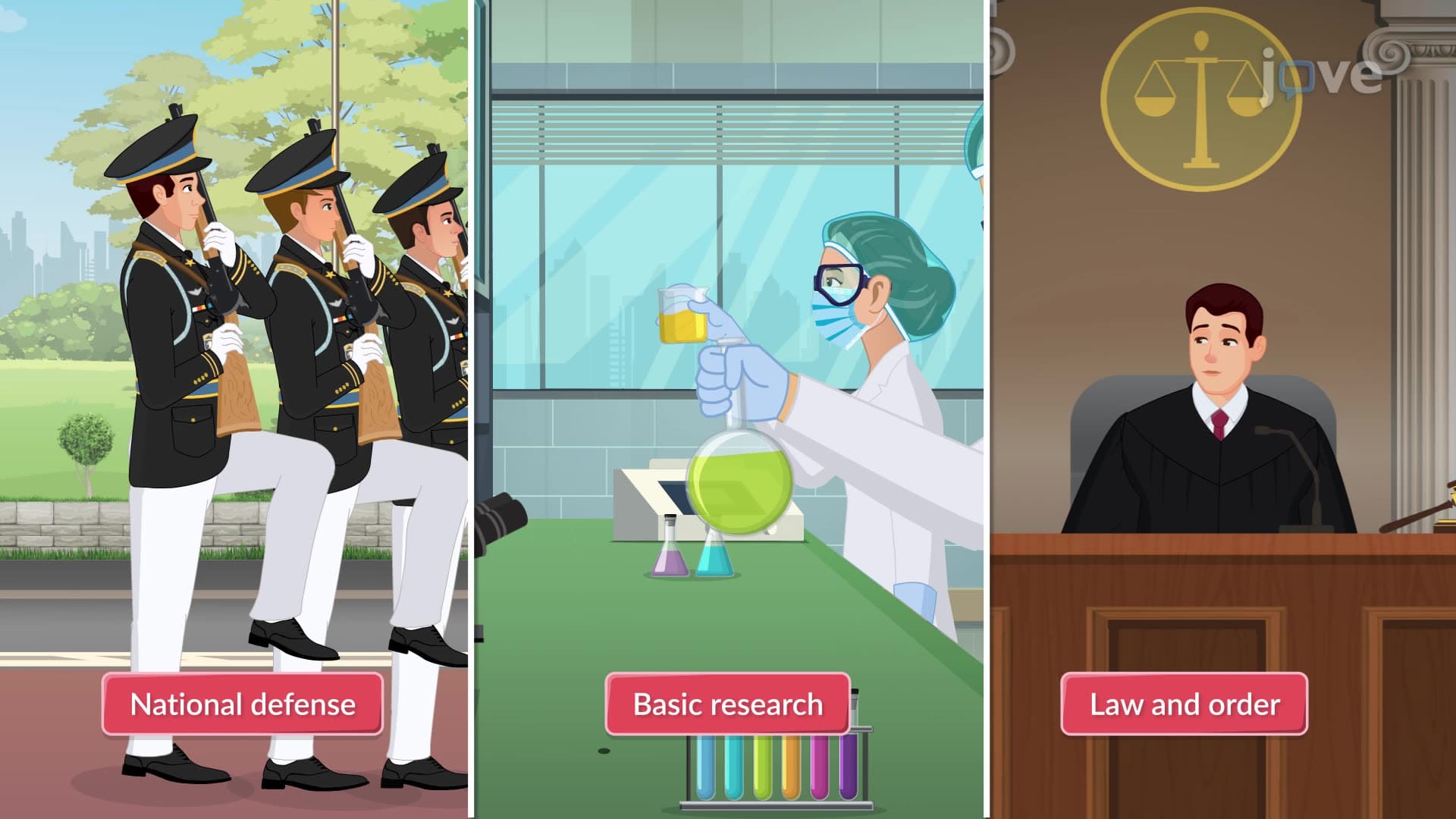
The optimal level of public goods represents one of economics' most fascinating challenges: determining how much society should invest in services that benefit everyone simultaneously. Unlike private goods where your consumption prevents others from using the same unit, public goods like national defense, lighthouses, or clean air can be consumed by multiple people without reducing availability to others.
Finding the optimal level of public goods requires a fundamentally different approach than private markets. While private goods combine individual demand curves horizontally (adding quantities at each price), public goods combine them vertically-adding each person's willingness to pay at each quantity level. This vertical summation reflects the non-rivalrous nature of consumption.
Consider the Federal Aviation Administration's air traffic control system. Whether one airplane or one thousand use the radar guidance system, the marginal cost of serving additional aircraft remains relatively constant until capacity limits. Each airline benefits from the safety system, and their combined willingness to pay determines society's total value.
The efficiency condition requires total marginal benefit equals marginal cost. If the FBI's cybersecurity program costs $100 million for an additional protection unit, efficiency demands that citizens' combined willingness to pay also equals $100 million for that unit.
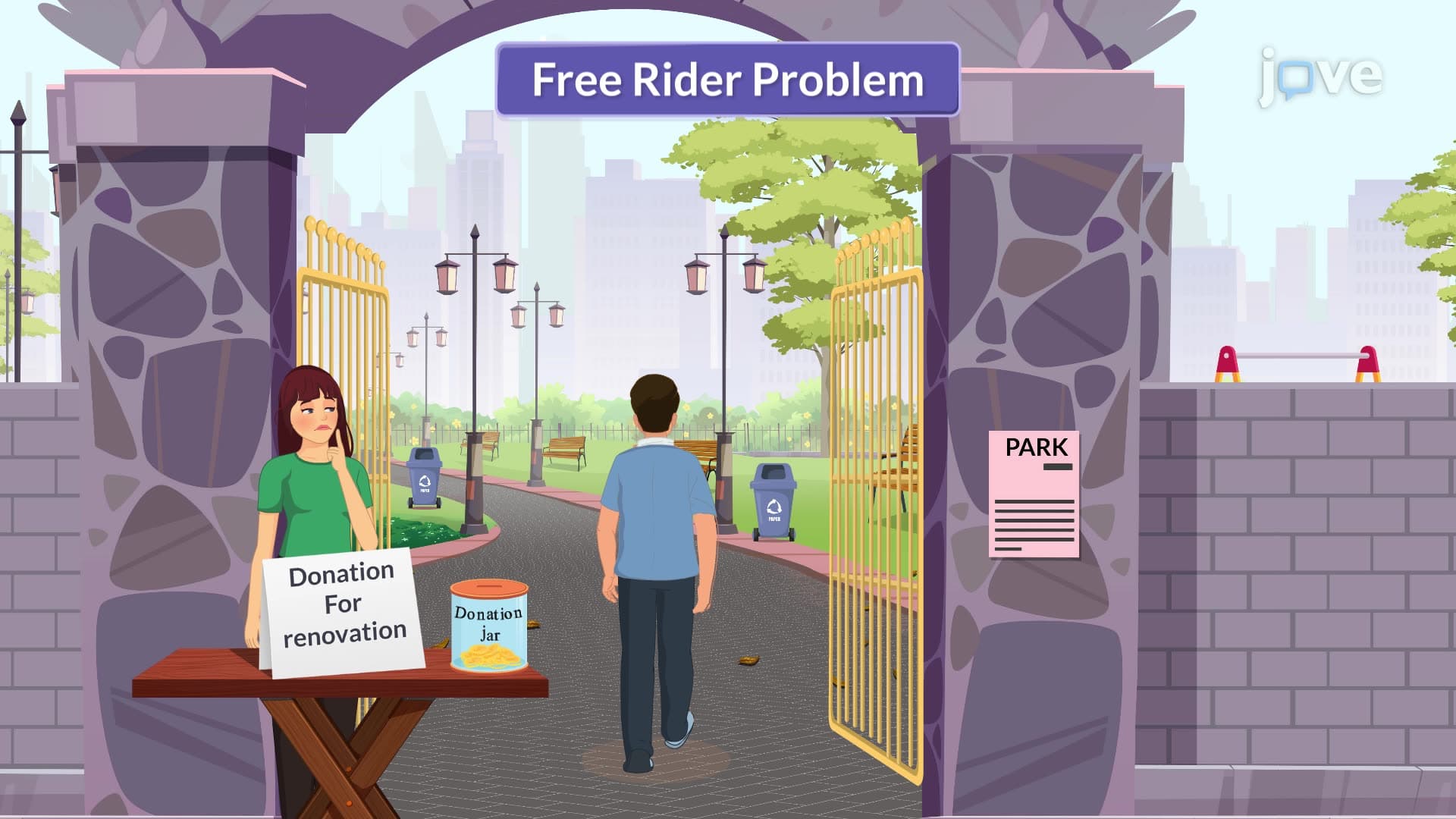
Private markets systematically underprovide public goods because individuals only consider their personal benefits when making purchasing decisions. The optimal level of public goods remains unachievable through voluntary market transactions due to the free-rider problem.
Consider hurricane warning systems along the Gulf Coast. If a private company tried selling storm alerts, many residents would wait for neighbors to purchase the service, knowing they'd benefit from the warnings anyway. This rational individual behavior leads to collective irrationality-insufficient funding for the warning system everyone needs.
Students encounter optimal level of public goods questions on AP Economics exams, college microeconomics courses, and graduate school entrance tests. These problems typically present scenarios involving parks, research and development, or environmental protection, asking students to identify efficient provision levels and explain government intervention rationale.
The concept applies directly to contemporary policy debates. When Congress deliberates infrastructure spending, pandemic preparedness, or climate change research, legislators implicitly grapple with optimal public good provision. Understanding these principles helps citizens evaluate policy proposals and voting decisions throughout their lives.
Related Micro-courses