Loading subject page…


4,004 views

Video Summary: What are Important Public Goods
Did you know that the GPS technology in your smartphone was originally funded by the U.S. government as a public good? Important public goods are essential services and resources provided by the government because everyone benefits from them equally, regardless of whether they directly pay for them. Unlike private goods sold by companies, these goods cannot exclude non-payers from using them. Classic examples include national defense, basic research, and law enforcement systems. Watch the full video on JoVE Coach to master this concept with expert-led visuals and step-by-step explanations.
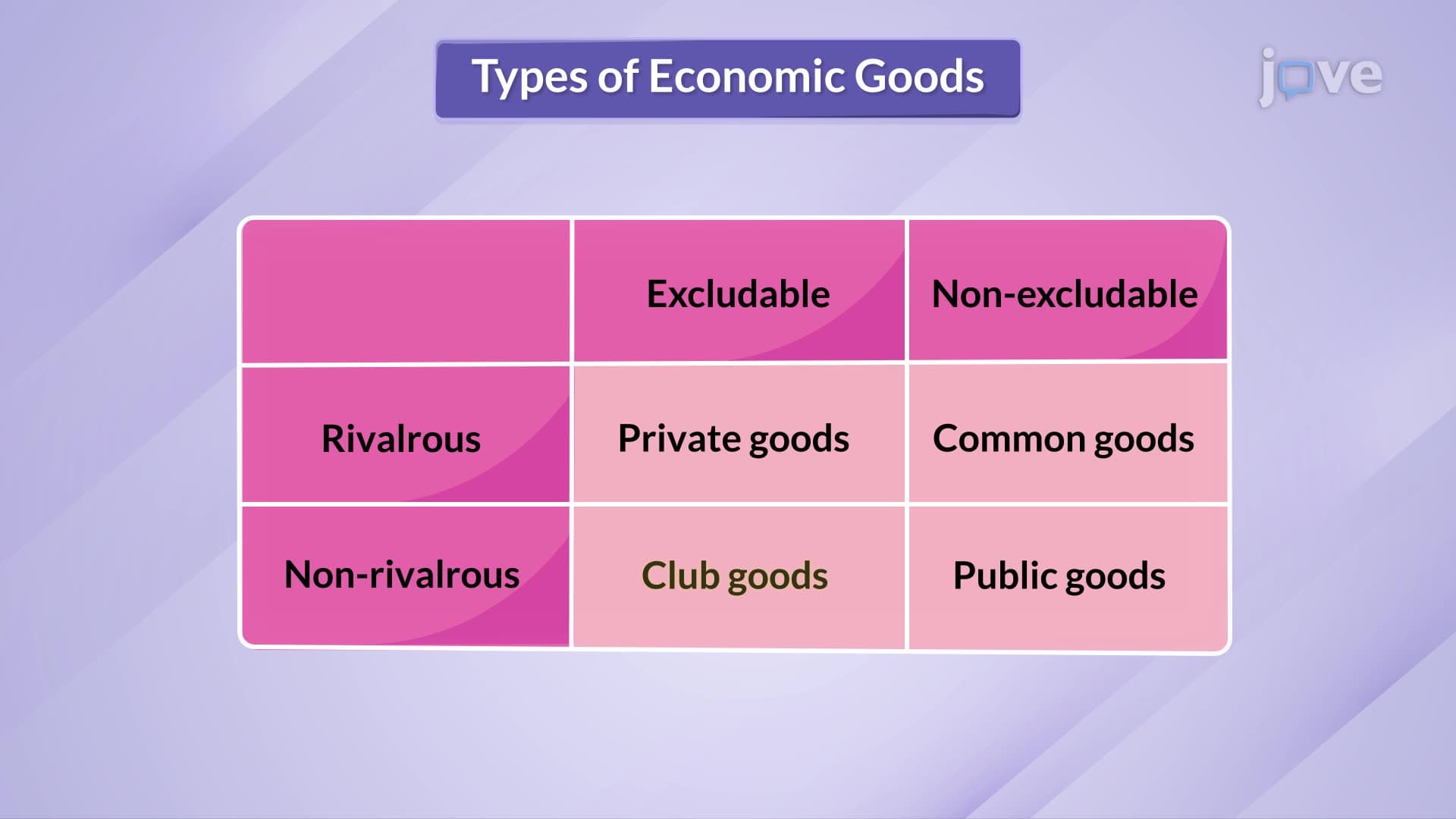
Important public goods represent a fundamental concept in economics that explains why governments exist and what services they should provide. These goods possess two critical characteristics: they are non-excludable (you cannot prevent people from using them) and non-rivalrous (one person's use doesn't reduce availability for others). This combination creates a unique economic situation where private markets fail to provide adequate quantities, necessitating government intervention.
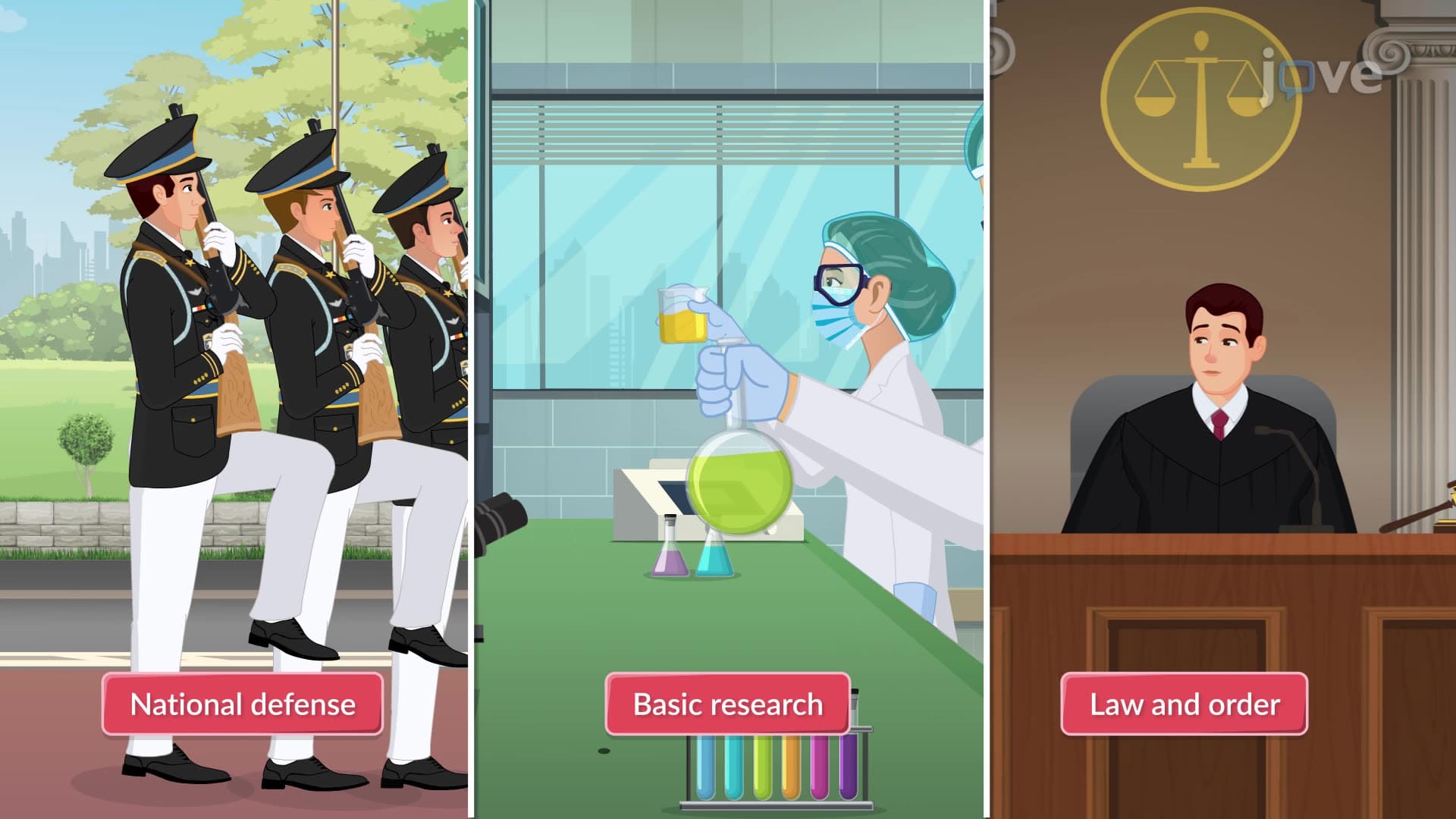
National Defense and Security The U.S. military and homeland security apparatus exemplify classic public goods. Whether you pay federal taxes or not, you receive protection from foreign threats. The Department of Defense budget of over $700 billion annually protects all 330 million Americans equally. Private security companies could never replicate this scale or ensure universal coverage, as they would naturally focus only on paying customers, leaving others vulnerable and undermining national security.
Basic Research and Knowledge Creation Government-funded research through agencies like the National Science Foundation (NSF) and National Institutes of Health (NIH) generates knowledge that benefits everyone. Consider the internet's origins in DARPANET or GPS technology developed by the Department of Defense. Private companies focus on research with immediate commercial applications, but fundamental discoveries in mathematics, physics, or medicine often lack obvious profit potential initially. The government funds this research because the societal benefits far exceed what any private entity could capture.
Law and Order Systems Police departments, court systems, and correctional facilities represent essential public goods that maintain societal stability. The LAPD protects all Los Angeles residents equally, regardless of their tax contributions. Private security cannot replace public law enforcement because justice must be impartial and universally applied. A privatized police force would create two-tiered protection systems, undermining the rule of law.
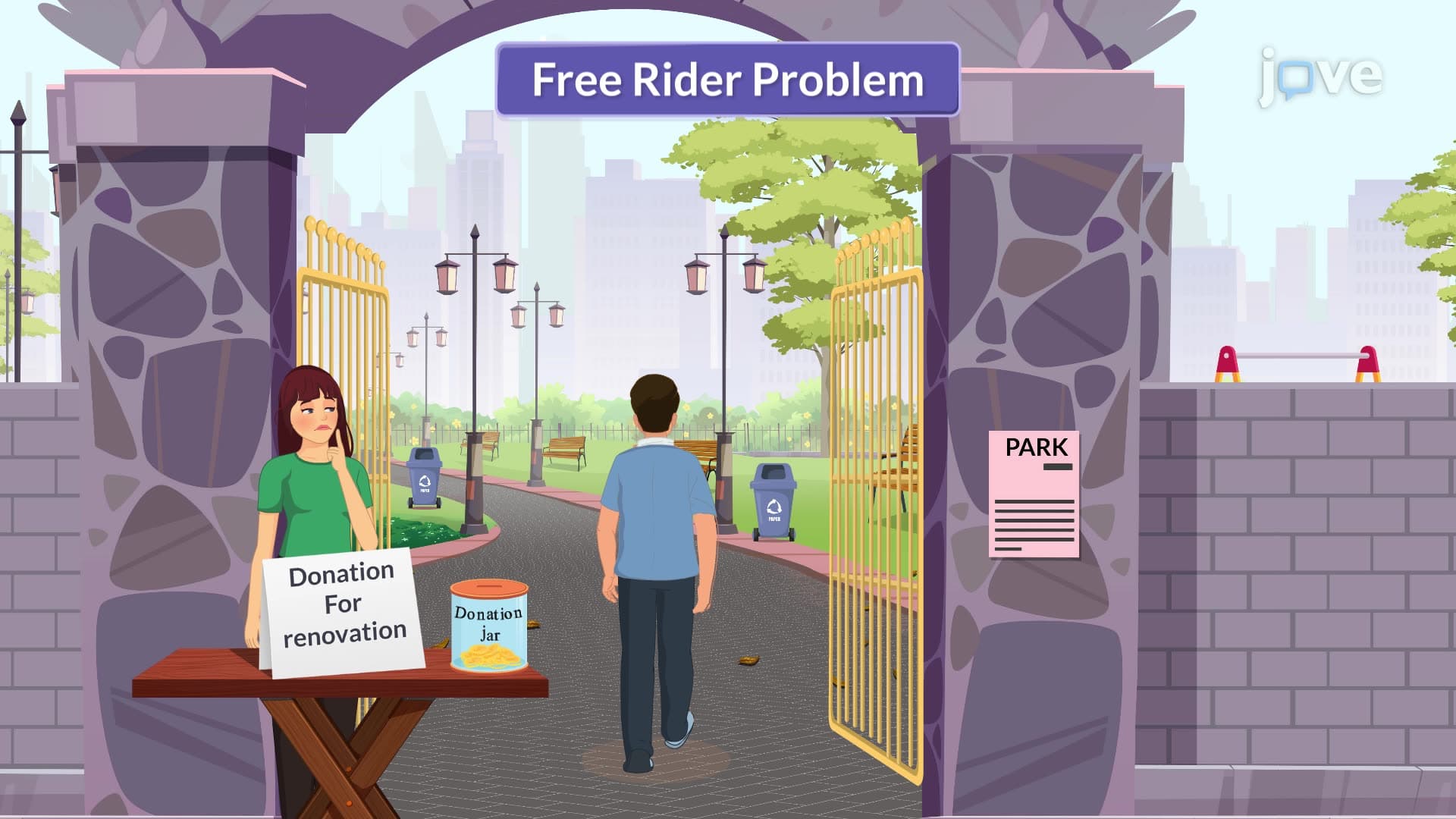
The free-rider problem explains why important public goods require government provision. If a private company attempted to provide national defense, many people would refuse to pay, knowing they would still receive protection. This rational behavior leads to under-provision of these essential services. Students preparing for AP Economics exams should understand that public goods represent a classic market failure requiring government intervention.
In college microeconomics courses, this concept connects to externalities, efficiency, and welfare economics. The Samuelson condition for optimal public goods provision appears frequently on advanced exams, showing that efficient provision occurs when the sum of marginal benefits across all citizens equals the marginal cost of provision.
Related Micro-courses