Loading subject page…

- Microeconomics
- Externalities and Public Goods
- Negative Externalities
Micro-course: Externalities and Public Goods
4,004 views
Learn key concepts and earn your certificate.















Negative Externalities


00:00
01:23
Video Summary: What are Negative Externalities
Did you know that when you drive to school, you're actually imposing hidden costs on everyone around you? Negative externalities occur when economic activities create costs that fall on unrelated third parties who never agreed to bear them. Consider how coal power plants across the US generate electricity at market prices that don't account for the health costs imposed on nearby communities through air pollution. What are negative externalities becomes clearer when we see how these hidden costs create market failures and reduce overall social welfare. Watch the full video on JoVE Coach to master this concept with expert-led visuals and step-by-step explanations.
- Understand what are negative externalities and how they represent costs imposed on third parties who don't participate in economic transactions
- Identify real-world examples of negative externalities in industries like manufacturing, transportation, and energy production
- Analyze the difference between private marginal costs and social marginal costs using supply and demand graphs
- Compare market equilibrium outcomes with socially optimal outcomes when externalities are present
- Evaluate the deadweight loss that results when negative externality costs aren't reflected in market prices
- Apply externality analysis to determine why markets overproduce goods that generate negative externalities
- Recognize how externalities lead to market failure and justify government intervention through regulation or taxation
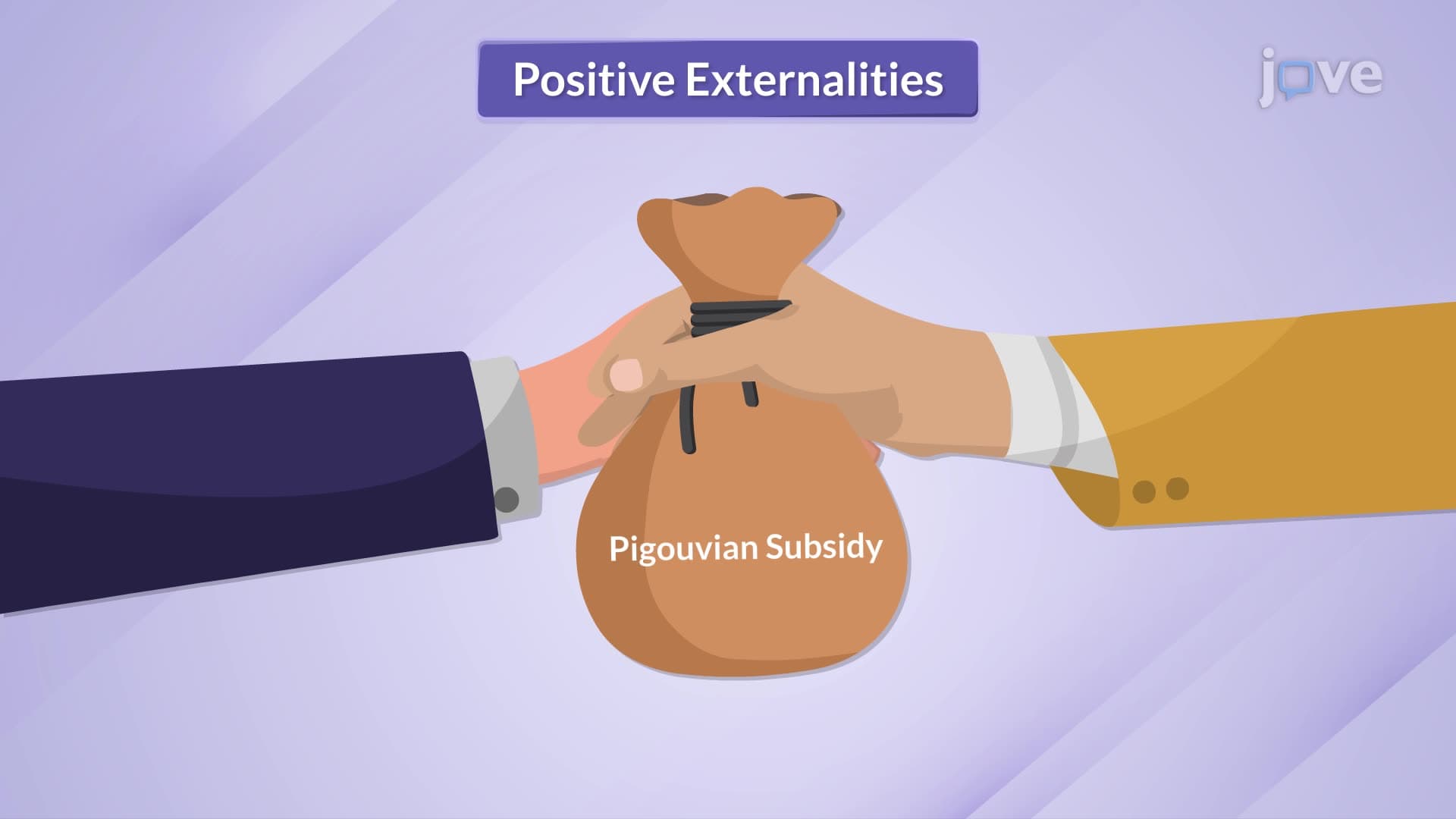
- Explore policy solutions like Pigouvian taxes and cap-and-trade systems that internalize external costs
Understanding What Are Negative Externalities
Negative externalities represent one of the most important examples of market failure in economics. These occur when the production or consumption of goods and services imposes costs on individuals or society who are not directly involved in the economic transaction. The fundamental problem is that market prices fail to capture these external costs, leading to inefficient resource allocation.
Real-World Examples of Negative Externalities in the US
Consider the US automobile industry and urban traffic congestion. When you choose to drive during rush hour in cities like Los Angeles or New York, you contribute to traffic delays that impose time costs on thousands of other commuters. These drivers never agreed to bear the cost of your travel decision, yet they suffer longer commute times and increased stress. Similarly, factories along the Mississippi River that discharge chemicals create water pollution affecting downstream communities and ecosystems across multiple states.
The coal power plant example from our analysis perfectly illustrates how negative externalities definition explained works in practice. While the plant's private costs include fuel, labor, and equipment, the external costs-respiratory illness, environmental degradation, and climate change-are borne by society. This disconnection between private and social costs explains why markets alone cannot achieve optimal outcomes.
Economic Analysis and Market Failure
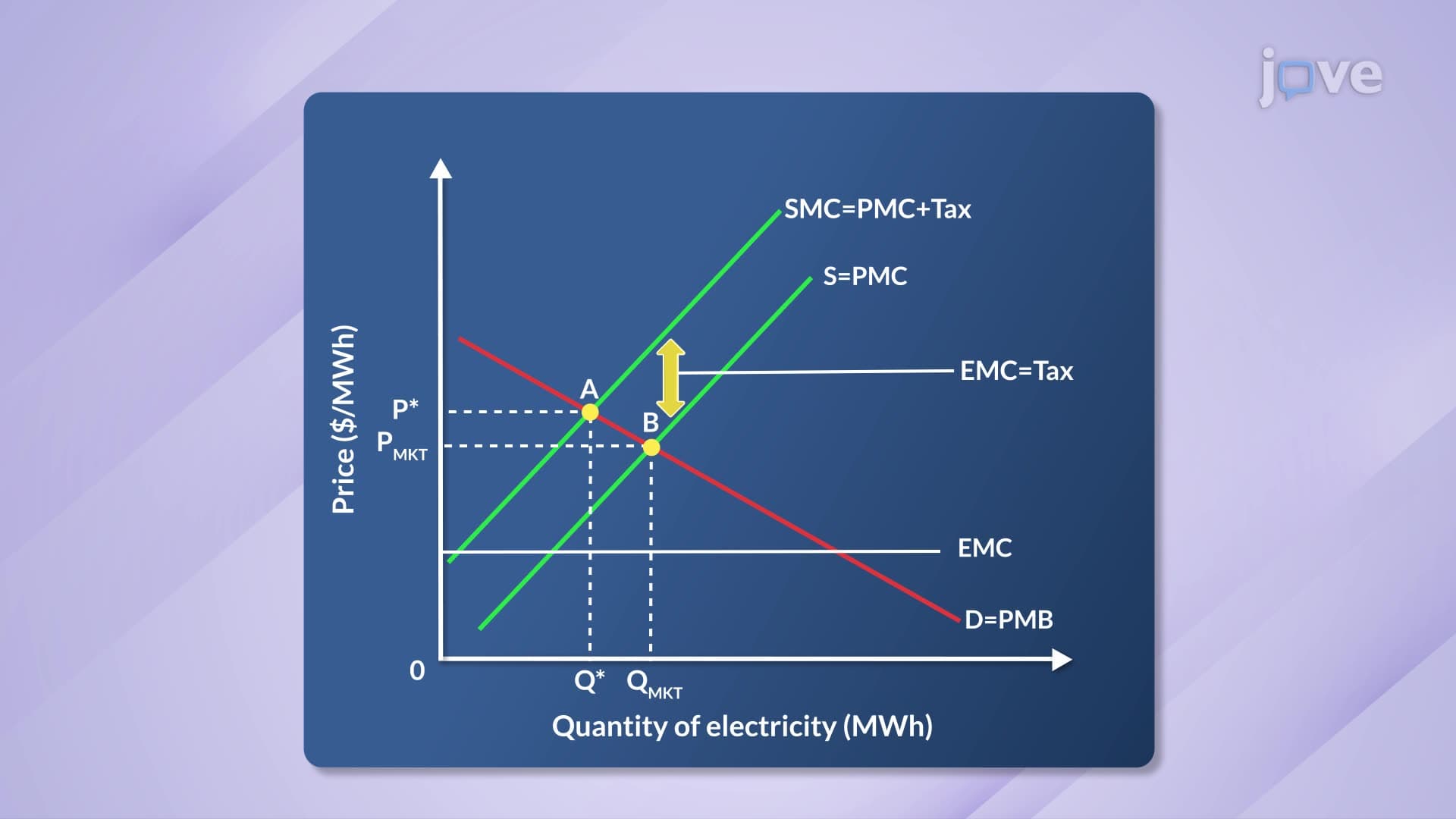
From a graphical perspective, negative externalities cause the social marginal cost curve to lie above the private marginal cost curve. The vertical distance between these curves represents the external marginal cost. When markets operate based only on private costs, they produce at the intersection of private marginal cost and demand, resulting in overproduction relative to the social optimum.
This concept frequently appears on AP Economics exams and college microeconomics courses. Students must understand that the deadweight loss triangle represents the net welfare loss to society when too much of a good with negative externalities is produced. The socially optimal quantity occurs where social marginal cost equals marginal benefit (demand), typically resulting in higher prices and lower quantities than market equilibrium.
Policy Implications and Solutions
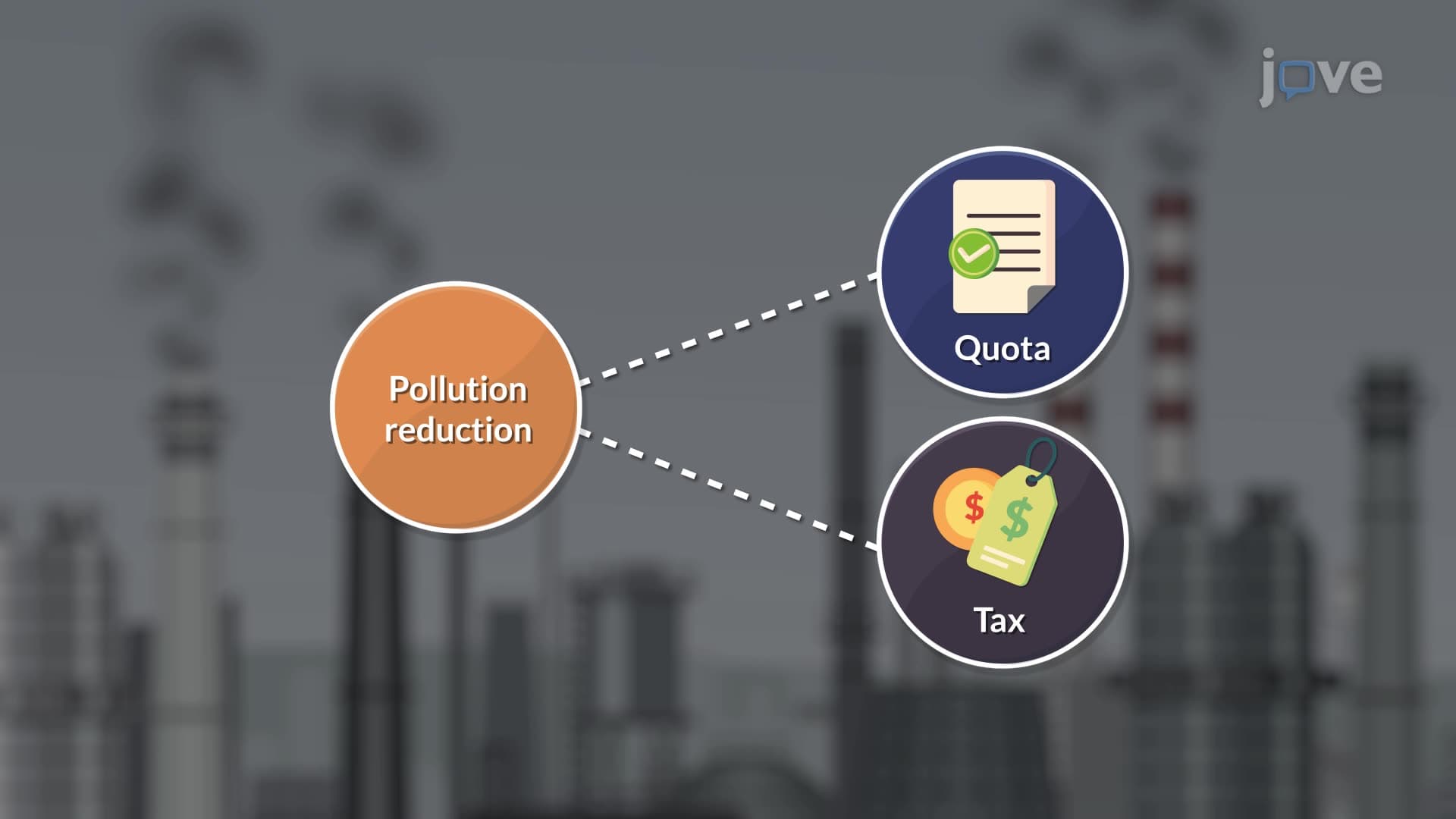
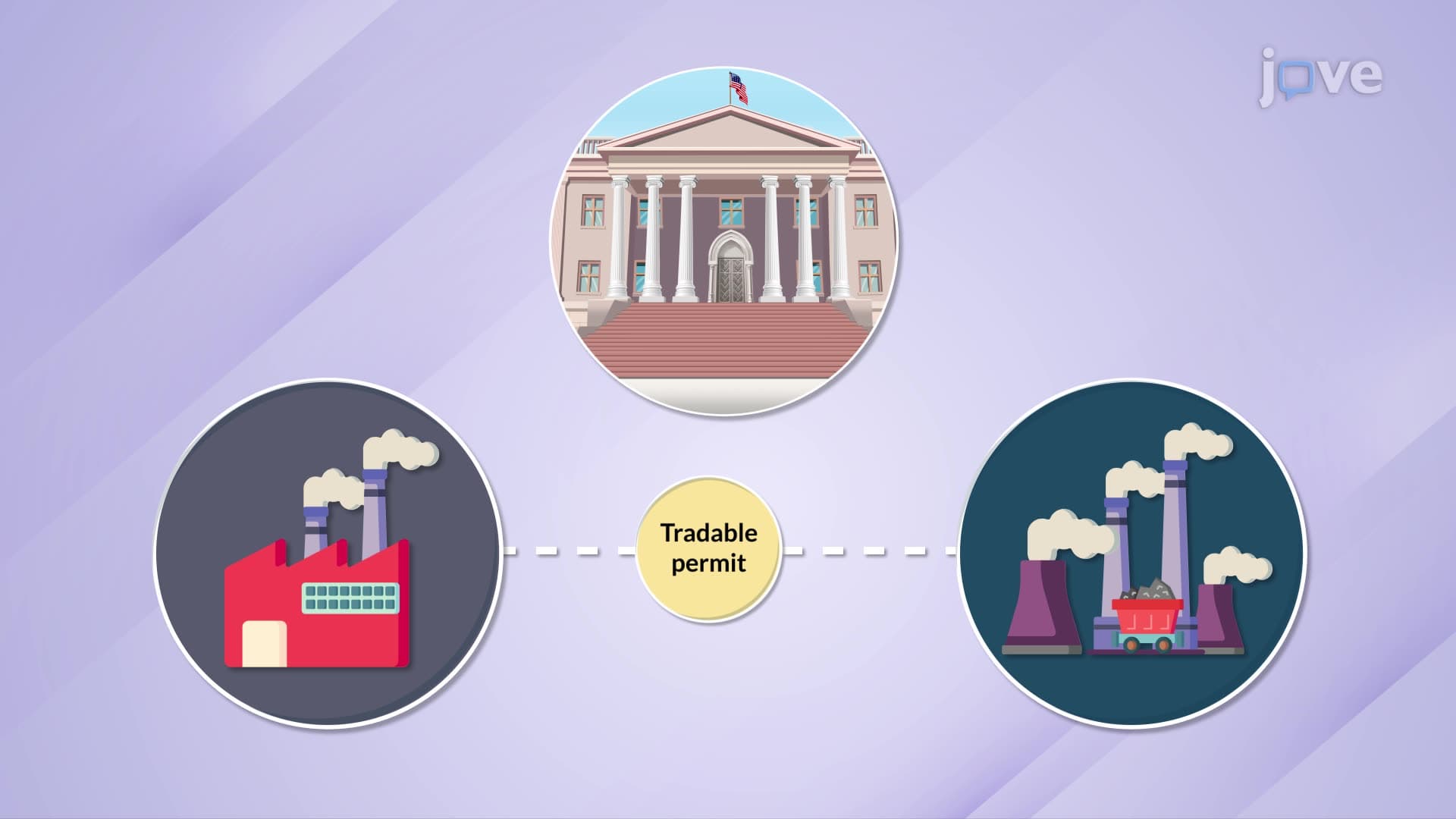
Understanding negative externalities concept explained is crucial for analyzing environmental policy, healthcare costs, and urban planning. Governments can address these market failures through Pigouvian taxes (like carbon taxes), regulation (such as EPA emissions standards), or cap-and-trade systems. These interventions aim to internalize external costs, making private decision-makers account for the full social impact of their actions.
Frequently Asked Questions
A negative externality occurs when someone's economic activity imposes costs on others who didn't choose to be involved. Think of secondhand smoke from cigarettes-smokers enjoy their product, but nearby non-smokers suffer health costs they never agreed to bear. This creates a gap between private benefits and social costs, leading to market inefficiency.
AP Microeconomics frequently tests negative externalities through graphing questions requiring you to identify market vs. social equilibrium points. You'll need to draw supply curves representing both private and social marginal costs, calculate deadweight loss triangles, and explain why markets overproduce goods with negative externalities. Practice identifying the external marginal cost and socially optimal quantity.
College exams often feature pollution from manufacturing, traffic congestion, noise from airports, and antibiotic resistance from overuse. You might see numerical problems calculating optimal Pigouvian taxes or comparing welfare losses across different externality scenarios. Understanding both the graphical and mathematical approaches is essential for midterms and finals.
The MCAT may present healthcare-related externalities in social sciences passages, such as vaccination decisions or antibiotic use creating resistance. Focus on understanding how individual rational choices can lead to suboptimal social outcomes. These concepts connect to public health policy and demonstrate economic reasoning in medical contexts.
Major US examples include air pollution from coal plants affecting respiratory health, agricultural runoff creating dead zones in the Gulf of Mexico, and social media platforms contributing to mental health issues among teens. Understanding these helps you connect economic theory to current policy debates about environmental regulation, healthcare costs, and technology oversight.
Not at all! The concept builds naturally on basic supply and demand, which you already understand. Start with relatable examples like loud music bothering neighbors or litter in public parks. Once you grasp that markets don't always account for all costs, the graphical analysis becomes much clearer and more intuitive.
Practice drawing graphs showing the gap between private and social costs, and memorize that negative externalities cause overproduction. Create flashcards linking real examples to the theory, and work through problems calculating deadweight loss. Focus on explaining why government intervention can improve social welfare in these cases.
Explore positive externalities (like education and vaccination), public goods theory, and environmental economics. These concepts build naturally from externality analysis and appear frequently in advanced courses. Consider studying behavioral economics to understand why people don't always internalize external costs even when they're aware of them.
Related Micro-courses

15 Concepts

22 Concepts

9 Concepts