Loading video…


 21 Concepts
 4K views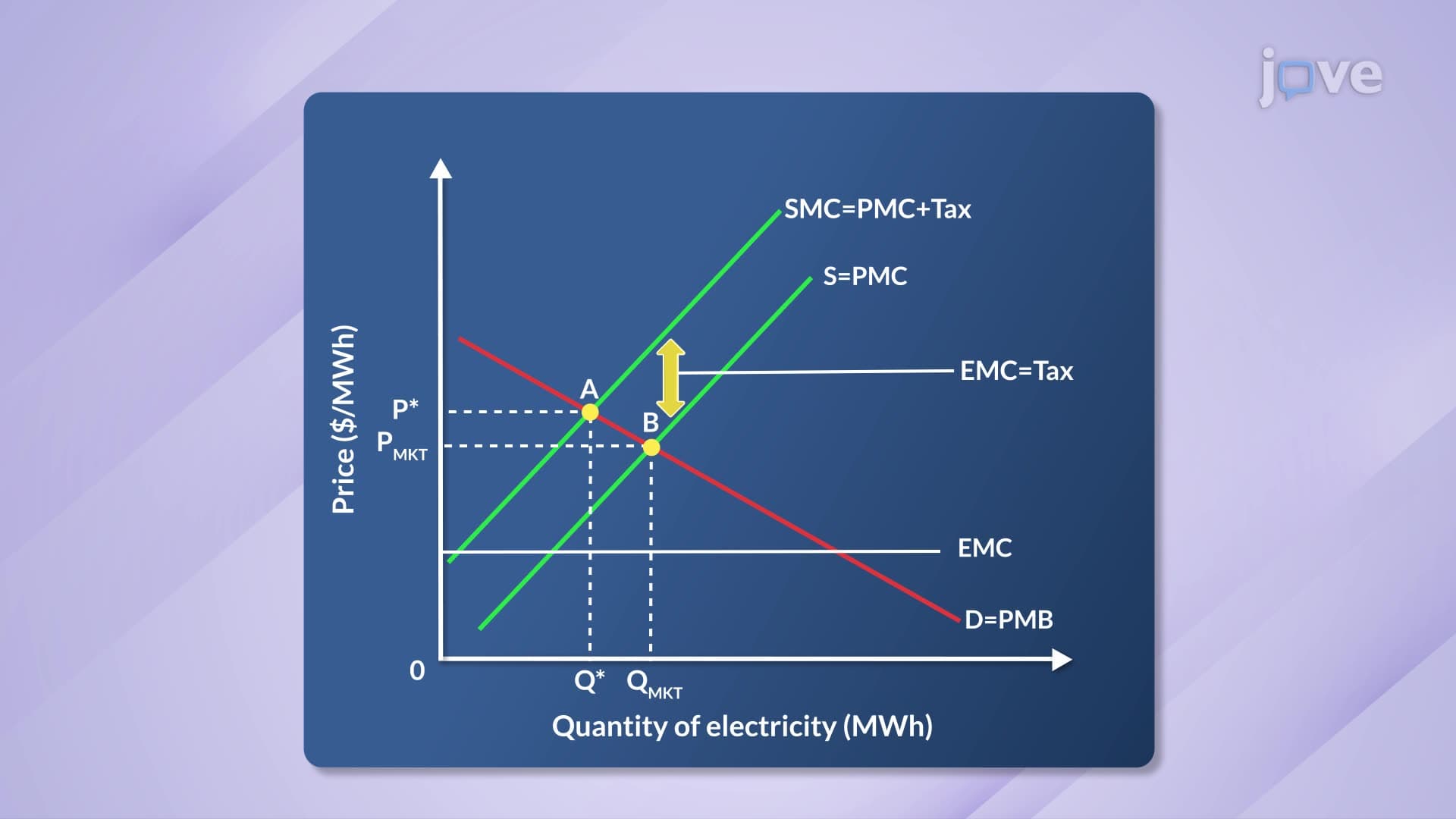

Video Summary: What are Price Mechanism Taxes
Ever wonder why cigarettes cost $15+ per pack in New York City? Price mechanism taxes are government-imposed fees designed to correct market failures by making prices reflect true social costs. These Pigovian taxes, named after economist Arthur Pigou, tackle negative externalities like pollution and health risks. For example, carbon taxes on fossil fuel companies help address climate change costs. Watch the full video on JoVE Coach to master this concept with expert-led visuals and step-by-step explanations.
Price mechanism taxes represent a cornerstone of environmental and social policy economics. These government interventions address a fundamental problem: when markets fail to account for the full social cost of economic activities, leading to overproduction of harmful goods or services.
Named after British economist Arthur Pigou (1877-1959), these taxes work by internalizing external costs. Consider a coal power plant in Pennsylvania. The private cost includes fuel, labor, and equipment, but excludes air pollution damage to nearby communities. Without intervention, the plant produces too much electricity at too low a price because society bears the hidden environmental and health costs.
When governments impose a Pigovian tax equal to the external marginal cost, the supply curve shifts leftward. This increases the market price and reduces quantity to the socially optimal level. The tax revenue can fund pollution cleanup or health programs, creating a double benefit.
Price mechanism taxes appear throughout American policy. Federal cigarette taxes ($1.01 per pack) plus state taxes (ranging from $0.17 in Missouri to $4.35 in New York) address healthcare externalities. These taxes have contributed to a 67% decline in adult smoking rates since 1965.
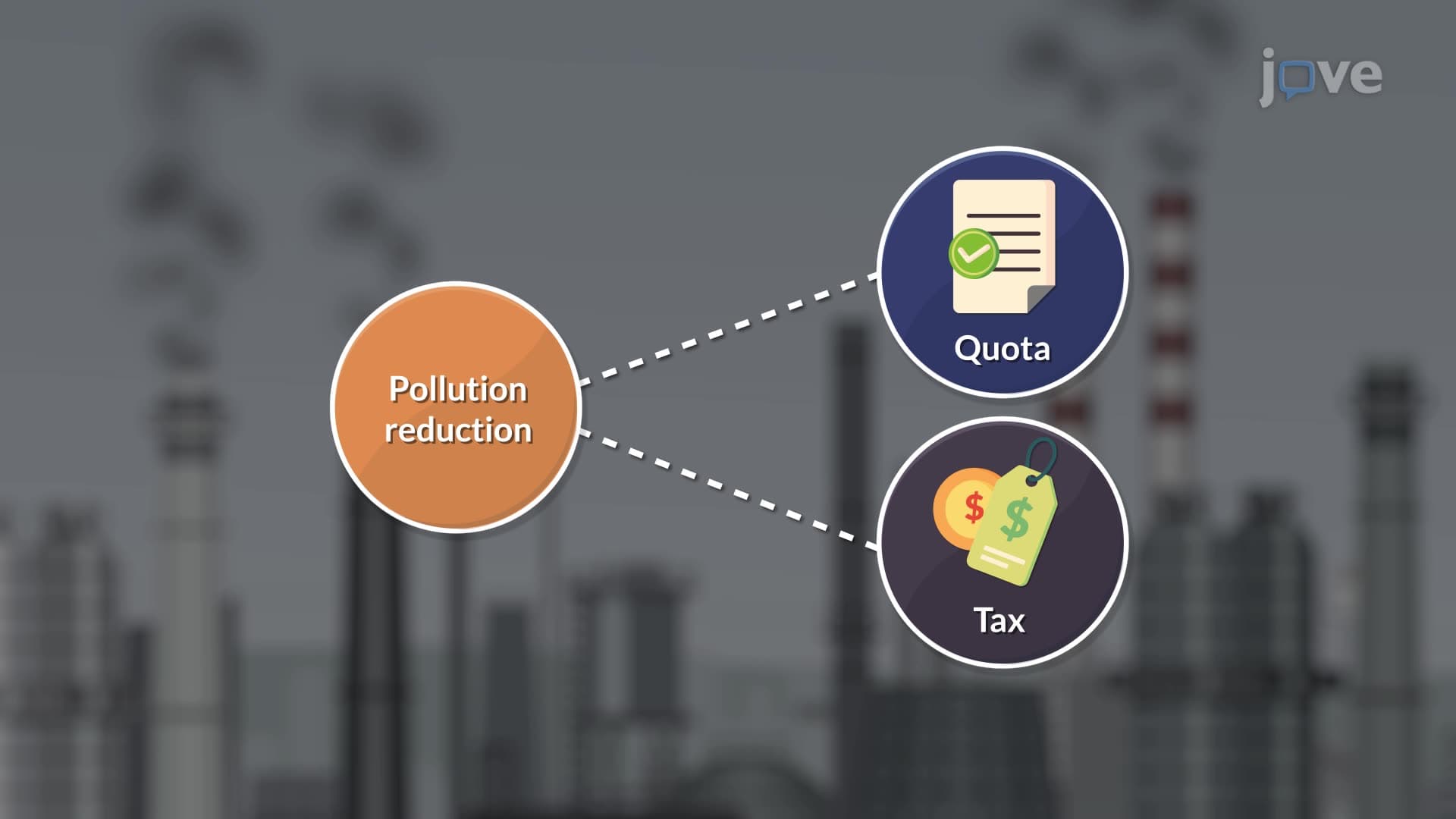
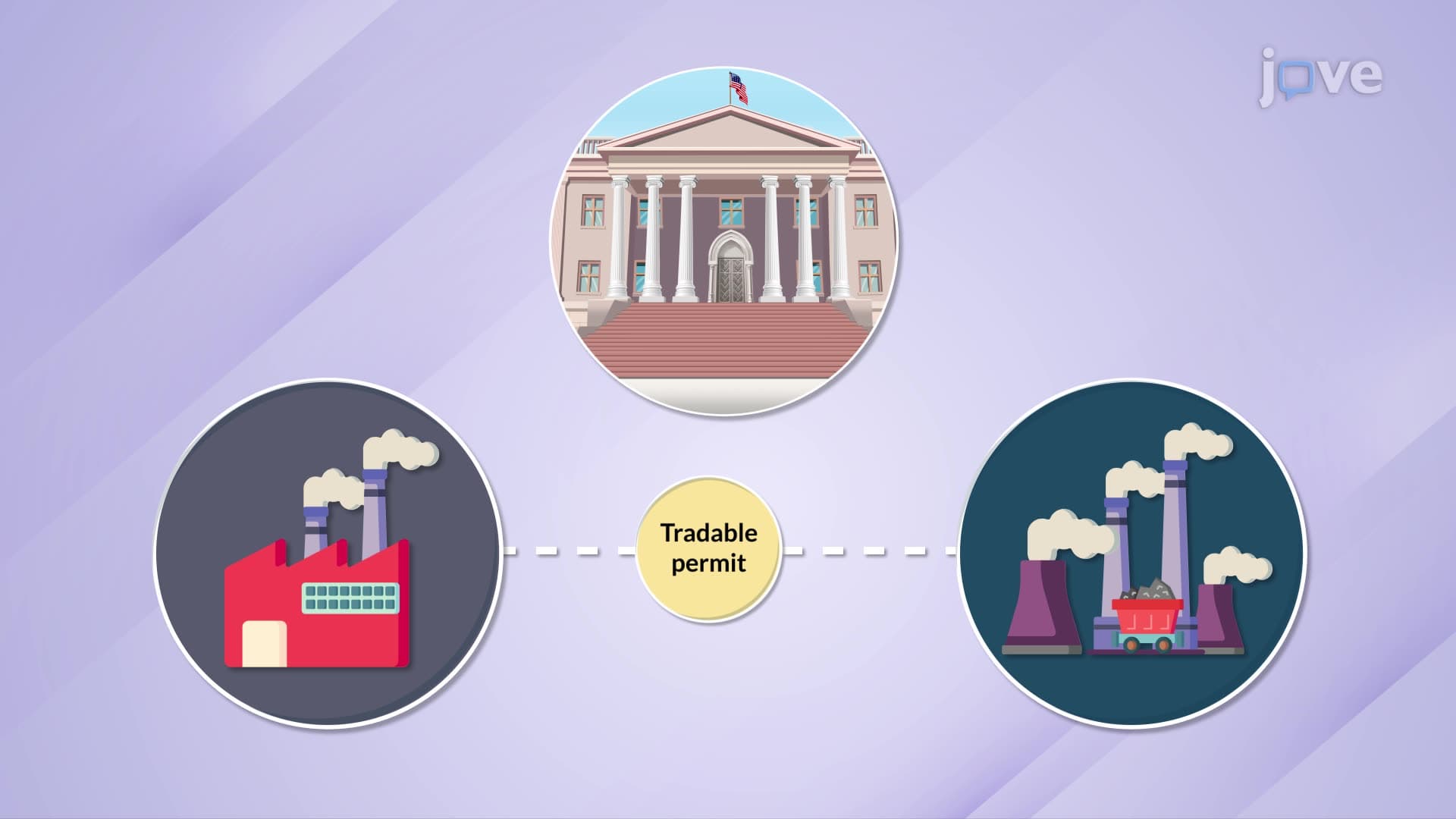
Carbon pricing initiatives in states like California use cap-and-trade systems with similar economic principles. Companies pay for carbon allowances, effectively taxing emissions while generating revenue for clean energy investments.
Students encounter price mechanism taxes in AP Microeconomics, where they must graph supply-demand shifts and calculate deadweight loss elimination. College courses in environmental economics and public policy extensively cover Pigovian taxation theory. MCAT test-takers may see these concepts in behavioral science passages about public health interventions.
Understanding these taxes requires mastering externality graphs, tax incidence analysis, and welfare economics principles-all frequent topics in standardized economics assessments.
Related Micro-courses