Loading subject page…

- Microeconomics
- Externalities and Public Goods
- Coase Theorem
Micro-course: Externalities and Public Goods
4,004 views
Learn key concepts and earn your certificate.













Coase Theorem

00:00
01:17
Video Summary: What Is Coase Theorem
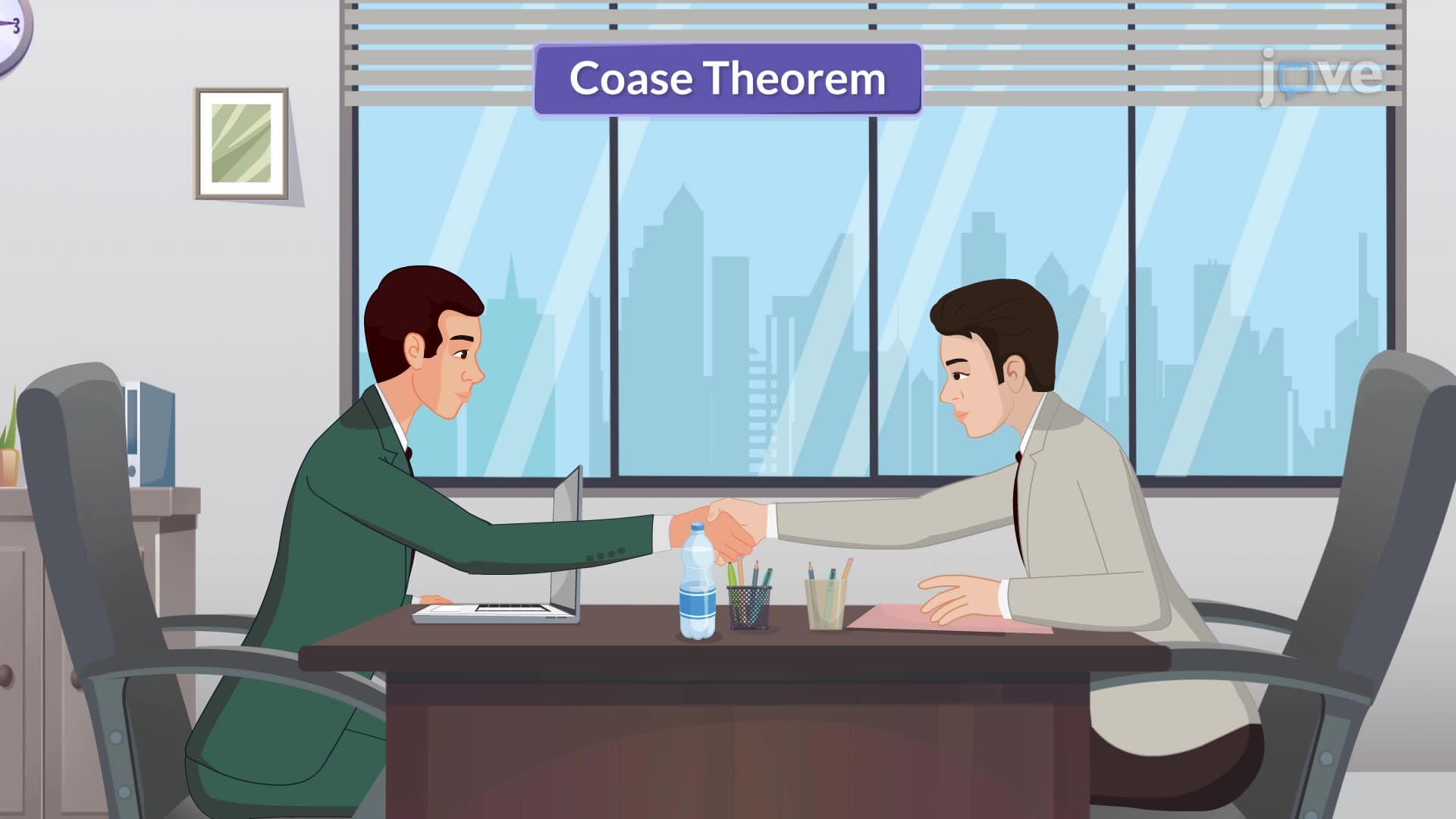
Ever wonder why airports pay homeowners for noise rather than the other way around? The Coase theorem reveals that efficient market outcomes emerge regardless of who initially holds property rights-as long as negotiation costs remain low. Consider Chicago O'Hare Airport and surrounding neighborhoods: whether residents have the right to quiet or airlines have the right to fly, both parties will negotiate toward the same economically efficient solution. This principle revolutionizes how economists understand property rights, externalities, and market efficiency. Watch the full video on JoVE Coach to master this concept with expert-led visuals and step-by-step explanations.
- Understand what is Coase theorem and how it predicts efficient market outcomes regardless of initial property right assignments
- Identify the three critical assumptions underlying the Coase theorem: zero transaction costs, equal bargaining power, and perfect information
- Analyze real-world scenarios where parties negotiate externality solutions, such as pollution disputes between factories and communities
- Compare market outcomes under different property right allocations to demonstrate the theorem's core prediction
- Evaluate why the Coase theorem often fails in practice due to high transaction costs and information asymmetries
- Apply Coase theorem principles to contemporary policy debates about environmental regulation and tort law
- Recognize how the theorem challenges traditional views about the necessity of government intervention in market failures
- Explore connections between Coase theorem and broader economic concepts like efficiency, externalities, and market mechanisms
Understanding What is Coase Theorem
The Coase theorem, formulated by Nobel laureate Ronald Coase in 1960, fundamentally challenges conventional wisdom about property rights and market efficiency. This groundbreaking economic principle demonstrates that under specific conditions, private parties can negotiate solutions to externality problems without government intervention, achieving economically efficient outcomes regardless of how property rights are initially distributed.
Core Components of Coase Theorem Definition
The Coase theorem definition explained rests on three pillars. First, transaction costs must be negligible-meaning parties can negotiate, communicate, and enforce agreements without significant expense. Second, all parties must possess equal bargaining power, preventing one side from exploiting the other. Third, perfect information must exist, ensuring all parties understand costs, benefits, and consequences of various actions.
Consider a modern example: Tesla's Gigafactory in Austin, Texas, and neighboring residential communities. If residents hold rights to quiet enjoyment, Tesla might pay compensation or invest in noise reduction. Conversely, if Tesla holds rights to operate freely, residents might collectively pay Tesla to implement quieter technologies. Under Coase theorem assumptions, both scenarios yield identical efficient outcomes.
Real-World Applications and Limitations
While elegant in theory, the Coase theorem concept explained reveals significant practical limitations. Transaction costs in real negotiations are rarely negligible. Environmental disputes involving hundreds of affected parties face enormous coordination challenges. Information asymmetries plague most negotiations-companies typically understand their abatement costs better than affected communities understand damages.
US courts frequently reference Coase theorem in tort law decisions. The landmark case *Boomer v. Atlantic Cement Co.* (1970) exemplified Coasian thinking when New York's highest court allowed a cement plant to continue operating while paying damages, rather than shutting down operations entirely.
Exam Applications and Study Strategies
For AP Economics students, Coase theorem study guide materials emphasize graphical analysis of externalities and efficiency. College microeconomics courses explore mathematical proofs demonstrating outcome invariance under different property right assignments. The theorem frequently appears on midterm exams through scenarios requiring students to predict negotiation outcomes and identify when assumptions break down.
The concept connects directly to broader economic themes: market failures, government intervention, and welfare economics. Understanding Coase theorem provides foundation for advanced topics like mechanism design, public goods theory, and environmental economics-making it essential preparation for graduate economics study.
Frequently Asked Questions
The Coase theorem states that when transaction costs are zero, private parties will negotiate efficient solutions to externality problems regardless of who initially holds property rights. Both a polluting factory and affected residents will reach the same outcome whether the factory has the right to pollute or residents have the right to clean air. This challenges the assumption that government intervention is always necessary for market failures.
AP Microeconomics frequently tests Coase theorem through free-response questions involving externalities and market efficiency. Students must identify when the theorem applies, explain why different property right assignments yield identical outcomes, and analyze real-world limitations. Practice graphing marginal social costs and benefits while explaining negotiation processes between affected parties.
Absolutely, though college courses explore mathematical proofs and advanced applications beyond high school coverage. Intermediate microeconomics examines formal models demonstrating outcome invariance, while environmental economics applies Coasian principles to pollution trading systems. Upper-level courses critique the theorem's restrictive assumptions and explore behavioral economics alternatives.
Consider disputes between fracking operations and Pennsylvania farmers. When energy companies hold drilling rights, they sometimes compensate farmers for water contamination or property damage. When farmers hold stronger property rights, energy companies invest in cleaner extraction technologies or relocate operations. Both scenarios can yield efficient outcomes through private negotiation.
The basic concept is intuitive once you grasp that efficient outcomes don't depend on who starts with rights. The challenging part is recognizing when the theorem's strict assumptions hold in practice. Start with simple two-party examples before tackling complex multi-stakeholder scenarios.
Practice drawing externality graphs showing how different property right assignments lead to identical efficient outcomes. Create scenarios where you assign rights to different parties and predict negotiation results. Focus on identifying when transaction costs, bargaining power imbalances, or information problems prevent Coasian solutions.
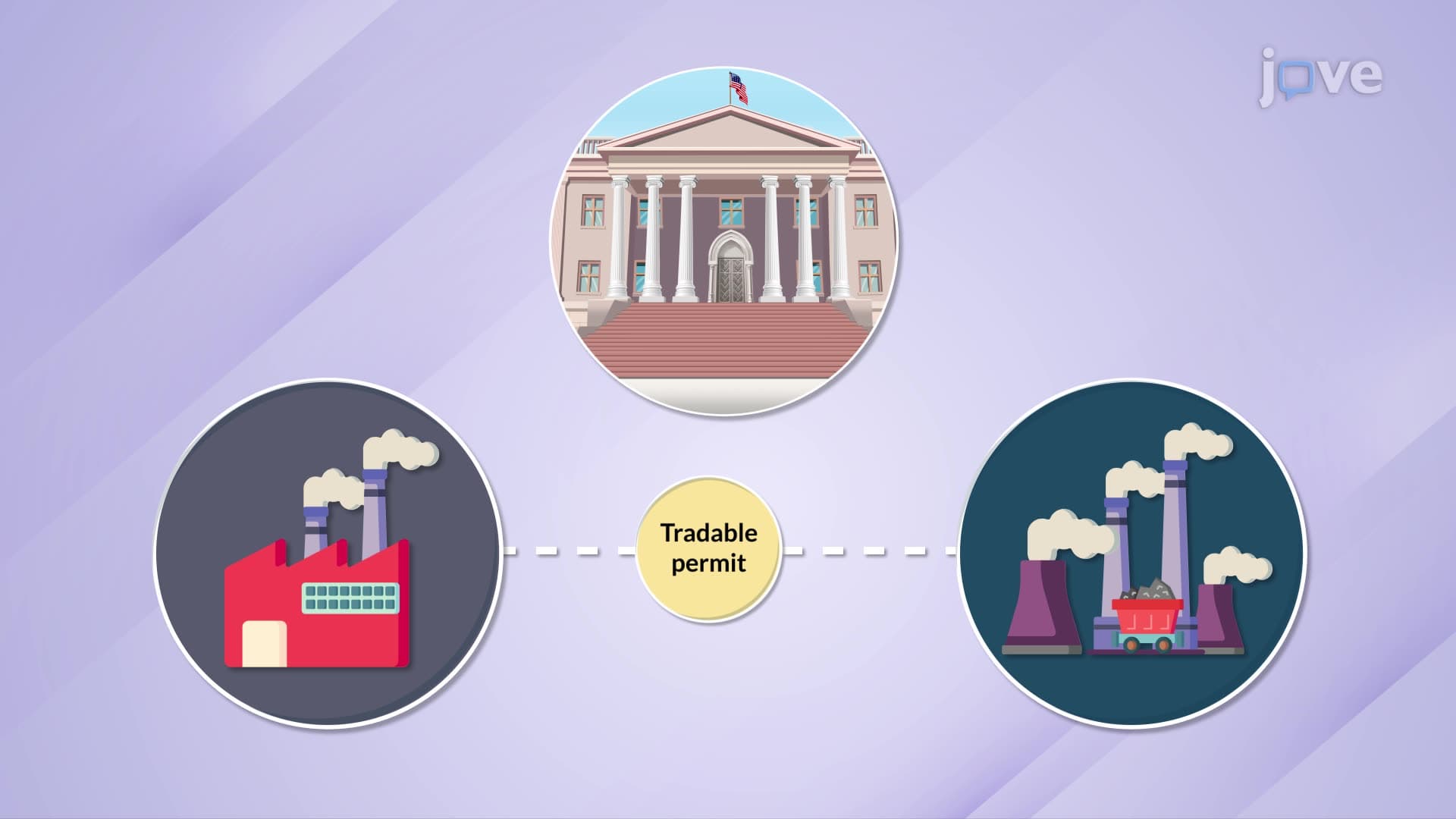
The theorem influences cap-and-trade systems like the US Acid Rain Program, where companies can buy and sell pollution permits. It also informs debates about carbon pricing and whether market-based solutions can address climate change without heavy government regulation. Understanding these connections helps explain modern environmental economics.
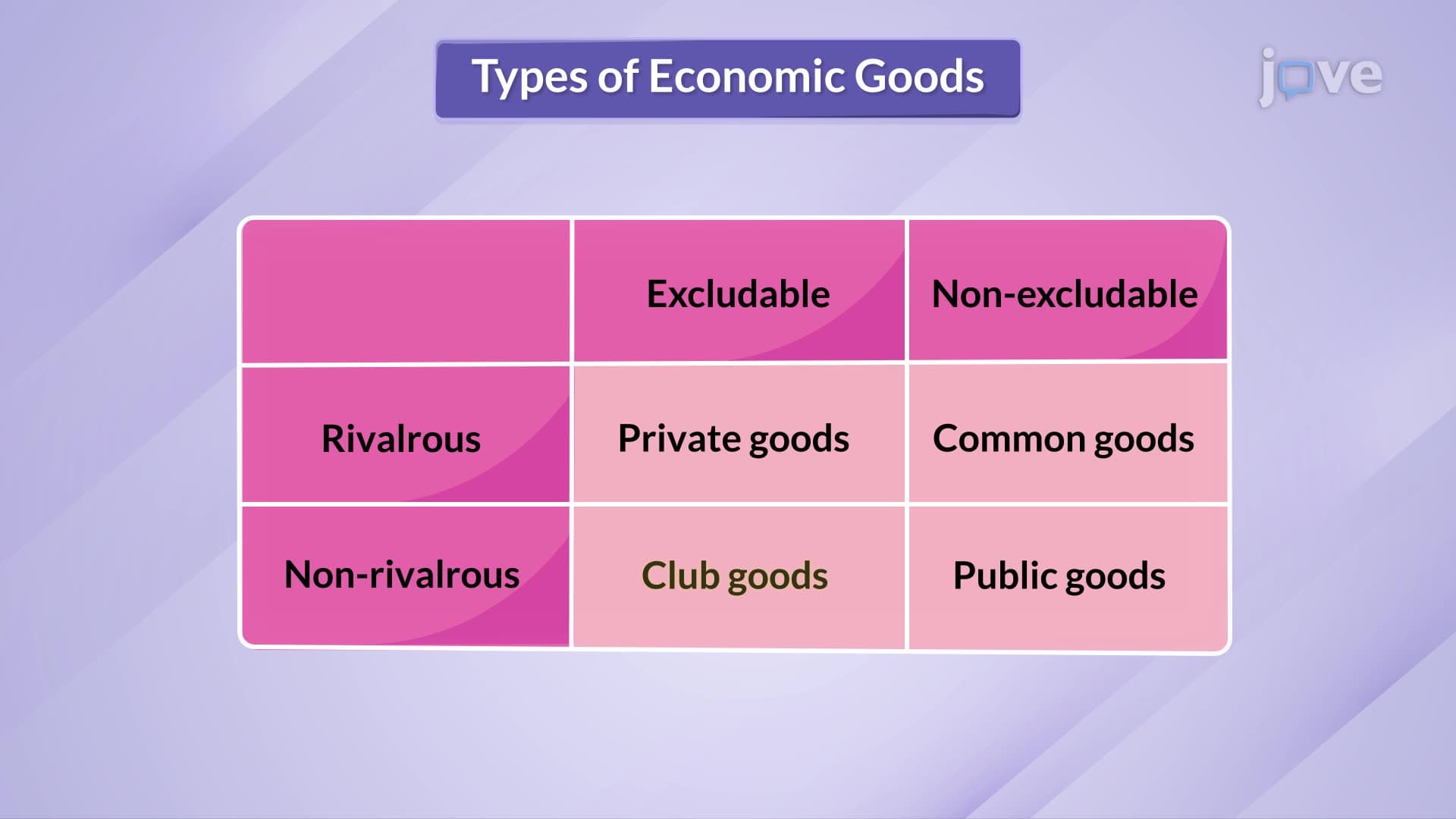
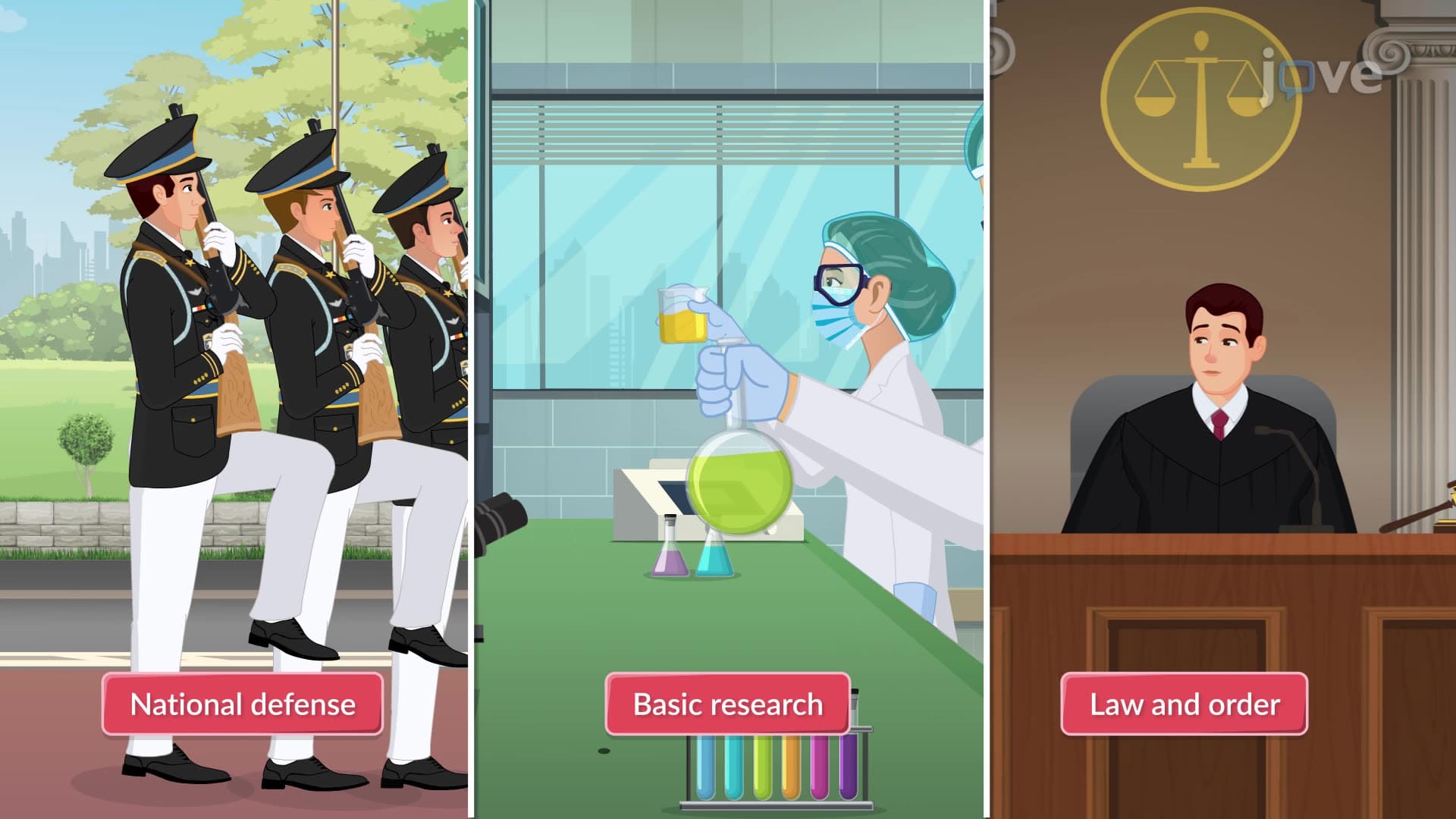
Explore mechanism design theory, which builds on Coasian insights about information and incentives. Study public goods theory and voting mechanisms to understand when private negotiation fails. Environmental economics courses apply these principles to real policy challenges like climate change and biodiversity conservation.
Related Micro-courses

15 Concepts

22 Concepts

9 Concepts