Loading subject page…


4,004 views

Video Summary: What Is Property Rights
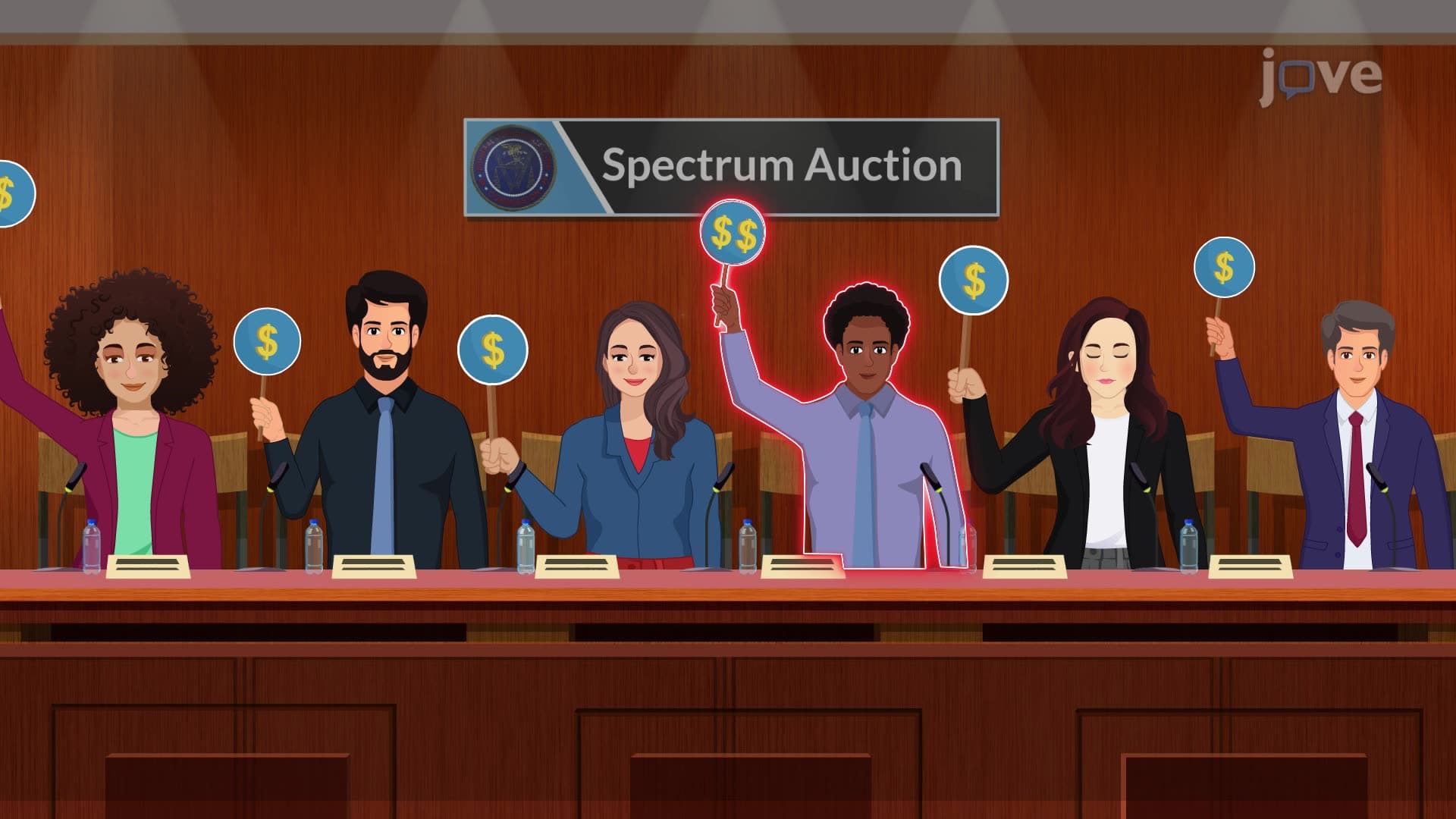
Ever wonder why your neighbor can't just claim your backyard as their own? Property rights form the legal foundation that determines who controls what resources and how they can be used. Without clear property rights, valuable resources like radio frequencies would become chaotic-imagine if anyone could broadcast on any frequency, creating interference that makes communication impossible. The Federal Communications Commission (FCC) prevents this by auctioning exclusive broadcasting rights to companies like Verizon and AT&T. Watch the full video on JoVE Coach to master this concept with expert-led visuals and step-by-step explanations.
Property rights represent the legal framework that grants individuals or organizations exclusive control over specific resources. This fundamental economic concept encompasses three essential rights: the right to use a resource (usus), the right to derive income from it (usus fructus), and the right to transfer or sell it (abusus). These rights form the backbone of market economies and appear frequently on AP Economics exams and college microeconomics courses.
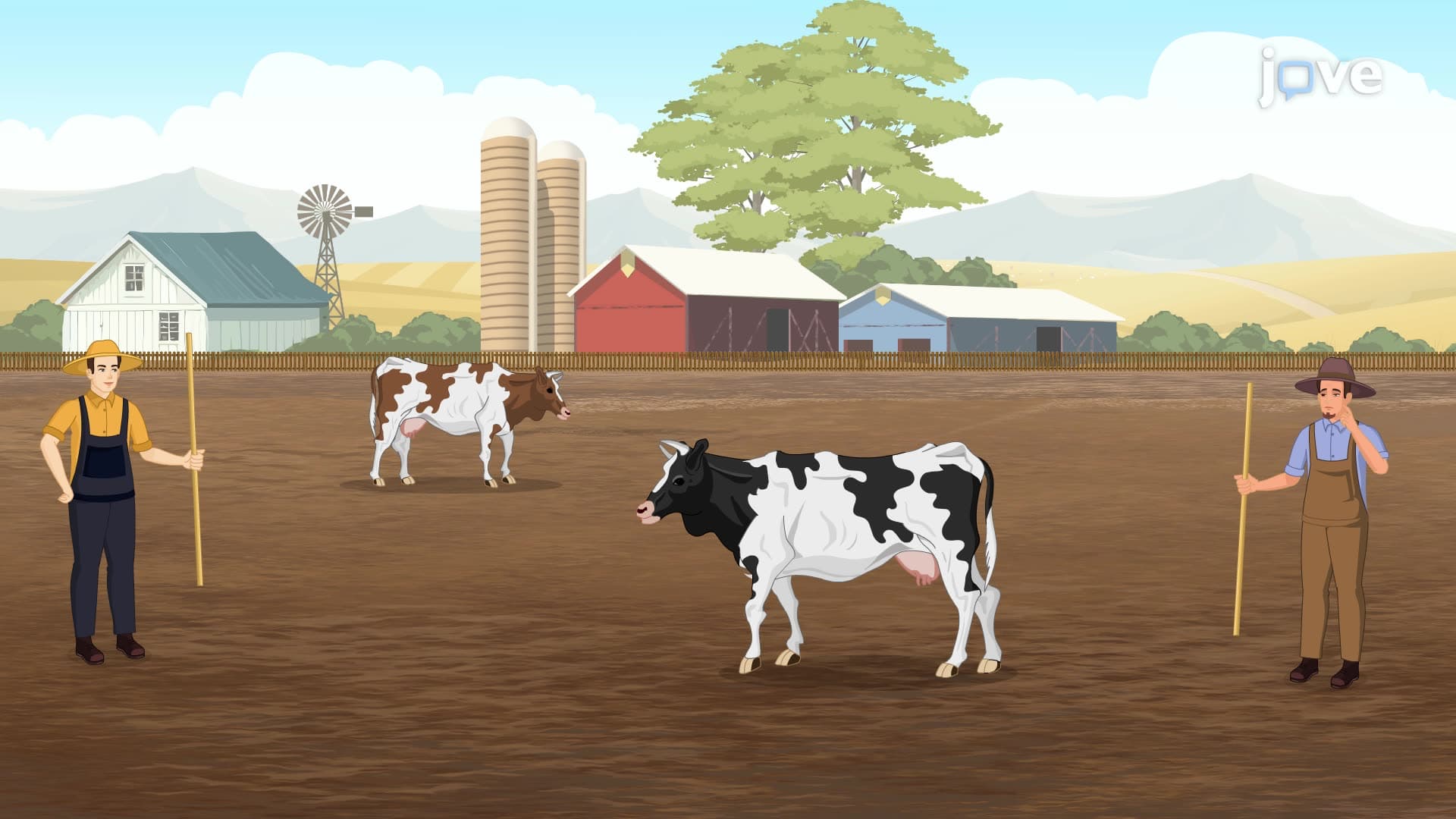
When property rights remain undefined or poorly enforced, resources face overexploitation through the tragedy of the commons. This occurs because individuals maximize personal benefits while costs are shared collectively. Consider America's historical buffalo hunting-without clear ownership, hunters had incentives to kill as many buffalo as possible before others did, nearly driving the species to extinction. Students preparing for AP Environmental Science should understand how this principle applies to modern challenges like overfishing in international waters.
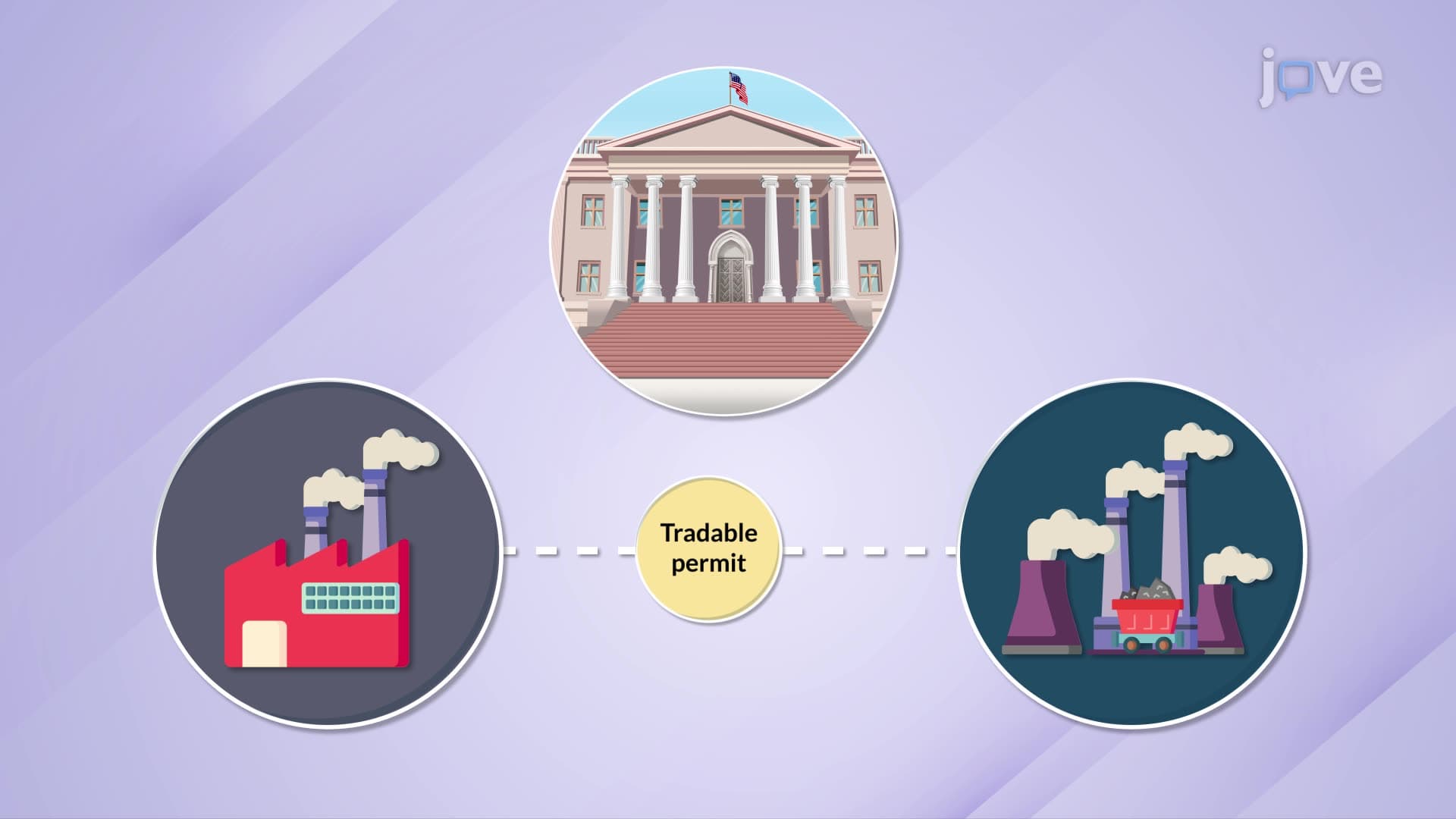
The Federal Communications Commission's spectrum auctions exemplify how governments create property rights to solve resource allocation problems. Companies bid millions for exclusive frequencies-Verizon paid $45.5 billion in the 2021 C-band auction. This system ensures efficient use because owners bear the full costs of interference and reap all benefits from clear signals. Similar principles apply to pollution permits, fishing quotas, and water rights across the American West.
Property rights drive innovation and conservation through aligned incentives. Patent systems grant inventors exclusive rights for 20 years, encouraging pharmaceutical companies like Pfizer to invest billions in drug development. Similarly, private forest ownership in states like Georgia leads to sustainable harvesting because owners profit from long-term forest health. College economics students should recognize how secure property rights reduce transaction costs and promote investment, concepts that appear regularly on MCAT sociology sections and business school entrance exams.
Related Micro-courses