Loading subject page…


4,004 views


Video Summary: What Is Quantity Mechanism Quota
Did you know the US fishing industry prevents over $2 billion in annual losses through quantity mechanism quota systems? A quantity mechanism quota sets strict limits on production or consumption to address market failures and externalities. For example, the National Marine Fisheries Service uses fishing quotas to prevent overfishing in US waters, protecting both marine ecosystems and long-term industry profits. Watch the full video on JoVE Coach to master this concept with expert-led visuals and step-by-step explanations.
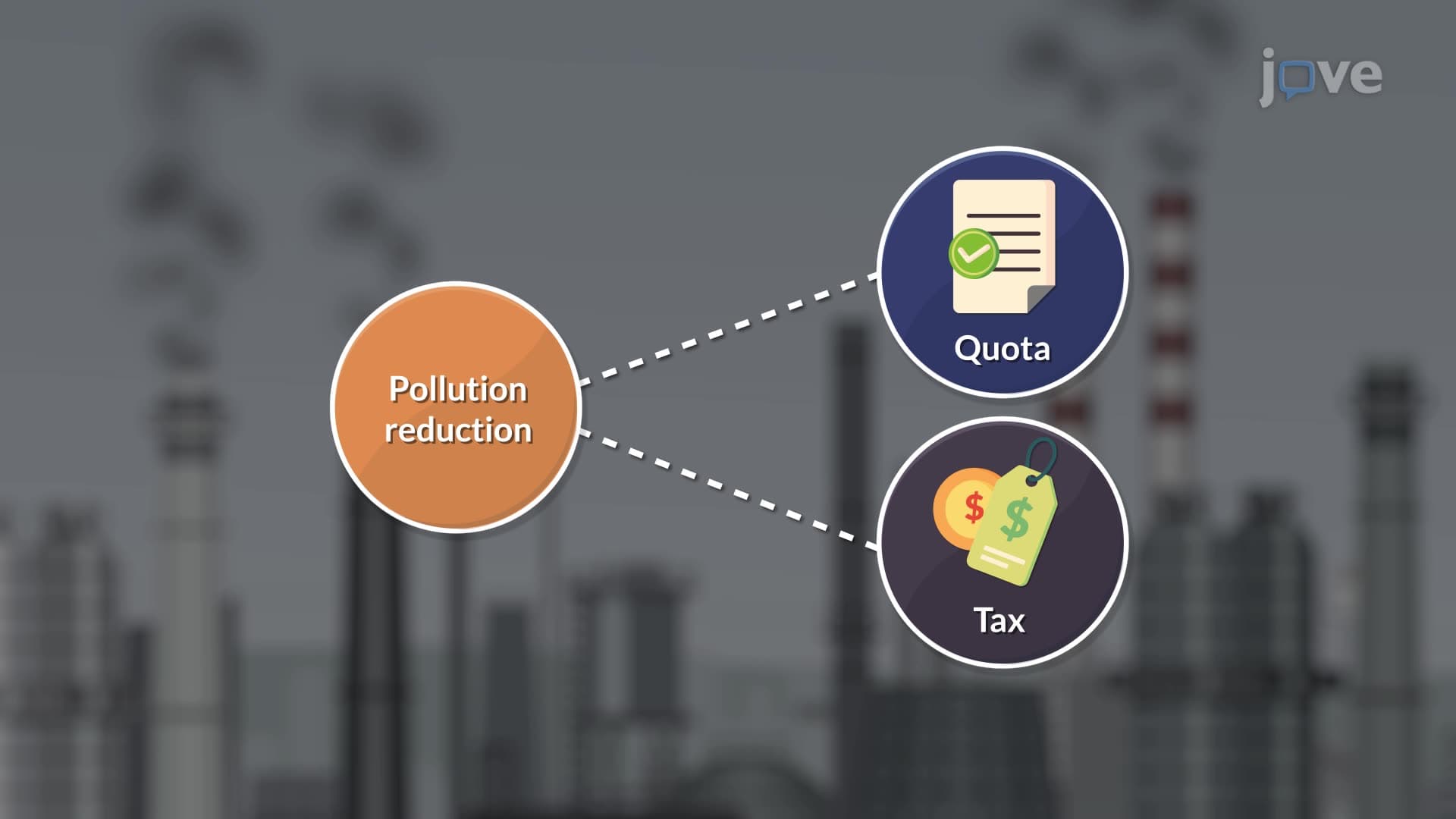
A quantity mechanism quota represents a direct government intervention that sets maximum or minimum limits on the production, consumption, or activity levels of specific goods or services. Unlike price-based mechanisms such as taxes or subsidies, quotas work by physically constraining quantities rather than influencing behavior through economic incentives. This approach proves particularly effective when policymakers need precise control over externality-generating activities.
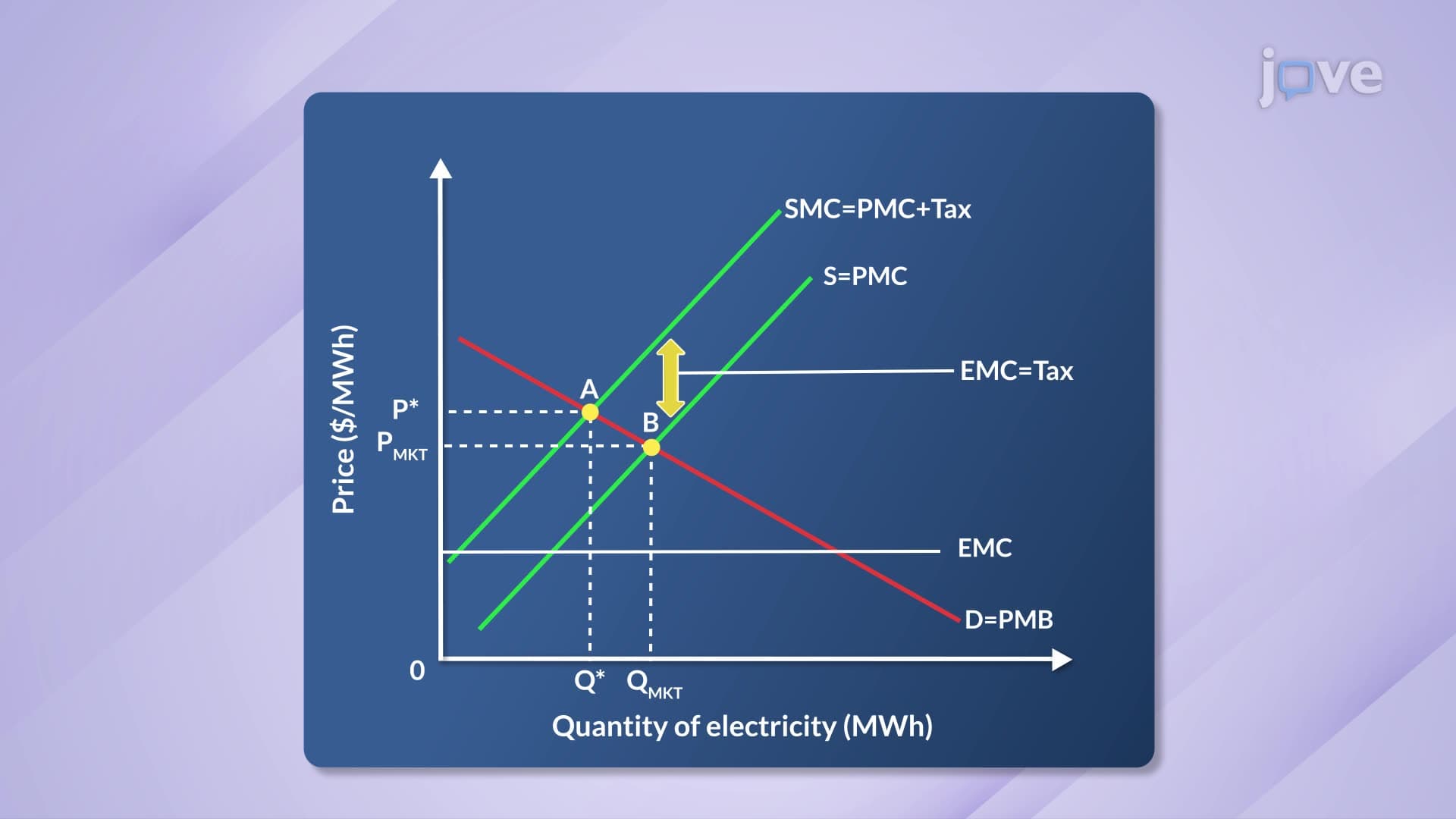
The theoretical foundation rests on the divergence between private and social costs. When negative externalities exist, private producers only consider their own costs, ignoring broader social impacts. Quotas force alignment between private decisions and social welfare by capping production at socially optimal levels.
The quota-setting process involves sophisticated economic analysis. Regulators must first identify the social marginal cost curve, which incorporates both private marginal costs and external costs imposed on society. The intersection of social marginal cost with market demand reveals the socially optimal quantity, the exact level where quotas should be set.
Once implemented, quotas fundamentally alter market dynamics. The supply curve becomes perfectly inelastic (vertical) at the quota level, regardless of price changes. This creates scarcity that typically drives prices above free-market levels, generating economic rents for quota holders.
Students preparing for AP Economics or college microeconomics courses should understand this supply curve transformation, as it frequently appears on exams. The key insight: quotas eliminate the elastic portion of supply beyond the quota limit.
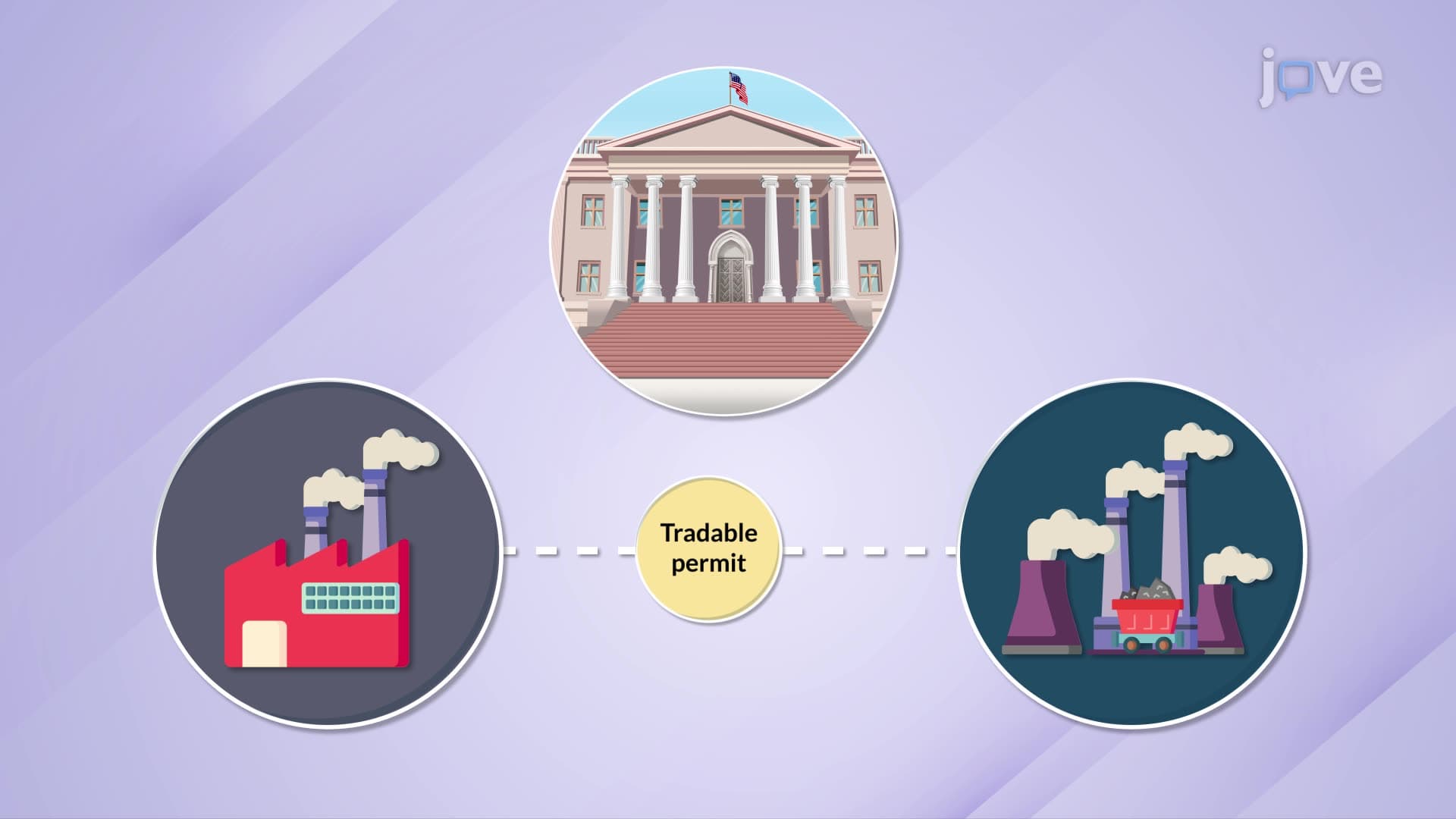
US regulatory agencies extensively use quota mechanisms across diverse sectors. The Environmental Protection Agency implements emissions quotas through cap-and-trade programs, limiting industrial pollution while allowing market-based trading of allowances. The FDA sets quotas on certain pharmaceutical productions to prevent shortages of critical medications.
Agricultural quotas historically controlled crop production, though many were eliminated under farm bill reforms. However, marketing quotas still exist for certain commodities like tobacco and sugar, protecting both domestic producers and international trade agreements.
Transportation sectors use quotas extensively, from taxi medallions in major cities to airline slot allocations at congested airports like JFK and LAX. These examples demonstrate how quotas manage scarce resources while addressing negative externalities like traffic congestion.
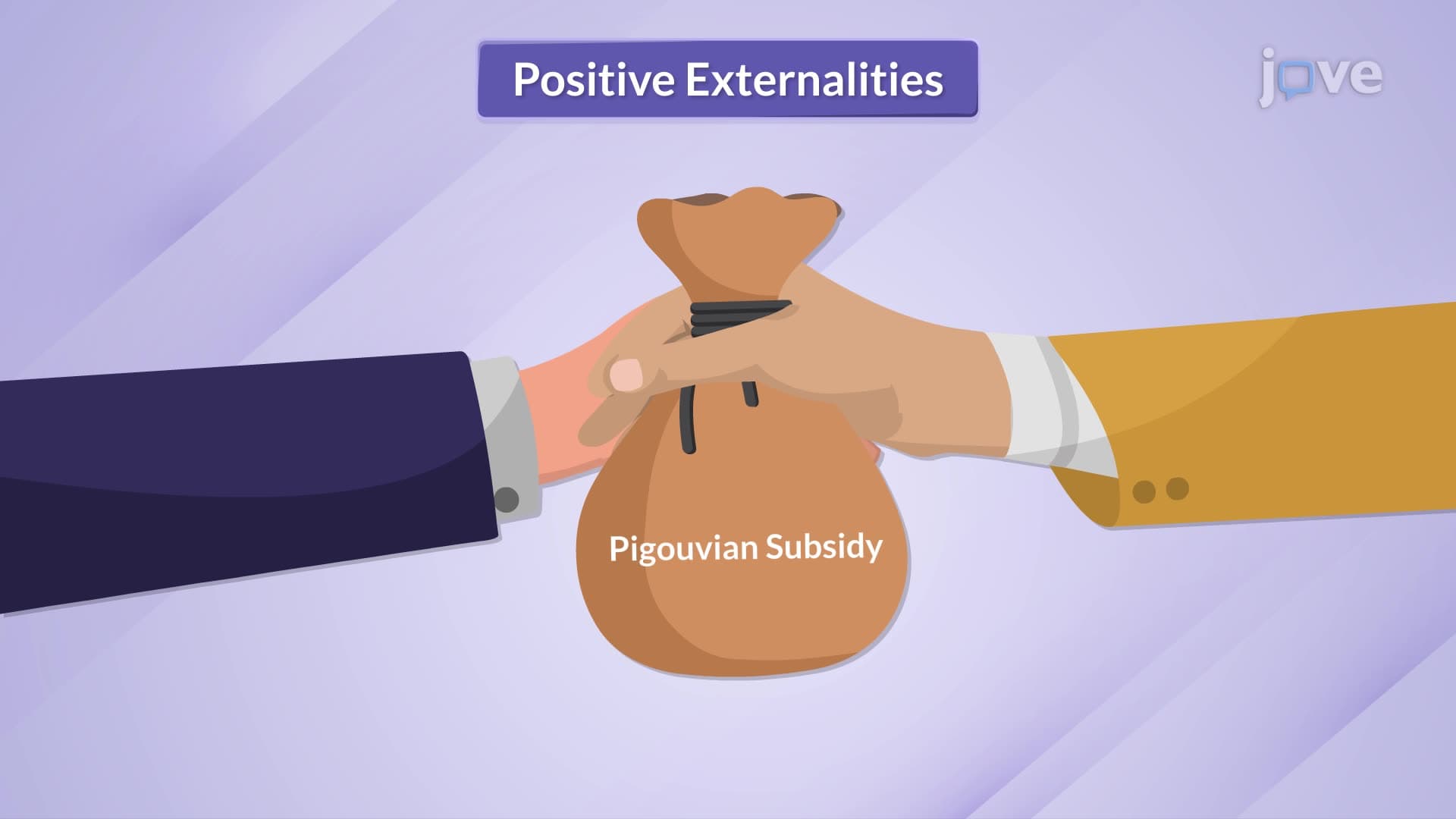
Quotas also address positive externalities by mandating minimum consumption levels. Compulsory education laws require school attendance until age 16-18 (varying by state), recognizing that individual families might under-invest in education despite its broader social benefits. Similarly, mandatory auto insurance requirements ensure adequate coverage levels that protect both drivers and accident victims.
Vaccination mandates represent another positive externality quota, though recent policy debates highlight enforcement complexities. State-level requirements for childhood immunizations maintain herd immunity levels necessary for community health protection.
Enforcement remains the critical challenge for all quota systems. Effective monitoring requires substantial regulatory resources, and violations can undermine entire programs. Success depends on clear measurement standards, robust penalty structures, and consistent application across all market participants.
Related Micro-courses