Loading subject page…


4,004 views


Video Summary: What Is Social Cost and Benefit
Why does your morning coffee cost society more than what you pay at Starbucks? The social cost benefit framework reveals hidden economic impacts beyond private transactions. When Amazon builds a new warehouse, neighbors experience traffic congestion (external costs) while gaining job opportunities (external benefits). Understanding What is Social Cost And Benefit helps economists measure these ripple effects that traditional market prices ignore, from pollution damage to education's community-wide advantages. Watch the full video on JoVE Coach to master this concept with expert-led visuals and step-by-step explanations.
The social cost and benefit definition explained centers on capturing the full economic picture beyond what appears in private transactions. While private costs and benefits represent direct financial impacts on buyers and sellers, social analysis expands this view to include all affected parties. This comprehensive approach reveals why free markets sometimes fail to deliver optimal outcomes for society as a whole.
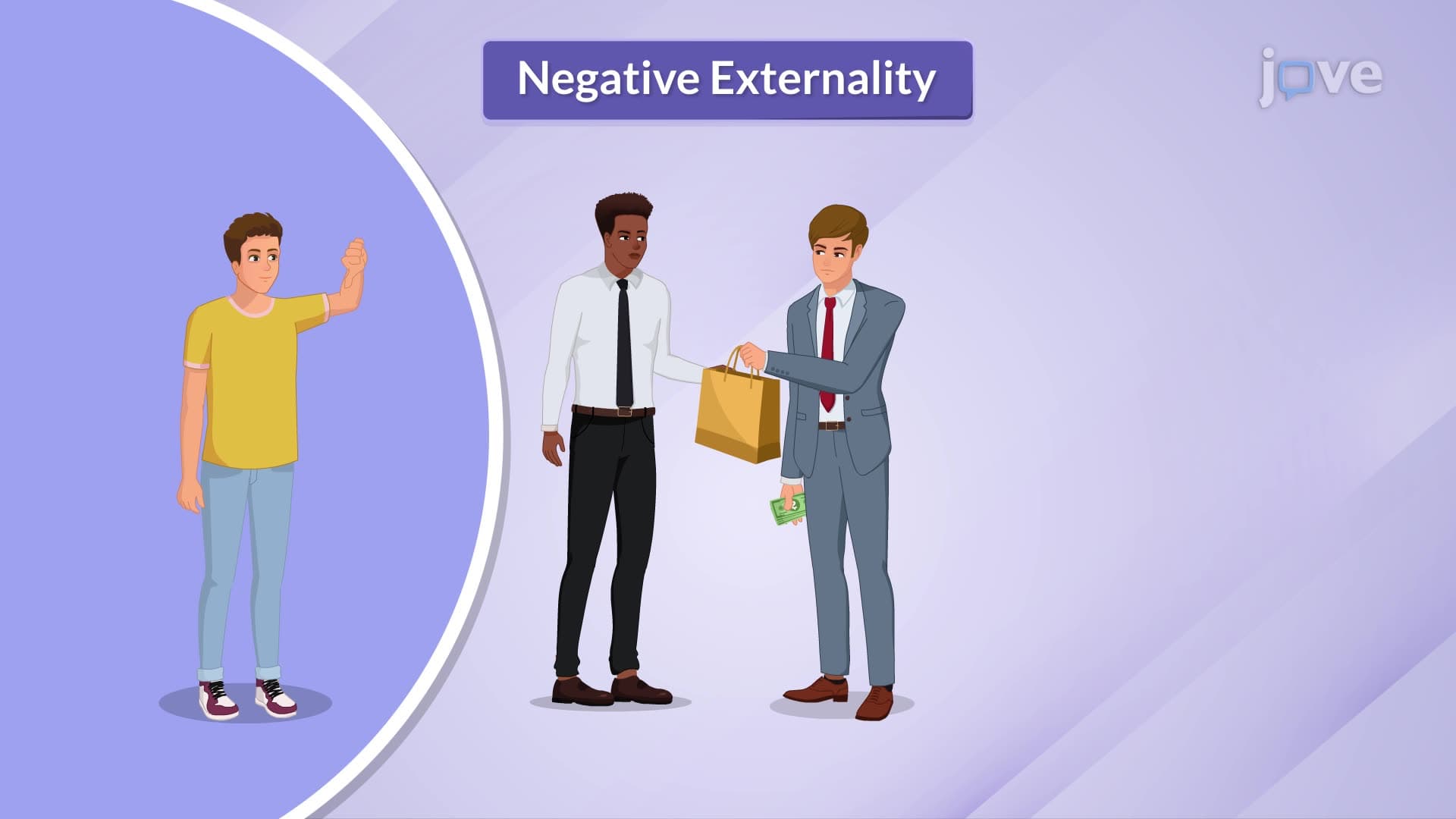
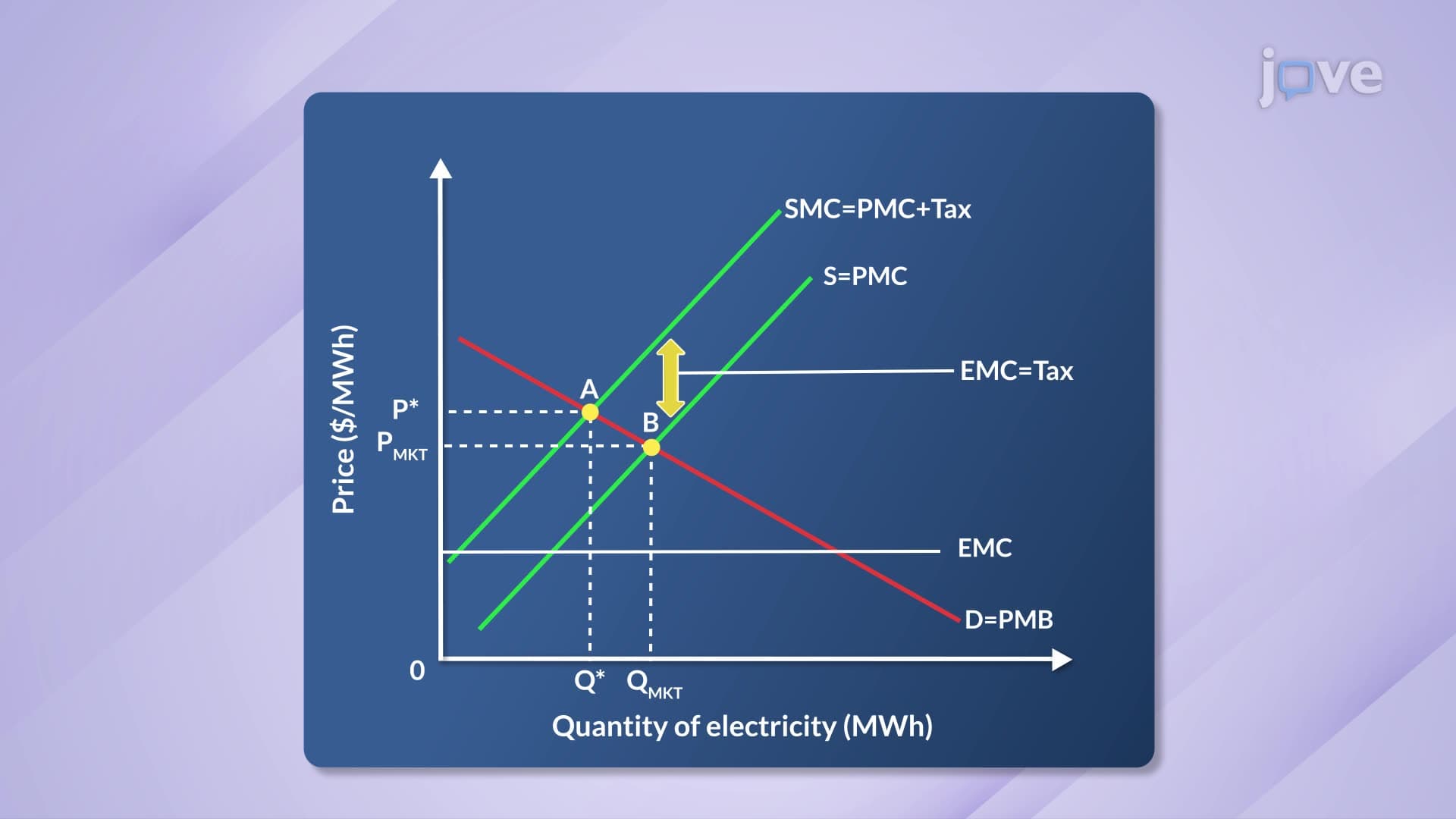
Social cost equals private cost plus external marginal cost. Consider a coal power plant: the utility company pays for coal, labor, and equipment (private costs), but nearby communities suffer from air pollution, increased healthcare expenses, and reduced property values (external costs). The social cost overview must account for both components to understand electricity's true economic burden on society.
External marginal costs represent additional burdens imposed on third parties with each extra unit produced or consumed. These costs often remain "invisible" to market participants, creating a gap between private decision-making and socially optimal outcomes.
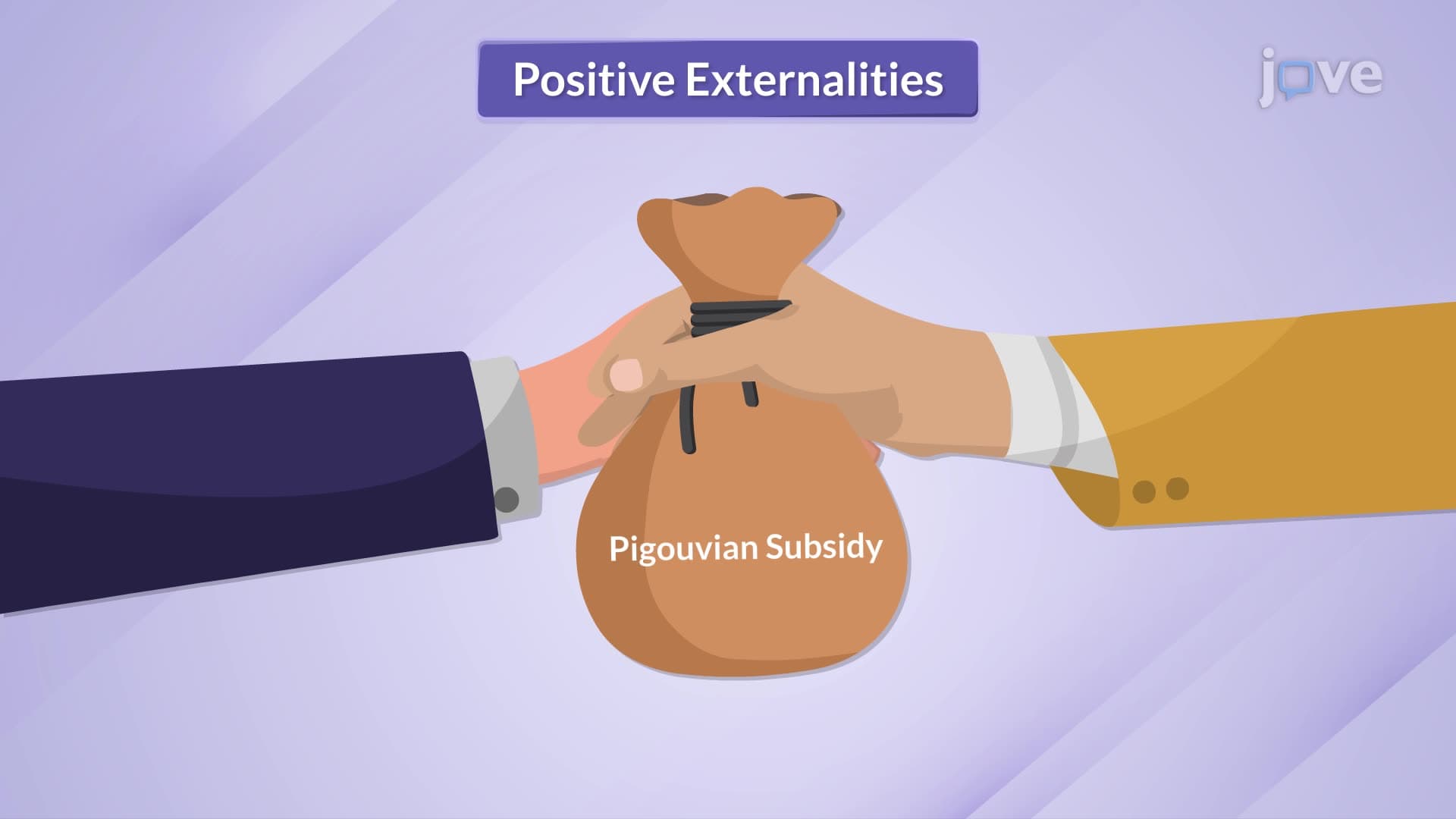
Social benefit combines private benefits with external marginal benefits. When a student attends college, they gain increased earning potential (private benefit), while society benefits from reduced crime rates, higher civic participation, and innovation spillovers (external benefits). This social cost and benefit concept explained shows why education investments often justify public funding beyond what private markets would provide.
The social cost and benefit study guide reveals numerous US examples where private and social calculations diverge. Uber rides generate private benefits for riders and drivers but create traffic congestion affecting everyone. Tesla's electric vehicles provide private transportation benefits while generating positive externalities through reduced emissions and technology advancement.
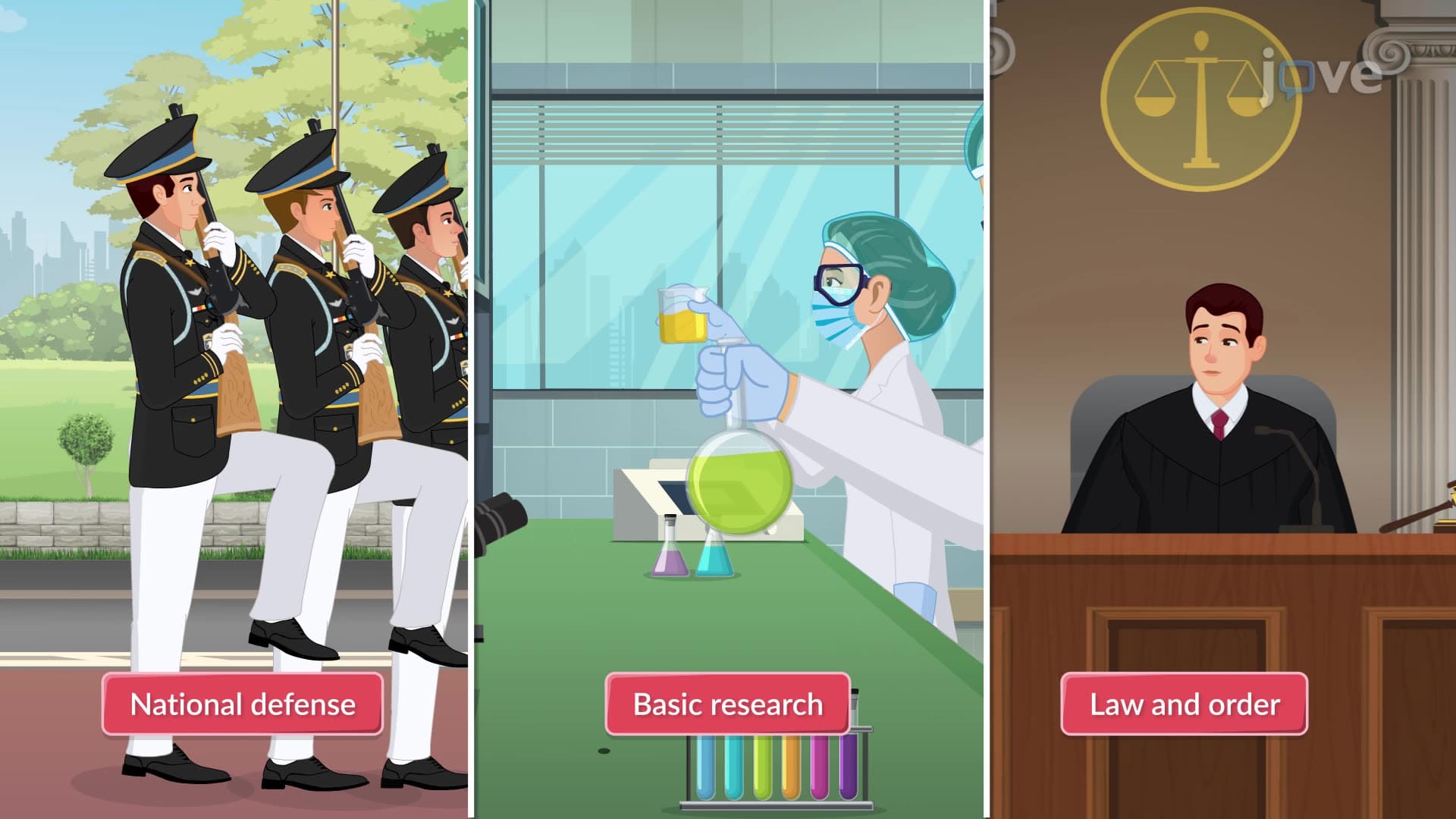
These divergences explain why markets sometimes fail. When external costs exceed external benefits, overproduction occurs-think factory pollution. When external benefits exceed external costs, underproduction results-consider basic research or vaccination programs.
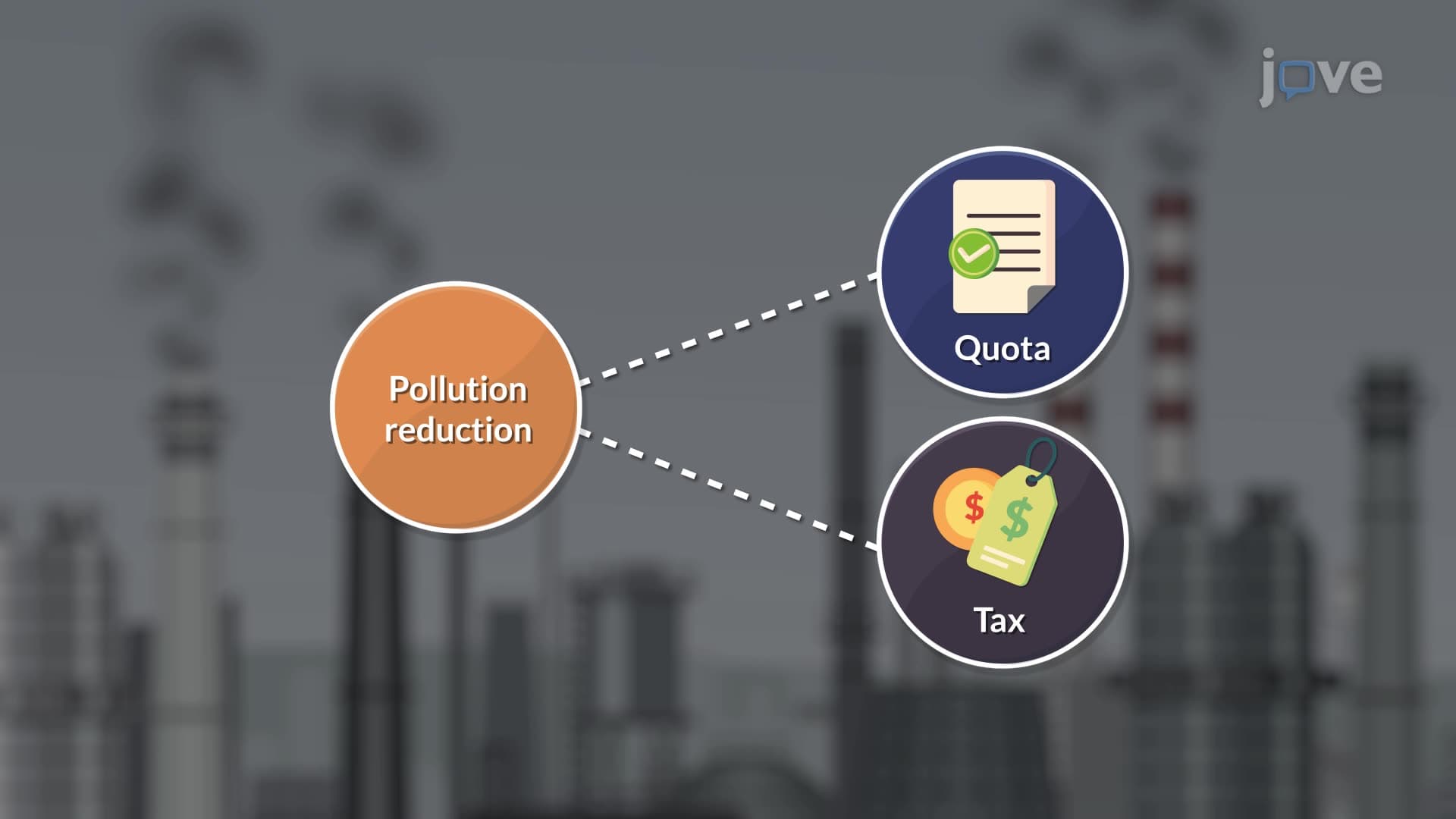
Understanding this framework proves crucial for AP Economics, college microeconomics courses, and policy analysis. Students encounter social cost-benefit questions on standardized tests, particularly regarding environmental regulations, public goods provision, and market intervention justifications. The concept explains why governments impose carbon taxes (to internalize external costs) or subsidize solar panels (to capture external benefits).
Related Micro-courses