Loading subject page…


4,004 views

Video Summary: What Is Tradable Permits Market
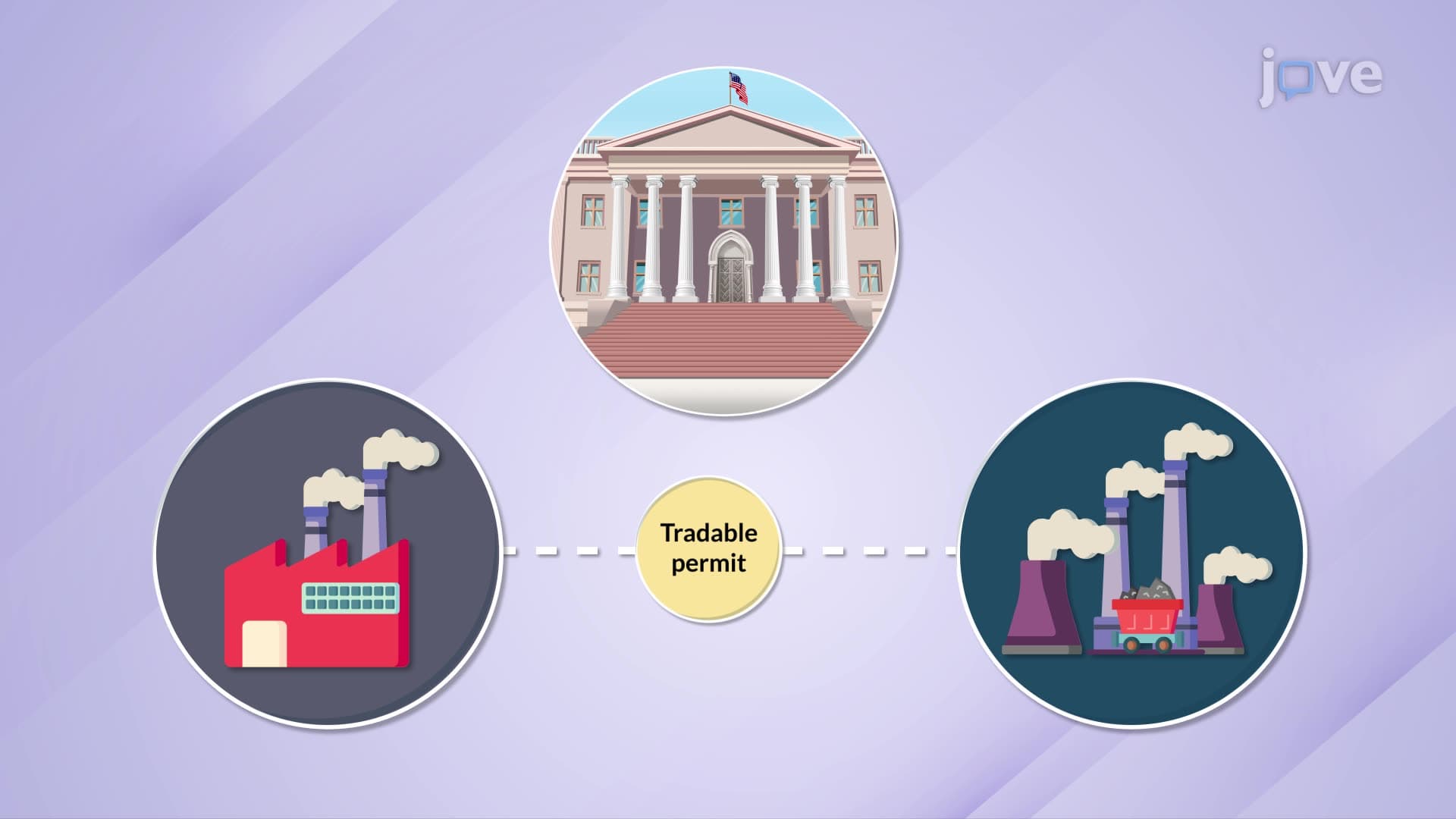
Did you know that companies can literally buy and sell the right to pollute? The tradable permits market transforms environmental regulation from government guesswork into efficient market-driven solutions. Under this system, the US Environmental Protection Agency successfully reduced sulfur dioxide emissions by over 90% since the 1990s through cap-and-trade programs. Companies that cut pollution below their allowed limits can sell excess permits to those struggling with compliance, creating financial incentives for cleaner technology while meeting environmental goals. Watch the full video on JoVE Coach to master this concept with expert-led visuals and step-by-step explanations.
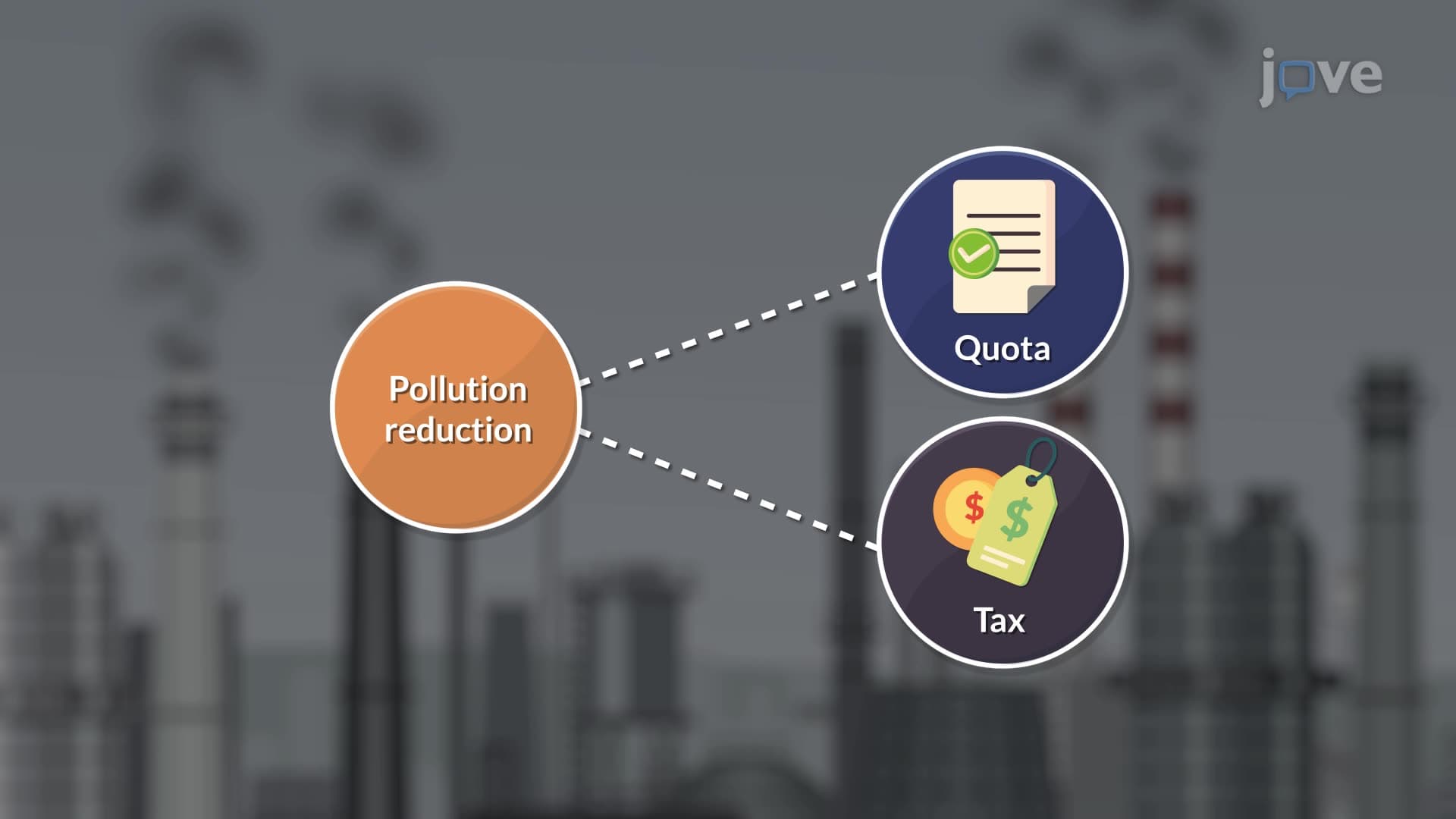
The tradable permits market represents a revolutionary approach to environmental regulation that harnesses market forces to achieve pollution reduction goals. Unlike traditional government mandates that dictate specific technologies or emission levels for individual companies, this system sets an overall pollution cap and allows businesses to trade emission allowances freely. This market-based mechanism transforms pollution control from a regulatory burden into a profit opportunity, encouraging innovation while guaranteeing environmental outcomes.
The tradable permits market definition encompasses three essential elements: cap-setting, permit allocation, and trading mechanisms. Government agencies like the EPA first establish scientifically-based emission caps that decline over time. They then distribute permits-each representing the right to emit one unit of pollution-through auctions, free allocations, or hybrid approaches. Companies continuously monitor their emissions against permit holdings, buying additional allowances when needed or selling excess permits when they've reduced pollution below allocated levels.
The US Acid Rain Program exemplifies successful tradable permits market implementation. Since 1995, this sulfur dioxide trading program has delivered remarkable results: 90% emission reductions, $2 billion in annual health benefits, and compliance costs 50% lower than traditional regulations would have achieved. The Regional Greenhouse Gas Initiative (RGGI) extends this success to carbon dioxide, covering power plants across nine northeastern states and generating billions in auction revenues for clean energy investments.
Students encounter tradable permits market concepts across multiple academic contexts. AP Environmental Science examinations frequently test understanding of cap-and-trade mechanisms versus command-and-control regulations. Economics courses explore how permit trading demonstrates market efficiency, price discovery, and externality internalization. Business school case studies analyze strategic permit management decisions, while policy courses examine regulatory design challenges. College microeconomics exams often include numerical problems calculating permit trading gains and optimal pollution levels.
Tradable permits market systems excel at cost-effectiveness, technological innovation incentives, and environmental certainty. Companies naturally seek lowest-cost pollution reduction methods, driving technological breakthroughs and efficiency improvements. However, implementation requires robust monitoring systems, clear legal frameworks, and careful consideration of geographic pollution distribution effects-particularly important for local air quality impacts.
Related Micro-courses