Loading subject page…


4,004 views

Video Summary: What Is Tragedy of the Commons
Why do America's national parks limit visitor numbers even when demand soars? The tragedy commons phenomenon explains how shared resources face destruction when individuals act in self-interest. Picture Yellowstone's wildlife habitats-without visitor caps, millions would flock there, ultimately destroying the very beauty they came to see. What is tragedy of the commons becomes clear through examples like overfishing in Alaska's waters or traffic congestion on California freeways. Watch the full video on JoVE Coach to master this concept with expert-led visuals and step-by-step explanations.
The tragedy of the commons represents one of economics' most powerful explanatory frameworks for understanding resource depletion and environmental degradation. Coined by ecologist Garrett Hardin in 1968, this concept describes situations where individuals acting rationally in their self-interest ultimately deplete or destroy shared resources, harming everyone including themselves.
The mathematical foundation rests on game theory: each user receives the full benefit of exploiting the resource but shares the costs of depletion with all other users. This creates a powerful incentive structure where the private benefit exceeds the individual's share of social cost, leading to systematic overexploitation.
Tragedy commons scenarios permeate American society. Consider California's Central Valley, where individual farmers rationally drill deeper wells during droughts, collectively causing aquifer depletion that threatens everyone's agricultural future. Similarly, America's interstate highway system faces commons dilemmas-each driver choosing peak travel times creates traffic congestion that harms all commuters.
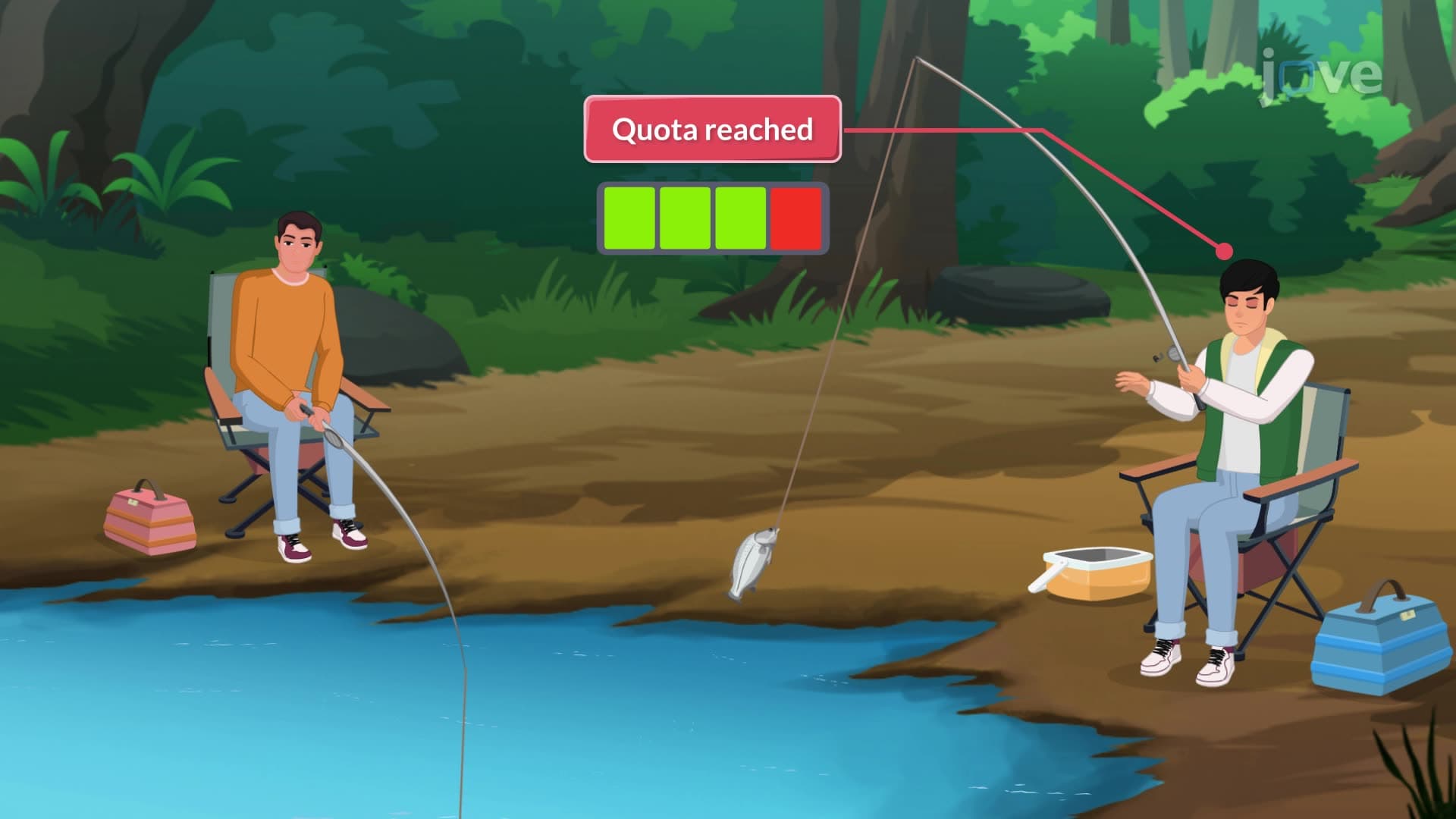
Ocean fisheries provide another stark example. New England's cod fishing industry collapsed in the 1990s as individual fishing vessels, acting rationally to maximize catches before competitors could, collectively depleted fish populations below sustainable levels. Despite knowing the long-term consequences, each captain faced immediate economic pressure to keep fishing.
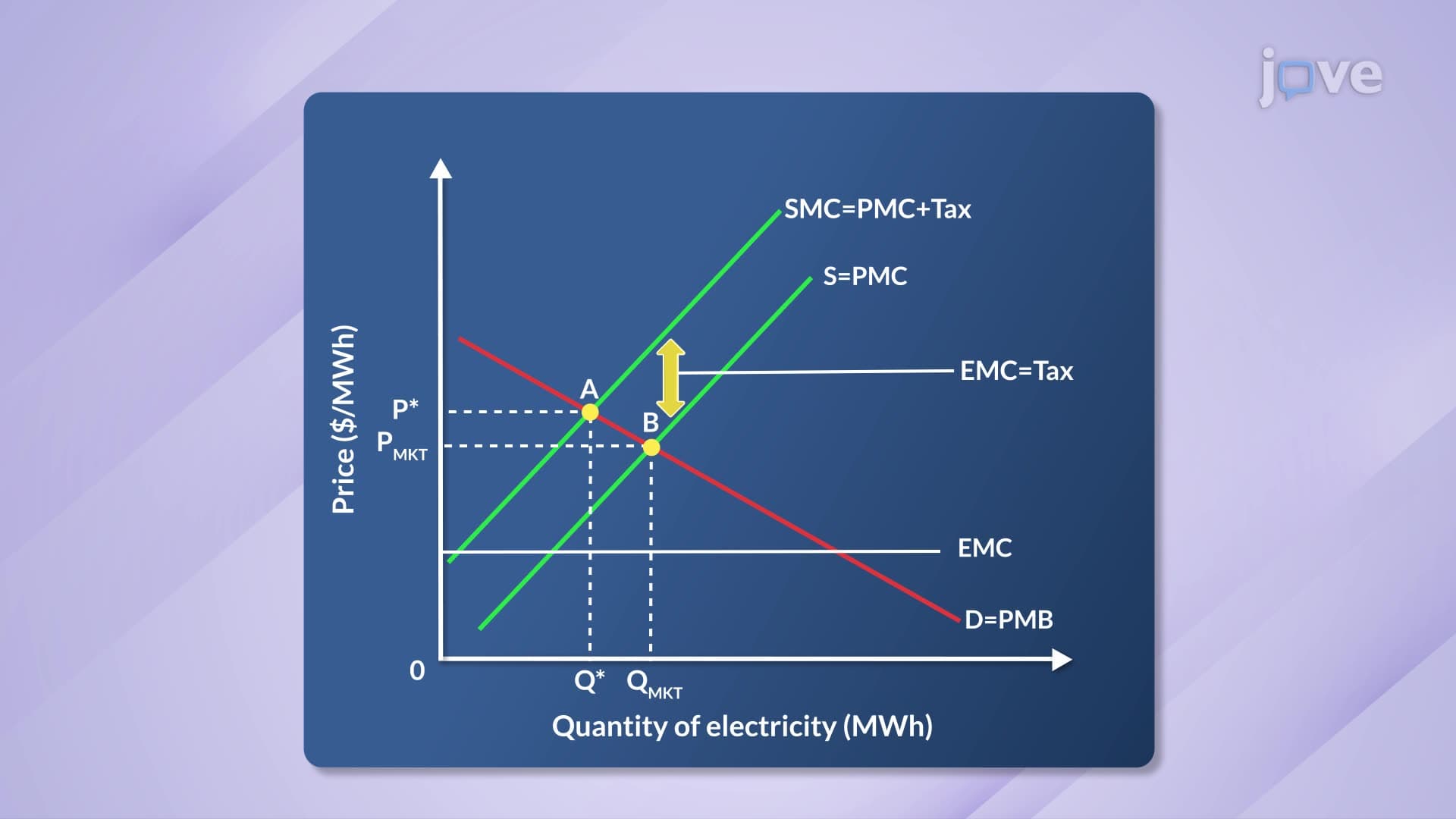
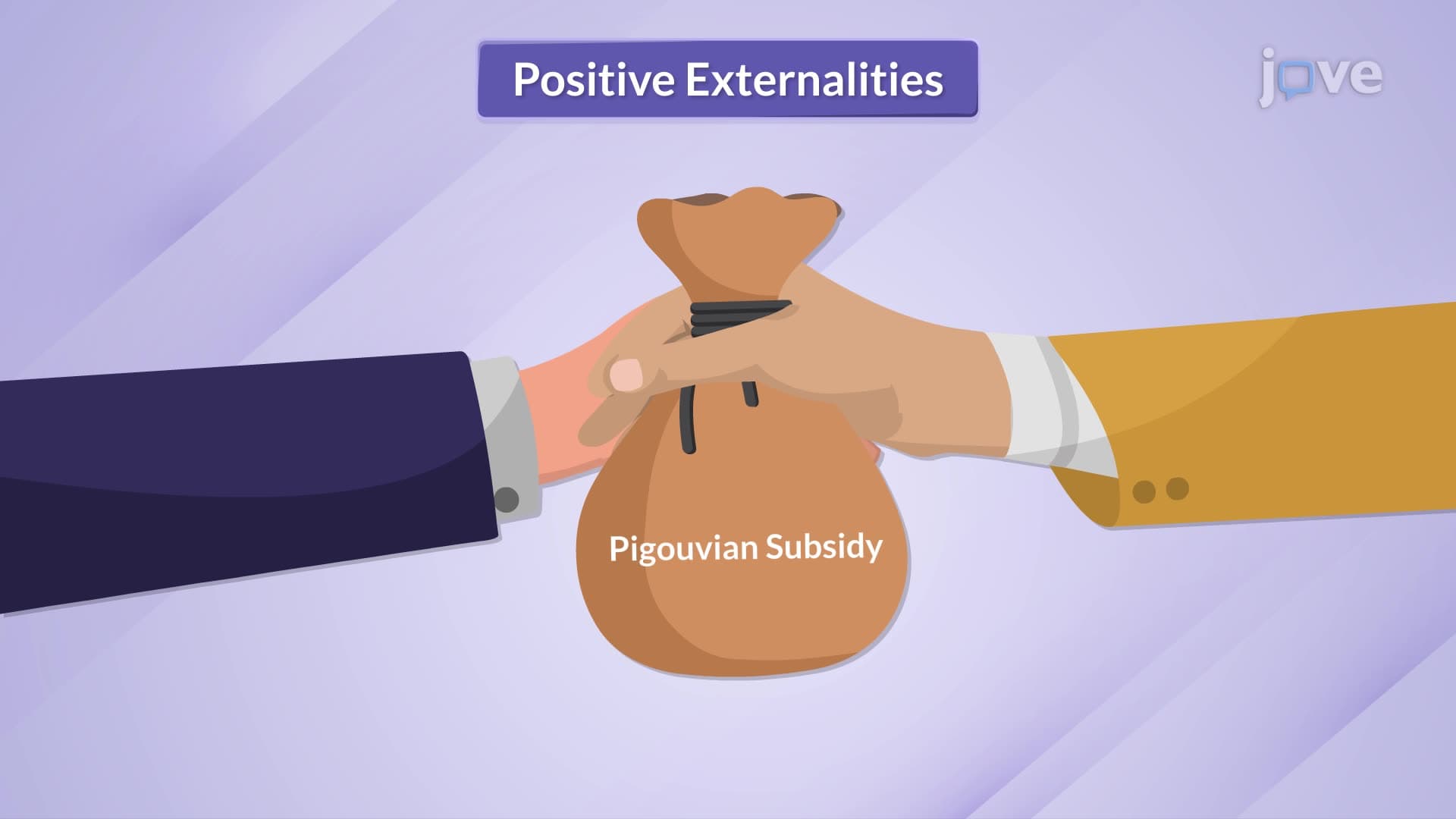
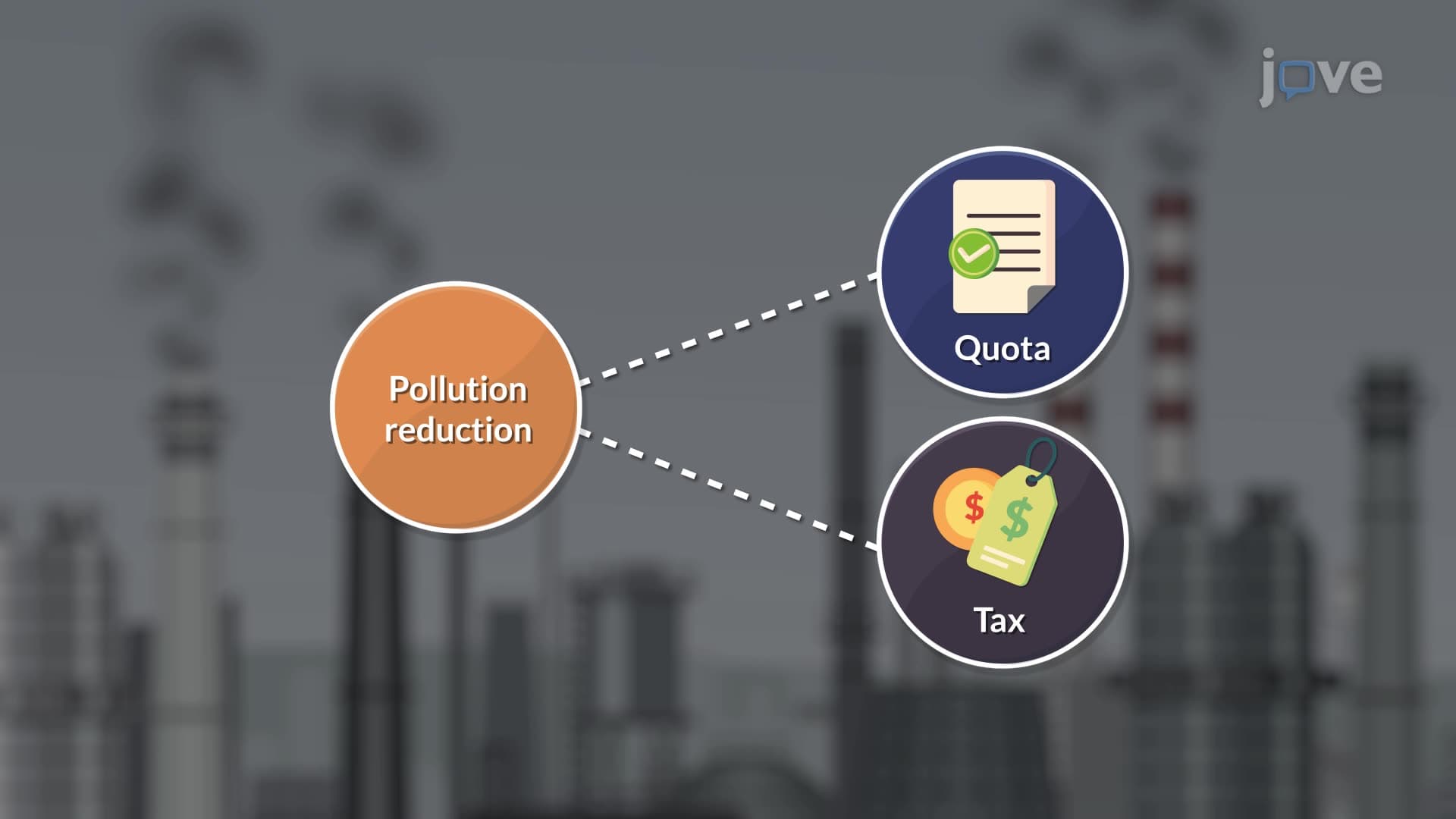
Economists and policymakers have developed several mechanisms to address tragedy of the commons situations. Pigouvian taxes internalize external costs by making resource users pay for their share of collective damage. For example, carbon taxes aim to address climate change by making fossil fuel users pay for environmental costs.
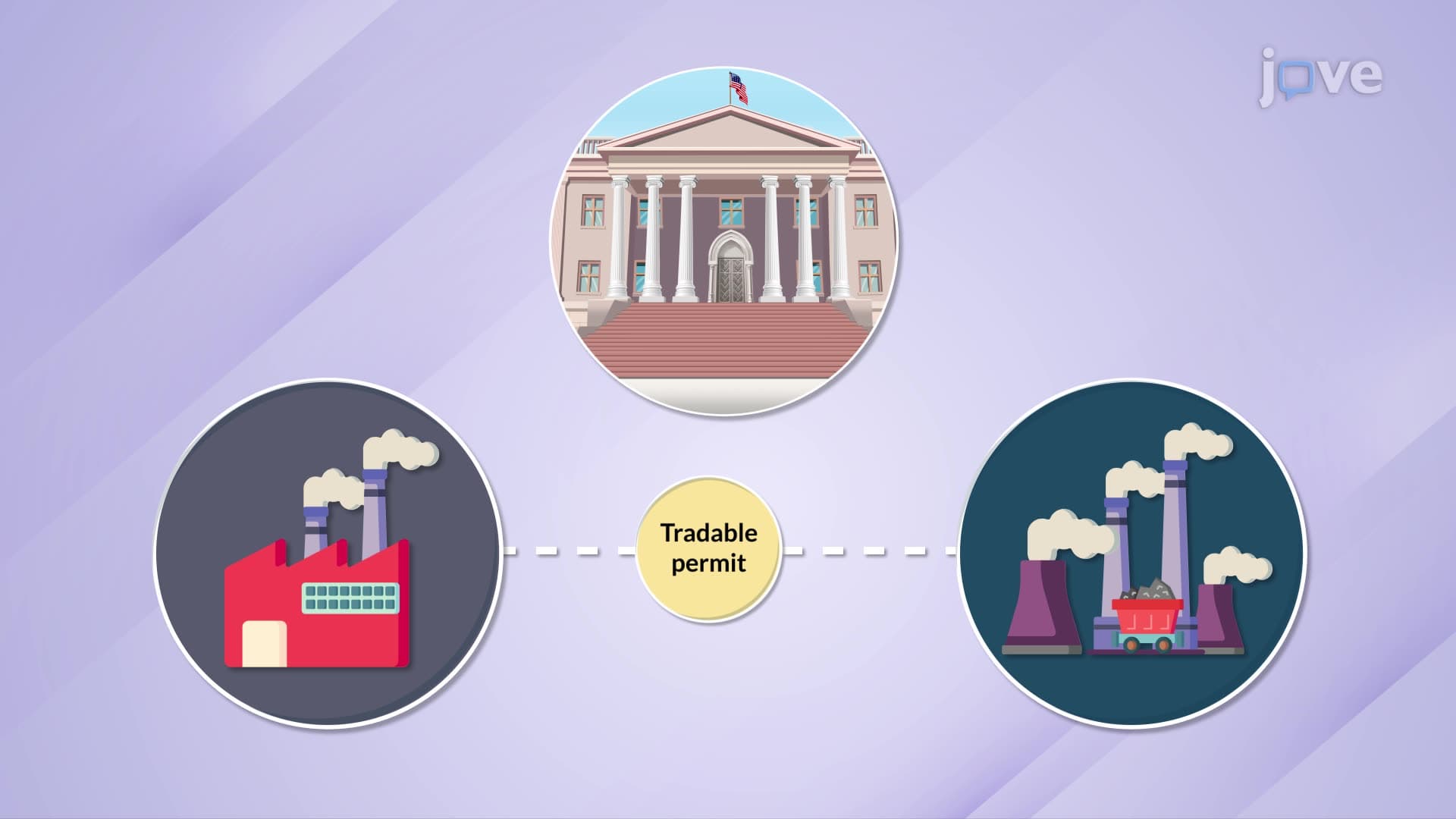
Quota systems, like those used in Alaska's crab fishing industry, directly limit resource extraction. The Individual Transferable Quota (ITQ) system creates property rights in fish catches, allowing market forces to allocate resources efficiently while maintaining sustainability.
Students encounter tragedy of the commons questions frequently on AP Economics, AP Environmental Science, and college-level economics examinations. Test questions typically present scenarios requiring students to identify commons dilemmas, predict outcomes, and evaluate policy solutions. Understanding this concept proves essential for analyzing contemporary issues from social media regulation to pandemic response coordination.
The framework also appears in political science courses examining collective action problems, environmental science classes analyzing resource management, and business ethics discussions about corporate social responsibility.
Related Micro-courses