Loading subject page…

- Molecular Biology
- Protein Structure
- Protein Complex Assembly
Micro-course: Protein Structure
234,000 views
Learn key concepts and earn your certificate.

Protein Complex Assembly

00:00
02:41
Video Summary: What Is Protein Complex Assembly
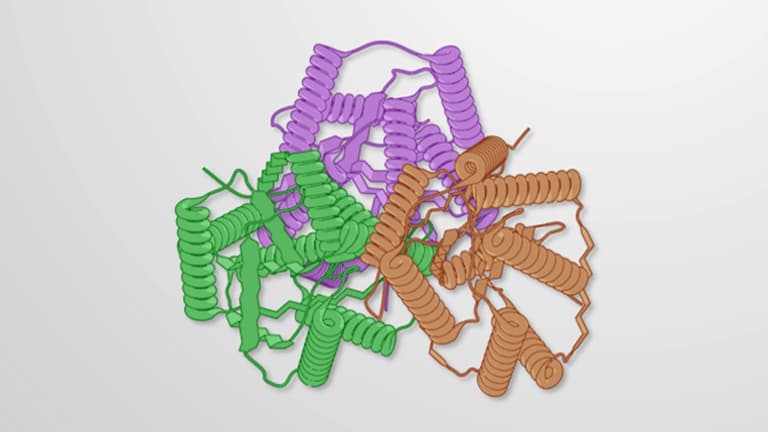
Did you know that hemoglobin in your blood cells is actually four separate protein chains working together as one powerful oxygen-delivery machine? Protein complex assembly is the fascinating process by which individual protein molecules combine to form functional multi-component structures that perform essential cellular tasks. From the insulin your pancreas produces to the antibodies protecting you from COVID-19, virtually every critical biological process in the human body depends on these precisely assembled protein teams. Watch the full video on JoVE Coach to master this concept with expert-led visuals and step-by-step explanations.
- Understand what protein complex assembly is and why it's essential for cellular function and human health
- Identify the difference between homomeric complexes (identical subunits) and heteromeric complexes (different subunits)
- Analyze how proteins contain intrinsic information that enables self-assembly into functional structures
- Compare normal protein assembly with disease-related misassembly, such as in sickle cell anemia
- Evaluate the role of molecular chaperones in assisting complex protein assembly processes
- Apply knowledge of assembly mechanisms to understand viral replication and cellular machinery function
- Recognize real-world examples of protein complexes in human physiology and disease
- Explore how assembly defects contribute to genetic disorders and potential therapeutic targets
Understanding Protein Complex Assembly Fundamentals
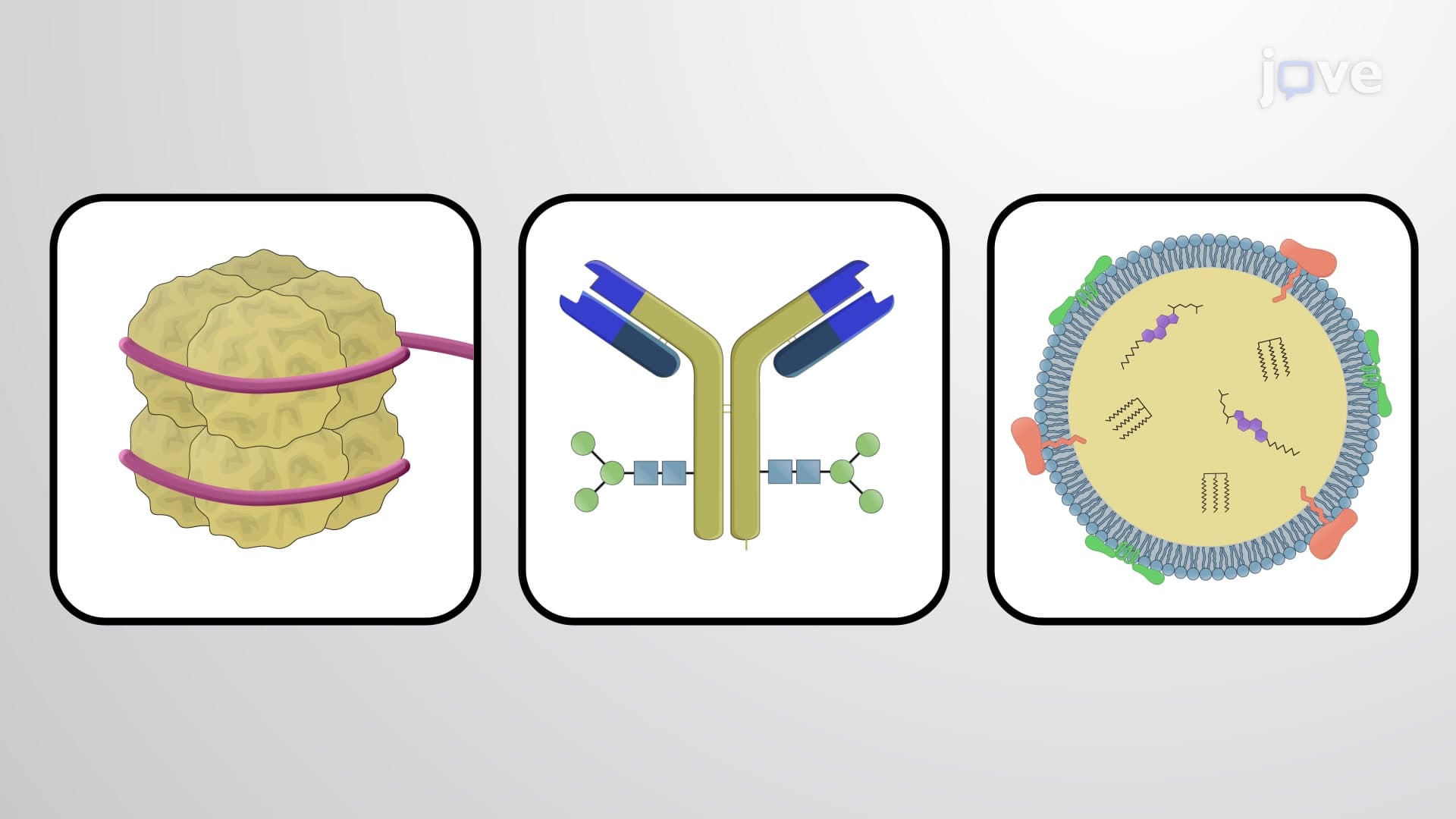
Protein complex assembly represents one of biology's most elegant organizational principles. Rather than functioning as isolated molecules, most proteins collaborate by forming sophisticated multi-component structures that dramatically enhance their capabilities. Think of it like assembling a high-performance engine-each component must fit perfectly with others to create a machine far more powerful than its individual parts.
This assembly process is remarkably precise, allowing proteins to identify their correct partners among thousands of other molecules within a cell. The specificity rivals that of a master locksmith crafting keys that fit only designated locks, ensuring that cellular machinery functions with incredible accuracy.
Types of Protein Complexes in Human Biology
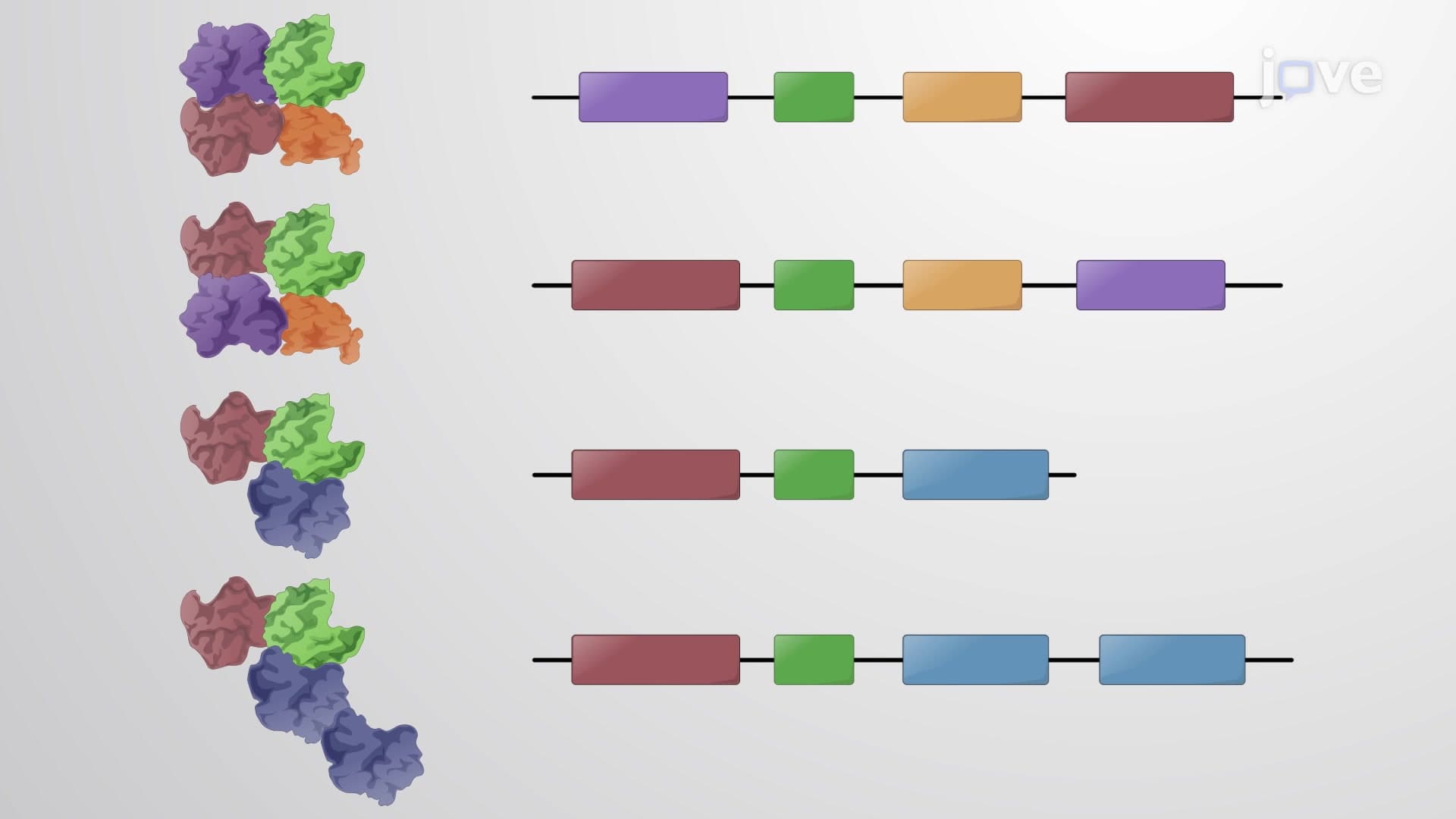
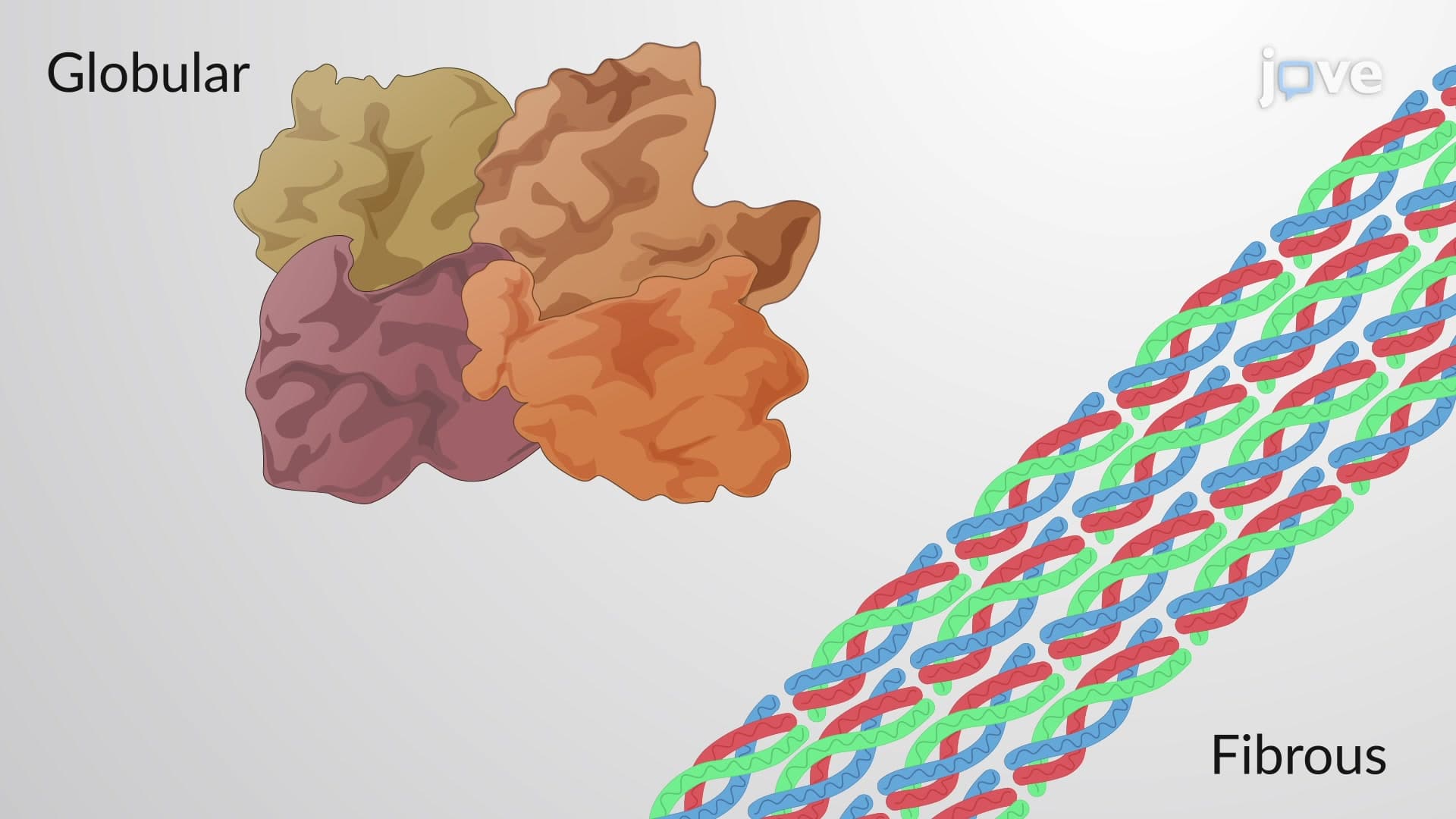
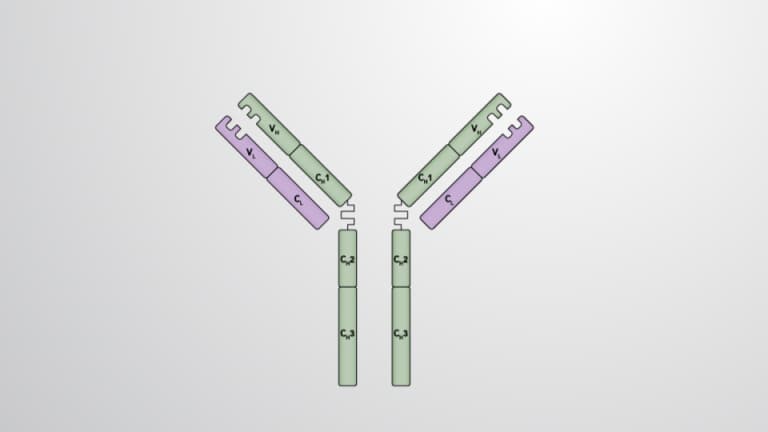
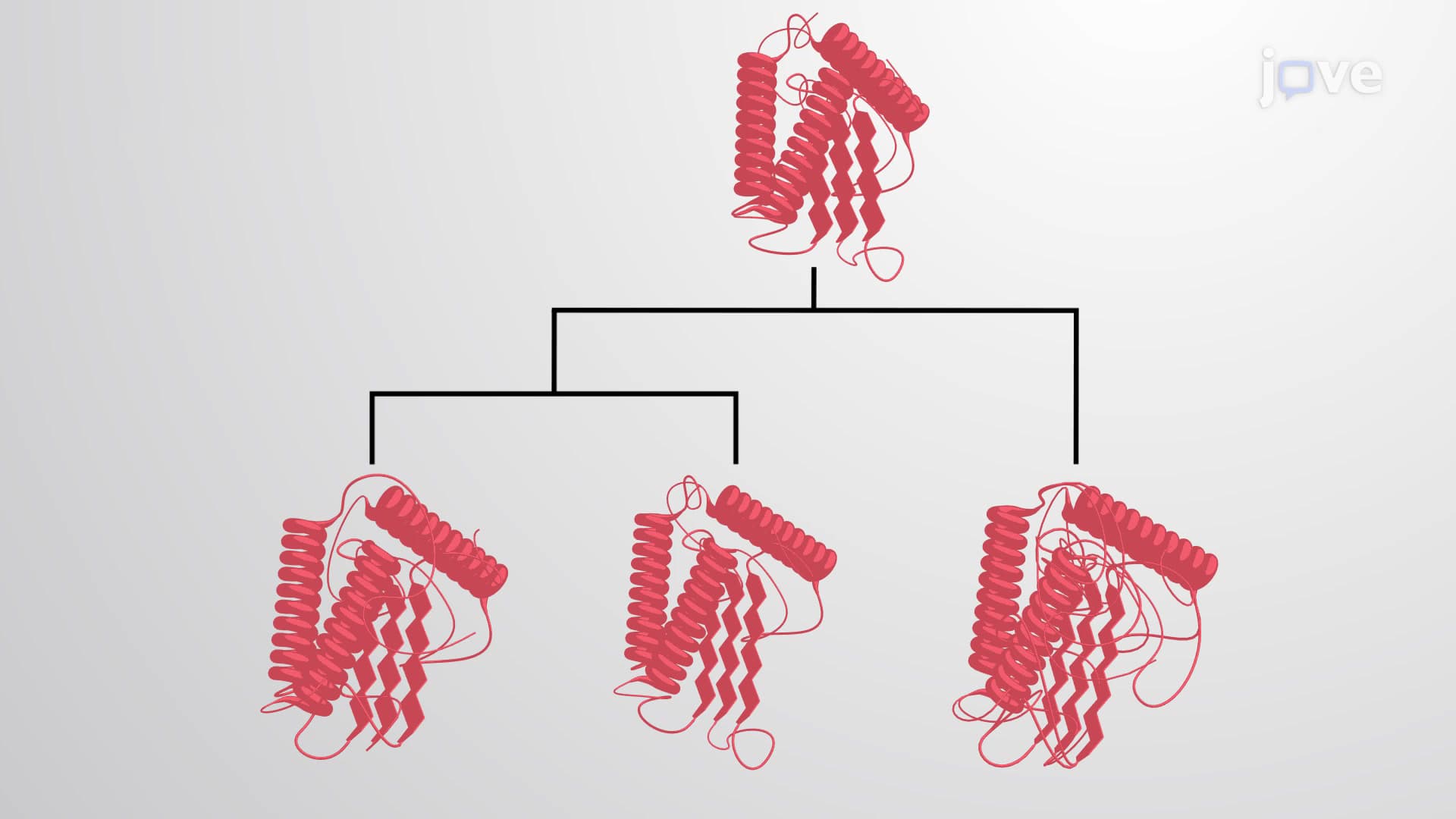
Protein complexes fall into two main categories that students encounter frequently in AP Biology and college biochemistry courses. Homomeric complexes consist of multiple copies of identical protein subunits, like the four identical chains in collagen that give your skin its strength and flexibility. Heteromeric complexes combine different protein types, such as hemoglobin's two alpha and two beta chains that work together to transport oxygen throughout your cardiovascular system.
Understanding this distinction becomes crucial when studying genetic disorders. For instance, Duchenne muscular dystrophy results from defects in dystrophin, a protein that normally assembles with other proteins to maintain muscle cell integrity. When this assembly fails, muscle weakness progressively develops.
Self-Assembly Mechanisms and Cellular Precision
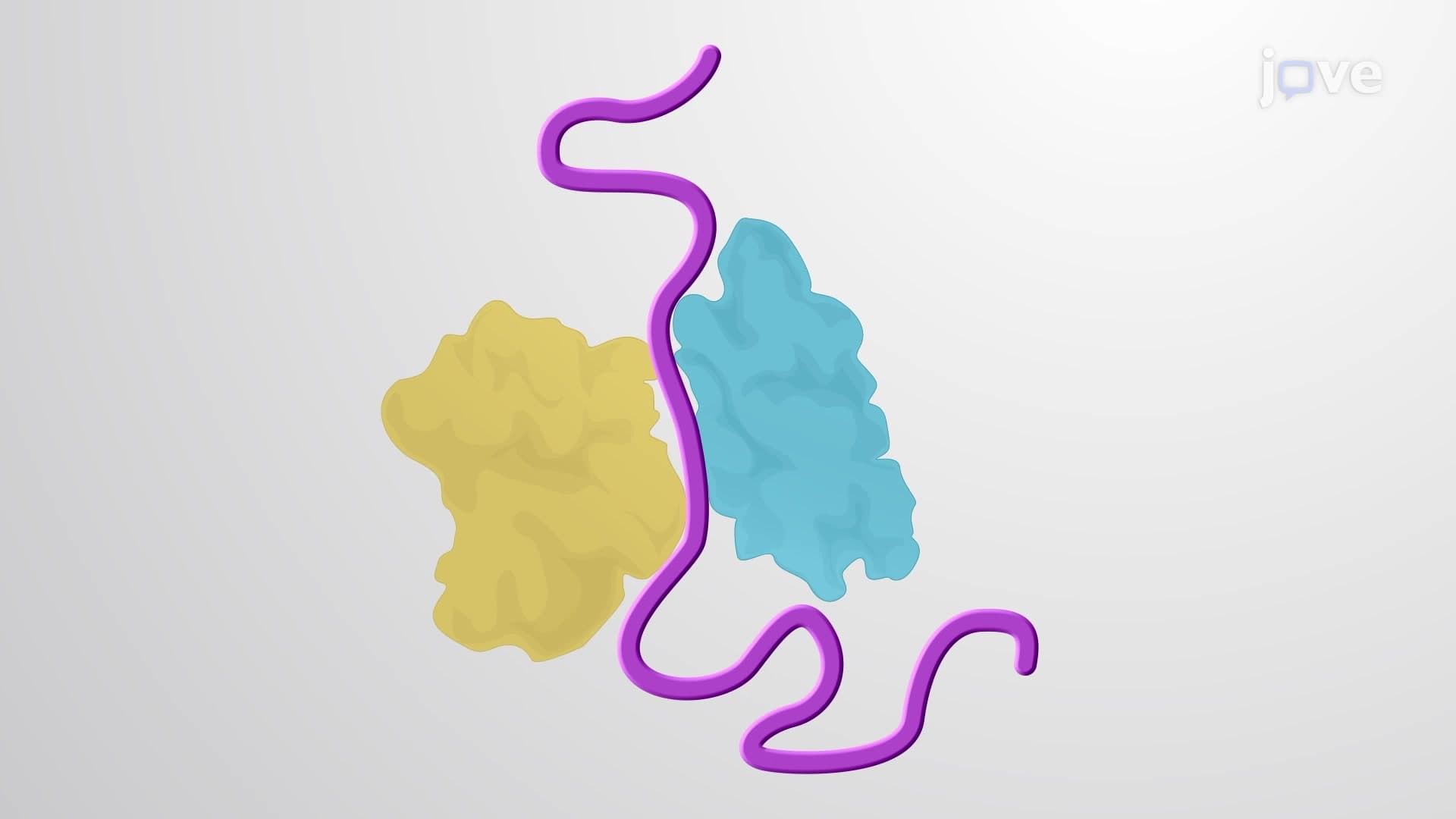
Most protein complexes possess an inherent ability to self-assemble, containing all necessary information within their amino acid sequences. This process resembles how puzzle pieces naturally fit together-the protein shapes and chemical properties guide correct assembly without external instructions.
The tobacco mosaic virus exemplifies this principle perfectly. When this plant pathogen infects cells, its coat proteins spontaneously organize into protective shells around viral RNA. This self-assembly process has inspired biotechnology applications, including vaccine development strategies currently being explored by pharmaceutical companies like Novavax.
When Assembly Goes Wrong: Disease Implications
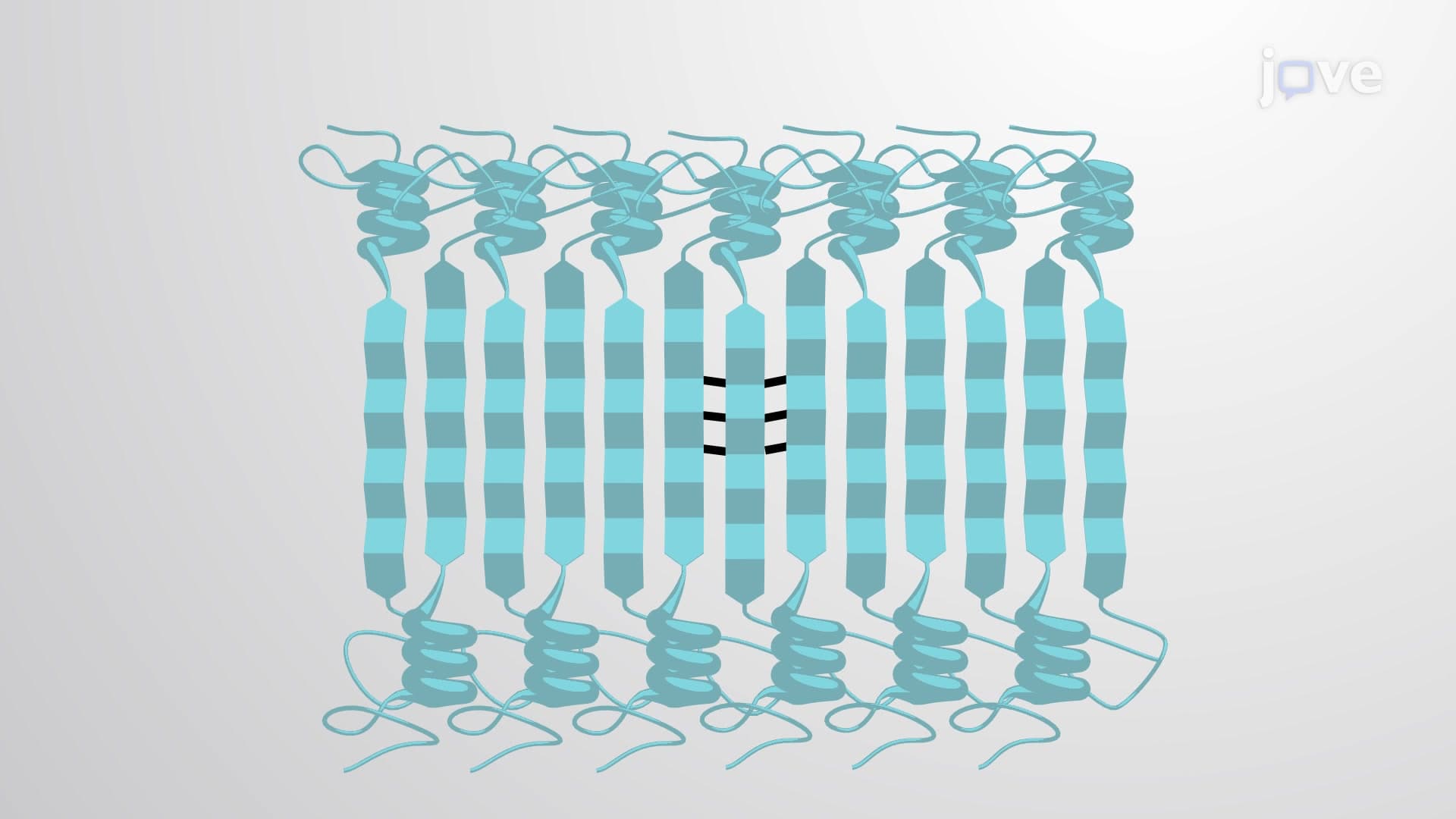
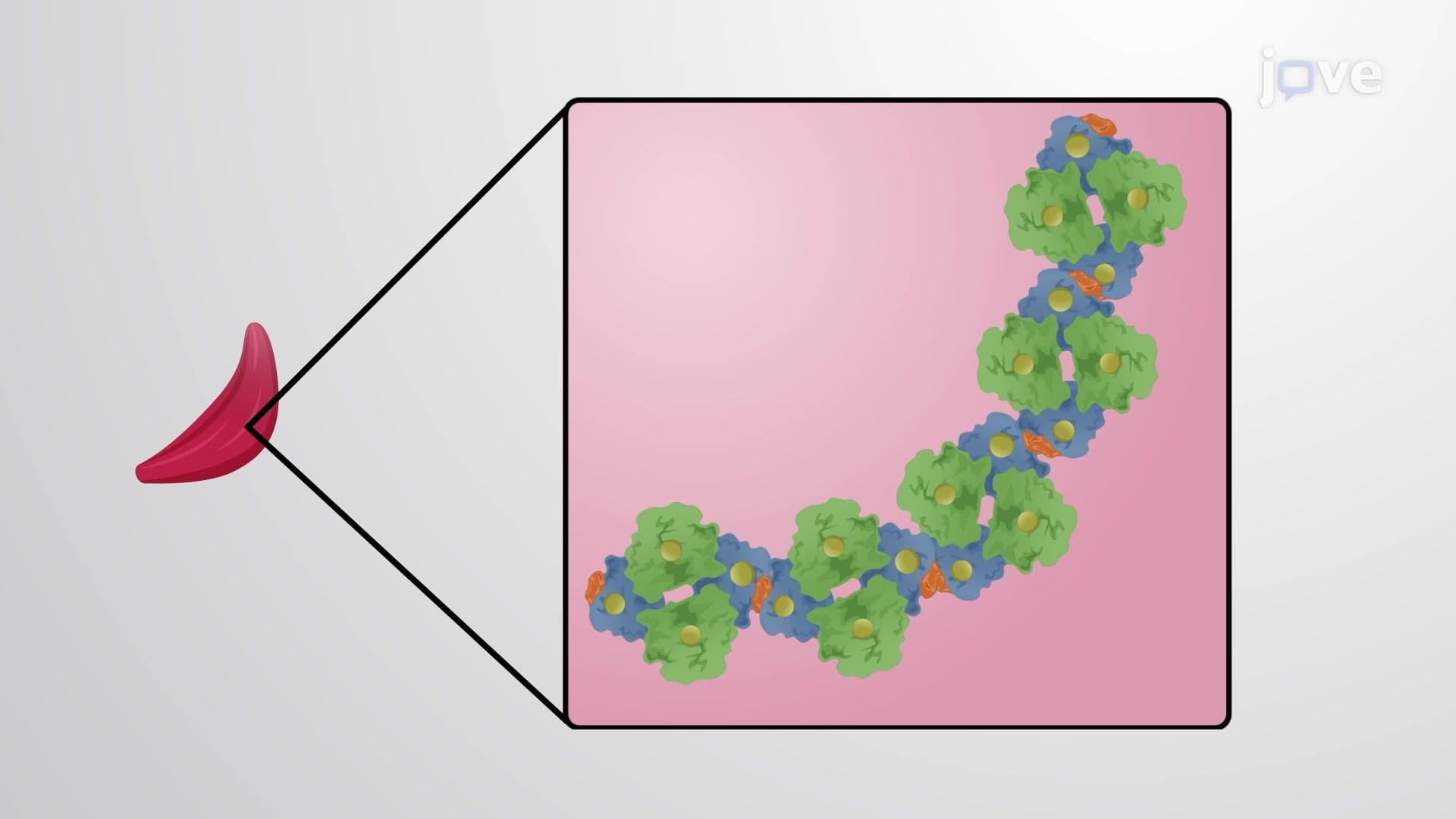
However, protein assembly can malfunction with devastating consequences. Sickle cell anemia, affecting approximately 100,000 Americans, demonstrates how a single amino acid change can disrupt normal assembly patterns. The mutated hemoglobin develops abnormal attractions between molecules, forming rigid fibers that distort red blood cells into characteristic sickle shapes. These deformed cells block blood vessels, causing painful crises and organ damage.
Similar assembly defects contribute to Alzheimer's disease, where amyloid proteins misfold and aggregate into plaques that damage brain tissue. Understanding these mechanisms helps MCAT students grasp connections between molecular biology and clinical medicine.
Frequently Asked Questions
Protein complex assembly is the process where individual protein molecules combine to form functional multi-component structures essential for cellular activities. This process allows proteins to perform sophisticated tasks like oxygen transport, immune defense, and cellular metabolism that individual proteins cannot accomplish alone. Understanding this concept is fundamental for success in AP Biology, college biochemistry, and pre-health coursework.
MCAT questions frequently test assembly mechanisms in contexts like enzyme regulation, membrane proteins, and disease pathogenesis. AP Biology exams often focus on hemoglobin structure, viral assembly, and how mutations affect protein interactions. Students should understand both normal assembly processes and disease-related misfolding for comprehensive exam preparation.
Homomeric complexes contain multiple copies of identical protein subunits, while heteromeric complexes combine different protein types. For exam success, memorize key examples: collagen (homomeric) versus hemoglobin (heteromeric with alpha and beta chains). This distinction frequently appears in multiple-choice questions and essay prompts about protein structure and function.
In sickle cell anemia, a single amino acid mutation in hemoglobin creates abnormal protein-protein interactions, causing hemoglobin molecules to stick together and form rigid fibers. This misassembly transforms flexible, round red blood cells into rigid, crescent-shaped cells that block blood vessels and cause pain crises. This example demonstrates how molecular-level assembly defects create serious clinical consequences affecting over 100,000 Americans.
Basic high school chemistry provides sufficient foundation for understanding protein assembly concepts. You'll need familiarity with hydrogen bonding, hydrophobic interactions, and protein structure, but advanced organic chemistry isn't required. Focus on conceptual understanding rather than memorizing complex chemical formulas for success in introductory biology courses.
Create concept maps linking assembly types (homomeric vs. heteromeric) with specific examples like hemoglobin and collagen. Practice drawing assembly processes step-by-step and explaining how mutations disrupt normal assembly. Use active recall by teaching concepts to classmates and connecting molecular mechanisms to disease examples for comprehensive understanding.
Protein assembly knowledge provides essential foundation for understanding disease mechanisms, drug development, and diagnostic approaches in medical practice. Many genetic disorders, cancer processes, and neurological conditions involve assembly defects, making this concept crucial for clinical reasoning. Strong grasp of these principles enhances performance on USMLE Step 1 and clinical rotations.
Consider studying protein folding diseases like Alzheimer's and Parkinson's, exploring how molecular chaperones assist assembly, and investigating biotechnology applications of self-assembling systems. These topics provide excellent preparation for advanced biochemistry courses, research opportunities, and graduate school applications in biomedical fields.
Related Micro-courses


