Loading subject page…


141,800 views
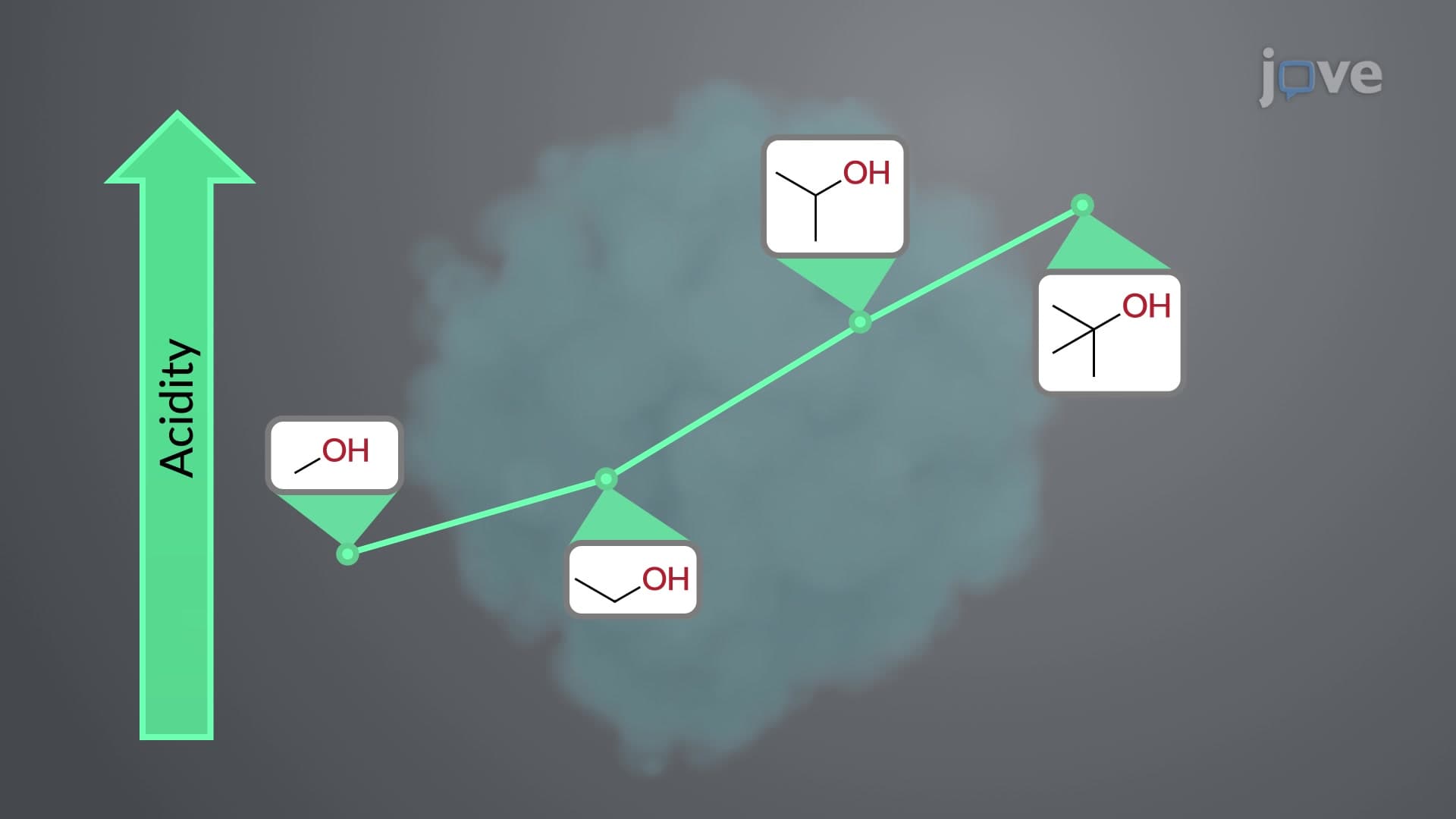

Video Summary: Acidity and Basicity of Alcohols Explained
Ever wondered why rubbing alcohol stings an open wound differently than soap? The acidity and basicity of alcohols creates unique chemical behaviors that affect everything from pharmaceutical effectiveness to industrial cleaning processes. Unlike simple acids or bases, alcohols can act as both - a property that makes ethanol in hand sanitizers effective against bacteria while remaining safe for skin contact. Understanding Acidity And Basicity of Alcohols Explained reveals how molecular structure determines these dual properties. Watch the full video on JoVE Coach to master this concept with expert-led visuals and step-by-step explanations.
Alcohols occupy a unique position in organic chemistry due to their amphoteric nature - they can function as both acids and bases depending on reaction conditions. This dual behavior stems from the oxygen atom's electronic structure, which contains both acidic hydrogen atoms and basic lone electron pairs. In pharmaceutical manufacturing, this property allows alcohol-based solvents to interact with both acidic and basic drug compounds, making them versatile reaction media.
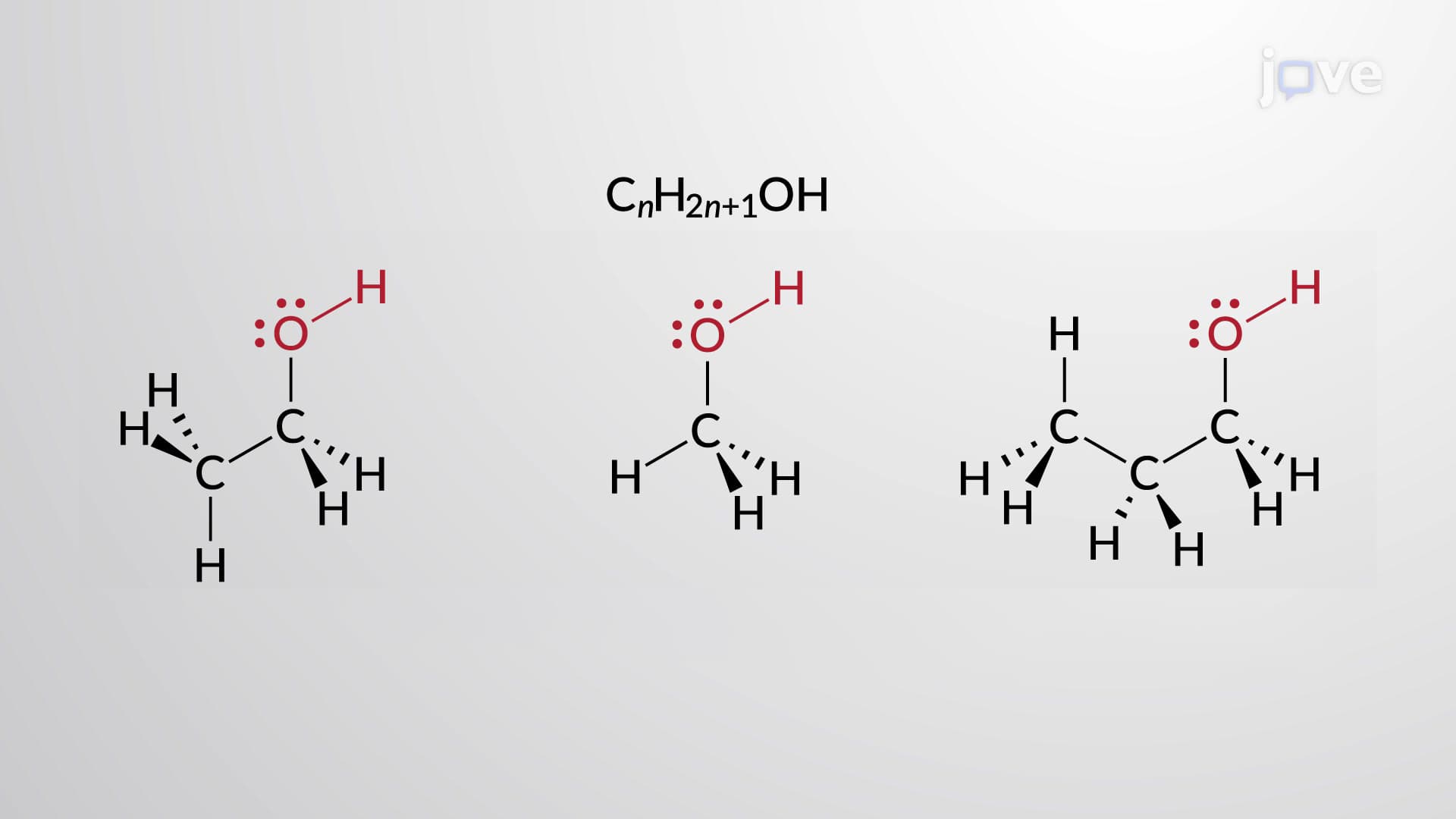
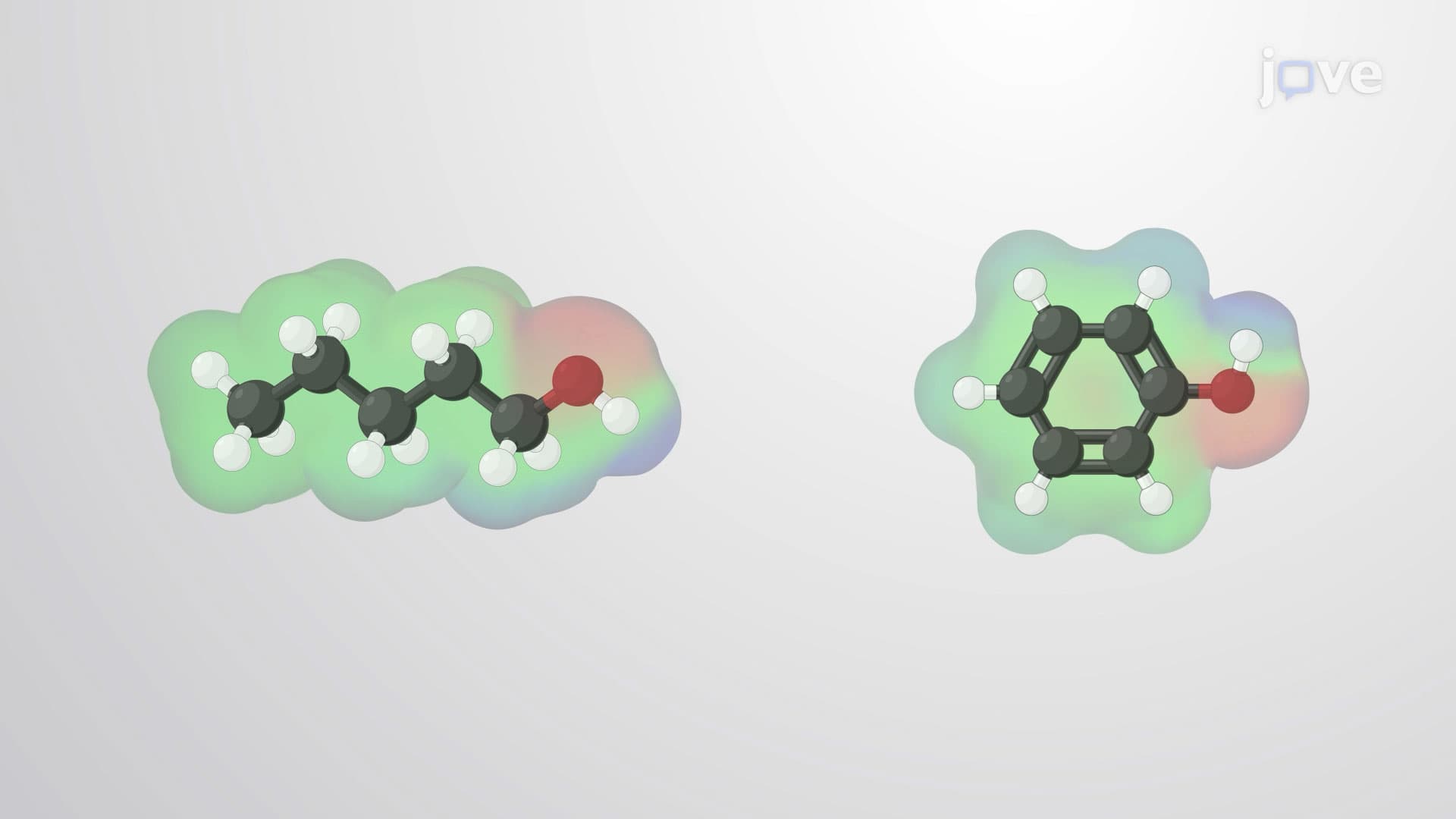
The acidity of alcohols directly correlates with the stability of their conjugate bases. When methanol loses a proton, it forms methoxide ion (CH₃O⁻), while phenol produces phenoxide ion (C₆H₅O⁻). The phenoxide ion benefits from resonance stabilization through the aromatic ring, distributing negative charge across multiple carbon atoms. This stabilization makes phenols approximately one million times more acidic than simple alcohols - a concept frequently tested on AP Chemistry exams and college organic chemistry midterms.
Substituent groups dramatically influence alcohol acidity through inductive effects. Trifluoroethanol (CF₃CH₂OH) demonstrates this principle clearly - the three fluorine atoms withdraw electron density from the alcohol's oxygen atom, stabilizing the resulting alkoxide ion. This electron withdrawal increases acidity by approximately 10,000-fold compared to ethanol. Students preparing for MCAT organic chemistry sections should recognize that electron-withdrawing groups (halogens, nitro groups) increase acidity, while electron-donating groups (alkyl chains, methoxy groups) decrease it.
Understanding alcohol acidity proves essential in chemical manufacturing processes across the United States. For example, DuPont's production facilities utilize controlled pH environments where alcohol acidity affects reaction rates and product yields. In pharmaceutical synthesis, companies like Pfizer must carefully balance alcohol basicity when designing drug delivery systems, as excessive basicity can cause premature drug degradation in acidic stomach environments.
Related Micro-courses