Loading video…


 12 Concepts
 141.8K views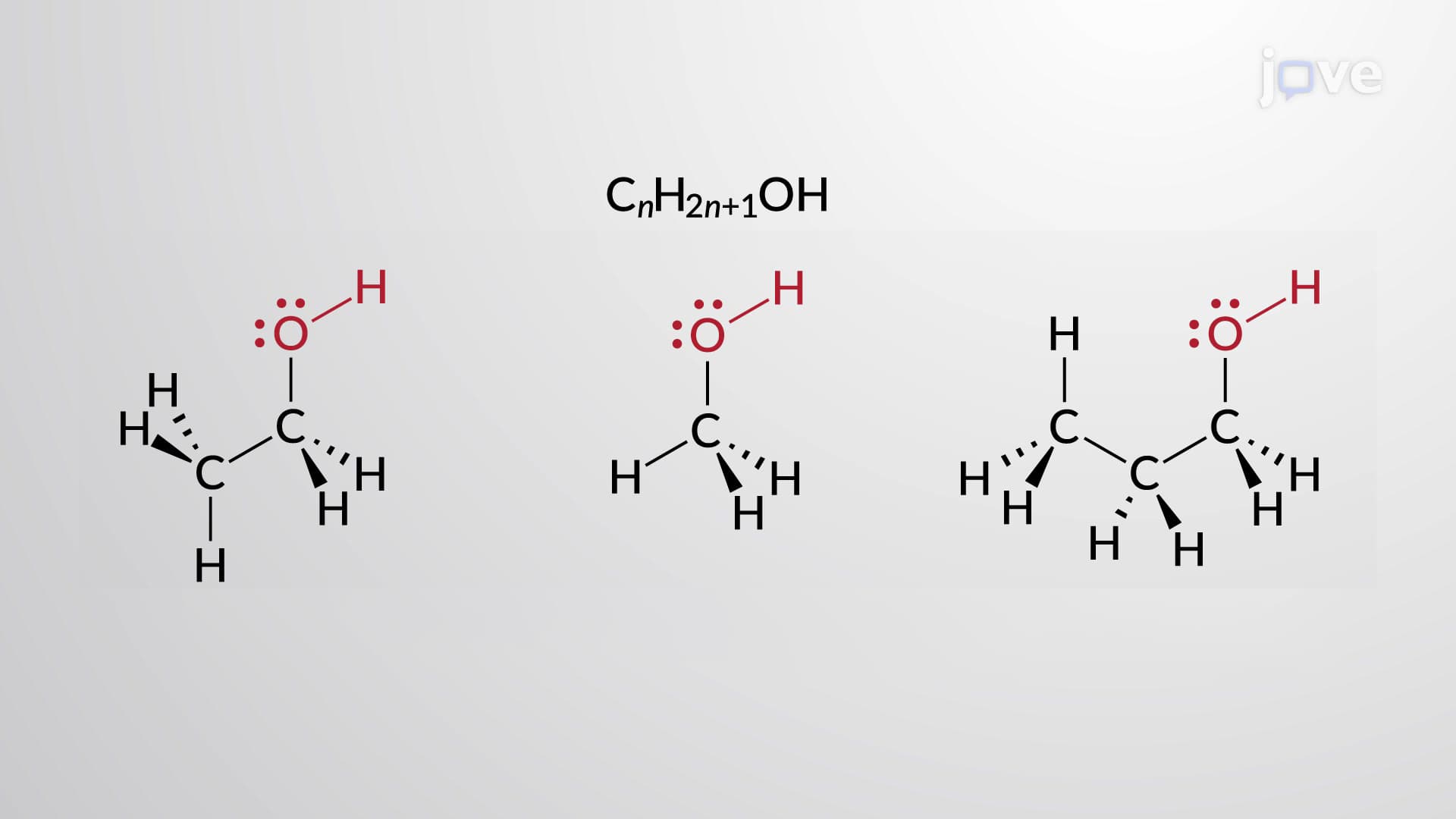

Video Summary: Structure and Nomenclature of Alcohols Explained
Ever wondered why isopropyl alcohol, found in every US pharmacy, has such a specific name? The structure nomenclature alcohols system follows precise rules that reveal each molecule's exact architecture. From the hydroxyl group's tetrahedral geometry to IUPAC naming conventions, Structure And Nomenclature of Alcohols Explained unveils how chemists systematically identify and categorize these essential compounds used in everything from hand sanitizers to pharmaceuticals. Watch the full video on JoVE Coach to master this concept with expert-led visuals and step-by-step explanations.
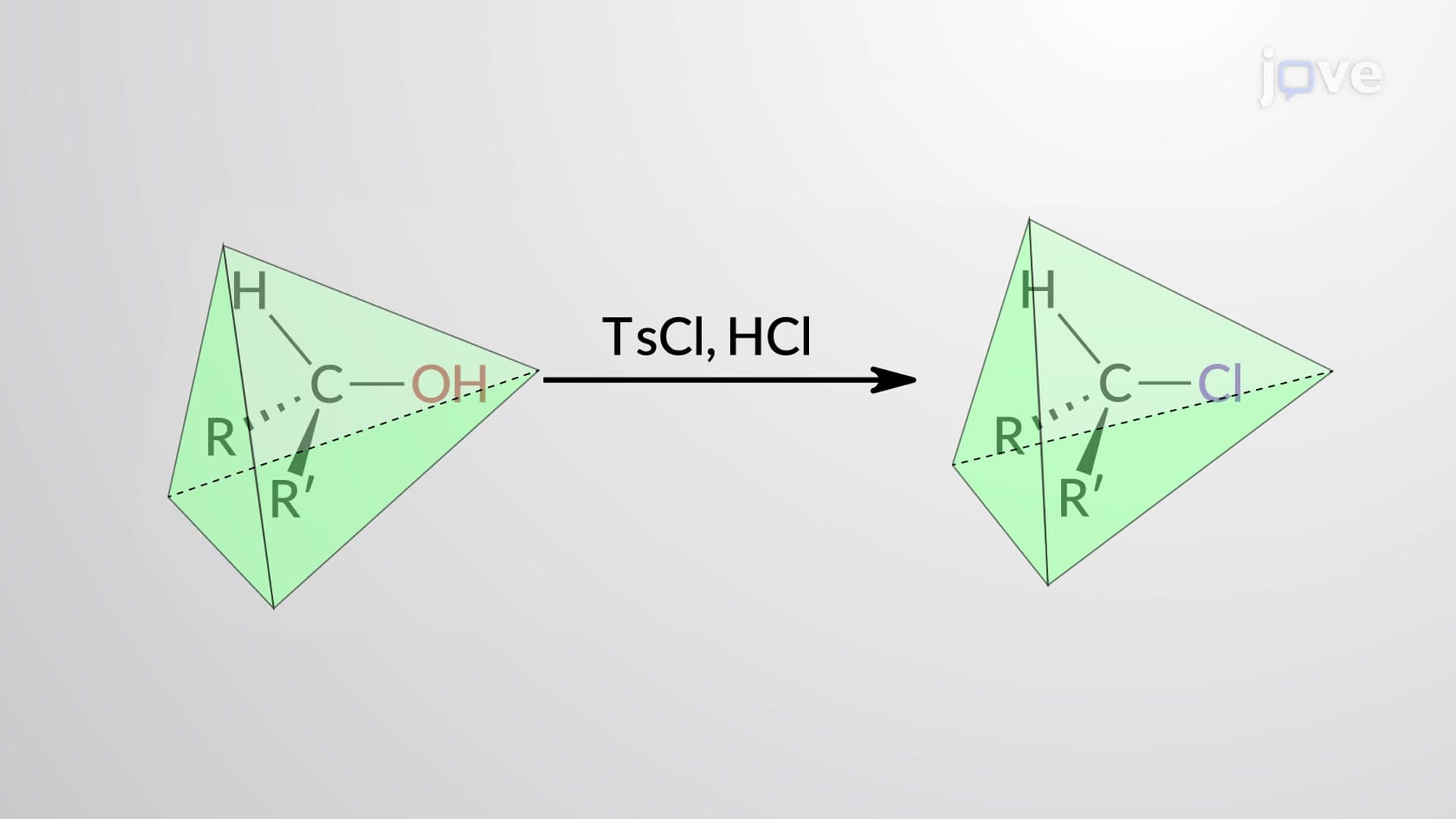
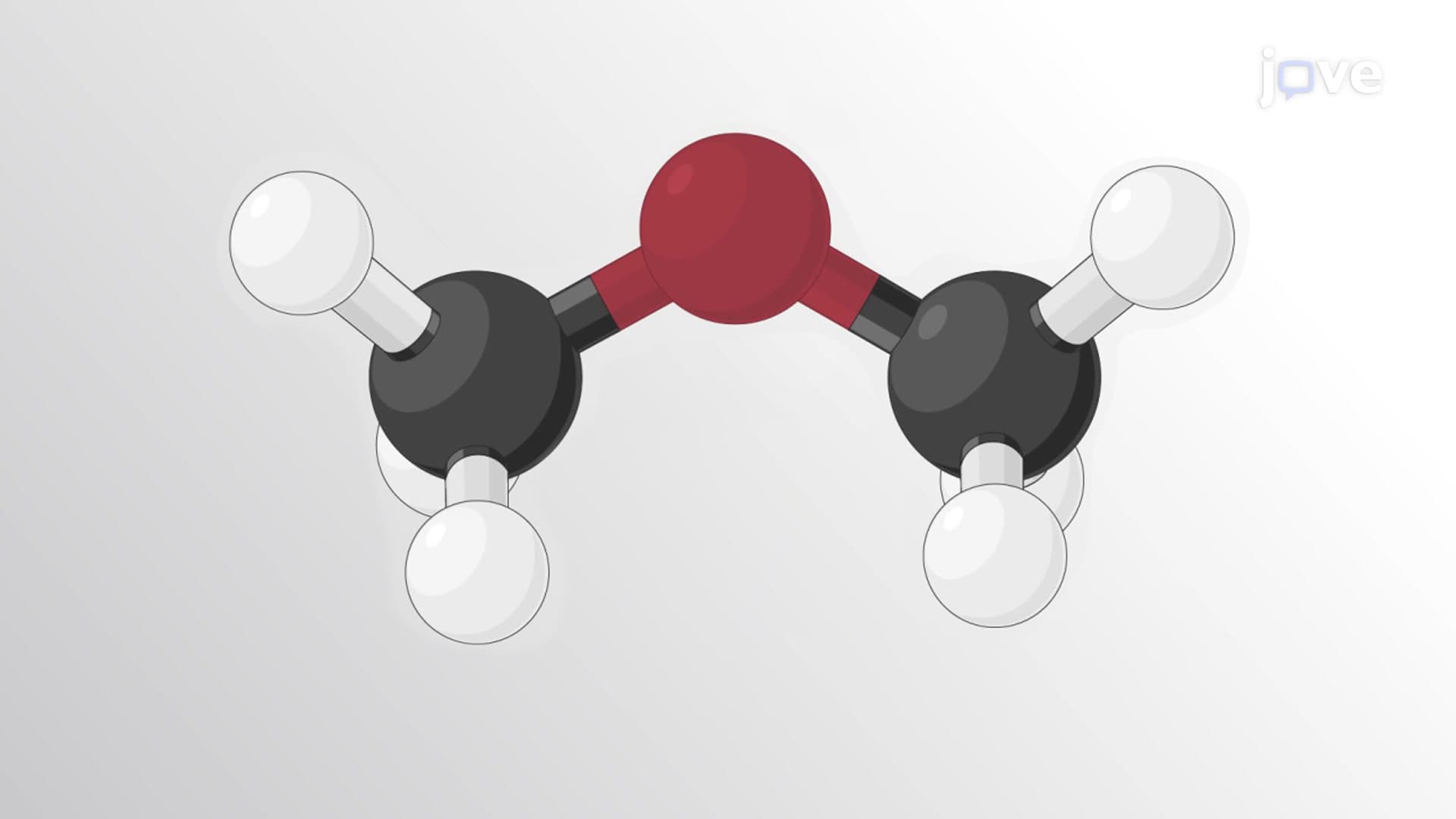
Alcohols represent one of the most important functional groups in organic chemistry, appearing extensively in AP Chemistry exams and college-level coursework. These compounds follow the general formula CnH2n+1OH, where the hydroxyl group (-OH) attaches to an sp3-hybridized carbon atom. This structural arrangement creates a bent molecular geometry around the oxygen atom, with bond angles approximating 109.5° due to tetrahedral electron pair geometry. Understanding this three-dimensional structure proves essential for predicting physical properties and reactivity patterns that frequently appear on the MCAT and standardized chemistry assessments.
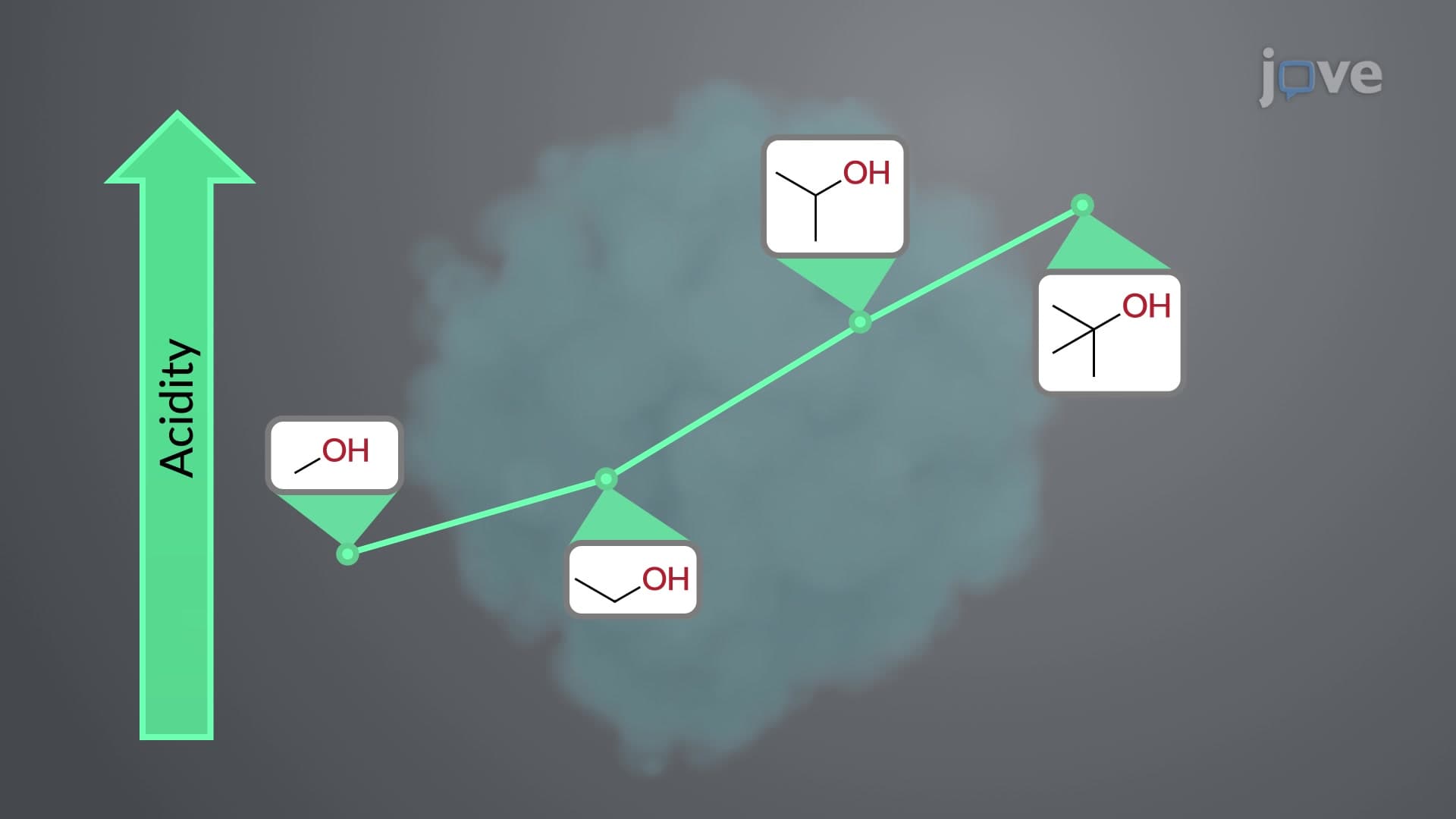
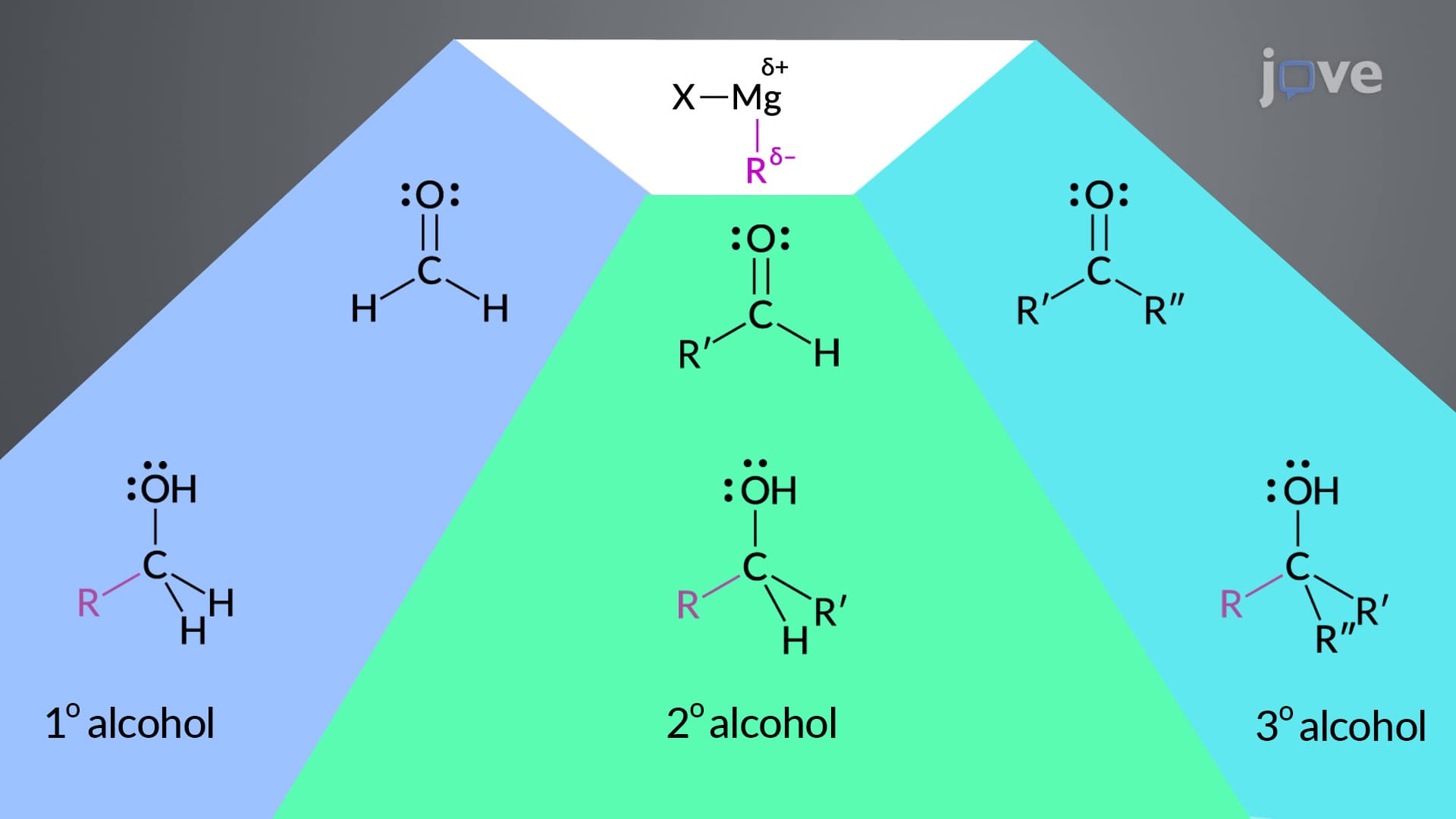
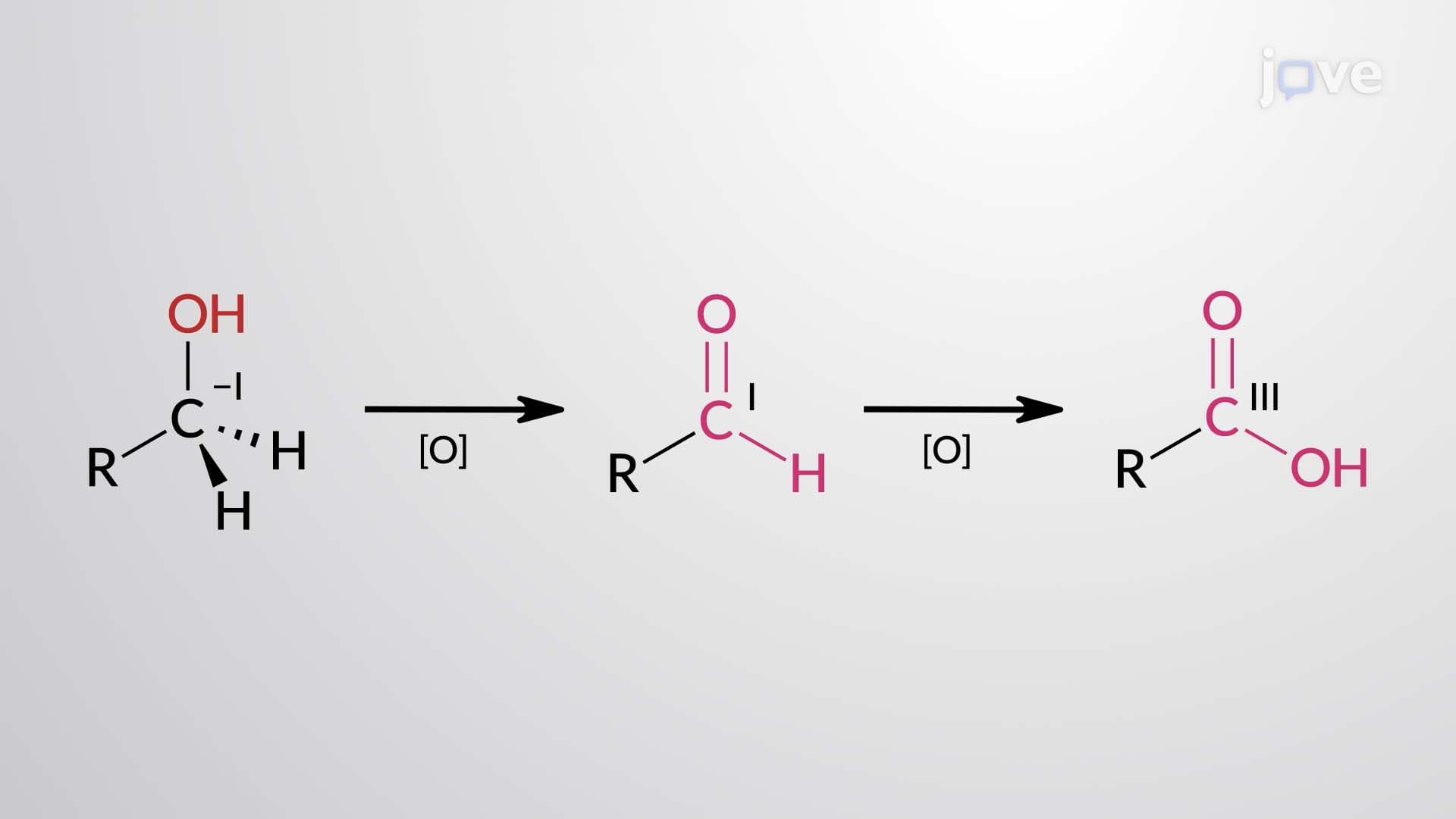
The classification of alcohols as primary (1°), secondary (2°), or tertiary (3°) depends entirely on the number of carbon atoms bonded to the carbon bearing the hydroxyl group. Primary alcohols, like ethanol found in hand sanitizers across US hospitals, have the -OH group attached to a carbon bonded to only one other carbon atom. Secondary alcohols, such as isopropyl alcohol used in medical facilities, feature the hydroxyl carbon connected to two other carbons. Tertiary alcohols, like tert-butanol used in pharmaceutical synthesis, have three carbon-carbon bonds at the hydroxyl-bearing position. This classification system directly impacts naming conventions and appears regularly in organic chemistry problem sets.
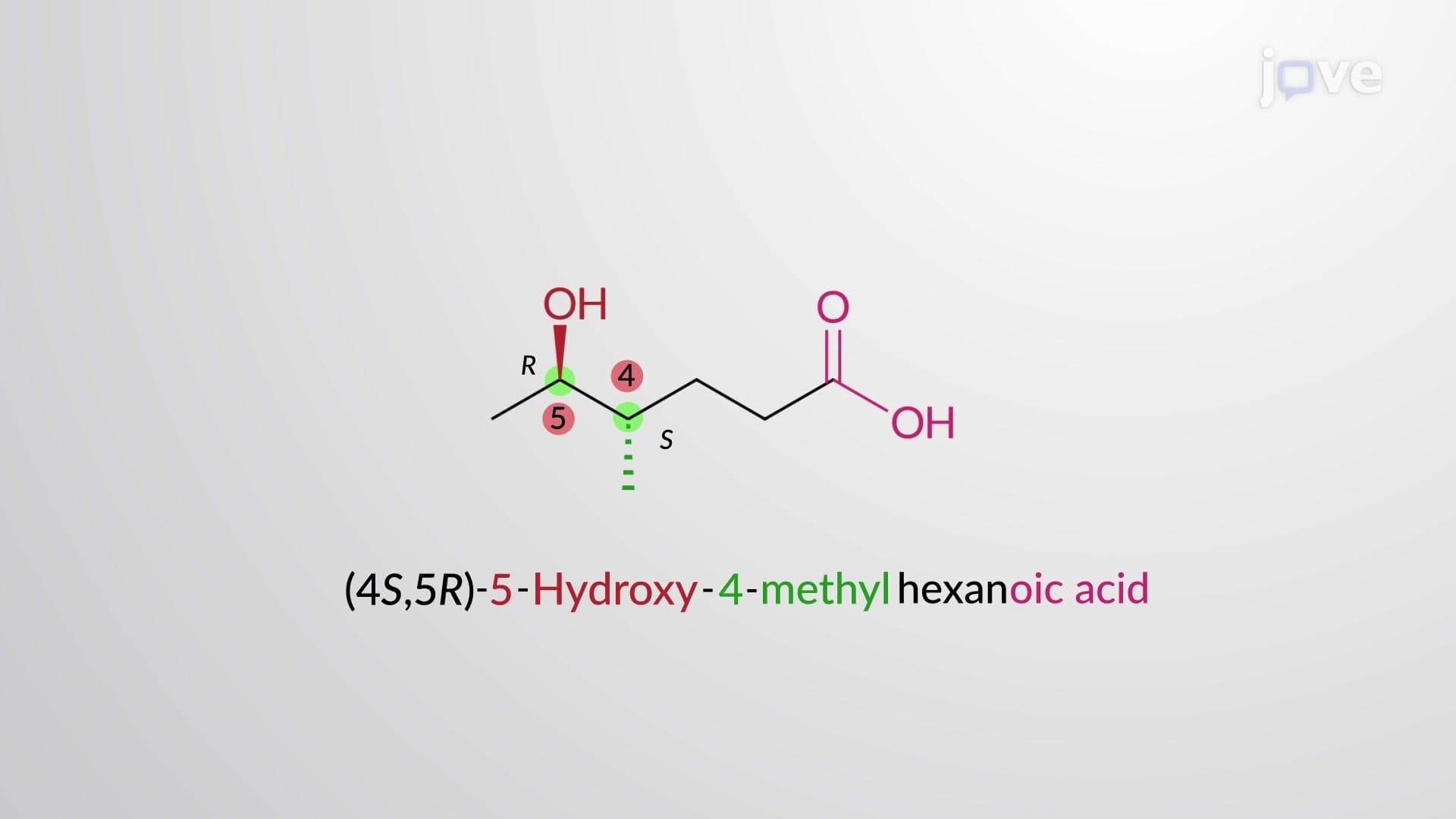
The International Union of Pure and Applied Chemistry (IUPAC) provides systematic naming rules that replace the final "e" in alkane names with "ol" to indicate alcohol presence. For example, propane becomes propanol when containing a hydroxyl group. Locants (numerical position indicators) specify the hydroxyl group's location and can appear either before the parent chain name or before the suffix. Priority rules dictate that hydroxyl groups take precedence over alkene bonds during chain numbering, a concept frequently tested in college organic chemistry courses. Students preparing for standardized exams must master these systematic approaches to earn full credit on nomenclature problems.
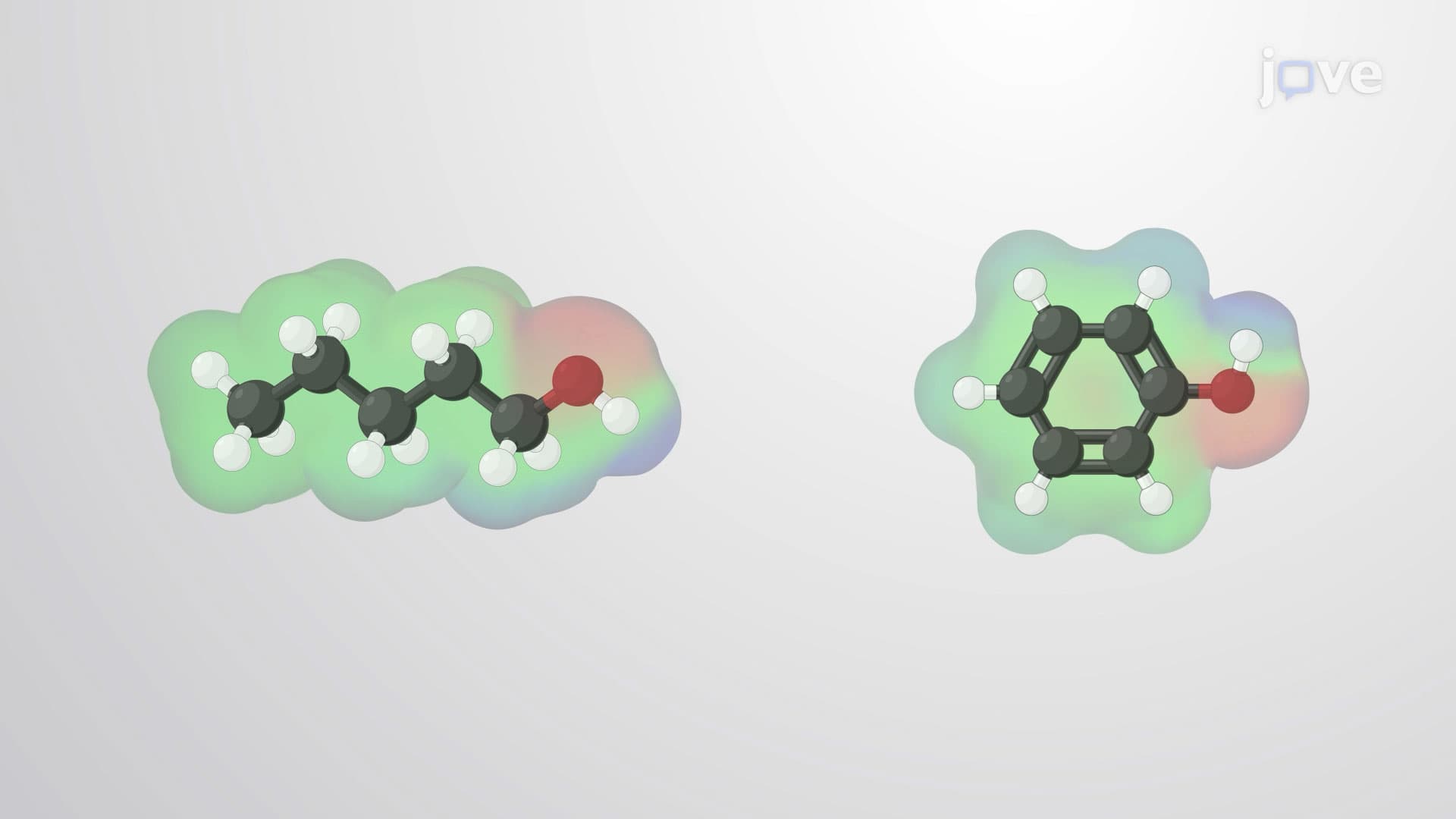
Cyclic alcohols incorporate the prefix "cyclo" and number the hydroxyl-bearing carbon as position one, creating names like cyclohexanol. Polyols (compounds with multiple hydroxyl groups) retain the parent chain's final "e" and add multiplier prefixes such as "di" and "tri" to create terms like ethylene glycol (1,2-ethanediol). Phenols, where hydroxyl groups attach to aromatic rings, represent a distinct category using benzene-derived nomenclature. The pharmaceutical industry extensively uses phenolic compounds, making this classification system crucial for pre-med students and those pursuing chemistry-related careers.
Related Micro-courses