Loading video…


 12 Concepts
 141.8K views
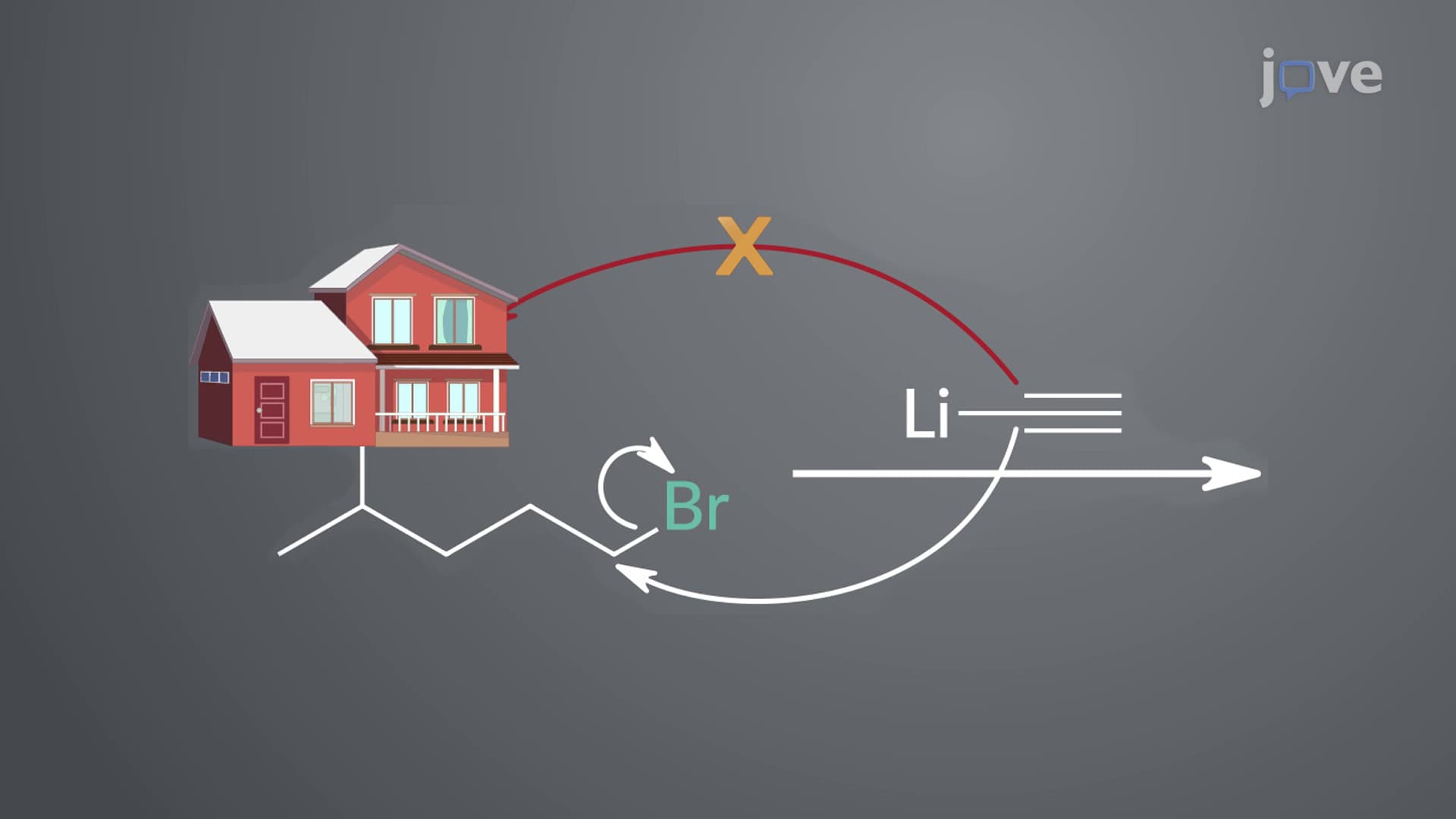

Video Summary: What are Protection of Alcohols
Ever wondered why pharmaceutical companies can selectively modify complex drug molecules without destroying them? The protection of alcohols is a crucial organic chemistry technique that temporarily shields reactive hydroxyl groups during synthesis. Just like how MIT chemists protect specific alcohol groups when synthesizing life-saving medications, this method allows chemists to perform reactions on one part of a molecule while keeping other parts unchanged. Watch the full video on JoVE Coach to master this concept with expert-led visuals and step-by-step explanations.
Protection of alcohols is an essential strategy in organic chemistry where chemists temporarily convert reactive hydroxyl (-OH) groups into less reactive derivatives. This technique allows selective reactions to occur elsewhere in the molecule without interference from the alcohol functionality. Think of it like putting tape over certain areas when painting a room, you protect what you don't want to change while modifying other parts.
The concept becomes critical when dealing with complex molecules containing multiple functional groups. For instance, when pharmaceutical companies at Pfizer or Merck synthesize new drugs, they often need to modify one specific part of a molecule while leaving alcohol groups intact. Without protection strategies, the reactive hydroxyl groups would interfere with the intended reactions, leading to unwanted side products or complete reaction failure.
The trialkylsilyl family represents one of the most versatile protecting groups for alcohols. These include trimethylsilyl (TMS), tert-butyldimethylsilyl (TBDMS), and triisopropylsilyl (TIPS) groups. When an alcohol reacts with a trialkylsilyl chloride in the presence of imidazole, it forms a stable silyl ether that resists nucleophilic attack and basic conditions. The beauty of this system lies in its selective removal using fluoride sources like tetrabutylammonium fluoride (TBAF), which specifically cleaves the silicon-oxygen bond without affecting other parts of the molecule.
Another important protecting group is the tetrahydropyranyl (THP) group, which forms acetals with alcohols under acidic conditions. This protection strategy is particularly valuable when working with strong bases, as the acetal linkage remains stable under basic conditions but can be easily removed through acid hydrolysis when the synthesis is complete.
Choosing the right protecting group requires careful consideration of the planned reaction conditions. For AP Chemistry and college organic chemistry courses, students learn that protecting group selection follows three key criteria: the group must be stable under reaction conditions, easily installed, and readily removable without affecting other functionalities.
Methyl ethers illustrate an interesting selectivity principle. While they can protect phenols effectively (since phenoxide ions are good leaving groups), they're unsuitable for protecting typical alcohols because alkoxide leaving groups are too poor under standard deprotection conditions. This selectivity makes methyl ethers valuable for protecting aromatic alcohols in pharmaceutical synthesis while leaving aliphatic alcohols available for further reactions.
The deprotection process must regenerate the original alcohol quantitatively. Whether using TBAF for silyl ether cleavage or acid hydrolysis for acetal removal, the conditions must be mild enough to preserve other sensitive functionalities in the molecule. This balance between protection efficiency and gentle deprotection makes protecting group chemistry both an art and a science in advanced organic synthesis.
Related Micro-courses