Loading subject page…

- Organic Chemistry
- Aromatic Compounds
- Structure of Benzene: Kekulé Model
Micro-course: Aromatic Compounds
89,601 views
Learn key concepts and earn your certificate.


Structure of Benzene: Kekulé Model

00:00
01:07
Video Summary: Structure of Benzene Kekul Model Explained
Why does benzene smell like gasoline but behave so differently from other hydrocarbons? The structure of benzene Kekul model revolutionized organic chemistry in 1865 when August Kekulé proposed his groundbreaking cyclic theory. This model explains why benzene, found in petroleum products and industrial solvents across the US, has such unique chemical properties compared to simple alkenes. Structure of Benzene Kekul Model Explained reveals the historical foundation of modern aromatic chemistry. Watch the full video on JoVE Coach to master this concept with expert-led visuals and step-by-step explanations.
- Understand the Structure of Benzene Kekul Model Explained and its historical significance in organic chemistry development
- Identify the key features of Kekulé's proposed benzene structure including the six-carbon ring with alternating bonds
- Analyze why Kekulé's model successfully explained carbon tetravalency but failed to predict benzene's unique reactivity
- Compare the predicted versus observed isomers of dibromobenzene derivatives in Kekulé's framework
- Evaluate the limitations of the Kekulé model in explaining benzene's substitution reactions versus addition reactions
- Apply knowledge of Kekulé structures to understand historical development of aromatic chemistry concepts
- Recognize the difference between Kekulé's rapid equilibrium hypothesis and modern resonance theory
- Explore how Kekulé's foundational work led to current understanding of aromatic stability and delocalization
Understanding the Structure of Benzene Kekul Model Explained
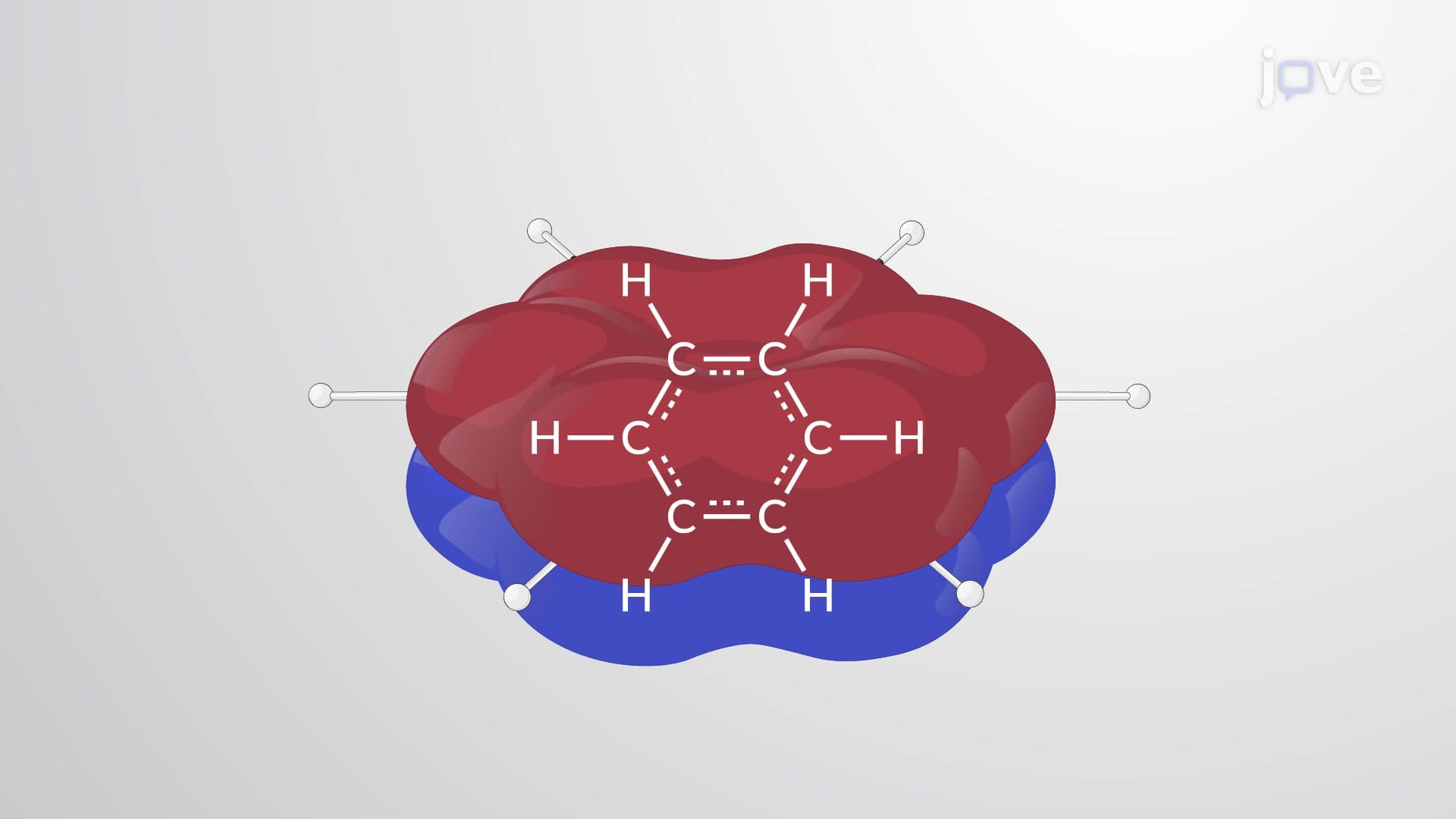
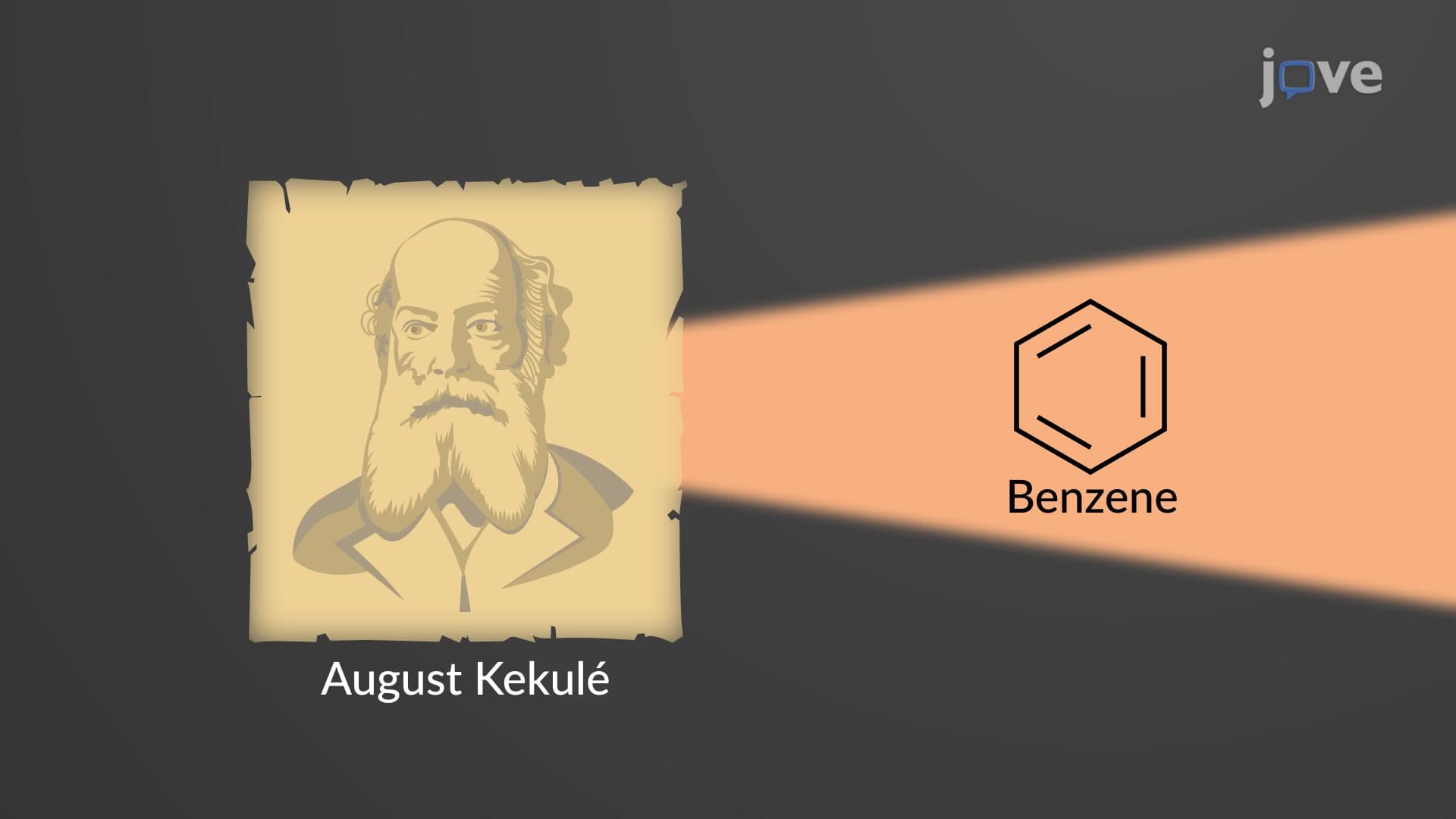
August Kekulé's 1865 proposal marked a pivotal moment in organic chemistry history. His structure of benzene Kekul model suggested that benzene (C₆H₆) consists of a six-membered carbon ring with alternating single and double bonds, each carbon bonded to one hydrogen atom. This revolutionary idea moved beyond the linear structures previously proposed and introduced the concept of cyclic organic molecules.
Key Features and Predictions of Kekulé's Benzene Model
The Kekulé model successfully addressed several structural requirements. It satisfied carbon's tetravalency rule, ensuring each carbon formed exactly four bonds. The model made all hydrogen atoms equivalent, which aligned with experimental observations showing only one type of hydrogen in benzene. For students preparing for the AP Chemistry exam or college organic chemistry courses, understanding this equivalence concept is crucial for predicting substitution patterns in aromatic compounds.
However, Kekulé's model predicted the existence of two different 1,2-dibromobenzene isomers. According to his alternating bond structure, bromines could be separated by either a single bond or a double bond, creating distinct compounds. This prediction became problematic when chemists could isolate only one form of 1,2-dibromobenzene, not the two predicted varieties.
Limitations and the Rapid Equilibrium Hypothesis
To explain this discrepancy, Kekulé proposed that benzene rapidly oscillates between two equivalent structures-what we now call Kekulé structures. He suggested this equilibrium occurred so quickly that the two forms became indistinguishable and inseparable. While innovative for its time, modern spectroscopic techniques have proven that no such equilibrium exists.
Chemical Reactivity Problems in Kekulé's Framework
The most significant limitation of Kekulé's model involved benzene's unexpected chemical behavior. Traditional alkenes with C=C double bonds readily undergo addition reactions with bromine, converting Br₂ into products where bromine atoms add across the double bond. However, benzene undergoes substitution reactions instead, where bromine replaces hydrogen atoms while maintaining the ring structure. This behavior puzzled chemists because Kekulé's model suggested benzene should react like other alkenes.
For MCAT preparation, students should recognize that Kekulé's work, while ultimately incomplete, provided the foundation for modern aromatic chemistry. Today's understanding incorporates resonance theory and delocalized electron systems to explain benzene's unique stability and reactivity patterns that Kekulé's static model couldn't address.
Frequently Asked Questions
Kekulé's benzene model proposes a six-carbon ring with alternating single and double bonds, each carbon attached to one hydrogen. This 1865 theory was the first to suggest benzene's cyclic structure. While groundbreaking, it couldn't fully explain benzene's unique chemical properties and stability.
AP Chemistry often tests Kekulé structures as historical context for modern resonance theory. Students should know Kekulé proposed alternating bonds but couldn't explain benzene's stability. Questions typically compare Kekulé's predictions with actual experimental observations, especially regarding dibromobenzene isomers.
MCAT Organic Chemistry sections frequently reference Kekulé structures when discussing aromatic stability and resonance. Understanding Kekulé's limitations helps explain why modern theory uses delocalized electrons. This knowledge applies to predicting reactivity patterns in pharmaceutical compounds and biological molecules.
Kekulé's model predicted two different 1,2-dibromobenzene isomers, but only one exists experimentally. His rapid equilibrium hypothesis attempted to explain this but proved incorrect. The model also couldn't account for benzene's preference for substitution over addition reactions with bromine.
While Kekulé's original model is outdated, his structural drawings remain useful for representing aromatic rings in drug molecules. Many US pharmaceuticals contain benzene rings, from aspirin to complex antibiotics. Modern chemists use Kekulé structures as convenient shorthand while understanding the true electronic structure involves delocalization.
No advanced mathematics is required to grasp Kekulé's benzene structure concept. The model uses basic chemical bonding principles taught in high school chemistry. Understanding carbon tetravalency and simple molecular geometry provides sufficient background for comprehending this historical structural theory.
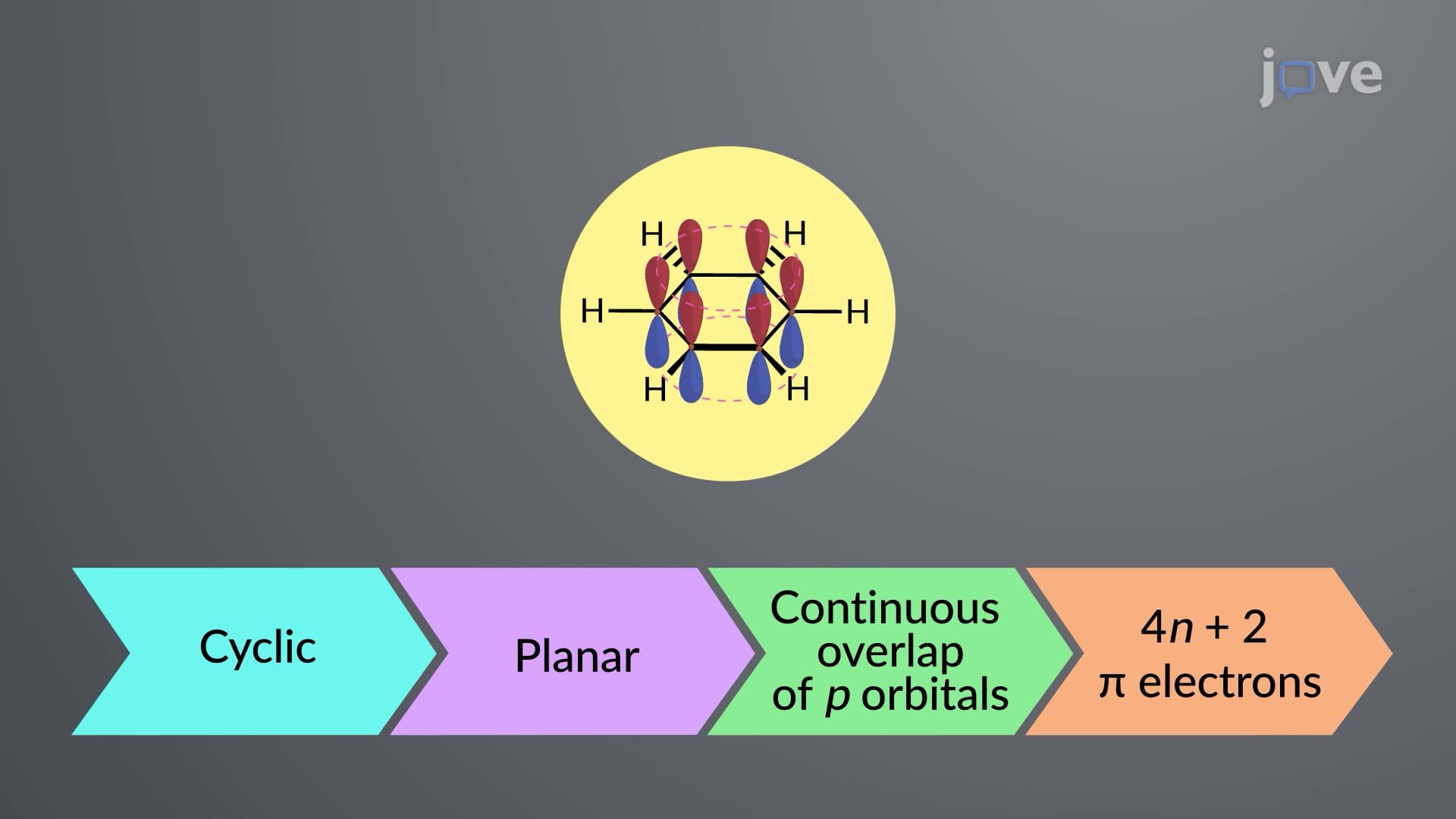
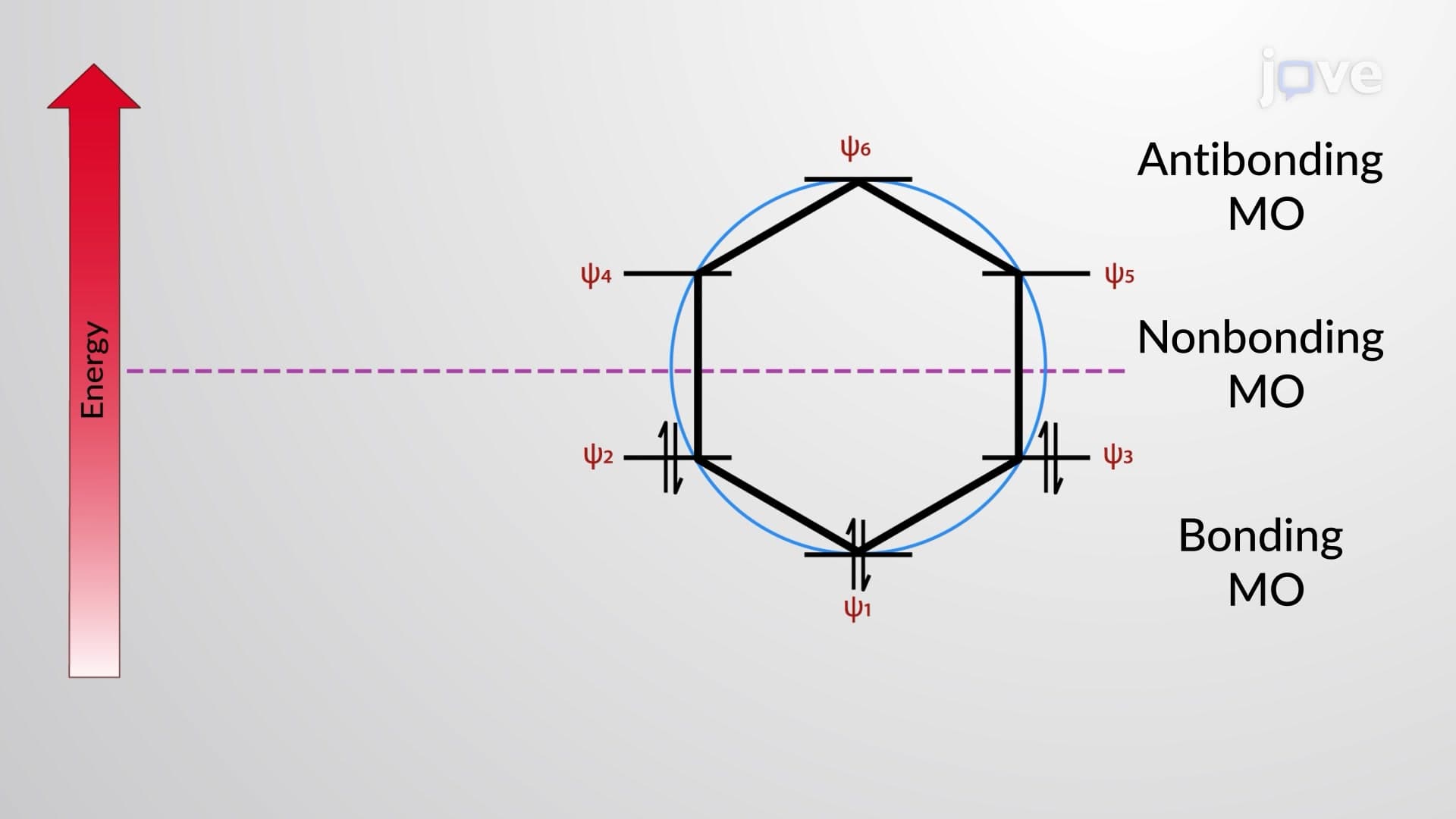
Progress to resonance theory and aromatic stability concepts next. Learn about Hückel's rule for aromaticity, benzene's molecular orbital structure, and electrophilic aromatic substitution mechanisms. These topics build directly on Kekulé's foundational work while explaining benzene's true electronic nature.
Focus on drawing Kekulé structures accurately and identifying their limitations compared to experimental evidence. Practice explaining why the model predicted multiple dibromobenzene isomers but only one exists. Memorize the key differences between substitution and addition reactions for aromatic versus alkene compounds.
Related Micro-courses