Loading video…


 12 Concepts
 89.6K views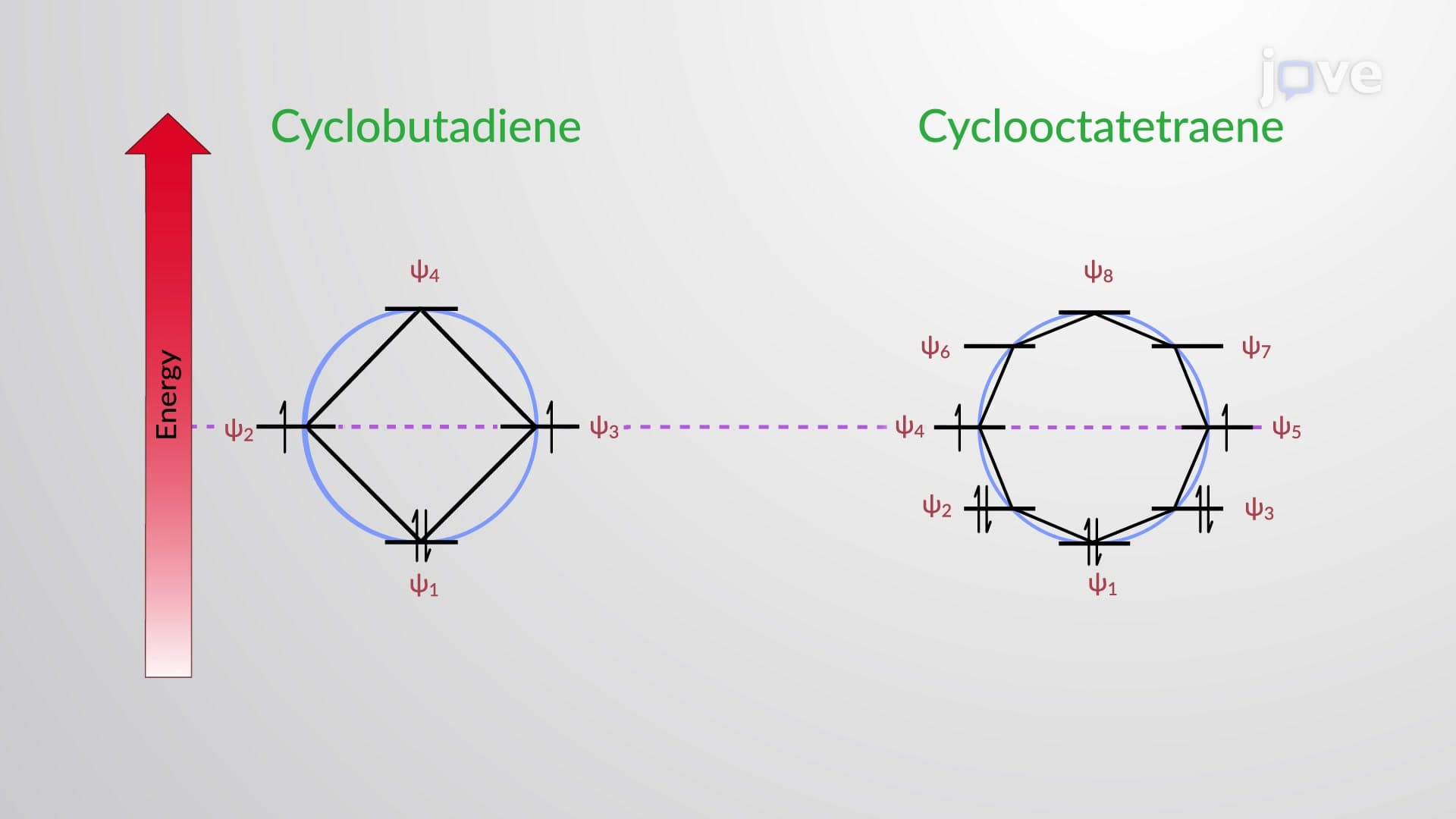

Video Summary: Frost Circles for Different Conjugated Systems Explained
Ever wonder why some molecules like benzene are remarkably stable while others seem inherently unstable? Frost circles for different conjugated systems reveal the hidden energy patterns that determine molecular stability and aromaticity. This powerful visualization tool helps predict whether cyclic compounds like those found in pharmaceutical drugs manufactured by companies like Pfizer will exhibit aromatic behavior. By examining the electron distribution in molecular orbitals through frost circles for different conjugated systems explained, you'll understand why benzene forms the backbone of countless organic compounds while cyclobutadiene remains elusive. Watch the full video on JoVE Coach to master this concept with expert-led visuals and step-by-step explanations.
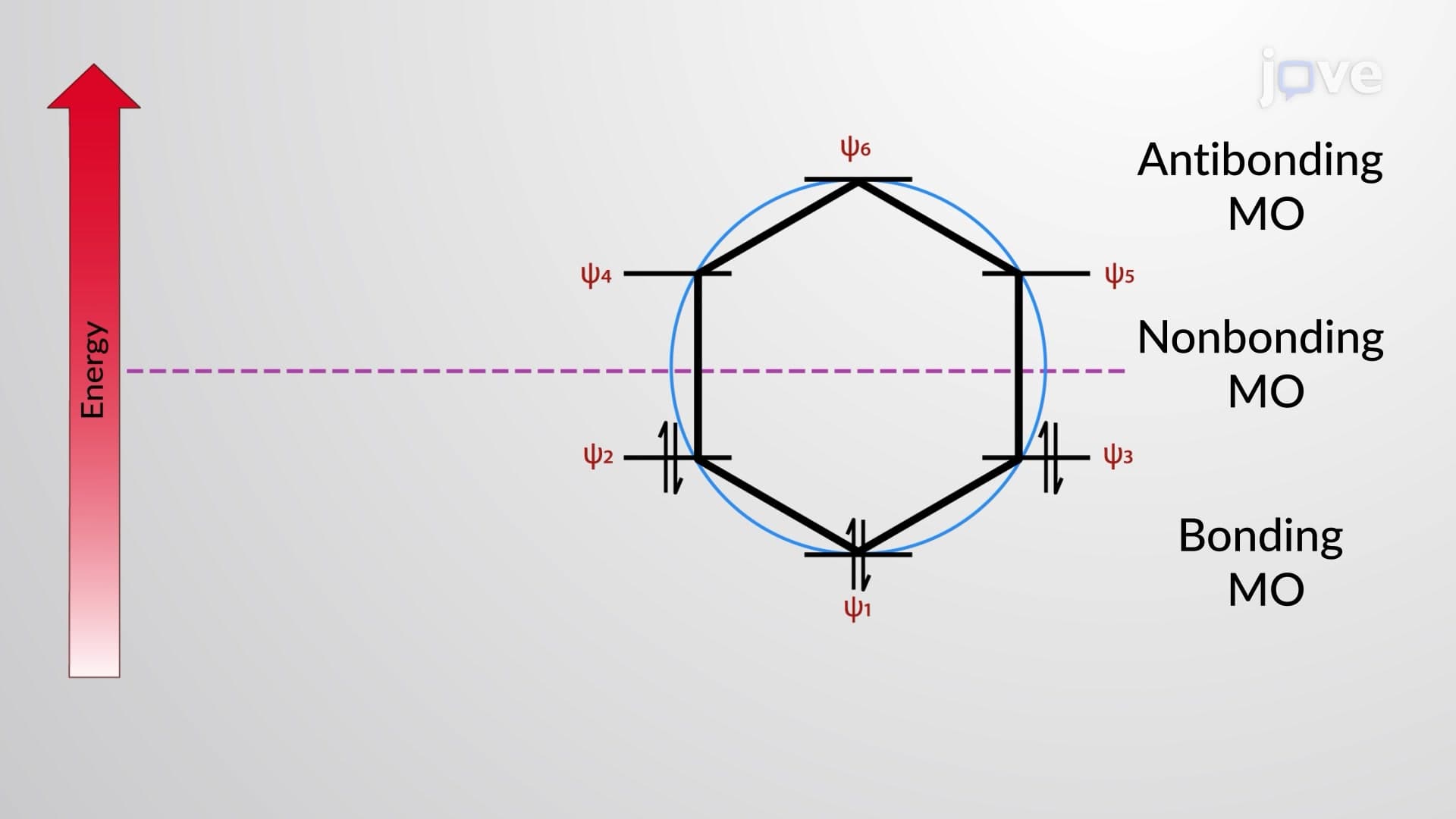
Frost circles represent one of the most elegant tools in organic chemistry for visualizing molecular orbital energies in cyclic conjugated systems. Named after Arthur Frost, these circular diagrams provide immediate insight into electron distribution patterns that determine whether a compound will exhibit aromatic, antiaromatic, or nonaromatic behavior. The method involves inscribing a polygon representing the cyclic compound inside a circle, with vertices touching the circle's circumference to indicate relative energy levels of molecular orbitals.
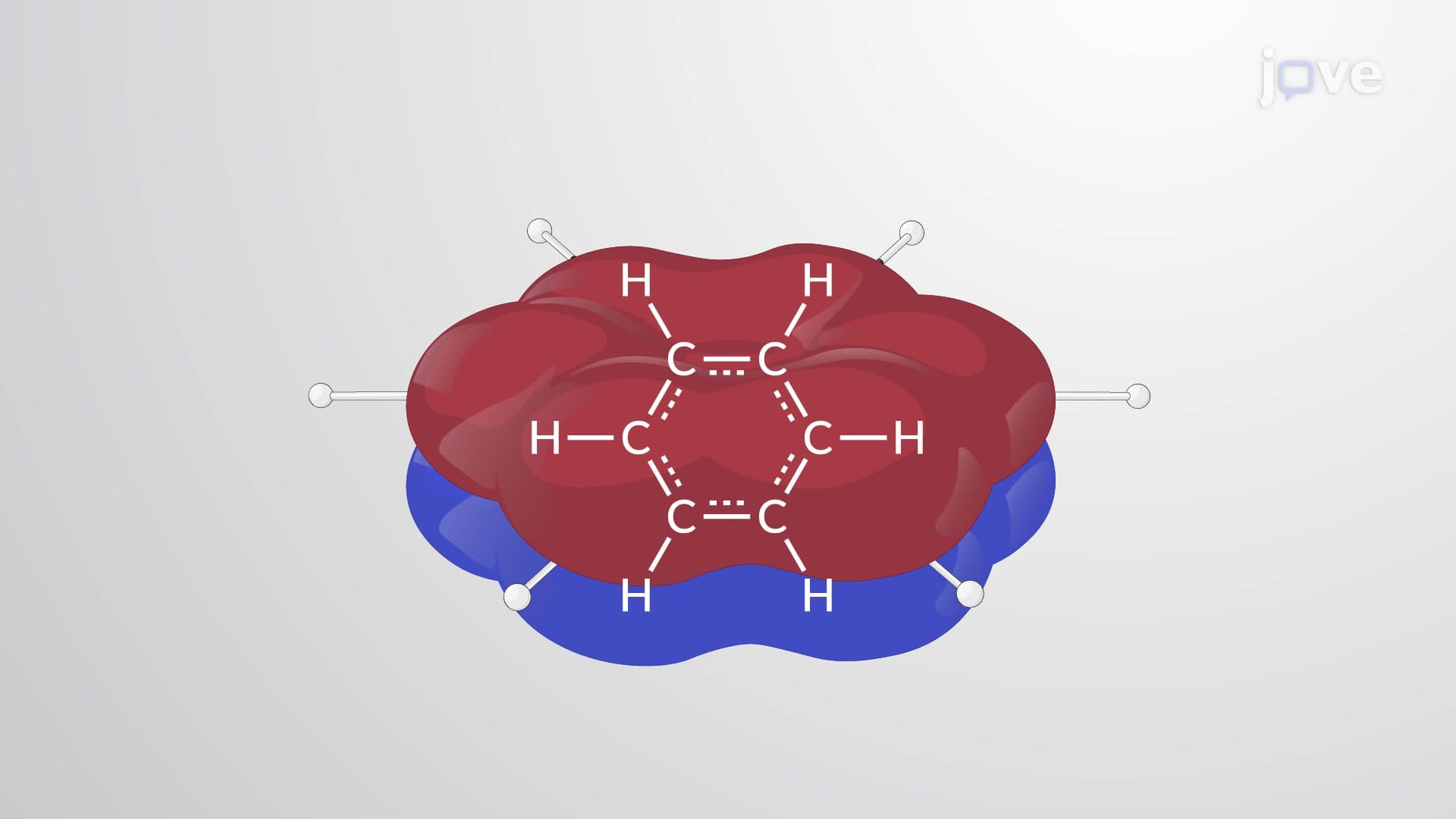
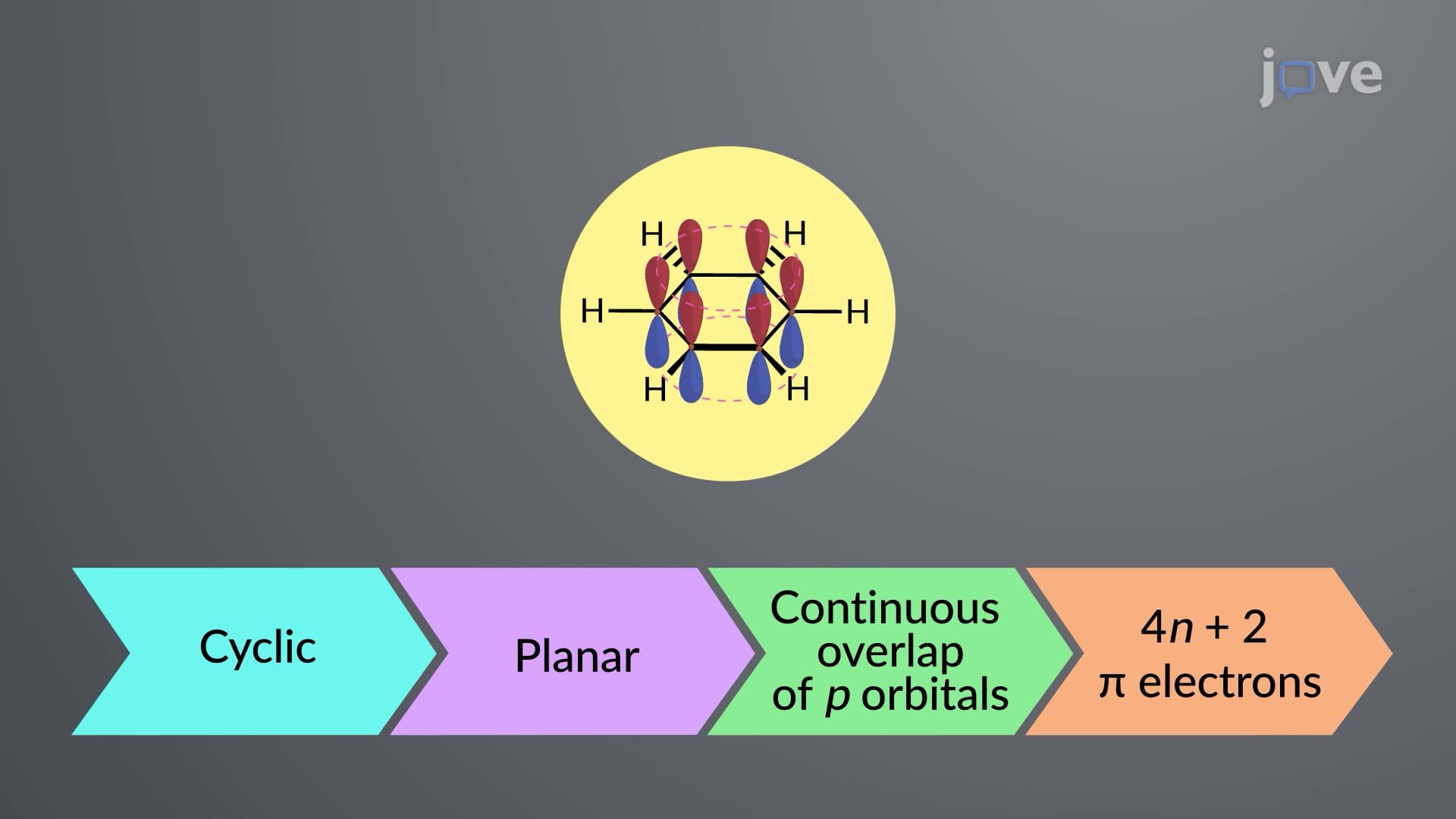
Benzene's frost circle demonstrates why this six-membered ring serves as the foundation for countless compounds in the pharmaceutical industry. With six molecular orbitals arranged around the circle, benzene exhibits one lowest-energy bonding orbital at the bottom, two degenerate bonding orbitals on the sides, and three antibonding orbitals in the upper portion. The six π electrons perfectly fill the three bonding orbitals with paired electrons, leaving all antibonding orbitals empty. This optimal electron configuration explains benzene's exceptional stability and its prevalence in drug molecules like aspirin and many compounds produced by major pharmaceutical companies across the United States.
Cyclobutadiene's frost circle reveals why this four-membered ring remains synthetically challenging and highly unstable. The square arrangement creates one bonding orbital at the bottom, two degenerate nonbonding orbitals on the sides, and one antibonding orbital at the top. With four π electrons, the bonding orbital receives two electrons, but the remaining two electrons must occupy the nonbonding orbitals singly, creating unpaired electrons. This electron configuration violates the stability requirements for aromaticity, rendering cyclobutadiene antiaromatic and highly reactive.
Similarly, cyclooctatetraene's eight-sided frost circle shows why this compound adopts a non-planar, tub-shaped conformation rather than remaining flat like benzene. The eight π electrons would require occupation of higher-energy nonbonding orbitals if the molecule remained planar, destabilizing the system and preventing aromatic character.
Understanding frost circles proves essential for success in advanced placement chemistry courses, MCAT preparation, and undergraduate organic chemistry sequences. Students encounter these concepts extensively in AP Chemistry when studying molecular orbital theory and chemical bonding. Medical school applicants must master frost circle analysis for MCAT success, particularly in passages involving pharmaceutical compound structures and stability predictions.
Related Micro-courses