Loading subject page…

- Organic Chemistry
- Aromatic Compounds
- Structure of Benzene: Molecular Orbital Model
Micro-course: Aromatic Compounds
89,601 views
Learn key concepts and earn your certificate.


Structure of Benzene: Molecular Orbital Model

00:00
01:18
Video Summary: Structure of Benzene Molecular Orbital Model Explained
Ever wonder why benzene doesn't behave like other unsaturated compounds despite having alternating bonds? The structure benzene molecular orbital model reveals that benzene's unique stability comes from electron delocalization across six carbon atoms arranged in a perfect hexagon. This explains why benzene, found in everything from plastics manufacturing to pharmaceutical synthesis in the US chemical industry, resists typical addition reactions. Watch the full video on JoVE Coach to master this concept with expert-led visuals and step-by-step explanations.
- Understand how the Structure of Benzene Molecular Orbital Model Explained describes benzene's planar hexagonal geometry with sp² hybridized carbons
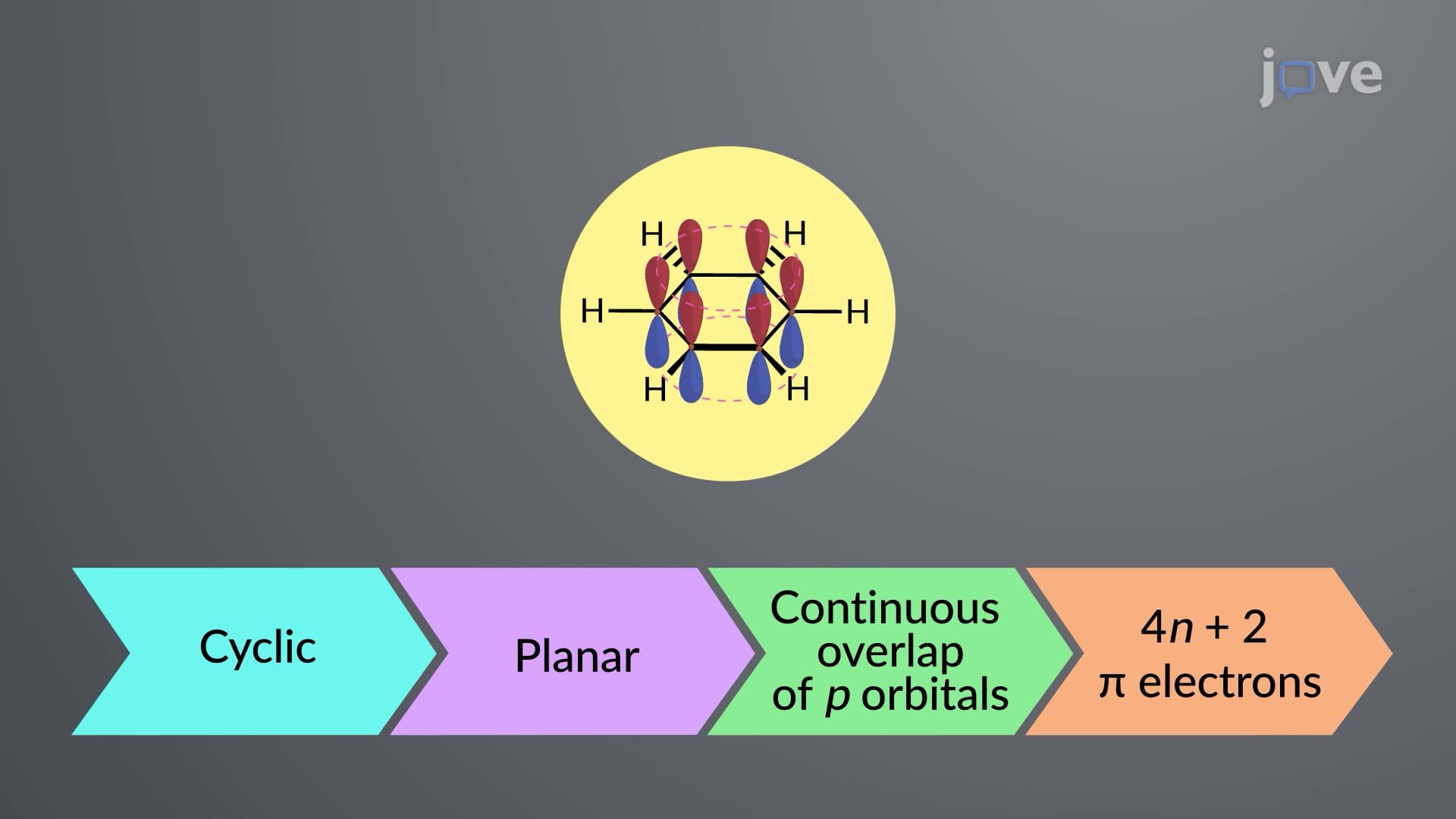
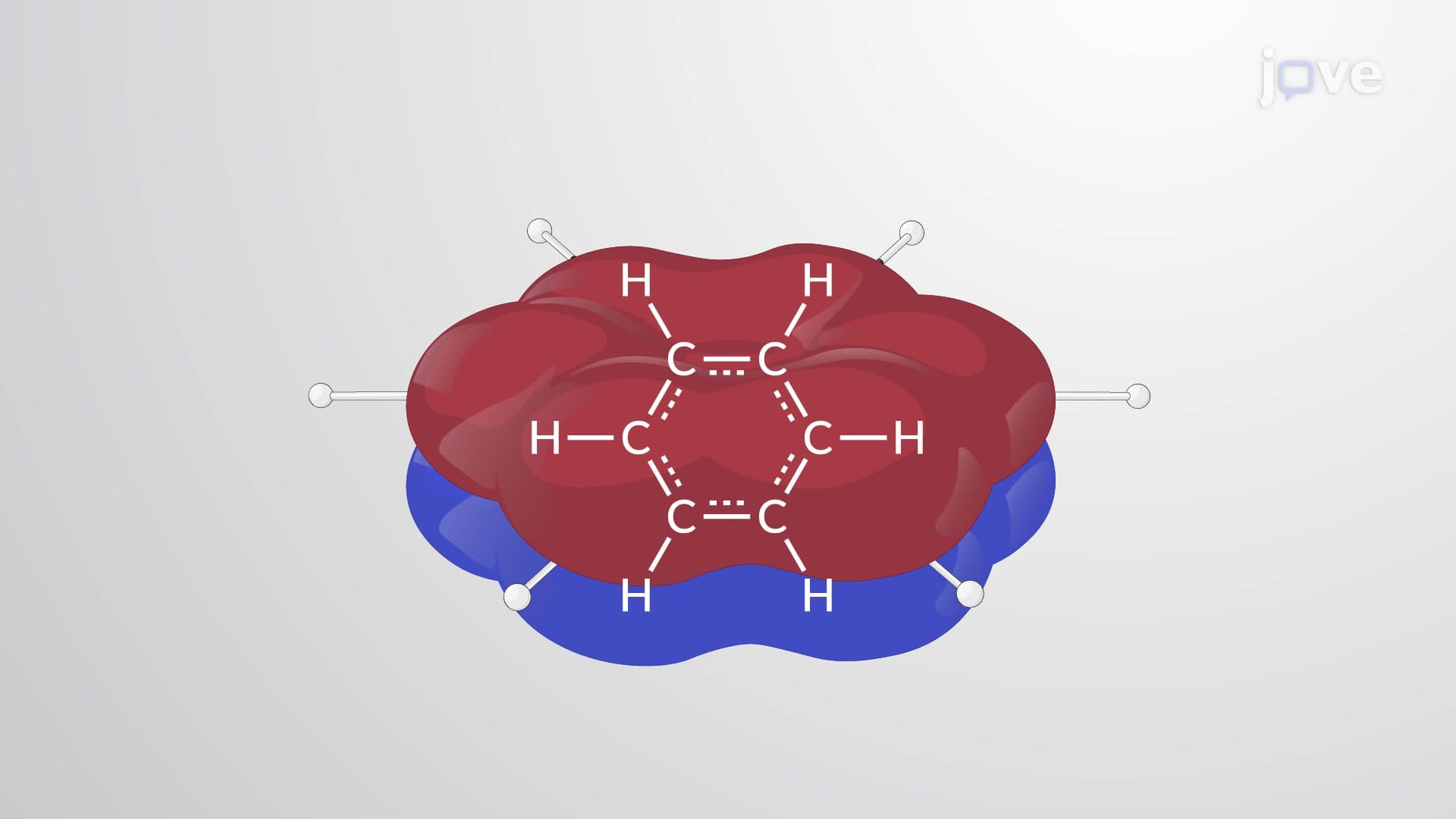
- Identify the role of unhybridized 2p orbitals in forming delocalized π molecular orbitals above and below the benzene ring
- Analyze why benzene exhibits equal C-C bond lengths intermediate between single and double bonds
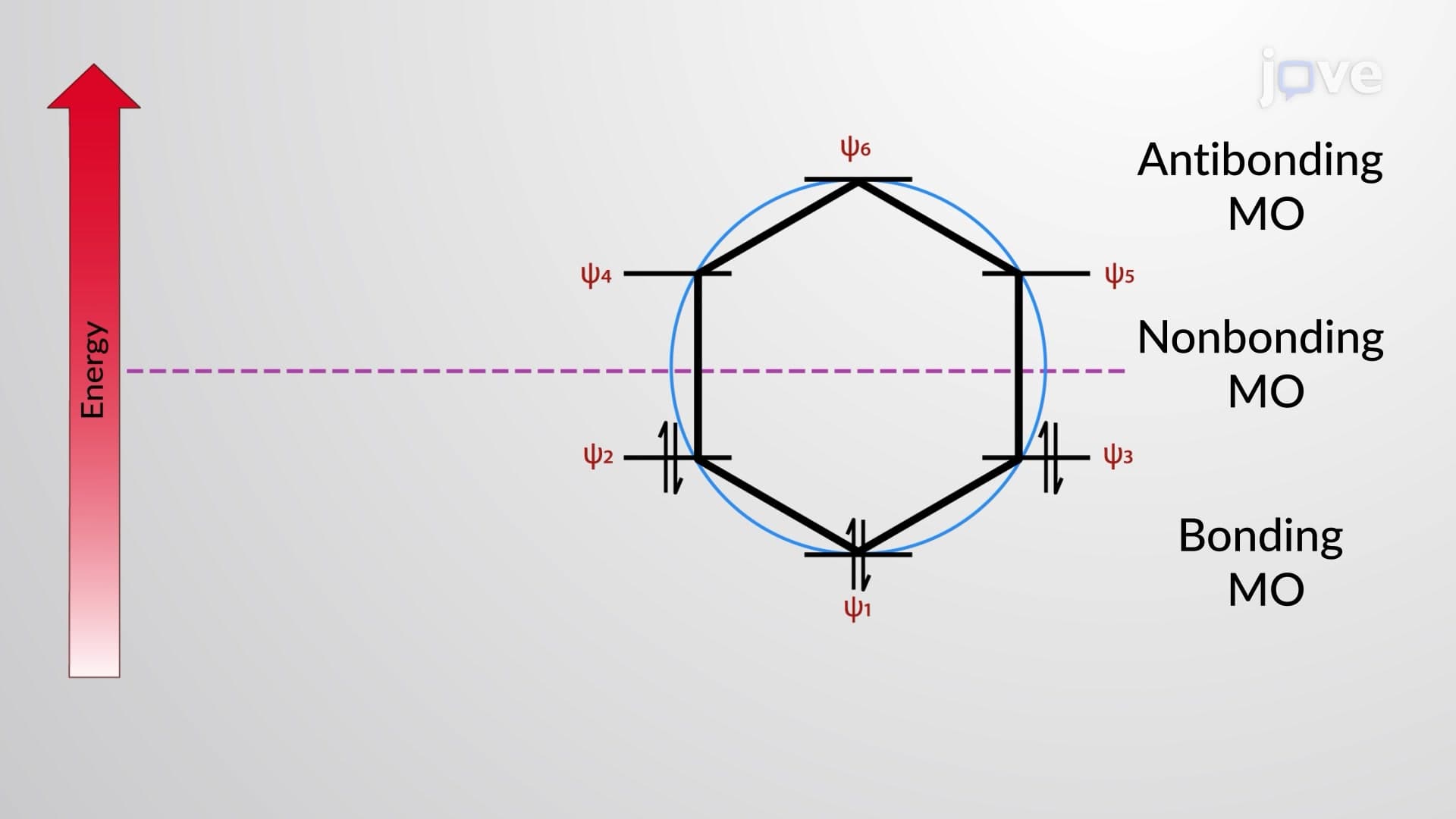
- Compare bonding and antibonding molecular orbitals in benzene's electronic structure
- Evaluate how electron delocalization contributes to benzene's exceptional thermodynamic stability
- Apply molecular orbital theory to predict benzene's chemical behavior and reactivity patterns
- Recognize the connection between sp² hybridization and 120° bond angles in aromatic systems
- Explore how benzene's closed-shell electron configuration explains its resistance to addition reactions
Understanding the Structure of Benzene Molecular Orbital Model
The molecular orbital approach to benzene represents one of chemistry's most elegant explanations for aromatic stability. Unlike simple Lewis structures that suggest alternating single and double bonds, the molecular orbital model reveals benzene as a perfectly symmetrical molecule where electron density is distributed equally around the ring.
sp² Hybridization and Sigma Framework
Each carbon atom in benzene undergoes sp² hybridization, creating three equivalent hybrid orbitals arranged in a trigonal planar geometry. This hybridization scheme produces the characteristic 120° bond angles observed in benzene's hexagonal structure. The sp²-sp² orbital overlap between adjacent carbons forms strong sigma bonds, while sp²-1s overlap with hydrogen atoms completes the sigma bonding framework. This arrangement creates a rigid, planar structure that serves as the foundation for benzene's unique electronic properties.
Pi Molecular Orbital Formation and Electron Delocalization
The key to benzene's stability lies in its pi system. Each carbon retains one unhybridized 2p orbital perpendicular to the molecular plane. These six 2p orbitals combine through linear combination of atomic orbitals (LCAO) to generate six molecular orbitals: three bonding and three antibonding. The six π electrons completely fill the three bonding molecular orbitals, creating a closed-shell configuration that maximizes stability while leaving antibonding orbitals empty.
Real-World Applications and Exam Relevance
This delocalization model explains benzene's behavior in industrial processes across the US chemical sector. Pharmaceutical companies like Pfizer and Merck rely on understanding aromatic stability when designing drug molecules, while petrochemical refineries use this knowledge to optimize benzene production from crude oil. For students preparing for AP Chemistry, MCAT, or college organic chemistry exams, mastering this concept is crucial since benzene serves as the foundation for understanding all aromatic chemistry. The molecular orbital model frequently appears in multiple-choice questions testing electron configuration and bonding theory, making it essential for achieving high scores on standardized tests.
Frequently Asked Questions
The structure of benzene molecular orbital model describes benzene as a planar hexagon with six sp² hybridized carbons connected by sigma bonds, plus a delocalized π system formed by overlapping 2p orbitals. This creates six molecular orbitals (three bonding, three antibonding) with the six π electrons filling only the bonding orbitals. The result is exceptional stability due to electron delocalization across the entire ring structure.
MCAT and AP Chemistry frequently test benzene through questions about hybridization, bond angles, and electron delocalization. You'll encounter problems asking why benzene has equal bond lengths, why it resists addition reactions, or how many electrons occupy π bonding orbitals. Practice identifying sp² hybridization patterns and explaining how delocalization affects chemical reactivity.
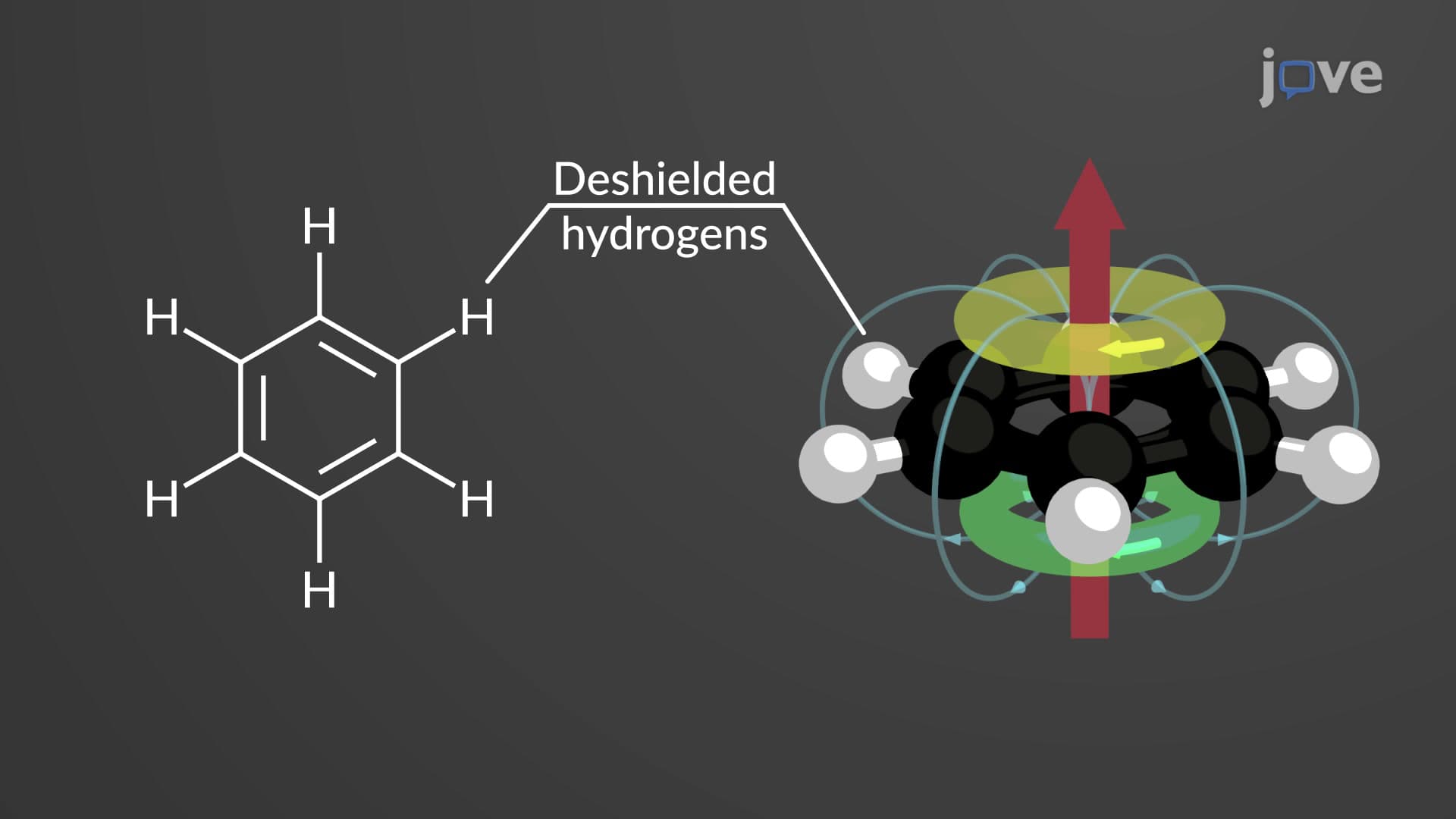
Students often struggle because they try to apply simple bonding models to a complex delocalized system. The key breakthrough comes from understanding that electrons aren't localized between specific carbon pairs but spread across the entire π system. Focus on visualizing the doughnut-shaped electron clouds above and below the ring plane.
Major US pharmaceutical companies design drugs containing benzene rings because aromatic stability affects how medications interact with biological targets. Understanding benzene's electronic structure helps predict drug metabolism, binding affinity, and side effects. Companies like Johnson & Johnson and Bristol Myers Squibb employ this knowledge in developing everything from pain relievers to cancer treatments.
While benzene molecular orbital theory seems complex initially, it builds logically on concepts you already know: hybridization, orbital overlap, and electron configuration. Start with understanding sp² hybridization and 120° bond angles, then gradually add the π system concepts. Most students master this within 2-3 weeks of focused study.
Create visual associations linking structure to stability: remember "six π electrons in three bonding orbitals equals stability." Practice drawing benzene's molecular orbital energy diagram and explaining why filled bonding orbitals create aromatic character. Use flashcards connecting benzene's properties (equal bond lengths, planarity) to its molecular orbital description.
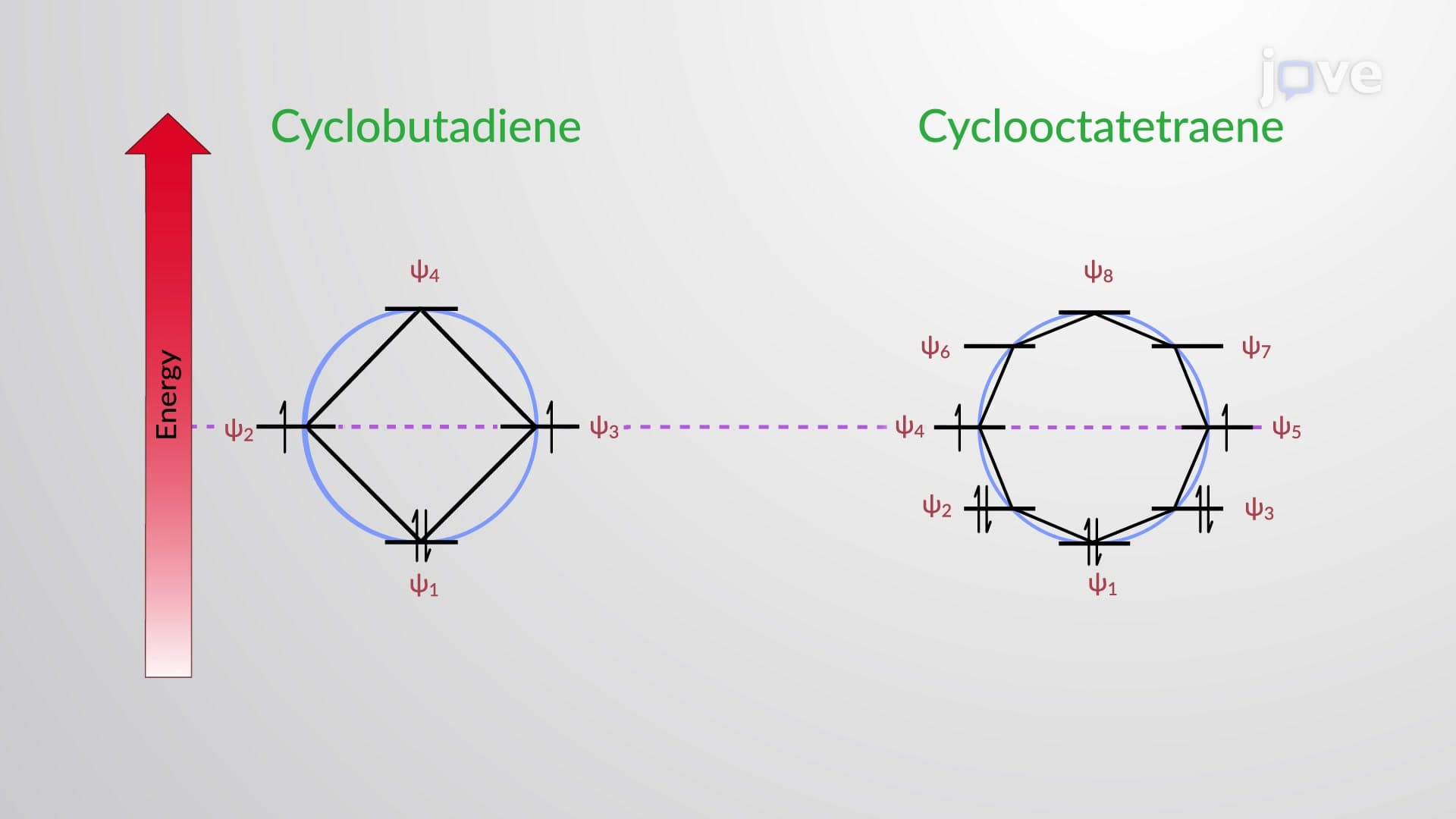
Build on benzene by exploring Hückel's rule for aromaticity, comparing aromatic versus antiaromatic systems, and studying electrophilic aromatic substitution mechanisms. Understanding benzene's molecular orbitals provides the foundation for predicting reactivity in complex polycyclic aromatic compounds and heterocycles commonly found in pharmaceuticals.
Related Micro-courses